Statues With Crazy Stories
You walk past statues every day without thinking much about them. Bronze figures on pedestals, stone monuments in parks, commemorative plaques on street corners.
They blend into the background of city life. But some statues have stories that refuse to stay quiet—tales of theft, controversy, curses, and accidents that turned ordinary sculptures into legendary landmarks.
The Statue of Liberty’s Original Color
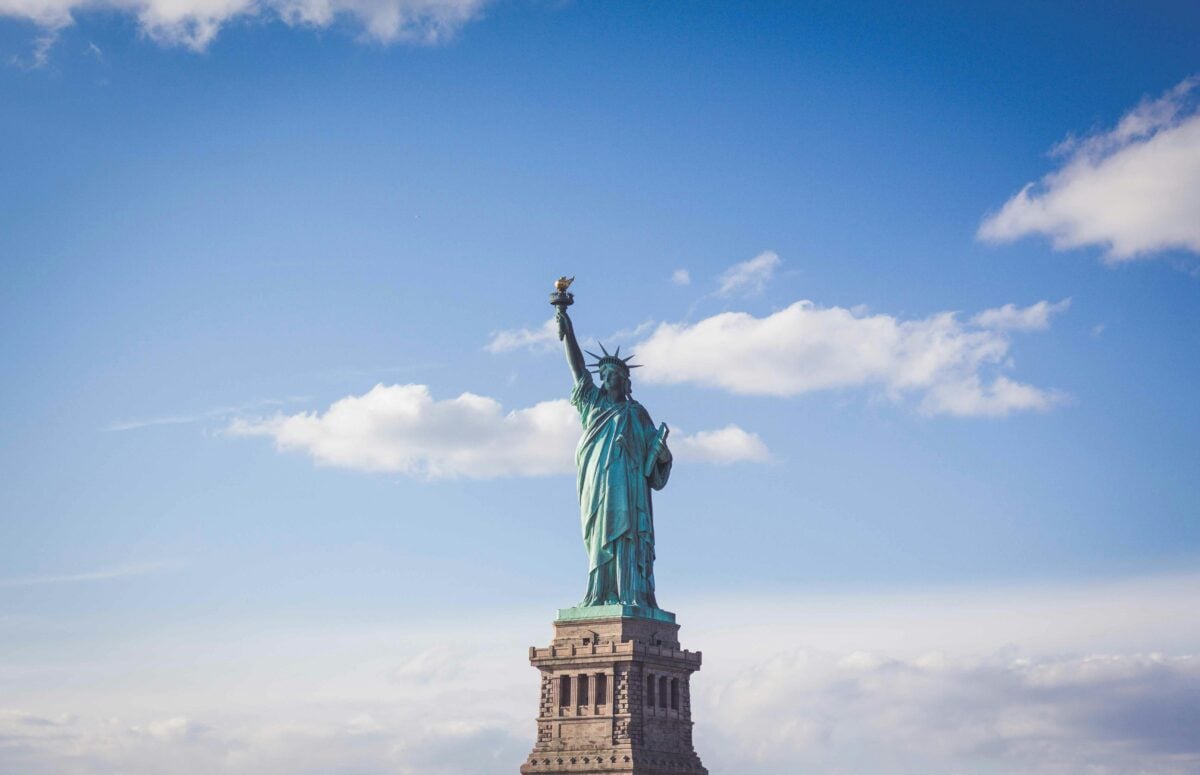
Everyone knows the Statue of Liberty is green. Except it wasn’t always. When France gifted the statue to the United States in 1886, Lady Liberty gleamed copper brown, the natural color of the metal she’s made from.
The green patina developed over about 30 years as the copper oxidized. In the 1980s, during restoration work for the statue’s centennial, someone suggested cleaning off the green to restore the original copper color.
The public outcry was immediate and fierce. People loved the green.
It had become iconic. The restoration team left the patina alone, and Lady Liberty stayed green.
Sometimes the accident becomes more important than the original intention.
The Brussels Statue That Saved a City
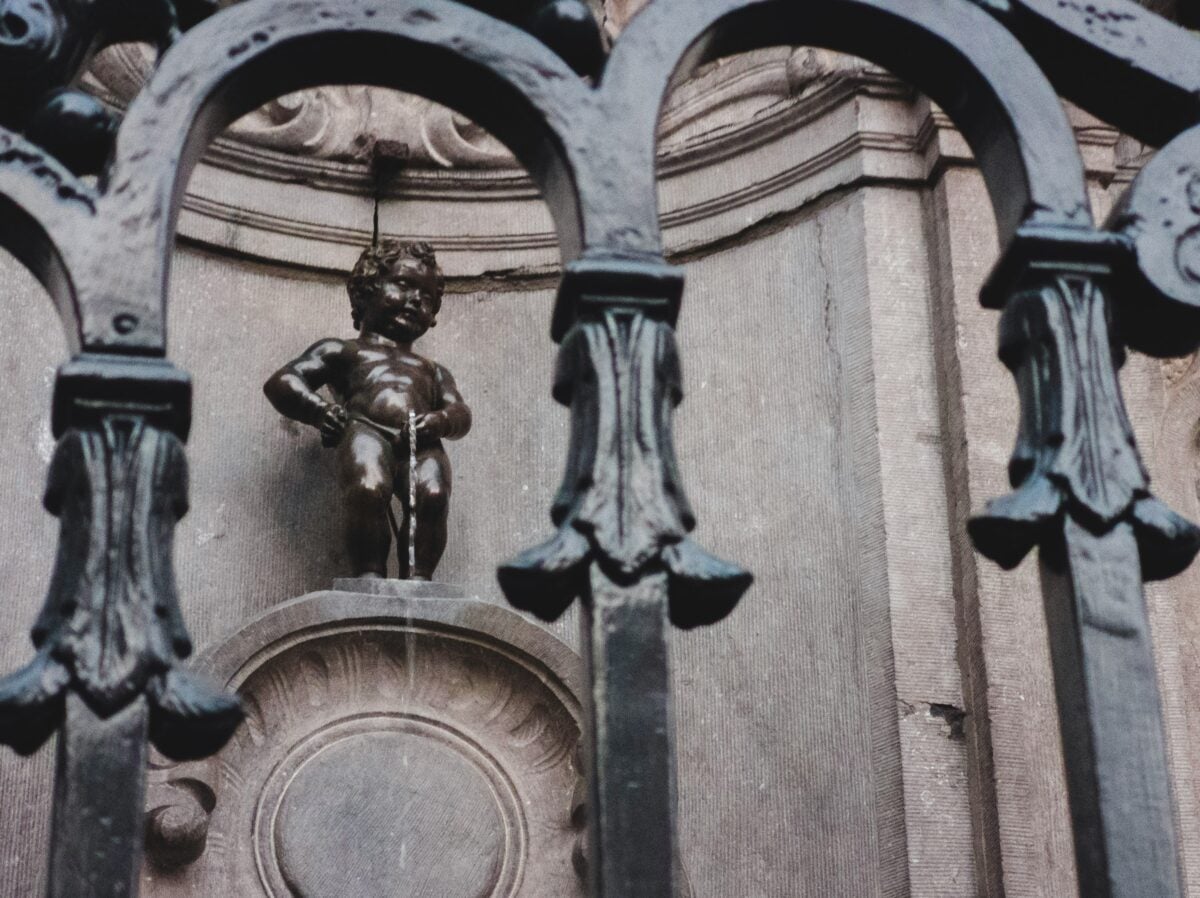
Manneken Pis is a small bronze fountain sculpture in Brussels showing a little boy urinating into a basin. The statue stands less than two feet tall, but it’s one of Belgium’s most famous landmarks.
Legend says a young boy once saved Brussels by peeing on a burning fuse that would have detonated explosives and destroyed the city. Historians doubt this story is true, but it doesn’t matter.
The statue has been stolen multiple times—the current version is a copy from 1965. The original from 1619 sits in a museum.
People from around the world send costumes for the statue. It has over 1,000 outfits, including an Elvis suit, military uniforms, and various national costumes.
Cities have built their own versions.
The Charging Bull’s Unauthorized Arrival

The famous Wall Street bull wasn’t commissioned or approved by anyone official. Artist Arturo Di Modica created the 7,000-pound bronze sculpture and, in December 1989, illegally installed it in front of the New York Stock Exchange in the middle of the night.
He wanted to symbolize the strength and resilience of the American people after the 1987 stock market crash. The city impounded the bull immediately. Public outcry forced officials to relocate it rather than remove it.
The statue moved to its current location in Bowling Green, where it became one of New York’s most photographed landmarks. Di Modica spent $360,000 of his own money to create a guerrilla art installation that became a permanent fixture of Manhattan.
Fearless Girl and the Copyright Battle

In 2017, another statue appeared across from the Charging Bull—a bronze girl standing with hands on her hips, staring down the bull. State Street Global Advisors commissioned Fearless Girl to promote gender diversity in corporate leadership.
The statue became an instant sensation. Di Modica was furious.
He argued that placing Fearless Girl opposite his bull changed the meaning of his work. His bull represented prosperity and resilience.
Fearless Girl turned it into a symbol of male Wall Street aggression. He threatened legal action.
The dispute raised questions about how new art can alter the meaning of existing art in public spaces. Fearless Girl eventually moved to a new location in front of the New York Stock Exchange, and the controversy quieted down.
The Stolen Hand of Victor Noir
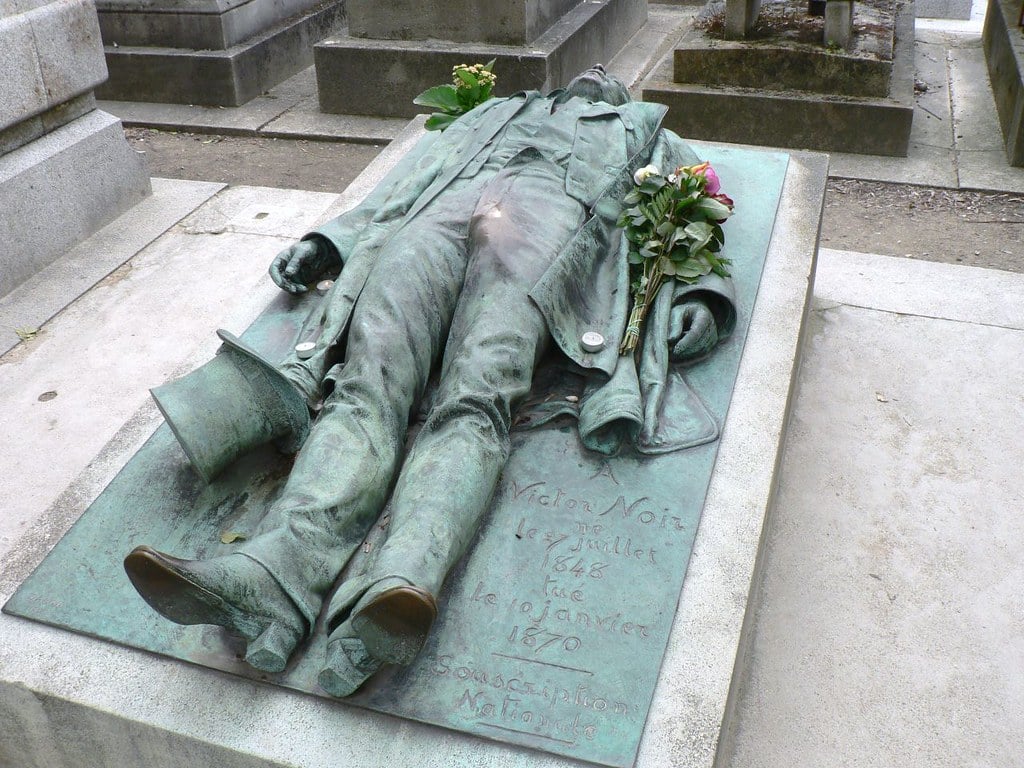
Victor Noir was a French journalist killed in a duel in 1870. His tomb in Paris features a life-size bronze sculpture of him lying as if he’d just fallen.
The sculpture is anatomically detailed, and over the years, a rumor spread that touching a certain part of the statue would boost fertility. The statue’s crotch area has been rubbed smooth and shiny by countless visitors.
Cemetery officials have tried to discourage this practice, but it continues. Victor Noir’s grave became an unintentional fertility shrine because people believe in sympathetic magic and because bronze gets shiny when you rub it enough.
The David Replica That Offended Everyone
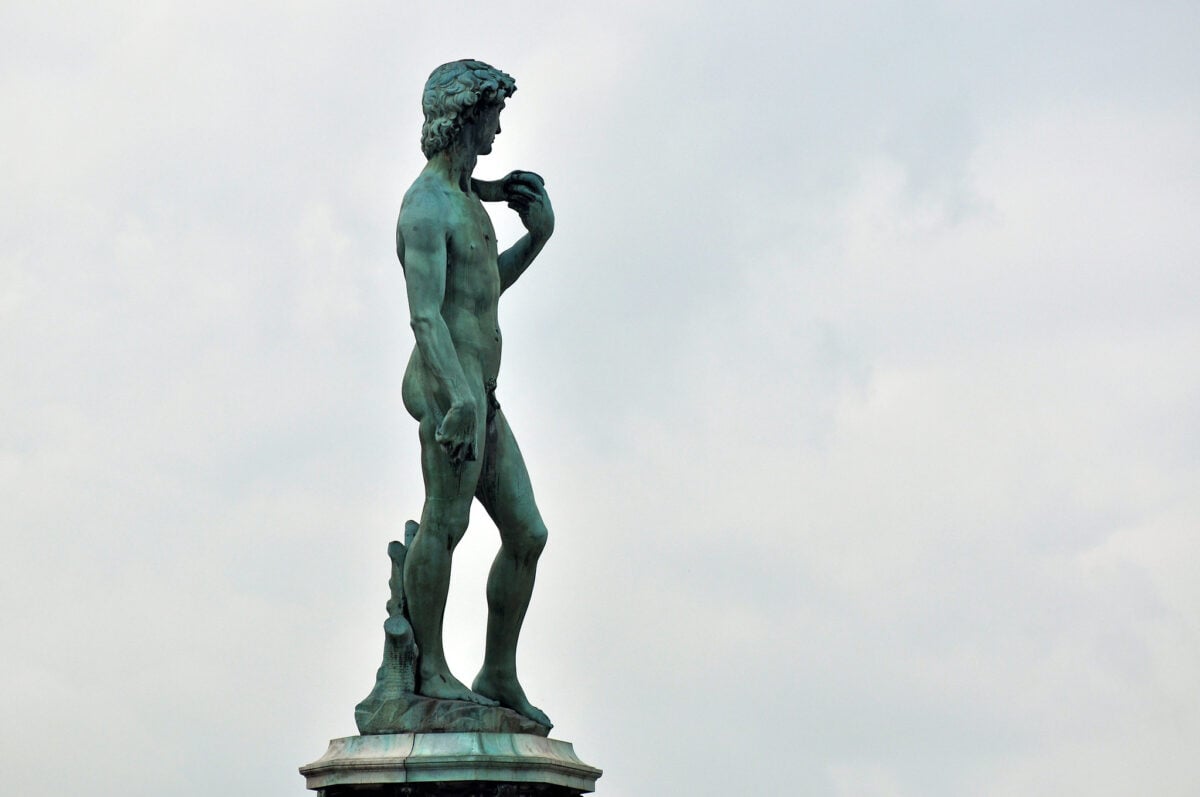
Michelangelo’s David is a masterpiece of Renaissance sculpture. When a school in Florida showed students an image of the statue during an art class in 2023, some parents complained about the nudity.
The principal resigned under pressure. The incident sparked international debate about art, education, and censorship.
Italy’s culture minister offered the principal a free trip to Florence to see the original David. The controversy highlighted how different cultures view classical art and how context changes everything.
A statue considered one of humanity’s greatest artistic achievements became the center of a school board battle.
Lenin Statues in Unexpected Places
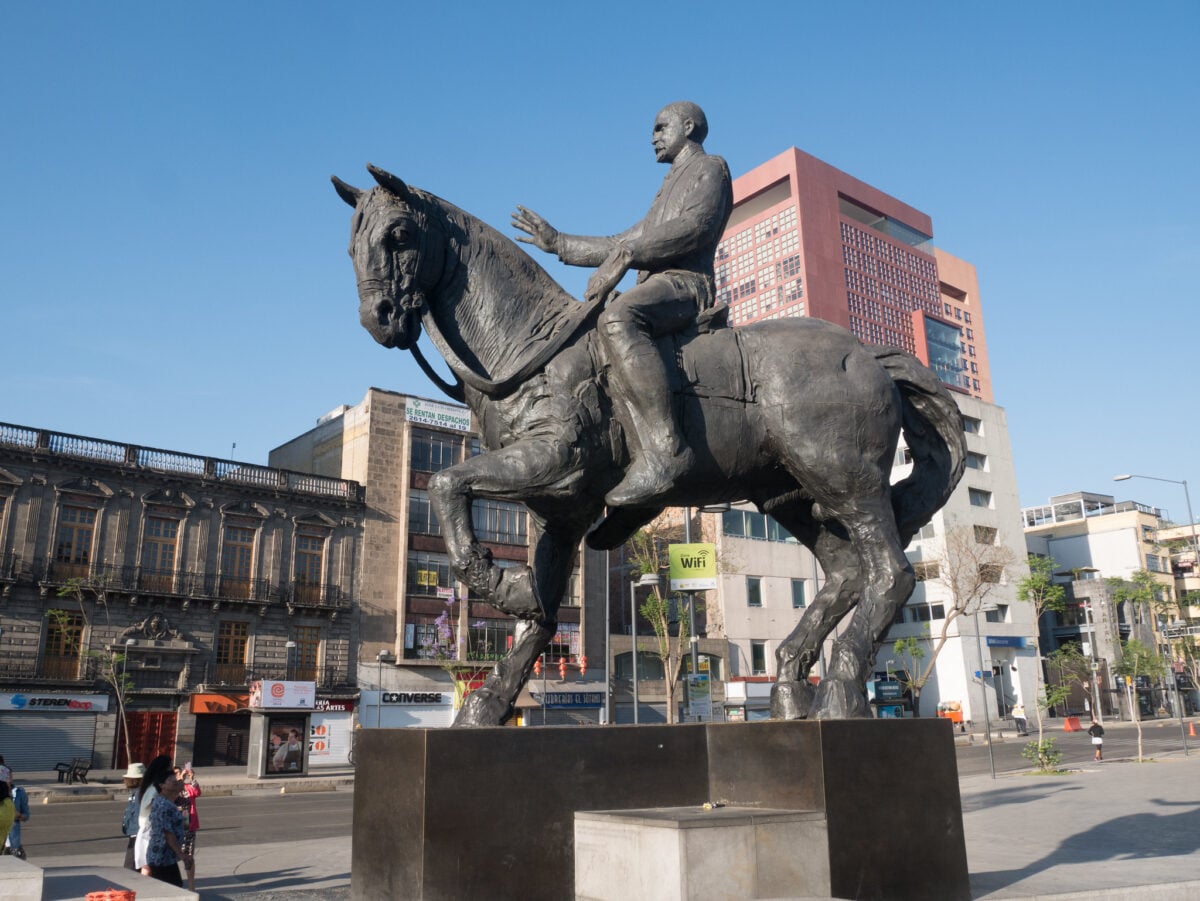
After the Soviet Union collapsed, hundreds of Lenin statues came down across Eastern Europe. Some were destroyed.
Others found strange new homes. A statue of Lenin now stands in the Fremont neighborhood of Seattle, purchased from a scrapyard in Slovakia.
The neighborhood treats it as quirky public art, often decorating it for holidays. Another Lenin statue ended up in a Las Vegas museum.
Several more sit in storage or private collections. These monuments to communist ideology became yard ornaments and tourist curiosities.
History doesn’t always treat its heroes kindly, but it sometimes gives them second acts as ironic lawn decorations.
The Confederate Monuments That Keep Coming Down

Starting in 2015 and accelerating in 2020, cities across the American South removed hundreds of Confederate monuments. Some came down officially through city council votes.
Protesters tore others down. The removals sparked intense debates about history, memory, and public space.
Many of these statues weren’t erected right after the Civil War. Most went up during the Jim Crow era or the Civil Rights movement as statements about racial hierarchy.
Discovering when and why a statue was built often matters more than who it depicts. These monuments weren’t just remembering history—they were making arguments about the present.
The Headless Statue of Jan Smuts

In Cape Town, South Africa, a statue of Jan Smuts once stood in front of the South African Museum. Smuts was a complex figure—a military leader, prime minister, and advocate for human rights internationally, but also a supporter of segregation at home.
In 2015, during the Rhodes Must Fall movement, someone cut off the statue’s head. The university removed the headless statue.
Whether you see this as vandalism or a political statement depends on your perspective. The headless statue sat in storage for years, a strange artifact of South Africa’s ongoing struggle with its colonial past.
The Christ the Redeemer Lightning Strikes

The massive Art Deco statue of Christ overlooking Rio de Janeiro gets struck by lightning regularly. The statue stands 98 feet tall on top of a mountain, making it a natural lightning rod.
In 2014, lightning struck the statue and broke off the tip of the right thumb. Engineers designed the statue to withstand lightning.
It gets hit three to five times a year on average. Restoration teams keep replacement soapstone on hand for repairs.
Christ the Redeemer watches over Rio while constantly getting zapped by thunderstorms, a perpetual cycle of damage and repair.
The Giant Rubber Duck That Went Everywhere

Dutch creator Florentijn Hofman made a giant rubber duck, 50 feet high, blown up with air; it’s been touring global cities nonstop since 2007. This big yellow bird bobbed around ports like Sydney, then popped up in Hong Kong, later splashed into LA, showed up in Toronto – hit loads more spots too.
Not fixed in place, yet it stuck in people’s minds long after it moved on. The duck brought smiles no matter where it showed up – yet stirred debate at the same time.
Back in 2013, one copy blew up in Taiwan because it was badly built. After a user merged its image with the well-known Tank Man picture from Tiananmen Square, China’s internet filters wiped out those posts.
Soon enough, the massive yellow rubber toy turned into something some leaders didn’t want seen.
The Singapore Merlion Myth
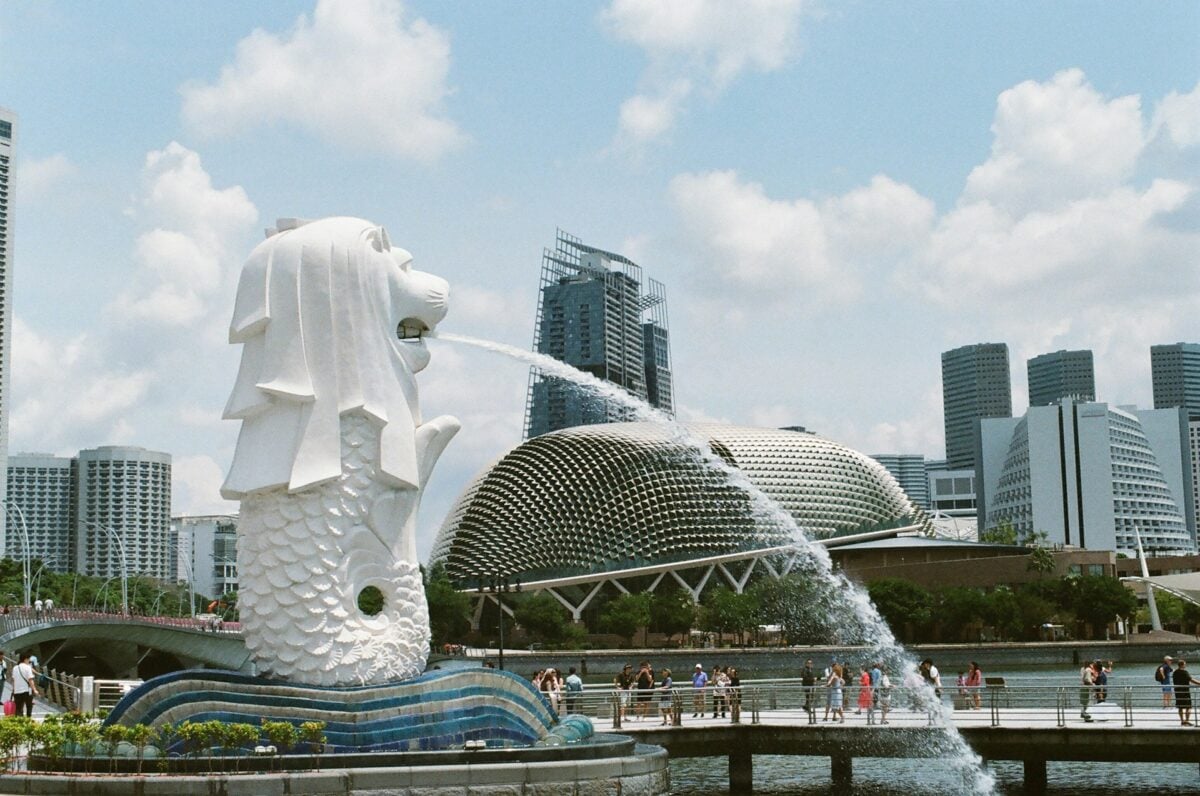
Singapore’s icon is the Merlion – part lion, part fish, spraying water out of its mouth. This figure stands for how the place began as a small fishing spot plus what it’s named after – “lion city” in Malay.
Funny enough – it never actually had lions around. The name’s origin? A visiting prince once saw a tiger – or maybe another beast – and thought it was a lion.
Because of that mix-up, the country shaped its whole image around a made-up animal. Even though the creature isn’t real or native, the Merlion statue turned into one of Southeast Asia’s top photo spots.
Bronze, Stone, and Memory
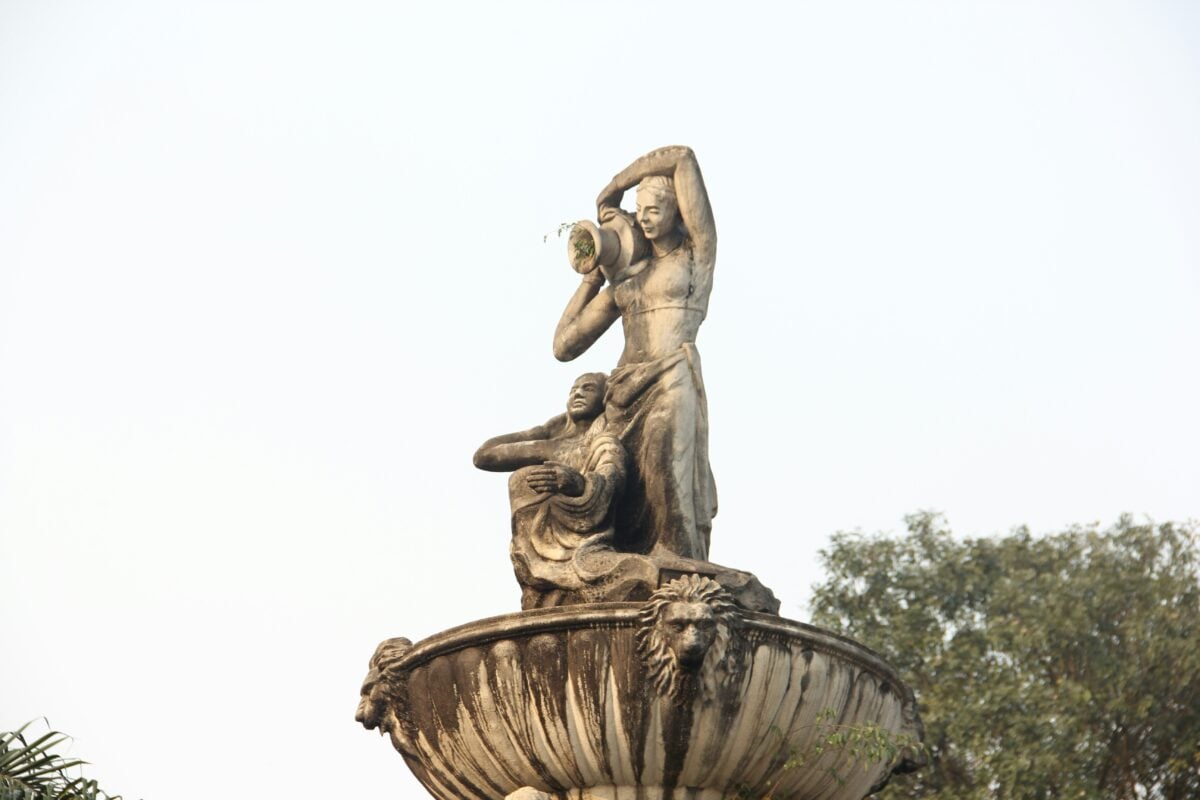
Figures carved in stone aim to trap a moment forever – declaring loudly who or what counts. Yet time won’t stay still. Ideas change shape.
Once-praised leaders turn into outcasts. Minor characters grow cherished over the years.
Unapproved sculptures get embraced by locals. Messages meant to control end up making people laugh. What feels forever can vanish fast.
Statues show today just like yesterday, yet their meaning shifts every time someone stares. Their tale twists whenever new eyes arrive.
More from Go2Tutors!

- The Romanov Crown Jewels and Their Tragic Fate
- 13 Historical Mysteries That Science Still Can’t Solve
- Famous Hoaxes That Fooled the World for Years
- 15 Child Stars with Tragic Adult Lives
- 16 Famous Jewelry Pieces in History
Like Go2Tutors’s content? Follow us on MSN.