17 Inventions That Were Stolen and Made Famous
Innovation doesn’t always reward the inventor. Throughout history, plenty of breakthrough ideas were taken, copied, or rebranded by someone who happened to have better timing, more money, or louder connections. The result? A long list of famous inventions that didn’t credit the minds who actually made them.
Here is a list of 17 inventions that were taken from their original creators and later became household names.
Telephone

Alexander Graham Bell gets the credit, but Elisha Gray filed a patent for a telephone design just hours earlier. The two men were in a tight race, and while Bell’s version made it to the market first, debates still stir over who truly invented it.
Light Bulb

Thomas Edison improved the light bulb, but he didn’t invent it. British inventor Joseph Swan developed a working version first, years before Edison’s name lit up history books.
Edison’s marketing made the difference—not the idea itself.
Like Go2Tutors’s content? Follow us on MSN.
Airplane

The Wright brothers are famous for flight, but German aviator Gustav Whitehead might have beat them to the skies. Reports suggest he flew a powered aircraft in Connecticut two years before the Wrights’ 1903 takeoff.
His story didn’t fly as far because it lacked solid press coverage.
Radio
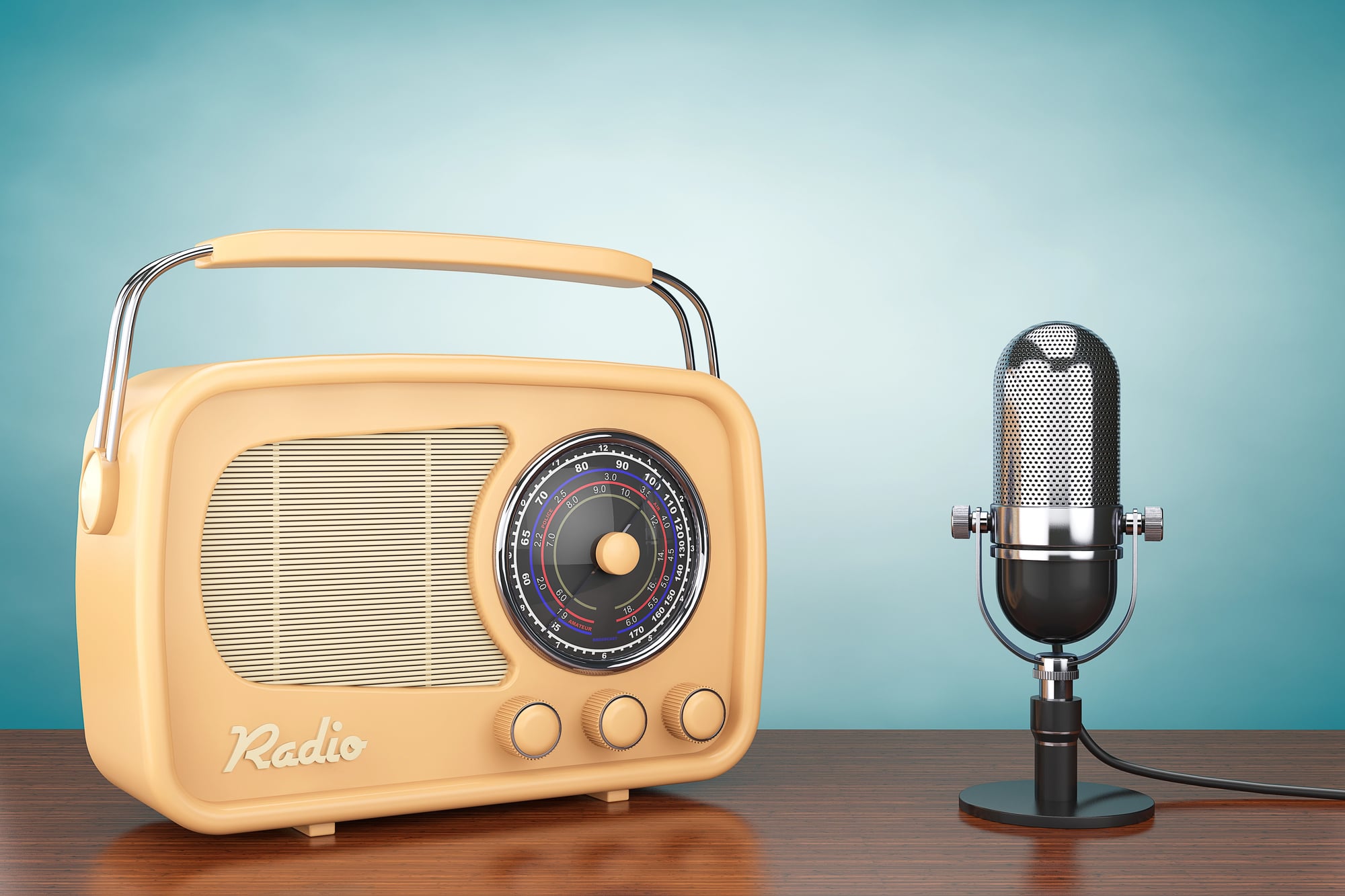
Guglielmo Marconi often gets full credit for radio, yet Nikola Tesla patented the essential technology before him. In 1943, the U.S. Supreme Court quietly recognized Tesla’s work, but by then, Marconi had already flown past in the public eye.
Television

Philo Farnsworth invented the first fully electronic television system when he was just a teenager. RCA’s David Sarnoff later grabbed the spotlight by using Farnsworth’s work without giving him proper credit.
It took years of legal battles for Farnsworth to get partial recognition.
Like Go2Tutors’s content? Follow us on MSN.
Computer

Charles Babbage designed the first mechanical computer in the 1800s, but it was Ada Lovelace who actually wrote the first algorithm for it. Later, others built on their work and got the glory, while their names faded into academic circles for decades.
World Wide Web

Tim Berners-Lee made the World Wide Web in 1989, but his idea of a decentralized, open internet was quickly overtaken by corporations. While he’s respected in tech circles, many users still think big companies invented the web as we know it.
Monopoly
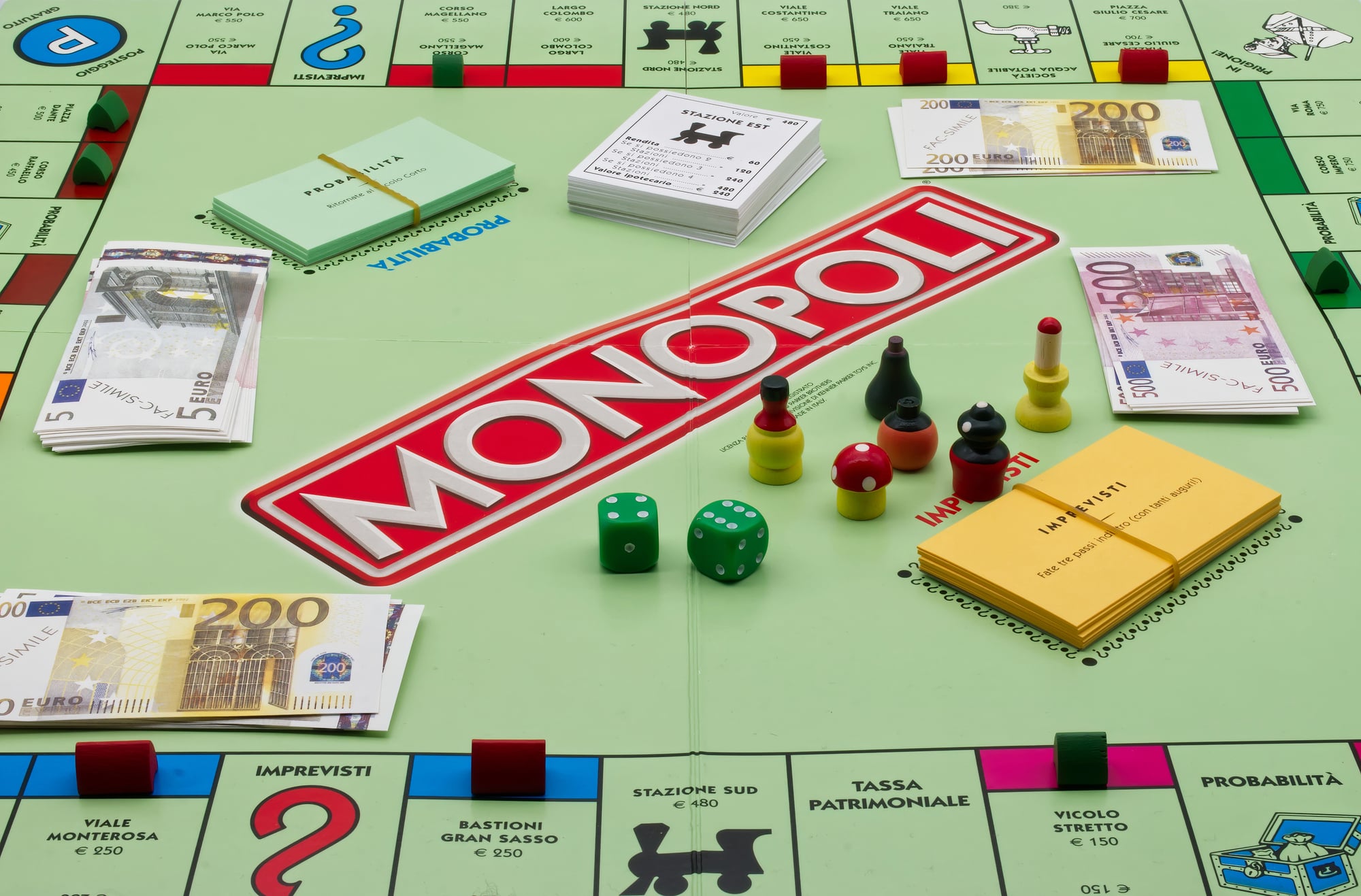
The board game Monopoly traces back to Lizzie Magie’s creation, The Landlord’s Game. Charles Darrow sold a slightly tweaked version to Parker Brothers, who later bought Magie’s rights for just $500.
She was erased while the Darrow name stayed on the box.
Like Go2Tutors’s content? Follow us on MSN.
Morse Code

Samuel Morse didn’t invent the code that bears his name—he just refined and promoted it. The real groundwork came from Alfred Vail, who helped design the signaling system and hardware but never got equal credit.
Polio Vaccine

Jonas Salk is widely celebrated, but Dr. Hilary Koprowski developed a working polio vaccine before him. Salk’s version was adopted more quickly due to better testing strategies and public support, but the science didn’t start with him.
The Car

Karl Benz patented the first gasoline-powered car, yet many features we associate with modern cars—like the steering wheel—came from others. Meanwhile, American inventors like Charles Duryea quietly contributed parts that helped cars go mainstream.
Like Go2Tutors’s content? Follow us on MSN.
Motion Pictures

Thomas Edison is again in the mix, claiming credit for early film innovations. But it was French inventor Louis Le Prince who created the first motion picture camera.
He mysteriously vanished before patenting his work, leaving Edison to take the spotlight.

Ray Tomlinson sent the first networked email in 1971, but Shiva Ayyadurai claims he created the full email system as a teenager in the late 1970s. His version included inboxes, folders, and address formats—but it never got the same attention.
Cell Phone

Martin Cooper made the first mobile phone call, but the groundwork came from a range of engineers. Bell Labs had the tech cooking years earlier, yet Cooper’s company beat them to the announcement—and the headlines.
Like Go2Tutors’s content? Follow us on MSN.
Wireless Charging

Nikola Tesla envisioned wireless energy long before today’s phone pads. While companies now market it as cutting-edge, Tesla dreamed up the core idea over a century ago—without the need for patents or product launches.
Windshield Wipers

Mary Anderson invented the first functional windshield wiper in 1903, but car companies didn’t pick up her design until a man marketed a similar version years later. She never saw profits or credit while others cashed in.
Electric Guitar
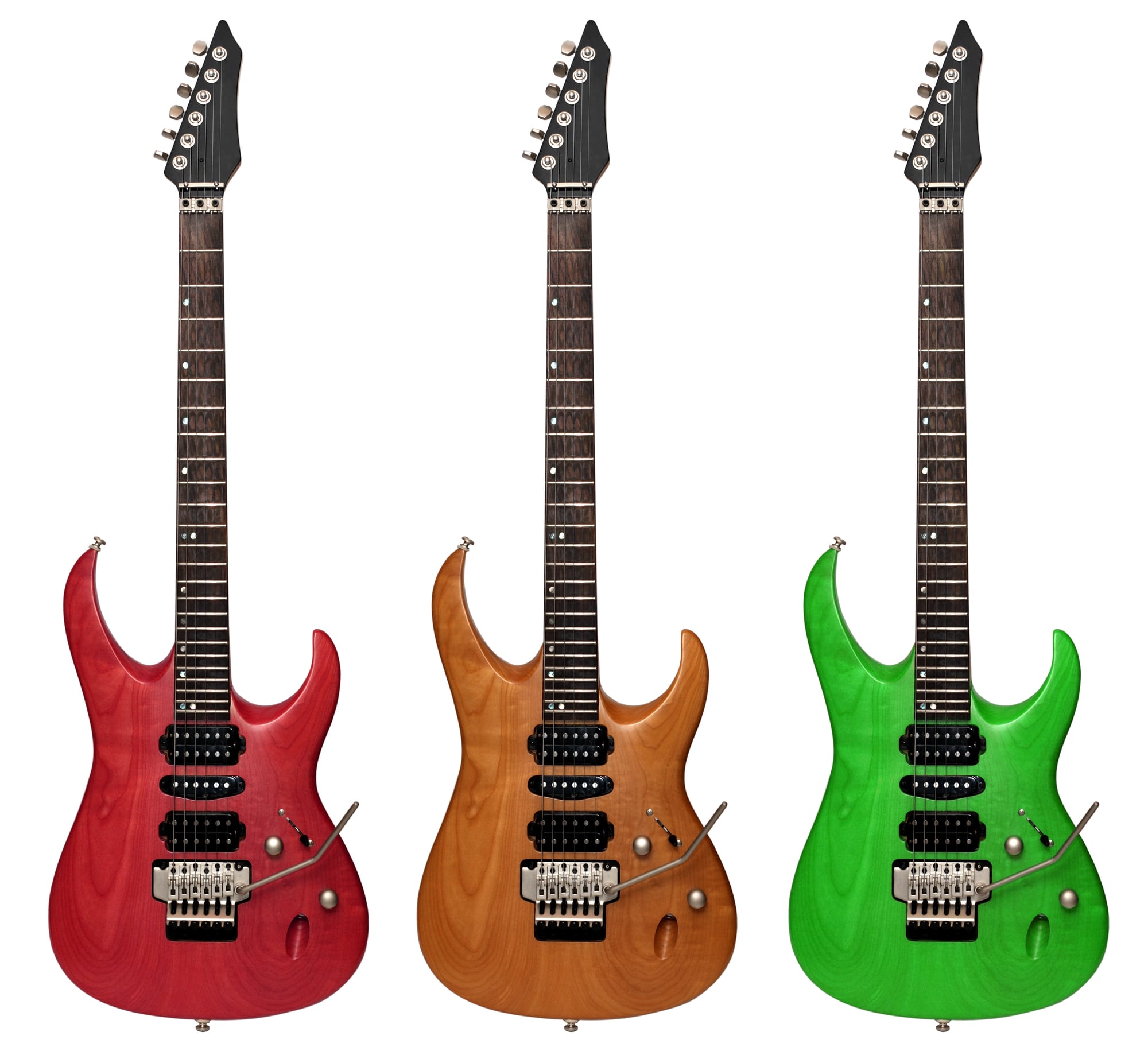
The electric guitar exploded in the 20th century thanks to names like Les Paul, but George Beauchamp made one of the first actual models. His design set the stage, though it took others to push it into the rock spotlight.
Like Go2Tutors’s content? Follow us on MSN.
Fame Isn’t Always Fair
Innovation doesn’t always reward the right person. From missed patents to outright theft, many inventions became famous under the wrong name.
The real minds behind these ideas shaped the world, even if they didn’t get the stage time. It’s a reminder that history often favors the loudest voice—not the first spark.
More from Go2Tutors!

- 18 Unexpectedly Valuable Collectibles You Might Have Lying Around
- 20 Little-Known Historical Battles That Had Huge Consequences
- 20 Historical Artifacts That Scientists Can’t Explain
- 15 Inventions That Were Immediately Banned After Being Created
- 20 Actors Who Were Almost Cast in Iconic Roles
Like Go2Tutors’s content? Follow us on MSN.