17 Jobs That Existed in the 70s But Not Today
The 1970s feels like yesterday to some, but the working world has transformed dramatically since then. Technology, changing consumer habits, and evolving business practices have made entire professions obsolete.
What once required human expertise now happens with the click of a button, and jobs that seemed permanent have vanished into history. Here’s a list of 17 jobs that were common in the 70s but have largely disappeared from today’s workforce.
Switchboard Operator
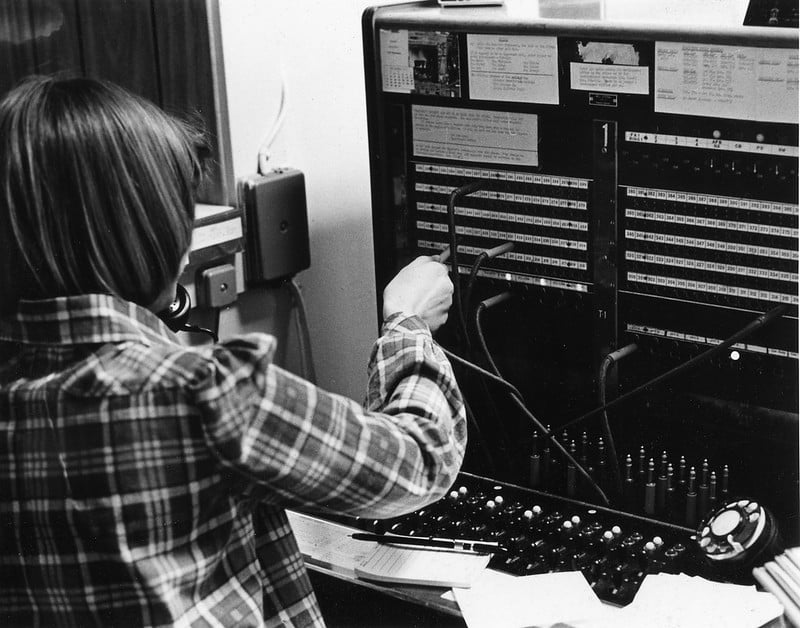
Before direct dialing became universal, switchboard operators were the backbone of telephone communication. They sat at massive boards with plugs and cables, manually connecting calls by inserting cords into the right jacks.
Large companies, hotels, and phone companies employed thousands of these skilled workers who knew how to route calls efficiently. The job required quick thinking and good memory since operators often had to remember extension numbers and frequently called numbers.
Typist

Professional typists were essential workers in every office during the 70s. They spent their days transforming handwritten documents, dictated recordings, and rough drafts into clean, typed pages using typewriters.
Speed and accuracy were crucial – many typists could bang out 80+ words per minute without errors. The introduction of word processors in the late 70s began their decline, and personal computers finished the job by making everyone their own typist.
Like Go2Tutors’s content? Follow us on MSN.
Film Projectionist
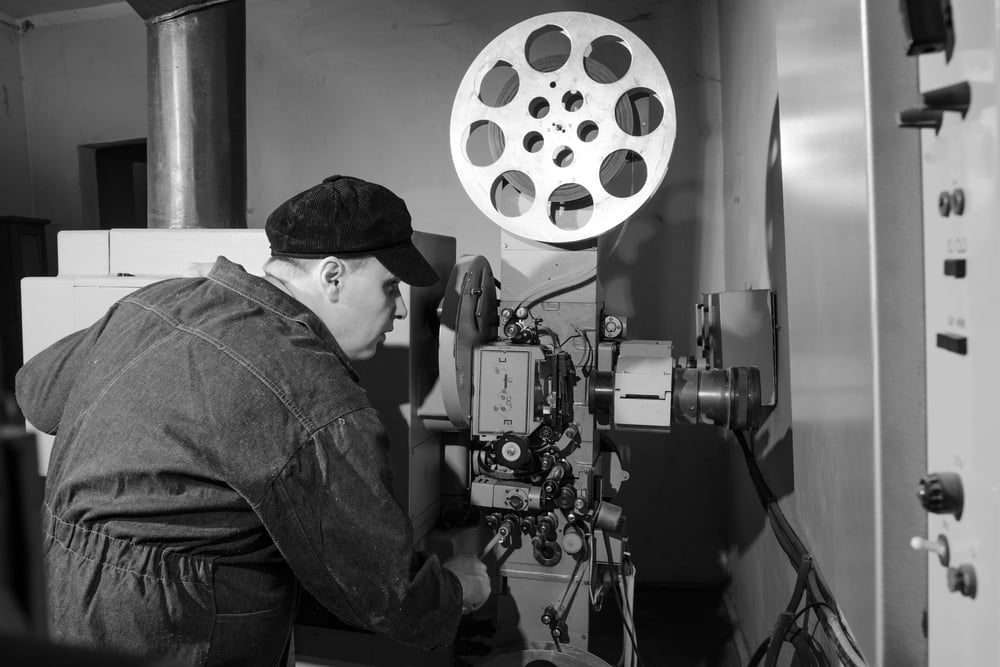
Running a movie theater required skilled projectionists who knew how to thread film reels, adjust focus, and time reel changes perfectly. They worked in cramped projection booths, managing heavy equipment and ensuring smooth transitions between reels during movies.
The job demanded technical knowledge about different film formats and the ability to quickly fix problems when film broke or equipment malfunctioned. Digital projection systems have made this specialized role nearly extinct.
Milk Delivery Driver

Milk trucks were a common sight in residential neighborhoods throughout the 70s. Drivers started work before dawn, loading their trucks with glass bottles and making door-to-door deliveries to regular customers.
They knew their routes by heart and often had personal relationships with families they served for years. The rise of supermarkets and refrigeration technology made daily milk delivery unnecessary for most households.
Elevator Operator
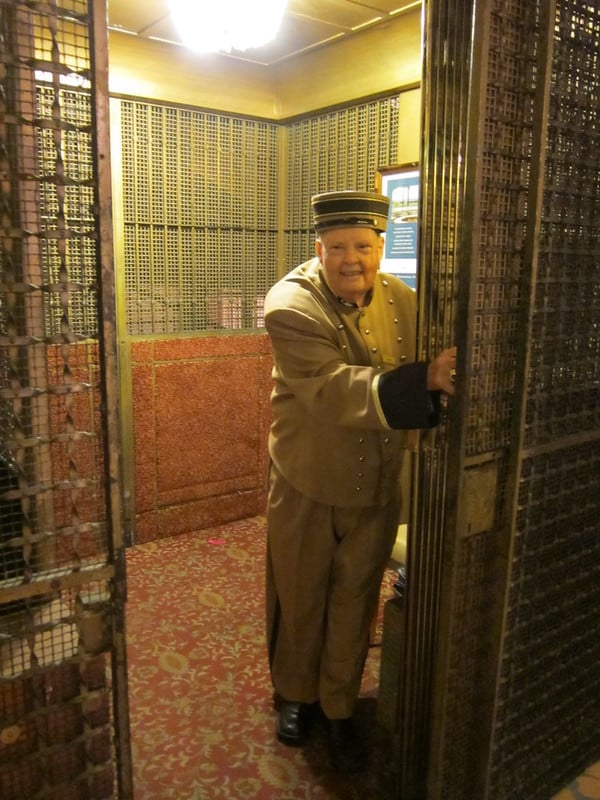
Riding in an elevator meant interacting with a uniformed operator who controlled the car’s movement and announced each floor. These workers stood in elevators all day, pulling levers and turning handles to stop precisely at each level.
They also provided information about building tenants and helped people with heavy packages. Automatic elevators with push buttons eliminated the need for human operators in most buildings.
Like Go2Tutors’s content? Follow us on MSN.
Gas Station Attendant

Full-service gas stations were the norm in the 70s, with attendants who pumped gas, cleaned windshields, checked oil levels, and inflated tires. They wore uniforms and provided genuine customer service, often building relationships with regular customers.
The job required basic automotive knowledge since attendants frequently checked fluid levels and tire pressure. Self-service stations gradually took over as labor costs increased and customers became comfortable pumping their own gas.
TV Repair Technician
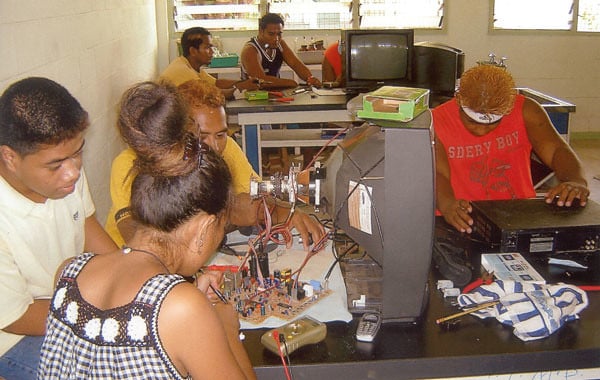
Television sets were expensive investments that people repaired rather than replaced. TV repair shops dotted every neighborhood, staffed by technicians who could diagnose problems and replace vacuum tubes, capacitors, and other components.
They made house calls with toolboxes full of spare parts and testing equipment. The shift to solid-state electronics and disposable consumer goods eliminated most repair work.
Bowling Alley Pinsetter
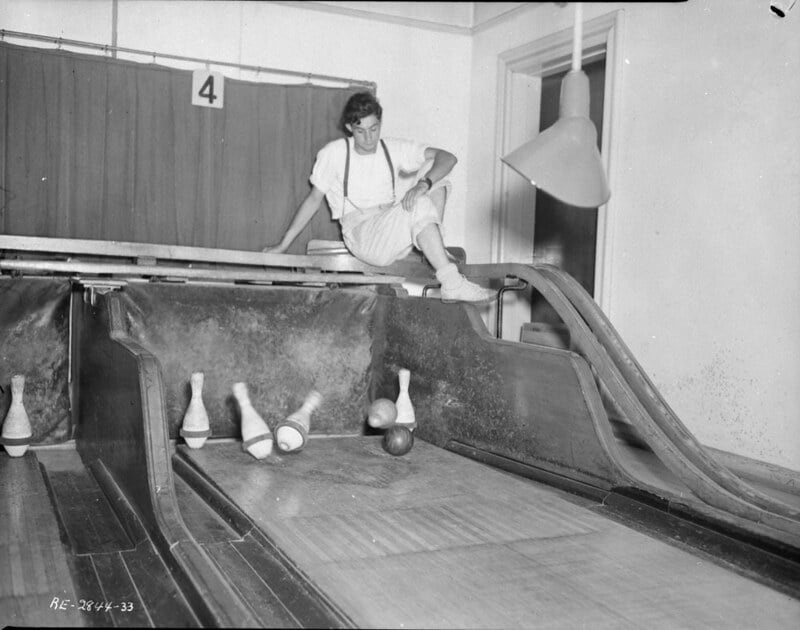
Before automatic pin-setting machines became standard, young workers called pin boys manually reset bowling pins after each frame. They crouched behind the pins, quickly clearing fallen ones and arranging them for the next roll.
The job required agility and quick reflexes to avoid getting hit by flying pins or bowling orbs. Automation made these positions obsolete in most bowling alleys by the late 70s.
Like Go2Tutors’s content? Follow us on MSN.
Telephone Directory Assistance Operator
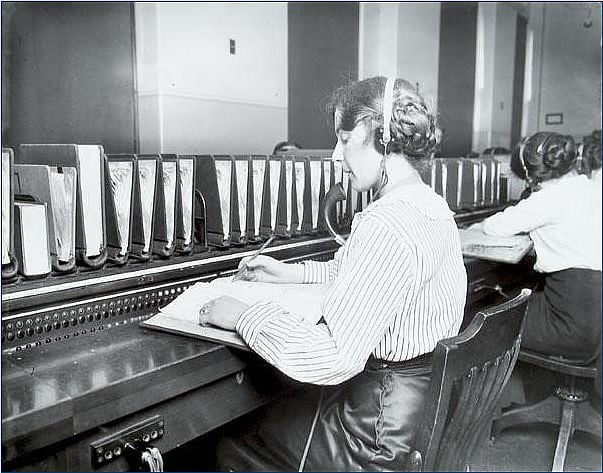
Getting a phone number meant calling directory assistance and speaking with an operator who looked up listings in thick phone books. These operators had to be fast and accurate, often handling dozens of calls per hour.
They used specialized equipment to quickly flip through pages and find the requested numbers. Computerized databases and eventually the internet made human operators unnecessary for most directory assistance.
Copy Machine Operator
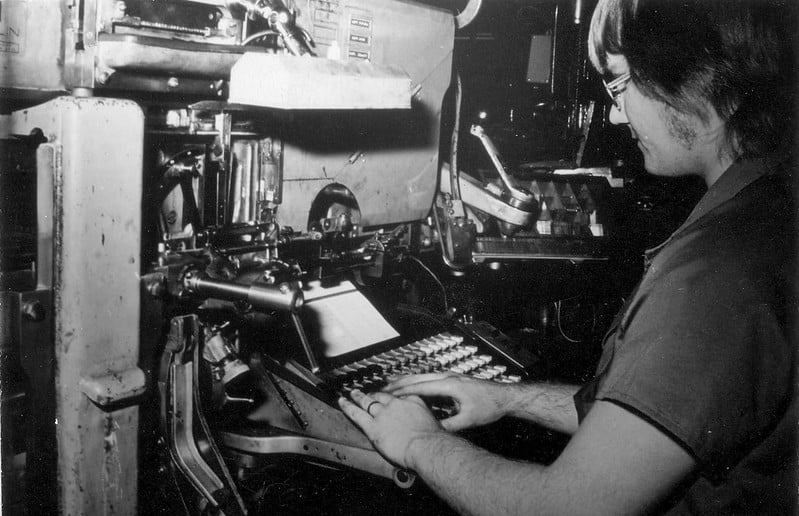
Making copies was a specialized job in the 70s because early copy machines were complex, expensive, and prone to breaking down. Operators ran these machines in copy centers or large offices, knowing how to adjust settings, clear paper jams, and produce quality copies.
They often worked with chemicals and special papers that required careful handling. Personal copiers and later digital scanning made dedicated copy operators redundant.
Darkroom Technician

Photography processing required skilled technicians who worked in darkrooms developing film and printing photographs. They mixed chemicals, controlled timing precisely, and used enlargers to create prints from negatives.
The job demanded knowledge of chemistry and an artistic eye for exposure and contrast. Digital photography eliminated the need for film processing and traditional darkroom work.
Like Go2Tutors’s content? Follow us on MSN.
Keypunch Operator
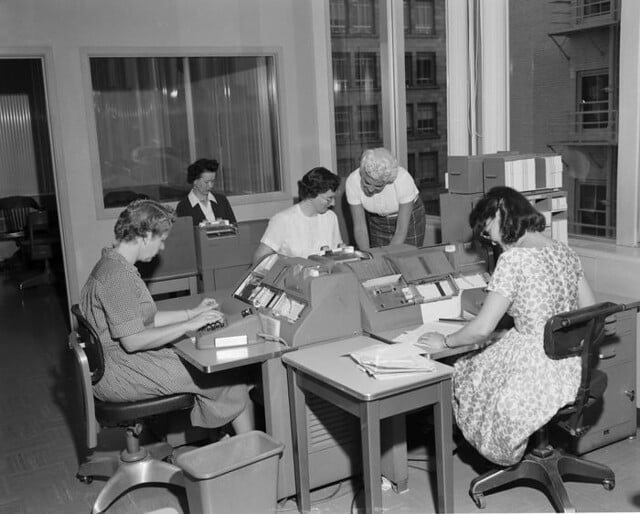
Data entry in the computer age meant using keypunch machines to create punched cards that computers could read. Operators sat at these machines all day, punching slots in cards according to coded information from paper forms.
The work required accuracy and speed since errors meant starting over with new cards. Personal computers and direct data entry eliminated the need for punched cards and the people who created them.
Telegram Messenger
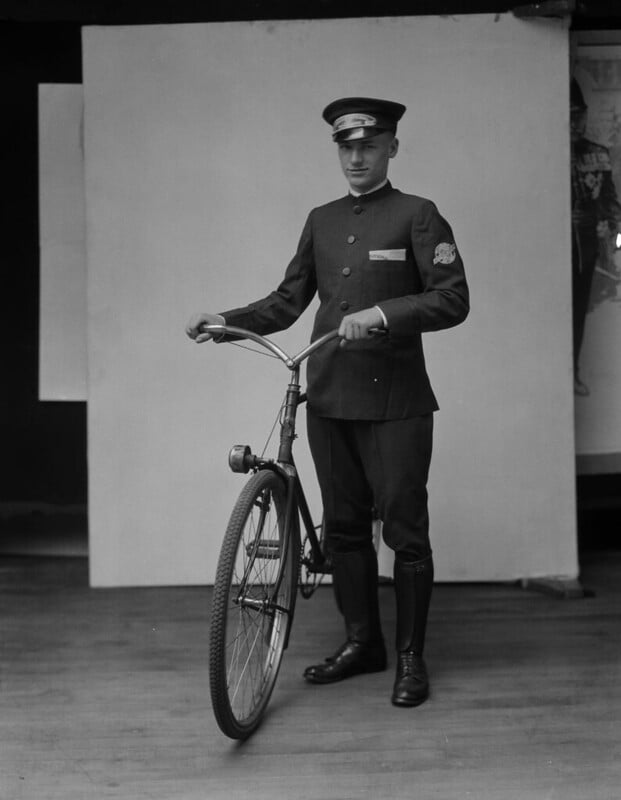
Western Union and other telegraph companies employed messengers who delivered telegrams door-to-door, often riding bicycles or motorcycles. They carried pouches full of messages and were trained to handle both routine business communications and urgent personal news.
The job required knowledge of local geography and the ability to work in all weather conditions. Telephone communication and later electronic messaging made telegrams obsolete.
Stock Ticker Operator
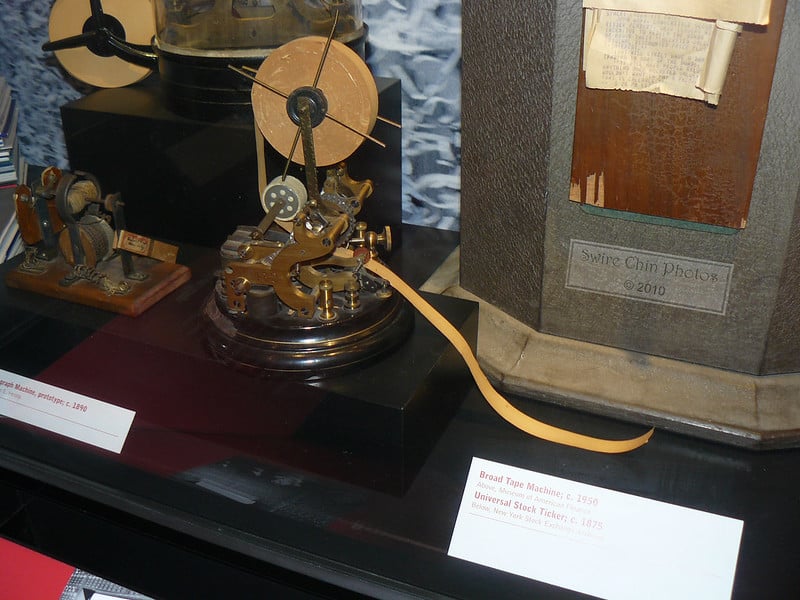
Financial markets relied on ticker tape machines that printed stock prices on long strips of paper. Operators maintained these machines, changed the paper, and ensured the continuous flow of market information.
They worked on trading floors and in brokerage offices, keeping the vital stream of financial data flowing. Electronic displays and computer networks replaced mechanical ticker tape systems.
Like Go2Tutors’s content? Follow us on MSN.
Punch Card Computer Programmer
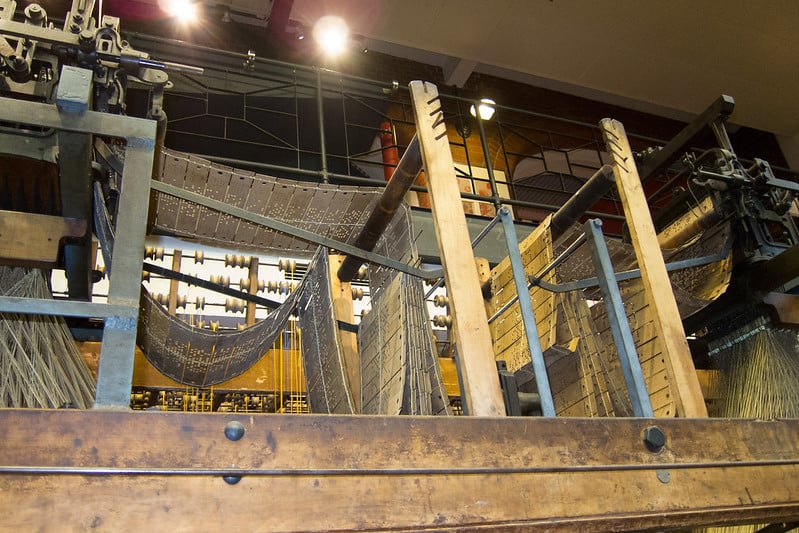
Early computer programming involved creating stacks of punched cards that contained program instructions. Programmers physically handled these cards, arranging them in sequence and making sure they didn’t get mixed up or damaged.
They debugged programs by examining cards and sometimes hand-punching corrections. Modern programming languages and direct computer input eliminated the need for physical cards.
Automatic Telephone Exchange Technician
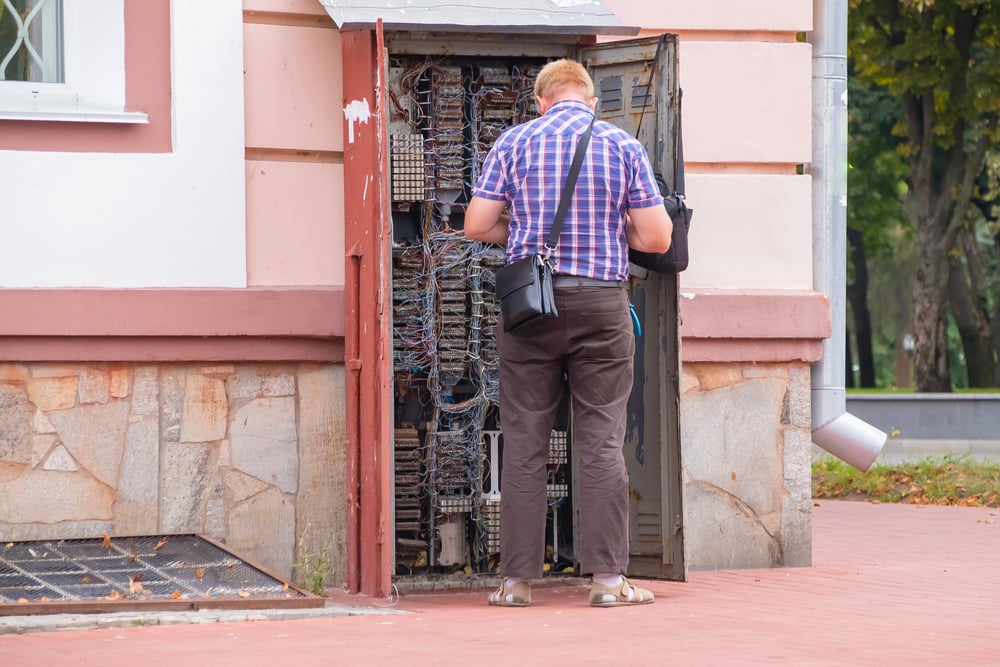
Before electronic switching, telephone exchanges used mechanical systems with thousands of moving parts. Technicians maintained these complex machines, adjusting contacts, replacing worn components, and ensuring smooth operation.
They worked in loud, busy exchange buildings filled with clicking and whirring machinery. Digital switching systems made these mechanical exchanges obsolete.
Slide Rule Repair Specialist
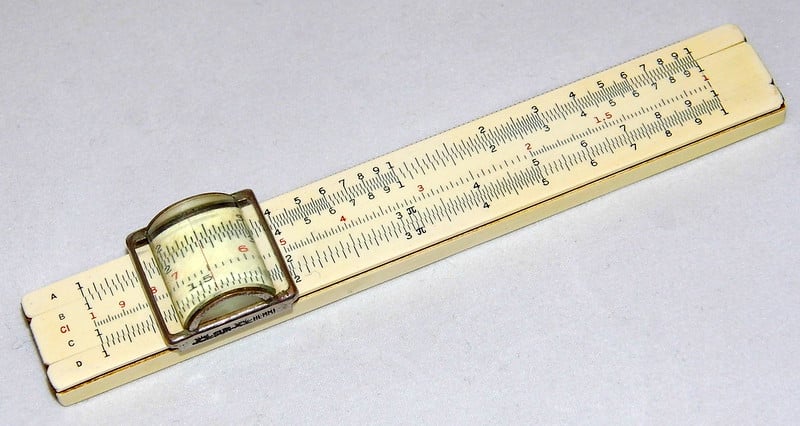
Slide rules were essential calculation tools for engineers and scientists before electronic calculators. Specialized repair shops fixed damaged slide rules, calibrated scales, and replaced worn parts.
These craftsmen understood the precise mathematics behind slide rule construction and could restore instruments to perfect working condition. Electronic calculators and computers made slide rules and their repair specialists unnecessary.
Like Go2Tutors’s content? Follow us on MSN.
When Progress Erases Professions

These vanished jobs remind us how quickly technology can reshape the workforce. Many of these positions provided steady middle-class employment and required specialized skills that took years to master.
While progress has brought convenience and efficiency, it’s also eliminated entire career paths that once supported millions of workers. Today’s emerging technologies will likely create a similar list of obsolete jobs for future generations to marvel at.
More from Go2Tutors!

- 16 Historical Figures Who Were Nothing Like You Think
- 12 Things Sold in the 80s That Are Now Illegal
- 15 VHS Tapes That Could Be Worth Thousands
- 17 Historical “What Ifs” That Would Have Changed Everything
- 18 TV Shows That Vanished Without a Finale
Like Go2Tutors’s content? Follow us on MSN.



