15 Legal Loopholes People Exploited for Years
The legal system is designed to protect and serve, but it’s far from perfect. Over the decades, clever individuals have discovered gaps in the law that allowed them to accomplish things legislators never intended. These aren’t criminal acts—they’re perfectly legal maneuvers that exploit the exact wording of statutes, regulations, and contracts.
Sometimes these discoveries led to massive financial gains, other times they provided creative solutions to bureaucratic problems. Here is a list of 15 legal loopholes that people successfully exploited for years before authorities caught on and closed the gaps.
The Pudding Million-Mile Scheme

David Phillips discovered that Healthy Choice pudding cups came with airline mile stickers, and through careful calculation, he realized he could buy over a million air miles for just $3,000 worth of pudding in 1999. The promotion offered 500 miles per pudding cup, but Phillips found that buying in bulk from warehouse stores made the math work in his favor.
He ended up with enough miles for decades of free flights, all because the company didn’t anticipate someone would buy pudding by the pallet.
Corporate Credit Card Fine Print

Savvy consumers found that buried in credit card terms and conditions were instructions for getting reward cards without making any purchase, despite promotional materials suggesting a purchase was required. These people took the time to read the fine print that most others ignored.
The companies were legally required to honor their written terms, even when they contradicted their marketing messages.
Adverse Possession Property Claims

Modern squatters have used ancient property laws to claim ownership of abandoned buildings and vacant lots. In Texas, someone successfully claimed abandoned property by squatting for over a year and filing paperwork for around $20.
These adverse possession laws were originally designed to prevent land from sitting unused forever, but they’ve been exploited by people who understand the legal requirements and timelines.
Like Go2Tutors’s content? Follow us on MSN.
Worker Classification Loopholes
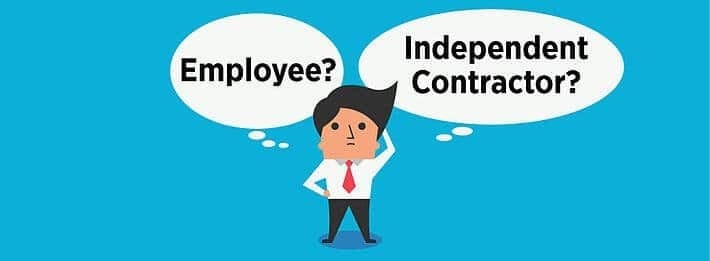
Delivery apps like DoorDash and UberEats have exploited worker misclassification rules, along with contractors in construction and beauty services, costing California an estimated $7 billion in wages annually. By classifying employees as independent contractors, companies avoid paying benefits, workers’ compensation, and employment taxes.
The workers still do the same job, but the legal classification changes everything.
Tax Avoidance Through Charitable Trusts
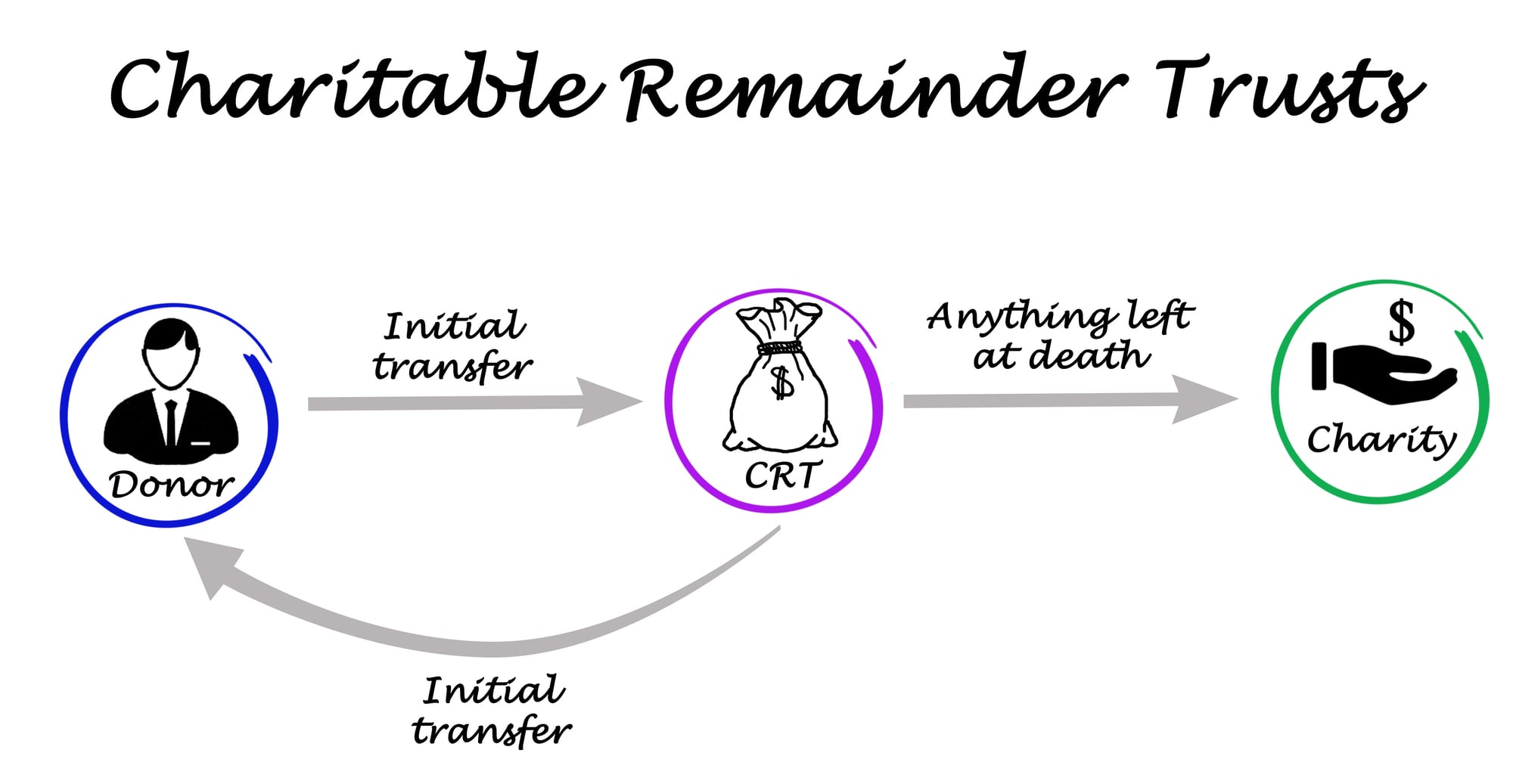
Charitable Remainder Trusts allow wealthy individuals to donate assets to a trust, receiving both a tax deduction and an income stream, while legitimately serving philanthropic purposes but also functioning as tax avoidance vehicles. The wealthy donor gets immediate tax benefits, continues receiving income from the donated assets, and looks charitable in the process.
It’s perfectly legal wealth preservation disguised as generosity.
Carried Interest Tax Treatment

Investment fund managers have long exploited a tax rule that treats their compensation as capital gains rather than ordinary income. This means they pay around 20% in taxes instead of the much higher ordinary income rates that can exceed 35%.
The loophole was intended for people who invested their own money, not for professional money managers earning fees.
Like Go2Tutors’s content? Follow us on MSN.
Life Insurance Investment Strategies

Wealthy individuals purchase expensive life insurance policies and borrow against them to access cash without triggering taxable events. Life insurance serves as one of several loopholes that can reduce tax bills, alongside backdoor IRAs and carried interest arrangements.
The borrowed money isn’t considered income, and the policy’s cash value grows tax-free.
Stepping Up Basis at Death

When someone dies, their heirs receive assets with a ‘stepped-up basis,’ meaning the assets are valued at current market prices rather than their original purchase price. Billionaires like Elon Musk, Warren Buffett, and Jeff Bezos have built massive fortunes while paying little tax by avoiding selling their stock holdings.
Their heirs can inherit billions and sell immediately without paying capital gains taxes.
Corporate Inversion Tax Moves

American companies have moved their legal headquarters to countries with lower tax rates while keeping their actual operations in the United States. This ‘corporate inversion’ allowed them to dramatically reduce their tax obligations without changing their day-to-day business activities.
They got the benefits of American infrastructure and legal systems while paying foreign tax rates.
Like Go2Tutors’s content? Follow us on MSN.
Delaware Shell Company Formation

Entrepreneurs and corporations have created shell companies in Delaware to take advantage of the state’s business-friendly laws and tax structure. Delaware doesn’t require companies to disclose ownership information and offers flexible corporate governance rules.
Major corporations that have nothing to do with Delaware maintain legal headquarters there purely for the legal and tax advantages.
Backdoor Roth IRA Conversions

High earners who exceed income limits for direct Roth IRA contributions have found a workaround through backdoor conversions. They contribute to traditional IRAs without taking tax deductions, then immediately convert those funds to Roth IRAs.
This circumvents the income restrictions that Congress intended to place on Roth contributions.
Municipal Bond Tax Advantages

Wealthy investors purchase municipal bonds that generate tax-free income at the federal level and often at state levels too. While these bonds typically offer lower interest rates than taxable investments, the after-tax return can be higher for people in top tax brackets.
The tax exemption was meant to help local governments raise money, but it primarily benefits high earners.
Like Go2Tutors’s content? Follow us on MSN.
Real Estate Depreciation Deductions

Property owners can claim depreciation on rental properties and commercial buildings, treating the structures as if they’re losing value even when market prices are rising. This paper loss can offset other income for tax purposes.
Some real estate professionals have built entire tax strategies around these depreciation benefits combined with property exchanges.
1031 Like-Kind Exchanges

Real estate investors can sell properties and reinvest the proceeds in similar properties without paying capital gains taxes through 1031 exchanges. By continuously trading up to more expensive properties, they can defer taxes indefinitely while building wealth.
Some investors have used this strategy for decades, passing the deferred tax liability to their heirs.
Gun Kit Assembly Regulations

Gun enthusiasts have exploited a loophole that allows them to own assault rifles and other weapons without reporting requirements, as long as they don’t purchase them fully assembled. The regulations focus on complete firearms, so people can legally buy all the parts separately and assemble them at home.
This circumvents background check and registration requirements that apply to finished weapons.
Like Go2Tutors’s content? Follow us on MSN.
How Yesterday’s Gaps Shape Today’s Rules

These loopholes reveal how laws often fail to anticipate human creativity and changing circumstances. What seemed like reasonable regulations when written became opportunities for exploitation as people found unexpected interpretations and applications.
Many of these gaps have since been closed through new legislation, regulatory changes, or court decisions, but they demonstrate the ongoing cat-and-mouse game between rule-makers and rule-benders. The next generation of legal loopholes is probably being discovered right now by someone reading the fine print that everyone else ignores.
More from Go2Tutors!

- 18 Unexpectedly Valuable Collectibles You Might Have Lying Around
- 20 Little-Known Historical Battles That Had Huge Consequences
- 20 Historical Artifacts That Scientists Can’t Explain
- 15 Inventions That Were Immediately Banned After Being Created
- 20 Actors Who Were Almost Cast in Iconic Roles
Like Go2Tutors’s content? Follow us on MSN.