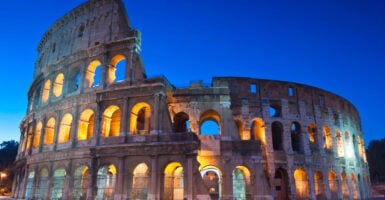
17 Lost Cities Discovered in the Amazon Rainforest
The Amazon rainforest has kept its secrets well. For centuries, this dense green maze has concealed entire civilizations beneath its canopy, though explorers and researchers long suspected something extraordinary lay hidden within.
Recent technological breakthroughs have finally allowed us to see through the jungle’s protective screen. What’s emerged is breathtaking: complete cities that disappeared from human memory, patiently waiting under layers of vegetation and time.
These discoveries are completely rewriting our understanding of pre-Columbian South America. They reveal sophisticated urban centers that once supported thousands of inhabitants. Here is a list of 17 lost cities discovered in the Amazon rainforest that showcase the incredible ingenuity of ancient civilizations.
Machu Picchu of the Amazon

Deep in the Peruvian Amazon, archaeologists uncovered a sprawling urban complex that rivals the famous Machu Picchu in both size and sophistication. This city features terraced agriculture, elaborate water management systems, and stone structures that have withstood centuries of jungle growth.
The settlement likely housed over 10,000 people at its peak — making it one of the largest ancient cities ever found in the Amazon basin.
Monte Alegre’s Hidden Metropolis
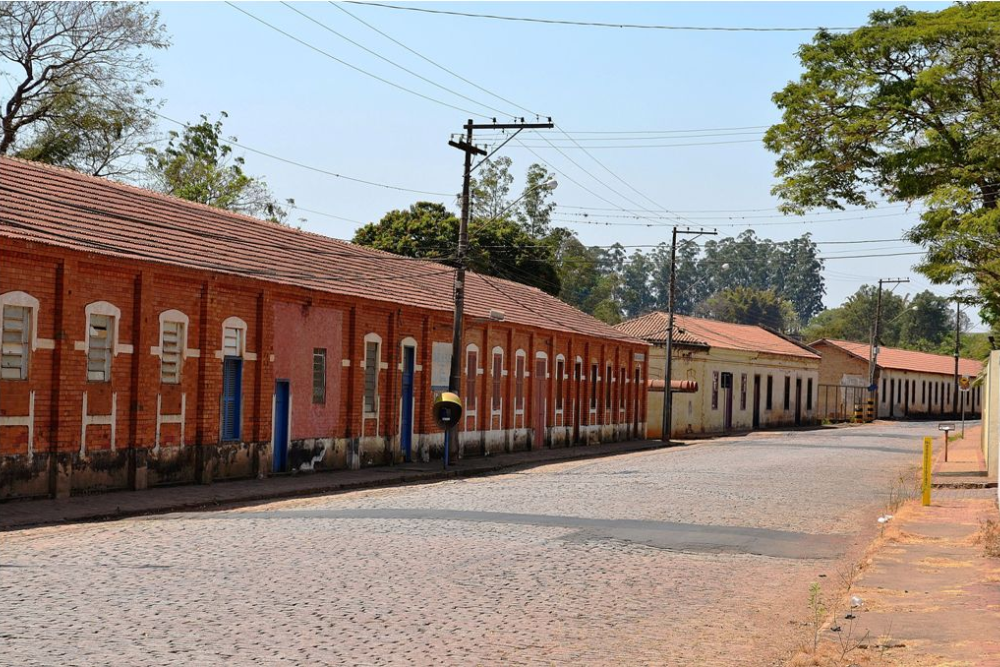
The Monte Alegre region of Brazil revealed an unexpected treasure when satellite imagery detected geometric patterns beneath the forest floor. Excavations uncovered a city with intricate road networks, ceremonial plazas, and residential quarters arranged in perfect geometric harmony.
The urban planning shows a level of mathematical precision that challenges assumptions about ancient Amazonian societies.
Ciudad Perdida de los Chachapoya
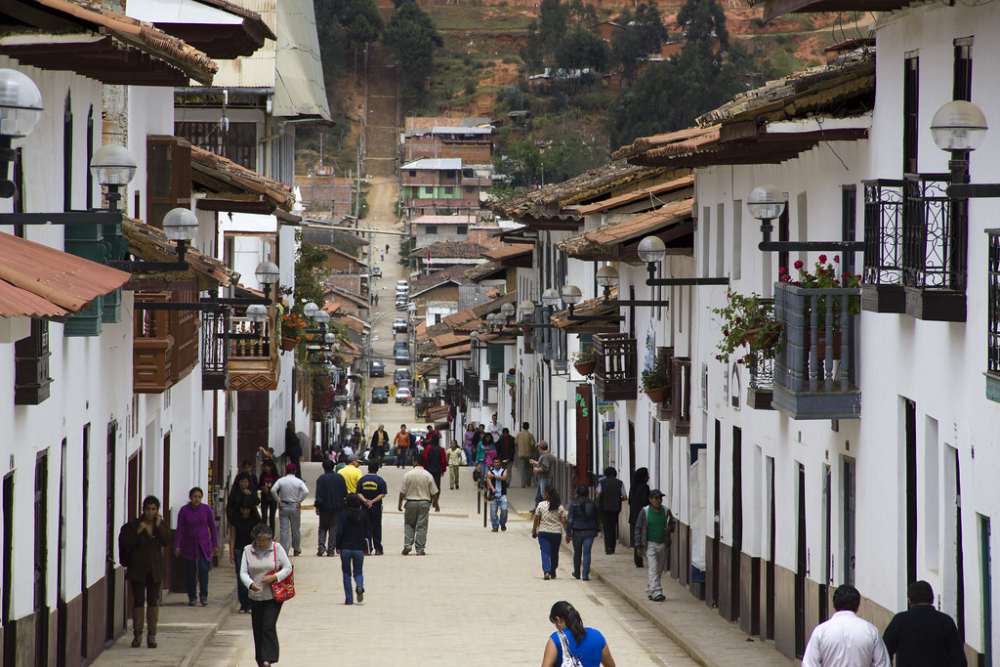
High in the cloud forests of northern Peru, this Chachapoya city remained hidden for over 500 years after the Spanish conquest. The circular stone houses — connected by an elaborate network of paths and bridges — demonstrate remarkable engineering skills adapted to the challenging mountain terrain.
Local legends spoke of this place for generations, though it wasn’t until 2019 that archaeologists confirmed its existence.
The Geometric City of Acre
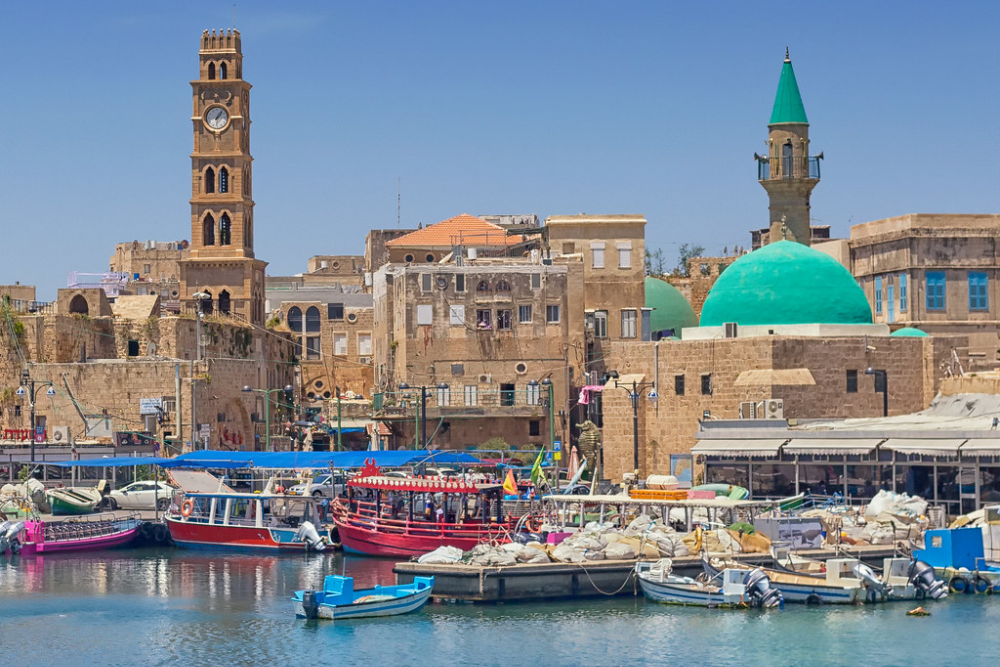
In Brazil’s Acre state, researchers discovered a settlement built entirely around geometric earthworks called geoglyphs. These massive earth formations, visible only from above, served as the foundation for a city that seamlessly blended urban planning with spiritual symbolism.
The precision of these geometric patterns suggests the inhabitants possessed advanced knowledge of mathematics and astronomy.
Xingu’s Lost Capital
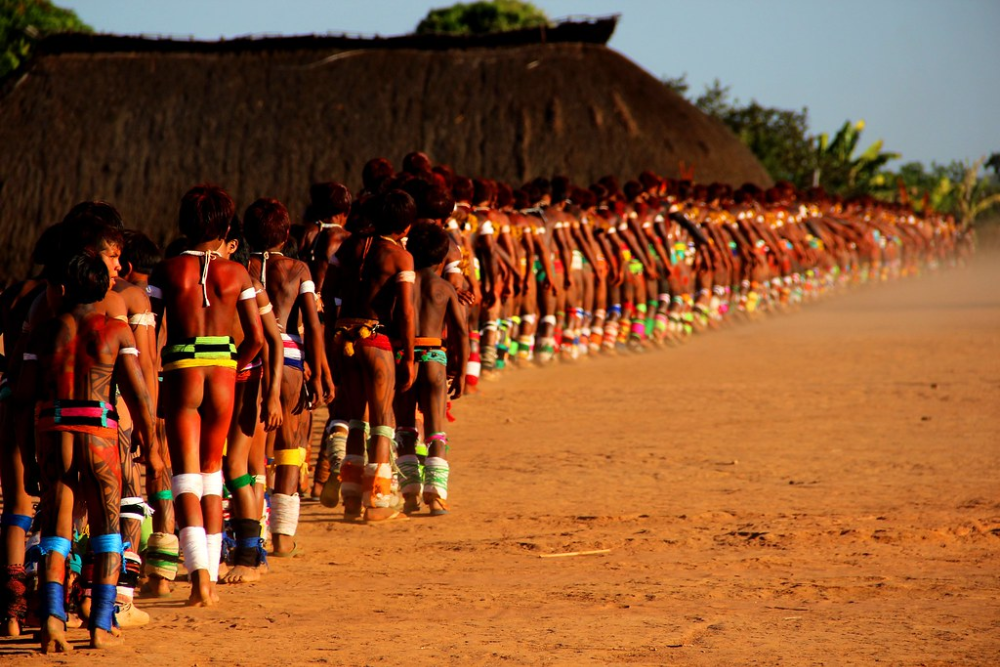
The Upper Xingu region of Brazil yielded one of the most complete ancient cities ever found in the Amazon. This settlement features defensive walls, a complex water management system, and evidence of sophisticated agriculture that supported a population of approximately 5,000 people.
The city’s layout suggests it served as a regional capital — controlling trade routes throughout the basin.
The Floating City of Llanos de Moxos
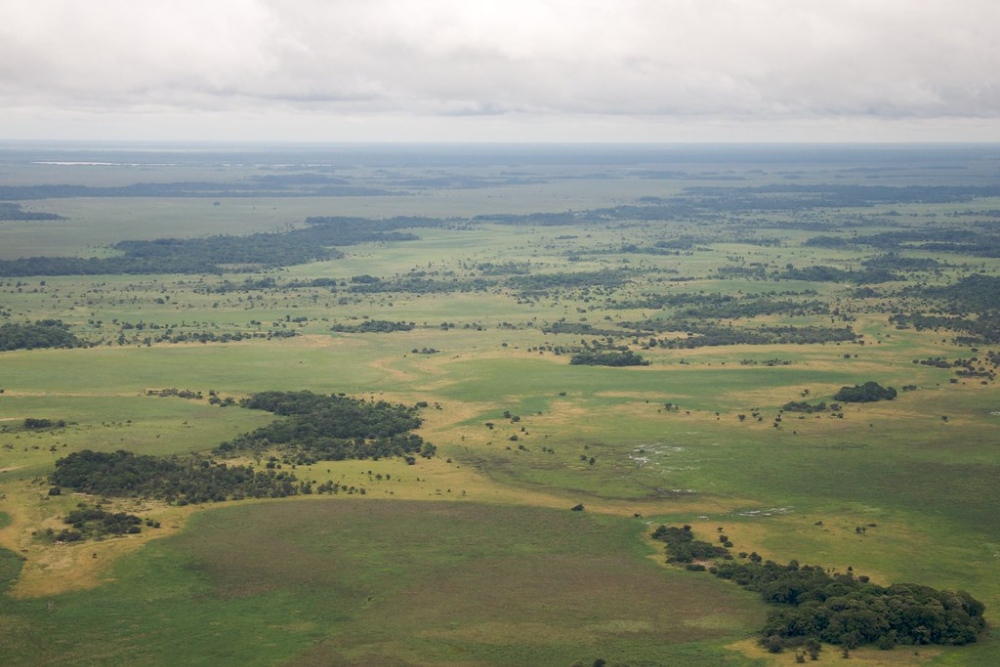
In Bolivia’s flood-prone Llanos de Moxos region, archaeologists discovered a city built on artificial islands connected by raised causeways. This ingenious solution to seasonal flooding allowed the inhabitants to thrive in an environment that would challenge even modern engineers.
The city’s unique architecture demonstrates remarkable adaptation to the Amazon’s challenging climate.
Rondônia’s Fortress City
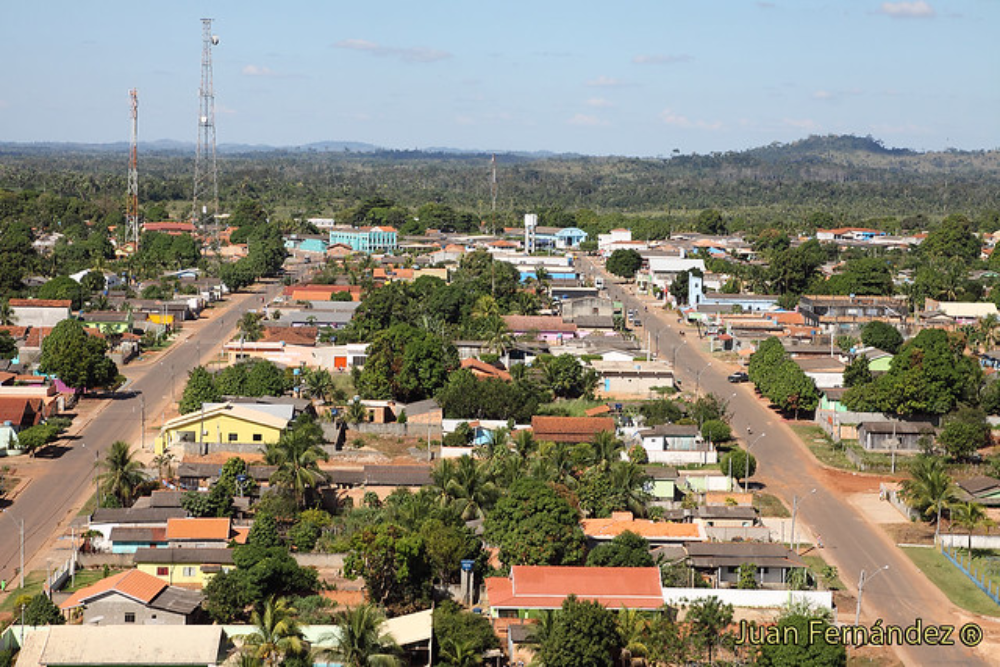
The Brazilian state of Rondônia revealed a heavily fortified settlement surrounded by defensive earthworks and moats. This city appears to have been built during a period of regional conflict — with its walls designed to protect against both human enemies and flooding.
The sophisticated defensive systems suggest the inhabitants faced regular threats from neighboring groups.
The Spiral City of Marajo

On Brazil’s Marajo Island, researchers uncovered a city built in a distinctive spiral pattern radiating out from a central ceremonial complex. This unique urban design may have held religious significance, with each ring of the spiral representing different social classes or spiritual levels.
The city’s pottery and artifacts reveal connections to cultures throughout the Amazon basin.
Yasuni’s Underground Settlement
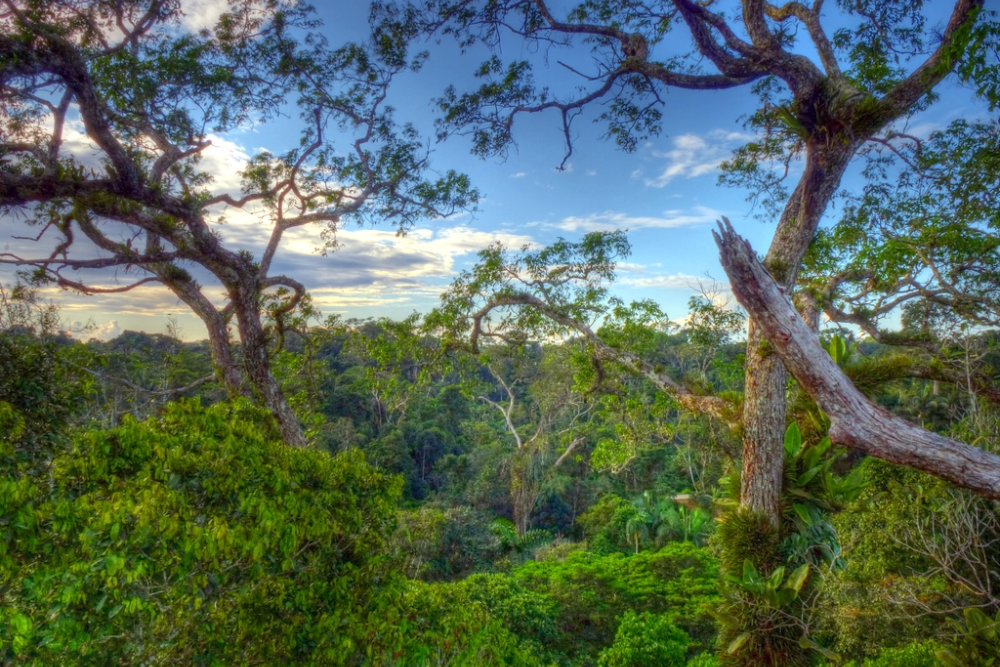
Deep in Ecuador’s Yasuni National Park, archaeologists discovered a city that extends both above and below ground. The inhabitants created an extensive network of underground chambers and tunnels — possibly for storage, defense, or ceremonial purposes.
This underground component makes it one of the most architecturally complex sites found in the Amazon region.
The Terraced City of Madre de Dios
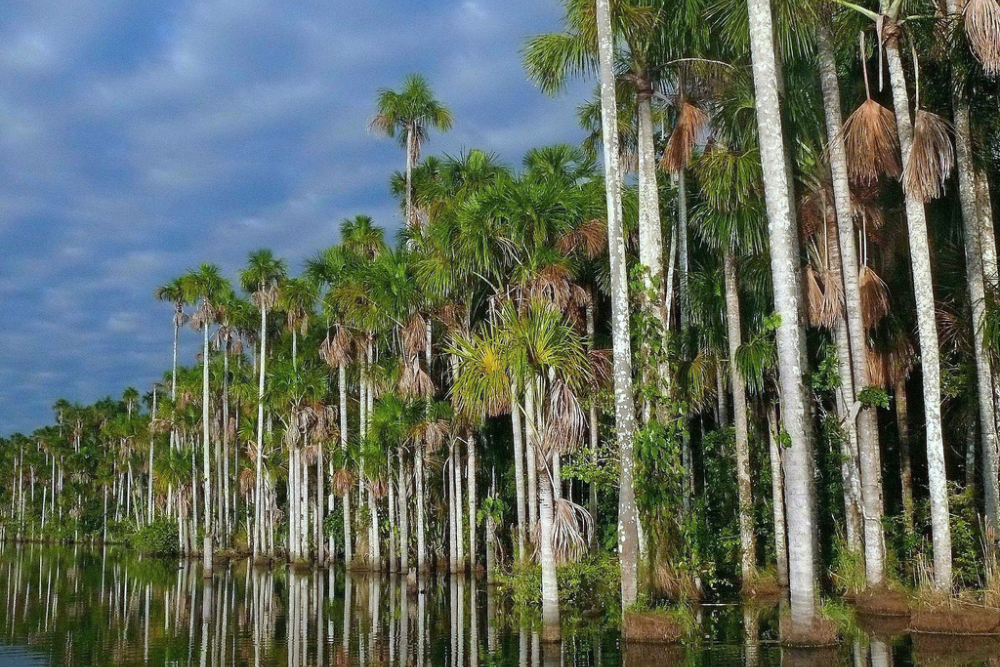
In Peru’s Madre de Dios region, researchers found a city built on artificial terraces carved into steep hillsides. These terraces not only provided flat building surfaces but also created microclimates for different types of agriculture.
The engineering required to construct these massive earthworks rivals anything built by the Incas.
Roraima’s Cliff Settlement
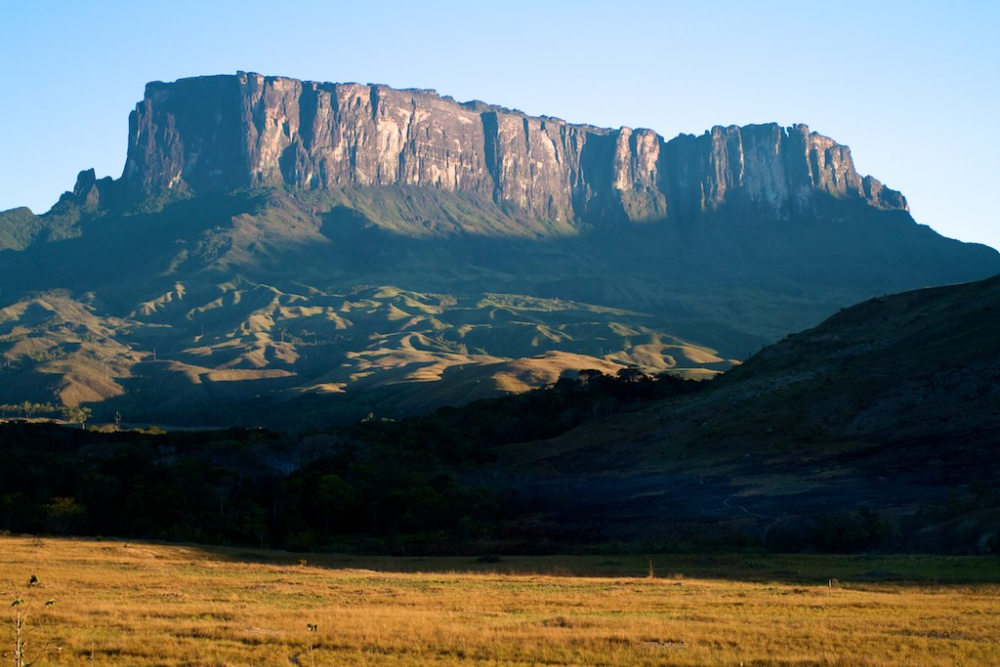
High on the tepuis of Venezuela’s Roraima state, archaeologists discovered a city built on natural rock platforms. The inhabitants took advantage of the natural fortress-like qualities of these massive stone formations, creating a settlement that was virtually impregnable.
Access to the city required navigating treacherous cliff faces and hidden passages.
The Wetland City of Pantanal
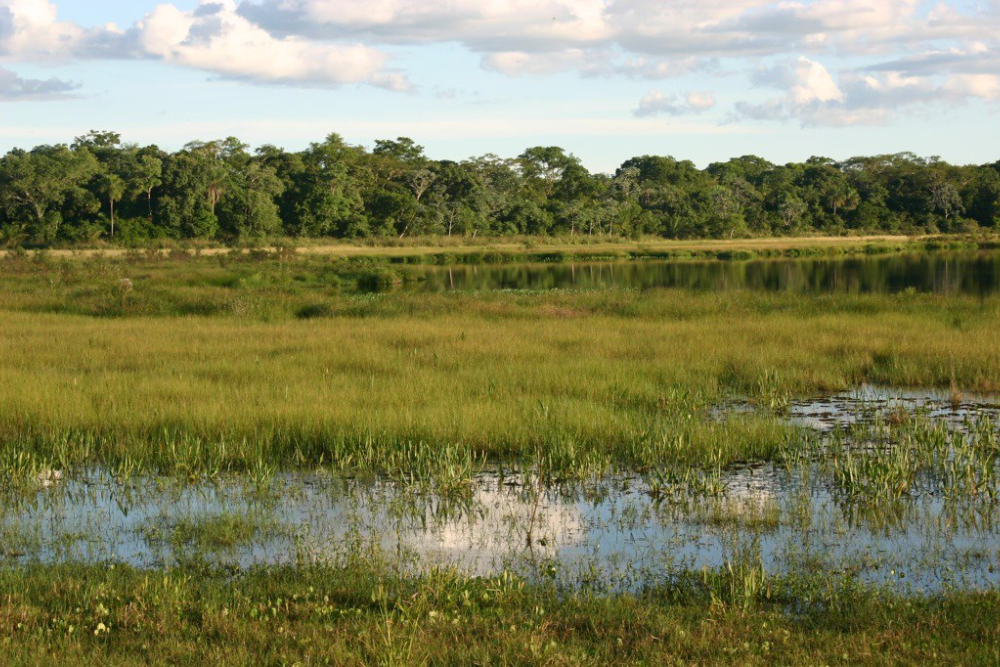
At the edge of Brazil’s Pantanal wetlands, researchers uncovered a city built on stilts and raised platforms. This adaptation to the region’s extreme seasonal flooding demonstrates sophisticated understanding of hydrology and engineering.
The city’s buildings could withstand months of inundation while maintaining their structural integrity.
Caquetá’s Artistic Center
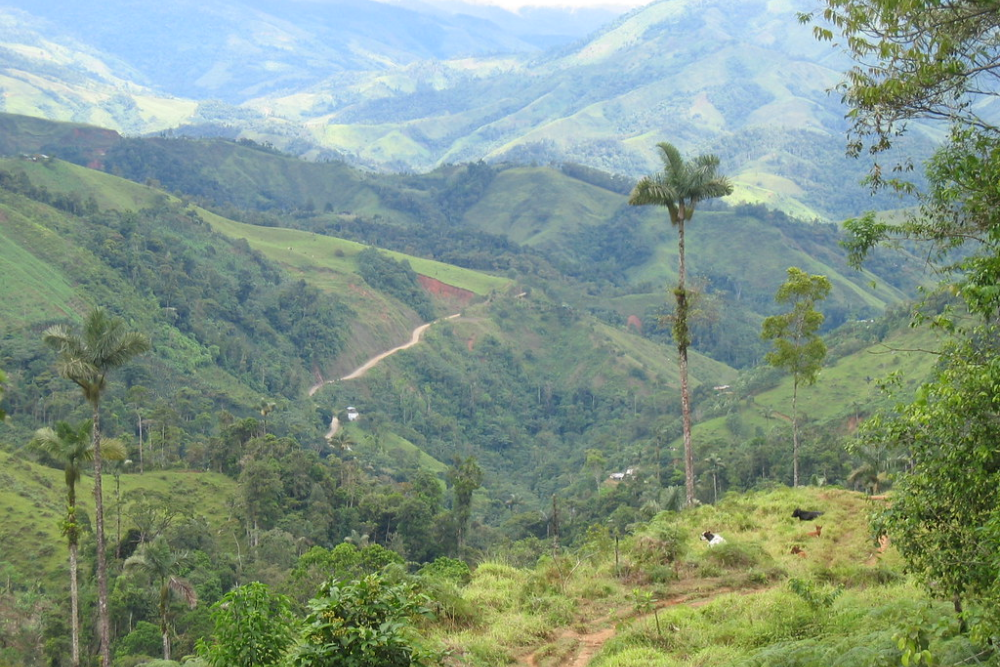
In Colombia’s Caquetá department, archaeologists found a city that appears to have been primarily dedicated to artistic and ceremonial activities. The settlement features numerous workshops, ceremonial plazas, and buildings decorated with intricate carvings and paintings.
This suggests the city served as a cultural center for the surrounding region.
The Hilltop City of Amapá
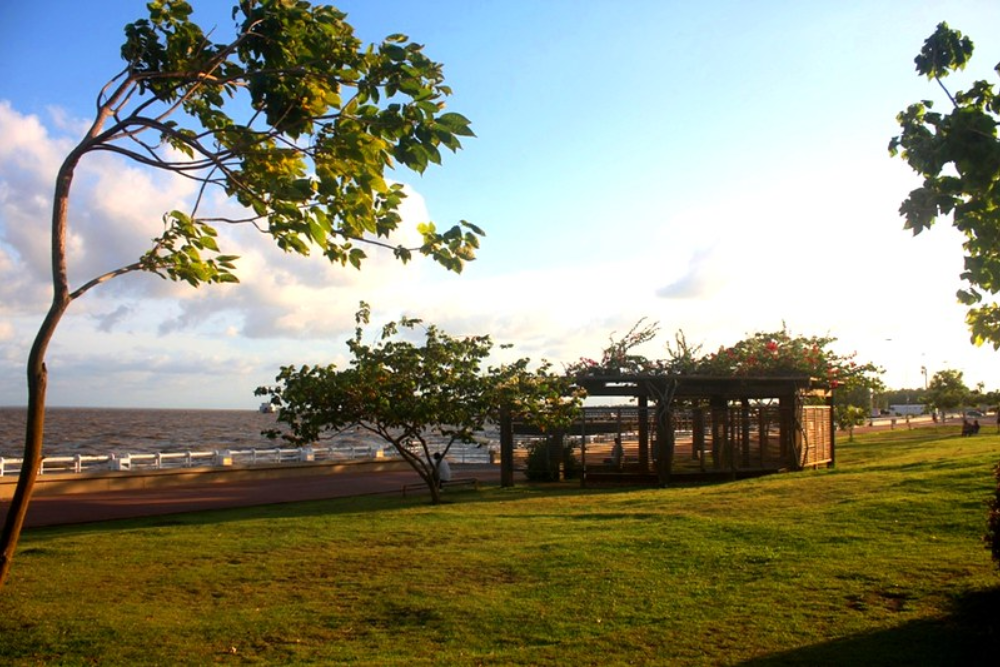
Brazil’s Amapá state revealed a city built on a series of connected hilltops, linked by stone causeways and bridges. The elevated position provided natural defense and protection from flooding, while the connecting pathways created a unified urban environment.
The city’s position also offered commanding views of the surrounding forest and river systems.
Vichada’s River Port City
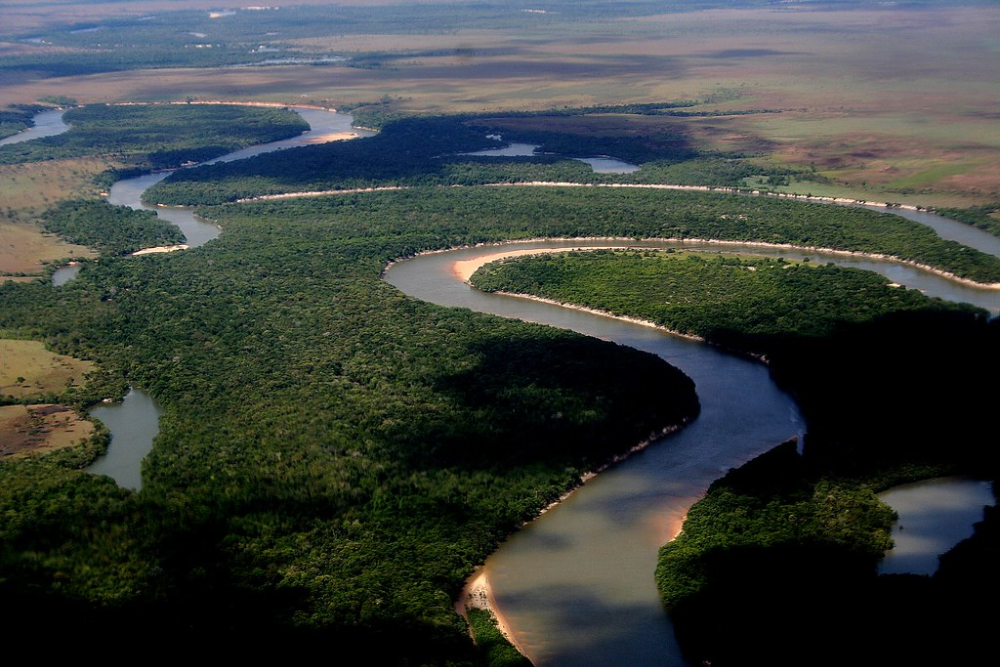
Along Colombia’s Vichada River, researchers discovered a major urban center that served as a hub for river-based trade throughout the region. The city features extensive port facilities, warehouses, and residential areas arranged to facilitate commerce.
Archaeological evidence suggests this city was occupied for over 800 years before its abandonment.
The Sacred City of Ucayali
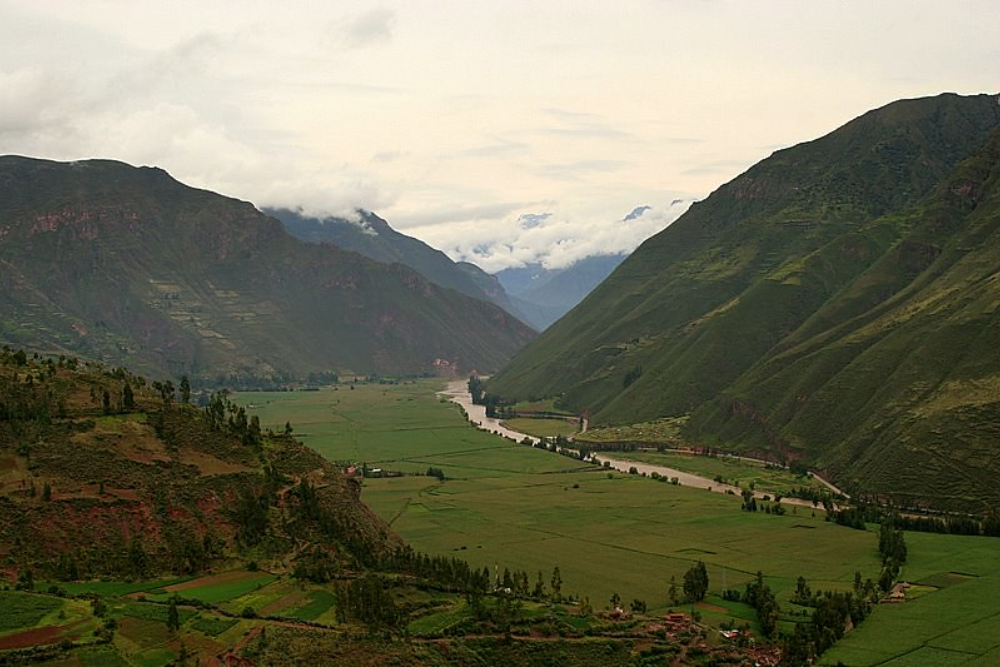
In Peru’s Ucayali region, archaeologists uncovered a city that appears to have been entirely devoted to religious and ceremonial activities. The settlement features multiple temple complexes, astronomical observatories, and elaborate burial sites.
The city’s layout follows precise astronomical alignments, suggesting its inhabitants were skilled astronomers.
Meta’s Agricultural Hub
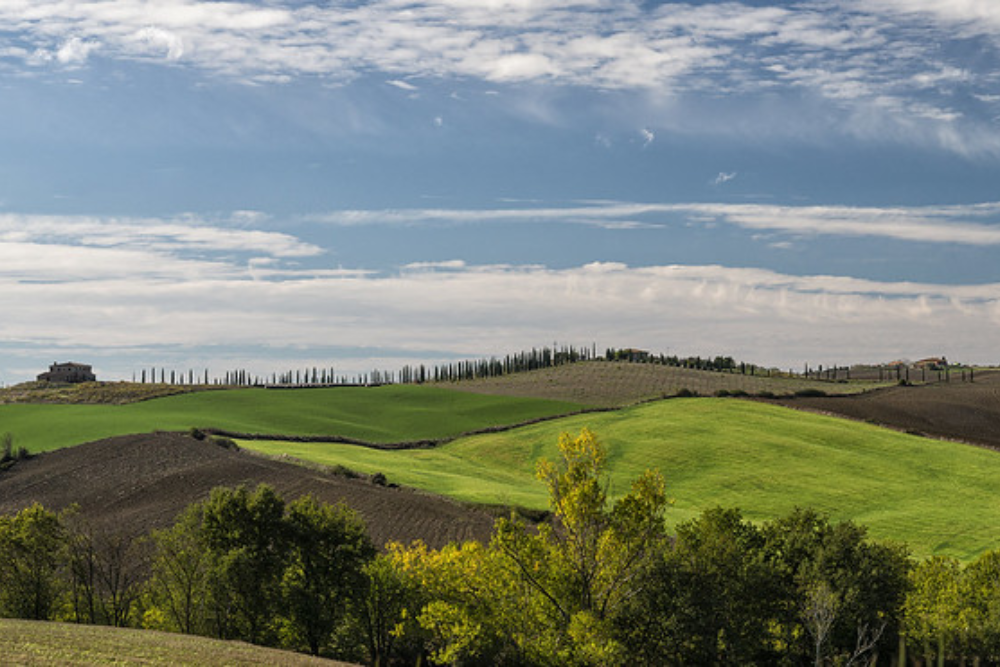
Colombia’s Meta department revealed a city built around intensive agricultural production, featuring sophisticated irrigation systems and terraced fields extending for miles in every direction. The urban center coordinated agricultural activities across vast areas, demonstrating advanced knowledge of farming techniques adapted to tropical conditions.
Storage facilities and processing areas suggest this city fed populations throughout the region.
Echoes of Ancient Ingenuity
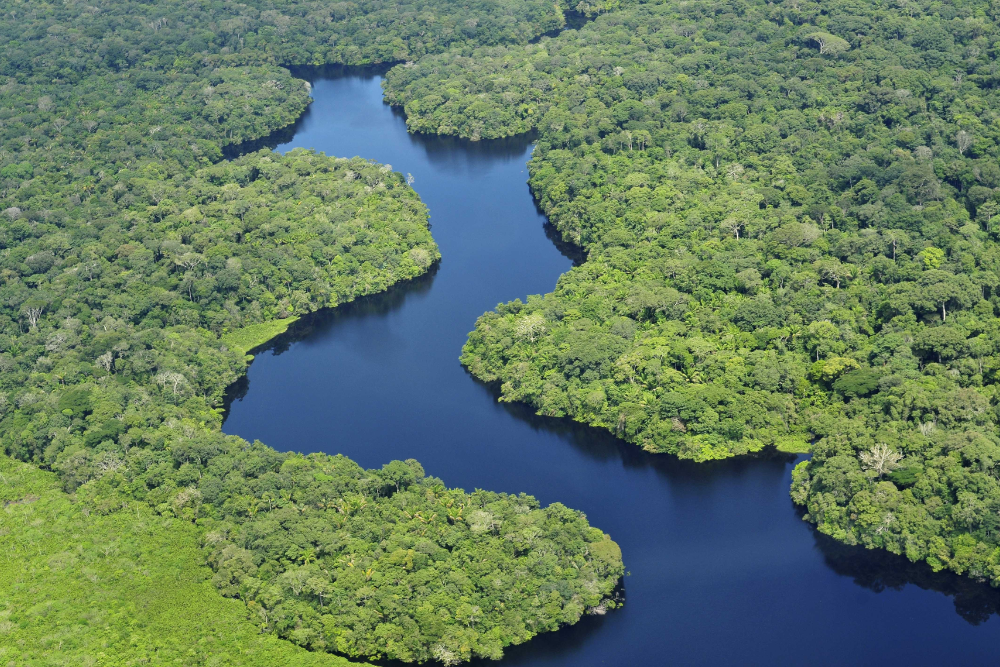
These remarkable discoveries are fundamentally changing our understanding of pre-Columbian Amazonia. They reveal a landscape that was far more densely populated and culturally sophisticated than previously imagined.
The cities represent thousands of years of human adaptation to one of the world’s most challenging environments, showcasing engineering solutions that modern urban planners might envy. As technology continues advancing and more of the Amazon’s secrets are revealed, we can expect even more extraordinary discoveries that will further illuminate the rich history of this magnificent region.
These ancient urban centers remind us that human ingenuity has always found ways to thrive, even in the most unlikely places.
More from Go2Tutors!

- The Romanov Crown Jewels and Their Tragic Fate
- 13 Historical Mysteries That Science Still Can’t Solve
- Famous Hoaxes That Fooled the World for Years
- 15 Child Stars with Tragic Adult Lives
- 16 Famous Jewelry Pieces in History
Like Go2Tutors’s content? Follow us on MSN.