17 Moments That Changed Music Forever
Music shapes our world in ways both obvious and subtle. From personal memories to cultural revolutions, certain pivotal moments have transformed how we create, share, and experience music.
These turning points didn’t just change songs or styles—they rewired our relationship with sound itself. Here are 17 breakthroughs that forever changed the musical landscape as we know it.
The Invention of Musical Notation

Before the 11th century, music existed only in the moment it was performed, with no reliable way to preserve compositions. That changed around 1025, when Italian monk Guido of Arezzo developed the first practical system of musical notation.
His innovation allowed musicians to record melodies on paper with precise pitch relationships, using a staff with lines and spaces. This breakthrough meant compositions could be preserved exactly as intended and shared across vast distances and generations without alteration.
The Creation of the Piano

Bartolomeo Cristofori’s invention of the piano around 1700 revolutionized music by creating an instrument with unprecedented dynamic range. Unlike predecessors like the harpsichord, the piano allowed musicians to play both softly (piano) and loudly (forte) with varying degrees of expression.
This single instrument gave composers an entire orchestra’s worth of expressive capability in a solo format. The piano quickly became central to Western music development, enabling composers like Mozart, Beethoven, and Chopin to create works that would have been impossible on earlier keyboard instruments.
Like Go2Tutors’s content? Follow us on MSN.
The First Sound Recording

In 1877, Thomas Edison shouted ‘Mary had a little lamb’ into his phonograph, capturing sound on a physical medium for the first time in human history. That single act turned music from a live-only experience into something that could be preserved and replayed exactly as it happened.
Edison’s invention meant performances could now outlive their performers and be shared with people who weren’t present at the original event. The recording fundamentally changed our relationship with music, allowing us to own and revisit sounds at will rather than experiencing them only as fleeting moments.
The Birth of Blues

The emergence of blues in the Mississippi Delta around 1900 represents one of music’s most significant evolutionary moments. African Americans created this deeply expressive form by blending work songs, spirituals, and call-and-response patterns with distinctive bent notes and rhythmic structures.
Blues introduced ‘blue notes’—slightly flattened thirds, fifths, and sevenths that created emotional tension absent from European musical traditions. This foundational American art form later became the backbone of rock, jazz, R&B, and countless other genres that defined 20th-century music.
The Jazz Age Begins

When the Original Dixieland Jazz Band recorded ‘Livery Stable Blues’ in 1917, they made the first commercial jazz recording, officially announcing a revolutionary musical form to the wider world. Jazz brought improvisation to the forefront, emphasizing individual expression within group performance in ways no previous musical style had done.
This distinctly American art form prioritized spontaneous creativity and represented a radical departure from the precisely notated classical music tradition. Jazz would become America’s greatest cultural export and influence virtually every musical genre that followed.
Like Go2Tutors’s content? Follow us on MSN.
The Electric Guitar Arrives

In the early 1940s, guitarist and inventor Les Paul developed the solid-body electric guitar—an instrument that would forever reshape the sound of modern music. His design, followed by Leo Fender’s mass-market models, allowed guitarists to amplify their instruments to volumes that were previously impossible without feedback issues.
The electric guitar opened up new frontiers in sustain, tone manipulation, and sonic effects that acoustic guitars simply couldn’t achieve. Guitar-driven music soon became the dominant force in popular culture, fueling everything from blues and rock to country, funk, and metal.
Multitrack Recording Emerges

A decade later, Les Paul and Mary Ford’s groundbreaking 1951 hit ‘How High the Moon’ introduced multitrack recording to the world. This revolutionary technique allowed individual musical elements to be recorded separately and then combined, giving artists the ability to layer sounds and construct complex arrangements that couldn’t be performed live.
By freeing musicians from the limits of real-time performance, multitracking transformed the recording studio into an instrument itself. The innovation redefined how music was created and laid the foundation for record production as a true art form.
Rock and Roll Takes Over

When Elvis Presley recorded ‘That’s All Right’ at Sun Studio in 1954, he helped launch rock and roll into the mainstream, blending country with rhythm and blues in a culturally explosive combination. This musical revolution wasn’t just about a new sound but represented a generational shift in attitudes, fashion, and social norms.
Rock and roll created the modern concept of youth culture and transformed music from mere entertainment into a vehicle for social identity. Its emergence marked the moment when teenagers became the primary market for popular music, a trend that continues today.
Like Go2Tutors’s content? Follow us on MSN.
The British Invasion
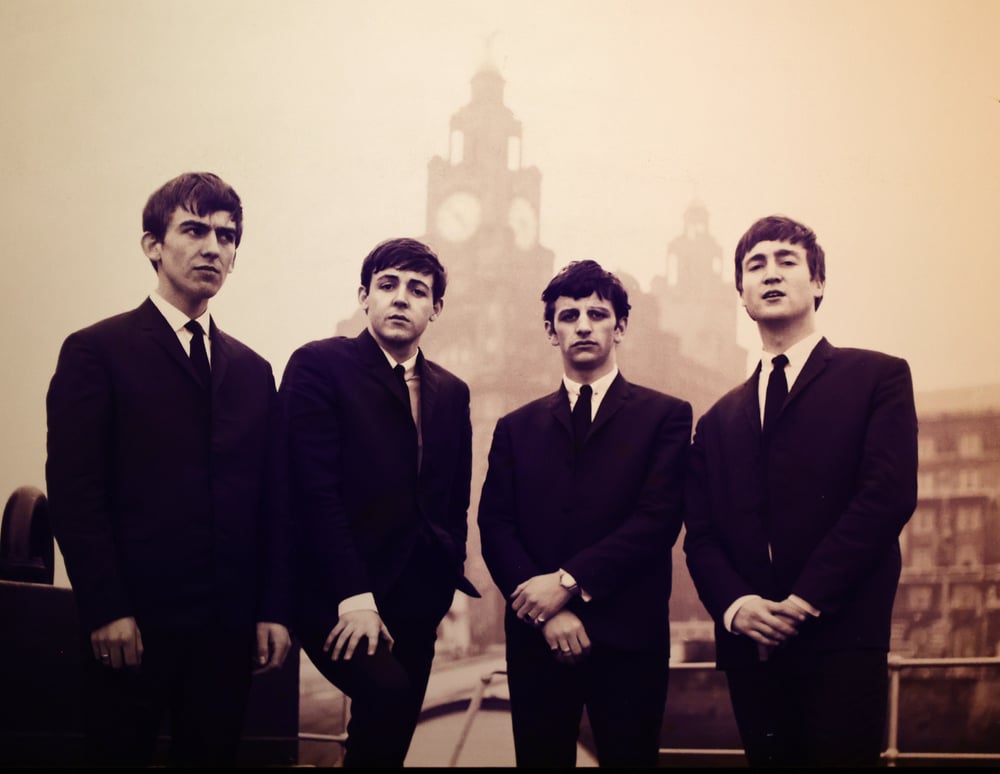
The Beatles’ appearance on The Ed Sullivan Show in February 1964 marked the moment when British music conquered America, with over 73 million viewers tuning in. This cultural exchange reshaped popular music as British bands repackaged American blues and rock influences with new energy and commercial appeal.
The British Invasion established the modern concept of the self-contained band—one that wrote, performed, and recorded its own material rather than relying on professional songwriters. This shift toward artistic self-sufficiency permanently changed expectations about musical authenticity and creativity.
Woodstock Defines a Generation

The Woodstock Music Festival in August 1969 transformed a concert into a defining cultural moment, with over 400,000 people gathering to experience music communally. This massive gathering demonstrated music’s power to unite people around shared values and create temporary utopian communities.
Performances by Jimi Hendrix, Santana, and others became cultural touchstones representing an entire era’s hopes and ideals. Woodstock established the template for the modern music festival as both a musical and social experience—a tradition that continues with events like Coachella and Glastonbury.
The Birth of Hip-Hop

DJ Kool Herc’s innovative block party in the Bronx on August 11, 1973, marked the birth of hip-hop when he extended instrumental breaks by switching between duplicate records. This DIY approach to music-making showed how technology could be repurposed to create entirely new art forms without traditional musical training.
Hip-hop democratized music creation by emphasizing rhythm and wordplay over conventional musicianship and expensive instruments. The cultural movement Herc helped start would eventually become the dominant force in global popular music and reshape everything from fashion to language.
Like Go2Tutors’s content? Follow us on MSN.
The Launch of MTV
MTV’s debut on August 1, 1981, with the prophetic ‘Video Killed the Radio Star’ transformed music into a visual medium overnight. This cable channel made image and visual storytelling essential components of musical success for a generation of artists.
MTV’s influence meant musicians suddenly needed to consider how they looked and performed on camera as much as how they sounded on record. This visual revolution permanently altered how music was marketed, consumed, and conceptualized by artists and fans alike.
The CD Revolution

The commercial introduction of compact discs in 1982 marked the beginning of music’s digital age, offering unprecedented audio clarity and convenience. CDs provided perfect reproduction with no degradation over time, unlike vinyl records or cassette tapes that wore out with repeated plays.
This format shift conditioned consumers to value convenience and portability, setting the stage for later digital music revolutions. The CD era represented peak profitability for the recording industry, with consumers often replacing their entire music collections in the new format.
The Arrival of Auto-Tune

Cher’s 1998 hit ‘Believe’ introduced the world to Auto-Tune as an obvious creative effect rather than a subtle pitch-correction tool. This technology democratized perfect pitch, allowing anyone to hit notes precisely regardless of natural vocal ability.
Auto-Tune quickly became ubiquitous in popular music production, dramatically changing aesthetic expectations around vocal performance. What began as a special effect soon became standard practice, reshaping the very sound of contemporary popular music across virtually all genres.
Like Go2Tutors’s content? Follow us on MSN.
Napster Changes Everything

The launch of Napster in 1999 forever altered music’s economic model by enabling free peer-to-peer file sharing on an unprecedented scale. This disruptive technology broke the record industry’s control over music distribution, allowing consumers to access virtually any song without payment.
Napster forced the music business to confront digital reality after decades of relying on physical media sales for revenue. While the original service was eventually shut down, it had already triggered changes that would eventually lead to streaming as the dominant form of music consumption.
The iPod Revolution
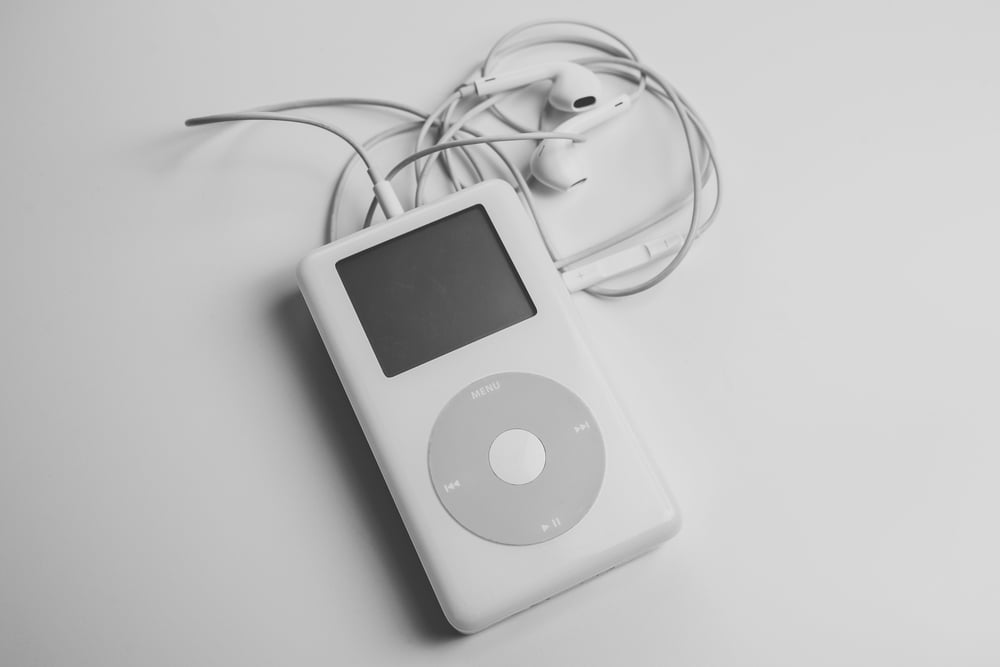
Apple’s introduction of the iPod in 2001 changed not just how we listen to music but how we integrate it into our daily lives. This sleek device allowed people to carry their entire music collections in their pockets, creating a soundtrack for every moment of life.
The iPod’s ‘thousand songs in your pocket’ promise made music more personal and portable than ever before. By separating music from physical media entirely, the iPod accelerated the shift toward thinking of music as data rather than as objects to be collected and displayed.
The Streaming Era Begins
Spotify’s U.S. launch in 2011 established streaming as music’s future, offering instant access to millions of songs for a monthly fee. This model shifted music from an ownership-based economy to an access-based one where listeners rent rather than buy their music.
Streaming services changed listening habits by emphasizing playlists and algorithms over albums and artist curation. This transformation has created both unprecedented access for listeners and new economic challenges for musicians in a market where individual streams generate tiny fractions of the revenue once earned from album sales.
Like Go2Tutors’s content? Follow us on MSN.
The Digital Music Legacy

Looking back across these transformative moments, we see music’s journey from ephemeral live experience to infinitely reproducible digital commodity. Each technological and cultural shift expanded who could create, distribute, and access music.
While business models and technologies continue evolving, music’s fundamental human importance remains unchanged. These 17 pivotal moments didn’t just change the music industry—they altered how humans experience one of our most fundamental forms of expression, allowing more people than ever to participate in musical culture.
More from Go2Tutors!

- 18 Unexpectedly Valuable Collectibles You Might Have Lying Around
- 15 Things Every Teenager in the ’70s Did That Teens Today Wouldn’t Understand
- 15 Strange Things People Have Tried to Ban (And Failed)
- 15 Inventions That Were Immediately Banned After Being Created
- 20 Actors Who Were Almost Cast in Iconic Roles
Like Go2Tutors’s content? Follow us on MSN.