17 Monuments That Weren’t Planned — But People Kept Visiting Anyway
Not every famous landmark starts with a grand vision and architectural blueprints. Sometimes the most interesting attractions emerge completely by accident, through unusual circumstances, or as byproducts of entirely different intentions.
What makes these unplanned monuments so fascinating is their organic evolution into cultural touchstones. Here is a list of 17 monuments that nobody planned as tourist destinations but have become magnets for curious visitors around the world.
The Leaning Tower of Pisa
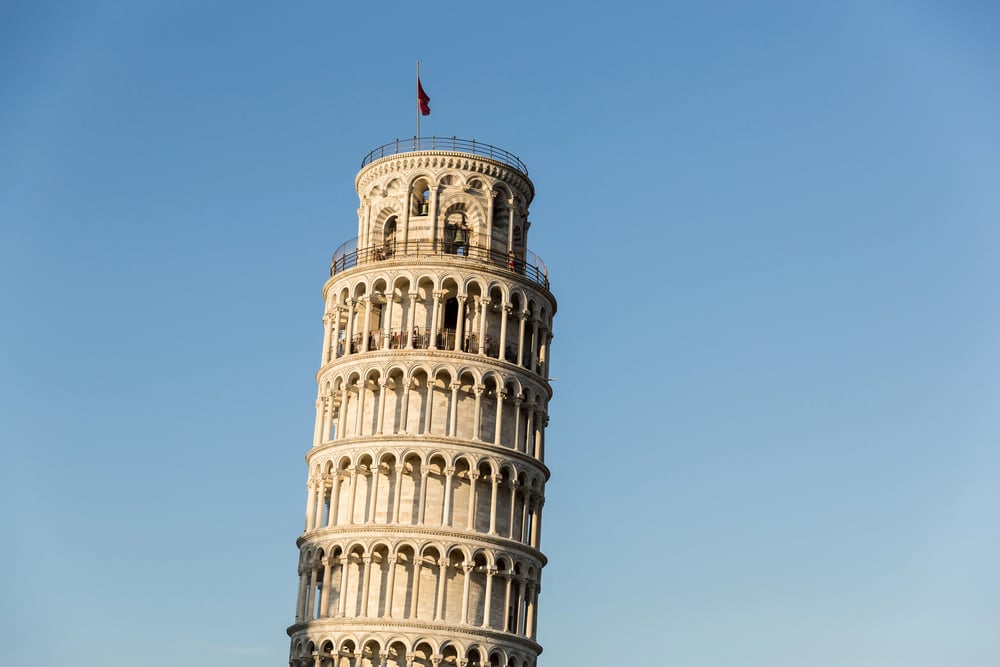
What began as an architectural mishap in 1173 has transformed into one of Italy’s most recognizable landmarks. Engineers noticed the tower beginning to lean during construction due to soft soil on one side of its foundation.
Rather than demolish and restart, builders compensated by making upper floors taller on the shorter side, creating the iconic lean that now draws over a million tourists annually.
Salvation Mountain
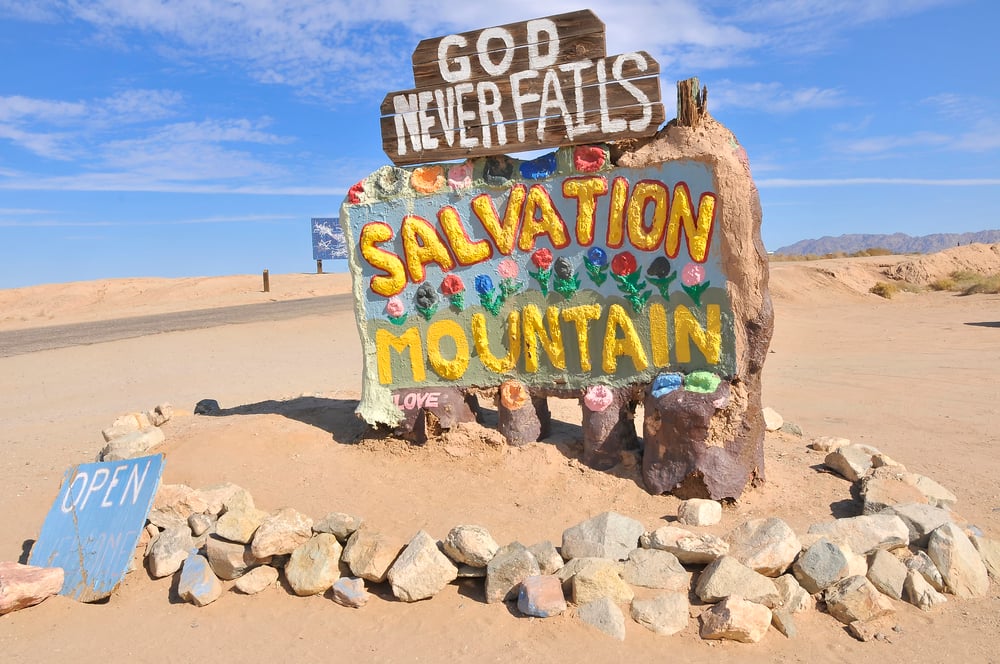
In the California desert near the Salton Sea stands a vibrant hill of painted adobe clay created by Leonard Knight. Knight never intended to build a tourist attraction when he began his colorful tribute to God in the 1980s.
The 50-foot mountain covered in religious messages and universal love symbolism now welcomes thousands of visitors each year who come to appreciate this extraordinary piece of folk art.
Like Go2Tutors’s content? Follow us on MSN.
Paris Catacombs
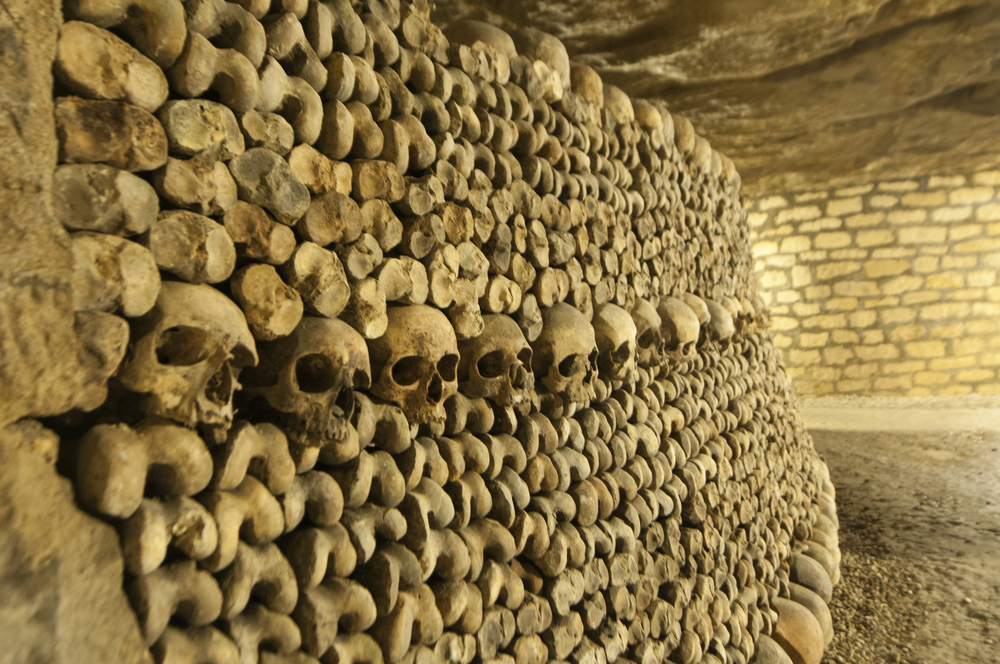
Originally created as a practical solution to Paris’s overflowing cemeteries in the late 18th century, authorities transferred millions of remains to abandoned limestone quarries beneath the city. The underground ossuary became a macabre yet fascinating historical site, with carefully arranged bones and skulls along miles of tunnels.
Today, visitors wait in long lines to descend into this unintentional monument to mortality.
The Winchester Mystery House
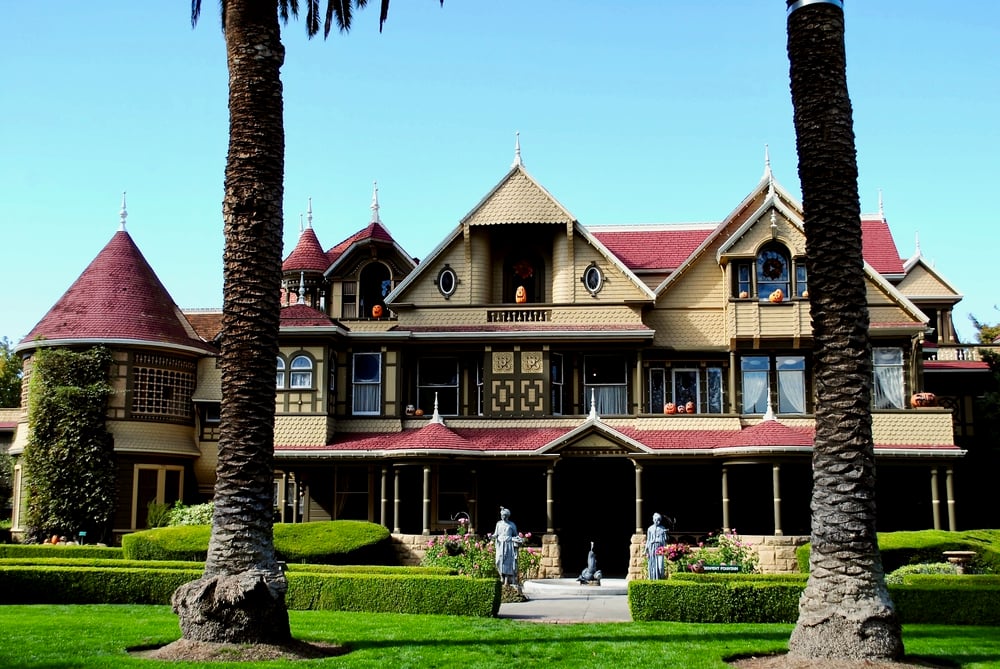
When Sarah Winchester, heiress to the Winchester rifle fortune, began continuous construction on her California mansion in 1886, she wasn’t building a tourist attraction. Reportedly guided by superstition and spirits, she created a bizarre home with staircases leading nowhere and doors opening into walls.
After her death in 1922, the architectural oddity became a popular destination for those intrigued by its strange design and spooky history.
Cadillac Ranch
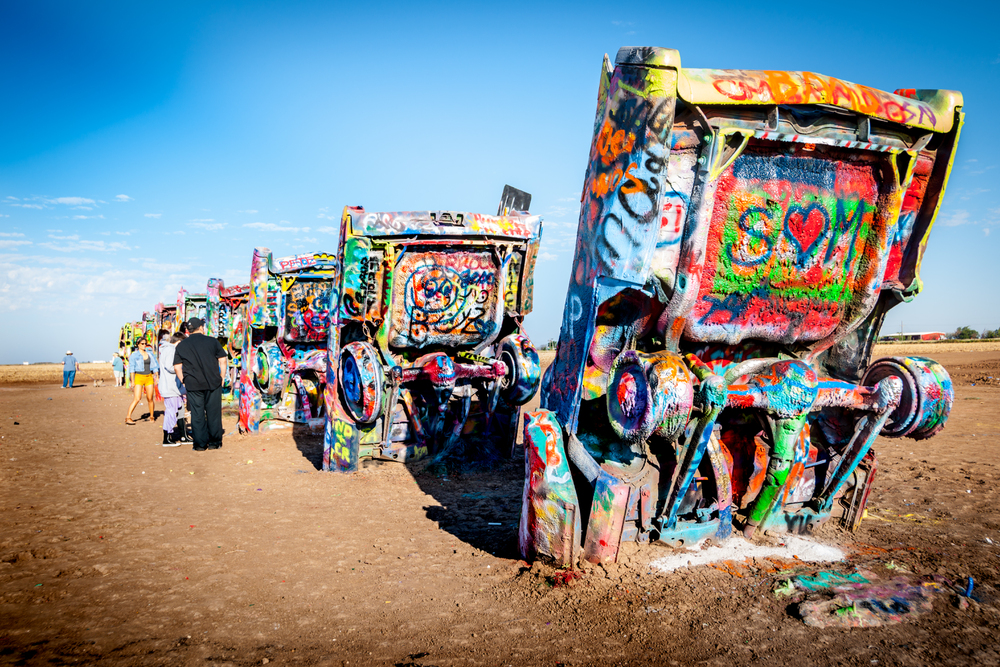
In 1974, art group Ant Farm partially buried ten Cadillacs nose-down in a Texas field as a temporary art installation commenting on American automotive culture. The creators never expected it would become an enduring roadside attraction along Route 66.
Visitors now regularly make detours to spray paint the vehicles, creating ever-changing layers of colorful graffiti on this accidental monument.
Like Go2Tutors’s content? Follow us on MSN.
The Berlin Wall Memorial
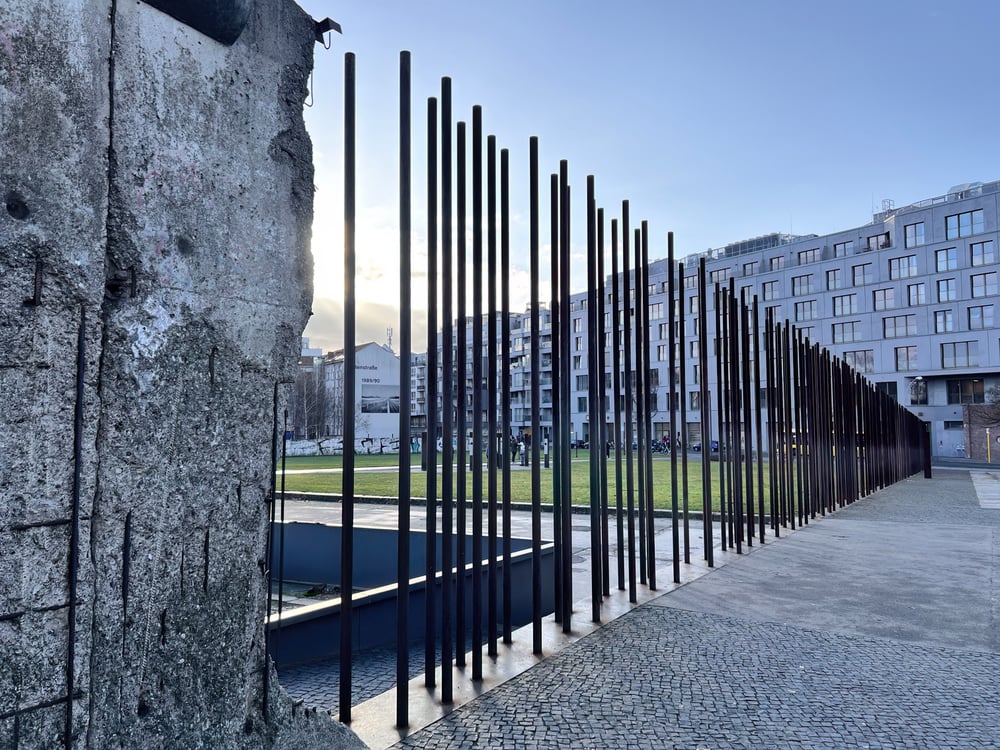
What was once a symbol of oppression and division has transformed into a powerful monument to freedom and reunification. The Berlin Wall wasn’t built to be visited—quite the opposite—it was constructed to prevent East Germans from fleeing to the West.
After its fall in 1989, preserved sections became important historical markers, with the official memorial site welcoming over a million visitors annually.
Centralia, Pennsylvania
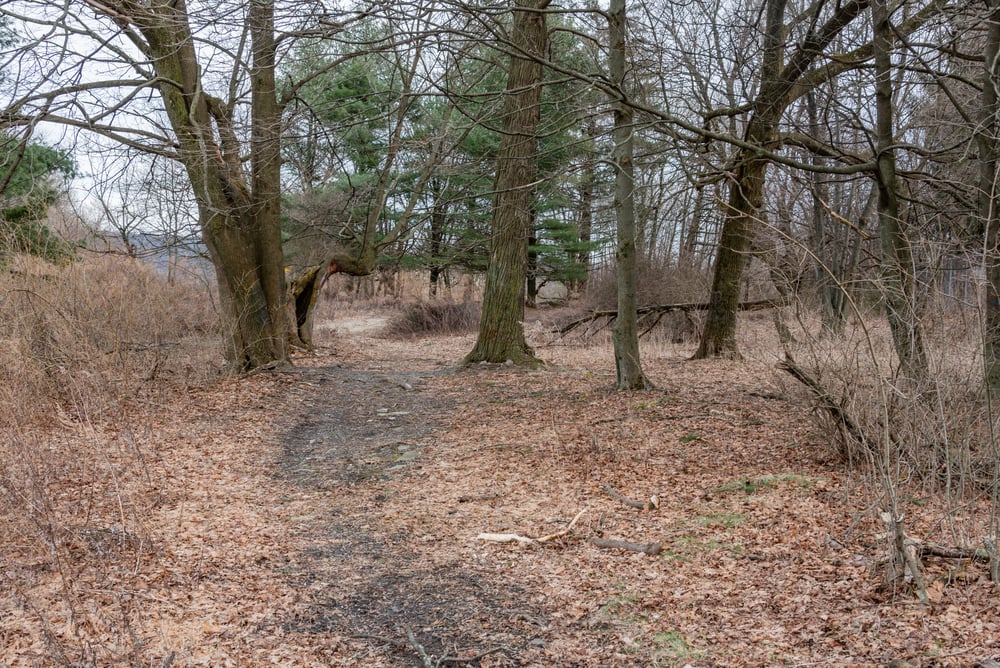
A coal mine fire that began in 1962 has been burning beneath this town for over six decades, forcing most residents to relocate as toxic gases and ground instability made the area uninhabitable. Though never intended as an attraction, the nearly abandoned town with its cracked, steaming roads draws urban explorers and curious visitors fascinated by this real-life ghost town created by an environmental disaster.
The Seattle Gum Wall
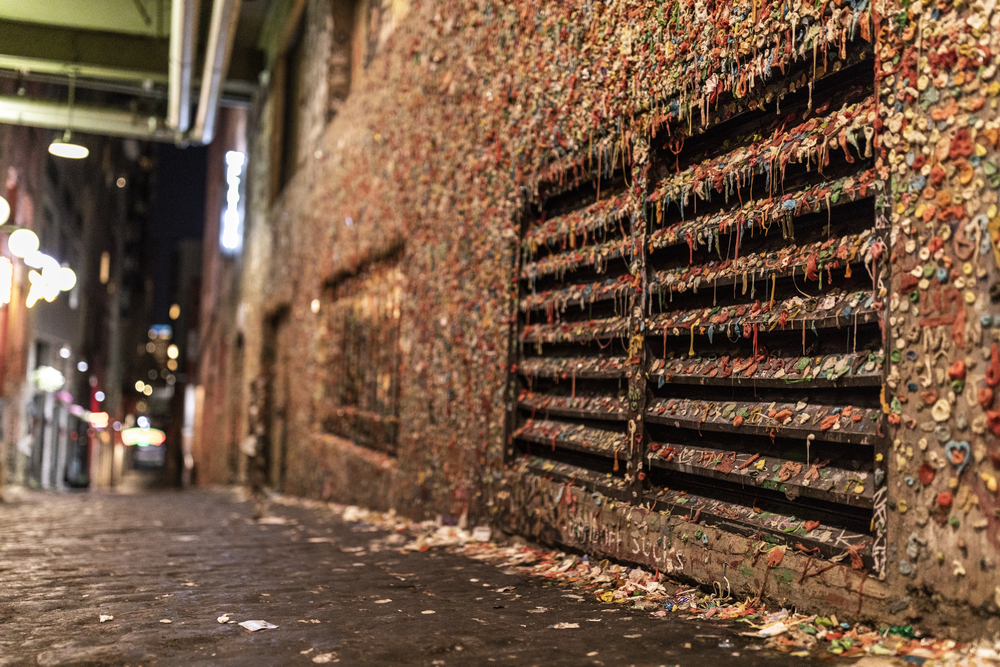
What started as a disgusting habit outside a theater in Pike Place Market evolved into a bizarre attraction. Theatergoers began sticking their gum to the wall while waiting in line in the 1990s.
Despite repeated cleaning efforts, the tradition persisted until officials embraced the sticky situation. The colorful, textured wall now draws visitors who contribute their own pieces to this accidental interactive art installation.
Like Go2Tutors’s content? Follow us on MSN.
The Terracotta Warriors
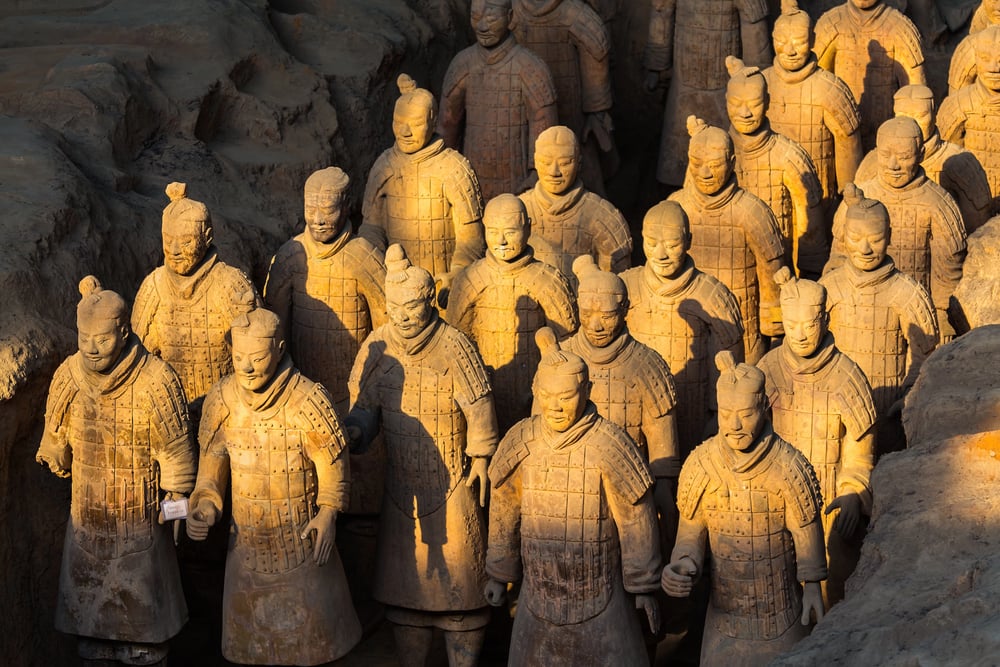
When Emperor Qin Shi Huang ordered the creation of his elaborate tomb complex with thousands of life-sized clay soldiers in the 3rd century BCE, he certainly didn’t plan for it to become a tourist destination. Buried and forgotten for over 2,000 years until farmers discovered it in 1974, this accidental archaeological treasure now attracts millions of visitors to Xi’an, China annually.
Chernobyl Exclusion Zone
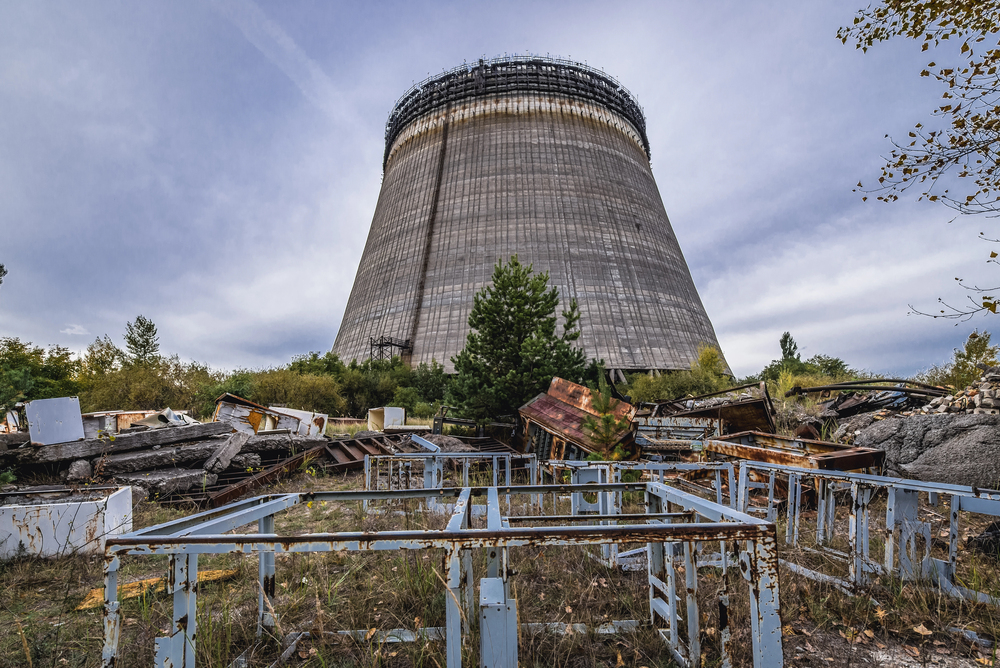
Following the 1986 nuclear disaster, the area surrounding the Chernobyl power plant was evacuated and sealed off from the public. Decades later, this site of tragedy has become a destination for thousands of tourists annually.
Visitors explore the abandoned city of Pripyat with its decaying buildings and silent amusement park, drawn by a mixture of historical interest and the eerie appeal of a modern ruin.
The Heidelberg Project
Artist Tyree Guyton never set out to create a tourist attraction when he began transforming abandoned houses in his Detroit neighborhood into colorful art installations in 1986. Using discarded everyday objects, he turned urban blight into thought-provoking outdoor art.
The project now draws visitors from around the world to this unintentional monument to urban renewal and creative expression.
Like Go2Tutors’s content? Follow us on MSN.
Trolltunga Rock
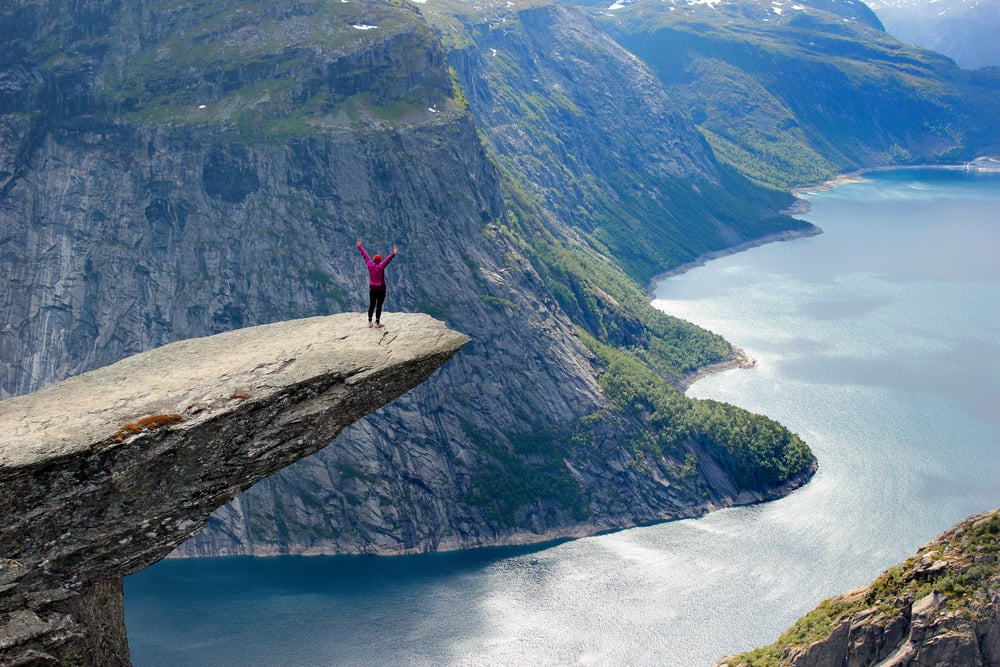
This dramatic rock formation jutting 2,300 feet above Lake Ringedalsvatnet in Norway was virtually unknown until social media discovered it. Once visited only by serious hikers, stunning photos of people sitting on the edge of the “troll’s tongue” went viral online around 2010.
Now thousands make the challenging 17-mile round-trip hike each summer, turning a natural formation into an Instagram monument.
Fremont Troll
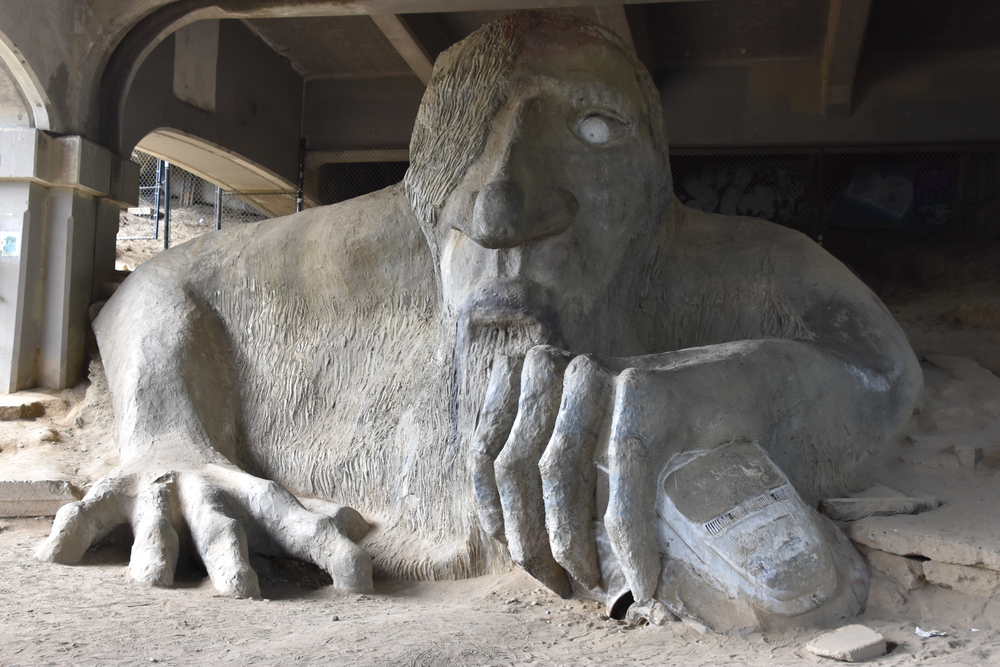
When Seattle artists created a massive concrete troll sculpture under the Aurora Bridge in 1990, they were simply entering a community competition to rehabilitate the space. They never anticipated creating an enduring attraction.
The 18-foot troll clutching a real Volkswagen Beetle has become an iconic Seattle landmark, drawing visitors who climb on the sculpture and take photos with this accidental monument.
Bunker 42
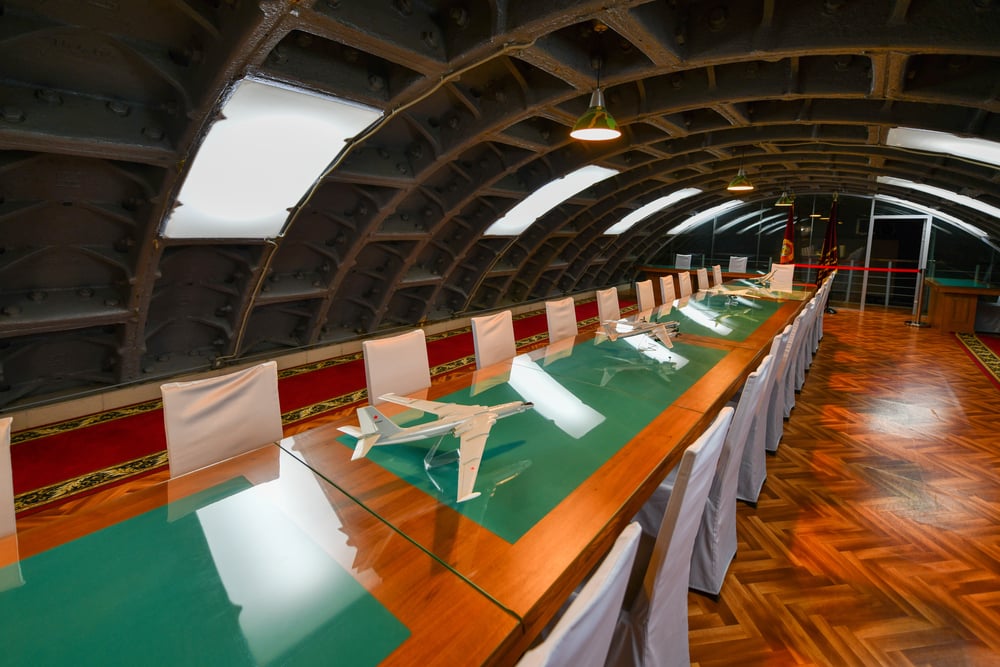
Built as a secret Soviet command center 213 feet beneath Moscow during the Cold War, this massive nuclear bunker was designed to protect key military personnel during atomic war. After being decommissioned in the 1990s, the facility unexpectedly found new life as a museum.
Visitors now tour the sprawling underground complex, experiencing the tension of the Cold War in this unintended historical monument.
Like Go2Tutors’s content? Follow us on MSN.
Denniston Incline Railway
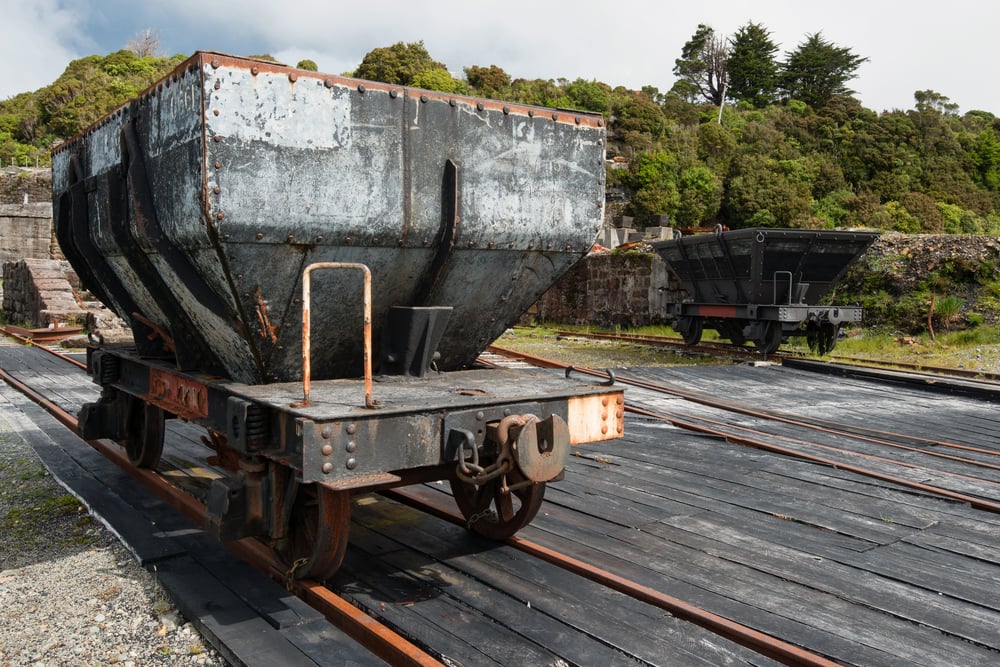
This industrial coal transportation system in New Zealand was built purely for practical purposes—moving coal from mountaintop mines down to waiting ships. When mining operations ceased in 1967, the once-vital infrastructure might have been forgotten.
Instead, the remains of the impressively steep railway (with gradients reaching 1:1.25 in places) became a heritage site drawing industrial history enthusiasts.
Christ of the Abyss
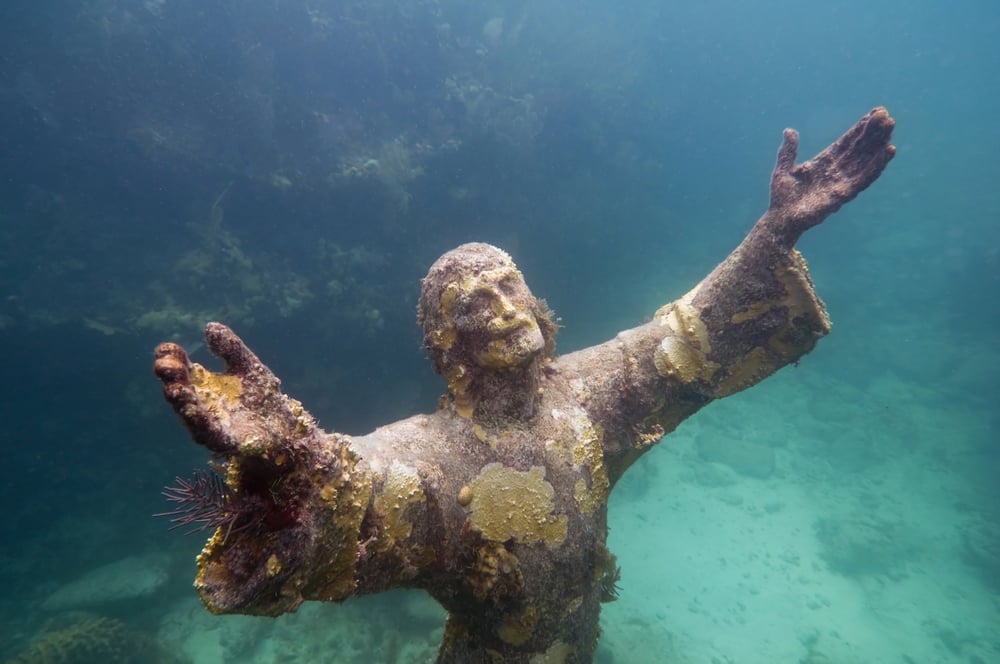
When Italian sculptor Guido Galletti created a bronze statue of Jesus Christ in 1954, he intended it as a memorial to a diver who died nearby—not as a tourist attraction. Placed 50 feet underwater near Portofino, Italy, the statue has accumulated coral and sea growth over decades.
It now draws thousands of scuba divers annually as one of the world’s most famous underwater monuments.
Benson Bubbler Fountains

When businessman Simon Benson donated funds for 20 bronze drinking fountains throughout Portland, Oregon in 1912, he wanted to provide fresh water (and discourage workers from drinking alcohol at lunch). The elegant fountains, which continuously flow, have become beloved city symbols.
Visitors now seek out these unintentional monuments, with many considering their Portland experience incomplete without drinking from a Benson Bubbler.
Like Go2Tutors’s content? Follow us on MSN.
Accidental Icons: When Unplanned Becomes Unforgettable
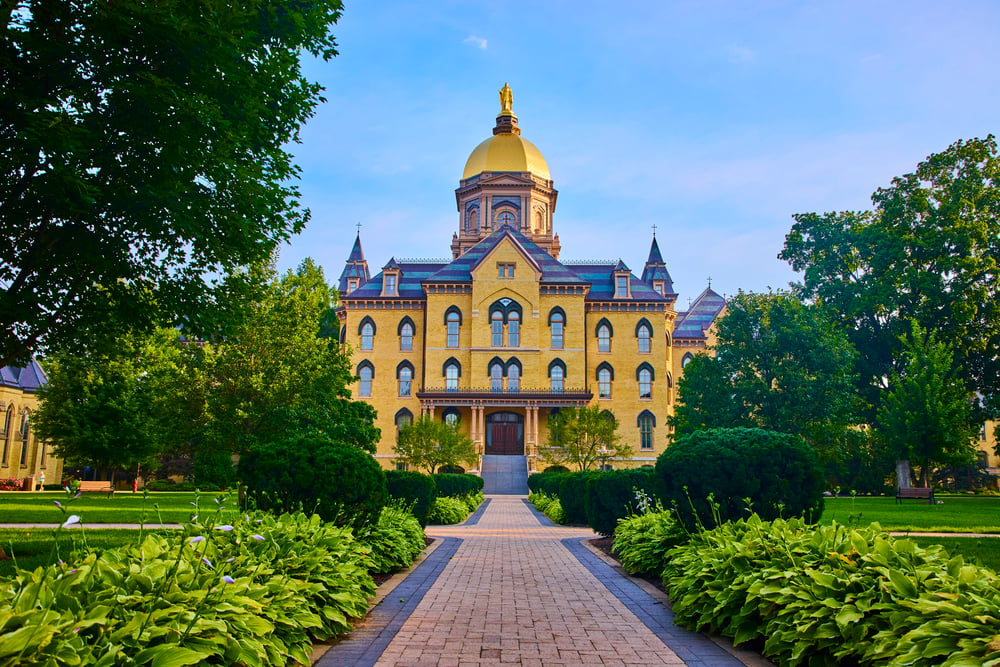
These landmarks remind us that some of the most compelling destinations emerge organically rather than from architectural competitions or tourism boards. What distinguishes these accidental monuments is their authenticity—they reflect genuine historical circumstances, artistic expression, or natural phenomena.
As we’ve seen, the most memorable places often come with unexpected origins, transforming practical structures, artistic experiments, and even disasters into cultural touchstones that connect us to our shared human experience.
More from Go2Tutors!

- 18 Unexpectedly Valuable Collectibles You Might Have Lying Around
- 15 Things Every Teenager in the ’70s Did That Teens Today Wouldn’t Understand
- 15 Strange Things People Have Tried to Ban (And Failed)
- 15 Inventions That Were Immediately Banned After Being Created
- 20 Actors Who Were Almost Cast in Iconic Roles
Like Go2Tutors’s content? Follow us on MSN.