17 Moon Mysteries Scientists Still Can’t Explain
Our closest celestial neighbor has been humanity’s constant companion for billions of years, yet the Moon remains one of the most puzzling objects in our solar system. Despite decades of exploration — including multiple Apollo missions and countless robotic probes — scientists continue to scratch their heads over fundamental questions about our lunar companion.
The more we learn about the Moon, the more mysterious it becomes. Here is a list of 17 lunar enigmas that continue to baffle researchers and challenge our understanding of planetary science.
The Moon’s Impossible Size

The Moon is ridiculously large compared to Earth. It makes up about 1.2% of our planet’s mass, which is bizarre when you consider most moons in our solar system. Take Mars’ potato-shaped rocks or Jupiter’s countless small satellites — they’re tiny compared to their host planets.
Earth’s Moon is so proportionally massive that some scientists actually consider the Earth-Moon system a ‘double planet’ rather than a traditional planet-satellite relationship. This unusual size ratio suggests something extraordinary happened during the Moon’s formation, though we still don’t fully understand what.
The Missing Iron Core Mystery
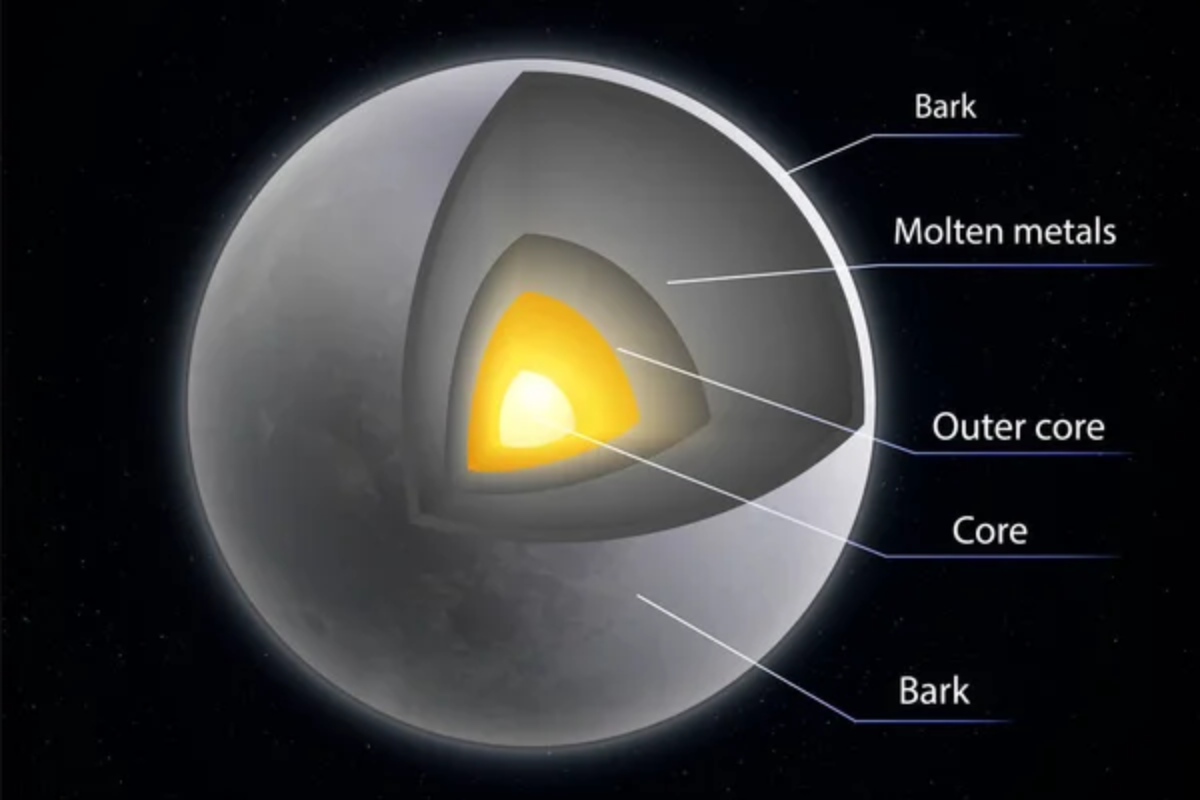
Earth has a substantial iron core that makes up about 32% of our planet’s mass. The Moon’s core, however, is surprisingly small — representing only 2-4% of its total mass. If the Moon formed from the same material as Earth, as many theories suggest, it should have a much larger iron core.
This discrepancy has puzzled scientists for decades because it contradicts the most popular formation theories. The Moon’s iron-poor composition suggests either a very unusual formation process or that massive amounts of iron somehow vanished.
Like Go2Tutors’s content? Follow us on MSN.
Perfectly Circular Craters

Many of the Moon’s craters are almost perfectly circular, which seems impossible given the random angles at which asteroids and comets should impact the surface. On Earth, most impact craters show signs of oblique impacts — creating elongated or asymmetrical shapes.
The Moon’s eerily round craters suggest that impacts occurred at nearly perpendicular angles far more often than probability would allow. Some scientists theorize that the Moon’s weak gravity might explain this phenomenon, though the mathematics still don’t add up completely.
The Lunar Mascons
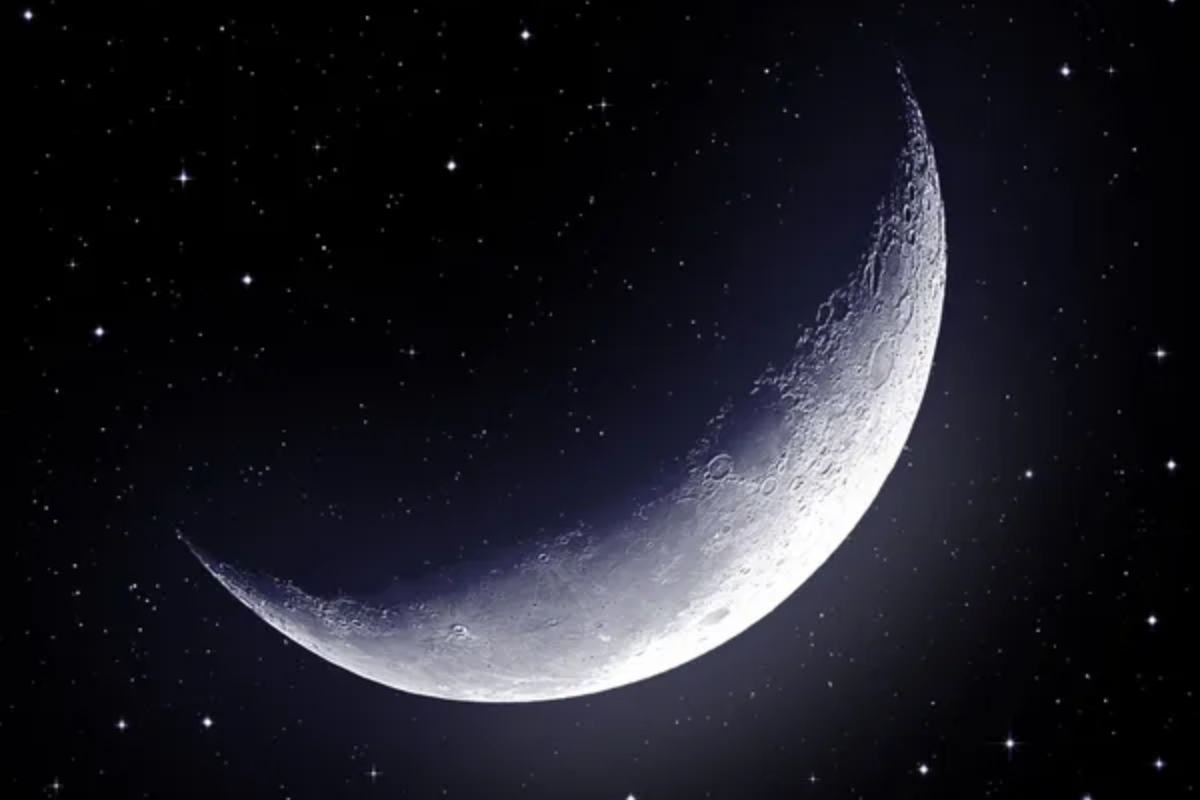
Beneath many of the Moon’s largest impact basins lie mysterious dense regions called mascons — mass concentrations that create gravitational anomalies. These underground masses are so dense that they actually pull spacecraft slightly off course when orbiting overhead.
What makes mascons particularly puzzling is that they shouldn’t exist according to our understanding of impact physics. The massive collisions that created the basins should have scattered dense materials, not concentrated them. The origin and composition of these gravitational bullseyes remain one of the Moon’s most perplexing features.
The Great Lunar Transient Events
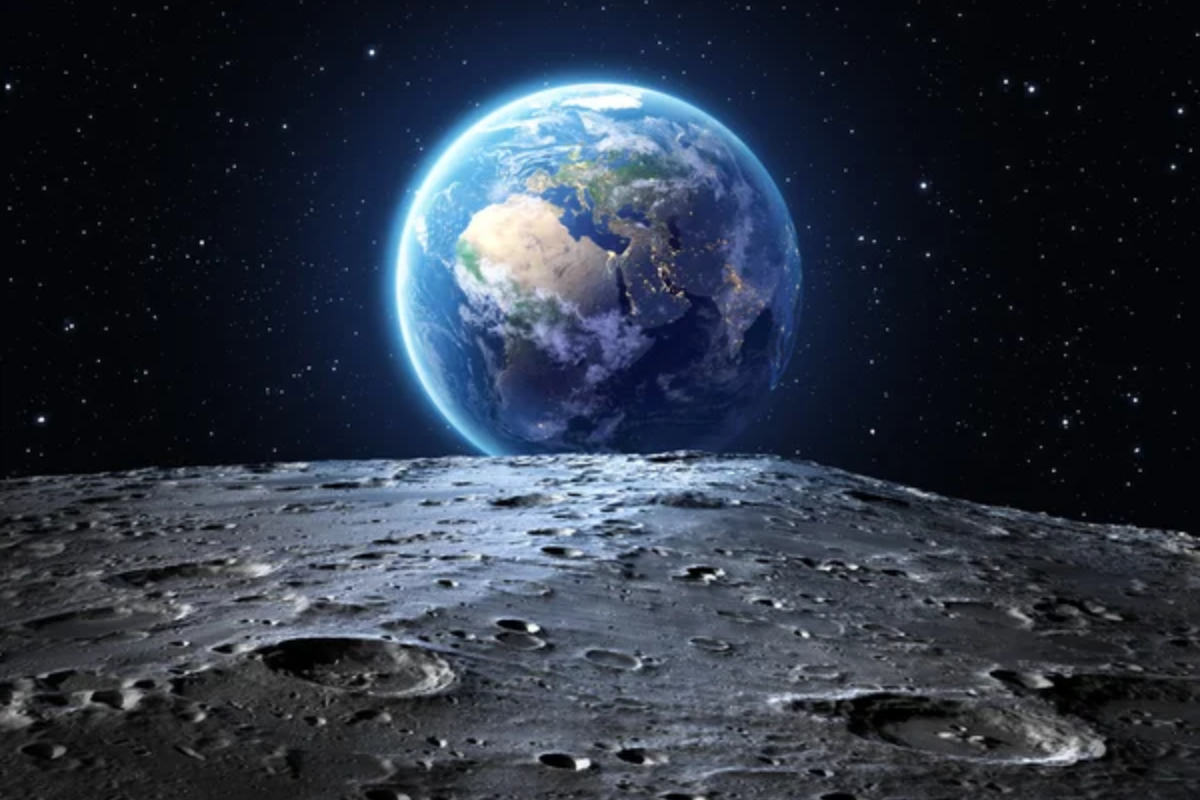
For centuries, amateur and professional astronomers have reported mysterious flashes, glows, and color changes on the Moon’s surface during observations from Earth. These Lunar Transient Phenomena occur most frequently around crater rims.
They appear as brief reddish or bluish glows that can last from minutes to hours. Scientists have documented over 2,000 such events, yet they can’t explain what causes them. Some theories include outgassing from the lunar interior, static electrical discharges, or meteorite impacts — but none fully account for all observed characteristics.
Like Go2Tutors’s content? Follow us on MSN.
The Moon’s Backwards Orbit
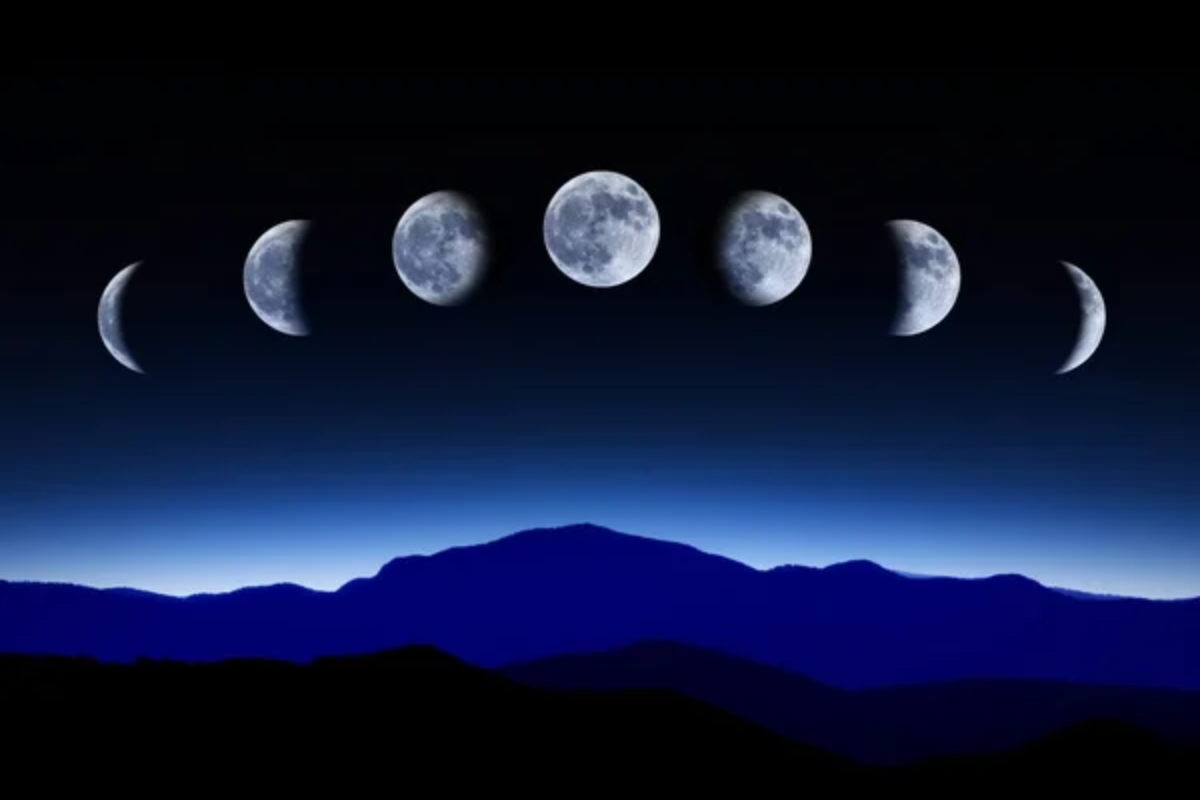
Most moons in our solar system orbit in the same direction as their planet rotates. Several of the Moon’s orbital characteristics, however, seem backwards or unusual. The Moon’s orbit is tilted about 5 degrees relative to Earth’s equator, and its orbital plane doesn’t align with Earth’s rotation as expected.
Additionally, the Moon is slowly moving away from Earth at about 1.5 inches per year — which is much faster than computer models predict. These orbital oddities suggest the Moon’s gravitational relationship with Earth involves forces we don’t completely understand.
The Mysteriously Young Surface
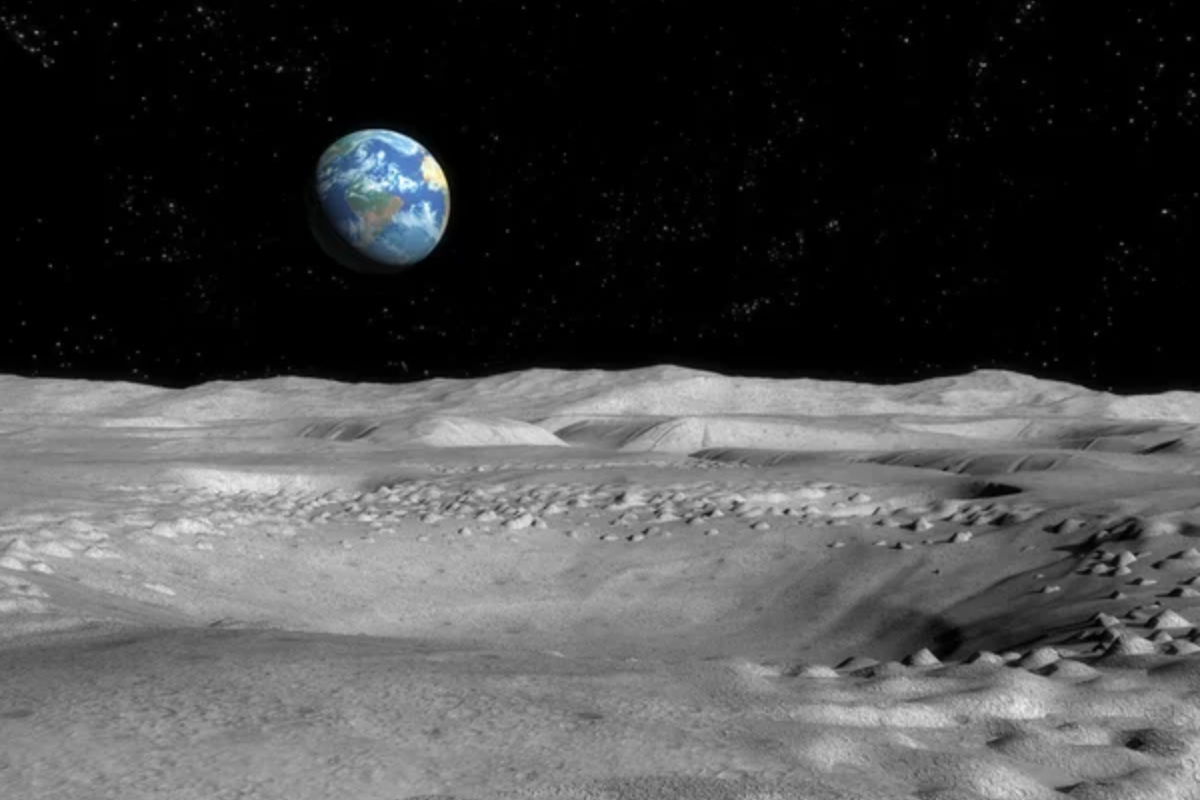
Despite being 4.5 billion years old, much of the Moon’s surface appears surprisingly young in geological terms. Large areas show evidence of volcanic activity that occurred just 1-2 billion years ago — long after the Moon should have cooled enough to end such processes.
Small rocky bodies like the Moon typically lose their internal heat quickly and become geologically dead within their first billion years. The Moon’s relatively recent geological activity suggests either an unknown heat source or a completely different thermal evolution than scientists expected.
The Apollo Seismic Anomalies
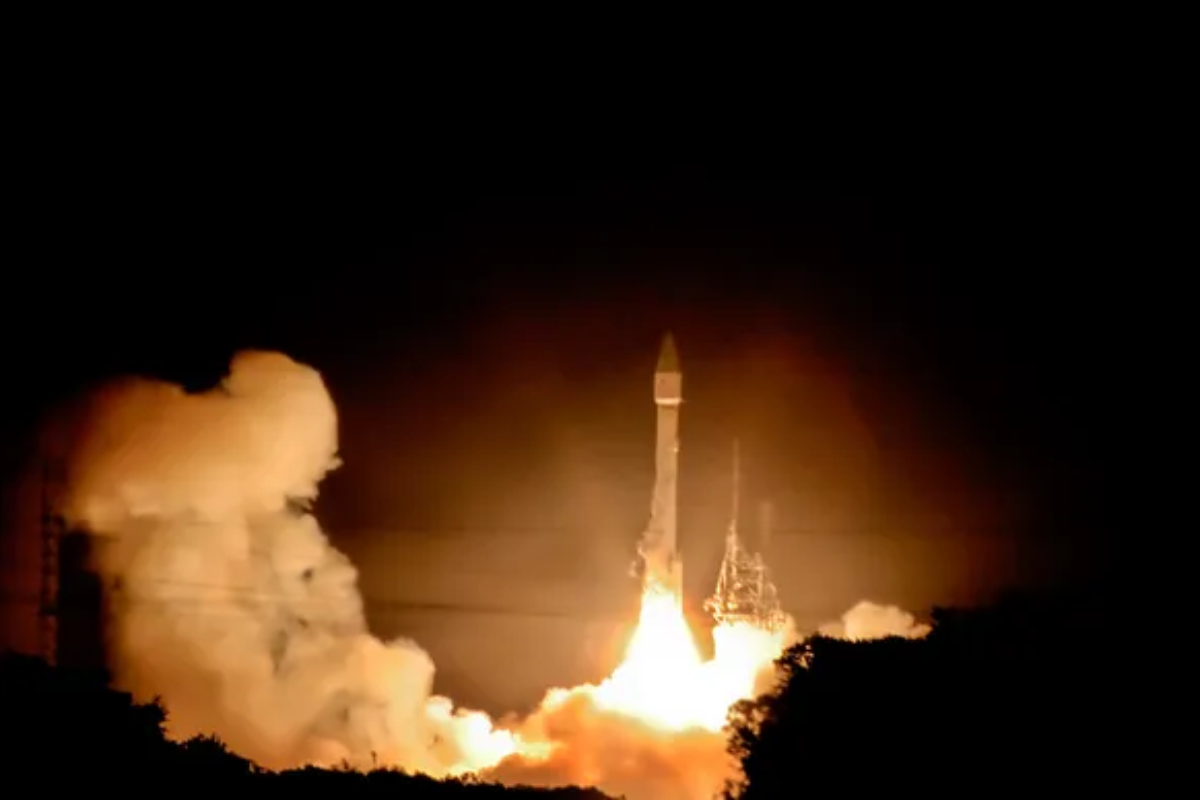
During the Apollo missions, astronauts placed seismometers on the Moon’s surface that detected some truly bizarre moonquake patterns. When Apollo 12 deliberately crashed their lunar module into the Moon’s surface, the impact caused the Moon to ring like a bell for over an hour. Earth’s seismic waves from similar impacts would die out within minutes due to our planet’s composition and structure.
The Moon’s prolonged ringing suggests an internal structure completely different from what scientists predicted — possibly indicating hollow spaces or unusual rock formations deep underground.
Like Go2Tutors’s content? Follow us on MSN.
The Impossible Lunar Glass

Apollo astronauts brought back samples of lunar glass beads that formed under conditions that shouldn’t exist on the Moon’s surface. These glass spherules require extremely high temperatures and specific atmospheric conditions to form naturally.
The Moon’s lack of atmosphere and the temperatures recorded at sample sites can’t account for this type of glass formation. Some of these glass beads also contain water molecules — which is particularly puzzling given the Moon’s dry environment and lack of protective atmosphere.
The Magnetic Field Ghost

The Moon currently has no global magnetic field, yet rocks brought back by Apollo missions show clear evidence of ancient magnetization. This means the Moon once had a substantial magnetic field that somehow disappeared completely.
Magnetic fields typically require a molten, rotating core — but the Moon’s small core and slow rotation shouldn’t have been capable of generating such a field. The timing of when this magnetic field existed and why it vanished remains a complete mystery that challenges our understanding of planetary magnetism.
The Strange Radio Silence Zone
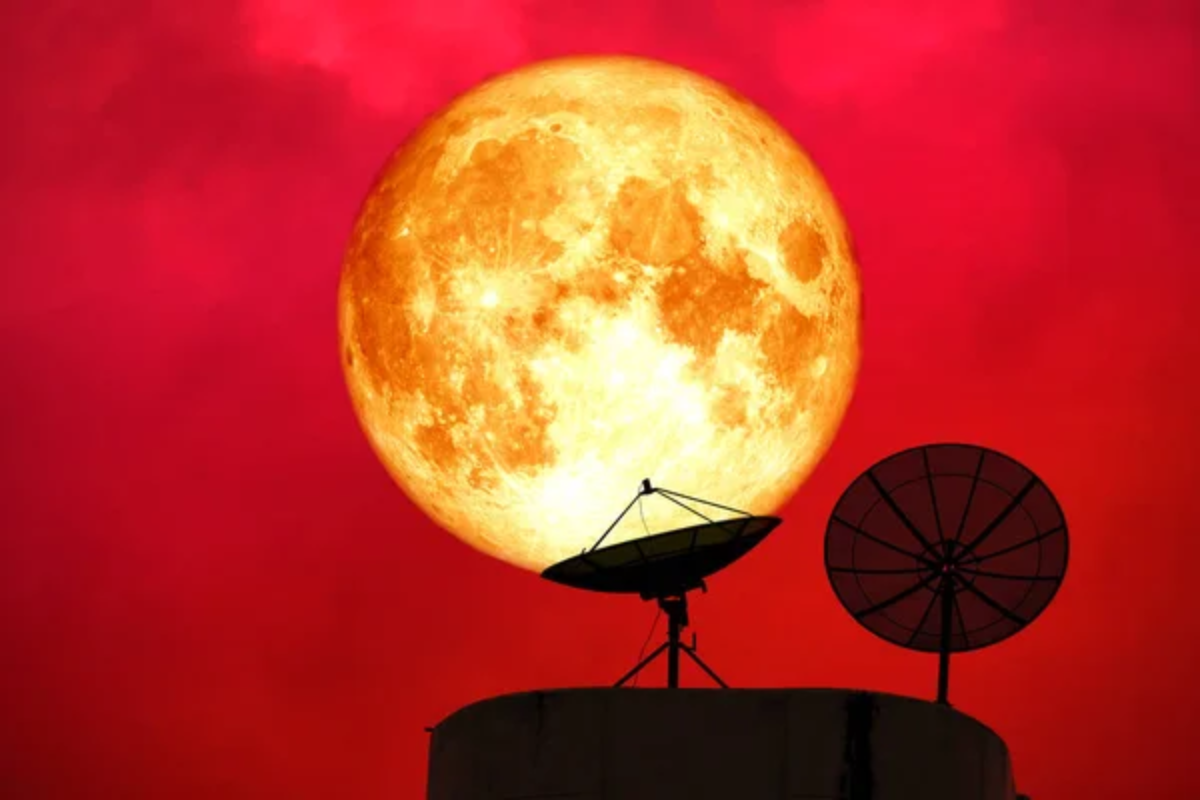
The far side of the Moon experiences a phenomenon called ‘radio silence’ that’s more extreme than scientists expected. While we knew the Moon would block Earth’s radio signals, the degree of electromagnetic quietness on the lunar far side is unusually complete.
Some researchers have detected radio anomalies and unexplained electromagnetic signatures in this zone that don’t match any known natural phenomena. These readings suggest the Moon’s interaction with cosmic radiation and solar wind is more complex than current models predict.
Like Go2Tutors’s content? Follow us on MSN.
The Lunar Atmosphere That Shouldn’t Exist

The Moon supposedly has no atmosphere, yet Apollo missions and recent probes have detected a thin layer of gases surrounding the lunar surface. This ‘exosphere’ contains sodium, potassium, and other elements that shouldn’t be able to escape the Moon’s weak gravity in the quantities observed.
The source of these atmospheric gases and how they’re continuously replenished remains unclear. Some theories involve solar wind interactions or outgassing from the lunar interior, but none fully explain the atmospheric composition and density measurements.
The Color-Changing Highlands
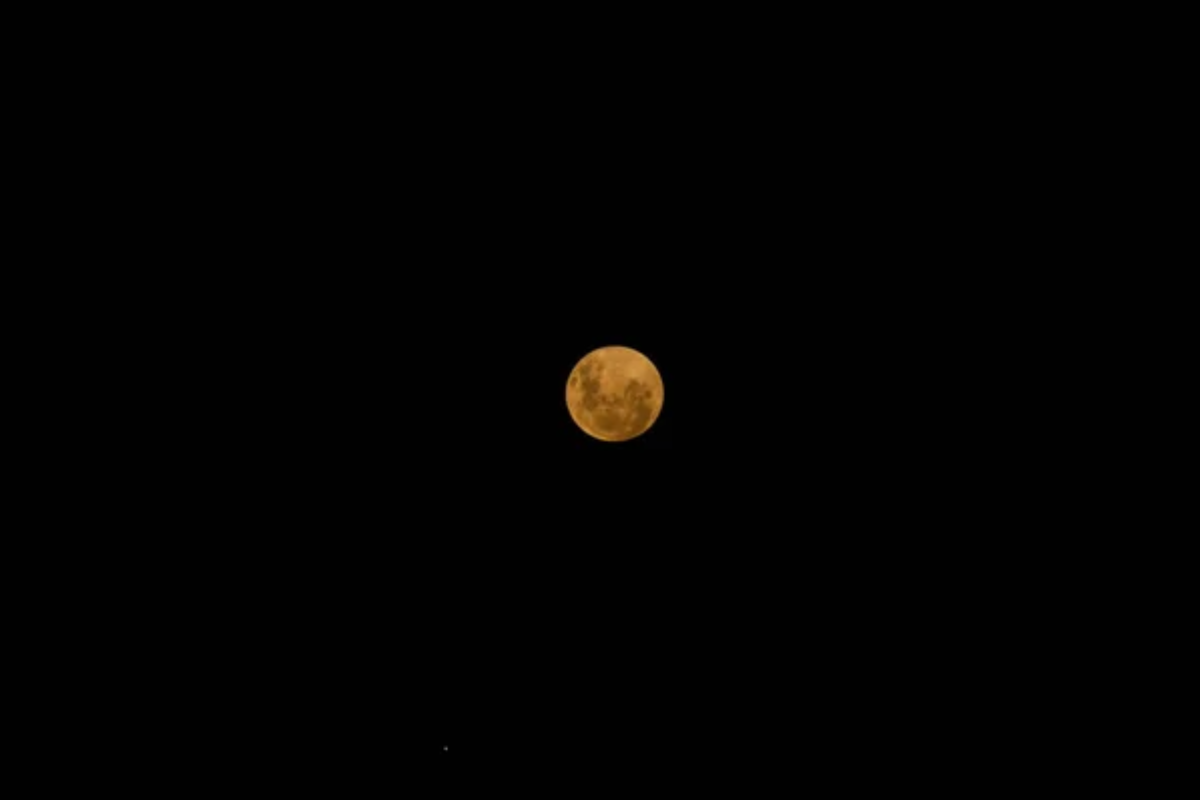
Certain areas of the Moon’s highlands appear to change color depending on the angle of sunlight and the observer’s position. These color shifts range from bright white to deep blue or reddish hues and occur in patterns that don’t match the expected mineralogy of lunar rocks.
Spectroscopic analysis from orbit can’t fully explain these color variations, which seem to involve surface materials that reflect light differently than any known lunar minerals. The phenomenon suggests either unknown surface compositions or optical effects that current lunar science can’t account for.
The Impossible Water Distribution
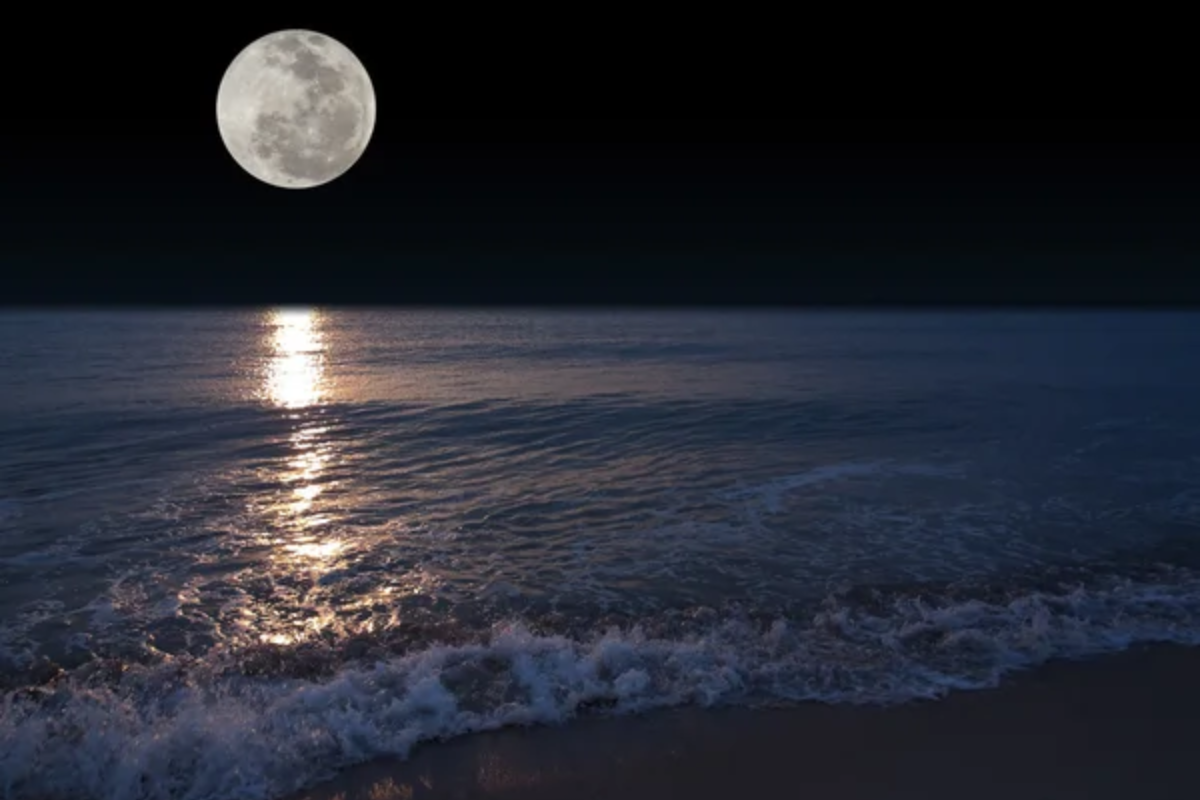
Recent discoveries of water ice in lunar craters have revealed distribution patterns that don’t make sense according to current theories. Water ice exists in permanently shadowed craters at the Moon’s poles, but the amounts and locations don’t match what computer models predict based on comet and asteroid impacts over billions of years.
Some craters that should contain substantial ice deposits are nearly dry, while others have far more water than expected. This uneven distribution suggests unknown processes are moving or creating water on the Moon’s surface.
Like Go2Tutors’s content? Follow us on MSN.
The Gravitational Gradient Mystery
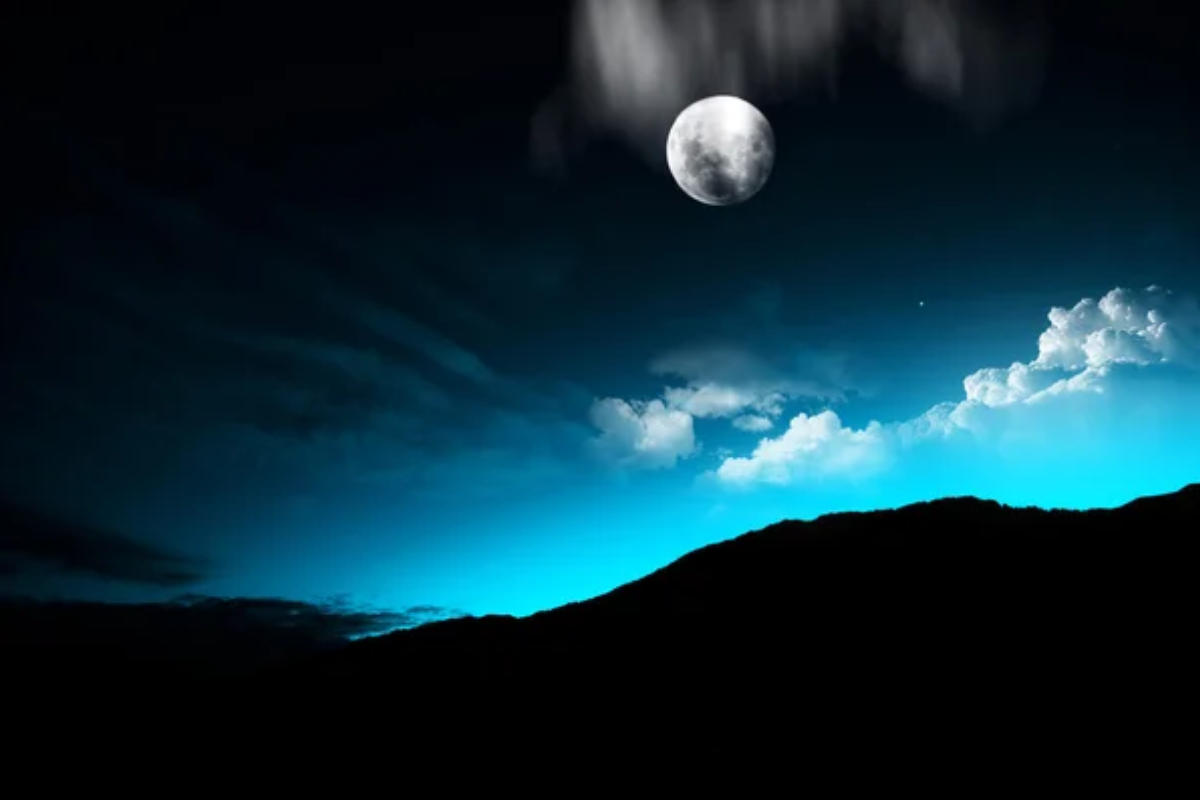
The Moon’s gravitational field varies significantly across its surface in ways that don’t correspond to visible geological features. Some areas have much stronger gravity than their apparent mass would suggest, while others seem gravitationally ‘light’ despite containing dense rock formations.
These gravitational anomalies create navigation challenges for lunar orbiters and suggest the Moon’s internal mass distribution is far more complex than surface features indicate. The patterns of these gravitational variations don’t match any current models of lunar formation or evolution.
The Synchronous Rotation Puzzle

The Moon always shows the same face to Earth due to tidal locking, but achieving this synchronous rotation required a very specific set of circumstances that seem almost impossibly precise. For the Moon to become tidally locked in its current configuration, its initial rotation rate, orbital distance, and mass distribution had to align perfectly.
Mathematical models suggest the probability of achieving this exact synchronous rotation through natural processes is extremely low. The precision of this celestial arrangement has led some scientists to question whether unknown forces or events influenced the Moon’s rotational evolution.
The Lunar Soil Paradox

Lunar soil, called regolith, has properties that contradict what scientists expected based on billions of years of meteorite bombardment. The soil is much finer and more uniform than computer models predict, and it contains microscopic glass beads and metal particles in unusual concentrations.
Most puzzling is that the regolith appears to be electrically charged in ways that cause it to behave more like a fluid than solid particles. This strange behavior creates phenomena like lunar dust storms and dust fountains that seem to defy the Moon’s low gravity and lack of atmosphere.
Like Go2Tutors’s content? Follow us on MSN.
The Eternal Dance Continues

These lunar mysteries remind us that even our closest cosmic neighbor holds secrets that challenge our most fundamental assumptions about planetary science. Each new mission to the Moon seems to raise more questions than it answers.
What emerges is a celestial body far more complex and enigmatic than the simple, dead rock many once believed it to be. The Moon’s puzzles continue to drive scientific inquiry and may hold keys to understanding not just lunar formation, but the early history of our entire solar system.
More from Go2Tutors!

- 16 Restaurant Chains That Went Too Fast
- 12 Things Sold in the 80s That Are Now Illegal
- 15 Strange Things People Have Tried to Ban (And Failed)
- 16 Collectibles People Tossed Out Too Soon
- 17 Myths from Your Childhood That Were Actually Based on Real Things
Like Go2Tutors’s content? Follow us on MSN.