16 Simple Gadgets That Changed Everything Forever
The most powerful inventions aren’t always the flashiest ones. While we celebrate complex technologies like smartphones and space rockets, some of history’s most transformative gadgets were surprisingly simple devices that solved basic problems in elegant ways. These unassuming inventions fundamentally altered how humans live, work, and interact with the world around them.
What makes these gadgets remarkable isn’t their complexity, but their ability to create ripple effects that touched every aspect of human civilization. Here is a list of 16 simple gadgets that changed everything forever.
The Flashlight
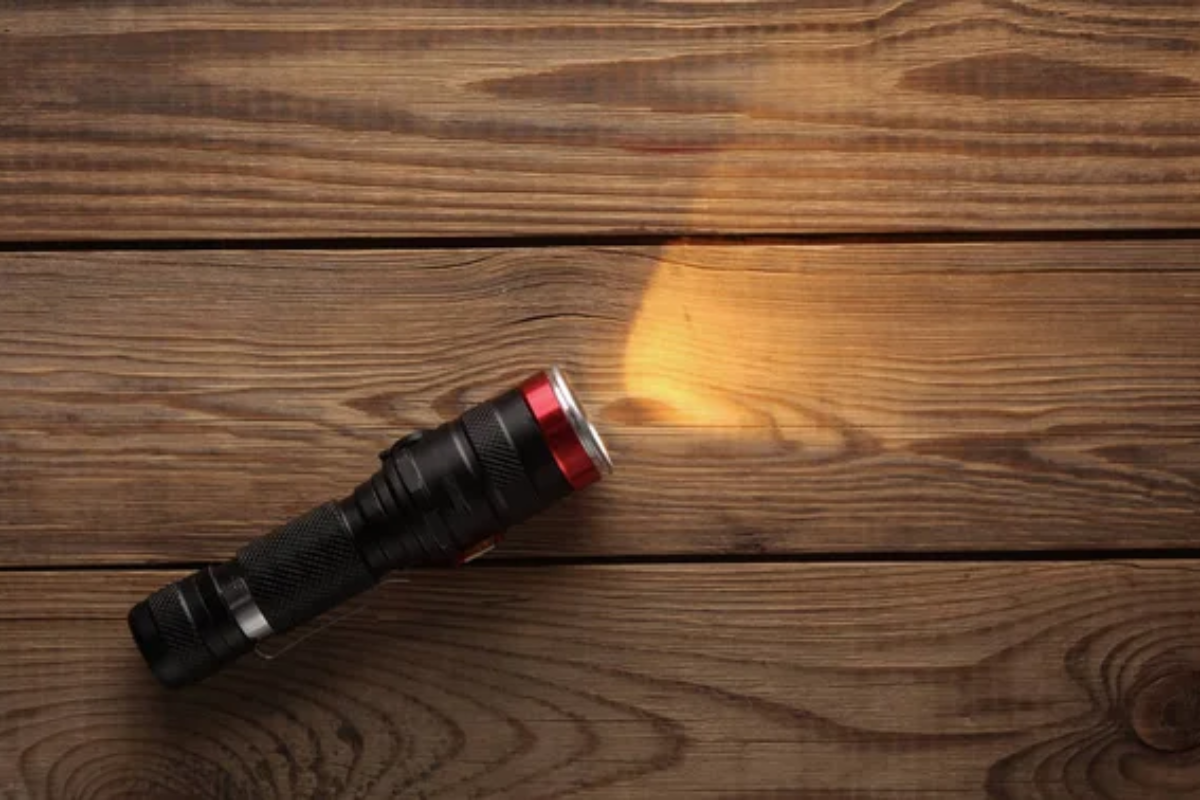
The invention of the flashlight in the late 19th century gave people portable, battery-powered light at the flip of a switch. Before flashlights, people relied on candles, lanterns, or fixed lighting sources.
This small gadget changed how we navigate the dark—at home, during emergencies, or on the go—making it possible to explore, repair, and travel at night with confidence and safety.
The Can Opener
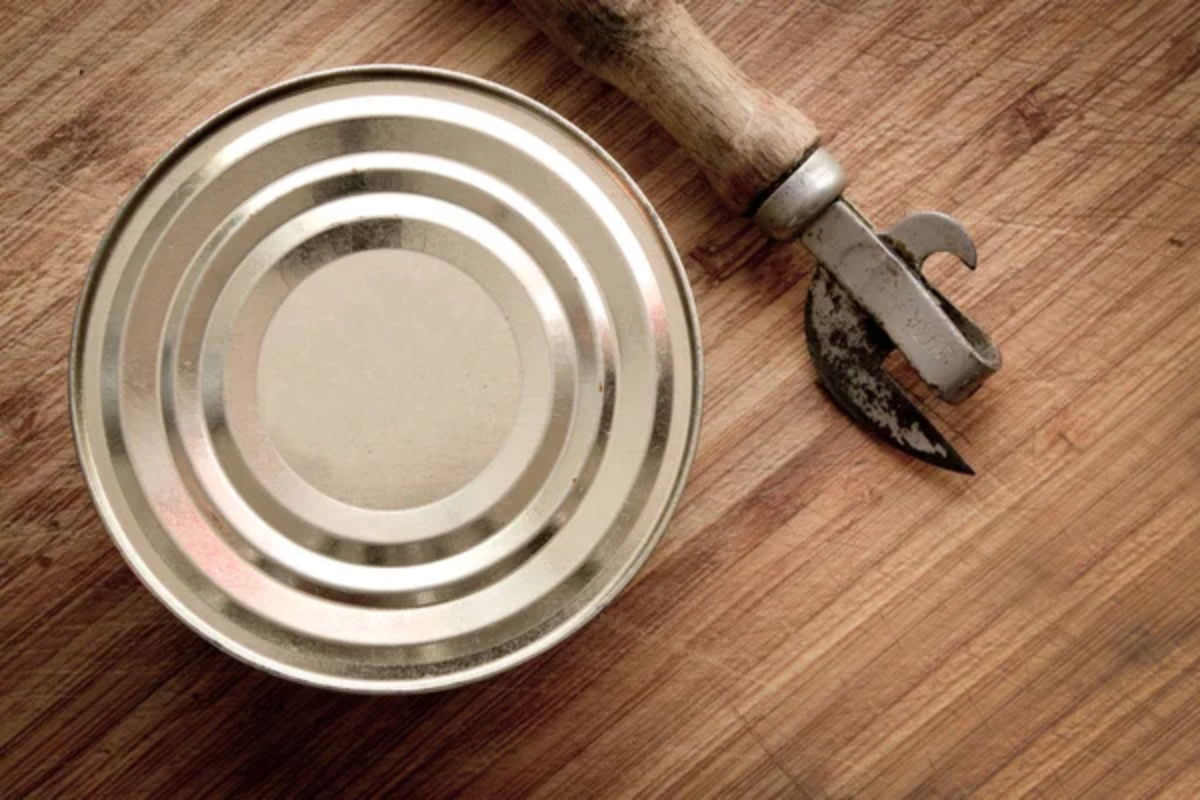
Invented in the mid-1800s, the can opener solved a frustrating problem—how to safely open the very cans designed to preserve food. Early cans were built like fortresses and had to be pried open with chisels and knives.
This simple, handheld device added convenience and safety to kitchens around the world, turning preserved food into a quick, accessible option and revolutionizing modern cooking and food storage.
The Pocket Calculator

First introduced in the 1970s, the pocket calculator put advanced math into the hands of anyone, anywhere. Before this, complex calculations required slide rules or bulky desktop machines. This compact device transformed education, engineering, and finance by giving people quick, reliable answers with just a few button presses.
The calculator made math less intimidating and more accessible to students, scientists, and everyday users alike.
The Compass
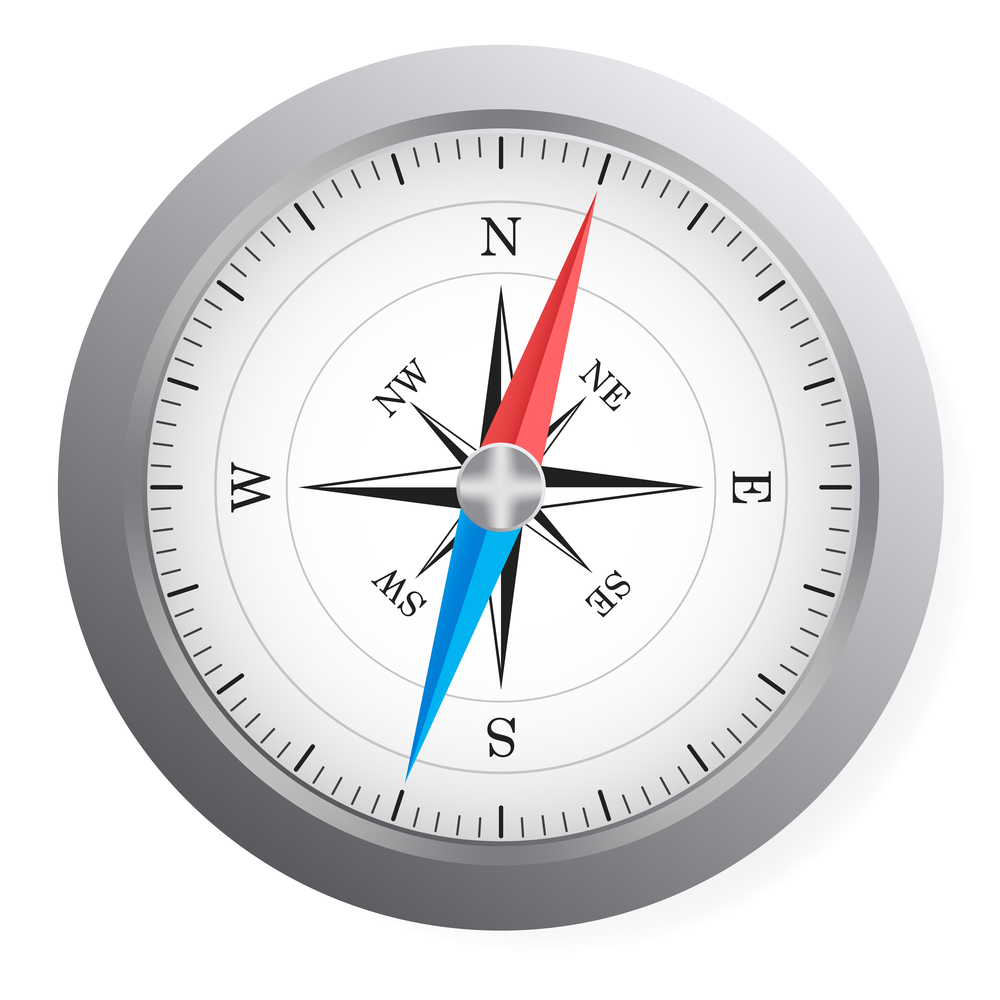
Chinese inventors created the magnetic compass around 1000 CE, giving sailors a reliable way to navigate when stars weren’t visible. This small needle floating in water opened up ocean exploration, enabling trade routes that connected continents and cultures.
Without the compass, the Age of Exploration wouldn’t have happened, and the world would look completely different today.
The Clock

Mechanical clocks in medieval Europe transformed time from a rough estimate based on sun position into precise, standardized measurements. Before clocks, people lived by natural rhythms and approximate time, making coordination and scheduling nearly impossible.
This simple timekeeping device created the foundation for modern productivity, manufacturing, and the entire concept of punctuality.
Eyeglasses

The invention of corrective lenses in 13th-century Italy doubled the productive lifespan of scholars, craftsmen, and anyone whose work required detailed vision. Before eyeglasses, people with poor eyesight had limited career options and often became dependent on others as they aged.
This simple combination of glass lenses extended human capability and enabled countless innovations by people who could now see clearly throughout their lives.
The Screw
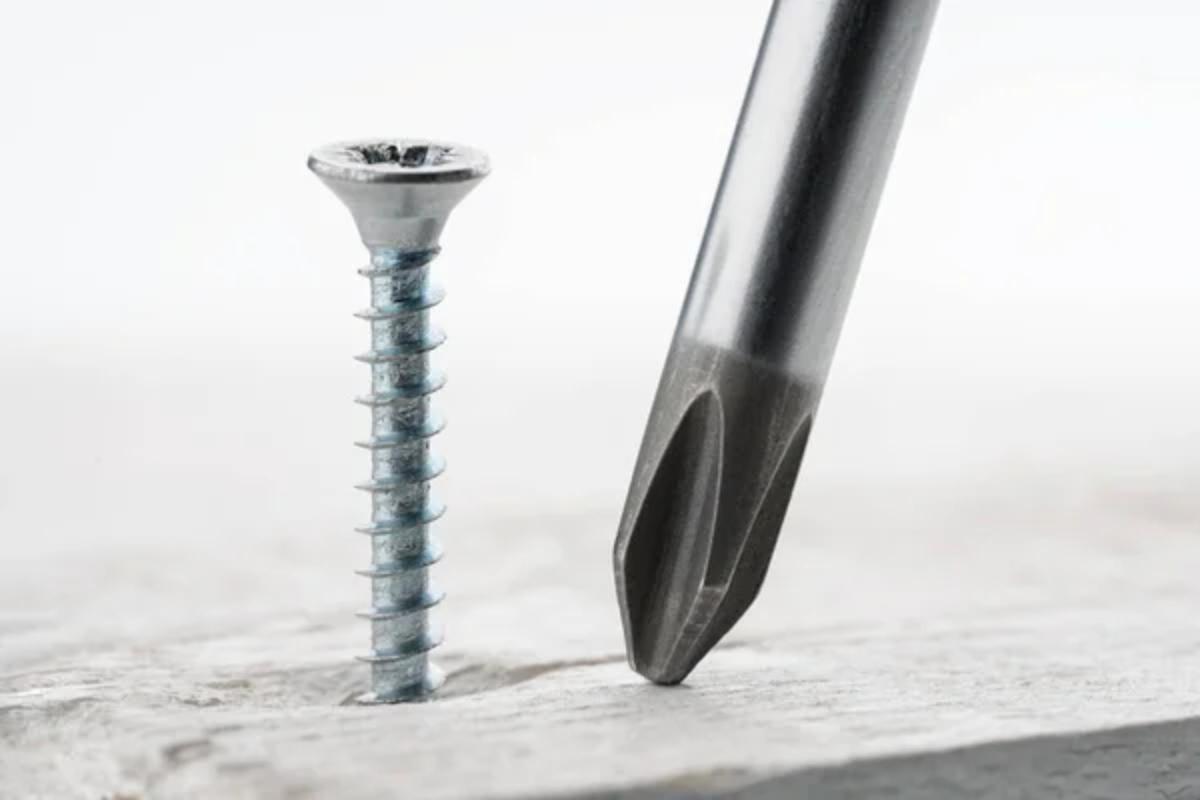
Archimedes perfected the screw around 250 BCE, creating a simple machine that could lift water, press materials, and fasten objects together with incredible force. This twisted metal shaft revolutionized construction, manufacturing, and agriculture by providing a precise mechanical advantage in a compact form.
Modern civilization literally holds together because of screws—from skyscrapers to smartphones.
The Pencil

First mass-produced in the 17th century, the pencil became the world’s go-to tool for writing, drawing, and sketching ideas into existence. Unlike ink, pencils were erasable, portable, and affordable—making them essential in schools, engineering, art, and everyday life.
From classrooms to blueprints for skyscrapers, the pencil helped humans think through their hands.
The Swiss Army Knife
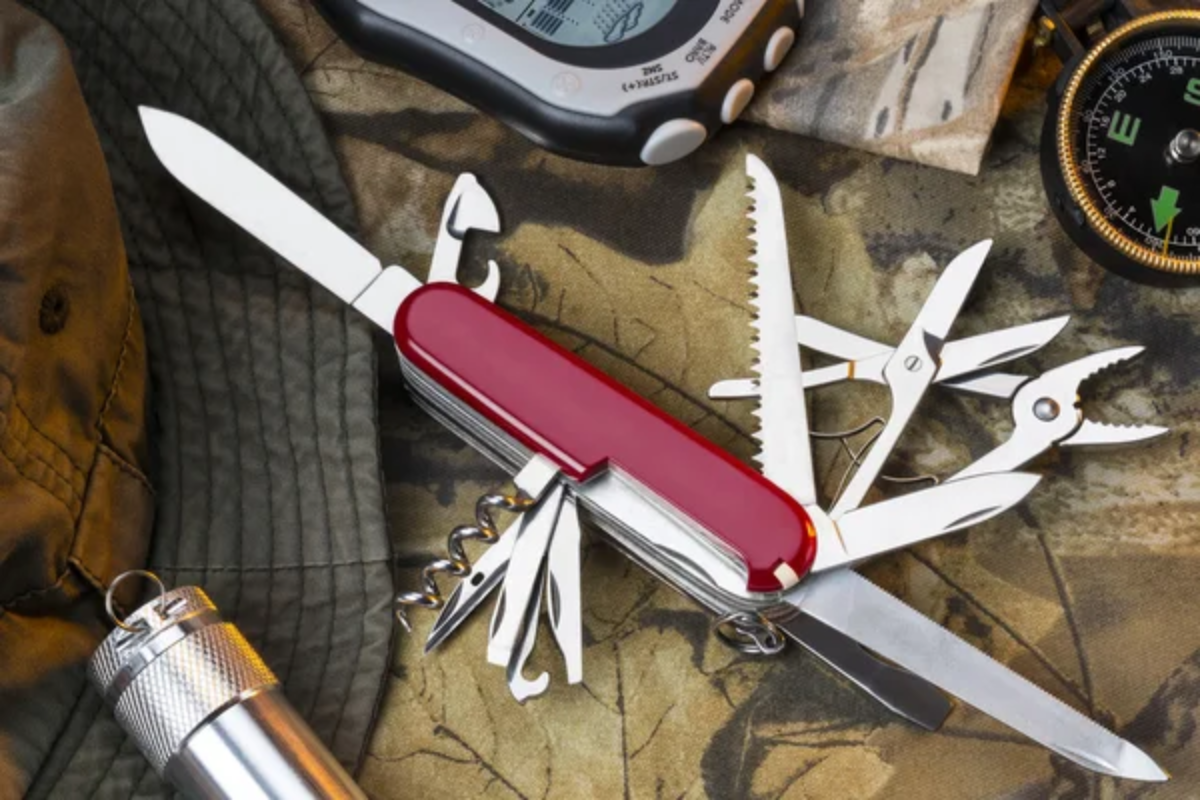
First issued to Swiss soldiers in the 1890s, this compact multitool packed blades, screwdrivers, can openers, and more into a single foldable device. Its versatility made it a favorite of hikers, soldiers, and even astronauts.
The Swiss Army Knife showed the power of smart design—putting a whole toolbox in your pocket.
The Nail

Before nails, builders had to use complex joinery techniques or rope bindings to connect pieces of wood together. Roman iron nails revolutionized construction by providing quick, strong connections that anyone could make with basic tools.
This simple metal spike enabled rapid building techniques that made modern wooden construction possible.
The Whistle

Originally made of bone or metal, the whistle evolved into a small, high-pitched signaling tool that changed communication in sports, policing, and safety. A coach could now stop a game instantly; a lifeguard could call attention during emergencies.
This gadget may be tiny, but its impact echoes across fields, factories, and playgrounds.
The Safety Pin
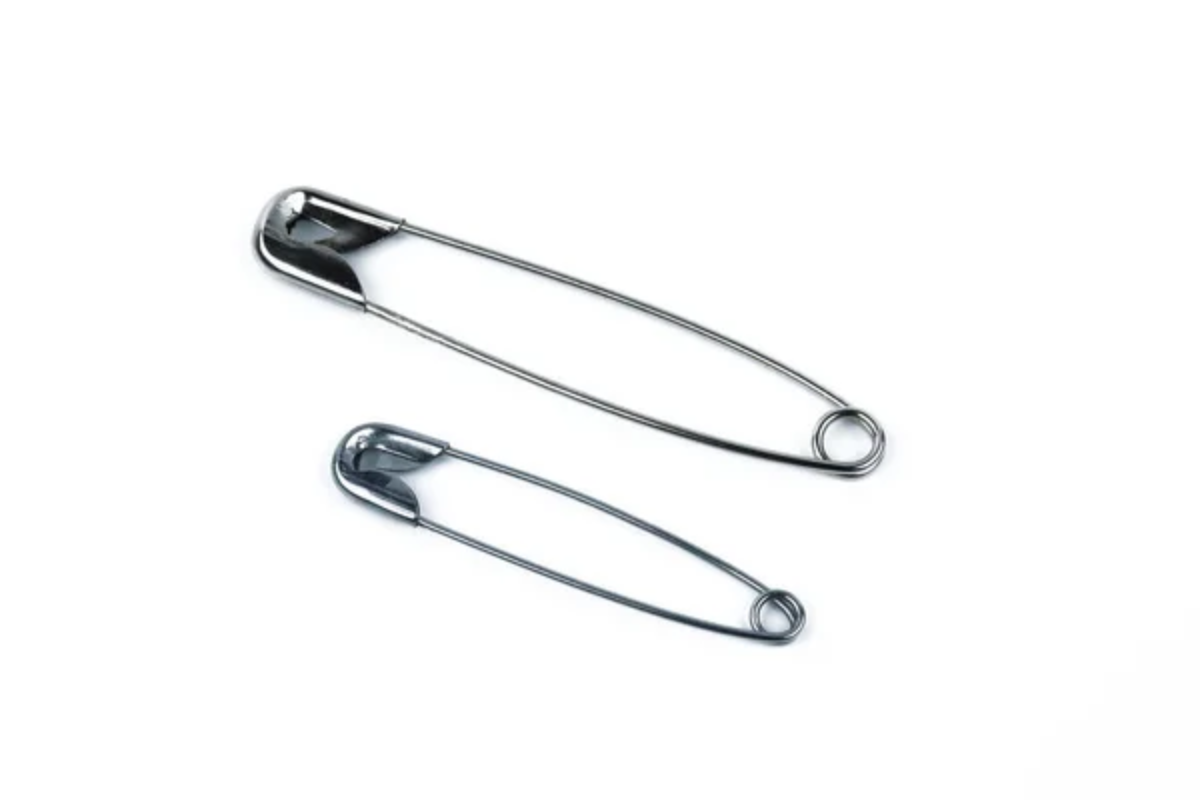
Walter Hunt invented the safety pin in 1849 to solve the problem of straight pins that could injure users or fall out of fabric. His simple spring-loaded design with a protective clasp made fastening safer and more reliable.
This basic device enabled modern diaper systems, clothing alterations, and countless emergency repairs that keep the world functioning.
The Clothes Hanger

A simple wire or plastic shape might not seem world-changing, but the clothes hanger transformed closets and laundry systems. Before hangers, garments were folded or draped, often losing shape.
This clever device kept clothes wrinkle-free, improved storage, and even influenced fashion retail displays. It’s a low-tech solution that quietly supports modern life.
The Electric Fan

Patented in the late 1800s, the electric fan made it possible to stay cool indoors without major infrastructure. With a few spinning blades and a motor, this simple device circulated air and brought comfort to homes, factories, and offices long before air conditioning became widespread.
It changed how people worked, slept, and lived in hot climates around the world.
The Toaster
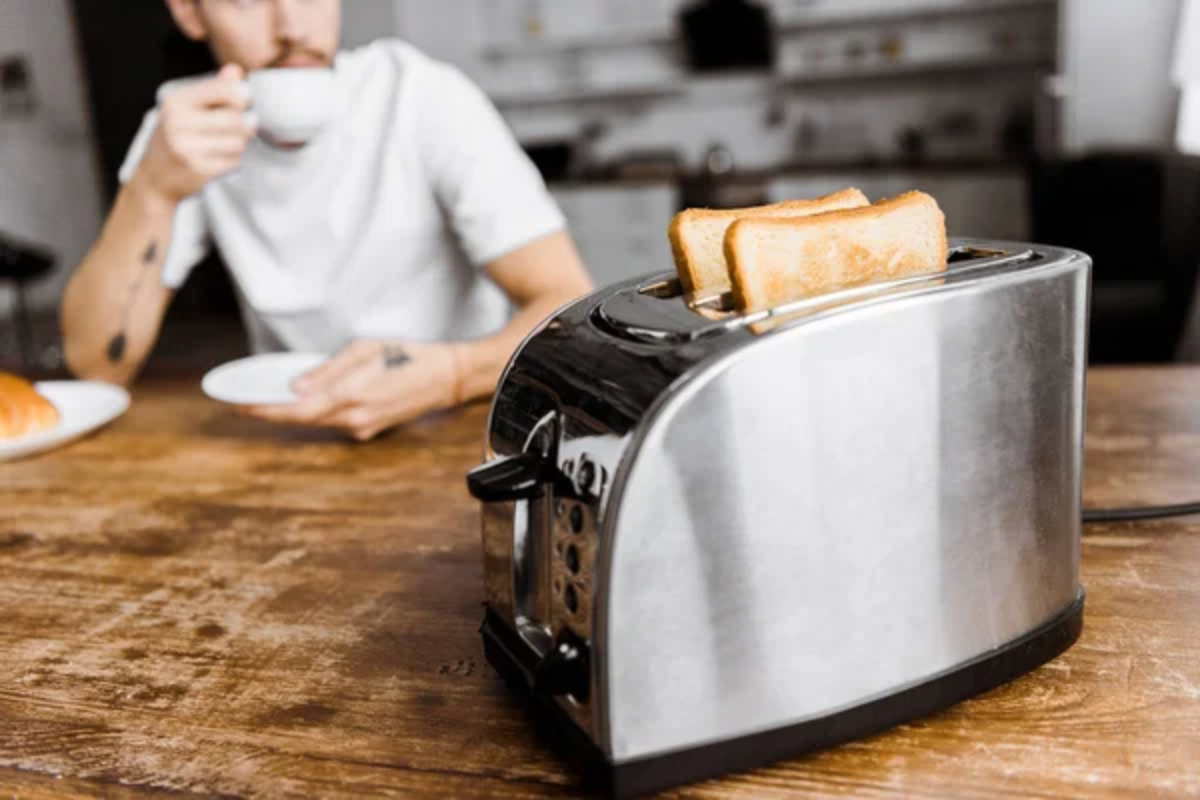
When Charles Strite patented the pop-up toaster in 1921, he introduced a kitchen gadget that streamlined the morning routine. No more standing over a fire or stove—just drop in a slice of bread, wait a moment, and out pops a perfectly crisped piece of toast.
This small electric device helped standardize breakfasts and became a symbol of modern convenience.
The Duct Tape Roll
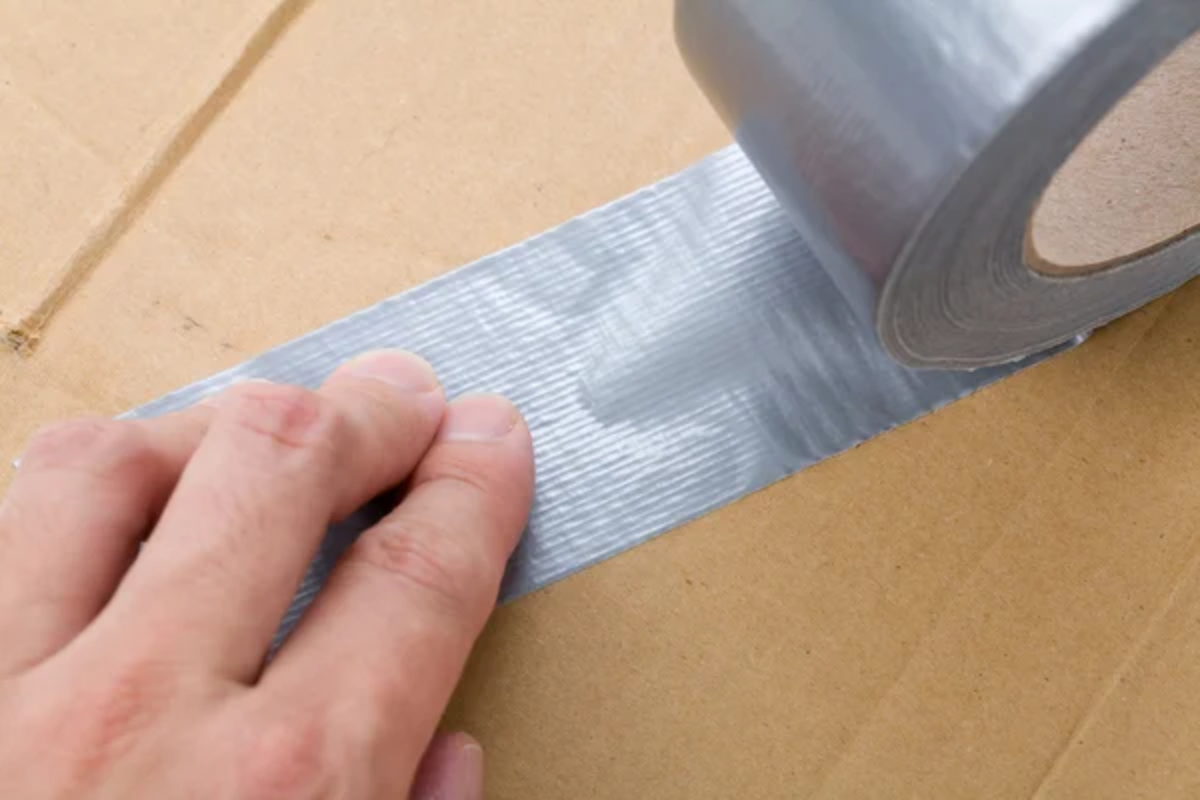
Originally developed during WWII to seal ammo boxes, duct tape became a household miracle fix. Its tough fabric backing and sticky adhesive let users patch, seal, bind, or mend nearly anything.
From emergency car repairs to makeshift fixes at home, this simple roll of tape earned a reputation as the ultimate “just-in-case” gadget.
When Simple Becomes Revolutionary
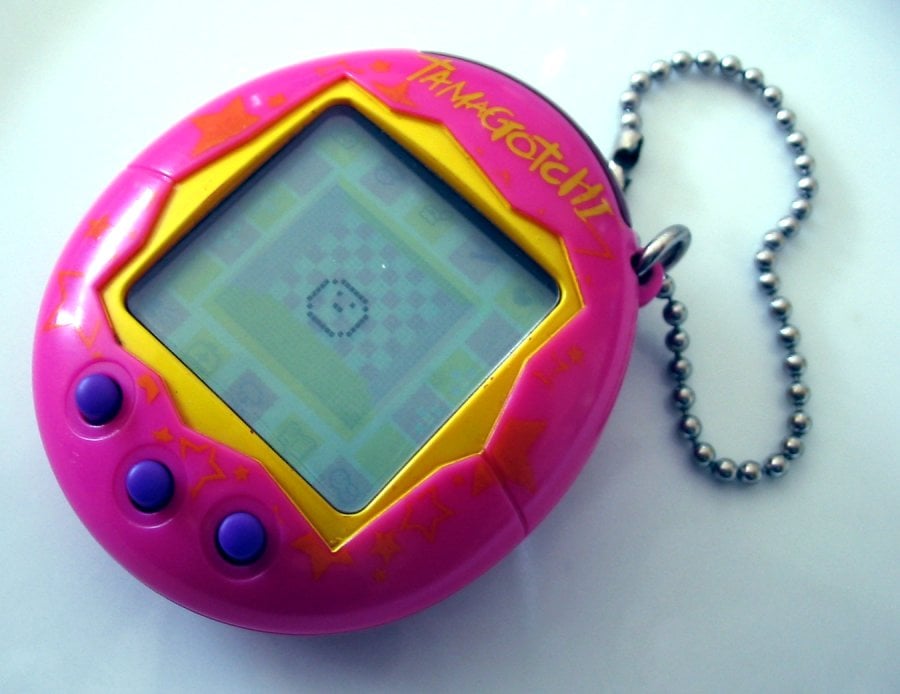
These simple gadgets prove that world-changing innovation doesn’t require complicated technology or massive research budgets—sometimes, the most powerful inventions solve basic problems with elegant simplicity. Each of these devices addressed fundamental human needs like moving objects, fastening materials, or organizing information in ways that seem obvious in hindsight.
Today’s inventors can learn from these examples that the most enduring innovations often come from recognizing simple problems that everyone accepts as unsolvable. The next revolutionary gadget might be sitting right in front of us, waiting for someone to see the simple solution that changes everything forever.
More from Go2Tutors!

- The Romanov Crown Jewels and Their Tragic Fate
- 13 Historical Mysteries That Science Still Can’t Solve
- Famous Hoaxes That Fooled the World for Years
- 15 Child Stars with Tragic Adult Lives
- 16 Famous Jewelry Pieces in History
Like Go2Tutors’s content? Follow us on MSN.



