15 Facts About Omega Watches Enthusiasts May Not Know
Omega stands among the most recognizable names in luxury timepieces, yet the brand’s full story extends far beyond its famous association with space missions and spy films. This Swiss manufacturer has accumulated nearly two centuries of horological innovation, military partnerships, and technological breakthroughs that shaped the entire watch industry.
Even dedicated collectors often discover surprising details about their favorite brand’s remarkable heritage. Here’s a list of 15 fascinating facts about Omega that reveal the depth and complexity behind these legendary timepieces.
The Name Came Last

— Photo by BalkansCat
Louis Brandt founded the company in 1848, though it operated under different names for decades before becoming Omega. The brand originally went by “Louis Brandt et Fils” — then later “Omega Watch Co.” after introducing their revolutionary 19-ligne caliber movement in 1894.
This final movement represented the ultimate achievement in mechanical precision, earning the Greek letter designation that symbolized perfection.
NASA’s Rigorous Testing Process
— Photo by sergey.miami2you.com
The Speedmaster’s space qualification involved brutal testing that destroyed numerous competing timepieces. NASA subjected watches to extreme temperatures, vibrations, and atmospheric pressure changes — conditions that eliminated every other brand except Omega.
The testing protocol included exposure to temperatures ranging from 200°F to minus 148°F within minutes.
Like Go2Tutors’s content? Follow us on MSN.
Olympic Timekeeping Legacy

— Illustration by edella
Omega has served as the official timekeeper for the Olympics since 1932, though their involvement began through a single Swiss sporting event. The brand volunteered to time the 1931 Geneva Grand Prix — demonstrating such precision that Olympic organizers invited them to Los Angeles the following year.
This partnership has continued for over nine decades across multiple continents.
Military Heritage Runs Deep

Both World Wars saw Omega supplying timepieces to military forces, though their contributions extended beyond basic timekeeping functions. The brand developed specialized instruments for pilots, navigators, and field commanders — creating innovations that later influenced civilian watch design.
Military specifications drove many of Omega’s most significant technological advances.
Co-Axial Escapement Revolution

George Daniels invented the co-axial escapement in the 1970s, yet Omega became the only major manufacturer to adopt this revolutionary mechanism commercially. This system reduces friction within the movement — extending service intervals while improving long-term accuracy.
Traditional Swiss manufacturers initially dismissed Daniels’ innovation as unnecessary complexity.
Like Go2Tutors’s content? Follow us on MSN.
Moon Landing Authentication

— Photo by lumaso
The first lunar landing required precise timing coordination, though Omega’s role extended beyond Buzz Aldrin’s wrist-worn Speedmaster. Mission Control used Omega chronometers for countdown sequences — while backup timing systems throughout NASA facilities relied on the brand’s precision instruments.
Multiple Omega timepieces participated in humanity’s greatest adventure.
Seamaster’s Professional Origins

— Photo by homank76
The Seamaster line emerged from Omega’s wartime experience producing water-resistant watches for military divers and naval personnel. Post-war civilian models adapted these professional specifications — creating timepieces that could handle recreational diving while maintaining dress watch elegance.
Early Seamaster watches featured screw-down crowns and reinforced case construction.
Silicon Technology Adoption

Omega pioneered the use of silicon components in mechanical movements, though traditionalists initially resisted this space-age material. Silicon hairsprings resist magnetic fields and temperature variations — problems that had plagued mechanical watches for centuries.
The brand’s Master Chronometer certification requires resistance to magnetic fields exceeding 15,000 gauss.
Like Go2Tutors’s content? Follow us on MSN.
Speedmaster Professional Unchanged

— Photo by goglik83
The current Speedmaster Professional maintains virtually identical specifications to the version that landed on the moon in 1969. Omega resisted modernization pressure — keeping the manual-wind movement, hesalite crystal, and case dimensions exactly as NASA qualified them.
This dedication to historical accuracy makes the Speedmaster a living piece of space exploration history.
Railroad Precision Standards

American railroad companies adopted Omega timepieces during the early 20th century when train scheduling demanded split-second accuracy. Railroad chronometers required certification to strict precision standards — making timekeeping errors literally a matter of life and death.
Omega’s reputation for reliability made them preferred choices for locomotive engineers and station masters.
Constellation’s Astronomical Heritage

— Photo by BalkansCat
The Constellation line originally featured observatory-grade precision that earned chronometer certifications from Swiss testing institutes. These watches underwent rigorous accuracy testing in multiple positions and temperatures before receiving their official designations.
Observatory competitions during the 1950s and 1960s showcased Omega’s technical superiority over competitors.
Like Go2Tutors’s content? Follow us on MSN.
James Bond Partnership Origins

— Photo by lumaso
The Omega-Bond relationship began with product placement negotiations rather than Fleming’s original novels, which specified Rolex timepieces. Pierce Brosnan’s GoldenEye marked the beginning of this iconic partnership in 1995.
The brand has since developed specialized limited editions that celebrate specific films and storylines.
Speedmaster Racing Chronographs

— Photo by lumaso
Motorsport timing created an entire Speedmaster subcategory that predated the space program by several years. Professional racing drivers appreciated the chronograph’s ability to measure lap times and calculate average speeds during competition.
The distinctive tachymeter bezel allowed quick speed calculations based on elapsed time over known distances.
Anti-Magnetic Innovation

Omega’s Master Chronometer movements resist magnetic fields that would stop conventional mechanical watches completely. Modern life exposes timepieces to magnetic interference from smartphones, speakers, and electronic devices that didn’t exist when traditional movements were designed.
The brand’s silicon components and special alloys provide protection that exceeds industry standards by significant margins.
Like Go2Tutors’s content? Follow us on MSN.
Vintage Market Appreciation
— Photo by lumaso
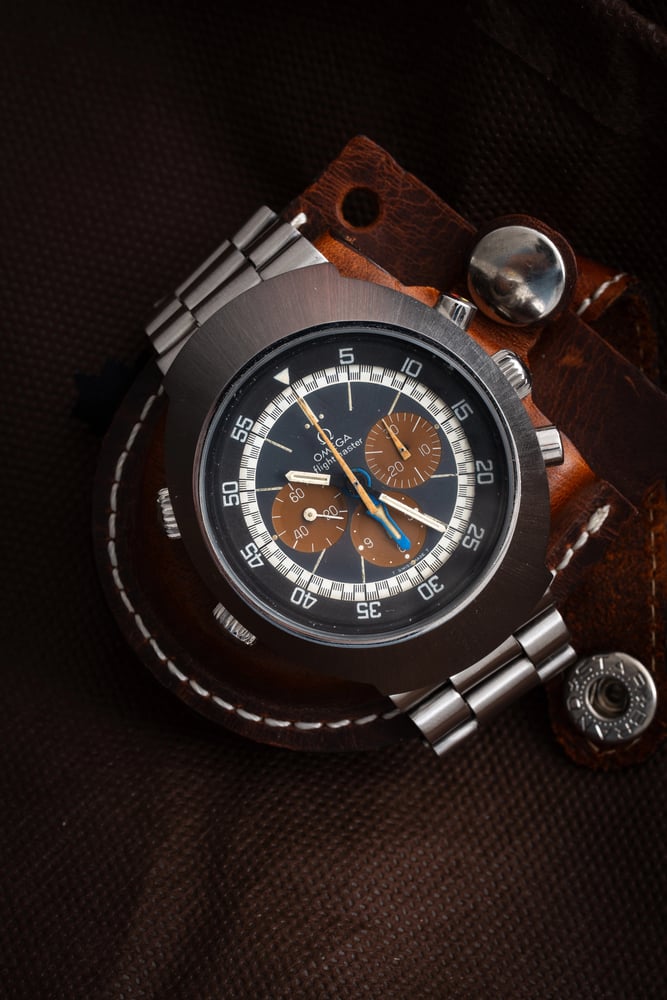
Certain vintage Omega models now command prices that exceed their original retail costs by thousands of percent, particularly rare Speedmaster variants and early Seamaster pieces. Collectors prize unusual dial configurations, limited production runs, and historically significant examples that represent specific eras in the brand’s development.
Authentication expertise becomes crucial since high values attract sophisticated counterfeiters.
Legacy of Precision Excellence

— Photo by ursula1964
Omega’s enduring success stems from its willingness to embrace innovation while respecting horological traditions that define mechanical watchmaking excellence. The brand consistently pushed technical boundaries whether developing new materials, improving accuracy standards, or creating timepieces for extreme environments that challenged conventional design assumptions.
Modern Omega watches incorporate cutting-edge technology while maintaining the aesthetic elegance and mechanical sophistication that established their reputation decades ago. This balance between innovation and tradition ensures that Omega timepieces remain relevant for both serious collectors and everyday wearers who appreciate exceptional craftsmanship combined with proven reliability.
More from Go2Tutors!

- 16 Historical Figures Who Were Nothing Like You Think
- 12 Things Sold in the 80s That Are Now Illegal
- 15 VHS Tapes That Could Be Worth Thousands
- 17 Historical “What Ifs” That Would Have Changed Everything
- 18 TV Shows That Vanished Without a Finale
Like Go2Tutors’s content? Follow us on MSN.



