15 Body Parts You Didn’t Know You Had
Your body operates like a complex machine that’s been evolving for millions of years. Most people know about the major organs — heart, lungs, brain — yet countless lesser-known components work quietly in the background. These hidden parts often have names that sound almost mythical, while others perform such specialized functions you’d never imagine they existed.
Here’s a list of 15 body parts you probably didn’t know you had, each playing its own role in keeping you functioning.
Philtrum
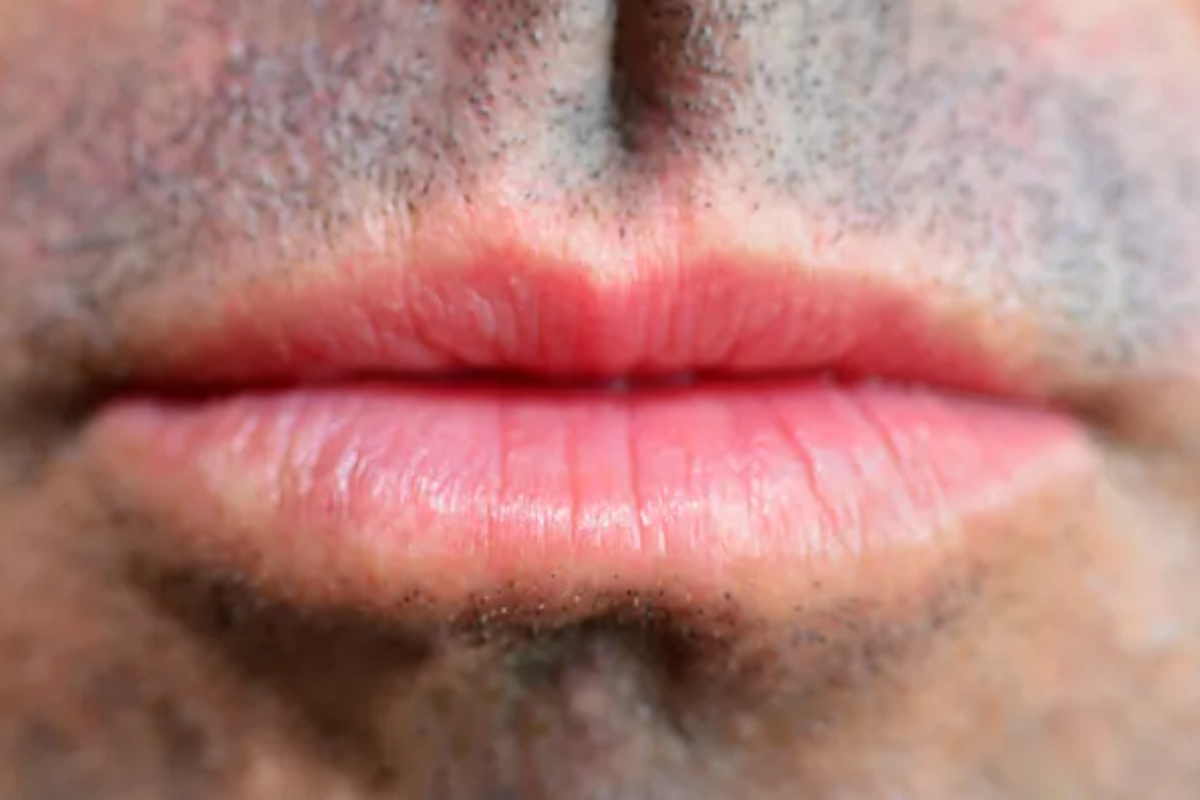
That small groove running between your nose and upper lip actually has a proper name — and it’s not just decorative. The philtrum develops when different facial segments fuse together during fetal growth.
Though it doesn’t serve much purpose in modern humans, this feature remains as an evolutionary leftover from our distant past.
Glabella

The smooth space between your eyebrows is called the glabella, though most people never think to name it. Plastic surgeons know this area well since it’s prone to developing expression lines over time.
Medical professionals also use the glabella as a reference point when examining skull structure — making it more important than you might expect.
Like Go2Tutors’s content? Follow us on MSN.
Uvula
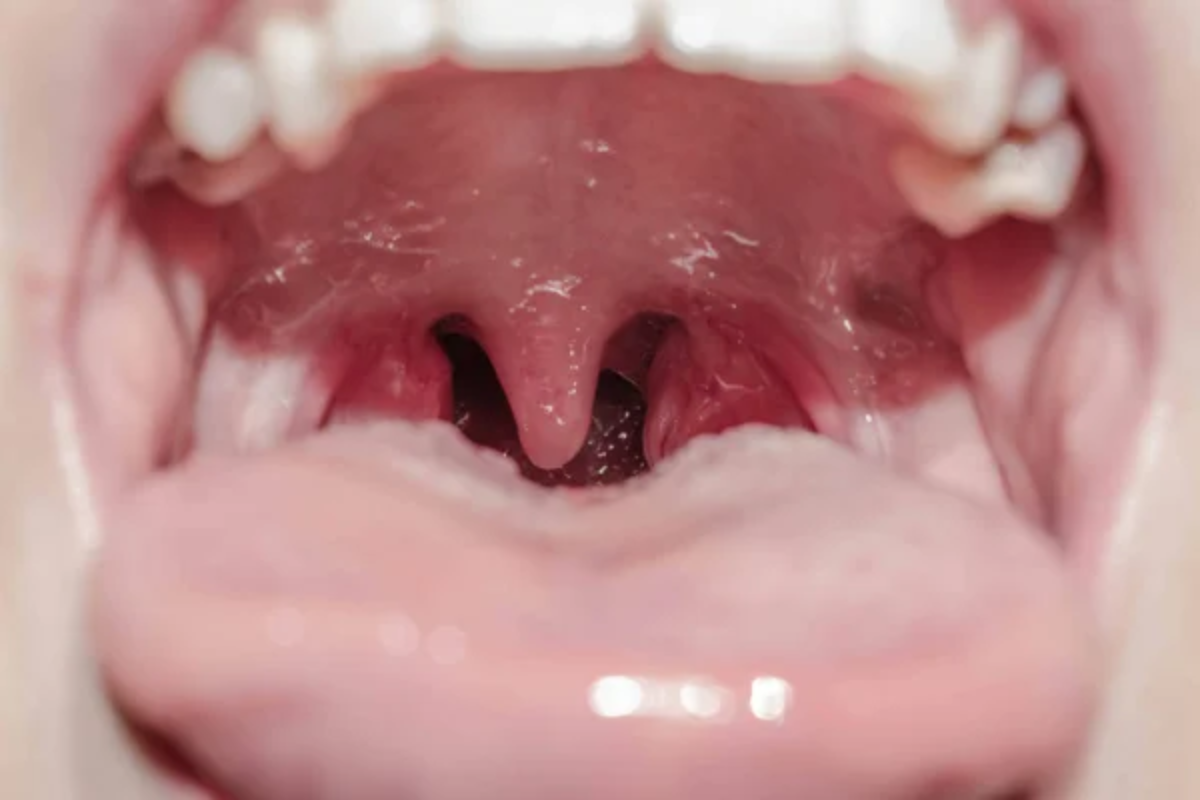
You’ve definitely seen that little hanging piece of tissue at the back of your throat, even if you didn’t know its name. The uvula helps direct food and liquids down the correct pathway when you swallow, while also playing a role in speech production.
Some folks have theirs surgically removed to reduce snoring, though it’s not essential for survival.
Frenulum
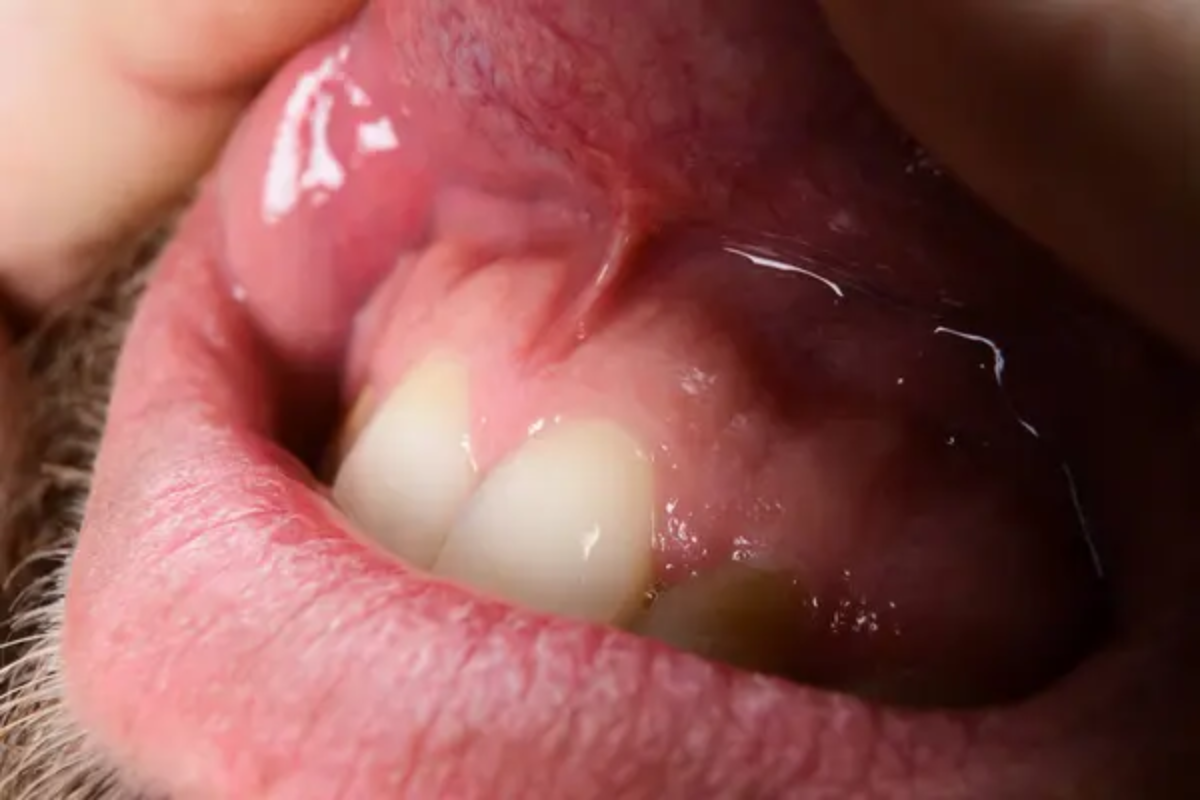
Multiple frenulums exist throughout your body — the most obvious one connects your tongue to your mouth’s floor. These tissue folds work like built-in safety straps, preventing body parts from moving beyond their intended range.
When a tongue frenulum is too restrictive, it can create speech difficulties in developing children.
Eponychium
This technical term describes what most people simply call the cuticle around fingernails. The eponychium creates a protective seal — keeping bacteria, dirt, and other nasties from sliding under your nails where they could cause infections.
Manicurists spend considerable time working with this particular anatomy during nail treatments.
Like Go2Tutors’s content? Follow us on MSN.
Canthus
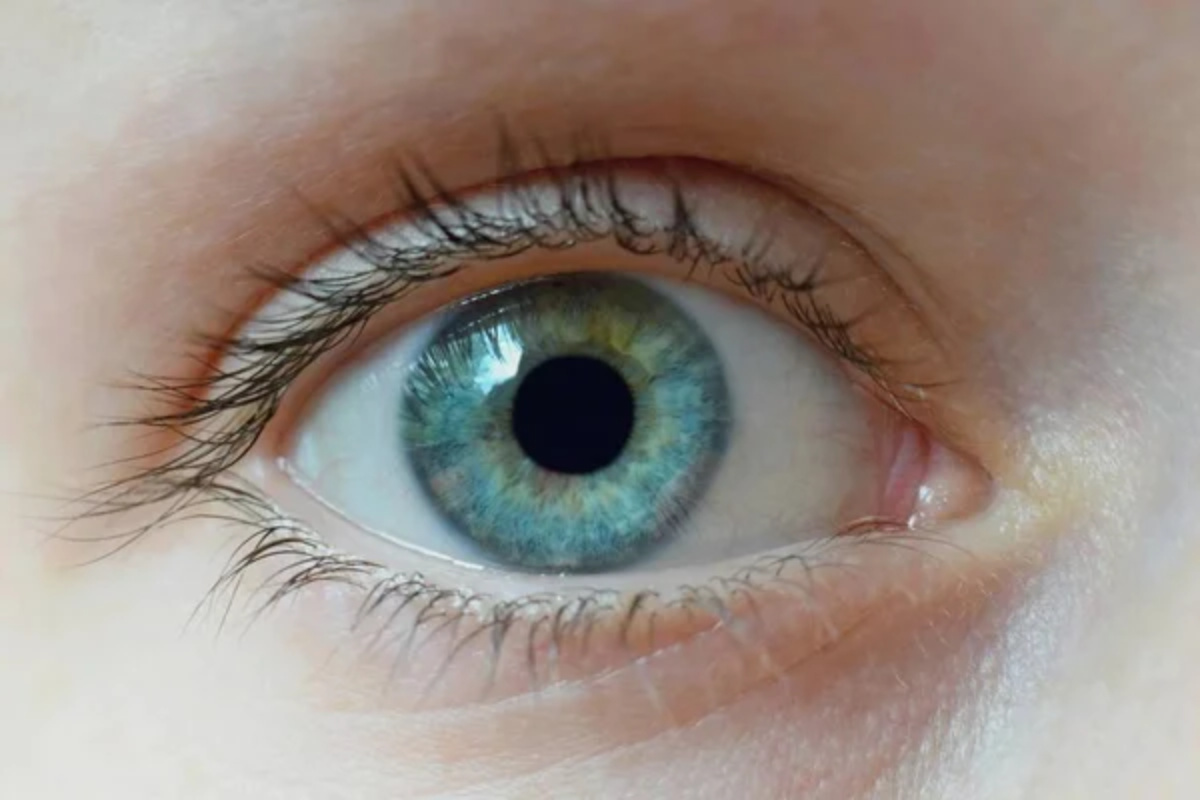
The spots where your upper and lower eyelids meet have their own designation in medical terminology. Your inner canthus houses that small pink bump (the caruncle) — while the outer canthus is simply where eyelids converge near your temple.
Both areas play crucial roles in tear drainage and overall eye protection.
Tragus
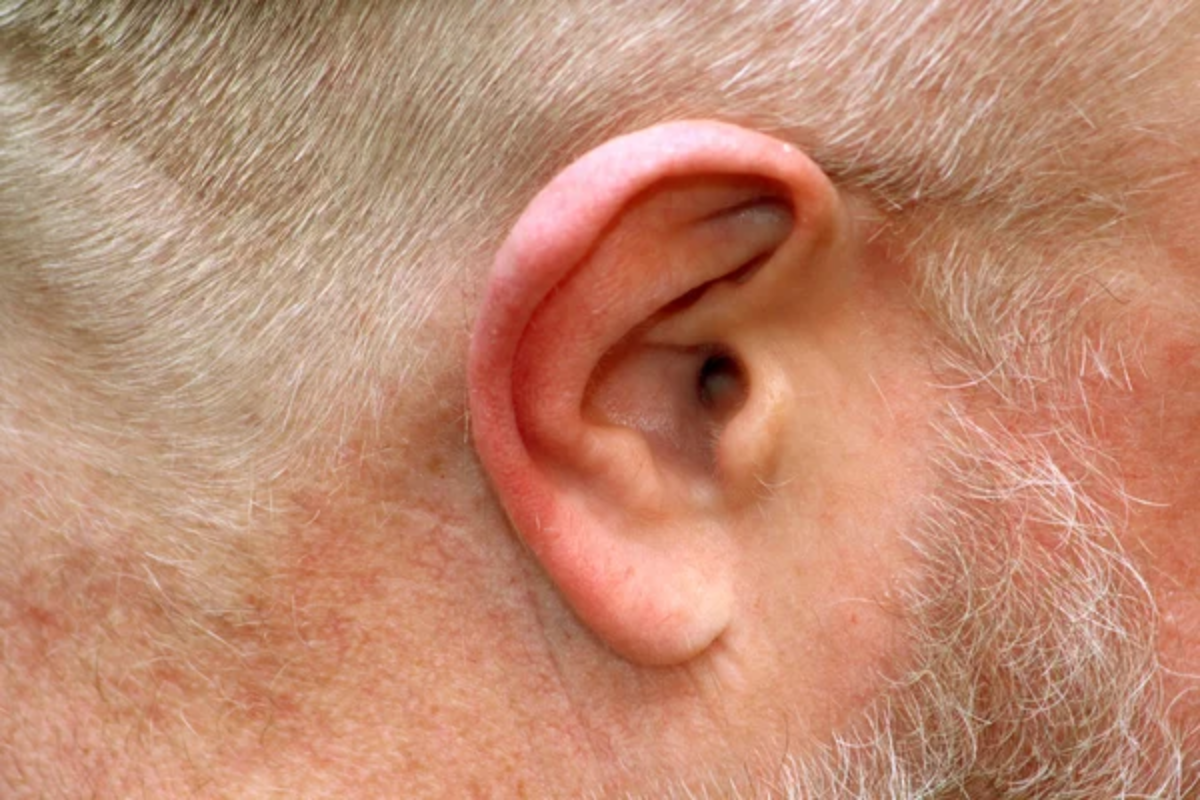
That firm piece of cartilage jutting out in front of your ear canal goes by the name tragus. It works to channel sound waves into your ear while providing some protection for the canal opening.
People often choose this spot for piercings, though the thick cartilage makes it considerably more painful than softer ear tissue.
Columella
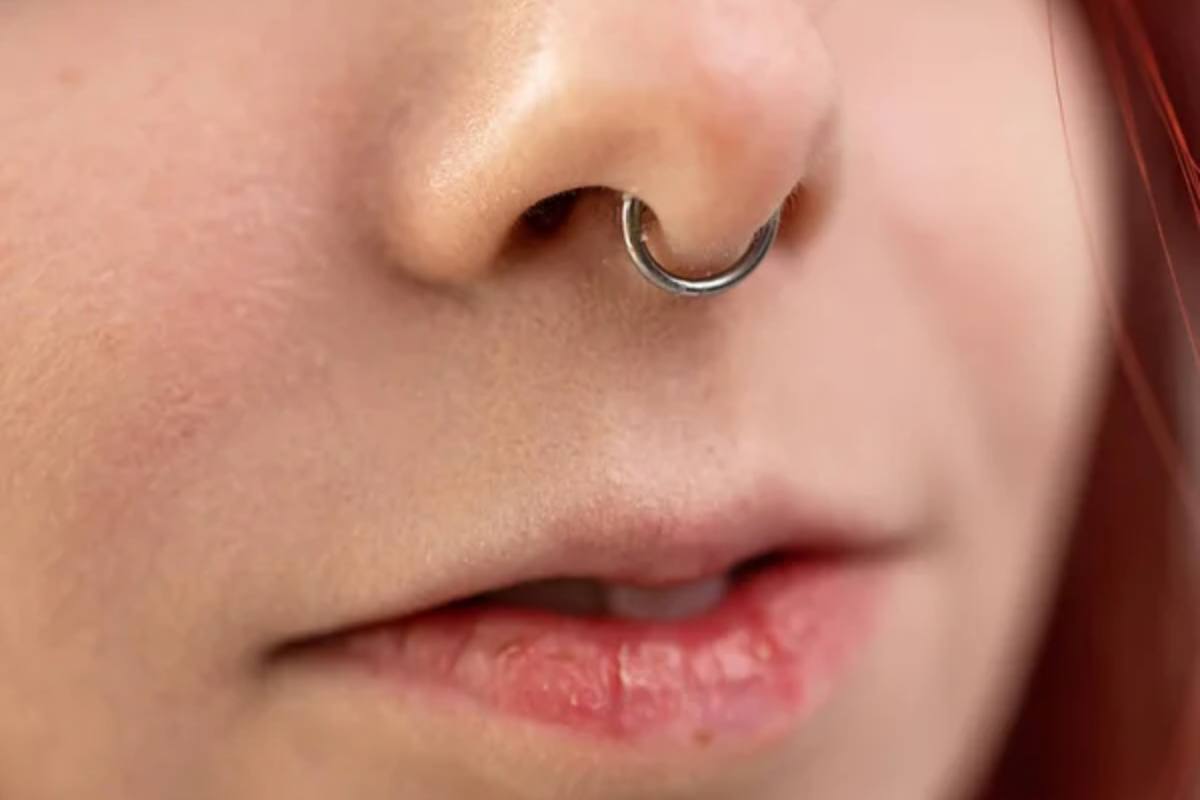
The narrow strip of skin and cartilage separating your nostrils is technically called the columella. This structure helps maintain nasal shape — plus it influences how efficiently you breathe through your nose.
Rhinoplasty surgeons frequently work with the columella to achieve specific nostril proportions and angles.
Like Go2Tutors’s content? Follow us on MSN.
Lunula
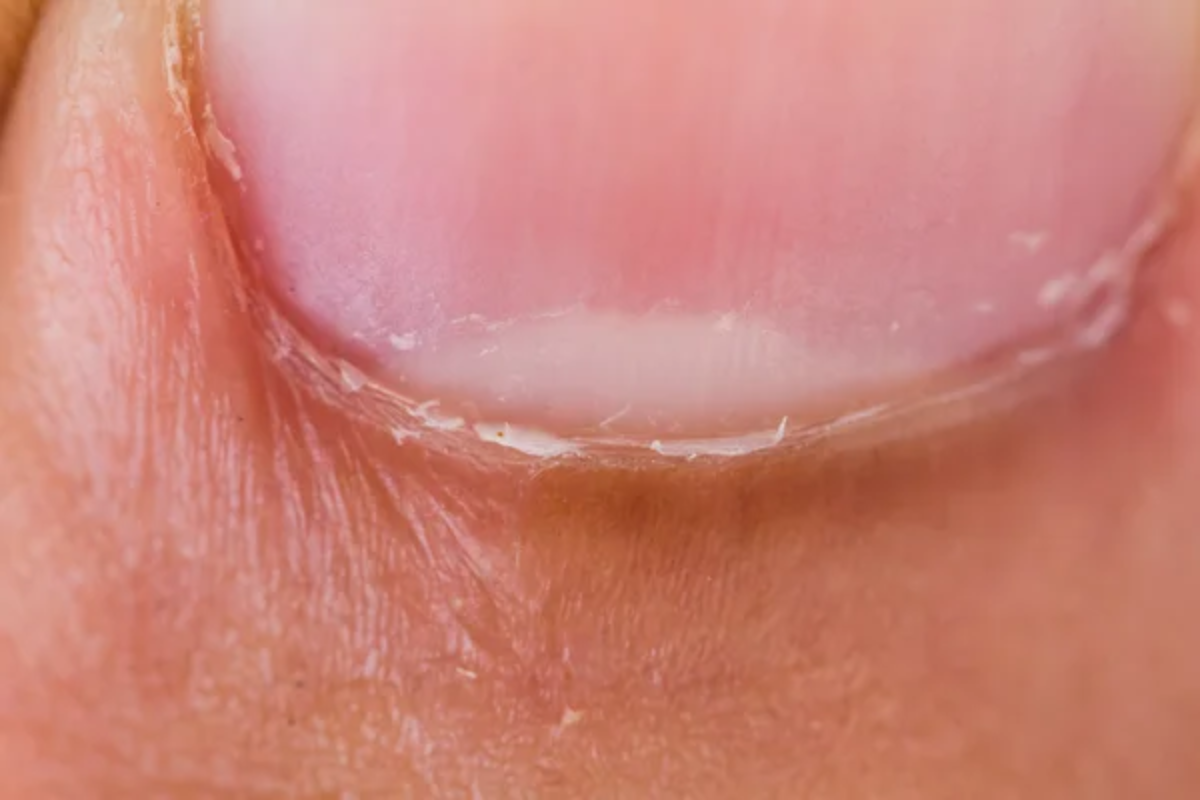
Those white crescent shapes near your nail beds aren’t random markings — they’re called lunulas. What you’re seeing is actually the visible portion of your nail matrix, where fresh nail cells get produced.
Not everyone’s lunulas are clearly visible, and they typically show up best on thumbs while remaining hidden on smaller fingers.
Palmaris Longus
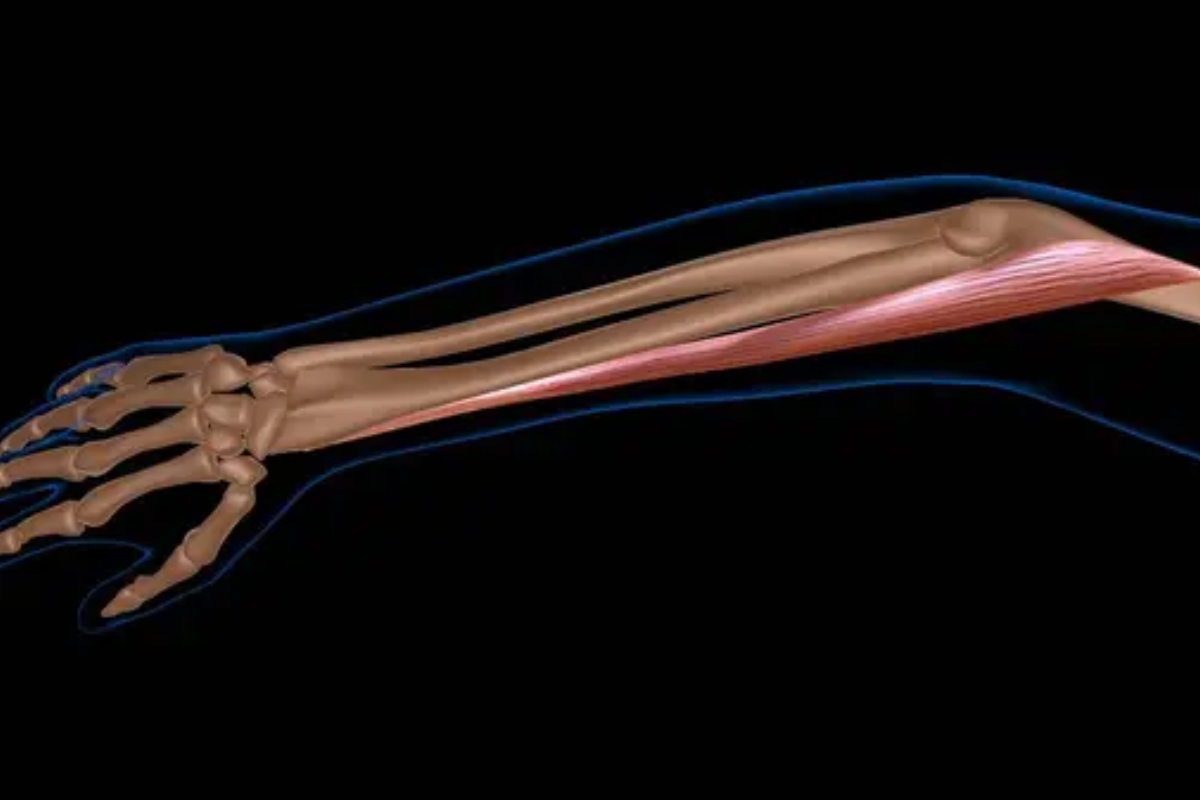
Roughly 14% of people are born without this forearm muscle entirely — and they get along just fine without it. The palmaris longus stretches from elbow to palm, though it was probably more useful when our ancestors spent time climbing trees.
Since losing it doesn’t impact hand function, surgeons sometimes use this muscle for reconstructive procedures elsewhere.
Plantaris
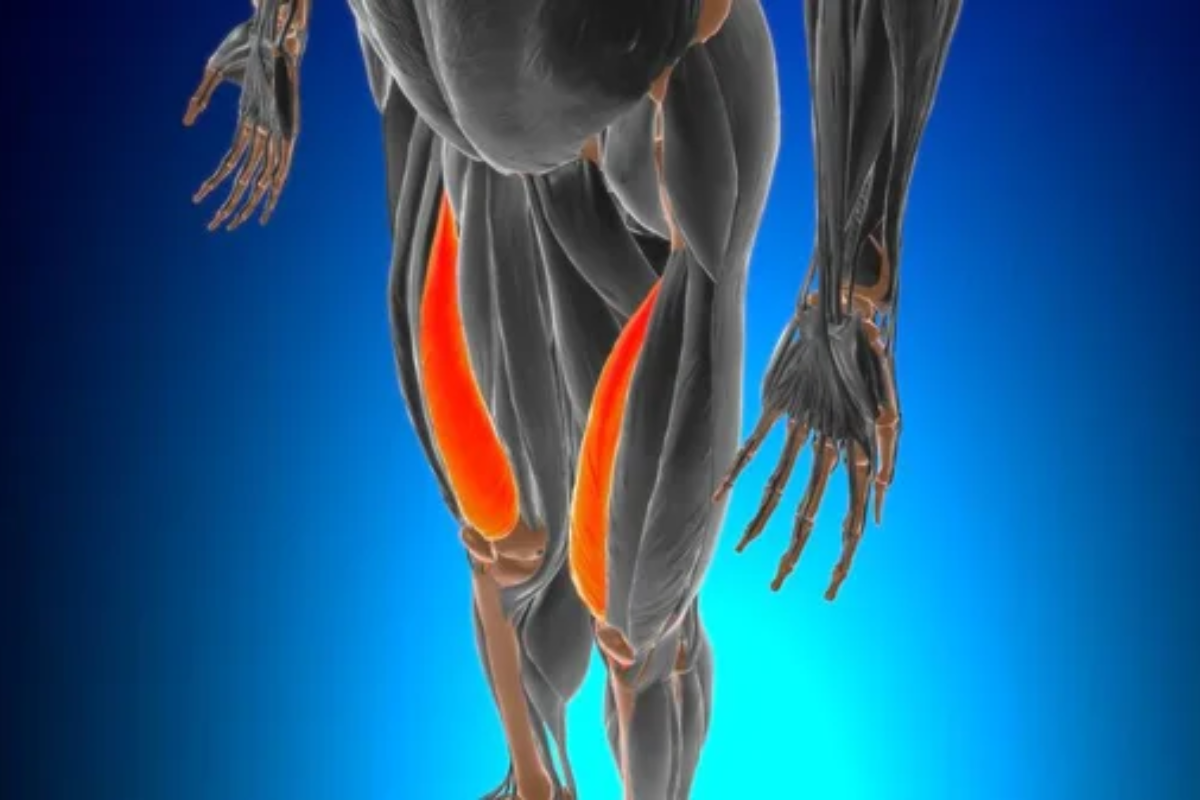
This minuscule calf muscle is so tiny and seemingly pointless that medical students often confuse it for a nerve. The plantaris is missing in about 10% of people, yet it likely helped our tree-dwelling ancestors grip branches with their feet.
Today it serves virtually no purpose, though surgeons occasionally harvest it for reconstructive work.
Like Go2Tutors’s content? Follow us on MSN.
Vomeronasal Organ
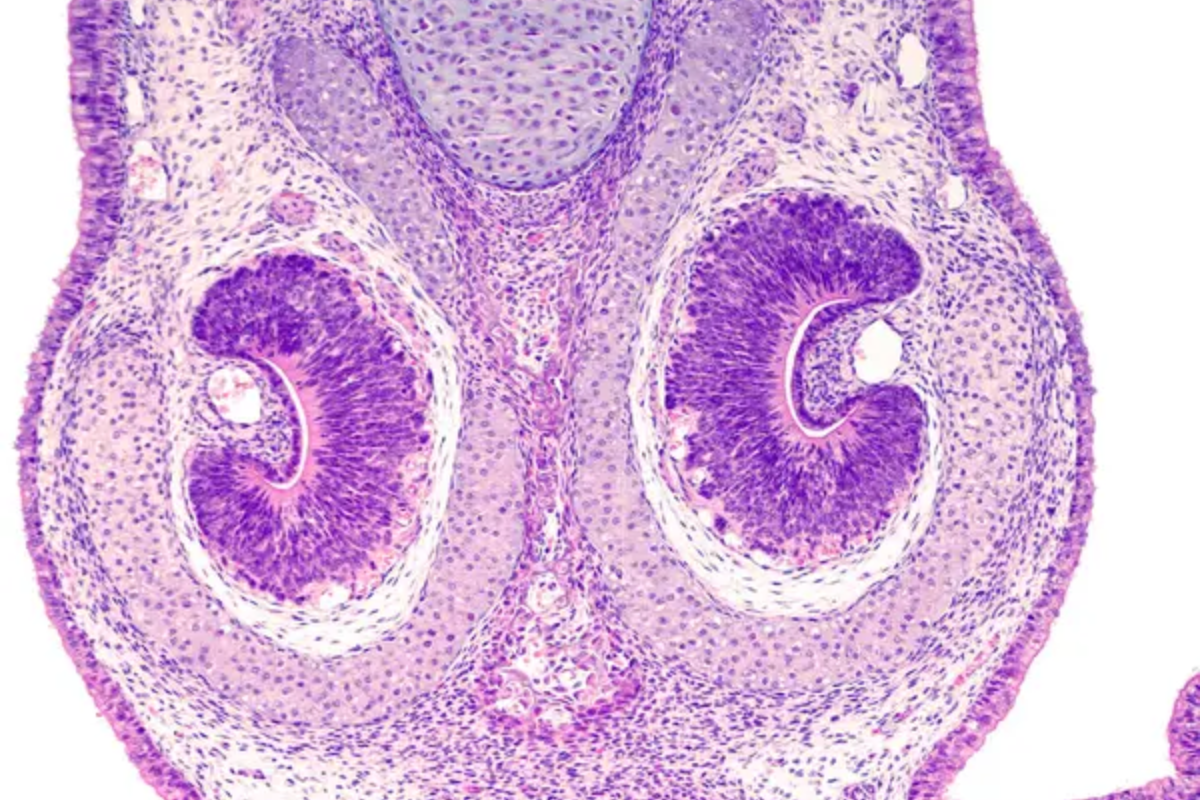
Known alternatively as Jacobson’s organ, this nasal cavity structure was long considered completely useless in humans. Recent research suggests it might still detect pheromones to some degree, although its function is far more developed in other animals.
Snakes and lizards rely on their version to literally taste the air around them.
Arrector Pili
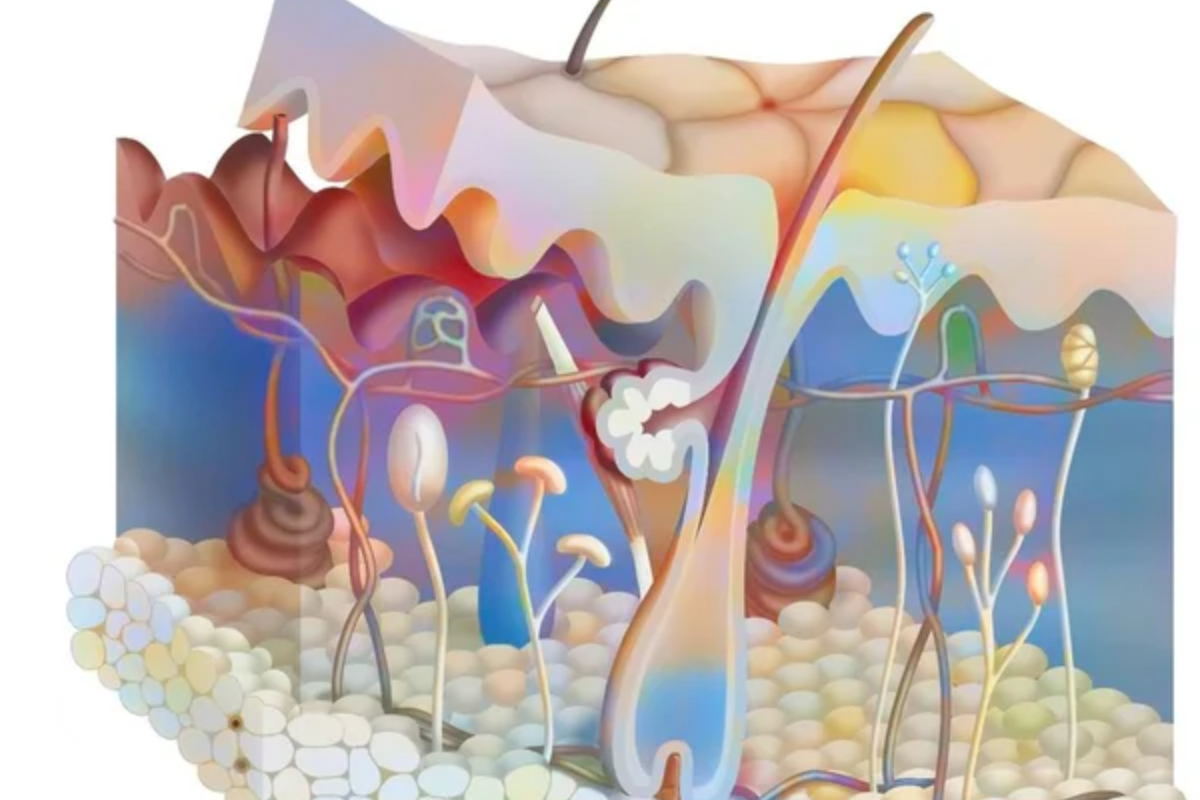
These microscopic muscles attach to each hair follicle and create goosebumps when they contract. Cold temperatures or strong emotions trigger this response, causing your hair to stand upright.
This mechanism was probably more beneficial when humans had thick body hair, helping to trap warm air or make them appear larger when facing threats.
Spleen

Though not exactly hidden, the spleen gets overlooked and misunderstood more than most organs. Located beneath your left ribcage, it functions as a blood filtration system while removing worn-out red blood cells and fighting infections.
People can survive without their spleen, but they face increased vulnerability to certain infections and must take additional health precautions.
Like Go2Tutors’s content? Follow us on MSN.
Coccyx

Your tailbone represents more than just a painful reminder of playground mishaps. The coccyx consists of three to five fused vertebrae that anchor several muscles and ligaments crucial for pelvic floor function.
While we no longer need it for balance like our tailed ancestors, it still supports your body when sitting and plays a role in core stability.
The Marvel of Human Design

These overlooked components of your anatomy demonstrate the incredible complexity and elegance of human design. From microscopic muscles that create goosebumps to organs that silently filter blood, each element represents countless generations of evolutionary refinement.
Many structures that appear useless today once served critical functions for our ancestors, leaving behind fascinating clues about our biological history. Recognizing these hidden aspects of your body offers a deeper appreciation for the remarkable living system you inhabit every single day.
More from Go2Tutors!

- 16 Restaurant Chains That Went Too Fast
- 12 Things Sold in the 80s That Are Now Illegal
- 15 Strange Things People Have Tried to Ban (And Failed)
- 16 Collectibles People Tossed Out Too Soon
- 17 Myths from Your Childhood That Were Actually Based on Real Things
Like Go2Tutors’s content? Follow us on MSN.



