17 Natural Weather Predictors Better Than Tech
Long before smartphones existed, people figured out how to predict the weather with remarkable accuracy. Your great-grandmother probably knew more about forecasting storms than most meteorologists today, and she didn’t need satellites or computer models to do it. Nature provides countless clues about what’s coming next, and many of these traditional methods often outperform modern technology when it comes to short-term local weather changes.
These time-tested techniques have helped humans survive and thrive for thousands of years. Here is a list of 17 natural weather predictors that still work better than your weather app.
Pine Cones
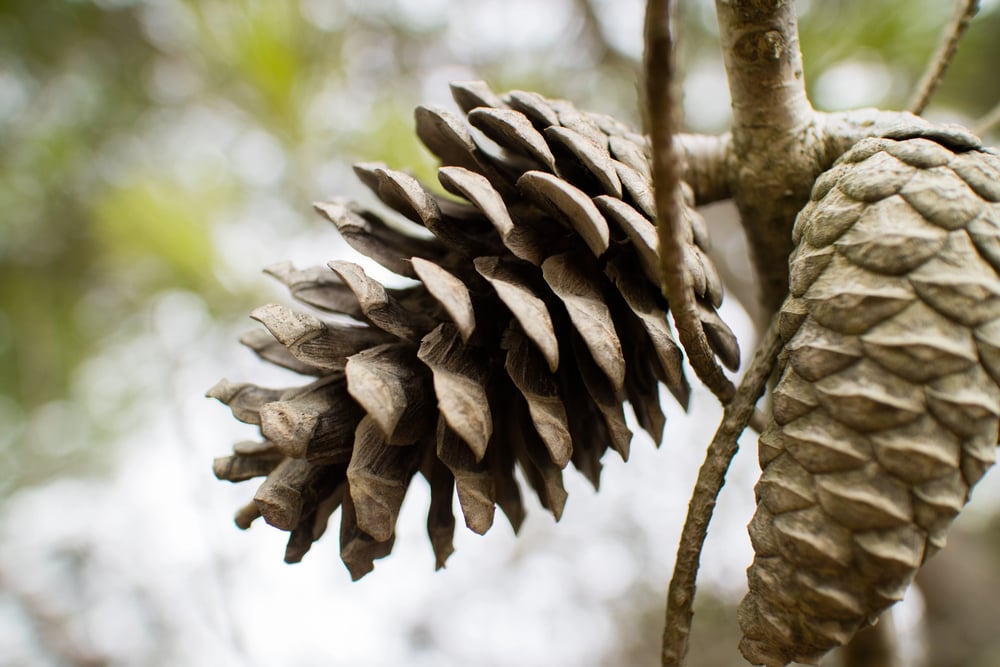
Pine cones act like natural hygrometers, opening and closing based on humidity levels in the air. When dry weather approaches, the scales spread wide to release seeds on favorable winds.
During humid conditions that often precede rain, the scales clamp shut to protect the seeds inside. You can actually watch this happen in real time if you bring a closed pine cone indoors on a dry day.
Spider Behavior
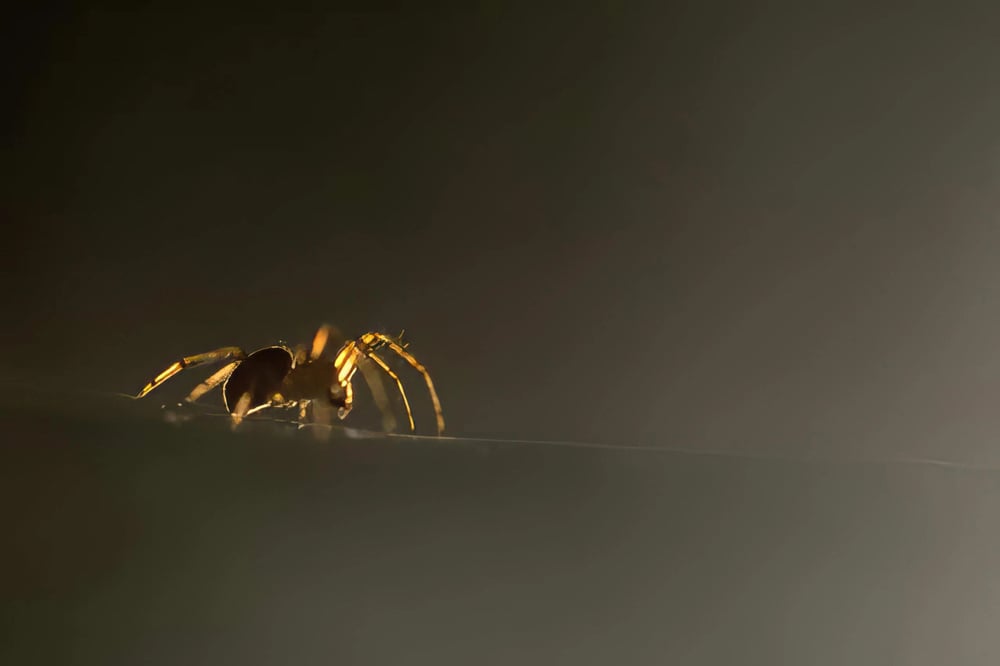
Spiders are incredibly sensitive to atmospheric pressure changes and will alter their web-building patterns accordingly. Before storms hit, they’ll tear down their webs and seek shelter, knowing that high winds and rain would destroy their hard work anyway.
When you see spiders actively spinning new webs, especially larger ones, fair weather is likely to stick around for at least 24 hours.
Cricket Chirps
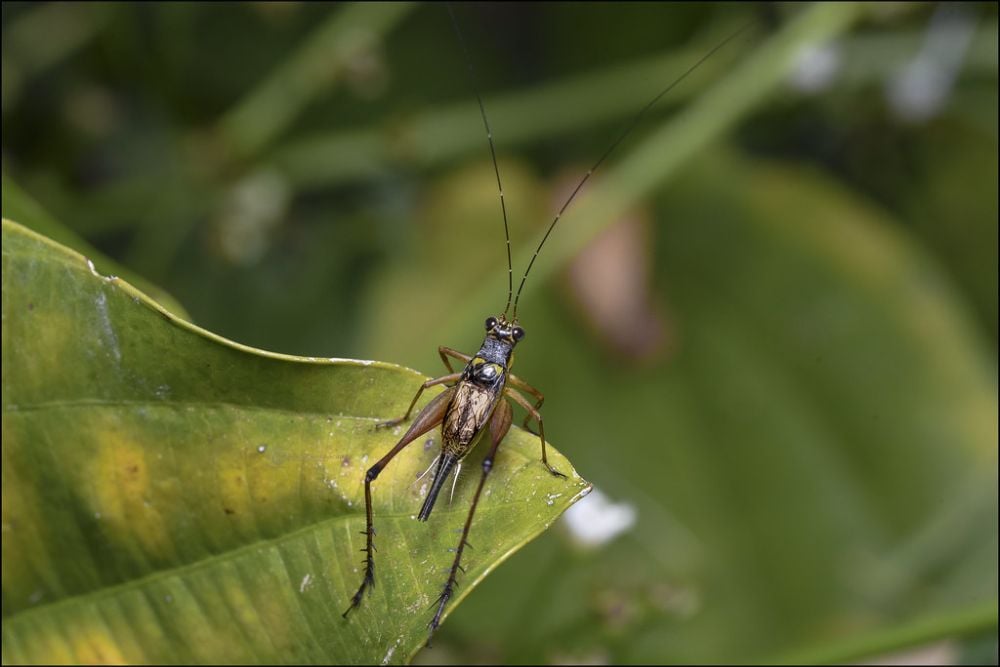
The frequency of cricket chirps correlates directly with temperature in a predictable mathematical relationship. Count the number of chirps in 14 seconds, add 40, and you’ll get the temperature in Fahrenheit with surprising accuracy.
This works because crickets are cold-blooded creatures whose metabolism speeds up or slows down based on ambient temperature.
Cloud Movement Patterns

Watching how clouds move tells you more about incoming weather than most forecast apps. Fast-moving, wispy clouds usually indicate stable high-pressure systems and continued fair weather.
Low, slow-moving clouds that seem to pile up on the horizon often signal approaching frontal systems and potential storms within 12 to 24 hours.
Animal Migration Timing
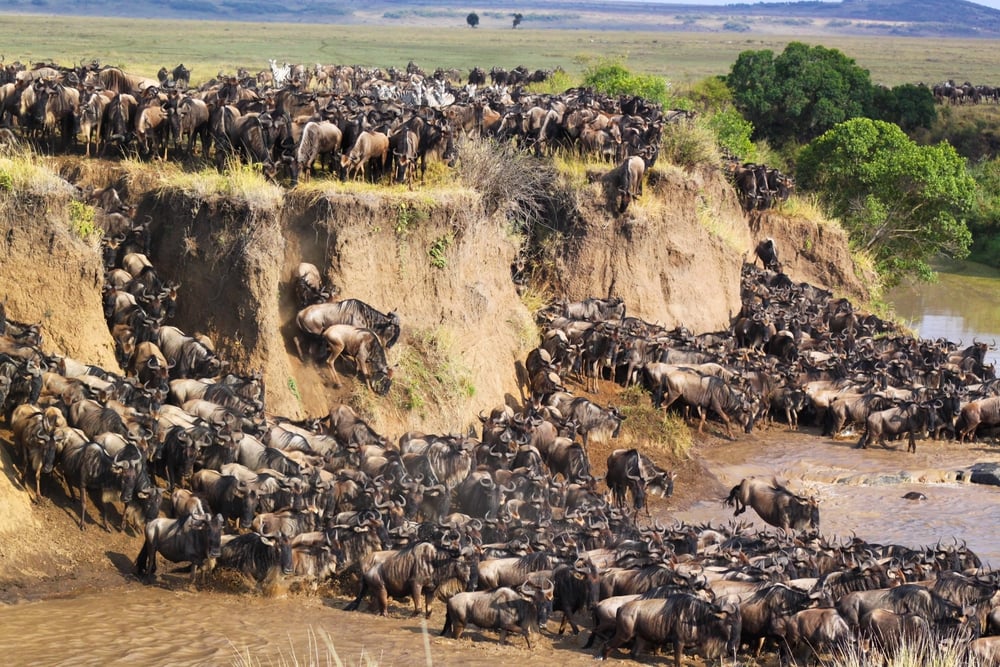
Wild animals have evolved incredible sensitivity to barometric pressure and electromagnetic changes that precede major weather shifts. Birds will suddenly change their migration routes or timing when they sense approaching storms days in advance.
Farmers have long observed that cattle will group together and face away from approaching weather fronts, sometimes hours before the first clouds appear.
Tree Leaf Positioning

Deciduous trees will flip their leaves to show their lighter undersides when atmospheric pressure drops before storms. This happens because the changing air pressure affects how water moves through the leaf structure, causing it to curl and twist.
When you see a whole forest showing the pale underside of leaves, rain typically arrives within 6 to 12 hours.
Smell Changes in the Air

The human nose can detect subtle changes in air composition that indicate weather shifts. A sweet, fresh smell often means rain is approaching because falling barometric pressure releases gases from soil and vegetation.
The distinct ‘ozone’ smell after thunderstorms comes from lightning splitting oxygen molecules, but you can sometimes detect it before storms arrive, too.
Smoke and Fire Behavior

Campfire smoke behaves differently depending on atmospheric conditions and pressure systems. When smoke rises straight up and disperses quickly, high pressure and fair weather usually continue.
Smoke that hangs low or swirls around erratically indicates low pressure and possible precipitation within 24 hours.
Insect Activity Levels
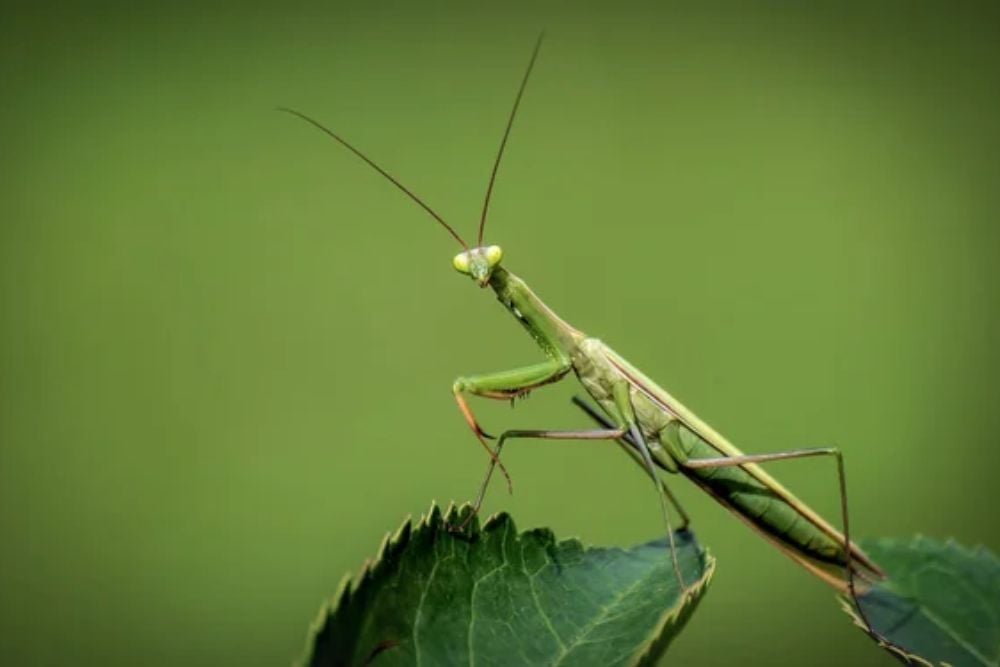
Flying insects become much more active before storms because they can sense the electromagnetic changes in the atmosphere. Bees will work frantically to gather nectar when they sense bad weather approaching, often returning to their hives earlier than usual.
Mosquitoes and flies also become more aggressive and numerous in the hours before rain arrives.
Red Sky Observations

The old saying ‘Red sky at night, sailor’s delight’ has solid meteorological backing in many climates. Red sunsets occur when high pressure pushes dust and particles westward, indicating stable weather moving in from that direction.
Red sunrises often mean the high pressure has moved past you, potentially bringing less stable conditions.
Frog and Toad Sounds
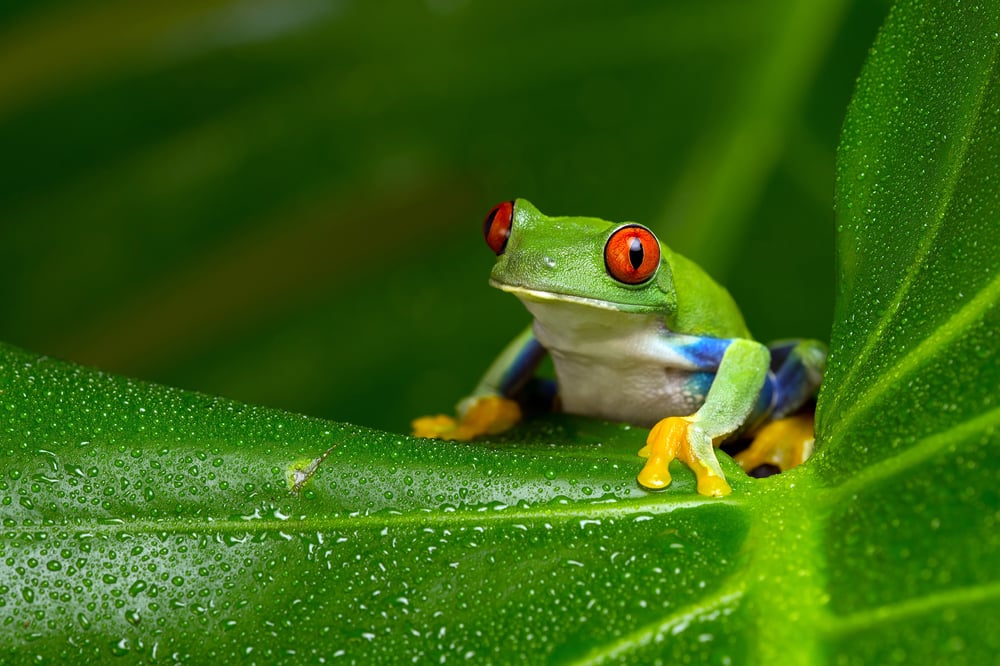
Amphibians are extremely sensitive to humidity and barometric pressure changes because their skin absorbs moisture directly from the air. Frogs will croak more loudly and frequently when humidity rises before rainstorms, essentially celebrating the approaching conditions they thrive.
Complete silence from normally vocal frog populations often indicates that very dry, stable weather will continue.
Plant Movement and Growth

Many plants exhibit predictable behaviors based on atmospheric pressure and humidity changes. Morning glory flowers close up before rain arrives, while dandelions shut their blooms when storms approach.
Some farmers still watch their crops for these subtle signs, which often prove more accurate than 48-hour forecasts.
Wind Direction Shifts
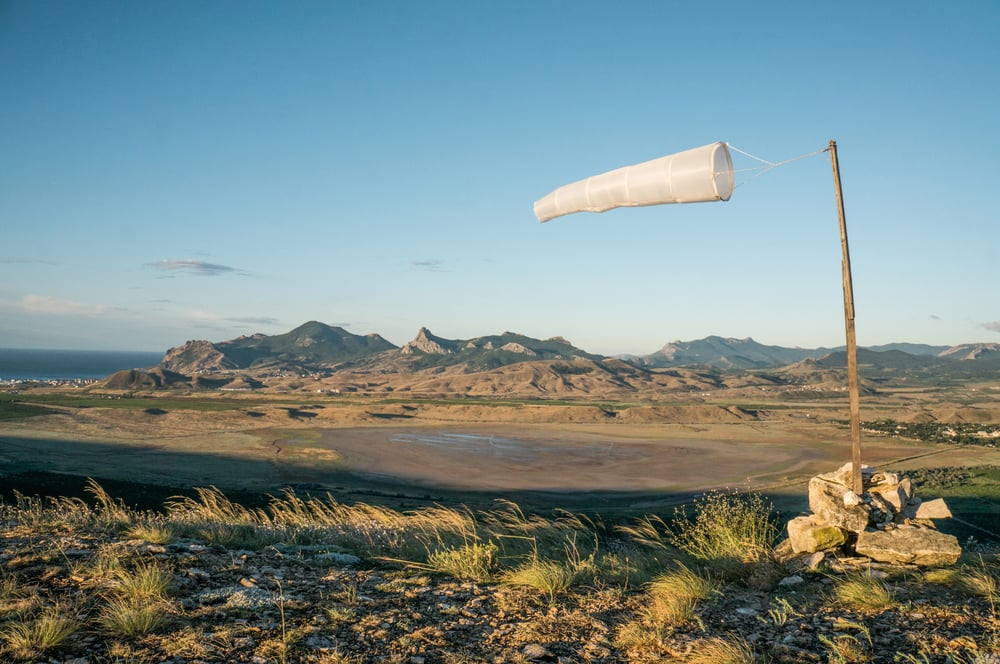
Consistent wind direction changes often precede major weather pattern shifts by 12 to 36 hours. In most of North America, winds shifting from south to west, then north typically indicate an approaching cold front.
These pressure system movements follow predictable patterns that local observers can learn to read with remarkable accuracy.
Water Well Levels

Groundwater levels fluctuate based on atmospheric pressure, and people with wells often notice these changes before surface weather shifts. When atmospheric pressure drops before storms, underground water levels rise slightly as the reduced pressure allows aquifers to expand.
Old-timers would check their wells as part of their daily weather assessment routine.
Cat and Dog Behavior

Domestic animals retain many of the pressure-sensing abilities their wild ancestors needed for survival. Dogs often become restless or clingy before thunderstorms, while cats may hide or act unusually skittish.
These behavioral changes typically occur 2 to 6 hours before severe weather arrives, giving you more warning than most weather apps provide.
Seaweed Moisture Content

Dried seaweed hanging outdoors acts as a natural barometer, becoming soft and pliable when humidity rises before storms. This method works so reliably that coastal communities have used it for centuries to predict weather changes.
The seaweed responds to moisture in the air faster than many electronic instruments can detect atmospheric changes.
Human Joint Pain

Many people experience increased joint pain and stiffness when barometric pressure drops before weather fronts move through. While scientists debate the exact mechanism, the correlation between pressure changes and arthritis flare-ups is well-documented.
Some individuals can predict storms 24 to 48 hours in advance based solely on how their joints feel.
Nature’s Timeless Wisdom

These natural forecasting methods remind us that weather prediction existed long before satellites and supercomputers entered the picture. While modern technology excels at tracking large-scale patterns and long-term trends, nature’s subtle signals often provide more accurate short-term local forecasts.
The next time your weather app gets it wrong, try stepping outside and reading the signs that have guided humans for millennia.
More from Go2Tutors!

- The Romanov Crown Jewels and Their Tragic Fate
- 13 Historical Mysteries That Science Still Can’t Solve
- Famous Hoaxes That Fooled the World for Years
- 15 Child Stars with Tragic Adult Lives
- 16 Famous Jewelry Pieces in History
Like Go2Tutors’s content? Follow us on MSN.