17 Notorious Prisons in American History
American prisons have long captured the public imagination with their tales of infamous inmates, daring escapes, and harsh conditions. From maximum-security fortresses to overcrowded city jails, these institutions have witnessed some of the darkest chapters in criminal justice history.
Their stories reveal not just the crimes that put people behind bars, but also the evolution of punishment and rehabilitation ina America. Let’s take a journey through the most notorious correctional facilities that have shaped the American prison system.
Each one tells a unique story of crime, punishment, and human nature.
Alcatraz Federal Penitentiary
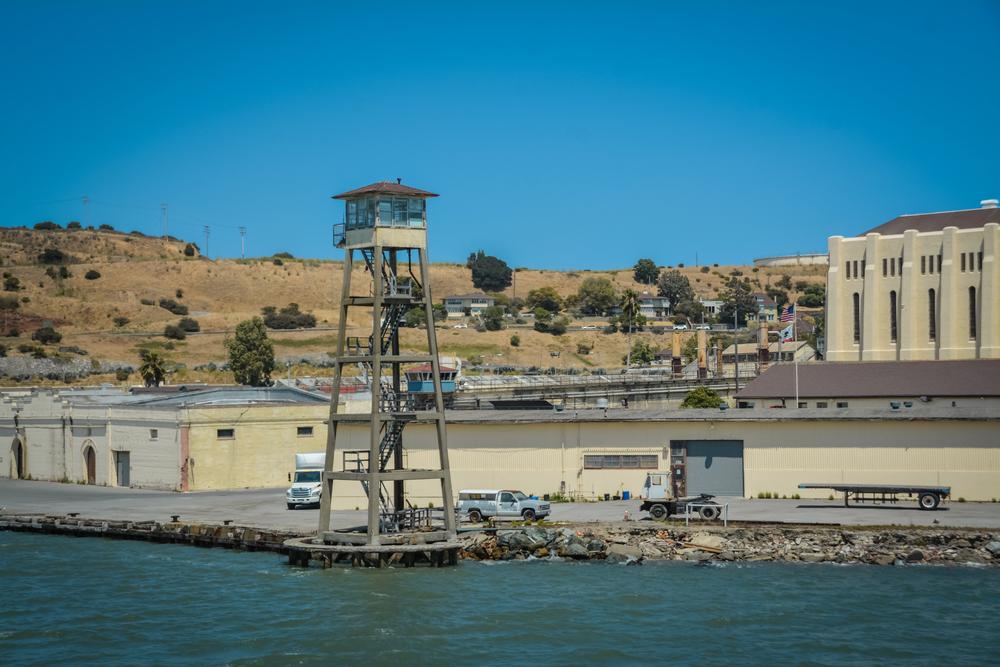
Alcatraz operated as a maximum high-security federal prison from August 1934 until March 1963. It was home at one time or another to some of America’s most notorious felons including Al Capone, George ‘Machine Gun’ Kelly and Alvin Karpis.
The prison sat on a rocky island in San Francisco Bay, making escape nearly impossible due to the freezing waters and strong currents. Guards used to tell inmates that the prison was escape-proof, though several attempts were made over the years.
The facility closed when maintenance costs became too expensive, and it now serves as a popular tourist attraction.
Eastern State Penitentiary

The Eastern State Penitentiary (ESP) is a former American prison in Philadelphia, Pennsylvania. It is located in the Fairmount section of the city, and was operational from 1829 until 1971.
In 1821, at the urging of the Society, the Pennsylvania legislature approved funding to build Eastern State Penitentiary, a first-of-its-kind prison designed to encourage regret or “penitence” through a strict system of solitary confinement with labor known as the Pennsylvania System.
The prison was revolutionary for its time, featuring individual cells with private exercise yards. Famous inmates included bank robber Willie Sutton and gangster Al Capone, who received special treatment during his stay.
Like Go2Tutors’s content? Follow us on MSN.
San Quentin State Prison
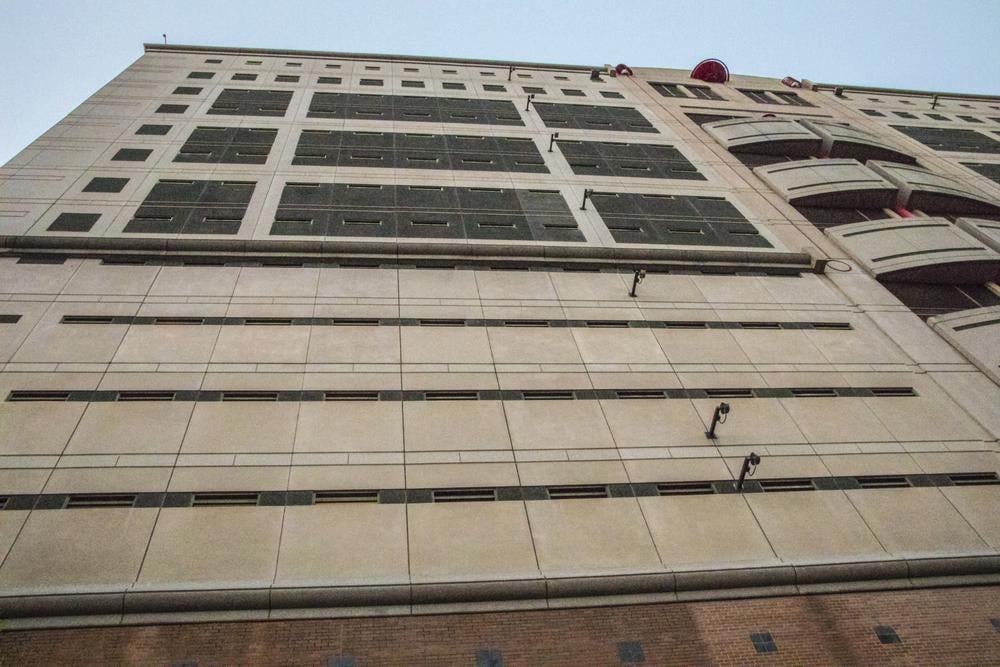
San Quentin Prison is one of the most notorious prison facilities in the United States. Since it opened in 1852, the horrendous state in which prisoners were held there has led its newly appointed warden Clinton Truman Duffy to implement prison reform in 1940s. Located in California, San Quentin houses the state’s death row and has carried out more executions than any other prison in America.
The facility has been featured in countless movies and books, cementing its place in popular culture. Despite reform efforts over the years, violence and overcrowding continue to plague the institution.
Atlanta Federal Penitentiary
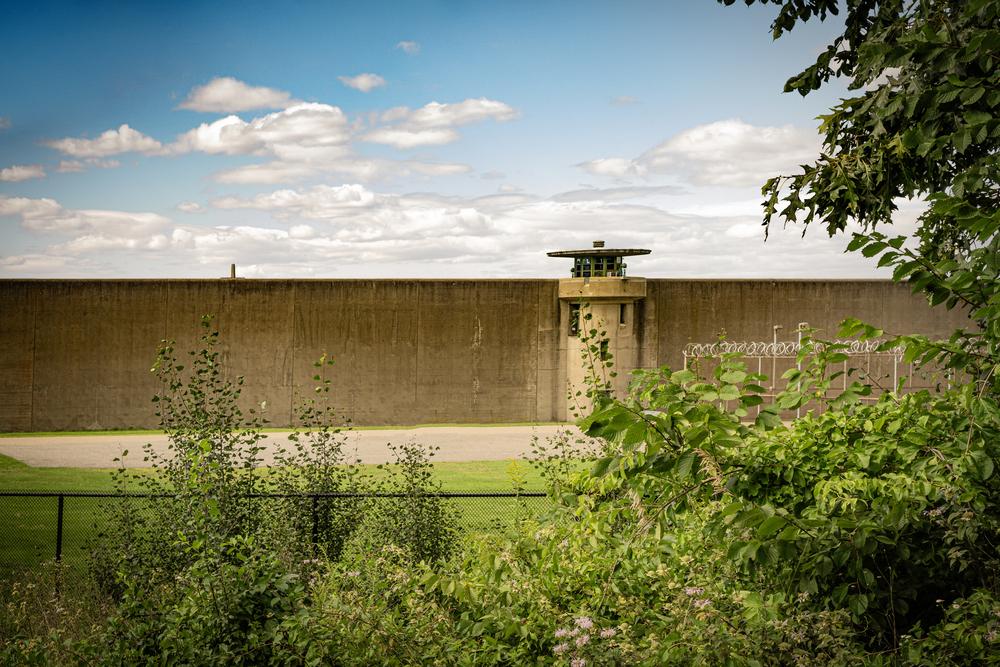
Construction was completed in January 1902 and the Atlanta Federal Penitentiary opened with the transfer of six convicts from the Sing Sing Correctional Facility in upstate New York. They were the beneficiaries of the Three Prisons Act of 1891, which established penitentiaries in Leavenworth and other locations.
The prison gained notoriety for housing high-profile inmates and became known for its strict discipline. Over the decades, Atlanta Federal Penitentiary held everyone from bootleggers during Prohibition to modern-day white-collar criminals.
The facility remains active today, though it has been downgraded from its original maximum-security status.
Sing Sing Correctional Facility

Sing Sing opened in 1826 in Ossining, New York, and quickly became synonymous with harsh punishment and the electric chair. The prison’s name became so famous that it entered common language, with people saying someone was “sent up the river” to Sing Sing.
The facility housed its own electric chair, known as “Old Sparky,” which was used for executions from 1891 to 1963. Famous inmates included Julius and Ethel Rosenberg, who were executed there for espionage. The prison’s proximity to New York City made it a frequent subject of newspaper coverage and public fascination.
Like Go2Tutors’s content? Follow us on MSN.
ADX Florence Supermax
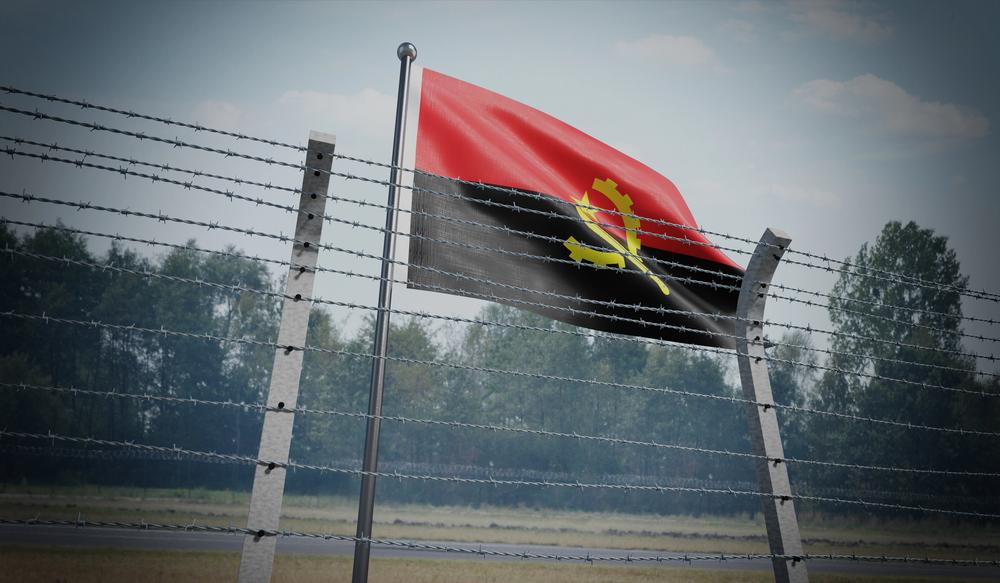
ADX Florence was commissioned when the Federal Bureau of Prisons needed a unit designed specifically for the secure housing of specific prisoners most capable of extreme violence toward staff or other inmates, as well as inmates deemed too high-profile or too great a security risk for regular facilities. Known as the “Supermax,” this Colorado facility opened in 1994 and houses the most dangerous criminals in America.
Inmates spend 23 hours a day in solitary confinement, with minimal human contact. The prison holds terrorists, spies, and other high-security risks who cannot be safely housed elsewhere.
Louisiana State Penitentiary at Angola
Angola sits on an 18,000-acre former plantation in Louisiana and houses over 6,000 inmates, making it one of the largest prisons in America. Over the years, Rikers has developed a harsh reputation due to reports of violence, neglect, and overcrowding. Notable inmates: Music icons Tupac Shakur, Lil Wayne, and DMX, along with David “Son of Sam” Berkowitz and Sid Vicious.
The prison operates its own radio station, newspaper, and rodeo, creating an unusual community within its walls. Most inmates at Angola will never leave, as the majority are serving life sentences without parole.
The facility has worked to reduce violence through education and religious programs, but its size and history continue to make it notorious.
Rikers Island
Located in New York City, Rikers Island serves as one of the world’s largest jail complexes, holding people awaiting trial rather than convicted prisoners. The facility has gained international attention for its violence, corruption, and poor conditions.
Stories of guard brutality and inmate abuse regularly make headlines, leading to calls for the complex to be shut down. Celebrity inmates have included everyone from rappers to Wall Street executives, keeping Rikers in the public eye.
City officials have repeatedly announced plans to close the facility, but it continues to operate despite ongoing problems.
Like Go2Tutors’s content? Follow us on MSN.
USP Marion
The U.S. Penitentiary in Marion, Illinois opened in 1963 and in 15 years became the United States highest control security prison. It became the nation’s first control unit when violence forced a long-term lockdown.
Marion was designed to replace Alcatraz as the federal system’s most secure facility. The prison pioneered many of the supermax techniques now used across the country, including prolonged solitary confinement.
Violence between inmates and staff led to a permanent lockdown in 1983, fundamentally changing how dangerous prisoners are managed. The facility paved the way for modern supermax prisons like ADX Florence.
Attica Correctional Facility
Attica became infamous following a deadly riot in September 1971 that lasted four days and resulted in 43 deaths. The uprising began as a protest against overcrowding and poor conditions, but escalated when negotiations broke down.
State police and National Guard troops stormed the facility, leading to a massacre that shocked the nation. The Attica riot became a symbol of prison reform movements and highlighted the need for better conditions.
The facility continues to operate today, though significant changes were made following the tragedy.
Folsom State Prison
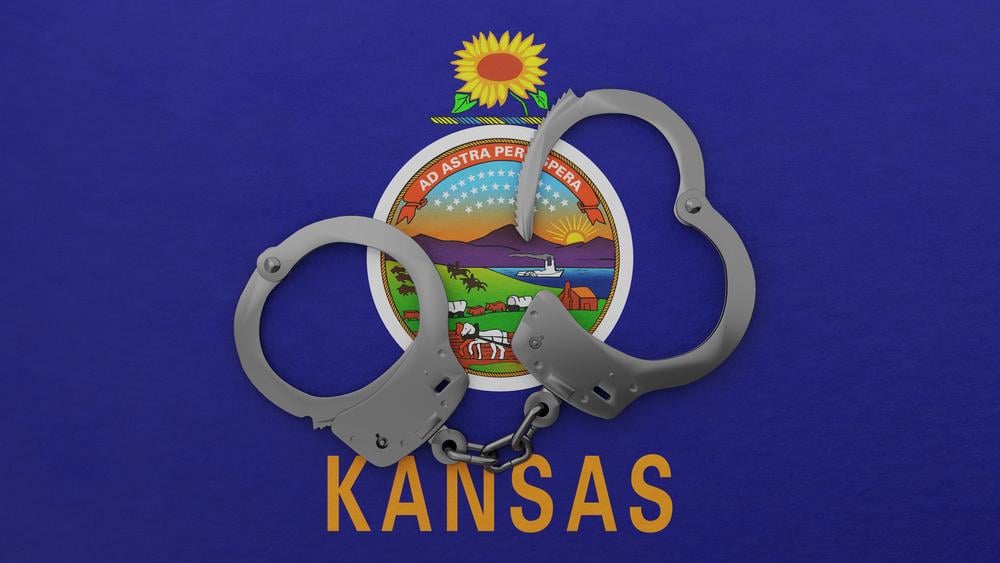
Folsom State Prison might ring a bell, thanks to its history and the famous Johnny Cash concert in the ’60s. But behind the music, Folsom has a long history of violence. Riots, gang warfare, and severe inmate conflicts have marked its reputation.
The prison opened in 1880 in California and became known for its granite walls and tough conditions. Cash’s 1968 concert brought worldwide attention to the facility and highlighted the humanity of its inmates.
Gang activity remains a serious problem at Folsom, with various groups vying for control within the prison walls.
Like Go2Tutors’s content? Follow us on MSN.
Leavenworth Federal Penitentiary
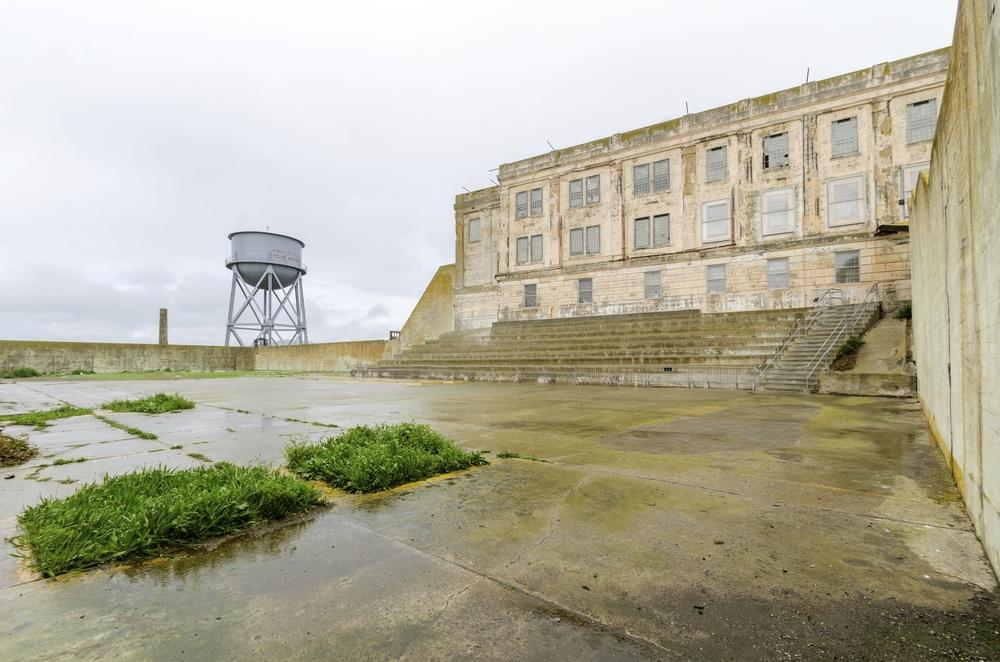
Often called “The Big House,” Leavenworth opened in 1903 in Kansas as one of the first three federal prisons in America. The facility became famous for housing military prisoners, including those convicted of desertion during wartime.
Notable inmates included Robert Stroud, the “Birdman of Alcatraz,” who actually conducted his famous bird research at Leavenworth. The prison’s imposing dome and fortress-like appearance made it instantly recognizable.
Machine Gun Kelly and other famous gangsters served time there, adding to its notorious reputation.
Pelican Bay State Prison
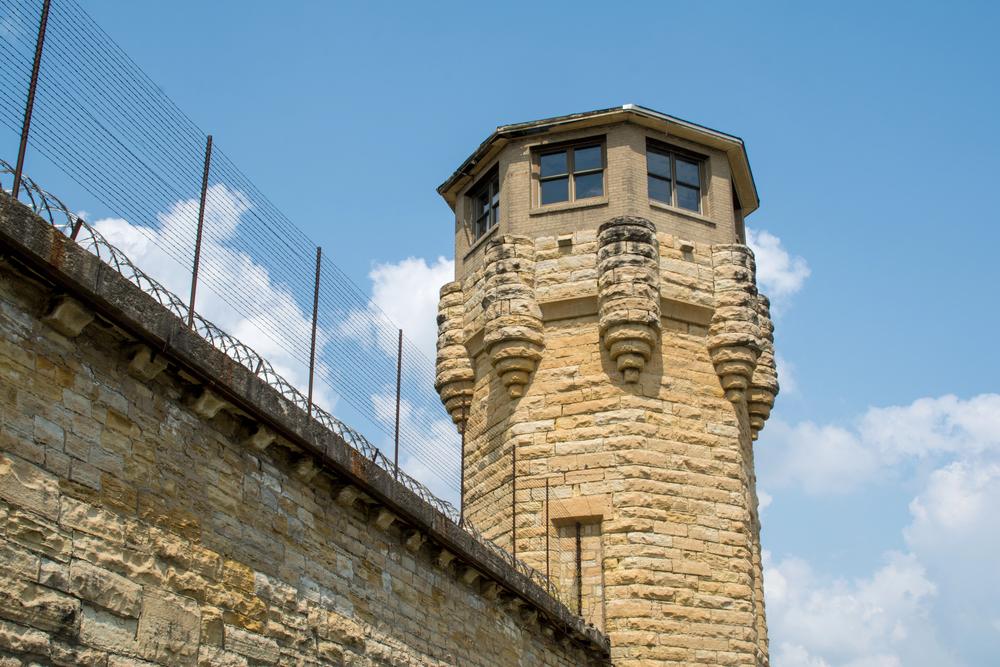
Pelican Bay State Prison, located in Crescent City, California, is infamous for its harsh conditions and the use of solitary confinement. It houses some of California’s most dangerous inmates, including gang leaders and violent offenders.
The prison opened in 1989 and immediately became controversial for its Security Housing Unit, where inmates can spend decades in isolation. Human rights groups have criticized conditions at Pelican Bay, calling them inhumane.
The facility was specifically designed to break the will of gang leaders and reduce their influence on street gangs. Legal challenges have forced some changes, but the prison remains one of America’s harshest.
Joliet Correctional Center
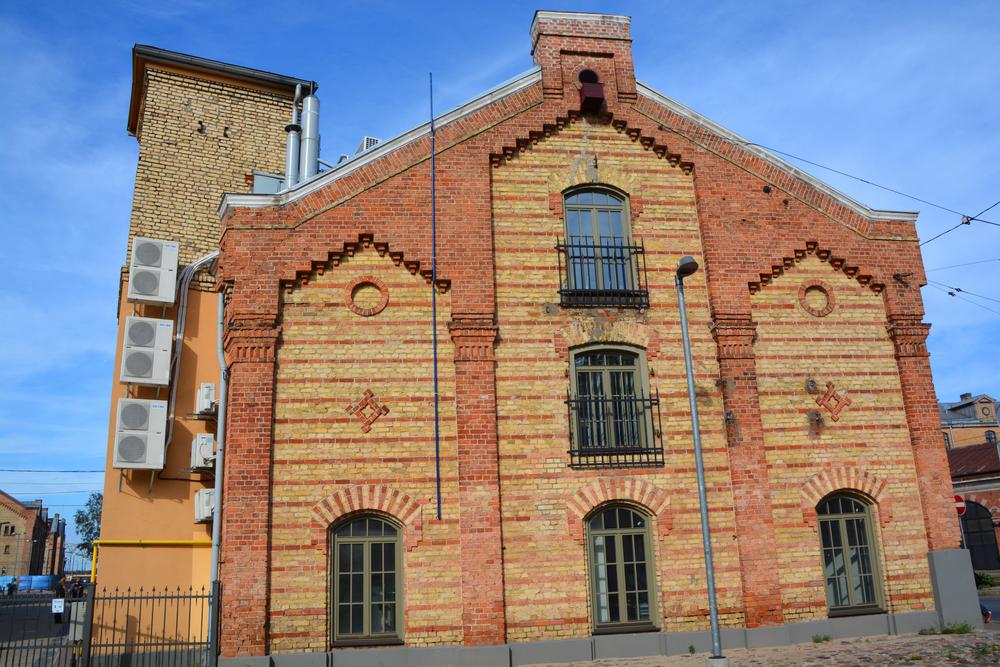
Joliet opened in Illinois in 1858 and became one of America’s most recognizable prisons thanks to Hollywood movies and TV shows. The facility’s distinctive limestone walls and castle-like appearance made it a popular filming location.
Famous inmates included Nathan Leopold and Richard Loeb, the wealthy teenagers who committed the “crime of the century” in the 1920s. The prison was severely overcrowded for much of its history, leading to dangerous conditions and frequent violence.
Joliet finally closed in 2002 after nearly 150 years of operation.
Like Go2Tutors’s content? Follow us on MSN.
Tucker Unit Prison Farm
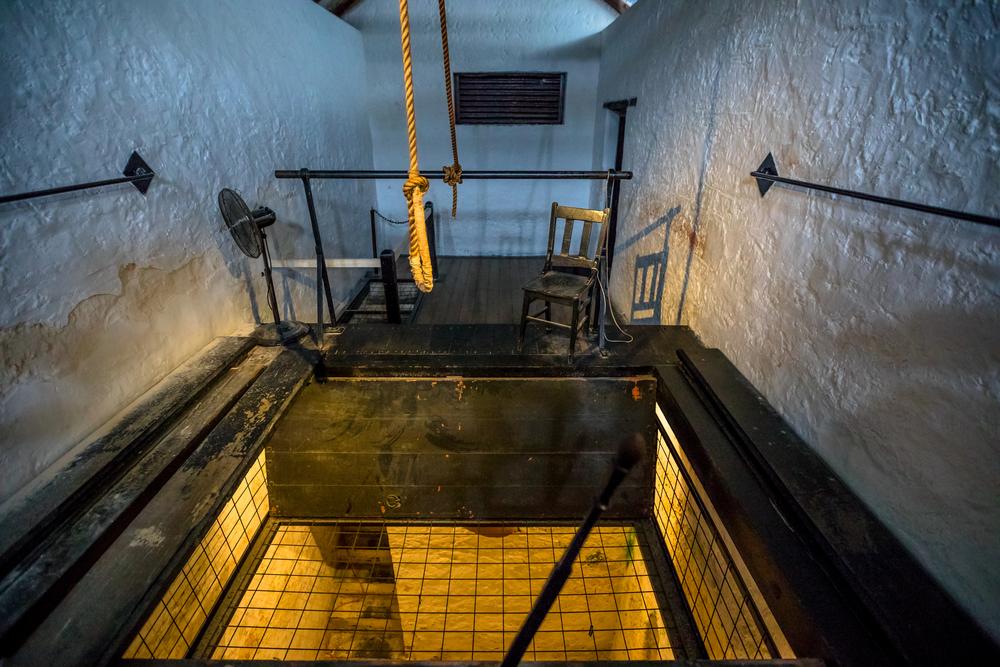
Located in Arkansas, Tucker Unit gained notoriety in the 1960s when investigations revealed systematic torture and murder of inmates. The prison operated more like a plantation than a correctional facility, with inmates working in cotton fields under brutal conditions.
Guards regularly beat prisoners and used electric shock devices for punishment. The scandal led to federal intervention and massive reforms in the Arkansas prison system. The facility’s dark history inspired books and movies about corruption in Southern prisons.
Huntsville Unit
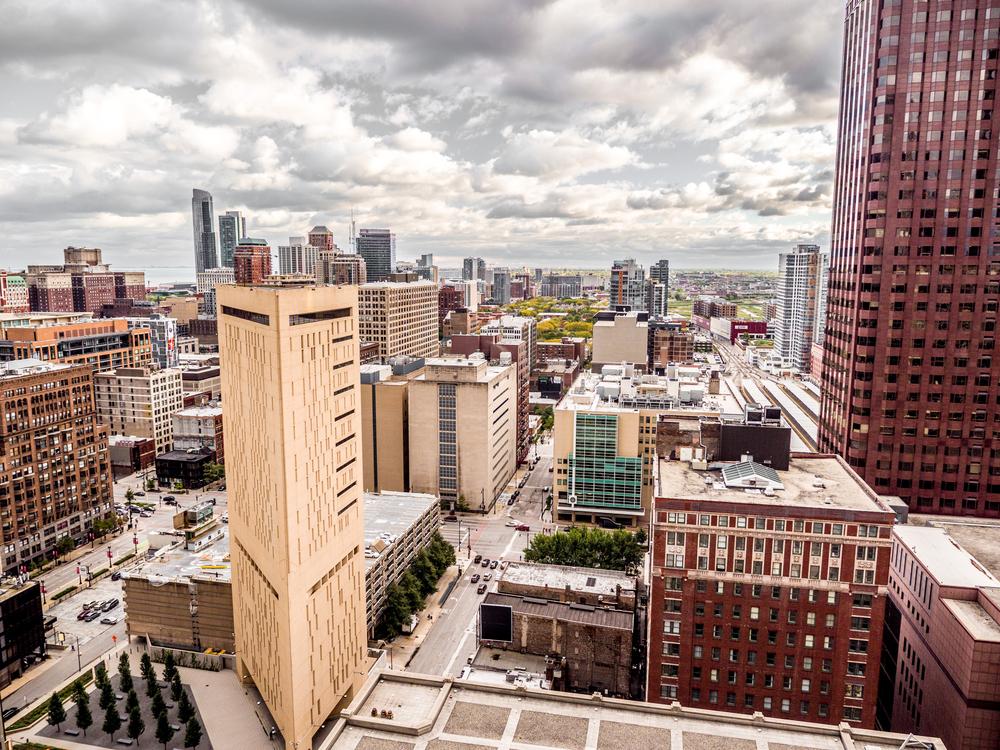
Also known as “The Walls,” the Huntsville Unit in Texas has carried out more executions than any other prison in America since the death penalty was reinstated in 1976. The facility houses Texas’s death row and execution chamber, making it the final stop for hundreds of condemned prisoners.
Built in 1849, Huntsville has a long history of housing the state’s most dangerous criminals. The prison museum on-site displays artifacts from executions and famous inmates.
Despite its grim reputation, Huntsville has also been recognized for rehabilitation programs and educational opportunities.
Cook County Jail

Chicago’s Cook County Jail holds the distinction of being one of America’s largest single-site jails, housing over 8,000 inmates at any given time. The facility gained notoriety for overcrowding, violence, and poor medical care that led to numerous lawsuits.
High-profile inmates have included everyone from gangsters like Al Capone to modern celebrities facing charges. The jail’s sheer size makes it difficult to manage, leading to ongoing problems with safety and security.
Reform efforts continue, but the facility remains one of America’s most troubled correctional institutions.
Like Go2Tutors’s content? Follow us on MSN.
From fortress walls to modern cells
The evolution of these notorious prisons mirrors America’s changing attitudes toward crime and punishment over the past two centuries. Early facilities like Eastern State Penitentiary pioneered solitary confinement with hopes of rehabilitation, while later institutions focused more on containment and deterrence.
The supermax facilities of today represent the ultimate expression of isolation and control, housing inmates in conditions that previous generations might have considered torture. Yet throughout all these changes, the fundamental challenge remains the same: how to balance public safety with human dignity.
These 16 institutions remind us that behind every prison wall are human stories of failure, redemption, and the ongoing struggle to create a just system of punishment.
More from Go2Tutors!

- 16 Historical Figures Who Were Nothing Like You Think
- 12 Things Sold in the 80s That Are Now Illegal
- 15 VHS Tapes That Could Be Worth Thousands
- 17 Historical “What Ifs” That Would Have Changed Everything
- 18 TV Shows That Vanished Without a Finale
Like Go2Tutors’s content? Follow us on MSN.



