Titanic Myths That Still Haunt the Ocean
More than a century after that cold April night in 1912, the Titanic continues to captivate our imagination. Yet between the countless movies, documentaries, and books, the real story has become tangled with fiction.
These persistent myths have taken on lives of their own, often overshadowing the actual events that unfolded during those tragic hours. The legends surrounding this famous disaster reveal as much about human psychology as they do about maritime history.
Here are the most enduring Titanic myths that continue to drift through popular culture like ghostly whispers from the deep.
The Ship Was Marketed as ‘Unsinkable’
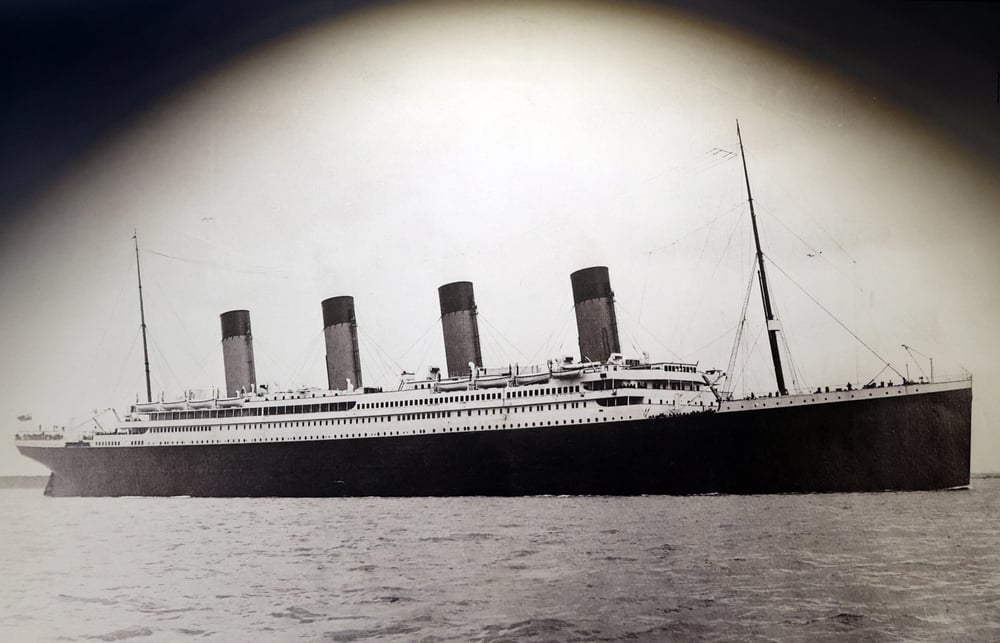
The Titanic was never actually described as “unsinkable” without qualification until after she sank. This is perhaps the most ironic myth of all.
Three trade publications described Titanic as “practically” unsinkable prior to her sinking, but the absolute claim of invincibility came later. A promotional item from the White Star Line stressed the safety of Olympic and Titanic, claiming that “as far as it is possible to do so, these two wonderful vessels are designed to be unsinkable”.
The unqualified “unsinkable” label was actually first used by The New York Times the day after the disaster, when the press seized upon a comment by a company executive who said he had thought the ship unsinkable based on expert advice.
The Band’s Last Song Was ‘Nearer, My God, to Thee’
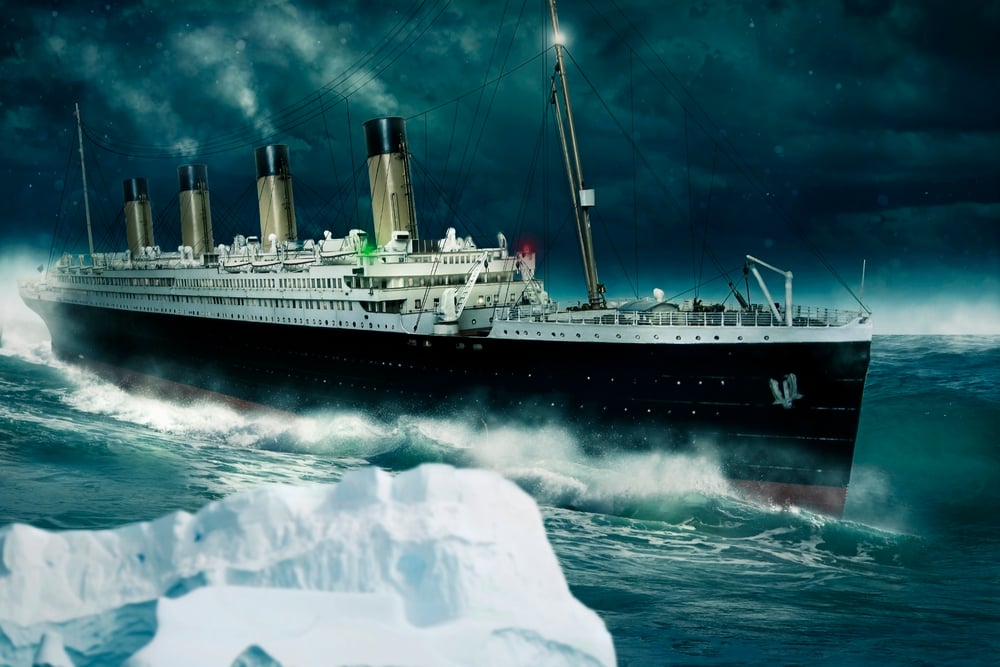
This touching story has become gospel truth in popular culture, but the reality is much murkier. Many different tunes have been put forth as the final song, but only two have any real weight of evidence: “Nearer, My God, to Thee” and “Autumn”.
Wireless operator Harold Bride said that he had heard “Autumn,” by which he may have meant Archibald Joyce’s then-popular waltz “Songe d’Automne”. However, Colonel Archibald Gracie IV claimed that if they had played “Nearer, My God, to Thee,” he “assuredly should have noticed it and regarded it as a tactless warning of immediate death to us all”.
The most compelling evidence comes from bandmaster Wallace Hartley’s friend, who recalled that when asked what he would do on a sinking ship, Hartley replied he would play “O God, Our Help In Ages Past” or “Nearer, My God, to Thee”.
Like Go2Tutors’s content? Follow us on MSN.
The Olympic Was Switched with Titanic for Insurance Fraud
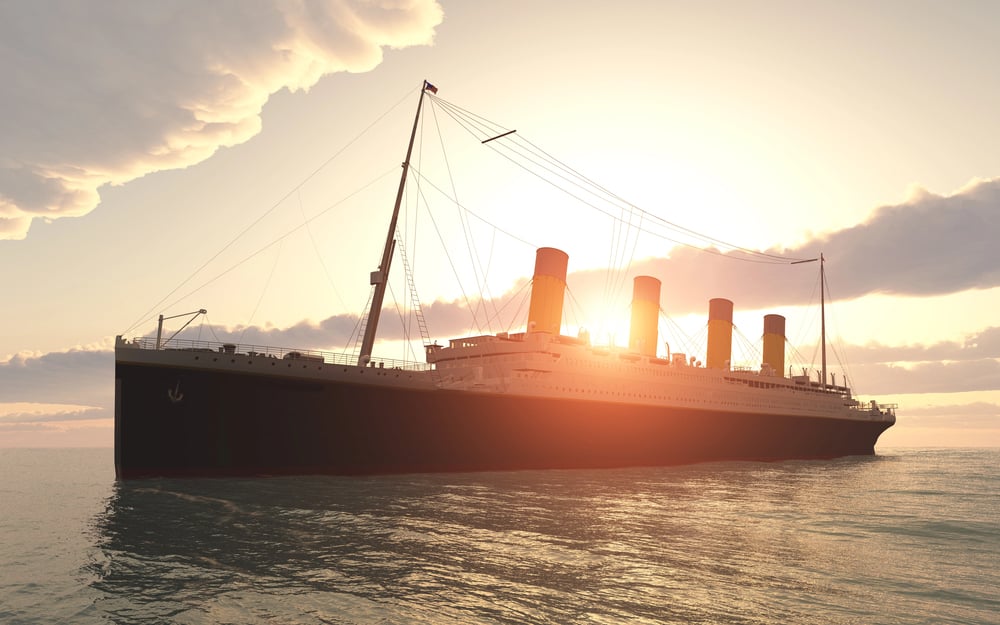
This conspiracy theory suggests that the damaged Olympic was disguised as the Titanic and deliberately sunk for insurance money. The theory starts with the fact that the Olympic was damaged in September 1911 and had to return to Belfast for repairs.
However, it would be far more profitable to run a ship for decades than to sink it for a one-time payment, and sinking the Olympic for an insurance claim would have been a terrible business decision. Paul Burns points out that someone could have simply damaged the ship while docked and collected insurance money from that accident, which would have been far less severe than sailing her into the Atlantic with thousands of people aboard.
J.P. Morgan Orchestrated the Disaster to Kill His Rivals
According to the myth, Morgan wanted to eliminate three passengers who opposed his notion for the U.S. Federal Reserve: Isidor Straus, John Jacob Astor, and Benjamin Guggenheim.
This theory falls apart quickly under scrutiny. There is no evidence that Astor or Guggenheim ever spoke out against the Federal Reserve, and Straus actually supported it.
More fundamentally, how could J.P. Morgan have possibly guaranteed that Titanic would collide with an iceberg in the mid-Atlantic, and how could he ensure the ship would hit it in such a way that the hull would be fatally compromised? The logistics alone make this conspiracy impossible.
The Ship’s Hull Number Read ‘NO POPE’ When Viewed Backwards
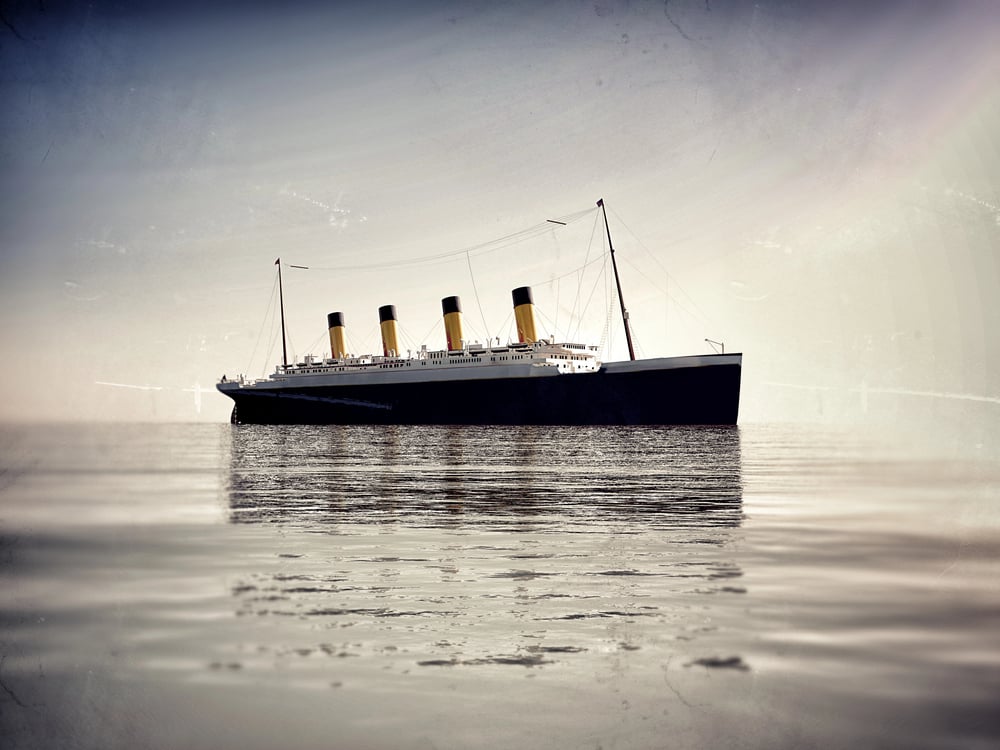
One myth posits that Catholic employees were distressed that the ship’s number, 3909 04, seemed to say “NO POPE” when viewed in a mirror. This story is completely fabricated.
The hull number painted on the ship was 401, the same as its yard number at Harland and Wolff, and its Board of Trade number was 131,428. Neither resembles “NO POPE” in any configuration. Additionally, by the twentieth century, Harland and Wolff had driven away its Catholic employees and had a reputation for only employing Protestants, so there wouldn’t have been Catholic workers to upset anyway.
Like Go2Tutors’s content? Follow us on MSN.
A Cursed Egyptian Mummy Was Aboard
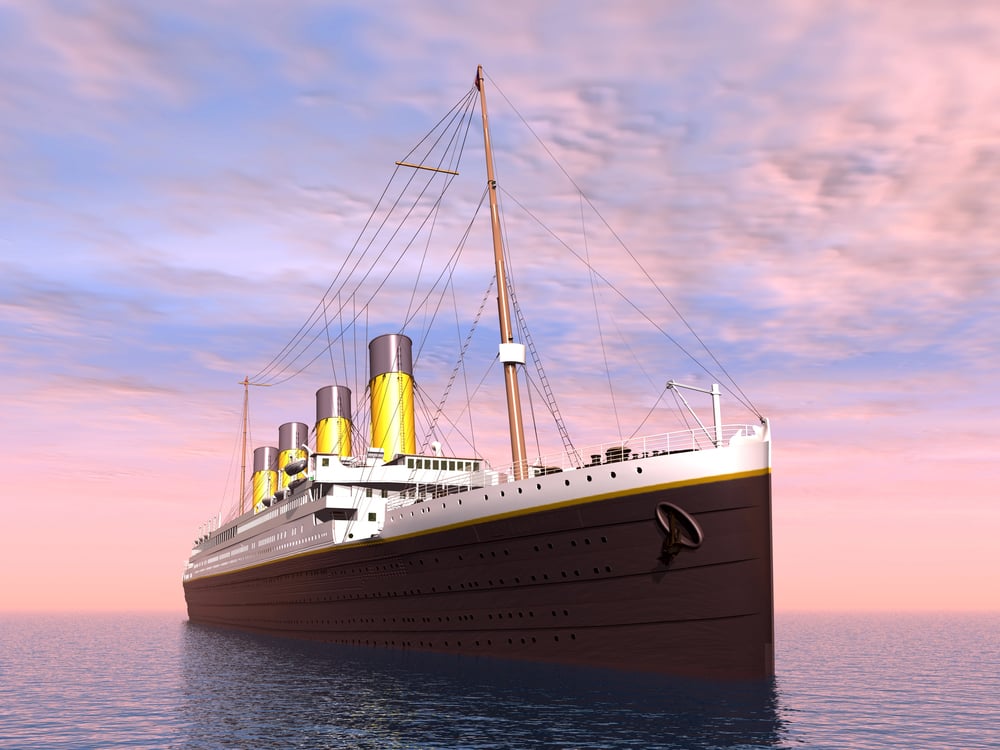
William Stead, a British editor aboard the Titanic, had spent years claiming a cursed mummy was causing mysterious destruction in London and happily repeated this tale to other passengers. After the sinking, a survivor recounted Stead’s story to the New York World, and the media ran with headlines like “Ghost of the Titanic: Vengeance of Hoodoo Mummy”.
In reality, the artifact in question is still housed in the British Museum today. This myth played into colonial anxieties about plundering other cultures, but it was pure fantasy based on one passenger’s tall tales.
The Ship Broke in Half at a Perpendicular Angle
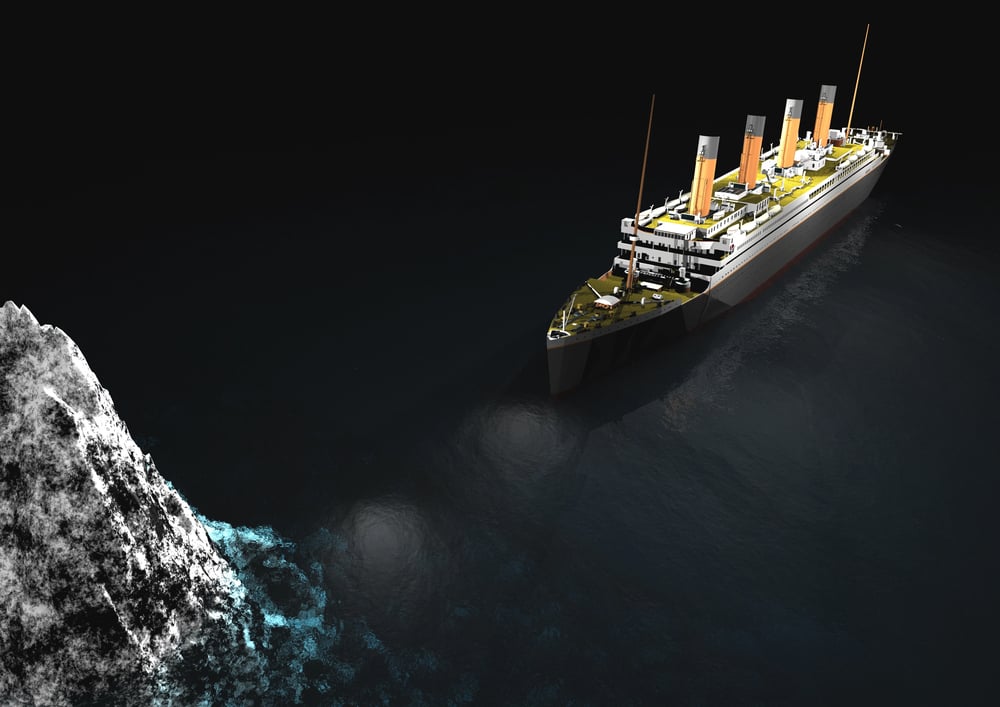
Walter Lord described Titanic as assuming an “absolutely perpendicular” position shortly before its final plunge, and this view remained largely unchallenged even after the wreck was discovered in 1985. James Cameron’s 1997 film depicted the ship attaining a steep angle prior to breakup, cementing this dramatic image in popular culture.
However, more recent analysis of the wreck suggests the ship likely broke at a much shallower angle than previously thought. The perpendicular break made for better cinema than historical accuracy.
Third-Class Passengers Were Locked Below Decks
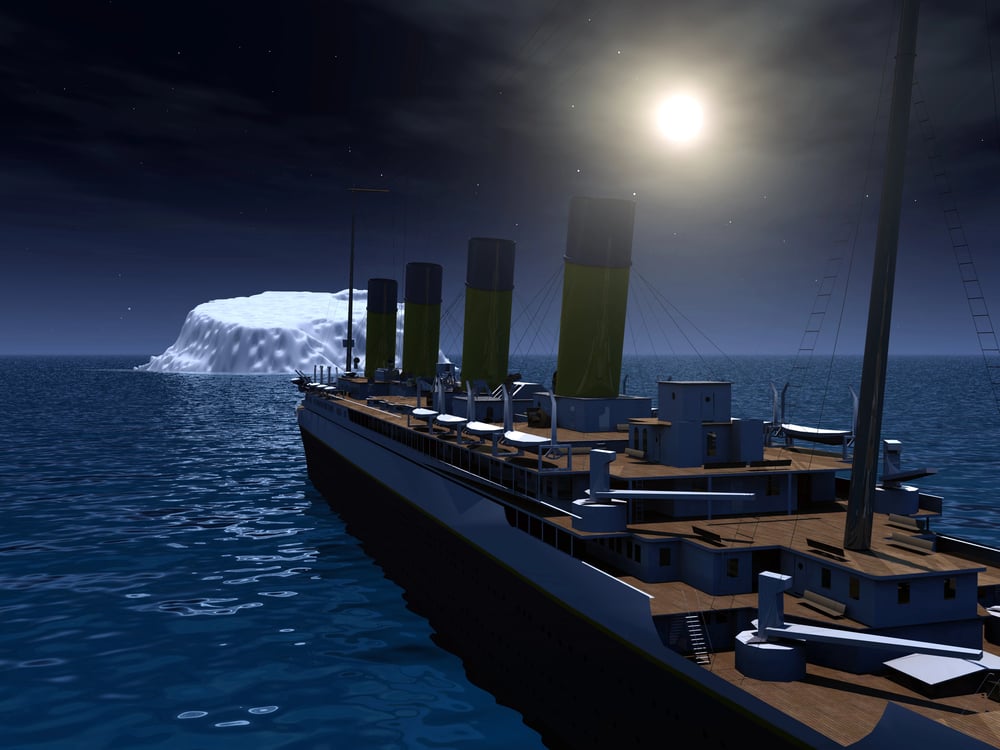
This persistent myth suggests that steerage passengers were deliberately trapped below to save the wealthy. While proximity to the lifeboats became a key factor in determining who got into them, and a long and winding route had to be taken to reach topside from steerage, there’s no evidence of systematic locking of gates.
The steerage-class accommodation was located on the extreme ends of the decks and was farthest from the lifeboats, creating practical barriers rather than malicious ones. Some gates were locked as standard procedure, but crew members were assigned to unlock them during emergencies.
Like Go2Tutors’s content? Follow us on MSN.
Echoes Across Time
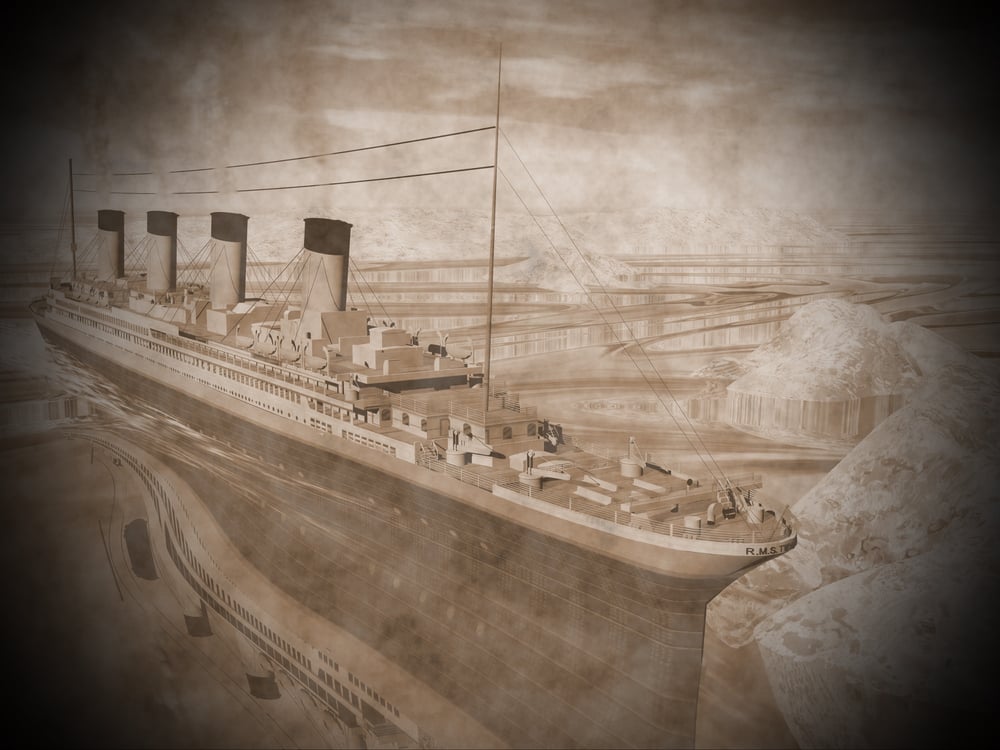
These myths persist because they offer simple explanations for a complex tragedy, villains to blame, and dramatic moments that feel more satisfying than messy reality. Whatever the truth behind individual details, one irrefutable fact remains: the musicians stayed until all hope was gone, and who can say how many lives their efforts saved? The real story of human courage, institutional failures, and split-second decisions that April night remains far more compelling than any conspiracy theory.
Perhaps it’s time we let the actual heroes and victims of the Titanic emerge from behind the curtain of mythology that has shrouded them for over a century.
More from Go2Tutors!

- 16 Historical Figures Who Were Nothing Like You Think
- 12 Things Sold in the 80s That Are Now Illegal
- 15 VHS Tapes That Could Be Worth Thousands
- 17 Historical “What Ifs” That Would Have Changed Everything
- 18 TV Shows That Vanished Without a Finale
Like Go2Tutors’s content? Follow us on MSN.



