Strange Ways Animals Communicate
Animals don’t have words like people do, but they’ve figured out some pretty wild ways to get their messages across. From light shows to chemical signals that travel through the air, the animal kingdom is full of creative communicators doing things that might seem totally bizarre to us.
Some tap out codes, others change colors in the blink of an eye, and a few even use electricity to have conversations in the dark. Let’s look at some of the most unusual methods animals use to talk to each other.
Elephants stomp to send long-distance messages

Elephants create low-frequency rumbles that travel through the ground for miles, and other elephants pick up these vibrations through their feet. The sensitive skin on their feet acts like a giant ear for ground signals.
Scientists have recorded elephants sending warnings about predators and even announcing when they’ve found water sources to family members who might be several miles away. This underground communication system works so well that elephant herds can coordinate movements across vast distances without ever seeing each other.
Honeybees dance out detailed maps

When a honeybee finds a good spot for flowers, it flies back to the hive and performs what scientists call a waggle dance. The bee moves in a figure-eight pattern, and the angle of the dance tells other bees exactly which direction to fly relative to the sun.
The length of the waggle part shows how far away the food is. Other bees watch this performance closely and then fly off in the right direction, sometimes traveling miles to find the exact location their friend described through movement alone.
Cuttlefish flash patterns across their skin

Cuttlefish can change the color and pattern of their entire body in less than a second. They use this ability to send all kinds of messages, from ‘I’m interested in mating’ to ‘back off, this is my territory.’
Male cuttlefish sometimes get really sneaky and display male patterns on one side of their body while showing female patterns on the other side. This lets them court a female while simultaneously warning off rival males who can only see one side of them.
Prairie dogs have specific alarm calls for different threats
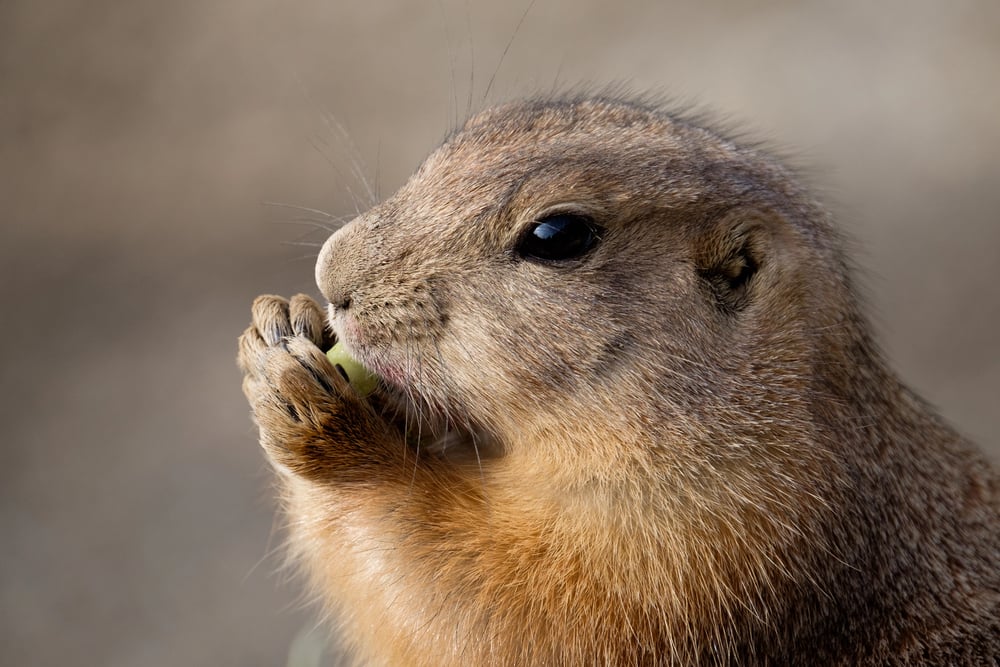
Prairie dogs don’t just yell ‘danger’ when they spot trouble. They have different alarm calls for hawks, coyotes, dogs, and even humans.
Researchers discovered that prairie dogs can actually describe what a threat looks like in their calls. They’ll use one sound pattern for a tall person and a different one for a short person, and they can even indicate what color shirt someone is wearing.
Their language is so detailed that scientists consider it one of the most complex communication systems found in animals.
Electric fish create invisible communication channels

Some fish in murky rivers generate electric fields around their bodies and use them to have private conversations. Each species produces electricity at different frequencies, kind of like radio stations on different channels.
These fish can adjust their electric signals to send messages about territory, mating availability, and even their mood. The really interesting part is that these electric conversations happen in water too cloudy for the fish to see each other, making electricity their primary way to interact.
Capuchin monkeys use specific sounds to describe food quality

Capuchin monkeys don’t just alert each other when they find food. They have different calls for high-quality food versus low-quality food.
When they discover something really good like ripe fruit, they make excited calls that bring other monkeys running. For less exciting finds, they use quieter, less enthusiastic sounds.
Scientists have found that monkeys can distinguish between these calls and will only rush over when the signal indicates premium food is available.
Spiders pluck webs like musical instruments
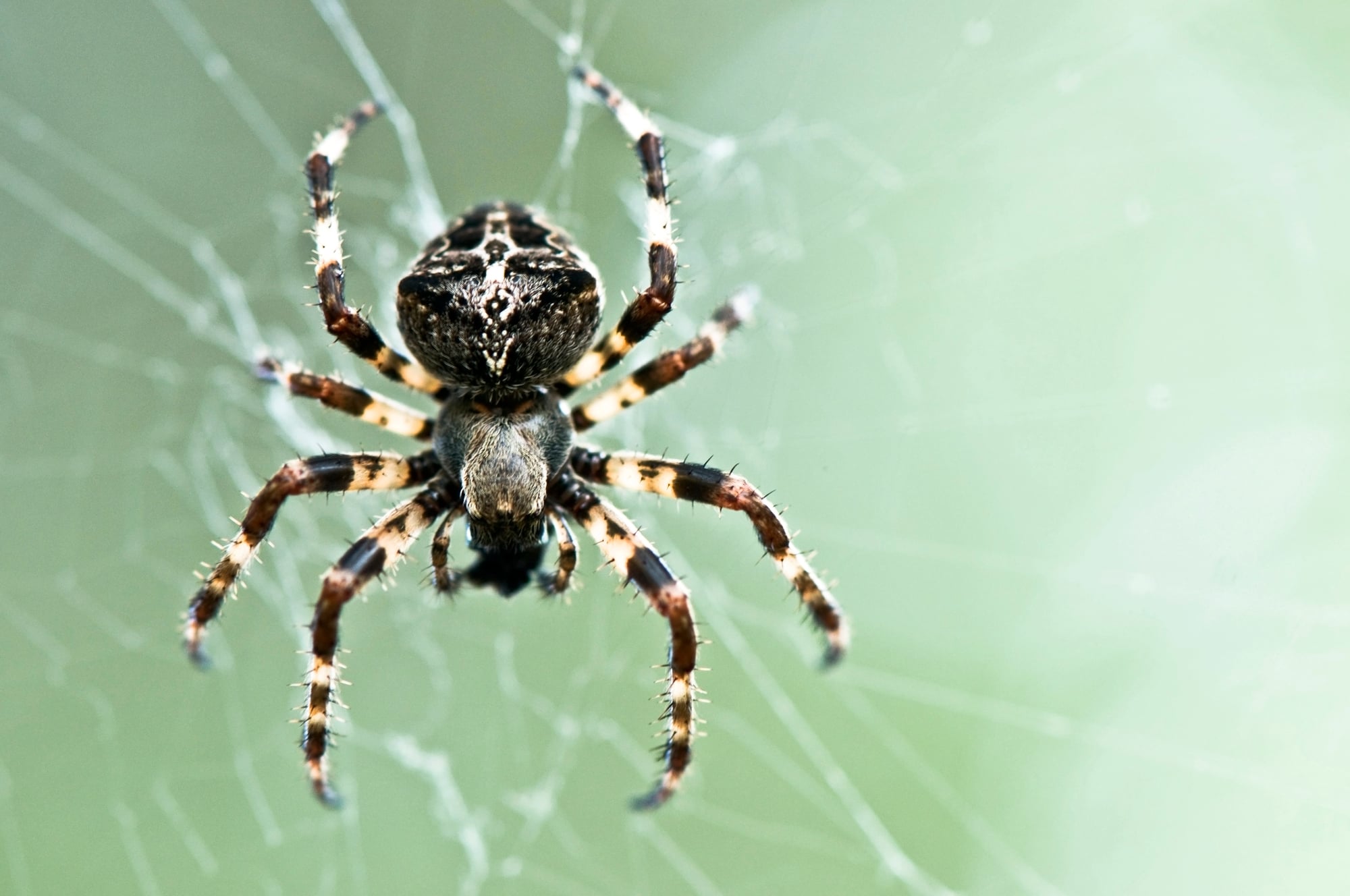
Male spiders court females by plucking the strands of a web in specific rhythms. Each species has its own pattern, almost like a song.
The vibrations travel through the web and tell the female who’s visiting and what his intentions are. This communication method is crucial because female spiders sometimes eat males who approach incorrectly.
A male who plucks out the right rhythm is much more likely to survive the encounter and successfully mate.
Vampire bats share food through regurgitation signals

Vampire bats form friendships and remember which bats have helped them in the past. When a bat fails to find a blood meal, it returns to the roost hungry.
A bat friend will approach and, through specific grooming behaviors and sounds, signal that it’s willing to share. The well-fed bat then regurgitates some of its meal for the hungry friend.
This communication and food-sharing system is so important that bats who don’t reciprocate eventually get excluded from the social group.
Peacock spiders perform elaborate visual dances
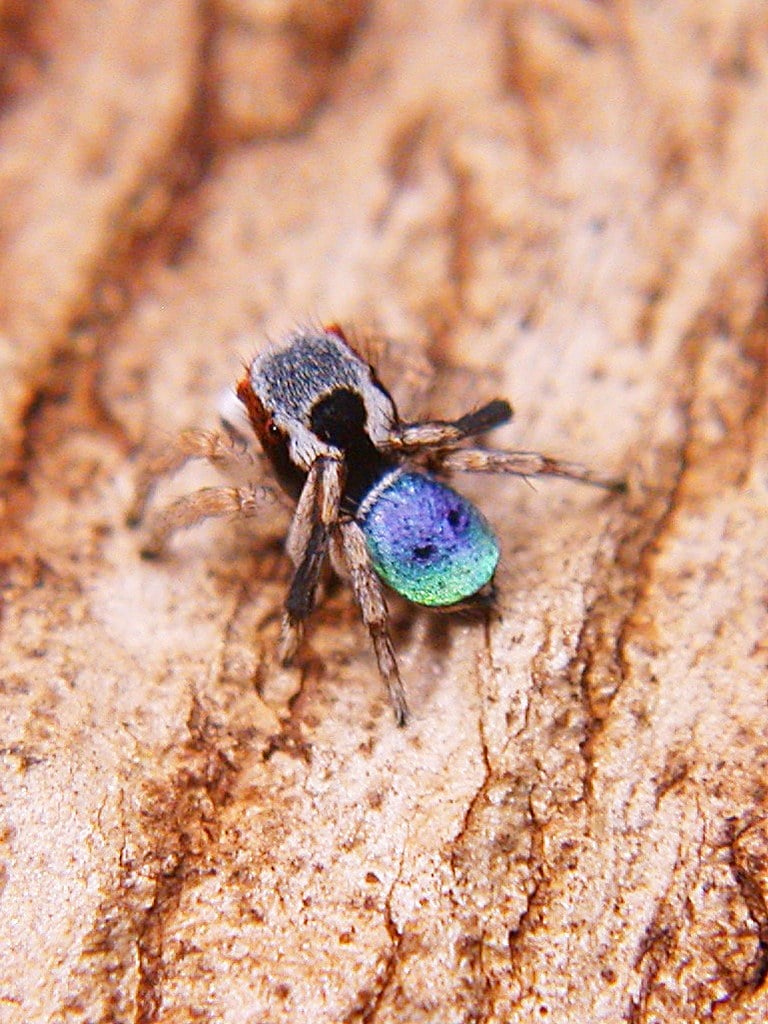
Male peacock spiders are tiny, but they put on huge shows for females. They raise their colorful abdomen flaps and wave their legs in coordinated movements that look like a person doing jumping jacks.
Each species has its own unique dance routine with different moves and color displays. Females watch these performances carefully and judge the males based on how well they execute their species-specific choreography.
A sloppy dancer doesn’t get to mate.
Crows leave gifts and hold grudges
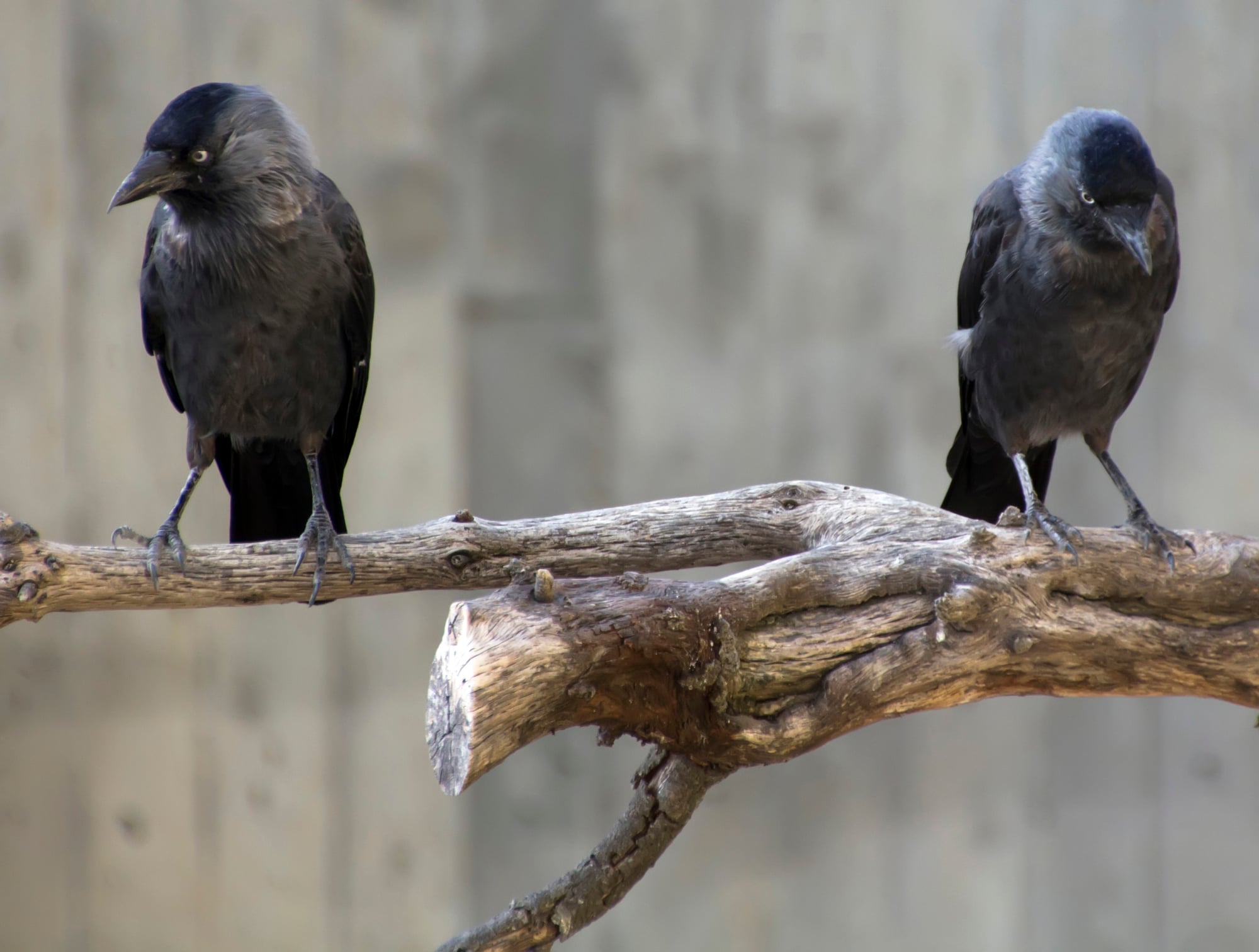
Crows recognize individual human faces and communicate information about specific people to other crows. If someone bothers a crow, that crow will scold the person and other crows will learn to recognize and avoid that person too.
On the flip side, crows sometimes leave small objects like buttons or shiny stones for people who feed them regularly. Researchers believe crows use a combination of calls and physical displays to tell other crows whether a particular human is friend or foe.
This information spreads through crow communities.
Dolphins use signature whistles as names

Each dolphin develops its own unique whistle early in life, and other dolphins use that whistle when they want to get that specific dolphin’s attention. It’s basically the same as humans using names.
Mother dolphins whistle their baby’s signature whistle frequently during the first few weeks of life, possibly to help the baby learn its name. Dolphins will answer when they hear their signature whistle and ignore whistles that belong to other dolphins.
This shows they understand these sounds represent individuals.
Gorillas use chest beats to advertise their size

When male gorillas beat their chests, they’re not just trying to look tough. The sound produced actually contains information about how big the gorilla is.
Larger gorillas have bigger air sacs in their throats that create deeper sounds when they beat their chests. Other gorillas can hear these differences and accurately judge the size of a rival without ever seeing him.
This acoustic size announcement helps gorillas avoid unnecessary fights because smaller males know not to challenge much larger opponents.
Burrowing owls imitate rattlesnake sounds
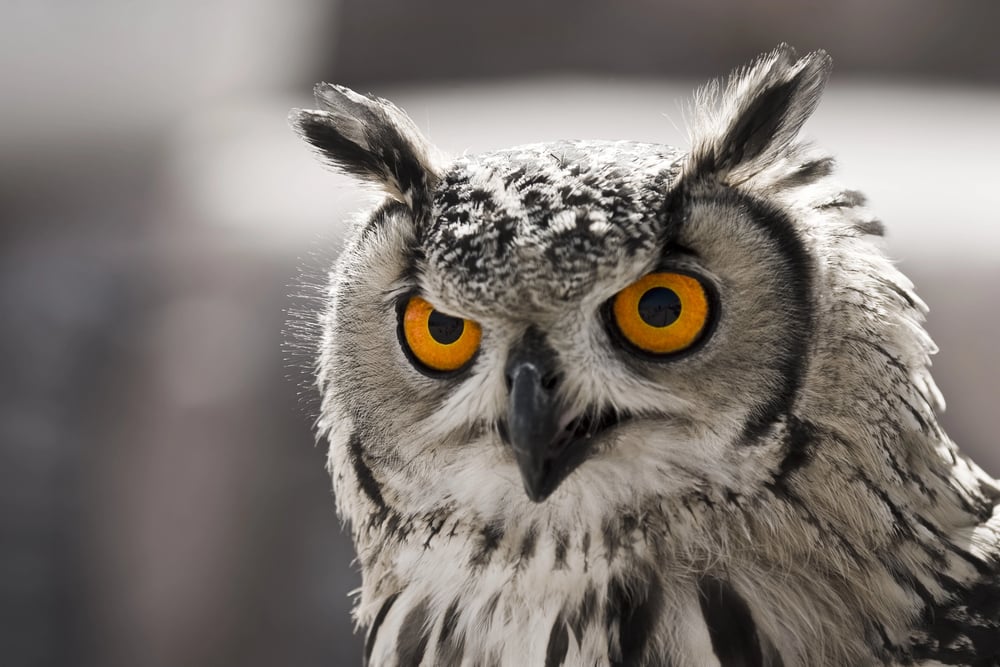
When threatened inside their burrows, burrowing owls make a hissing sound that mimics a rattlesnake’s warning. This clever bit of communication scares off predators like badgers and foxes who would rather not risk getting bitten by a venomous snake.
Young owls start making this sound before they even learn to fly. The deception works because predators respond to the familiar danger signal without checking whether it’s actually coming from a snake.
Tree ants signal others using scent paths
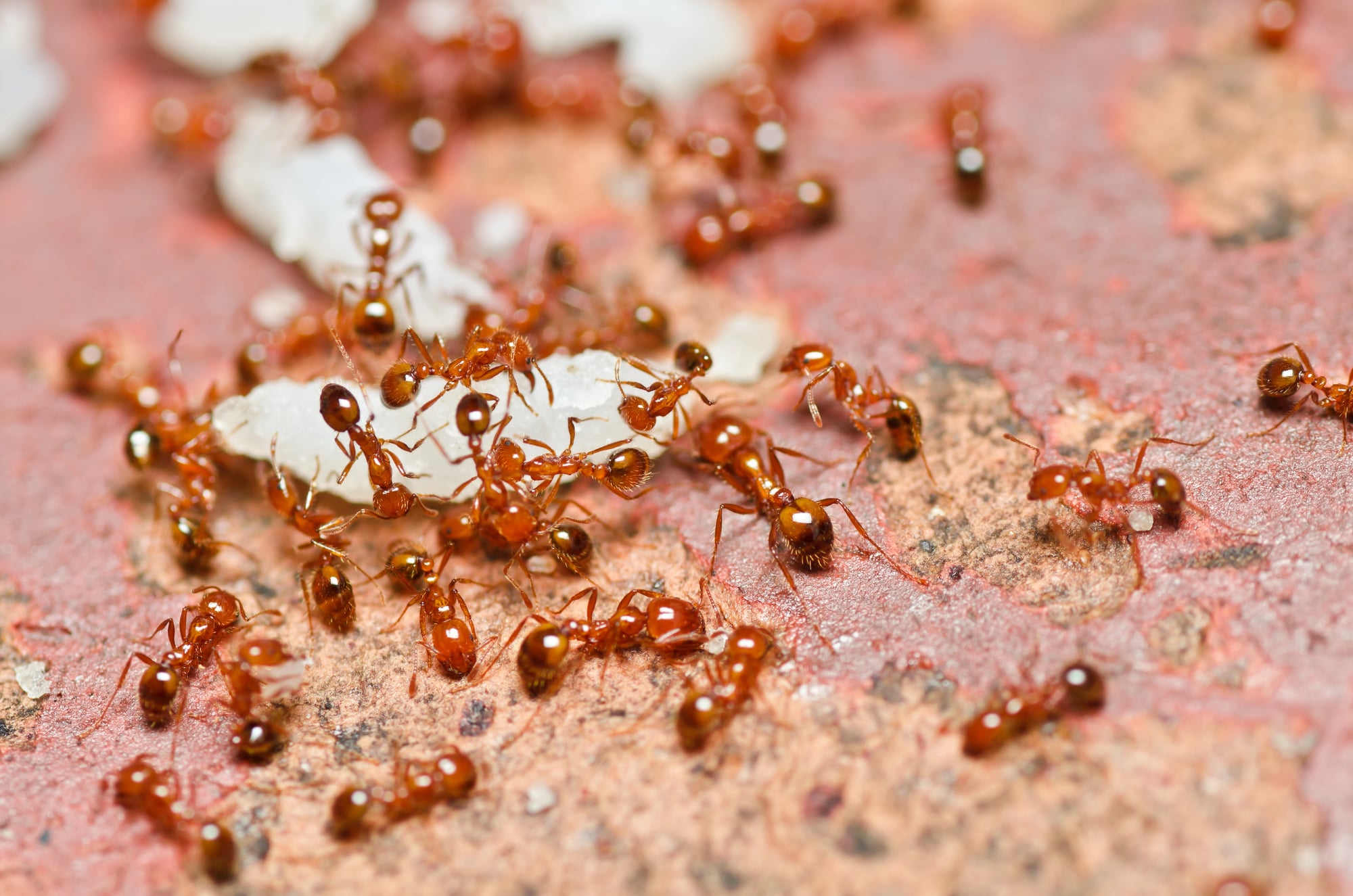
One ant spots something tasty but can’t haul it solo – it turns around, scraping its belly on the way home. That action drops a smelly trace others pick up with their antennae.
If the find’s worth extra effort, the first ant lays down stronger scent clues. Others catch wind and start lining up, moving together toward the goods.
Each odor means something specific – like “snack this way,” “watch out,” or “new spot’s ahead” – all shared without sounds or signs.
Humpback whales sing songs that change over time

Male humpback whales in one area hum the same tune, yet that tune shifts slowly during mating time. They all adjust it at once – tossing out bits, tossing in fresh lines, like they’re on the same page.
Nobody’s totally sure how they sync up, but clearly they’re swapping knowledge and evolving calls as a team. Tunes made by one group can show up far off, even continents away, meaning these animals might pass down culture across distances.
Fireflies synchronize their flashes

In some bugs, guys swarm up into branches, blinking at once like nature’s disco orb. Yet this teamwork lets girls spot their kind fast – each group pulses differently.
Still, fellas tweak their rhythm depending on nearby rivals’ blinks, meaning they’re watching closely. Meanwhile, across spots in Southeast Asia, endless fireflies sync up mid-tree, lighting a signal you can see miles off.
Ravens plan and communicate about future events
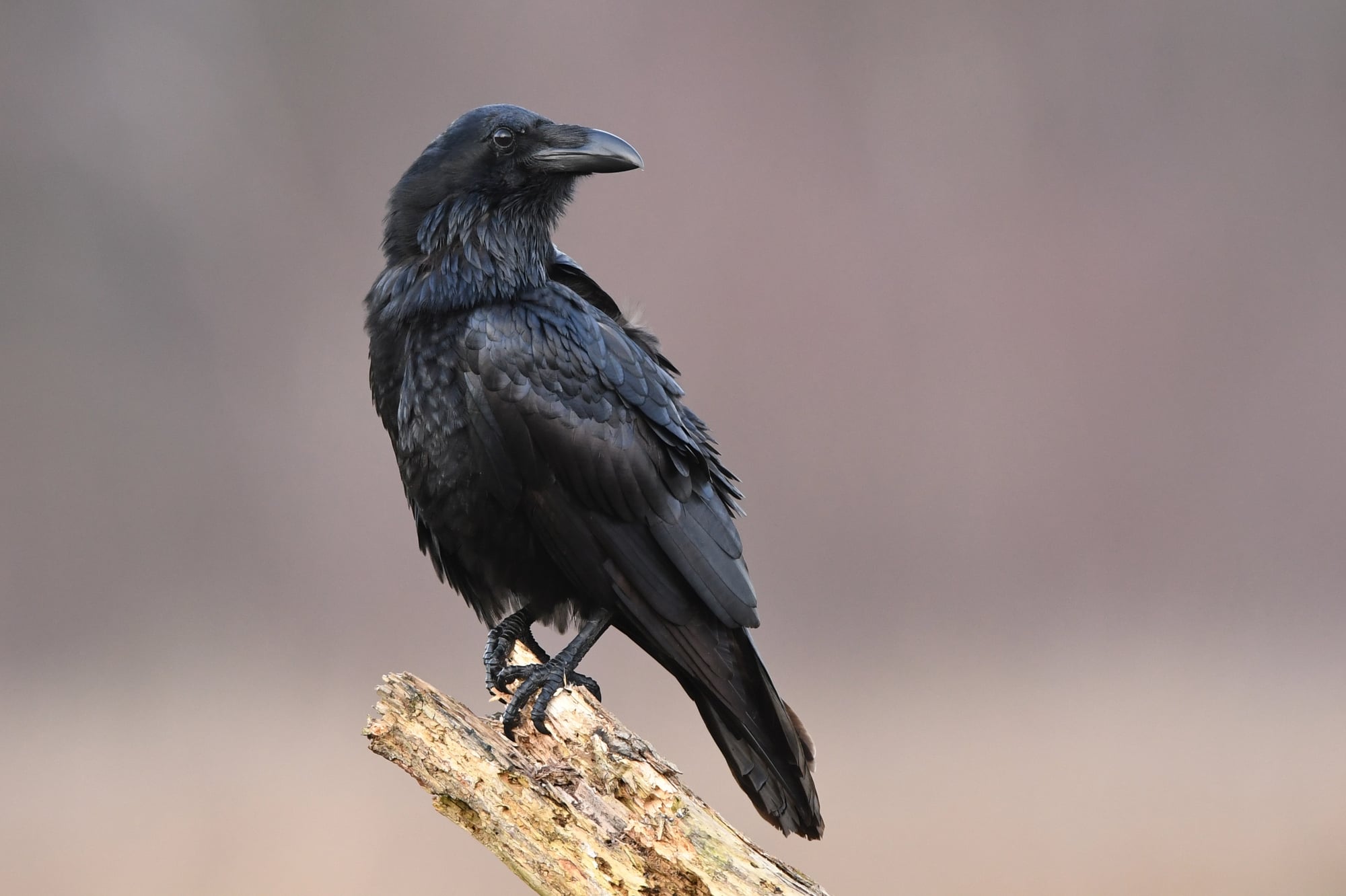
Ravens sometimes wave sticks or rocks around to grab a buddy’s focus – kinda like when people point at something cool. Instead of just chirping, they use items to kick off games or flirt routines.
These birds don’t forget where snacks are stashed; they’ll come back hours later to dig them up, which hints they picture what happens next. On top of that, they seem to clue others in on hidden meals using sounds and actions, but researchers haven’t cracked the full code behind it yet.
Gibbons sing together with their mates
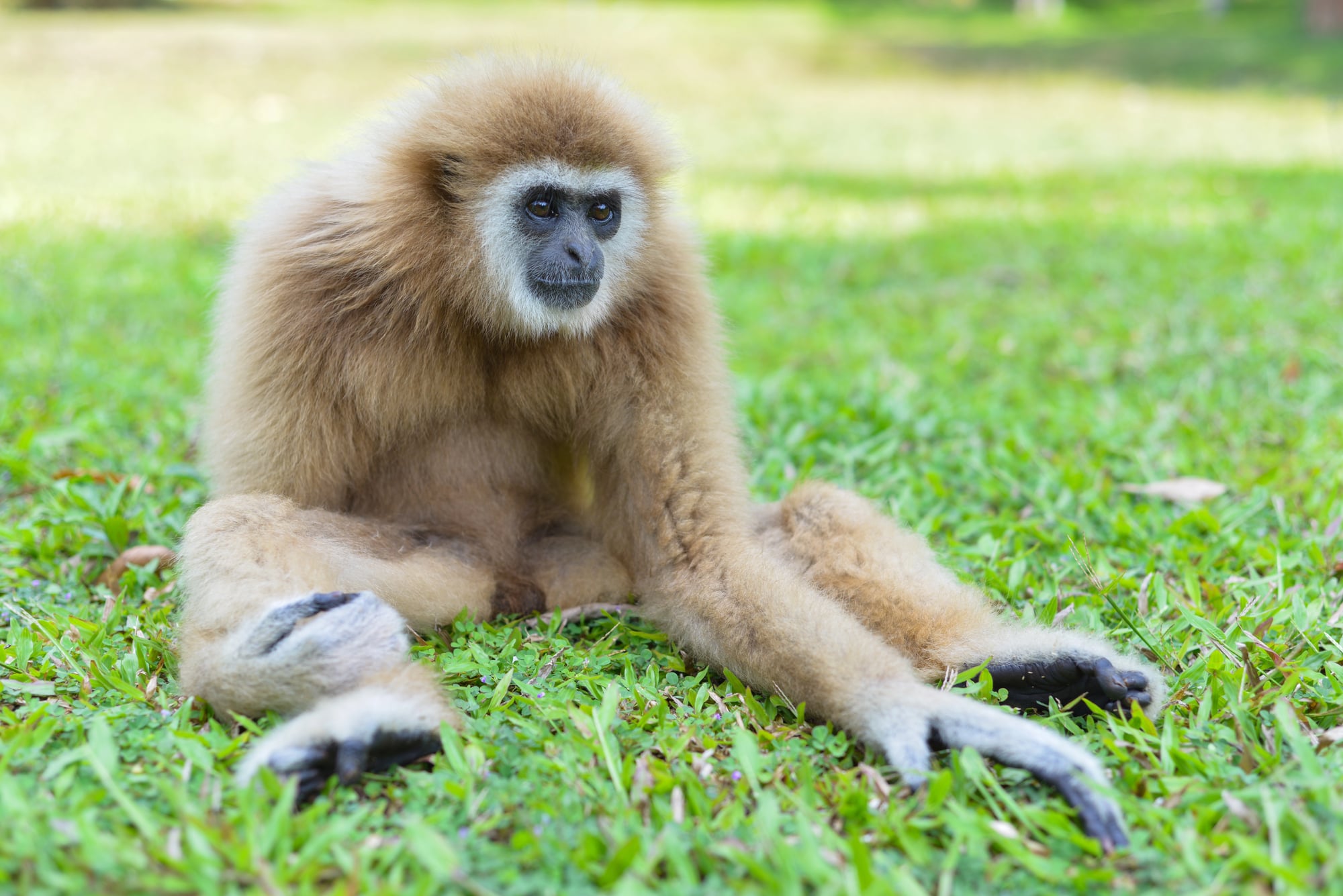
Mated gibbons belt out complex songs side by side – sometimes going for 30 minutes straight. One sings this part, the other jumps in right after, timing tight enough to seem like just one singer.
Their combined voices shout out: this area’s taken by a committed couple, keep moving. Singing together keeps them tuned into each other, building closeness through focus and teamwork.
The language beyond words

Critters were chatting in smart ways way before folks ever appeared. Their signals show smarts and bonds don’t need speech or letters to work.
Stuff that feels weird to us makes total sense out there, where passing the correct signal fast can mean staying alive. Next time you spot a creature doing something odd, it could actually be deep in talk we simply can’t pick up on.
More from Go2Tutors!

- The Romanov Crown Jewels and Their Tragic Fate
- 13 Historical Mysteries That Science Still Can’t Solve
- Famous Hoaxes That Fooled the World for Years
- 15 Child Stars with Tragic Adult Lives
- 16 Famous Jewelry Pieces in History
Like Go2Tutors’s content? Follow us on MSN.