17 Oldest Surviving Artifacts You Can Actually Visit
Standing in front of something made by human hands tens of thousands of years ago changes you. These aren’t replicas behind velvet ropes or digital reconstructions on museum screens.
These are the real things — stone tools, cave paintings, carved bones, and ancient structures that have somehow survived ice ages, floods, wars, and the simple passage of time. The people who made them are gone, but their work remains, waiting in museums, caves, and archaeological sites around the world for you to witness firsthand.
Venus Of Willendorf

The limestone figurine sits in Vienna’s Natural History Museum, no bigger than your palm but carrying 25,000 years of mystery. Her exaggerated curves and intricate hair pattern (or is it a woven cap?) have puzzled archaeologists since her discovery in Austria in 1908.
And yet there’s something immediately recognizable about her — the way the unknown carver emphasized certain features suggests an intention that transcends time, though what that intention was remains beautifully unclear.
Lascaux Cave Paintings
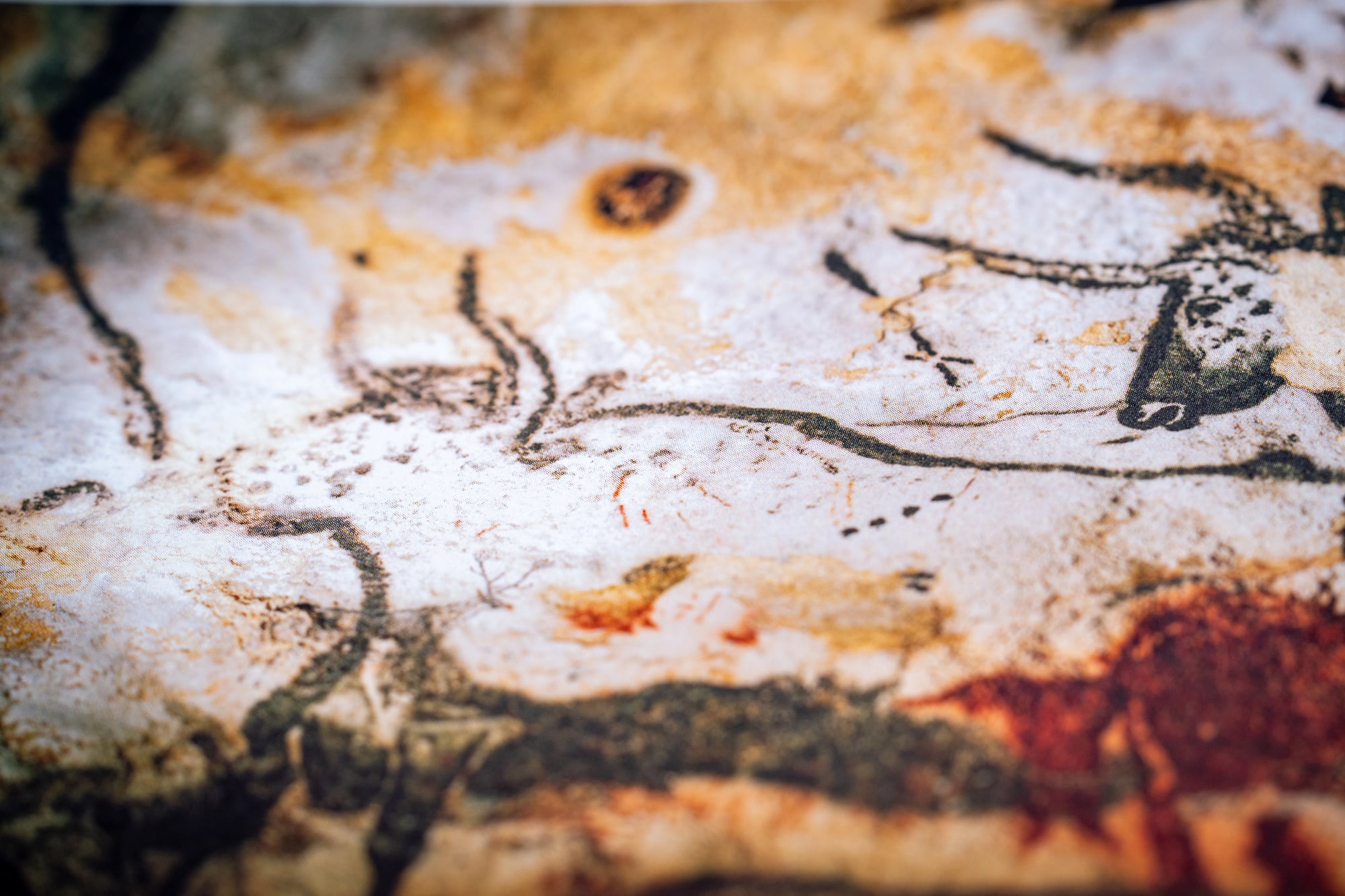
You cannot visit the original Lascaux caves in France (they’ve been closed since 1963 to protect the 17,000-year-old paintings from human breath and body heat), but the replica cave experience at Lascaux IV is so meticulously crafted that standing before those painted horses and bulls still delivers that electric moment of recognition.
So the artists who painted by flickering torchlight in those deep chambers knew exactly what they were doing — the way they used the cave walls’ natural contours to give their animals dimension proves that artistic sophistication didn’t begin with the Renaissance.
Ötzi The Iceman
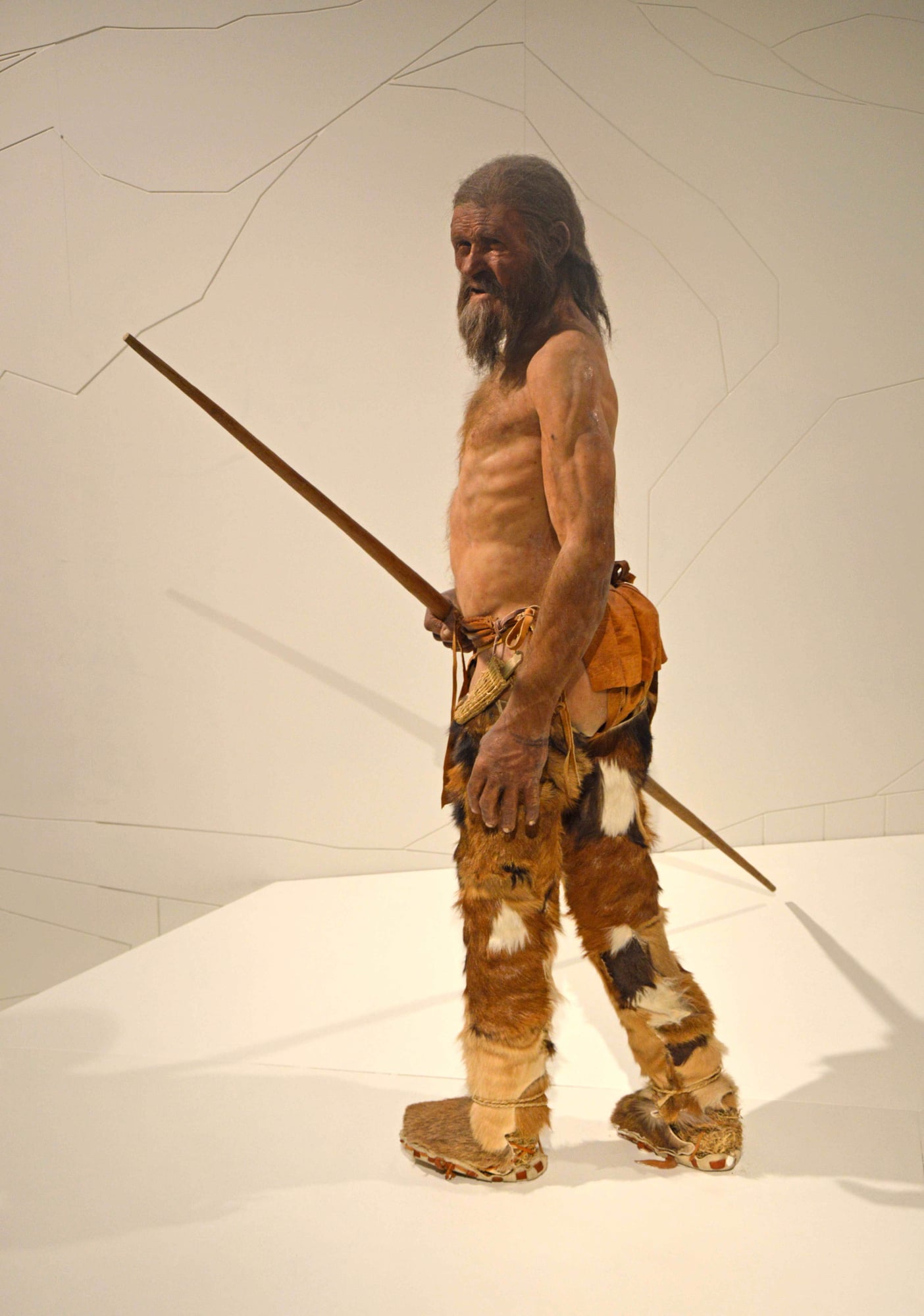
The Copper Age mummy rests in a specially designed chamber at the South Tyrol Museum of Archaeology in Italy, where visitors peer through a small window at the 5,300-year-old man who emerged from a melting glacier in 1991.
His belongings — leather shoes, copper axe, birchbark containers — sit nearby in display cases. But seeing Ötzi himself, still wearing the expression he died with, still bearing the tattoos he got for reasons we can only guess at, transforms abstract prehistory into something uncomfortably immediate.
Blombos Cave Beads
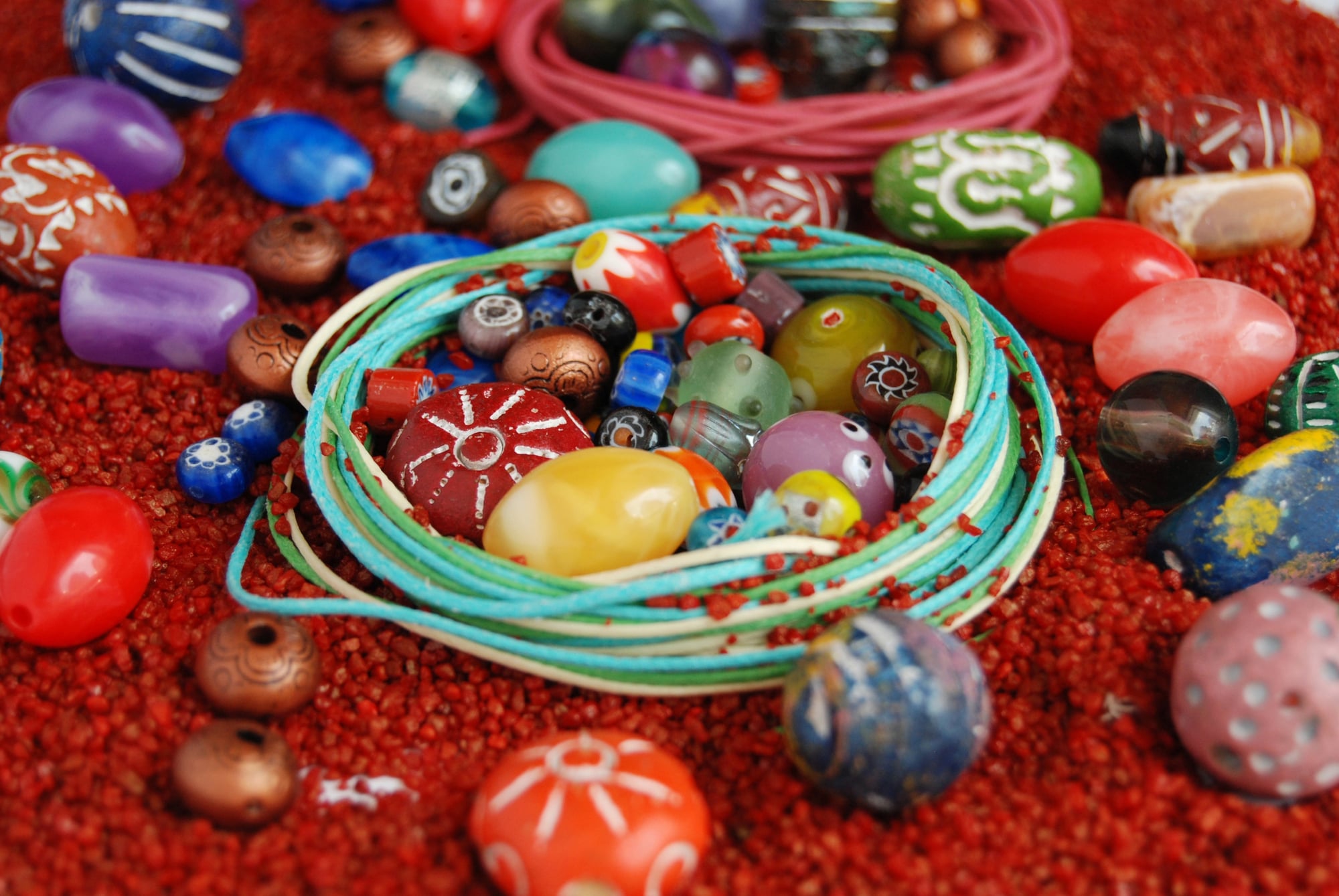
These perforated shells from South Africa, approximately 75,000 years old, represent early examples of jewelry, and they’re housed at the Iziko South African Museum in Cape Town.
The beads are older than any known cave painting or carved figurine. Someone threaded these shells into a necklace or bracelet when our species was still relatively new to the planet.
Which raises the obvious question: what was so important about looking good that early humans spent time making decorative objects when survival presumably required all their attention?
Shanidar Cave Flowers
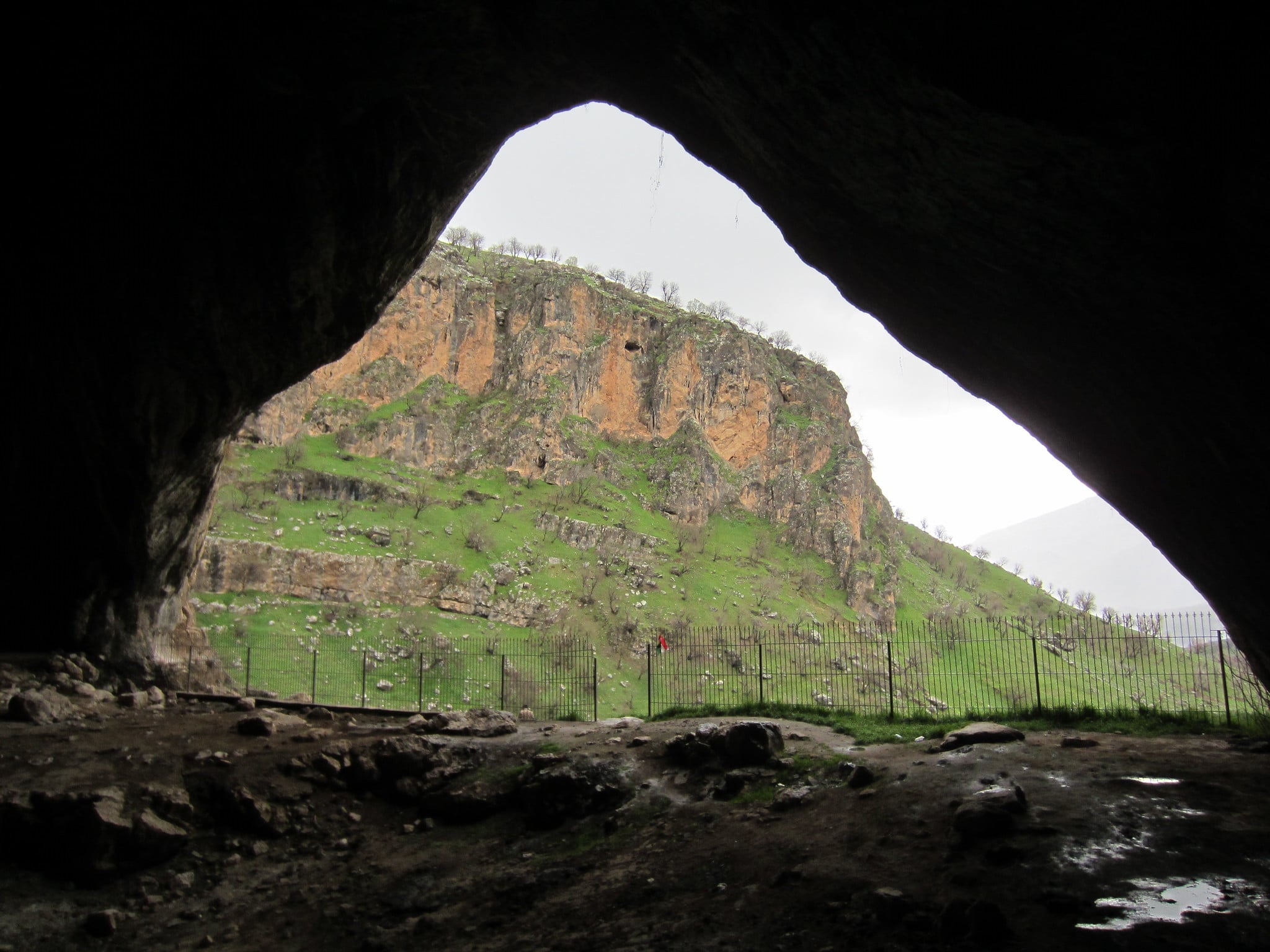
Like pressed flowers in an old book, except the book is 60,000 years old and the flowers were placed on a Neanderthal grave.
The evidence lives at the Iraq National Museum (though access depends on current political conditions), but what matters isn’t the physical pollen samples — it’s what they represent.
Neanderthals buried their dead with flowers. They understood ceremony, mourning, perhaps even hope for what comes after death.
The gap between them and us suddenly doesn’t seem so wide.
Lion Man Figurine
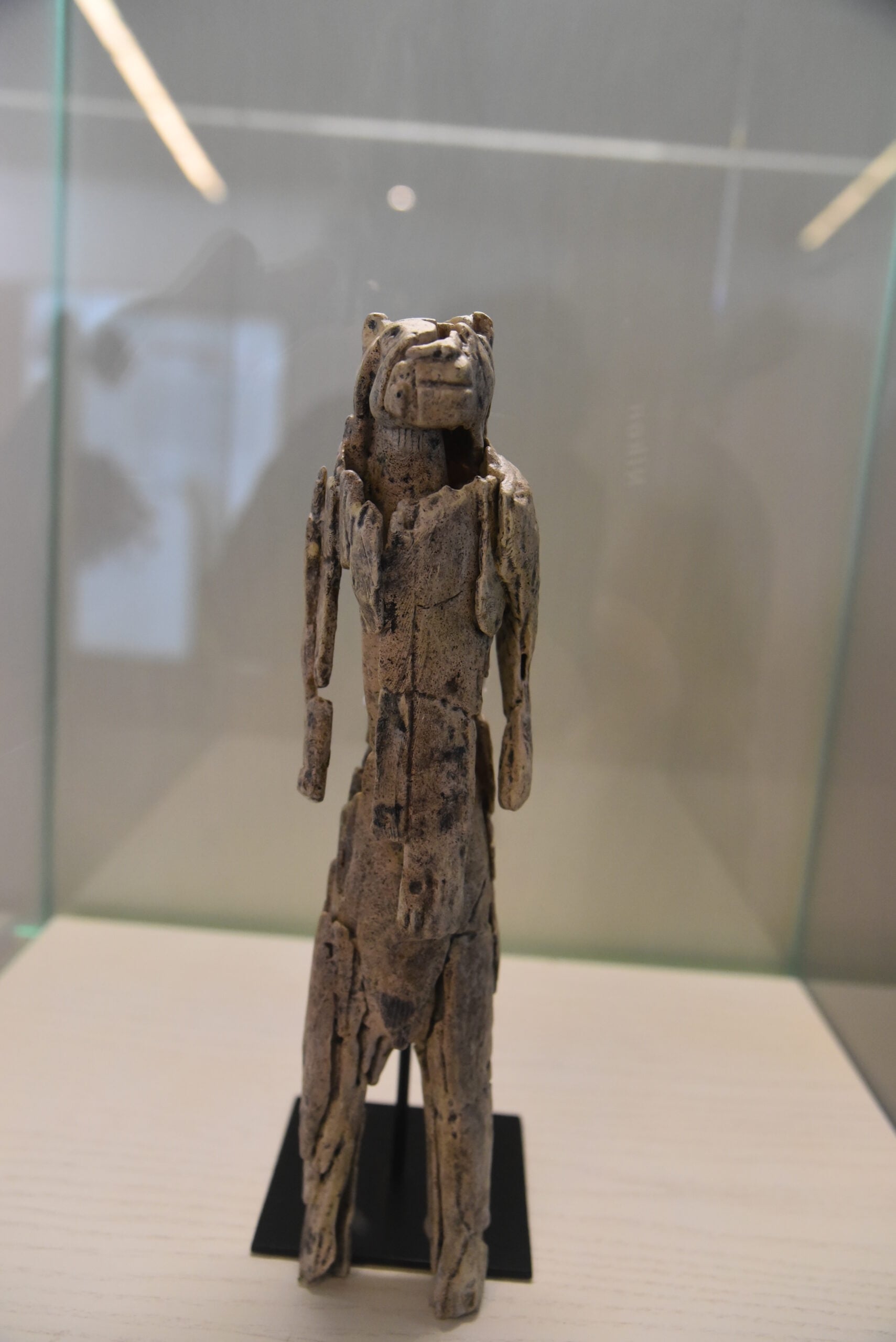
Carved from mammoth ivory 40,000 years ago, this half-human, half-lion figure stands in Germany’s Ulm Museum as perhaps the world’s oldest known work of art that depicts something that never existed.
The unknown artist spent months carving this creature of pure imagination — time that could have been used hunting, gathering, or making practical tools.
But they chose to create something impossible instead. Fair enough.
Art has been humanity’s beautiful rebellion against practicality ever since.
Dolni Vestonice Ceramics
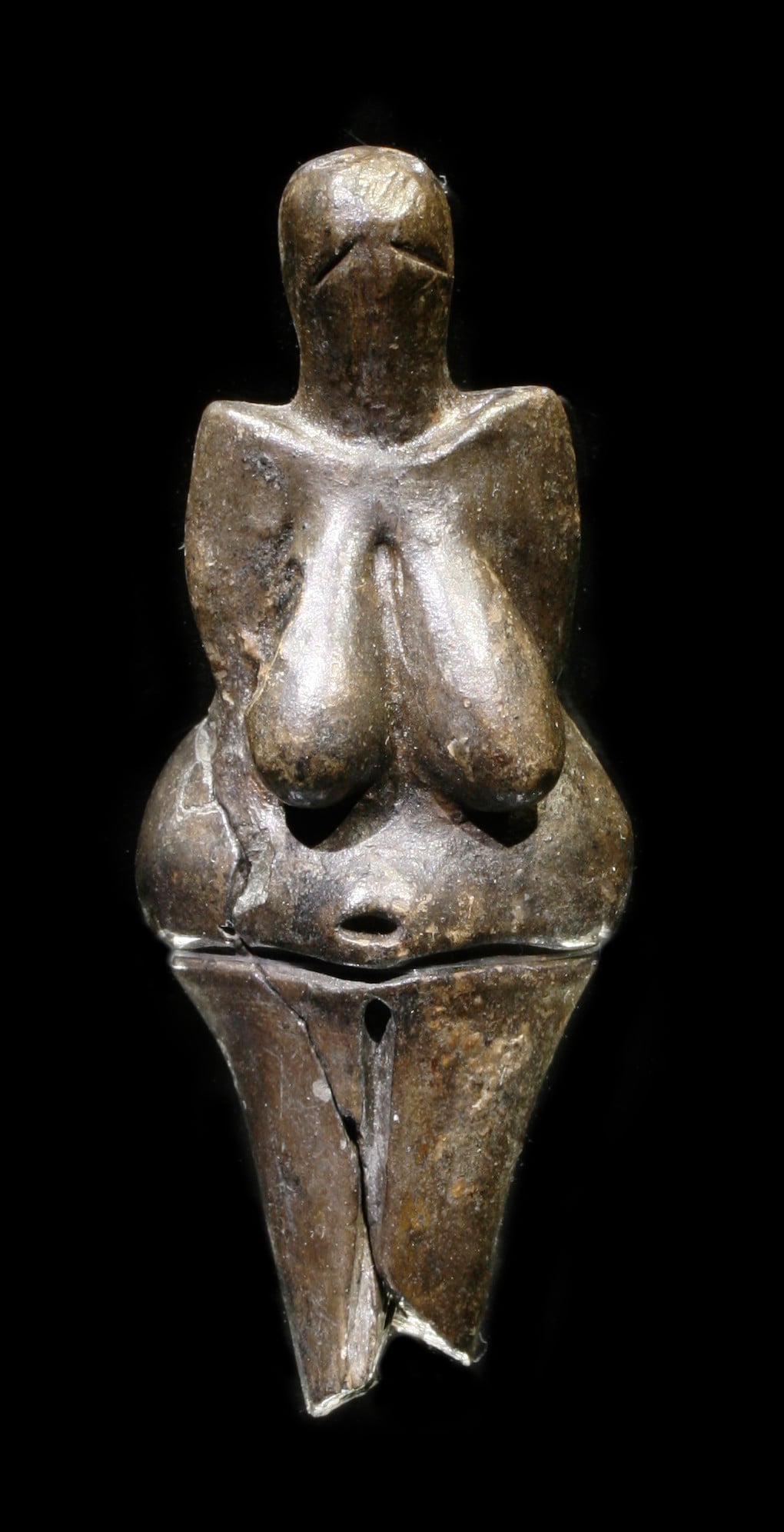
The world’s oldest known ceramic objects sit in the Moravian Museum in Czech Republic — not pottery for carrying water or storing grain, but small figurines fired in kilns 29,000 years ago.
Many were deliberately broken while still hot, which suggests ritual use rather than practical application.
And yet the fact remains: someone figured out how to shape clay and fire it permanent thousands of years before agriculture made ceramic containers necessary.
Innovation often arrives before need.
Diepkloof Ostrich Eggshells
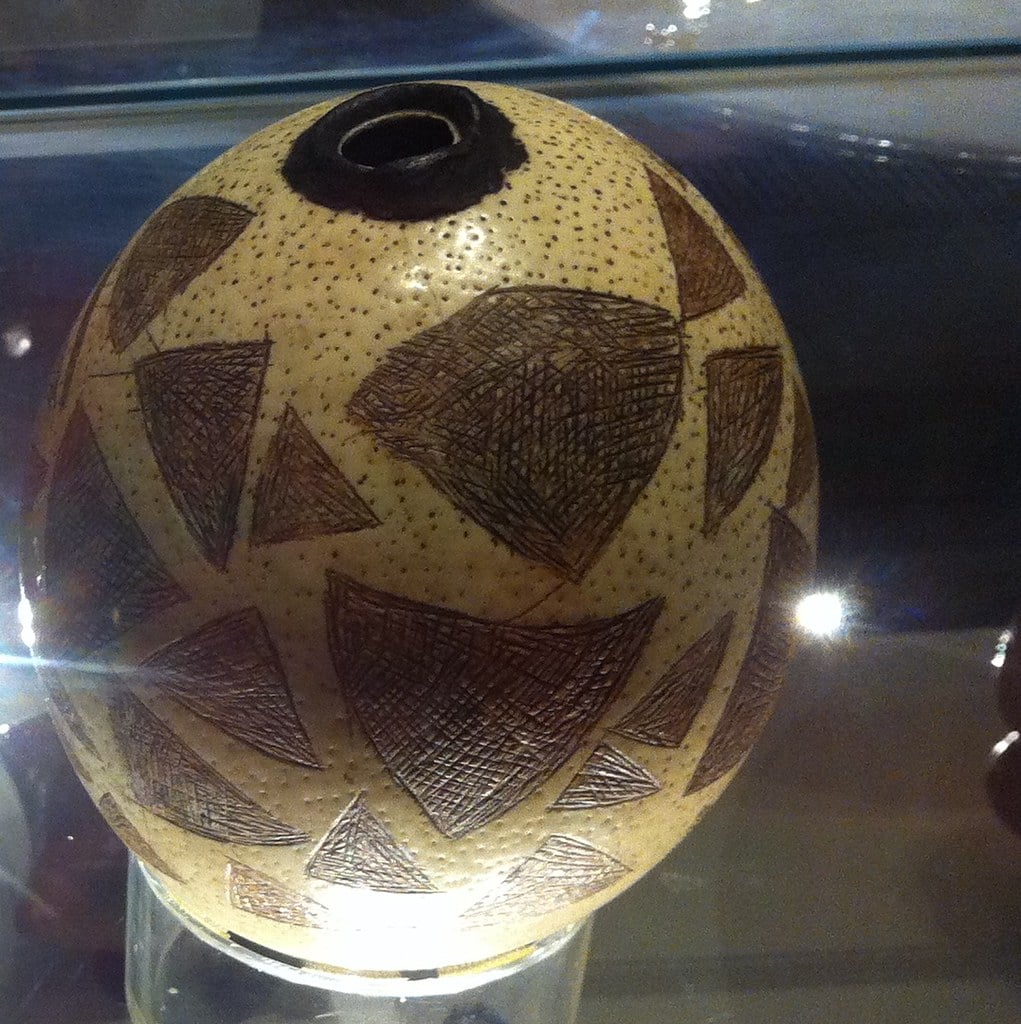
These 60,000-year-old decorated eggshells from South Africa, housed at the University of Cape Towners collections, bear geometric patterns that repeat with mathematical precision.
The engravings aren’t random scratches or accidental marks — they follow rules, show intentional design, demonstrate abstract thinking that modern minds immediately recognize as purposeful decoration.
Someone sat with a sharp tool and covered these shells with patterns that meant something to them (and possibly their community), though we can only speculate what that something was.
Skhul Cave Shells

The shell beads from Israel’s Skhul Cave, dating to 100,000 years ago, rest in various museum collections including Harvard’s Peabody Museum.
Like the Blombos beads, they represent humanity’s early obsession with personal adornment.
But these shells came from the Mediterranean coast while the cave sits inland — someone carried them deliberately, perhaps trading for them.
Personal decoration wasn’t just important enough to create; it was important enough to travel for.
Bilzingsleben Bone Fragments
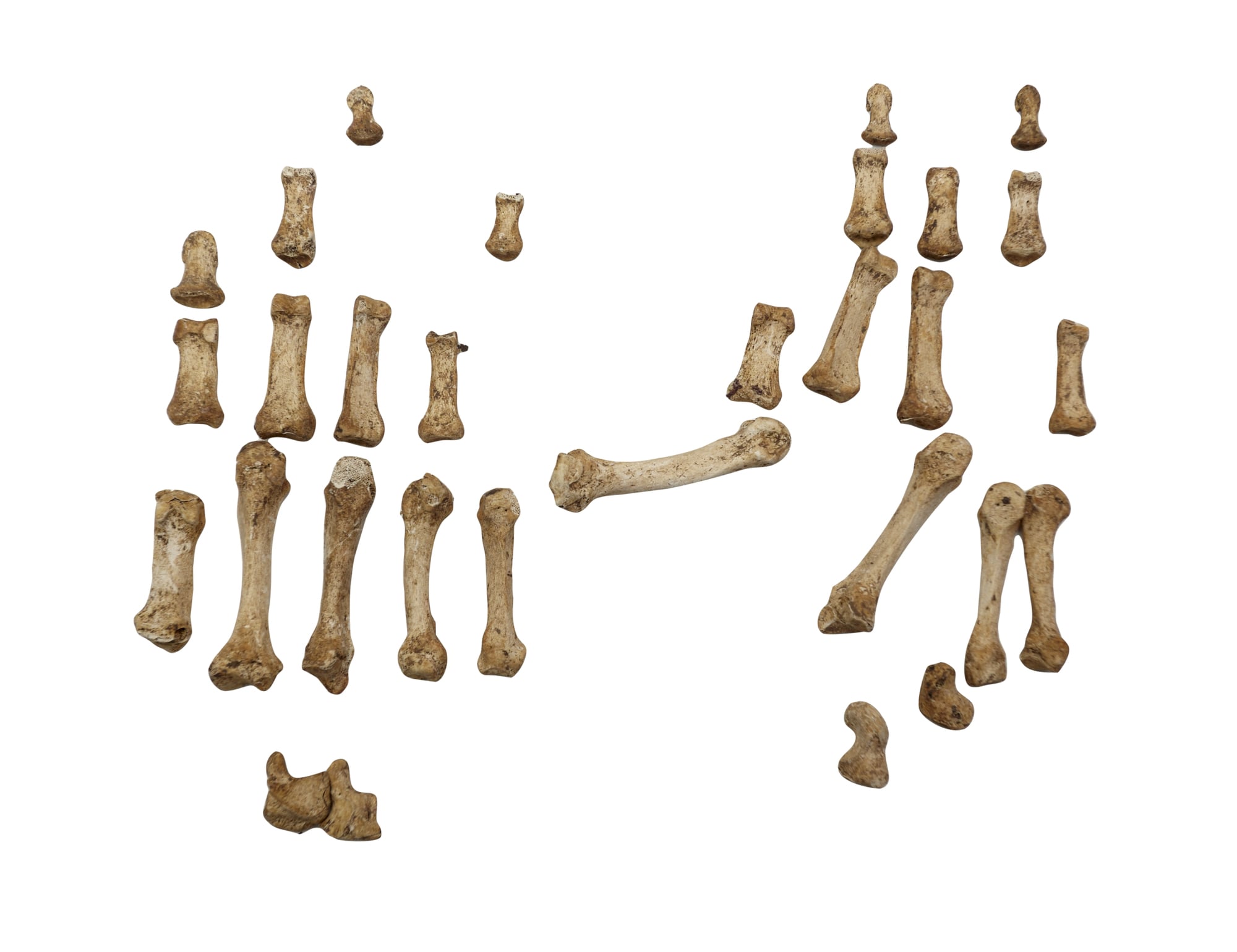
At the Thuringian State Office for Heritage Management and Archaeology in Germany, you’ll find 400,000-year-old bone fragments with parallel lines carved by early hominids.
These aren’t random scratches made during butchering — the lines are too regular, too intentional.
They represent some of the earliest evidence of symbolic behavior in human ancestors.
What the symbols meant, if anything, remains unknown.
That someone felt compelled to make ordered marks on bone suggests minds already grappling with concepts beyond immediate survival.
Qafzeh Cave Beads

The 92,000-year-old shells from Israel’s Qafzeh Cave (now in various research collections) tell the same story as other early beads, but their context makes them particularly significant.
They were found with early modern human remains in a region where our species was just beginning to spread beyond Africa.
These people carried the concept of personal decoration with them as they migrated — as if looking distinctively human was as important as being anatomically human.
The jewelry habit runs deep.
Hohle Fels Venus
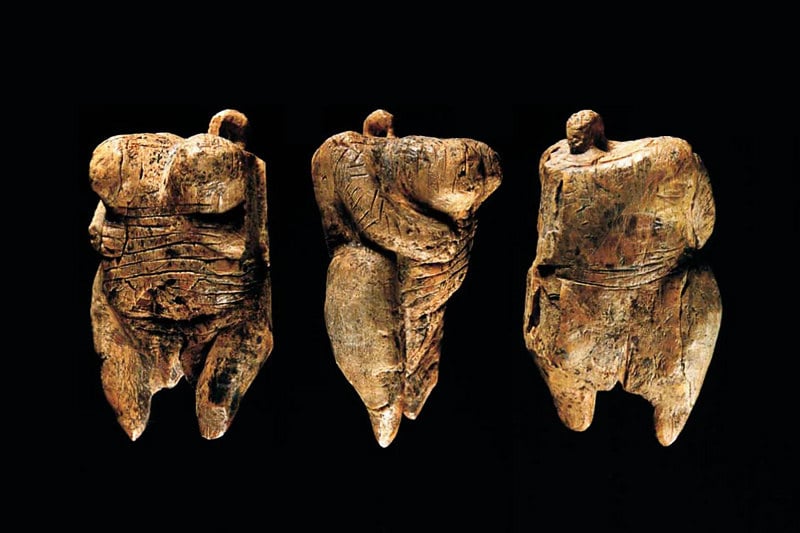
Germany’s Hohle Fels Cave yielded this 35,000-year-old ivory figurine, now displayed at the University of Tübingen.
Like other Venus figurines, her proportions emphasize fertility and femininity, but she’s carved with exceptional skill and attention to detail.
The loop at the top suggests she was worn as a pendant.
So someone spent considerable time carving this tiny woman, then carried her around.
Whether as goddess, good luck charm, or prehistoric selfie, she mattered enough to keep close.
Border Cave Beads

These 42,000-year-old beads from South Africa, housed at the University of the Witwatersrand, come from a site that’s yielded some of the earliest evidence of modern human behavior.
The beads were made from ostrich eggshells and show signs of wear from being strung and handled.
They’re part of a larger story emerging from southern Africa — that symbolic behavior, artistic expression, and complex social structures developed there earlier than anywhere else.
The humans who first looked like us apparently first acted like us there too.
Pinnacle Point Ochre
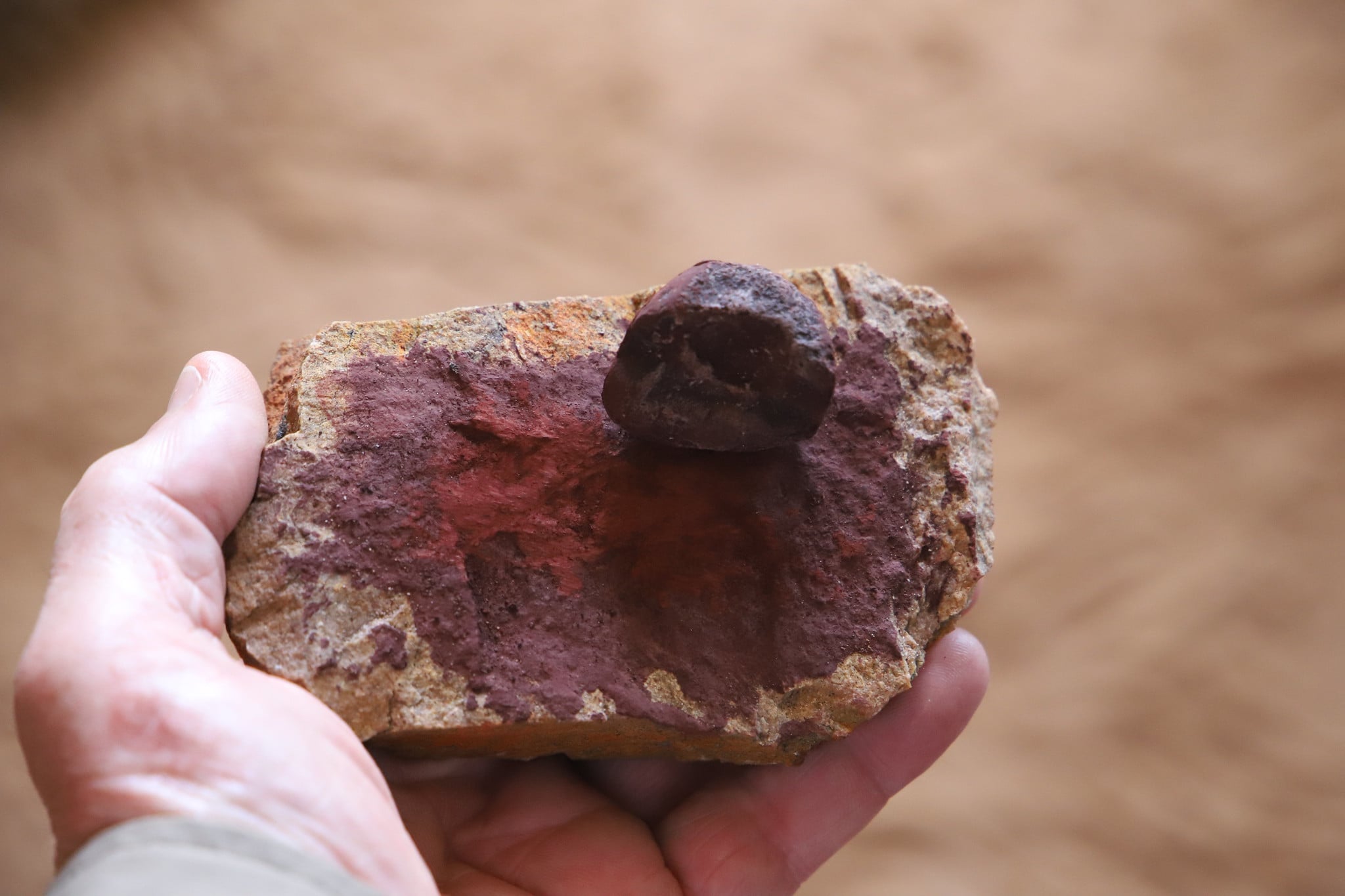
The 164,000-year-old pieces of ochre from South Africa’s Pinnacle Point site (housed at Arizona State University’s research facilities) show clear evidence of having been ground into powder and mixed with other materials.
Ochre was likely used for body painting, hide processing, or both — practical applications, certainly, but ones that suggest early humans cared about appearance and ceremony.
The red powder connects them to indigenous traditions worldwide that still use ochre for ritual purposes.
Some human behaviors run remarkably deep.
Klasies River Shells

At 120,000 years old, the shells from South Africa’s Klasies River site (in various museum collections) are among the earliest evidence of marine resource exploitation.
But what makes them artifacts rather than just ancient trash is their modification — some are perforated, others show deliberate shaping.
Early humans weren’t just eating shellfish; they were turning the shells into tools or ornaments.
The beach became both restaurant and craft store.
Wonderwerk Cave Ashes

The million-year-old evidence of controlled fire use at South Africa’s Wonderwerk Cave represents humanity’s oldest relationship with technology.
You can visit the cave itself, though the actual ash deposits are protected.
Standing in that cave, knowing early humans gathered around fires there longer ago than seems possible, delivers a profound sense of continuity.
Every campfire, fireplace, and candle flame connects back to whatever moment someone first decided to keep the fire going instead of fleeing from it.
Tan-Tan Figurine
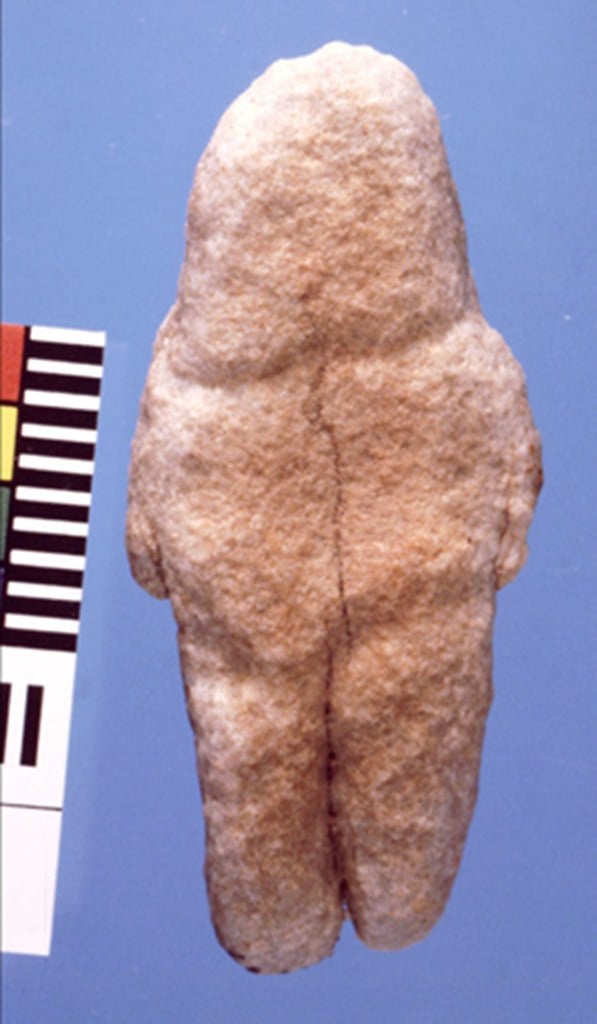
This 400,000-year-old piece of quartzite from Morocco, now in archaeological collections, may or may not be humanity’s oldest sculpture — the debate continues.
Its vaguely human shape could be natural, enhanced by early hominids, or entirely carved by them.
But that uncertainty makes it more interesting, not less.
It sits right at the blurry line between seeing human shapes in natural objects and creating human shapes from raw materials.
Either way, someone noticed it looked like us.
Time Made Tangible

These artifacts wait in climate-controlled cases and carefully monitored sites, but they’re not museum curiosities or academic footnotes.
They’re proof that humans have always been driven to create, decorate, and leave marks that outlast individual lifetimes.
The hands that shaped these objects belonged to people who faced the same fundamental questions we do — how to live meaningfully in a world that doesn’t explain itself.
Their answers, carved in stone and preserved in clay, suggest they found the same solutions we’re still discovering: make something beautiful, care for each other, and hope it matters.
More from Go2Tutors!

- The Romanov Crown Jewels and Their Tragic Fate
- 13 Historical Mysteries That Science Still Can’t Solve
- Famous Hoaxes That Fooled the World for Years
- 15 Child Stars with Tragic Adult Lives
- 16 Famous Jewelry Pieces in History
Like Go2Tutors’s content? Follow us on MSN.