Things That Are Secretly Connected
Ever notice how seemingly random things in life keep bumping into each other in ways that make you pause and think? The world operates on invisible threads that link experiences, objects, and phenomena in ways that aren’t obvious at first glance. These connections exist everywhere, hiding in plain sight, waiting for someone to notice the pattern.
Some are rooted in science, others in human behavior, and a few defy easy explanations altogether. The more you start looking for these hidden links, the more the world begins to feel like an intricate web where everything touches everything else in unexpected ways.
Peanut Butter and Diamonds

Peanut butter can be turned into diamonds. Scientists figured out how to extract the carbon from peanut butter and compress it under extreme pressure until it forms actual diamond crystals.
The process takes about two weeks and costs more than just buying diamonds the normal way, but it works. So the next time someone tells you they’re making diamonds in a lab, they might literally be starting with a jar of Jif.
The carbon structure is the same whether it came from deep underground or from your sandwich spread. Nature doesn’t care about the origin story.
Your Handwriting and Your Health

The way you form letters on paper reveals more about your physical condition than most people realize (and doctors are starting to pay attention to this in ways that would have seemed like fortune telling a generation ago). When neurological conditions begin developing, they often show up in handwriting changes long before other symptoms become obvious – the slight tremor in Parkinson’s creates a particular shakiness, early-stage Alzheimer’s affects the spacing between words, and depression literally weighs down the pressure of pen strokes on paper.
But it goes deeper than that: your handwriting changes throughout the day as your energy levels shift, reflects your emotional state in real time, and even responds to medications you’re taking for completely unrelated conditions. And yet most people never look at their own handwriting as anything more than a way to get words from their head onto paper – missing entirely that their hand is basically giving a continuous medical report about what’s happening inside their body.
The Stock Market and Hemlines

Fashion designers don’t think about economic indicators when they sketch new collections. Hemlines go up during economic booms and down during recessions. The pattern has held for nearly a century, tracked by economists who noticed that skirt lengths and market performance move together with startling consistency.
Women tend to show more skin when times are good and cover up when uncertainty hits. The psychology makes sense even if the connection feels absurd.
Optimism shows itself in bold choices, including what people decide to wear.
Sleep Patterns and Crime Rates

Cities that lose an hour to daylight saving time see a spike in violent crime the following week. The disruption to sleep schedules affects impulse control and decision-making in ways that show up in arrest records.
One lost hour of sleep across an entire population creates measurable chaos. The effect reverses when clocks fall back and people gain an hour.
Crime rates drop temporarily as everyone catches up on rest. Something as arbitrary as changing clocks twice a year has real consequences that ripple through society in ways lawmakers never considered.
Tree Growth and Wine Quality

Vineyard managers study tree ring data from centuries ago to predict which wine vintages will age well (because trees and grapevines respond to the same subtle climate variations that most weather reports miss entirely). A particularly dry summer that stressed oak trees in 1947 created the same conditions that produced legendary Bordeaux wines, and this pattern repeats across decades with enough consistency that some wineries now factor historical tree data into their long-term planning.
The relationship works because both trees and wine grapes are essentially recording devices for environmental conditions – trees write the story in their rings, grapes write it in their sugar content and tannin structure, and both respond to microscopic changes in rainfall timing, soil temperature, and seasonal light patterns. So when dendrochronologists examine tree cores from wine regions, they’re essentially reading a centuries-long weather diary that predicts not just which years produced great wine, but which bottles are likely to improve with age based on the environmental stress patterns that created them.
Divorce Rates and Movie Genres

Romantic comedies spike in popularity during years when divorce rates climb. People watch more love stories when their own relationships are falling apart.
The entertainment industry tracks this correlation without fully understanding why audiences gravitate toward happy endings when real life isn’t cooperating. The pattern suggests that fiction serves as emotional compensation for reality.
When marriages struggle, Hollywood provides the version of love that people want to believe still exists somewhere.
Earthquake Prediction and Animal Behavior

Dogs start acting strange days before major earthquakes hit (though veterinarians are only now beginning to document what pet owners have insisted they’ve noticed for generations). Cats hide in unusual places, horses refuse to enter their stalls, and birds change their migration patterns in ways that seem random until the ground starts shaking several days later.
The animals aren’t psychic – they’re responding to changes in electromagnetic fields, ground vibrations too subtle for human senses, and possibly even shifts in groundwater that precede major geological events. But the connection between pet behavior and seismic activity has been so consistently reported across different cultures and time periods that some countries now include animal observation in their earthquake monitoring systems.
And yet most Western scientists still treat these reports as folklore rather than data, missing what might be one of the most reliable early warning systems available.
Music Tempo and Shopping Behavior

Retail stores that play slow music see customers spend more money per visit. Fast music makes people move through stores quickly and buy less.
The tempo difference doesn’t have to be dramatic – a few beats per minute changes purchasing behavior in measurable ways. Grocery stores figured this out decades ago and now adjust their playlists based on traffic patterns.
Slow jazz during peak hours keeps people browsing longer. Upbeat pop during rush times moves crowds efficiently toward checkout.
Full Moons and Hospital Admissions

Emergency rooms genuinely get busier during full moons, though not for the reasons people think. The increase isn’t due to supernatural forces or human behavior changes.
Brighter nights simply mean more people stay out later, drive more, and engage in activities that increase accident rates. The correlation is real but the explanation is mundane.
More light equals more activity equals more opportunities for things to go wrong. Hospital staff aren’t dealing with werewolves – just statistics.
Breakfast Cereal and Serial Killers
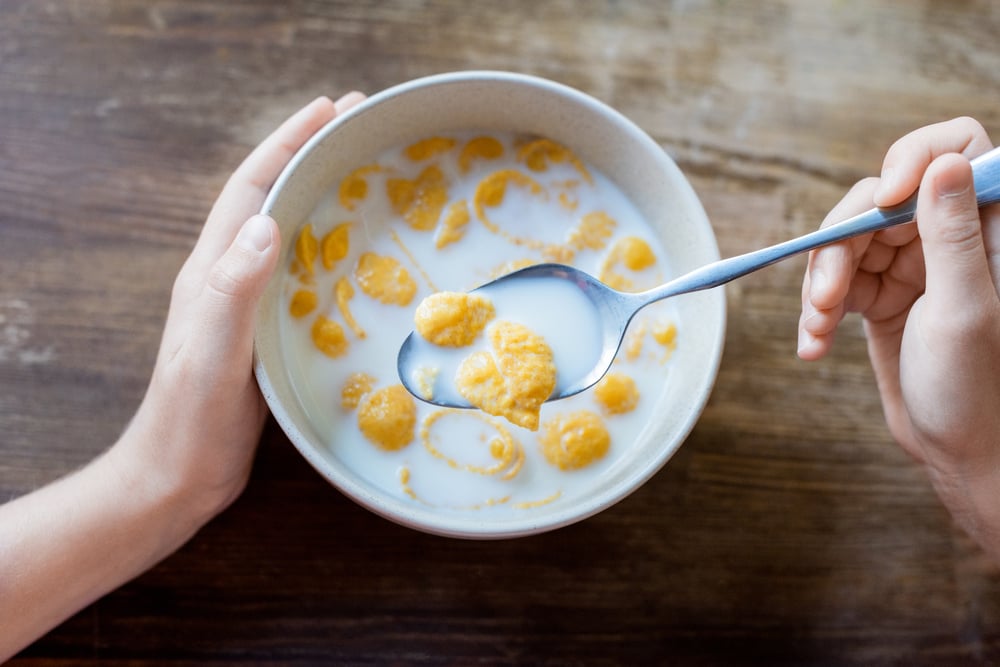
The rise of processed breakfast cereals in the early 1900s parallels the documented emergence of serial killing as a recognized crime pattern (though this connection is more about social documentation than dietary causation, because both phenomena reflect the same underlying shift toward urbanization and systematic record-keeping that defined the modern era). When John Harvey Kellogg started mass-producing cornflakes, America was also developing the bureaucratic infrastructure needed to track crimes across state lines and recognize patterns in criminal behavior that had previously been dismissed as isolated incidents.
So the apparent correlation between breakfast cereal consumption and serial killer identification is actually a case study in how industrialization changed both what people ate and how society organized information – creating the systems that could both deliver Cheerios to every grocery store and connect seemingly random murders across different jurisdictions into coherent case files. The real connection isn’t nutritional but procedural: both breakfast cereal and criminal profiling required the same kind of standardized, systematic thinking that characterized early 20th-century American society.
Color Psychology and Sales Performance

Red price tags increase perceived value while yellow tags suggest discounts. Retailers manipulate buying decisions through color choices that operate below conscious awareness.
The psychology is consistent enough that major chains design their entire visual identity around these associations. Blue packaging makes products seem more trustworthy.
Green implies health benefits. Purple suggests luxury.
Marketing departments spend millions testing color combinations that influence split-second purchasing decisions people don’t realize they’re making.
Social Media Activity and Stock Prices
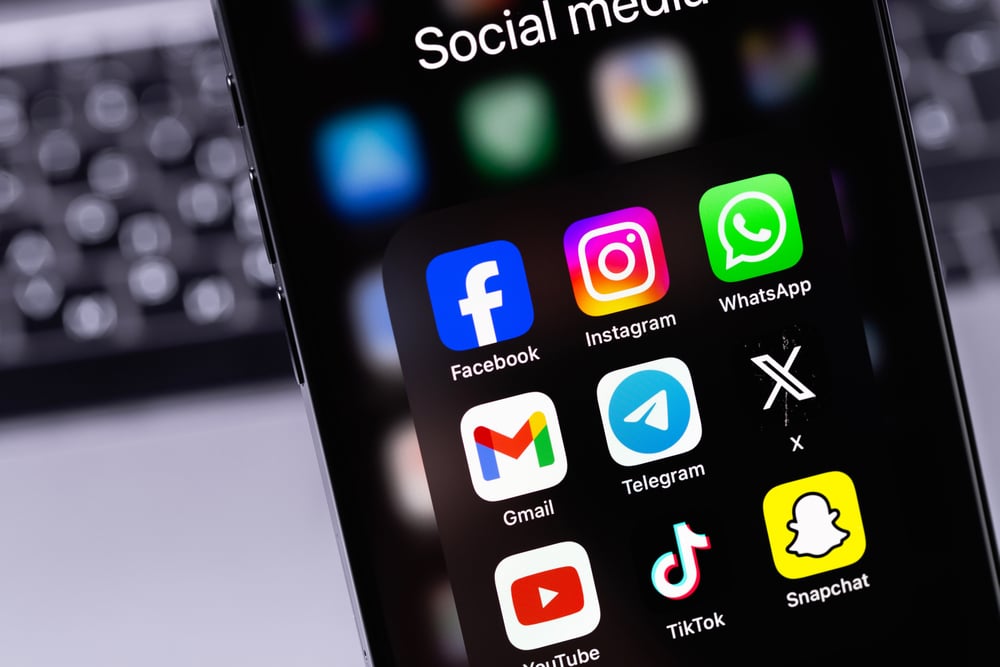
Company stock prices move based on Twitter sentiment hours before official news breaks. Algorithms scan social media posts for emotional indicators that predict market movements with startling accuracy.
A few hundred negative tweets about a brand can trigger automated selling before most investors know anything happened. The connection works in reverse too – unusual stock activity sometimes shows up in social media patterns as insiders hint at information they’re not supposed to share.
The market and social media are essentially the same nervous system now.
Weather Patterns and Google Searches
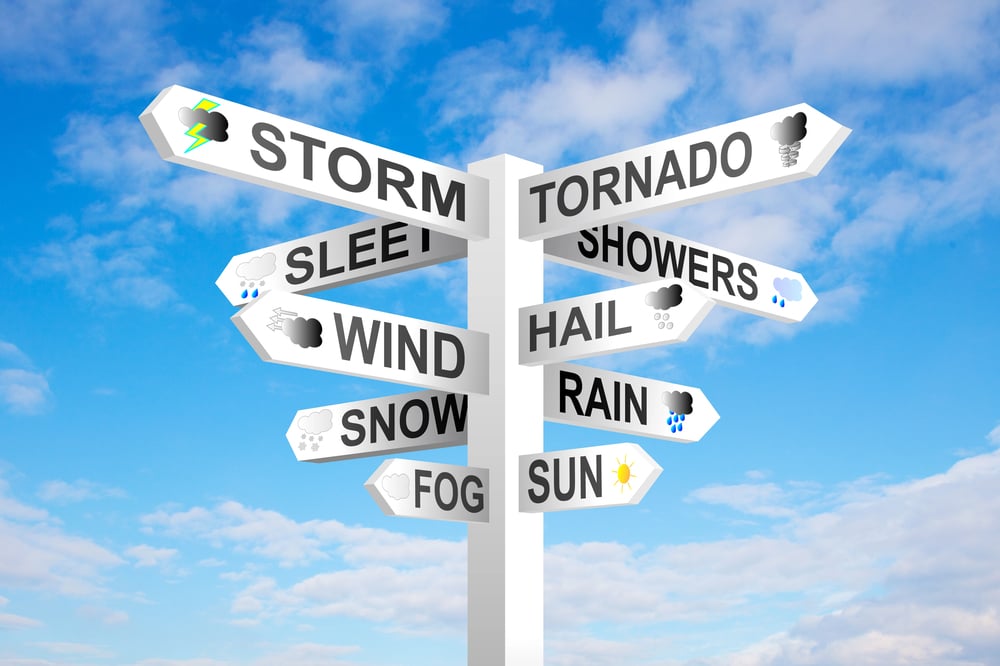
Search volume for specific terms reliably predicts weather changes days in advance (because people start researching rain gear, heating repair, and seasonal allergies based on subtle atmospheric cues they don’t consciously recognize). The correlation is strong enough that meteorologists now factor Google Trends data into their forecasting models, treating search behavior as an early warning system for weather shifts that traditional instruments miss.
When people suddenly start googling “joint pain” or “static electricity,” it often indicates a barometric pressure change that won’t show up on weather maps for another 48 hours. The collective unconscious acts like a massive sensor network, with millions of people responding to environmental changes through their search behavior without realizing they’re participating in an informal weather prediction system.
So Google isn’t just organizing information – it’s accidentally documenting the human body’s ability to sense atmospheric changes that we’ve forgotten we could detect.
The Patterns Behind the Patterns
These connections exist everywhere once you start noticing them. The world operates on systems within systems, where seemingly unrelated events influence each other in ways that feel almost magical until you understand the mechanisms.
Some connections are psychological, others are physical, and a few remain mysteriously unexplained despite decades of research. The secret isn’t that these links exist – it’s that most people walk through life without seeing them.
Once you start looking for the invisible threads that connect disparate things, the world becomes a far more interesting and interconnected place than it appeared before.
More from Go2Tutors!

- The Romanov Crown Jewels and Their Tragic Fate
- 13 Historical Mysteries That Science Still Can’t Solve
- Famous Hoaxes That Fooled the World for Years
- 15 Child Stars with Tragic Adult Lives
- 16 Famous Jewelry Pieces in History
Like Go2Tutors’s content? Follow us on MSN.