Photos Of 15 Famous Inventions Created By Teenagers
Throughout history, some of the most groundbreaking inventions haven’t come from seasoned scientists or experienced engineers working in prestigious labs. Instead, they’ve emerged from the minds of teenagers—young people who saw problems differently, questioned assumptions adults had accepted, and weren’t yet told what was impossible.
These young inventors didn’t wait for permission or credentials. They simply noticed something that could be better and figured out how to make it happen.
Television

Philo Farnsworth was just 14 when he sketched the basic design for electronic television on his high school blackboard in 1921. His teacher thought the farm boy from Idaho was dreaming too big.
By age 20, Farnsworth had transmitted the first electronic television image. The device that would reshape entertainment, news, and culture forever started as a teenager’s class project that nobody took seriously.
Popsicles

Frank Epperson mixed soda powder with water on his front porch in 1905 (though back then, he called it “Epsicles”—a combination of his last name and “icicle”—which, to be fair, sounds terrible, so the marketing team definitely earned their keep years later when they rebranded). The 11-year-old accidentally left his stirring stick in the mixture overnight, and the freezing San Francisco temperatures did the rest of the work for him.
And while most childhood accidents result in scraped knees or broken vases, Epperson’s mistake became a multimillion-dollar frozen treat industry. Sometimes the best inventions happen when you’re not trying at all.
The Braille System
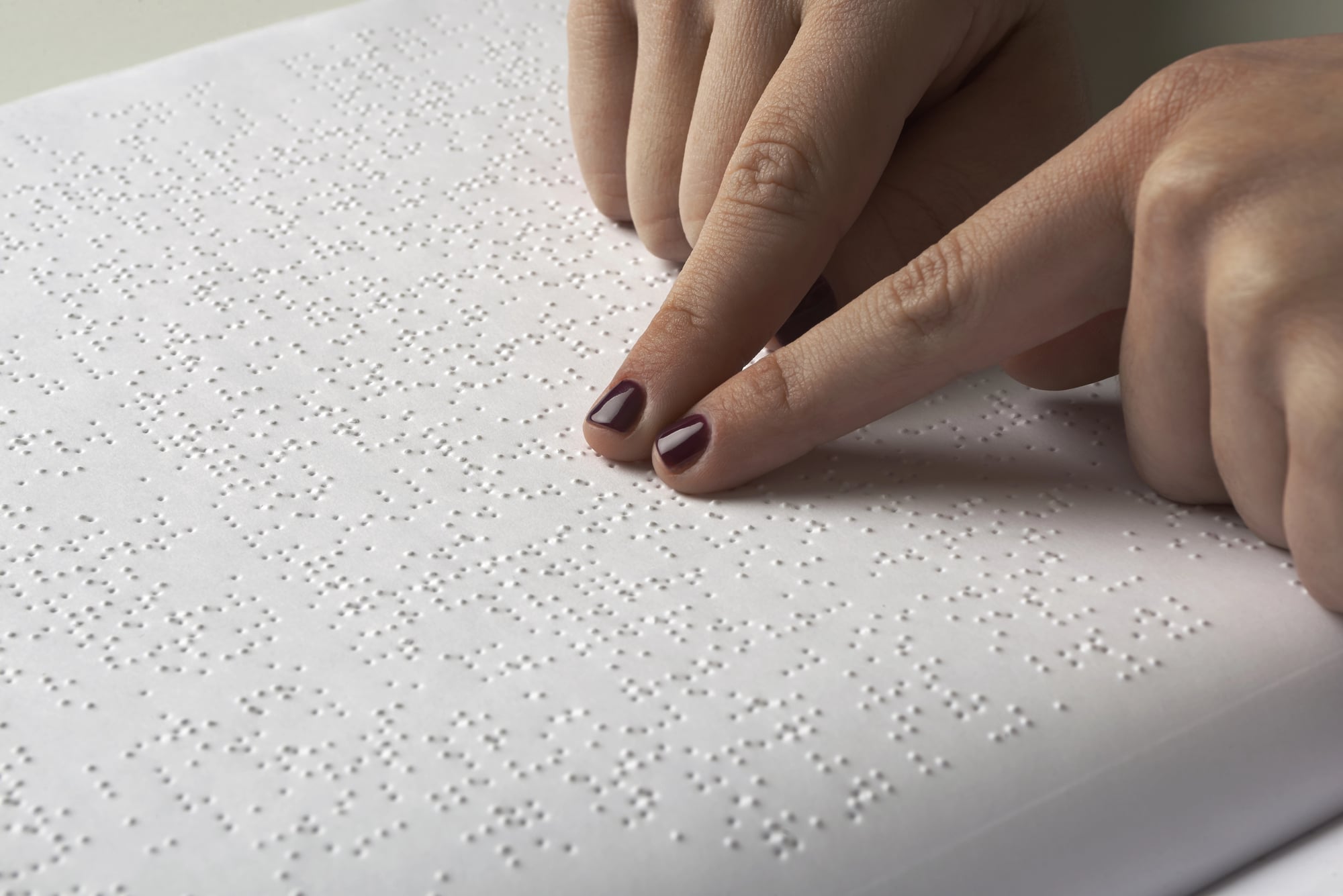
There’s something quietly revolutionary about taking a communication system designed for military secrets and transforming it into a lifeline for the blind. Louis Braille encountered “night writing”—a tactile code used by soldiers to read messages in darkness without revealing their position—when he was just 12 years old.
But where adults saw a functional military tool, Braille recognized something deeper: the skeleton of a language that could give blind people true literacy, not just basic communication. He spent three years refining the system, reducing the original 12-dot format to six dots that could fit under a fingertip.
That teenager’s insight didn’t just create a reading system—it unlocked entire worlds of literature, education, and independence that had been sealed away behind visual barriers.
Swim Fins

Benjamin Franklin was 11 when he got tired of swimming slower than he wanted to. Rather than accepting this as a natural limitation, he carved wooden paddles for his hands and feet.
The foot paddles worked perfectly. The hand paddles were awkward and got ditched quickly, which shows that even teenage Franklin had the sense to abandon what wasn’t working.
Two and a half centuries later, every serious swimmer uses some version of Franklin’s wooden foot paddles.
The Zamboni
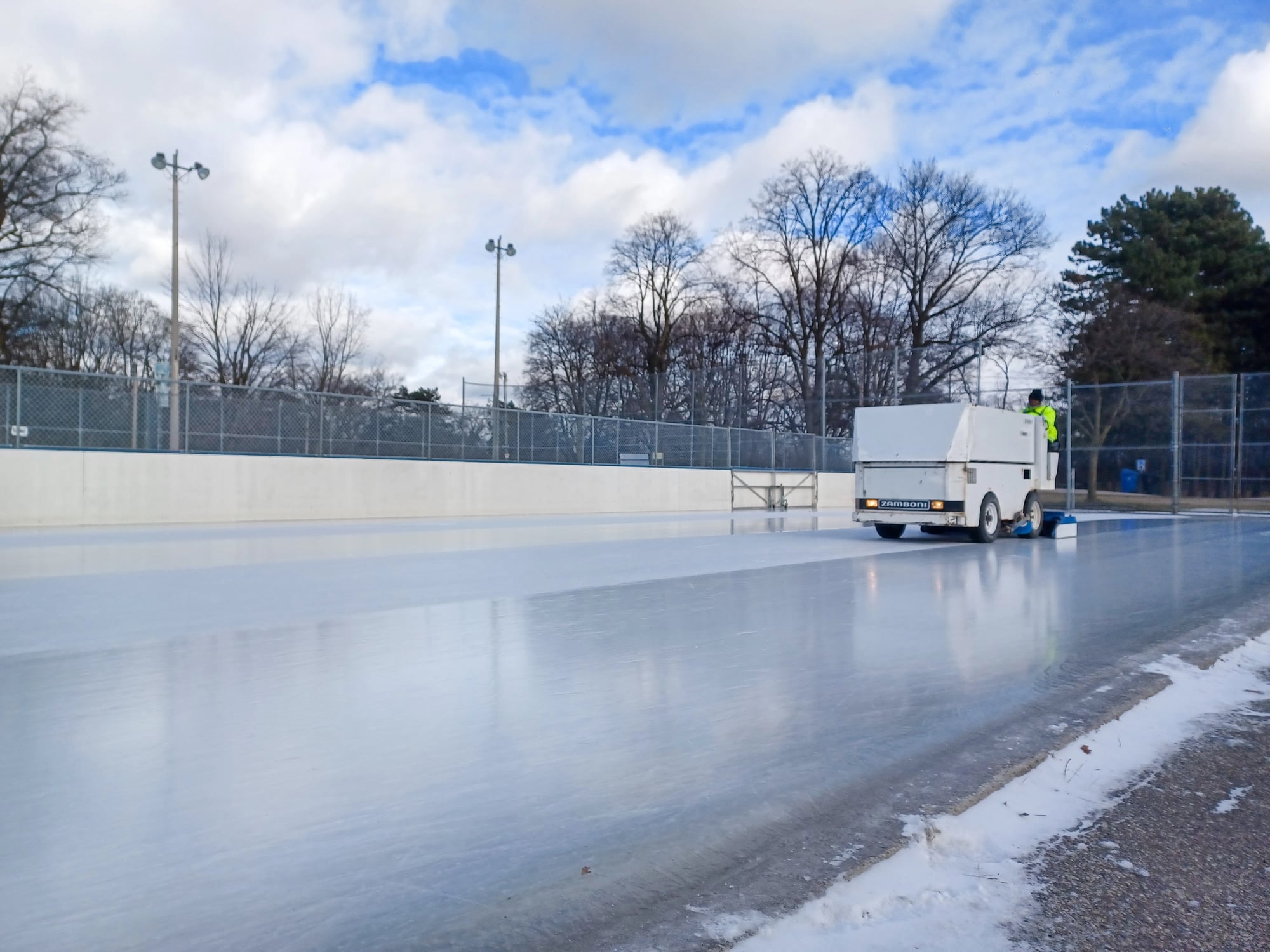
So Frank Zamboni was technically in his 40s when he started working on the ice resurfacing machine that would eventually bear his name (though he didn’t perfect it until much later), but here’s the thing: watching him methodically solve the tedious problem of manually resurfacing ice rinks reveals something about teenage problem-solving that gets lost as people age—they don’t overthink the audacity of completely reimagining how things get done.
Where adults saw an accepted chore that simply took time (lots of it—manual resurfacing could take over an hour), young Zamboni saw inefficiency that offended him on a personal level, the way only teenagers can be personally offended by inefficiency.
And instead of just complaining about it like most people do when faced with mind-numbing repetitive tasks, he started sketching out ways to mechanize the entire process. Persistence.
The machine that transformed hockey rinks, figure skating, and recreational ice sports started because a teenager couldn’t stand watching grown men push scrapers around for an hour between games.
Earmuffs

Chester Greenwood’s ears got cold during a Maine winter in 1873. He was 15.
Rather than suffer through it like everyone else, he bent wire loops and asked his grandmother to sew beaver fur onto them.
The solution worked so well that he received a patent and eventually employed half his hometown manufacturing earmuffs for the U.S. military during World War I.
The Trampoline

George Nissen was 16 when he watched trapeze artists bounce off safety nets and thought the bouncing itself looked more interesting than whatever they were trying to do on the trapeze bars.
Most people see safety equipment and think “safety.” Nissen saw safety equipment and thought “untapped recreational potential.”
His backyard invention became Olympic equipment, suburban entertainment, and a fitness phenomenon that turns gravity into a playmate rather than an obstacle.
Super Soakers

Like any good invention story, this one starts with someone trying to solve a completely different problem and accidentally creating something better. Lonnie Johnson was 17, working on a heat pump design in his bathroom (because that’s where teenage engineers test things), when his high-pressure nozzle shot a powerful stream of water across the room.
Most people would have grabbed a towel and kept working on the heat pump. Johnson grabbed a notebook and started designing the most effective water weapon in suburban warfare history.
The Super Soaker didn’t just become a toy—it became the nuclear option of neighborhood water fights.
Ice Cream Cones

There’s a particular kind of teenage stubbornness that refuses to accept “this is just how things are done” as a satisfactory answer. Ernest Hamwi was 16 when he watched ice cream vendors at the 1904 World’s Fair running out of bowls while his waffle booth sat relatively quiet next to them.
The obvious solution—rolling a warm waffle into a cone shape—seems so simple now that it’s hard to imagine ice cream any other way.
But before that moment, ice cream was something you ate sitting down with a spoon, not something you carried around while walking. Hamwi didn’t just create a new serving method; he turned ice cream into portable entertainment.
Cotton Candy

William Morrison was 35–36 when he partnered with a dentist (which seems counterintuitive until you realize that dentists probably understand sugar better than anyone) to create the first electric cotton candy machine in 1897.
They called it “Fairy Floss,” which sounds ridiculous now but somehow captures the magic of watching granulated sugar transform into edible clouds better than “cotton candy” ever could.
The Jungle Gym

Sebastian Hinton was 16 and apparently frustrated with existing playground equipment, which at the time consisted mainly of swings, slides, and not much else.
His solution was a three-dimensional climbing structure that challenged kids to move up, down, sideways, and diagonally all at once.
The jungle gym didn’t just give children something new to climb on—it changed how they thought about moving through space.
Every modern playground owes something to a teenager who thought recess could be more interesting.
Calculator

Blaise Pascal was 17 when he got tired of watching his father manually calculate taxes for the French government.
The mechanical calculator he built in 1642 could add and subtract automatically using a series of interlocking gears and wheels.
It was the first machine that could think mathematically, even if its thoughts were limited to basic arithmetic. Pascal didn’t just make math easier—he took the first step toward mechanical intelligence.
Water Skis

Ralph Samuelson was 18 when he decided that if people could ski on snow, they should be able to ski on water. The logic was flawless.
The execution took some work. He tried barrel staves first, then snow skis, before finally creating wider boards that could plane on the water’s surface.
His first successful ride on Minnesota’s Lake Pepin in 1922 launched a sport that turned boats into recreational vehicles and lakes into playgrounds.
The Segway
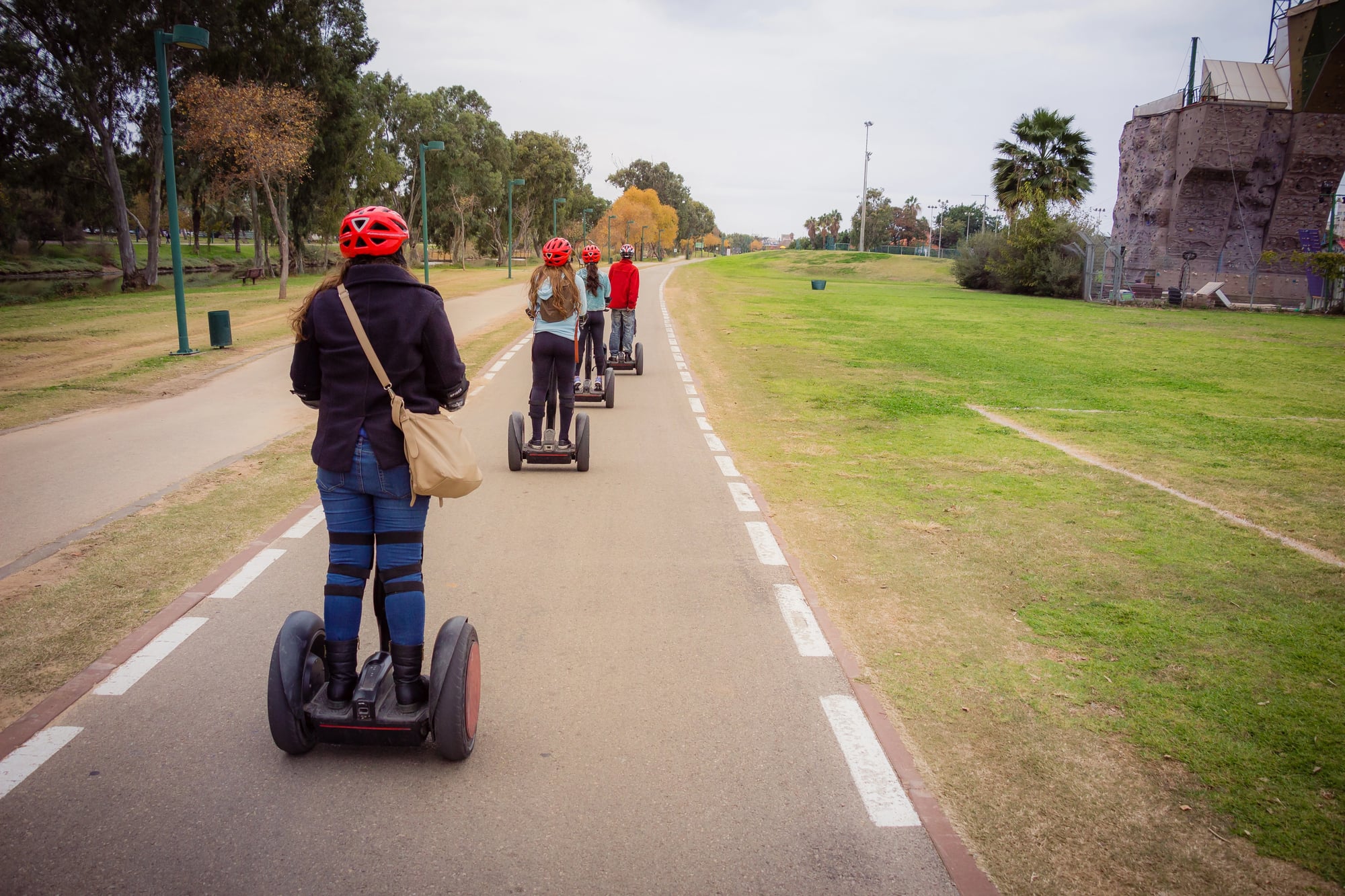
Dean Kamen built various inventions as a teenager and young adult, including lighting controllers, before later developing the Segway as an adult inventor.
But the teenage engineering mindset that created synchronized light shows was the same one that would later tackle human transportation with the Segway.
The self-balancing scooter didn’t revolutionize urban transport the way Kamen predicted, but it did prove that personal mobility devices could respond to subtle body movements rather than clunky manual controls.
Post-it Notes

Art Fry was technically older when he perfected Post-it Notes, but the invention built directly on Spencer Silver’s weak adhesive, which Silver developed as a teenage researcher trying to create super-strong glue.
Silver’s “failure” sat unused for years until Fry realized that weak, removable adhesive was exactly what bookmark-frustrated church choir members needed.
Sometimes the best teenage inventions are the ones that adults dismiss as mistakes.
The Endless Creativity Of Youth

These inventions share something beyond their creators’ ages—they emerged from minds that hadn’t yet learned to accept limitations as permanent. Teenagers approach problems with a particular kind of optimism that assumes solutions exist and can be found with enough curiosity and persistence.
They haven’t spent decades being told why things can’t work, so they focus on making things work instead. That mindset, combined with access to tools and materials, can reshape entire industries or create entirely new ones.
The next time someone dismisses a young person’s idea as impractical, it might be worth remembering that some of our most essential inventions started exactly that way.
More from Go2Tutors!

- The Romanov Crown Jewels and Their Tragic Fate
- 13 Historical Mysteries That Science Still Can’t Solve
- Famous Hoaxes That Fooled the World for Years
- 15 Child Stars with Tragic Adult Lives
- 16 Famous Jewelry Pieces in History
Like Go2Tutors’s content? Follow us on MSN.