17 Places on Earth That Have Conditions Similar to Other Planets
There are amazing sceneries on our planet that look taken from other worlds in our solar system. For scientists getting ready for space travel, these alien-like settings provide vital research sites and provide insightful analysis of how life might persist in extraterrestrial conditions.
From sweltering deserts to subzero wastelands, Earth’s harsh environments offer glimpses into what astronauts might come upon on far-off planetary bodies. Here is a list of 17 places on Earth where you can experience conditions remarkably similar to those found on other planets and moons in our solar system.
Atacama Desert
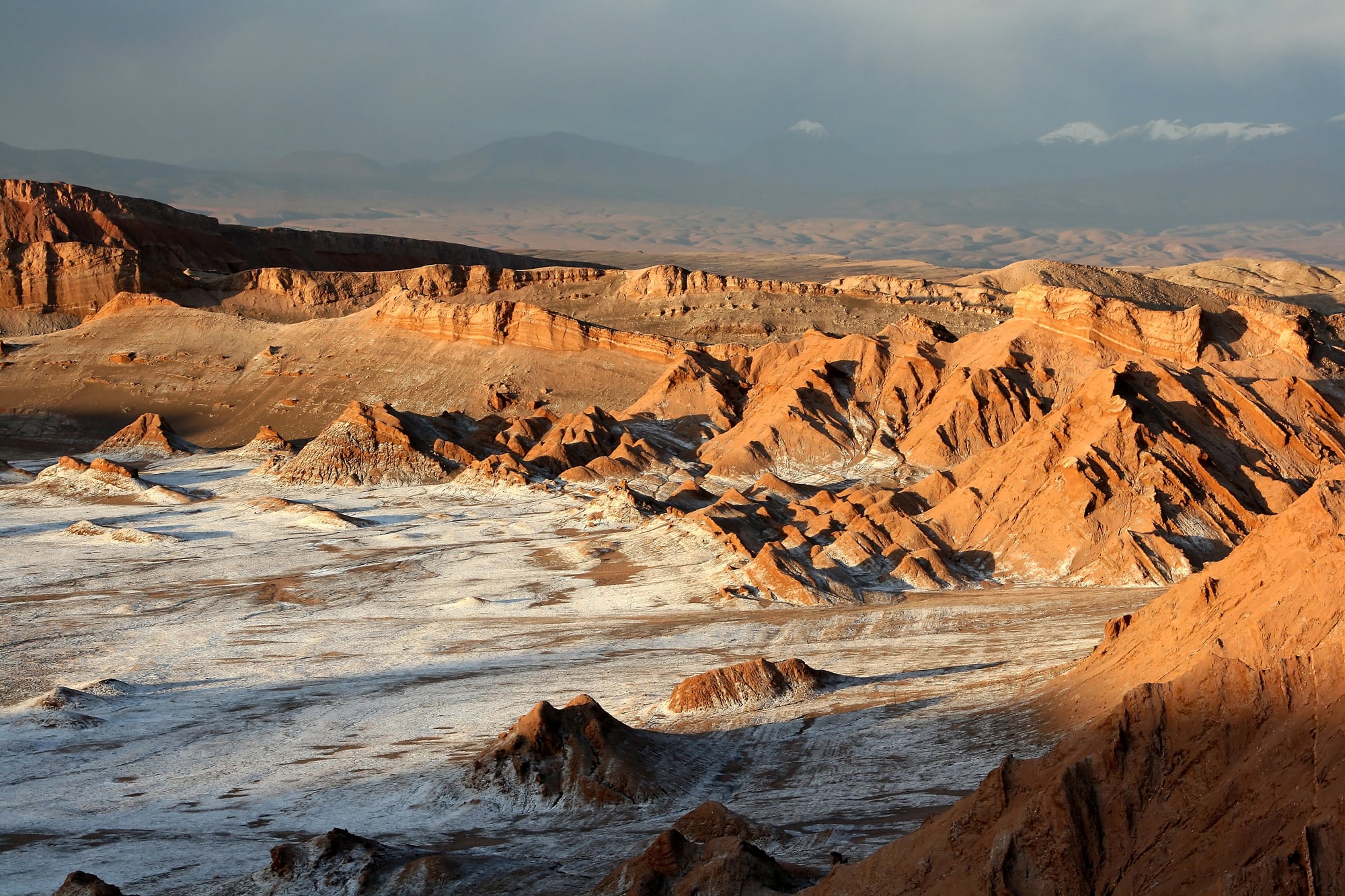
In certain places, the driest non-polar desert on Earth gets less than 0.6 inches of rainfall yearly, resulting in a terrain very like Mars. Attracting NASA and ESA scientists testing rover prototypes and sampling methods here, its reddish soil, significant temperature swings, and high UV radiation levels make it a suitable Mars analog.
Extreme aridity of the desert produces salt flats and mineral deposits reminiscent of those seen in Martian satellite pictures.
Rio Tinto
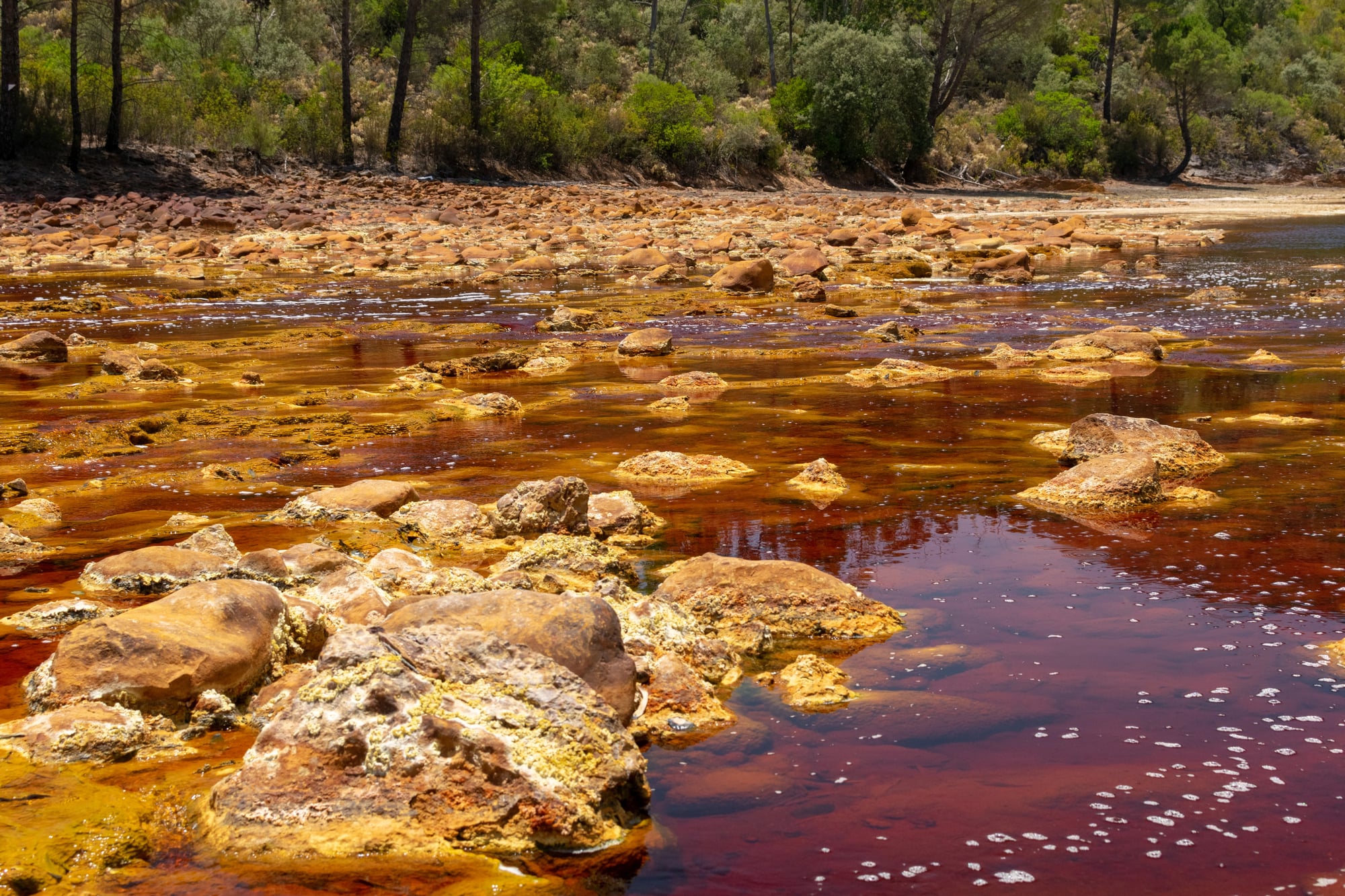
This Spanish river glows an otherworldly red due to extremely acidic waters loaded with iron and heavy metals from centuries of mining. Its pH level can drop below 2 (similar to stomach acid), yet specialized extremophile microorganisms thrive in these toxic conditions much as life might on Mars or Jupiter’s moon Europa.
Scientists study these remarkable organisms to understand how life could potentially evolve in similarly harsh extraterrestrial environments.
Devon Island

Located in the Canadian Arctic, this uninhabited island is the largest polar desert on Earth and bears an uncanny resemblance to Martian terrain. Its Haughton impact crater, created millions of years ago, provides scientists with a geological environment closely matching Mars’ cratered surface.
The island’s freezing temperatures, lack of vegetation, and permafrost conditions make it an ideal location for testing Mars mission equipment and protocols.
Dallol

Ethiopia’s alien landscape features acidic hot springs, salt formations, and toxic gases in a kaleidoscope of yellows, oranges, and greens that resembles Venus’s hypothesized early appearance. With daytime temperatures regularly exceeding 100°F and some of Earth’s most acidic natural water, Dallol presents an almost unlivable environment.
The area’s hydrothermal features and mineral-rich pools mimic conditions scientists believe existed on Venus before its runaway greenhouse effect.
Lake Vostok
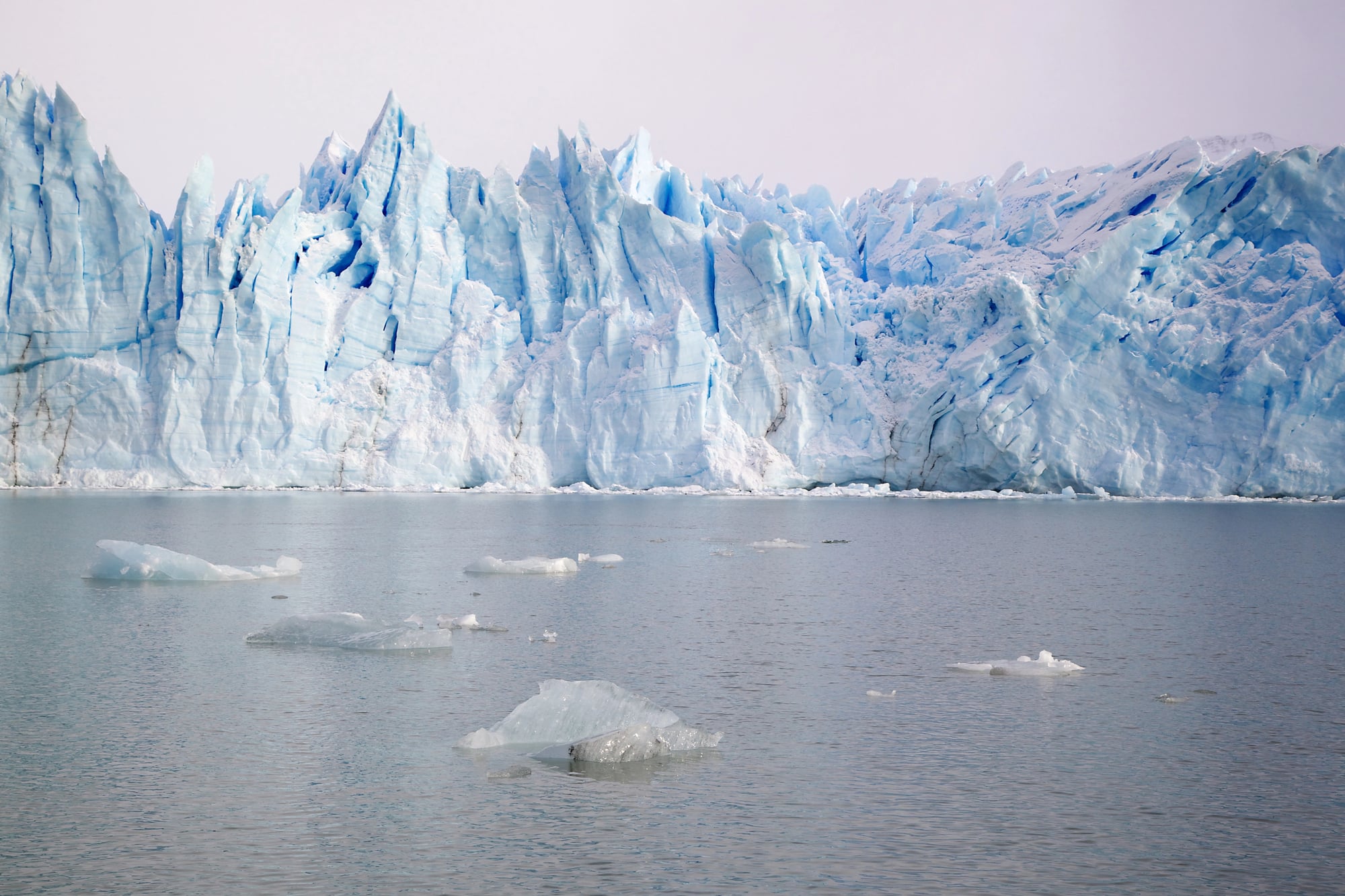
Buried beneath 2.5 miles of Antarctic ice, this ancient lake has remained sealed off from the outside world for potentially 25 million years. Its conditions mirror those of Jupiter’s moon Europa and Saturn’s Enceladus, both believed to harbor subsurface oceans beneath icy crusts.
Researchers study the lake’s isolated ecosystem to understand how life might develop in complete isolation from the surface, providing clues about potential alien life in similar extraterrestrial environments.
Socotra Island
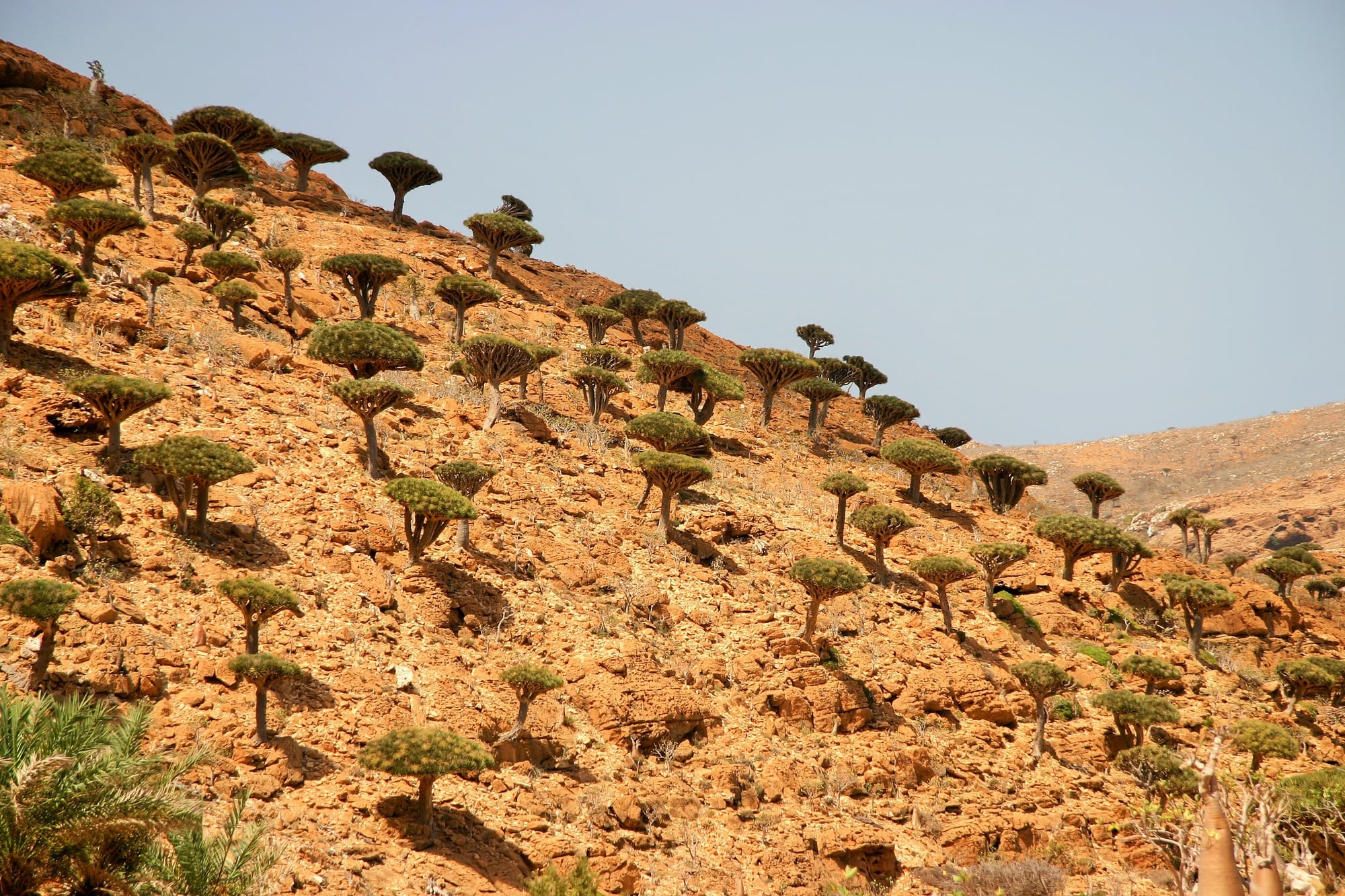
Often called ‘the most alien place on Earth,’ this Yemeni island features endemic species like the dragon blood tree with its umbrella-shaped canopy. The island’s biological isolation for over 20 million years has created flora that appears transported from science fiction, resembling the hypothesized diverse vegetation that might exist on habitable exoplanets.
Socotra demonstrates how evolution takes unexpected paths when operating in isolation over geological timescales.
Danakil Depression

Sitting more than 400 feet below sea level in Ethiopia, this hellish landscape combines volcanic activity, salt formations, and acidic pools in a terrain that appears more suited to Saturn’s moon Titan. Temperatures frequently surpass 120°F, while toxic gases and extremely salty, acidic water bodies create an environment hostile to most life forms.
Despite these punishing conditions, specialized microorganisms thrive here, suggesting how life might adapt to Titan’s methane lakes and harsh chemistry.
Beppu
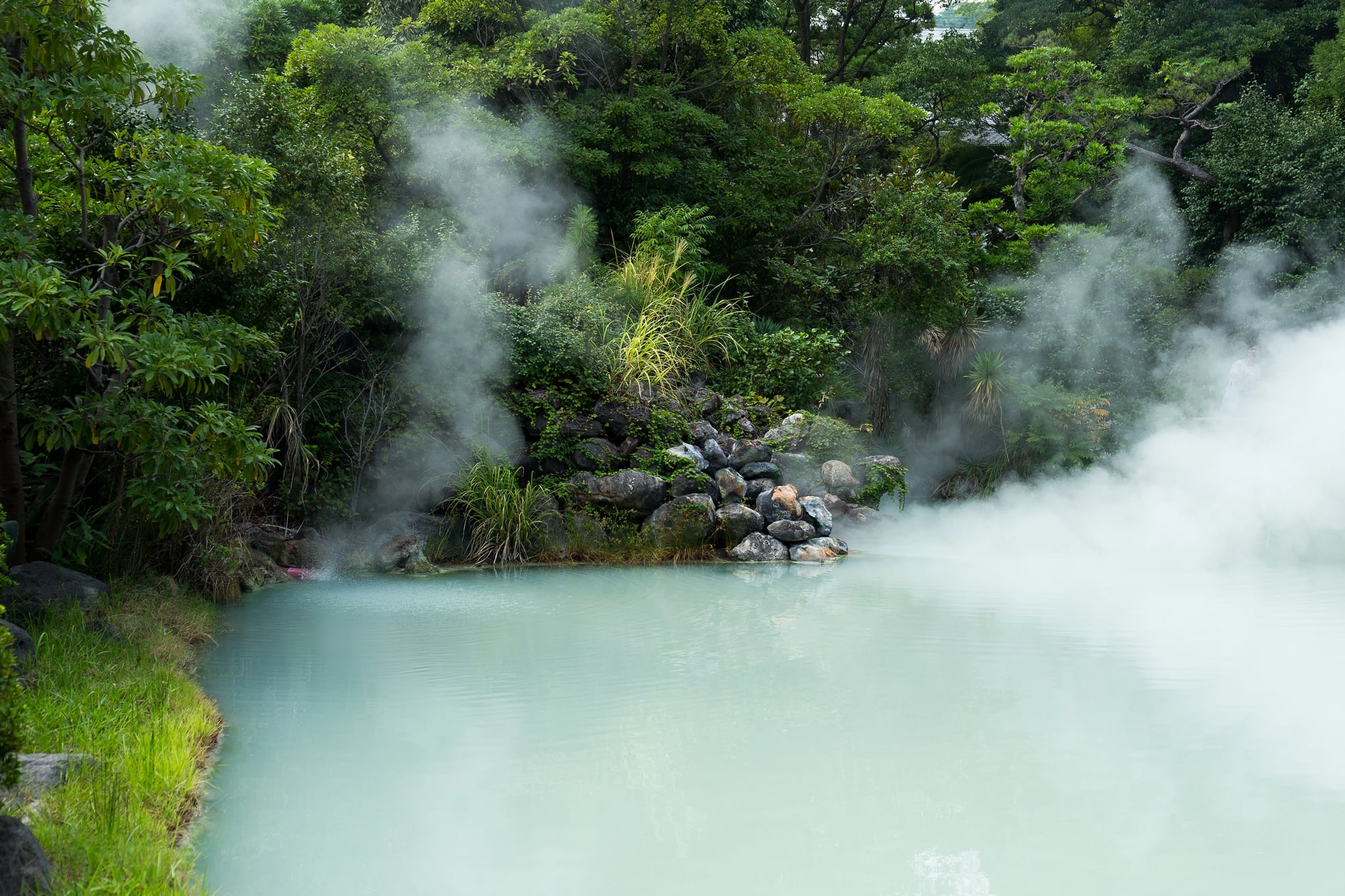
Japan’s ‘Hell Valley’ features boiling mud pools, steam vents, and hot springs that resemble the geothermal activity suspected beneath Europa’s icy surface. The area’s numerous gases and mineral-rich waters create vivid colors from sulfur yellows to iron reds across the landscape.
These hydrothermal features provide insight into how energy sources other than sunlight might support potential life on outer solar system moons.
Lut Desert

Iran’s scorching desert has recorded the hottest surface temperature on Earth at 159°F, creating conditions comparable to Mercury’s sun-facing side. The heat creates unique erosional features known as yardangs—streamlined ridge formations sculpted by wind—that appear in satellite images of Mars.
The extreme temperature shifts between day and night mirror the thermal cycles experienced on airless or thin-atmosphere celestial bodies.
McMurdo Dry Valleys
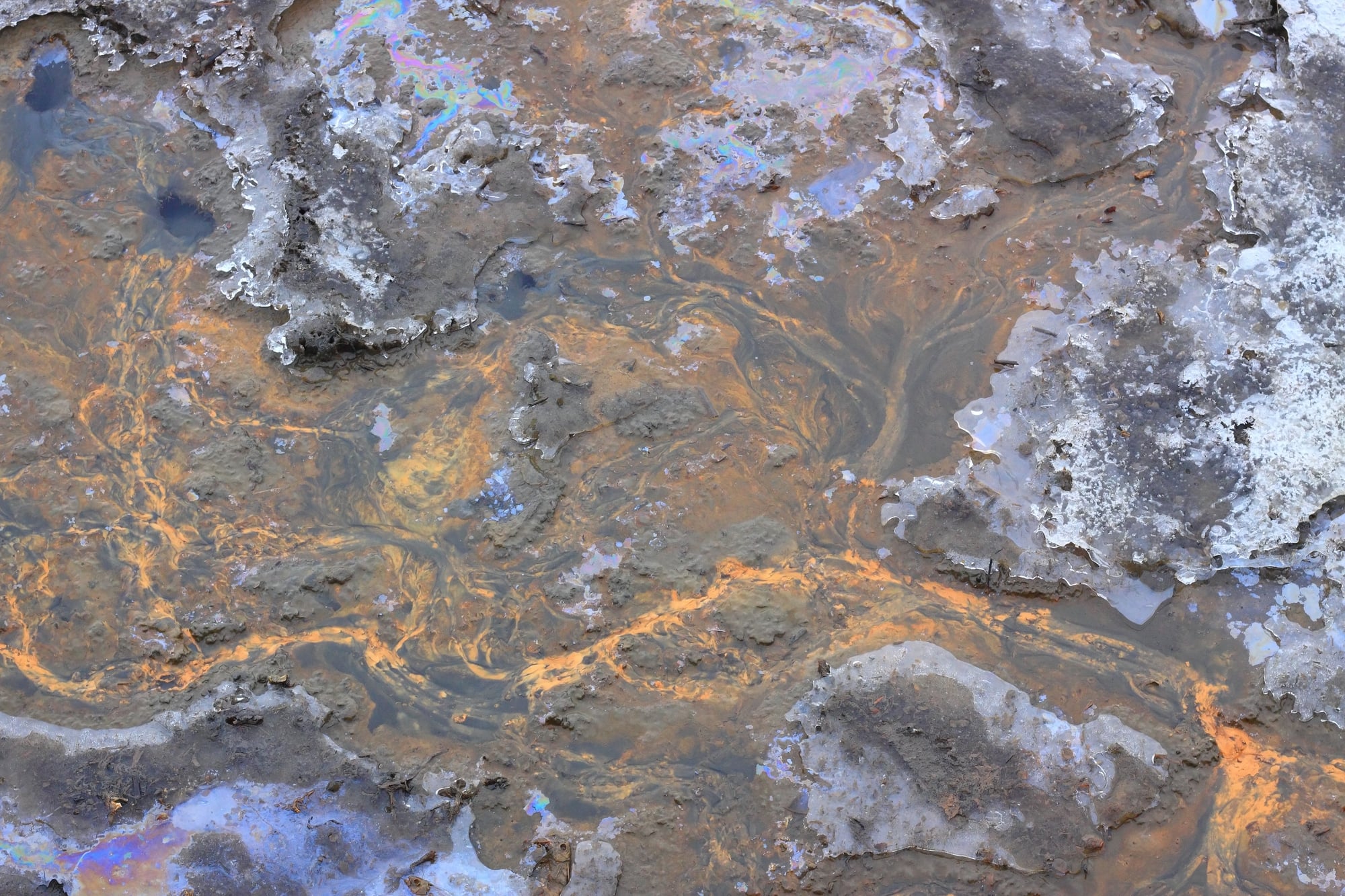
Antarctica’s ice-free valleys remain perpetually frozen yet receive almost no precipitation, creating a Mars-like landscape of extremes. This bizarre combination of freezing temperatures and extreme dryness produces a weathering environment remarkably similar to that of Mars.
The valleys’ soil contains high levels of perchlorates—compounds also found on Mars—and hosts microorganisms that survive by extracting moisture from minerals rather than liquid water.
Yellowstone National Park
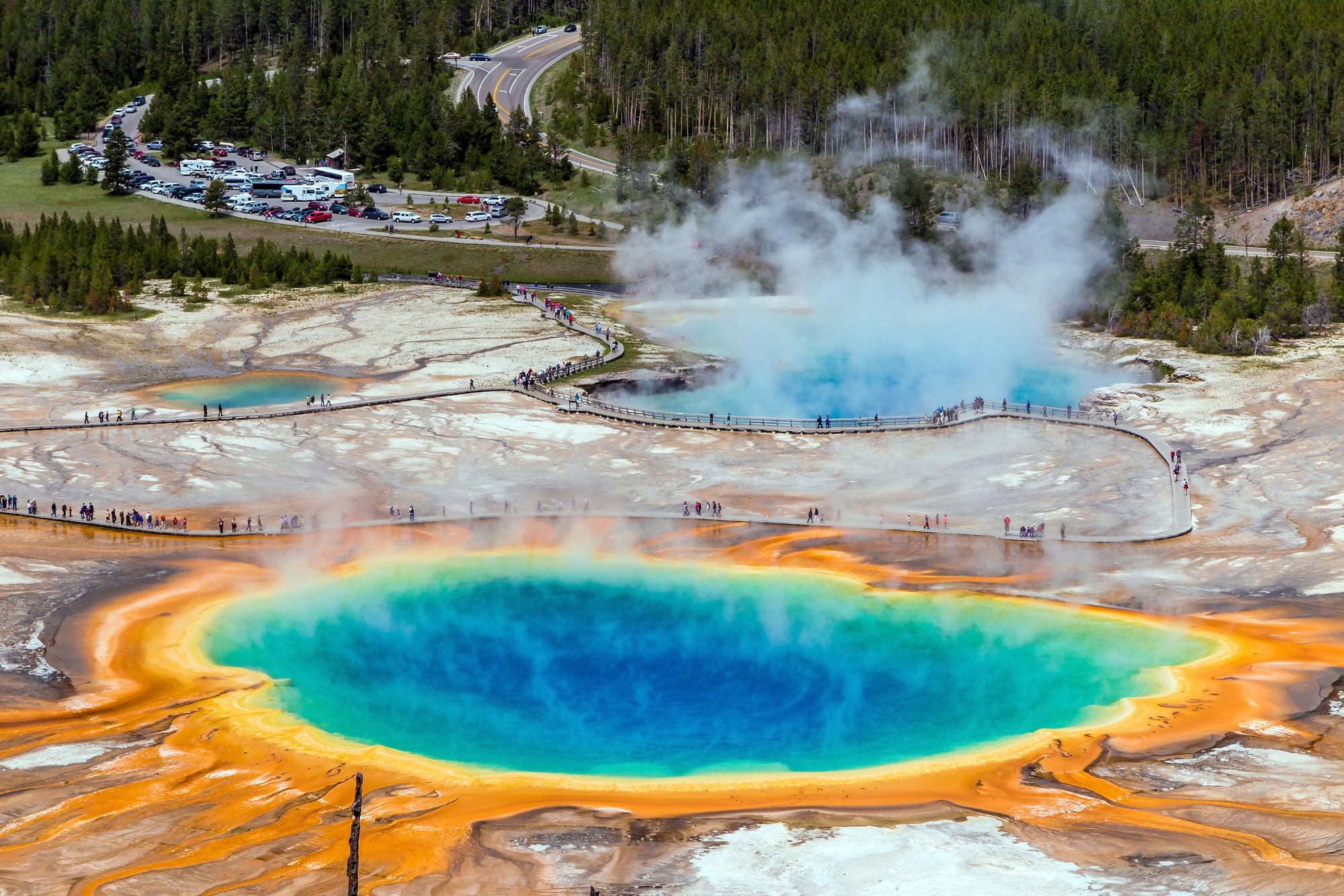
The park’s colorful hot springs and geysers provide extraordinary insights into primordial Earth and potentially Jupiter’s moon Io. Microorganisms called thermophiles create the vivid rainbow colors while thriving in waters hot enough to cook proteins.
Yellowstone’s extreme environments demonstrate how life can adapt to conditions once thought impossible, informing our search for organisms on worlds with active geothermal systems.
Fly Geyser
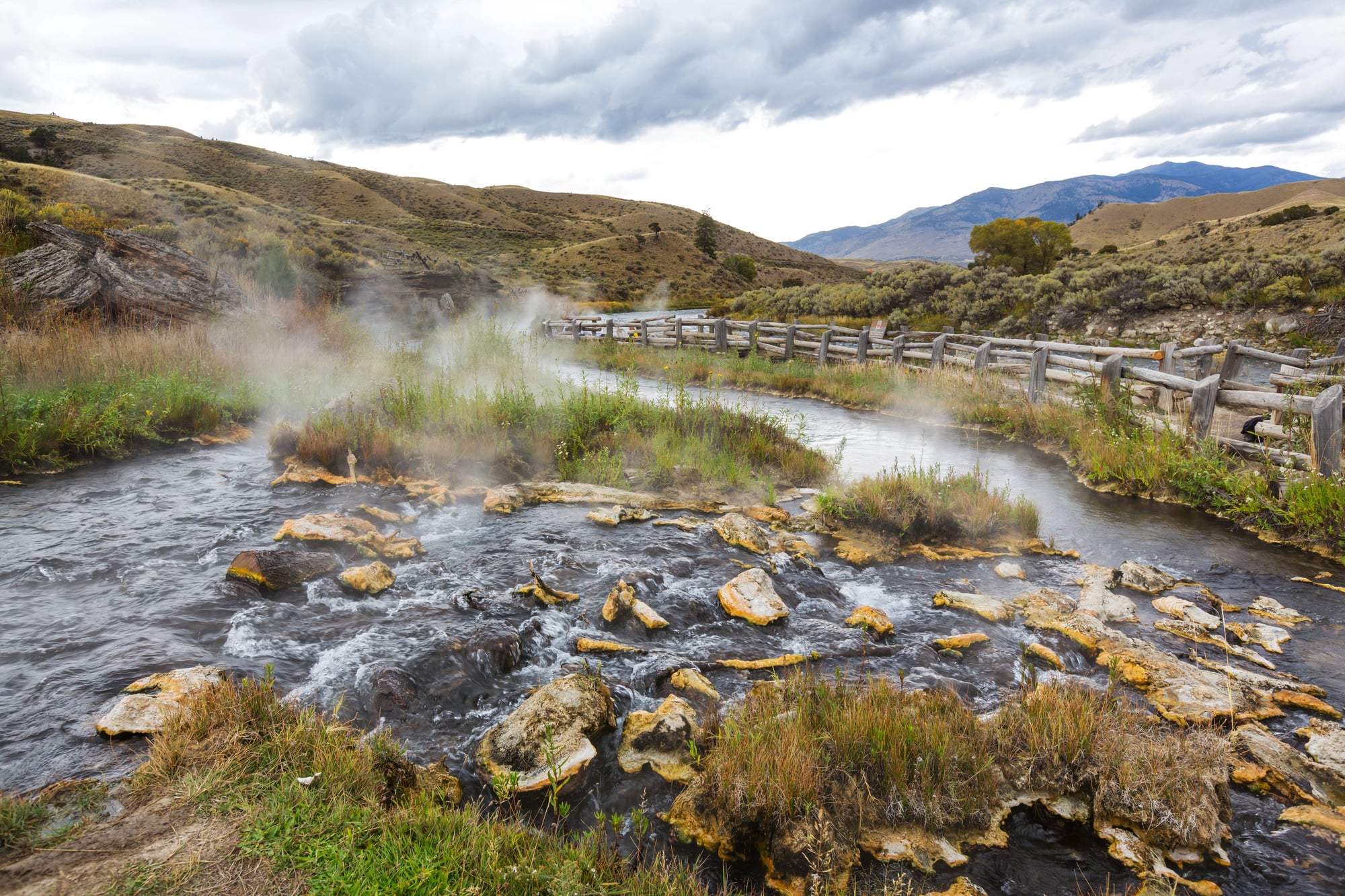
This accidental man-made geyser in Nevada has created a technicolor landscape reminiscent of theoretical models of early Mars when the planet still had active hydrothermal systems. Multiple mineral-rich water spouts have formed terrace pools in vibrant greens and reds from algae that thrive in the hot, mineral-saturated water.
The formations demonstrate how quickly complex geothermal features can develop, suggesting similar processes could have occurred during Mars’ wetter periods.
White Sands
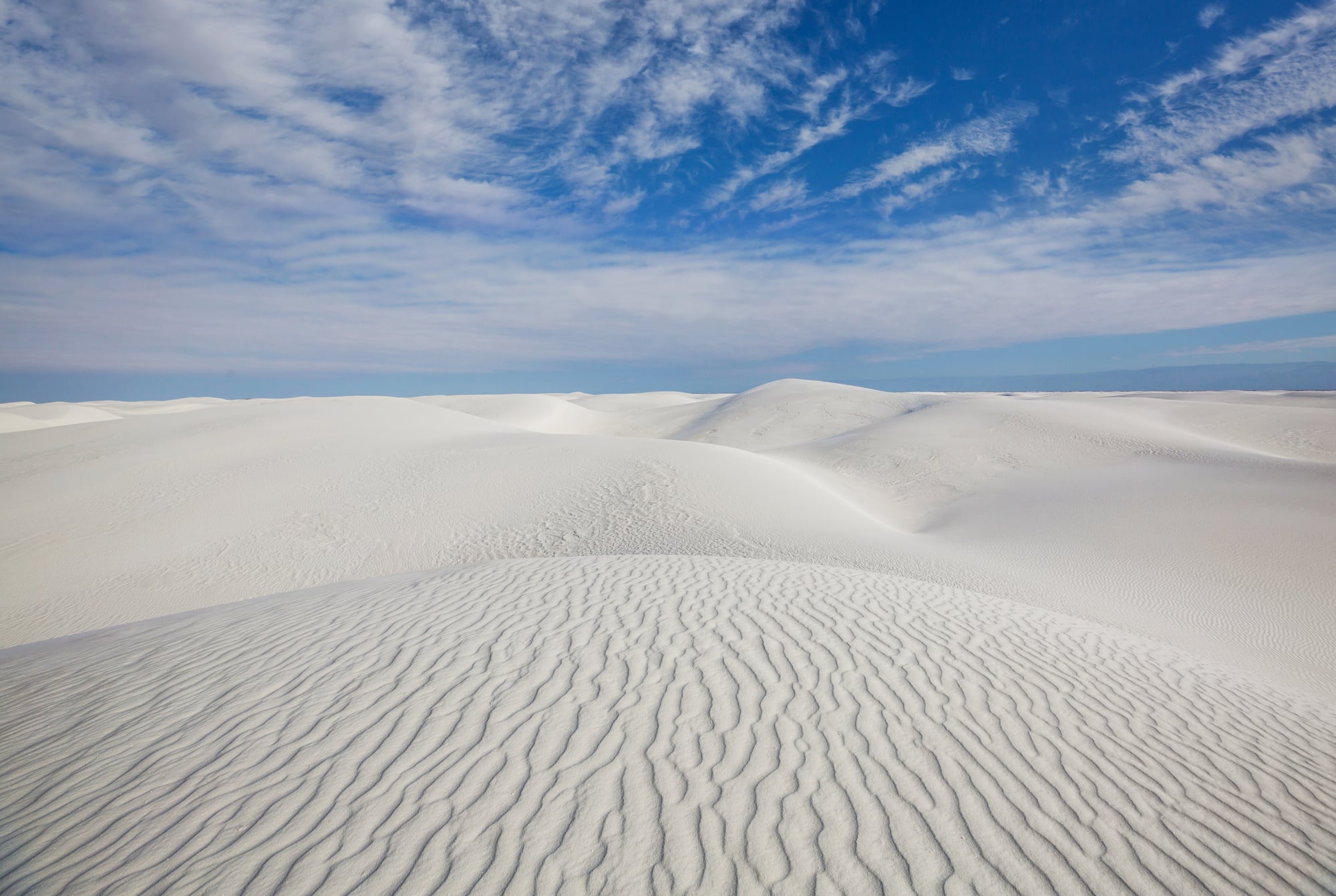
New Mexico’s gypsum dune field creates a landscape of brilliant white that resembles the frozen carbon dioxide southern polar cap of Mars. The gypsum crystals continually evaporate and recrystallize, creating an ever-shifting terrain that behaves differently from typical sand dunes.
The desert’s unusual mineral composition and dune formations provide insight into how different materials respond to wind forces on planets with varying gravitational pulls and atmospheric densities.
Craters of the Moon
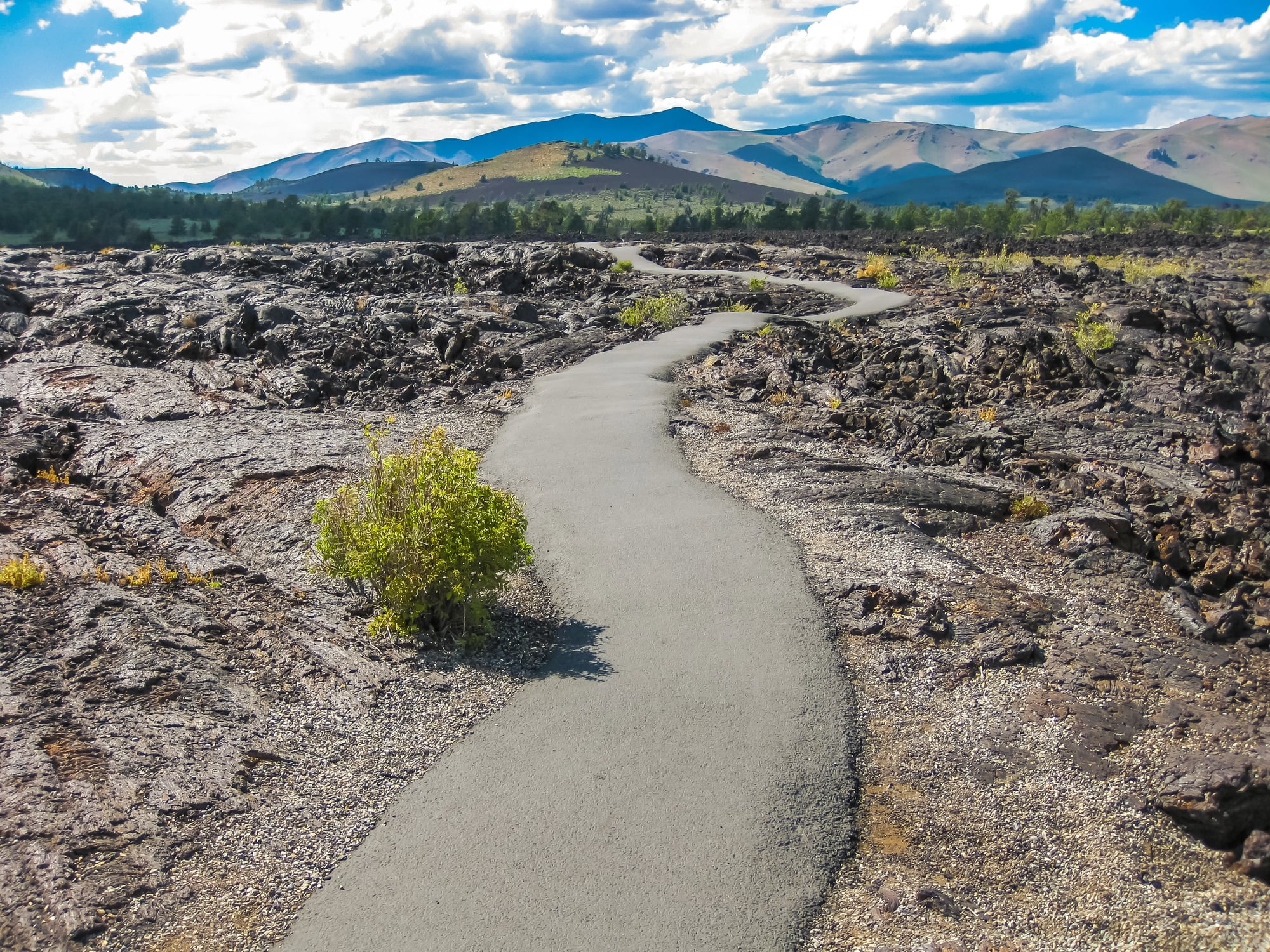
Idaho’s vast lava field with its cinder cones, spatter cones, and lava tubes creates a landscape strikingly similar to lunar maria (the dark patches visible on the moon). The relatively young volcanic features—some just 2,000 years old—have weathered little in the dry climate, preserving their otherworldly appearance.
This national monument serves as one of NASA’s primary training grounds for astronauts preparing for lunar geology work.
Grand Prismatic Spring

Yellowstone’s largest hot spring creates concentric rings of vivid colors from extremophile bacteria that thrive at different temperature gradients. The spring’s rainbow appearance resembles theoretical models of thermal vents on Europa’s ocean floor.
The complex microbial communities demonstrate how life adapts to utilize available energy sources at every possible temperature niche, suggesting similar adaptations could occur in extraterrestrial hydrothermal systems.
Cueva de los Cristales
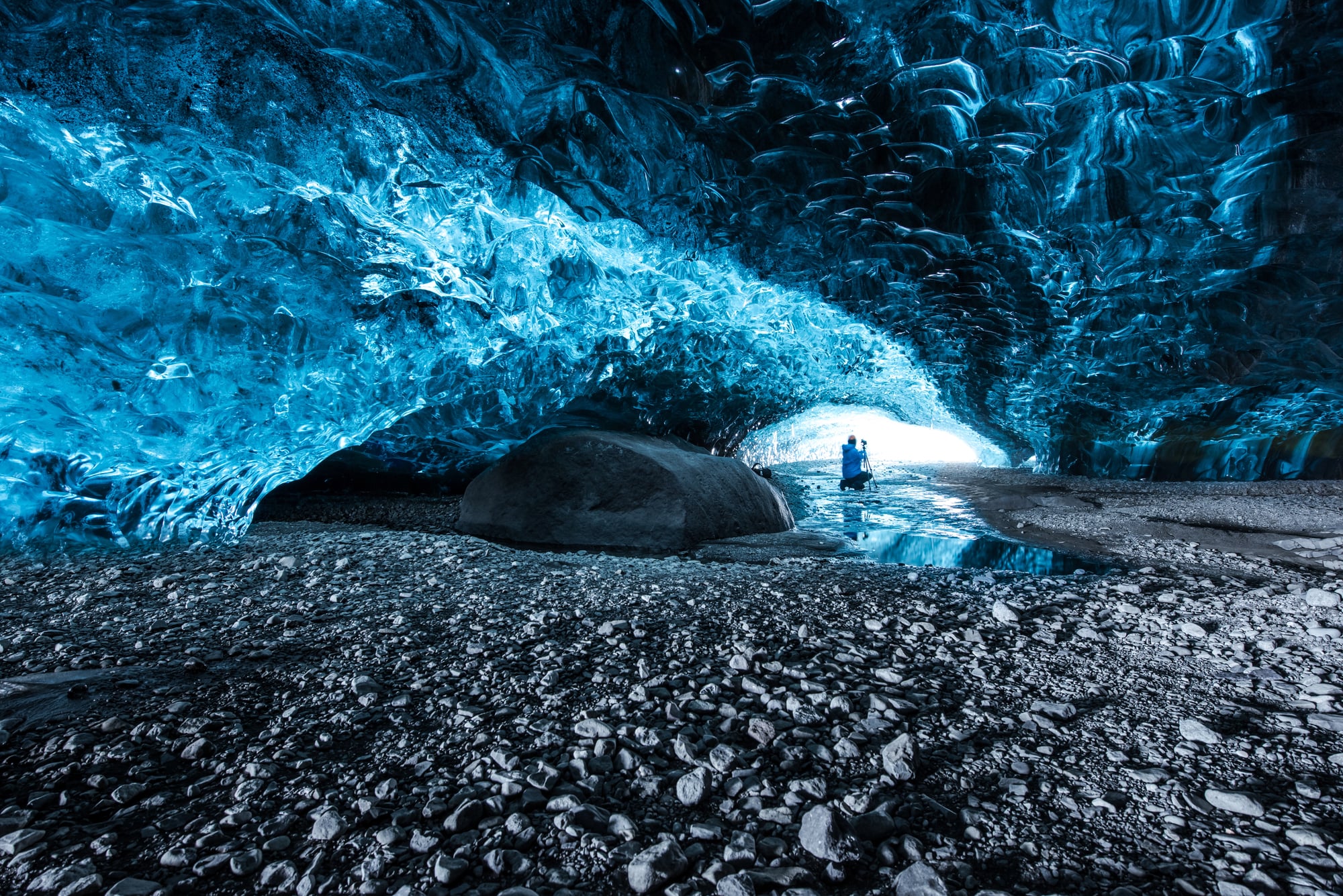
Mexico’s Cave of Crystals contains selenite beams up to 39 feet long formed over 500,000 years in constant heat and humidity. The cave’s environment resembles proposed subsurface conditions on Mars, where stable long-term environments might exist below the harsh surface.
With temperatures of 122°F and humidity approaching 100%, the cave demonstrates how extreme yet stable conditions can create extraordinary mineral formations over geological timescales.
Lake Natron
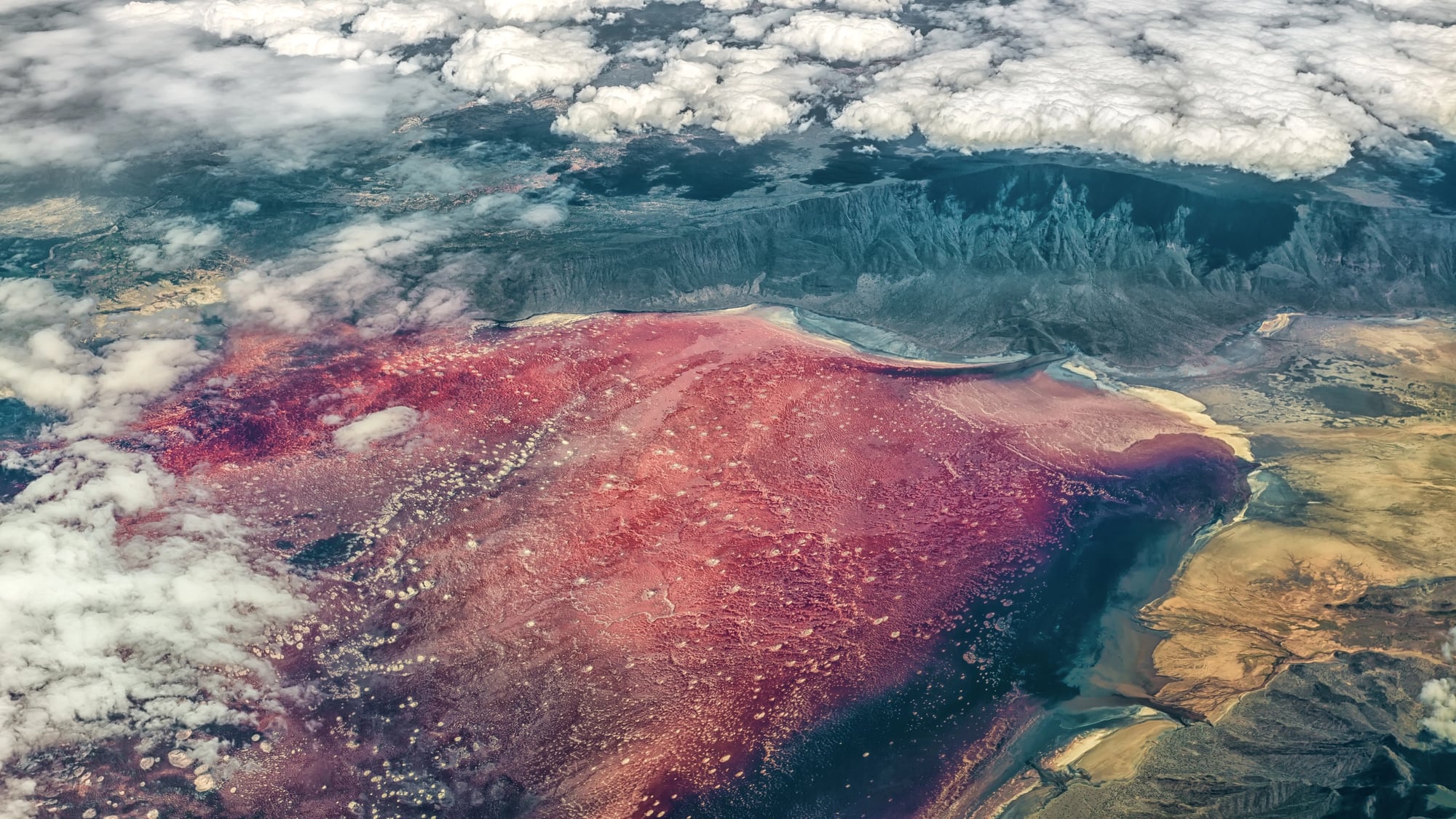
Tanzania’s caustic soda lake maintains a pH of up to 10.5 and temperatures that can reach 120°F, creating conditions similar to ancient alkaline lakes theorized to have existed on Mars. The lake’s extreme alkalinity comes from sodium carbonate and other minerals that flow from the surrounding hills.
Famous for calcifying animals that die in its waters, the lake nonetheless supports extremophile organisms and flamingos that have adapted to its caustic environment.
Earth’s Planetary Laboratory
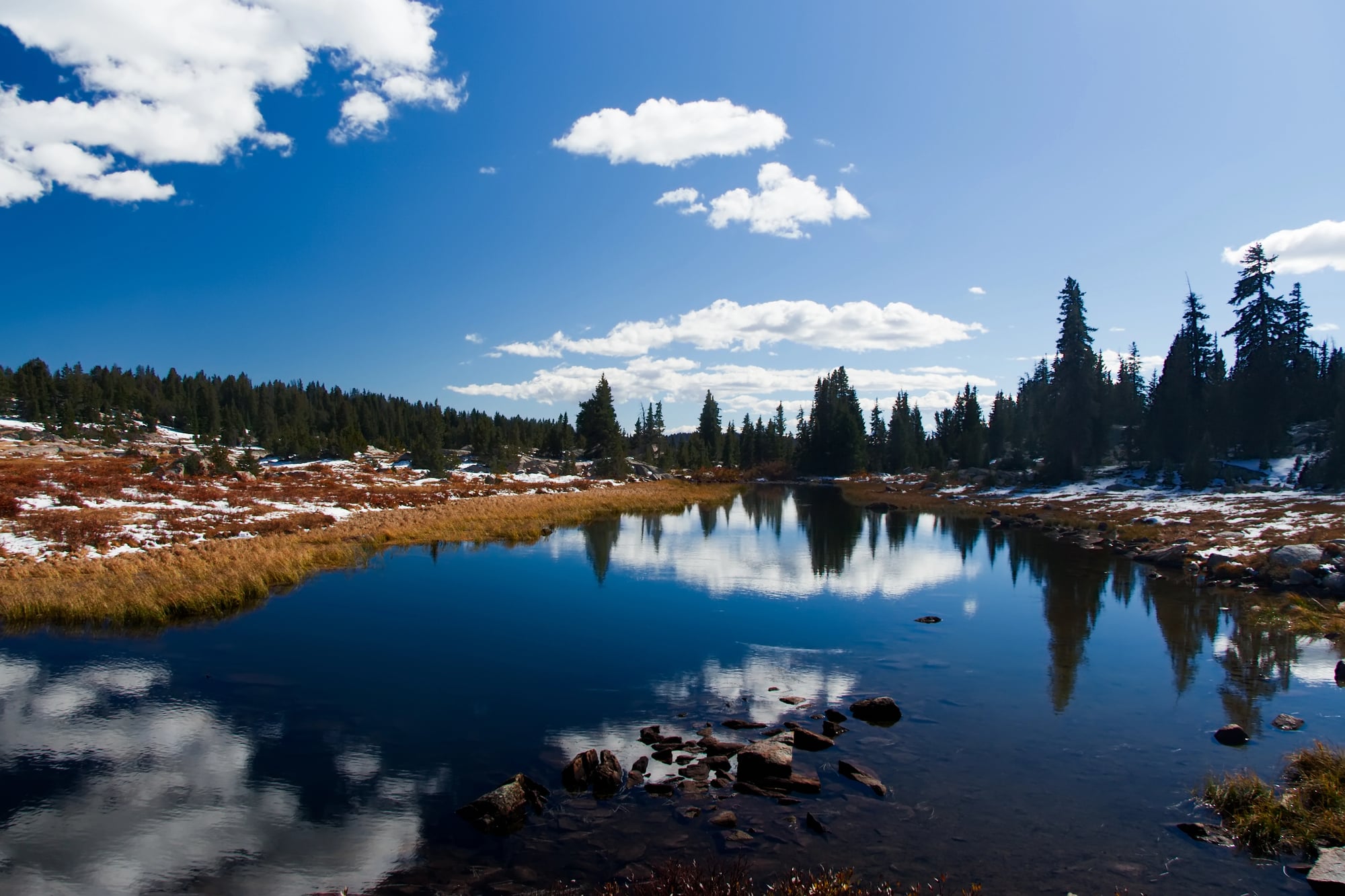
These extraordinary locations demonstrate how our home planet serves as the ultimate comparative planetology laboratory. By studying Earth’s most extreme environments, scientists gain crucial insights about potential life beyond our world without leaving the ground.
These planetary analogs not only help us understand distant worlds but also underscore Earth’s remarkable diversity—showing that even on our own planet, we can find landscapes alien enough to feel like we’ve traveled to another world entirely.
More from Go2Tutors!

- The Romanov Crown Jewels and Their Tragic Fate
- 13 Historical Mysteries That Science Still Can’t Solve
- Famous Hoaxes That Fooled the World for Years
- 15 Child Stars with Tragic Adult Lives
- 16 Famous Jewelry Pieces in History
Like Go2Tutors’s content? Follow us on MSN.