17 Places So Remote They Have Zero Phone Signal
In today’s hyper-connected world, it’s hard to imagine a place where your phone simply won’t work. Yet, there are pockets across the globe where mobile signals vanish completely. These spots are so far off the grid that your phone might as well be a paperweight.
Here is a list of 17 places so remote they have zero phone signal, proving that some corners of the earth remain blissfully untouched by modern technology.
Australian Outback

The vast stretches of the Outback cover millions of square miles filled with red dirt, rugged terrain, and almost no mobile towers. It’s a place where a long stretch of road might go by without a single phone signal bar popping up.
Travelers often find themselves relying on satellite phones or old-fashioned maps because cell signals are practically nonexistent here. The remoteness combined with extreme temperatures makes it a tough spot for any kind of reliable connection.
Greenland’s Ice Sheet
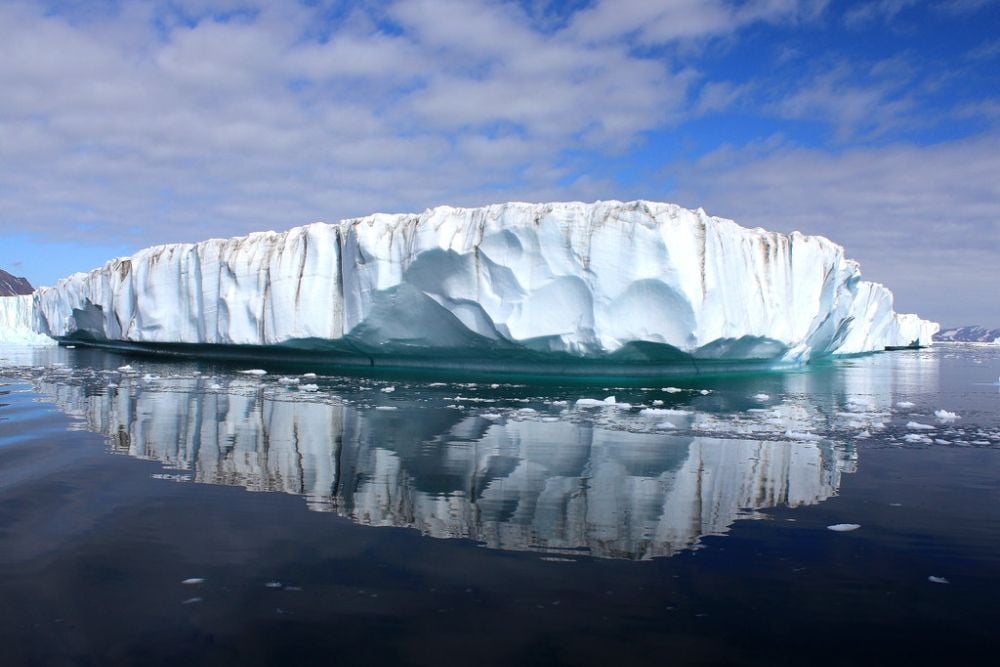
Greenland’s massive ice sheet isn’t just cold—it’s a communication dead zone. Its thick ice and extreme weather block phone signals entirely, leaving researchers and explorers completely cut off from the outside world.
With no permanent settlements in the interior, the area lacks infrastructure, so anyone venturing in must prepare for total isolation. Imagine standing in a place so white and vast that even your phone feels lost.
Like Go2Tutors’s content? Follow us on MSN.
Amazon Rainforest Interior
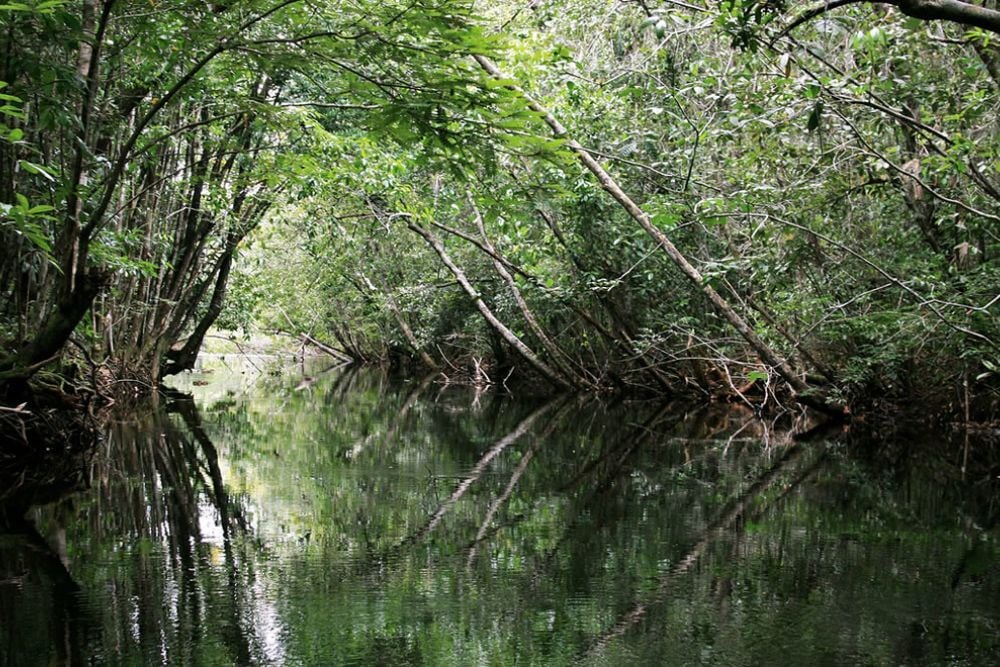
Deep inside the Amazon, towering trees and dense foliage block signals from reaching the ground. The thick canopy acts like a natural barrier, making it nearly impossible to get a call through.
This rainforest isn’t just big; it’s layered with millions of leaves that scramble any electronic signals. For indigenous communities and adventurous travelers alike, communication often depends on satellite devices or radios rather than cell phones.
Siberian Taiga
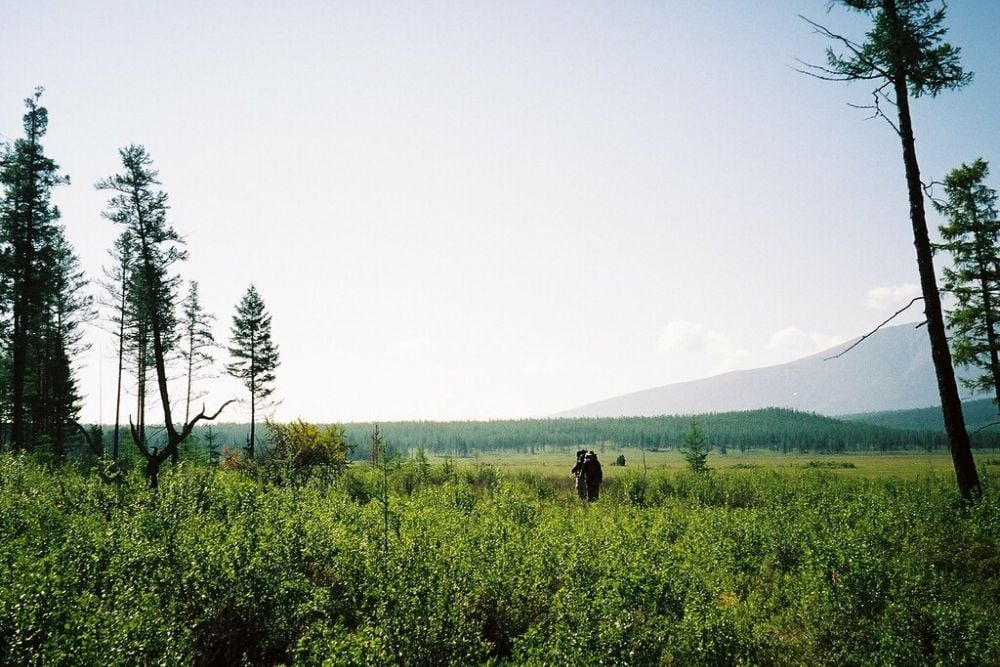
The Siberian Taiga is a massive forest that stretches across northern Russia, covering millions of square miles of dense woodland and frozen ground. It’s so remote and vast that phone towers are sparse, leaving many areas without any cell reception at all.
The harsh winters and sparse population mean there’s little incentive for companies to build networks. For the locals living there, satellite phones and traditional communication methods remain essential.
Antarctica’s Interior
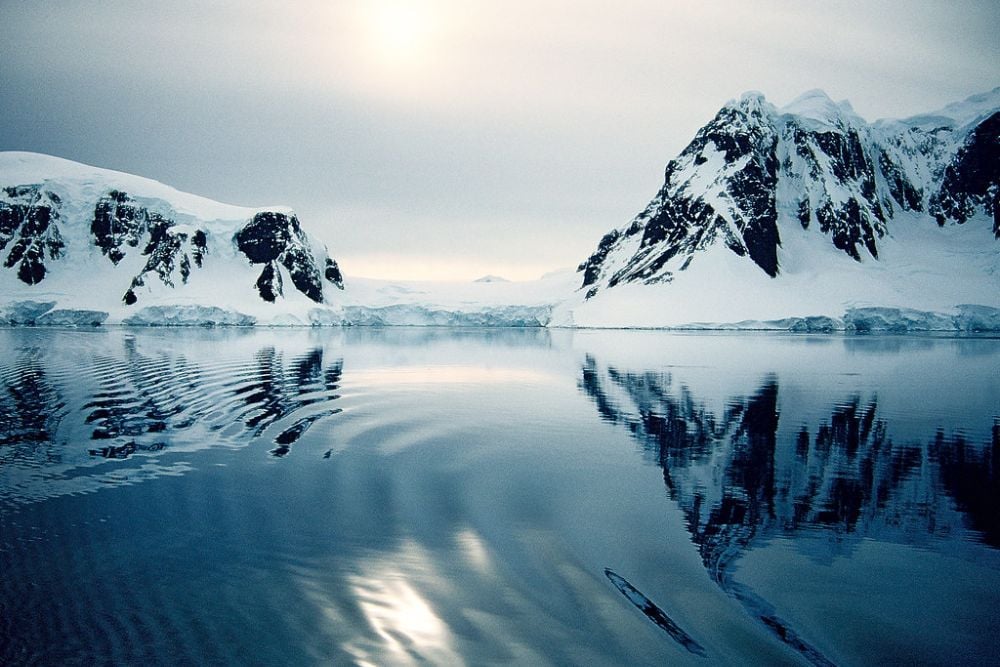
Apart from research stations, the icy interior of Antarctica is utterly silent when it comes to phone signals. The harsh climate and isolation mean no commercial cell networks are available, making satellite phones the only option.
Scientists working in this frozen wilderness live in a bubble without connection to the outside world, save for brief satellite check-ins. It’s a stark reminder of how extreme environments still outpace modern technology.
Like Go2Tutors’s content? Follow us on MSN.
Sahara Desert
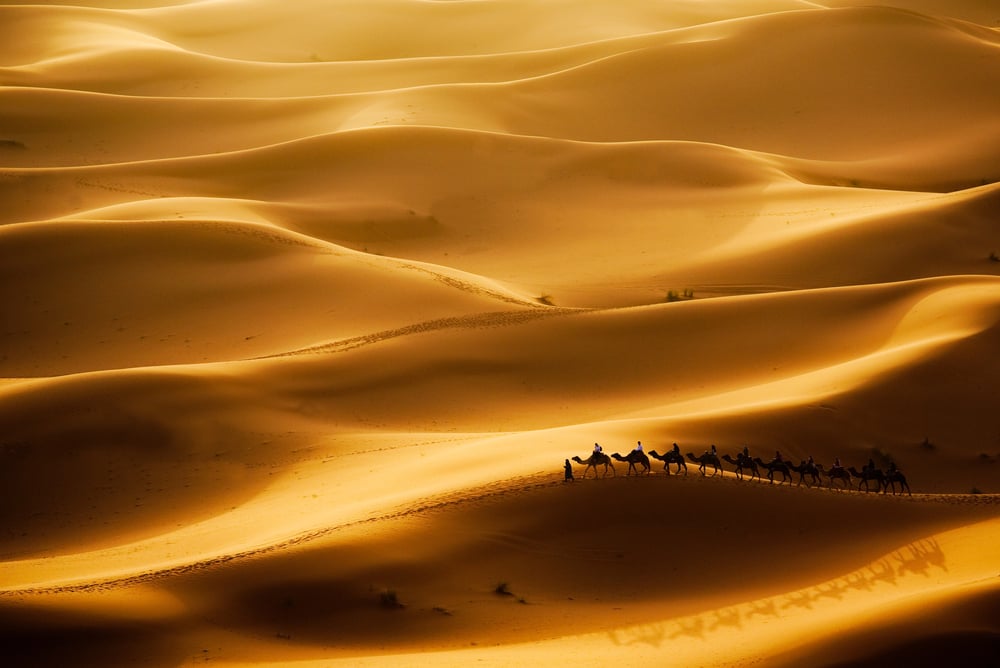
The endless dunes of the Sahara create one of the largest dead zones for phone signals. Its sheer size and shifting sands mean towers can’t cover this desert’s vast expanses.
Travelers crossing the desert have to plan carefully, often using satellite phones or GPS devices for navigation and communication. The Sahara’s isolation is so intense that a dropped call here might mean days without contact.
Patagonia’s Wilderness
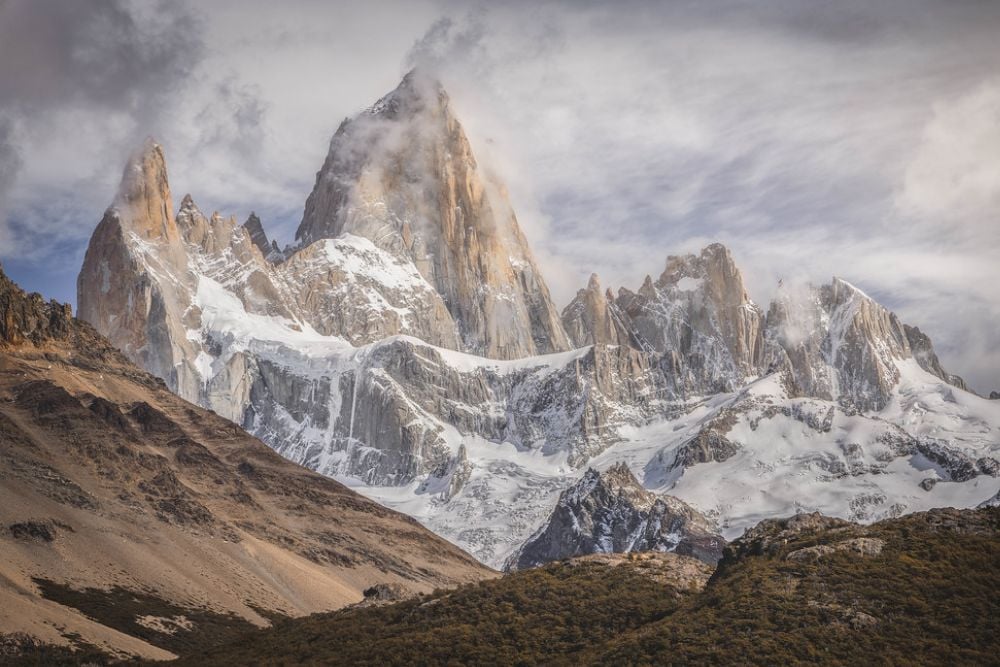
Southern Patagonia, with its windswept plains and jagged mountains, is a place where phone signals fade quickly. The remoteness and challenging landscape keep it off the communication grid.
Sparse towns are scattered far apart, and even then, many spots lack consistent coverage. For hikers and explorers, this means embracing silence and the sounds of nature without digital interruptions.
Alaska’s Brooks Range
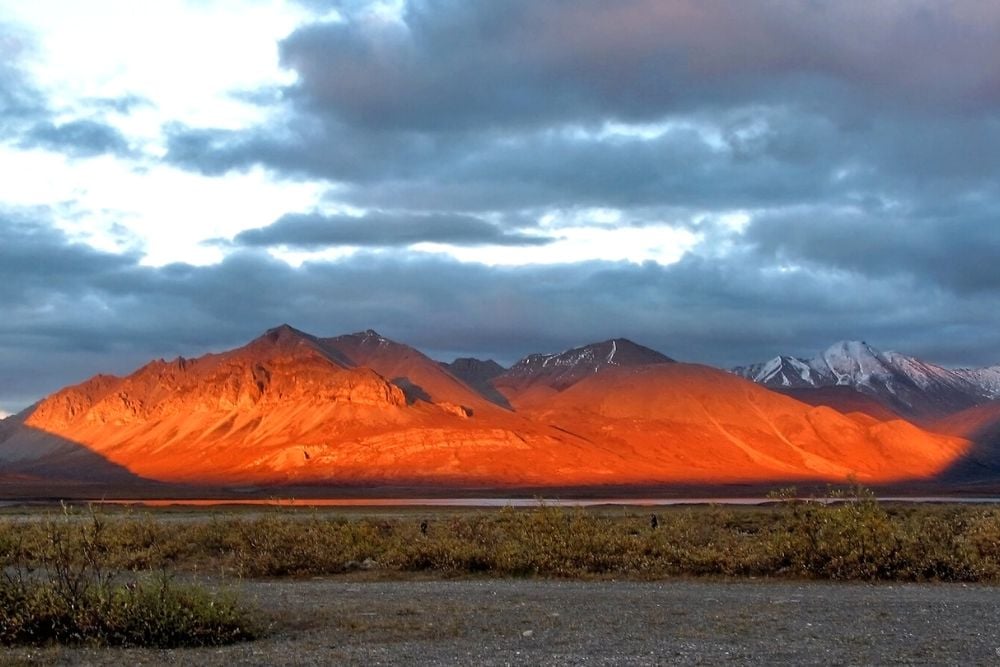
This mountain range in northern Alaska is rugged and almost completely untouched by modern infrastructure. Cell coverage here is minimal, if not totally absent. It’s a land where snowstorms and vast wilderness block signals, leaving travelers to rely on emergency radios or satellite phones.
The Brooks Range is a reminder that some places still operate on their own time, far from the reach of cell towers.
Like Go2Tutors’s content? Follow us on MSN.
The Scottish Highlands
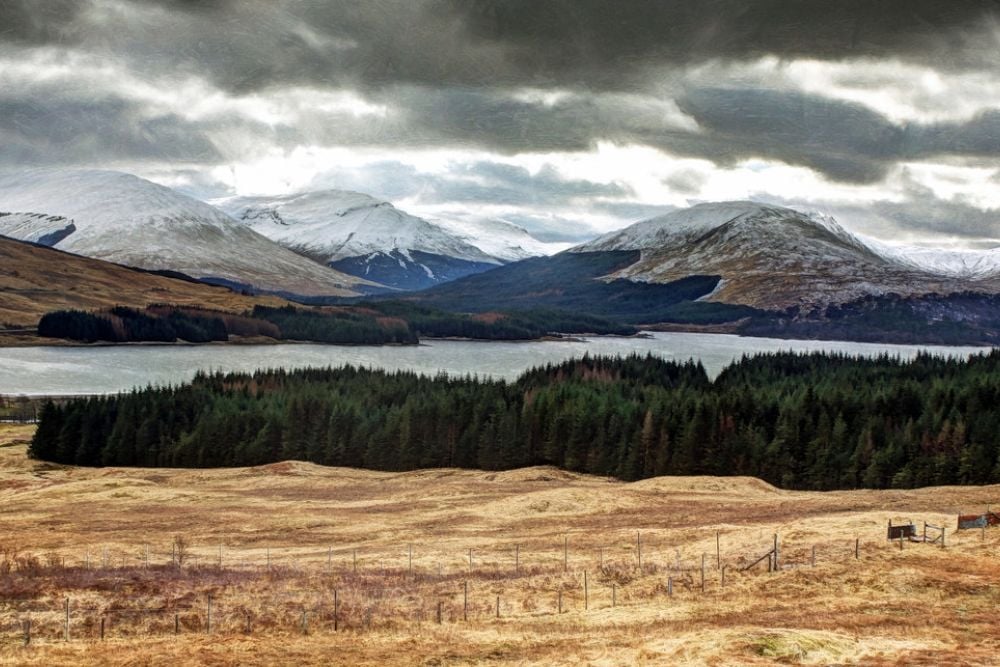
Though parts of Scotland have good coverage, the Highlands remain a tough spot for cell service. The remote mountains and valleys make signal strength spotty at best.
Wind-swept peaks and deep lochs interfere with signals, and many small villages still struggle to stay connected. For visitors craving peace, the Highlands’ patchy coverage can be a welcome break from the constant buzz of notifications.
Mongolia’s Gobi Desert
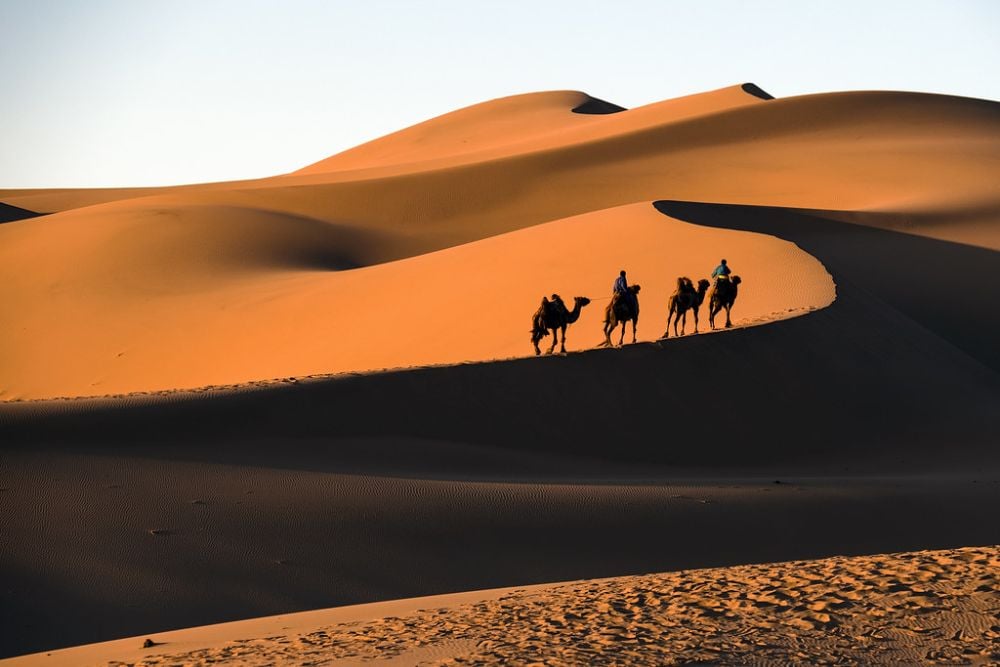
The Gobi Desert’s wide-open spaces offer little chance for mobile signals. With few settlements and vast stretches of barren land, phone reception is almost nonexistent.
The desert’s dry air and rocky terrain don’t help cell towers, which are few and far between. Nomads living here rely on traditional communication or satellite devices when traveling through this tough landscape.
The Kalahari Desert
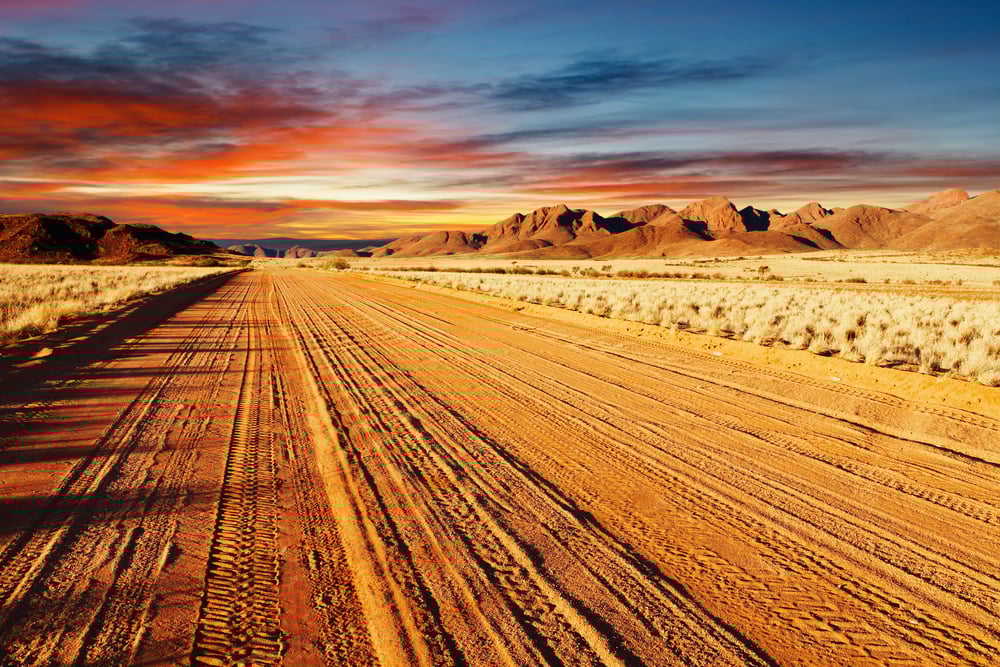
Spanning several countries in southern Africa, the Kalahari’s remote areas lack the infrastructure needed for phone towers, leaving travelers with no signal. Despite being home to various communities and wildlife, the desert’s harsh conditions make it difficult to maintain any reliable network.
Visitors should be prepared for extended periods without phone access while exploring its vast wilderness.
Like Go2Tutors’s content? Follow us on MSN.
Remote Pacific Islands
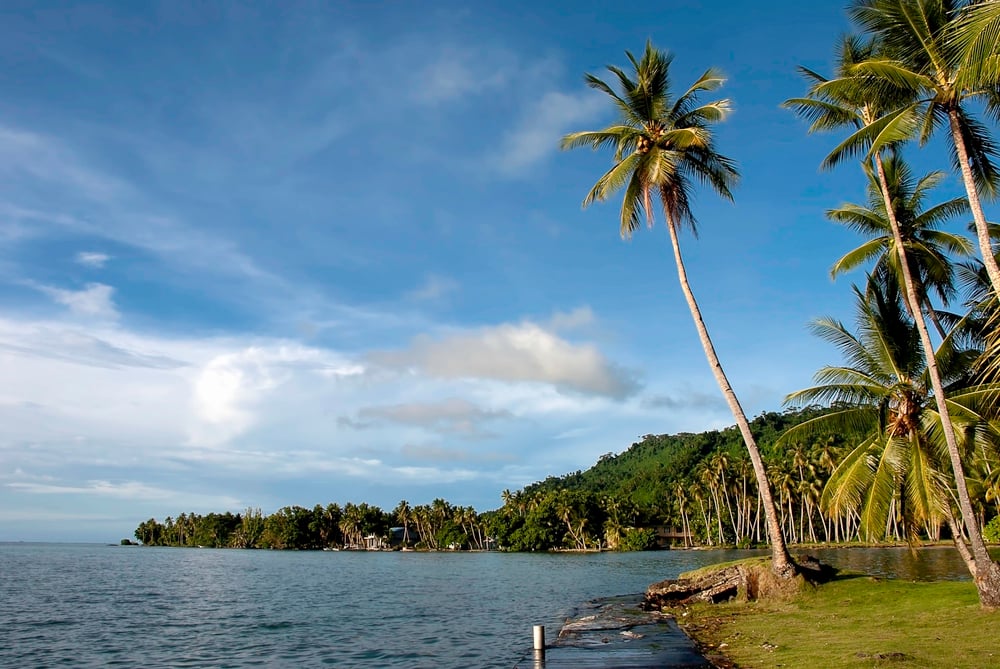
Many small islands scattered across the Pacific Ocean have zero phone coverage due to their isolation and lack of infrastructure. Some islands are so tiny or rugged that setting up cell towers isn’t feasible.
For residents and visitors alike, satellite communication remains the primary way to stay in touch with the outside world. These islands offer true escape from digital noise but also mean being off the radar.
Canadian Arctic Archipelago
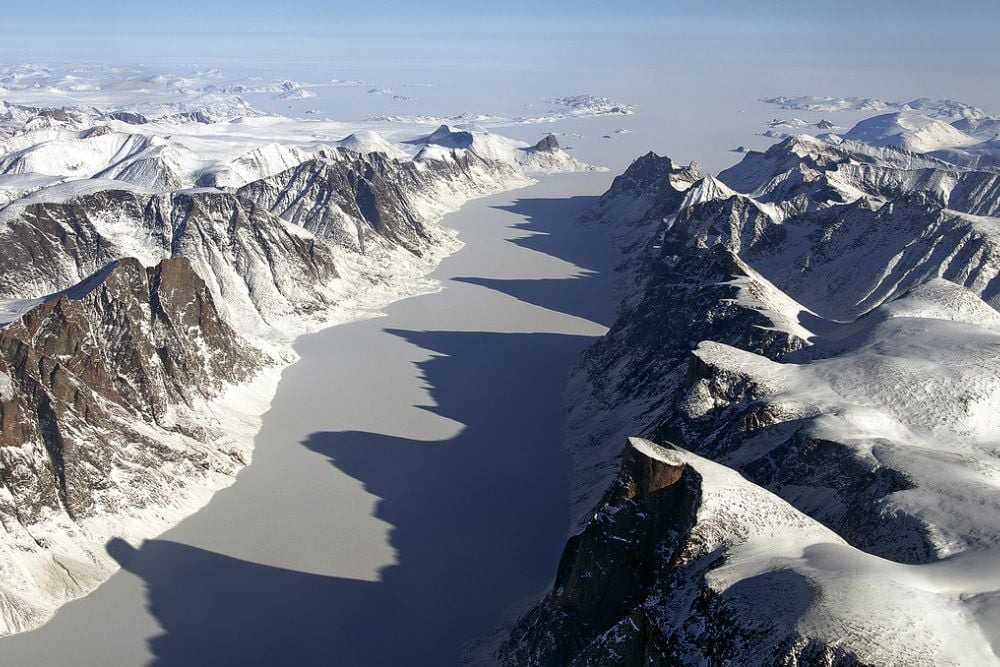
The frozen islands north of Canada are among the most isolated places on earth. Cell towers are rare, leaving locals and visitors without phone signals in most spots.
The brutal cold and shifting ice make infrastructure projects challenging and costly. In this remote, icy expanse, communication depends heavily on satellite technology and radio signals.
Himalayan Mountain Valleys

The towering peaks of the Himalayas block cell signals from reaching deep valleys. Some villages rely on satellite phones or radio communication because mobile networks don’t extend that far.
The dramatic elevation changes and rugged terrain make signal coverage nearly impossible in many areas. The silence here is both physical and digital, offering a rare kind of solitude.
Like Go2Tutors’s content? Follow us on MSN.
Patagonia Ice Fields

The Patagonian Ice Fields are a remote stretch of glaciers where phone signals don’t penetrate the ice-covered wilderness. Explorers here must prepare for complete isolation from cell networks.
The harsh climate and constant movement of glaciers mean no infrastructure can be maintained. It’s a place where silence isn’t just golden, it’s guaranteed.
Namib Desert

One of the oldest deserts in the world, the Namib’s vast, harsh terrain lacks phone towers, creating large dead zones where mobile signals simply can’t reach. Sandstorms and extreme temperatures make maintenance of any signal equipment nearly impossible.
Anyone trekking across this desert quickly learns that staying connected means having backup communication plans.
Remote Areas of Papua New Guinea
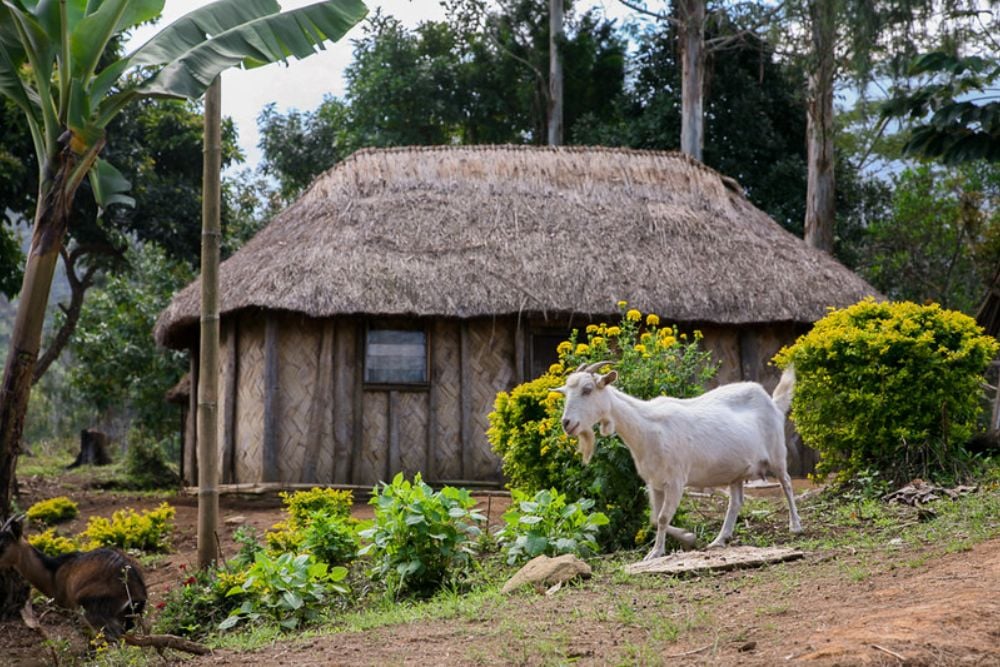
Dense jungles and rugged mountains make many parts of Papua New Guinea unreachable by phone signals. The difficult terrain keeps communication networks sparse.
Many villages rely on face-to-face contact or radios, and satellite phones are a rare luxury. The isolation preserves traditional lifestyles but makes modern communication a challenge.
Like Go2Tutors’s content? Follow us on MSN.
When Silence Speaks Louder Than Signal
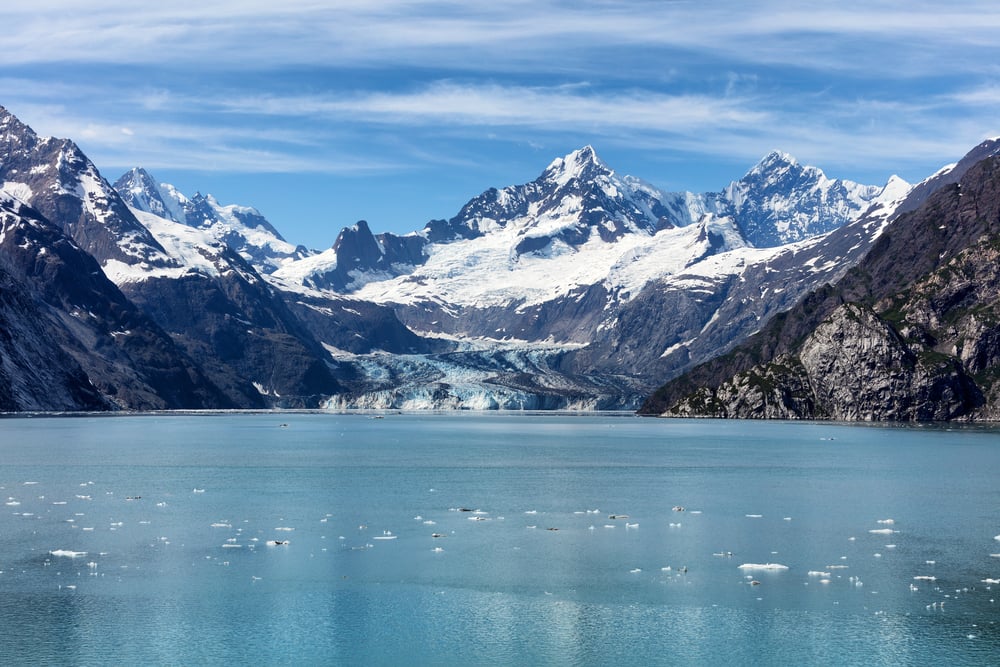
These remote places highlight that, despite our constant connectivity, some corners of the earth remain stubbornly off the grid. Whether blanketed in ice, swallowed by jungle, or stretched across deserts, these silent zones remind us that technology has its limits.
Sometimes, being out of reach isn’t a problem but a chance to disconnect on purpose—giving space to nature, reflection, and the raw experience of the world itself.
More from Go2Tutors!

- 16 Historical Figures Who Were Nothing Like You Think
- 12 Things Sold in the 80s That Are Now Illegal
- 15 VHS Tapes That Could Be Worth Thousands
- 17 Historical “What Ifs” That Would Have Changed Everything
- 18 TV Shows That Vanished Without a Finale
Like Go2Tutors’s content? Follow us on MSN.



