Nostalgic Websites We Used to Visit
Remember when the internet felt like a treasure hunt? Back in the day, websites weren’t just tools or apps—they were destinations. People would spend hours exploring quirky corners of the web, chatting with strangers in primitive chat rooms, and customizing their own little digital spaces.
The internet was slower, clunkier, and way less polished than what we have today. But there was something special about it.
Each site had its own personality, and logging on felt like stepping into a whole different world. Those early internet days shaped how millions of people connect, create, and communicate today.
Let’s take a trip down memory lane and revisit some of those websites that defined an era.
Geocities

Geocities was where people built their first websites, and boy, were they something. Flashing text, rainbow backgrounds, and midi music that would blast through your speakers the moment a page loaded.
The site let anyone create their own corner of the internet for free, and people went wild with it. You could find fan pages for obscure TV shows, personal diary entries that probably should have stayed private, and more animated gifs than any human should ever see.
Myspace

Myspace wasn’t just a social network; it was a whole culture. Your top eight friends list could make or break relationships, and choosing the right profile song was a life-or-death decision.
People spent hours coding their profiles with glittery backgrounds and autoplay music, turning their pages into digital scrapbooks. Tom was everyone’s first friend, and he never judged you for your terrible HTML skills.
AIM

AOL Instant Messenger was how people actually talked to each other online. The sound of someone signing on was better than any notification ping today.
Away messages became an art form, with people crafting cryptic song lyrics or inside jokes to let others know their current mood. Buddy lists were organized with meticulous care, and watching someone’s screenname appear online could make your heart skip a beat.
Neopets
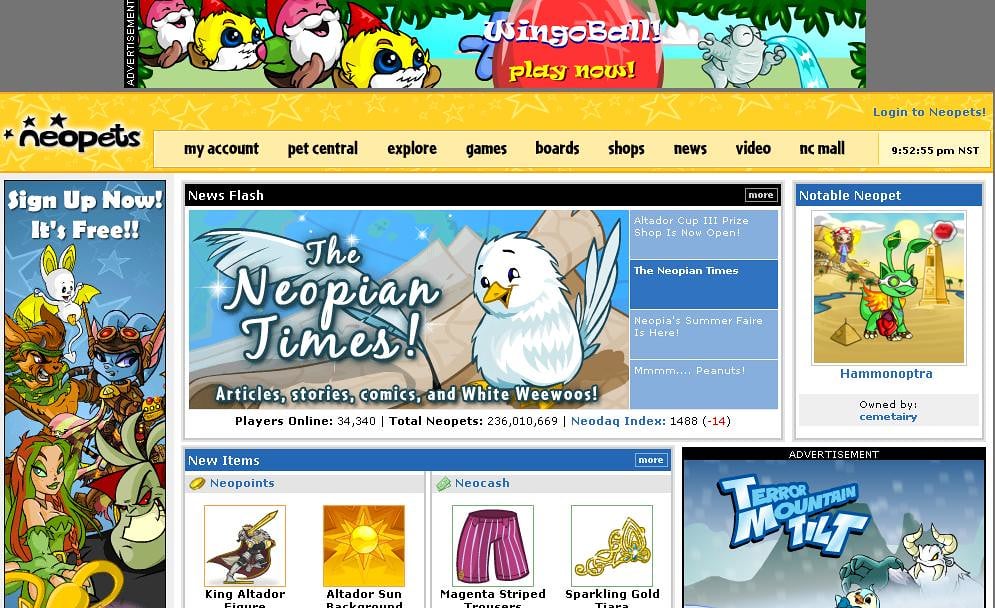
Neopets taught a generation of kids about responsibility, economics, and the pain of virtual pet death. Players adopted colorful creatures and had to feed them, play with them, and keep them happy.
The site had its own economy with Neopoints, and people would play games for hours just to afford food or a fancy background for their pet’s page. Guilds and forums created tight communities where players traded items and strategies.
Homestar Runner
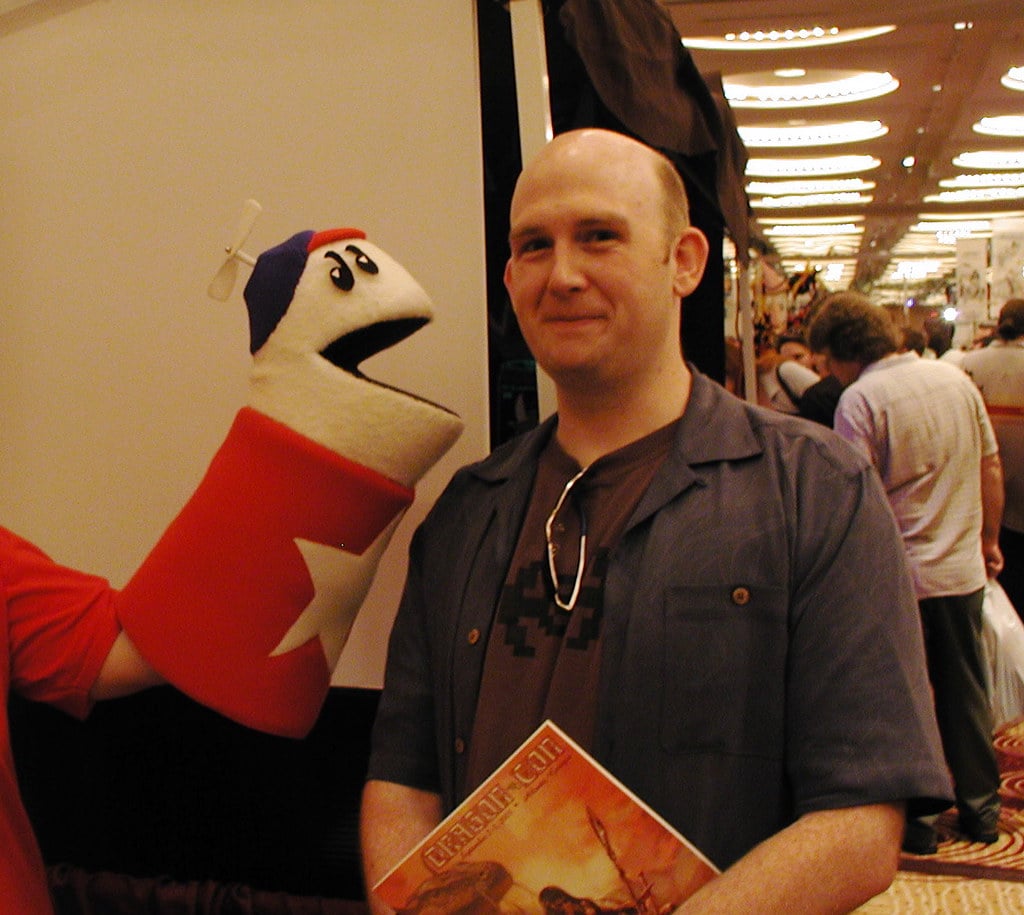
Homestar Runner was a peak internet comedy, served up in Flash animation form. The site featured ridiculous cartoon characters and weekly email segments where Strong Bad would answer viewer questions with sarcastic flair.
Each cartoon was quotable, weird, and genuinely funny in a way that felt fresh and different from TV comedy. Fans would check the site religiously every Monday for new content, making it one of the first viral web series.
Albino Blacksheep

Albino Blacksheep was the go-to site for Flash animations and weird internet videos before YouTube existed. People would share links to flash games and animations that would spread through schools like wildfire.
There was no algorithm deciding what you should watch—you just clicked around and discovered weird stuff. The site had a raw, unfiltered quality that made the internet feel like the wild west.
Miniclip

Miniclip was the escape route during boring computer lab classes. The site hosted hundreds of simple browser games that could eat up hours of your day.
Games loaded relatively quickly even on slow connections, and you didn’t need to download anything. High score lists created friendly competition, and some games had such simple concepts that even adults would get hooked.
Addicting Games
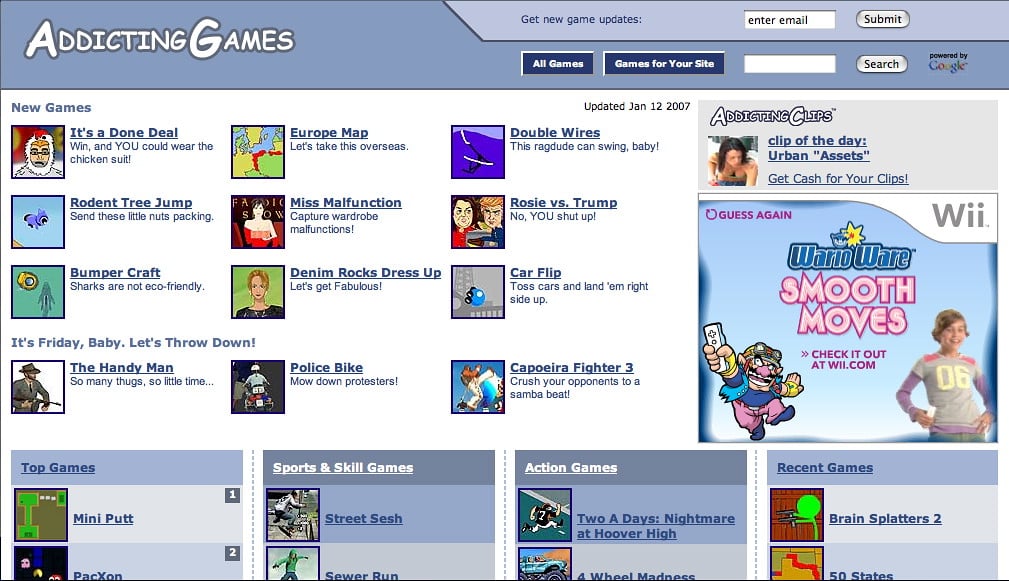
Addicting Games lived up to its name completely. The site offered a massive collection of Flash games across every genre imaginable.
Each game page showed ratings and comments from other players, creating a sense of community around even the simplest games. New games appeared regularly, so there was always something fresh to try.
Rotten Tomatoes forums

Before the site became just a review aggregator, Rotten Tomatoes had thriving movie discussion forums. Film fans would debate everything from box office predictions to plot theories with genuine passion.
People formed online friendships based entirely on their shared love of movies. Spoilers were handled with care, and moderators actually kept things civil most of the time.
Newgrounds
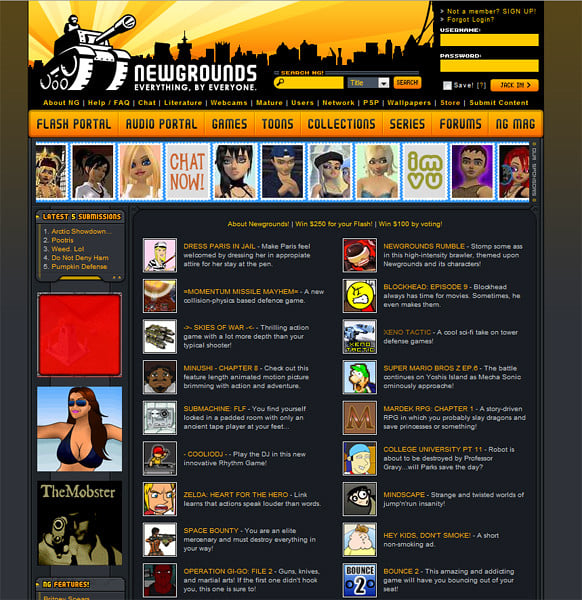
Newgrounds was where edgy, experimental, and often inappropriate content thrived. The site hosted user-created Flash animations and games that pushed boundaries in ways mainstream media never would.
The voting system let the community decide what rose to the top, creating a true meritocracy of internet creativity. Many professional creators got their start here, learning their craft and building audiences.
DeviantArt

DeviantArt became the home for artists of all skill levels to share their work and get feedback. From amateur sketches to professional digital paintings, everything had a place.
The community aspect meant artists could follow each other, leave comments, and participate in challenges. Fanart flourished here, with every imaginable fandom represented in countless styles.
Stumbleupon

Stumbleupon was the perfect cure for boredom, acting like a random internet generator. You’d click a button and get transported to a completely random website that matched your interests.
The discovery aspect made browsing feel adventurous rather than algorithmic. Users could thumbs up or thumbs down sites, training the system to show better matches.
Funnyjunk

Funnyjunk was a chaotic collection of memes, comics, and videos before social media streamlined everything. Users uploaded content constantly, and the community voted on what was actually funny versus what flopped.
The comment sections could be brutal but also genuinely hilarious. Going to Funnyjunk meant diving into unfiltered internet humor where anything could show up.
Ebaum’s World

Ebaum’s World aggregated the funniest and weirdest content from across the internet into one chaotic hub. Videos, pictures, flash games, and pranks all competed for attention on the front page.
The mix of content meant you never knew if you’d see something hilarious, shocking, or just plain confusing. It captured the internet’s anything-goes spirit before algorithms started deciding what people should see.
LiveJournal

LiveJournal was where people poured their hearts out in public blog posts, creating a proto-social network based on written expression. Users would post diary-style entries about their daily lives, complete with custom mood indicators and music selections.
Friends lists and commenting created genuine conversations, and people formed real bonds through their writing. Many writers developed their voice through years of LiveJournal posts, creating archives of teenage angst and young adult discoveries.
Club Penguin
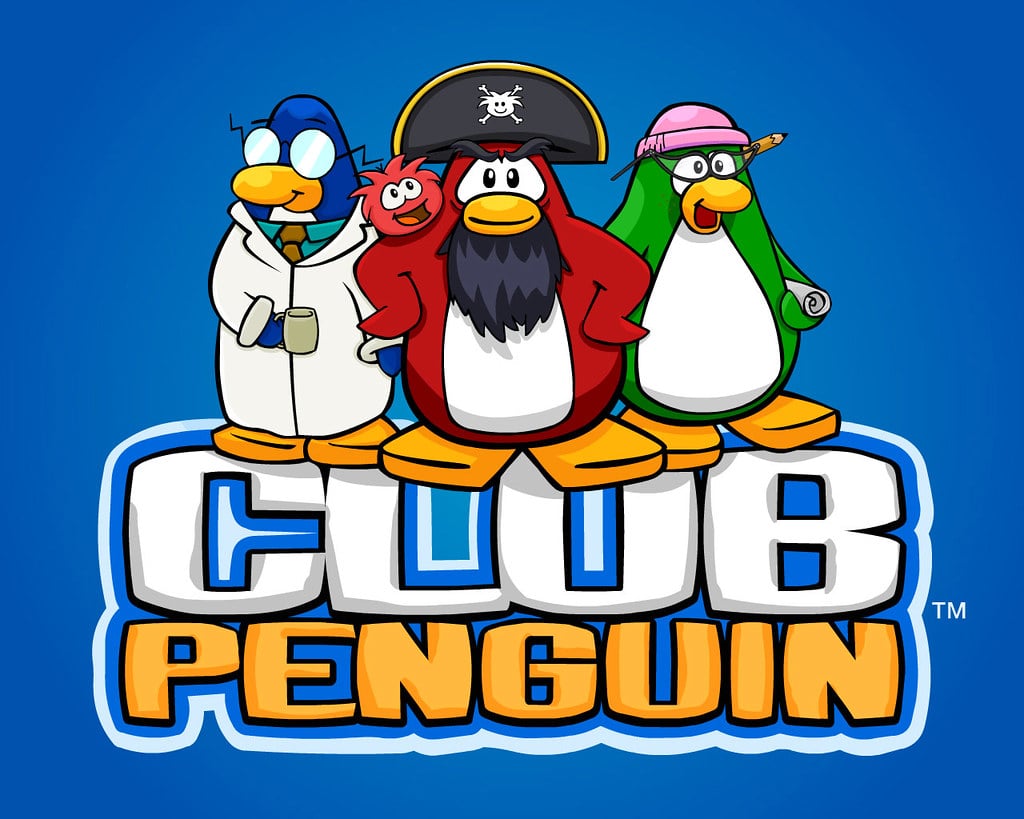
Club Penguin created a safe online world where kids could waddle around as colorful penguins and hang out. Players could decorate their igloos, play mini-games to earn coins, and chat using pre-approved phrases.
The site managed to be genuinely fun while keeping safety as a top priority. Special events and parties would take over the island, giving kids reasons to log in regularly.
Homestar Runner wiki

Not exactly a classic standalone destination, but the Homestar Runner wiki deserves mention. Fans catalogued every inside joke, character appearance, and Easter egg with academic precision.
The wiki format let people collaborate on preserving and explaining every tiny detail. Fans created this detailed reference guide purely out of love for the cartoons.
Mashable

Mashable started as a simple tech blog and grew into a massive news source during the social media explosion. The site covered every new platform, app, and internet trend with enthusiasm and clarity.
Articles explained technology in ways regular people could understand, not just hardcore geeks.
Where the web still lives

The websites we loved back then mostly disappeared or transformed beyond recognition. But they’re not completely gone.
The Internet Archive preserves snapshots of old pages, letting people revisit those chaotic Geocities layouts and forgotten forum posts.
More from Go2Tutors!

- The Romanov Crown Jewels and Their Tragic Fate
- 13 Historical Mysteries That Science Still Can’t Solve
- Famous Hoaxes That Fooled the World for Years
- 15 Child Stars with Tragic Adult Lives
- 16 Famous Jewelry Pieces in History
Like Go2Tutors’s content? Follow us on MSN.



