Locations Built on Water and How They Survive Today
Building a city or town on water sounds like something out of a fantasy novel, but humans have been doing it for centuries. These places exist all over the world, from famous tourist spots to small communities that most people have never heard of.
Some were built for protection, others for trade, and a few just because people wanted to live closer to the water they depended on. Here’s a look at some of the most interesting places that decided solid ground was optional.
Venice
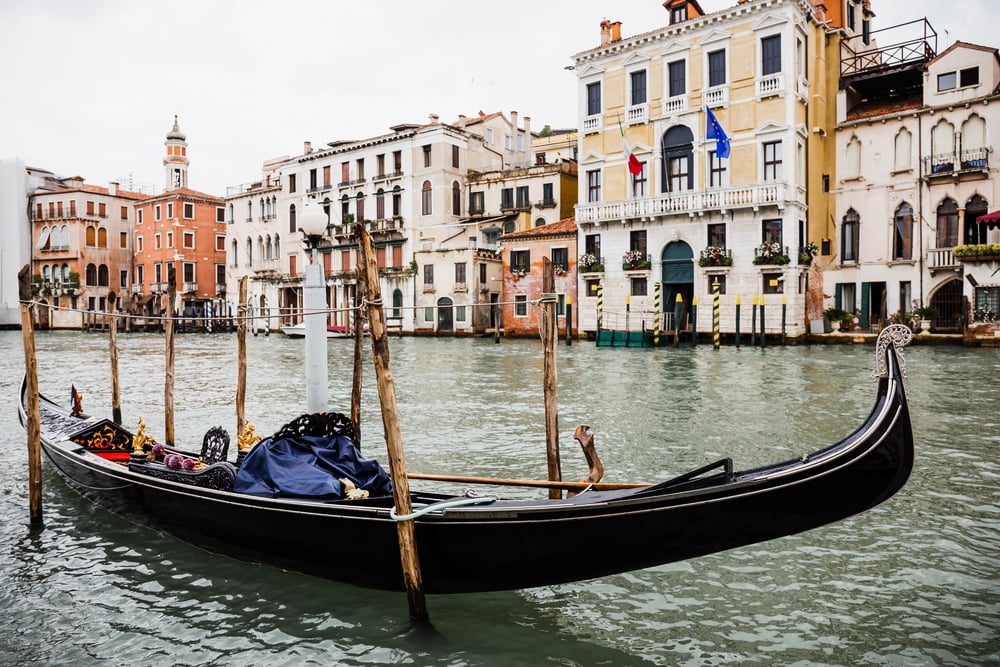
This Italian city sits on 118 small islands connected by over 400 bridges. The buildings rest on wooden piles driven deep into the clay beneath the lagoon.
Venice has been slowly sinking for decades, dropping about two millimeters every year. The city now uses a system of mobile barriers called MOSE that rise from the seafloor during high tides to keep flooding at bay.
Engineers installed 78 yellow barriers across three inlets to protect the lagoon when water levels get too high.
Floating Villages of Cambodia
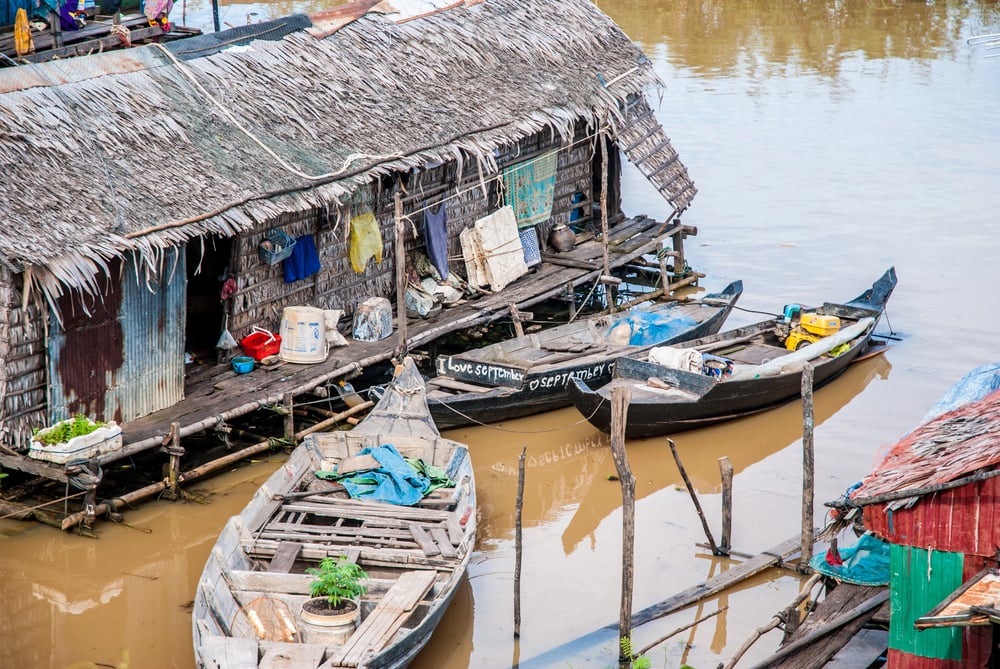
Thousands of people live in houses that literally float on Tonle Sap Lake. The homes sit on large barrels or bamboo rafts that rise and fall with the water level throughout the year.
When the lake swells during monsoon season, the entire village moves with it. These communities include schools, shops, and even small farms, all bobbing on the surface.
Families anchor their homes to poles or trees to keep from drifting away.
Giethoorn
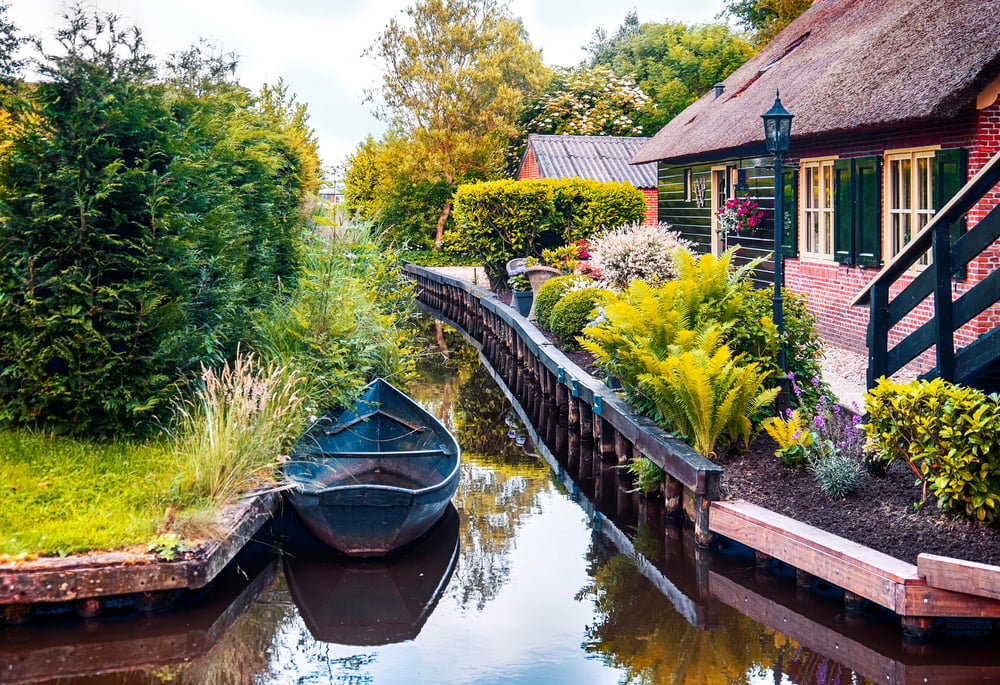
This Dutch village earned the nickname ‘Venice of the North’ because it has almost no roads. People get around by boat through the canals or by walking on narrow footpaths.
The town sits on peat bogs where builders created islands by digging up the peat for fuel centuries ago. Modern Giethoorn uses quiet electric boats to preserve the peaceful atmosphere, and the bridges are designed low and arched so boats can pass underneath easily.
Uros Islands
The Uros people built their own islands out of totora reeds on Lake Titicaca in Peru. They weave thick mats of reeds and layer them to create floating platforms, then build their houses on top.
As the bottom layers rot, they add new reeds to the top to keep everything stable. About 2,000 people live this way, maintaining a tradition that goes back hundreds of years.
The islands need constant maintenance because the reeds break down in the water.
Ganvie
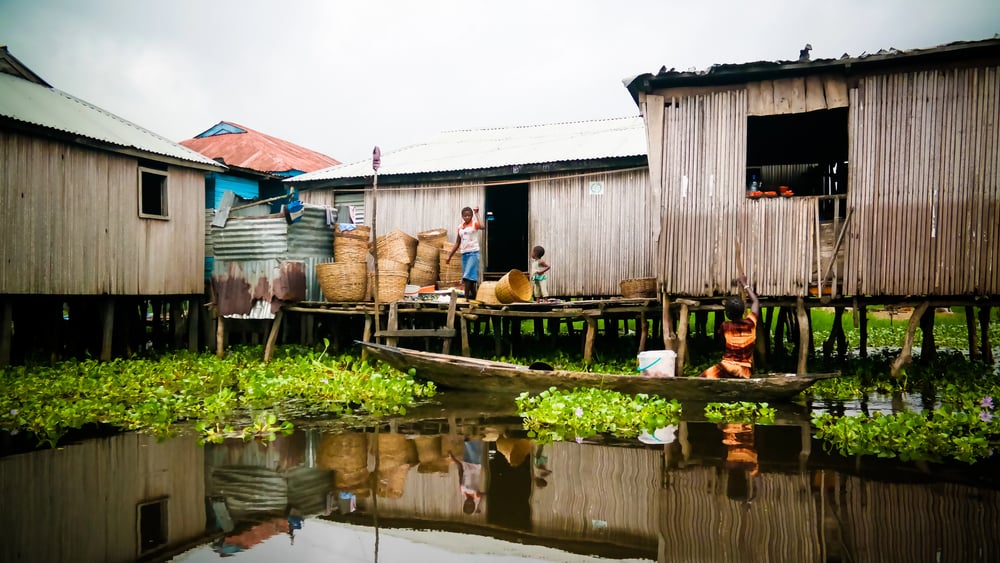
This village in Benin sits entirely on stilts in Lake Nokoué and houses around 20,000 people. Locals built it in the 16th century to escape slave traders who were forbidden by law from attacking people living on water.
Today, residents fish from their doorsteps and travel everywhere by canoe. The houses stand on stilts made from tree trunks driven into the lakebed, and people raise the structures higher as children grow and families expand.
Makoko
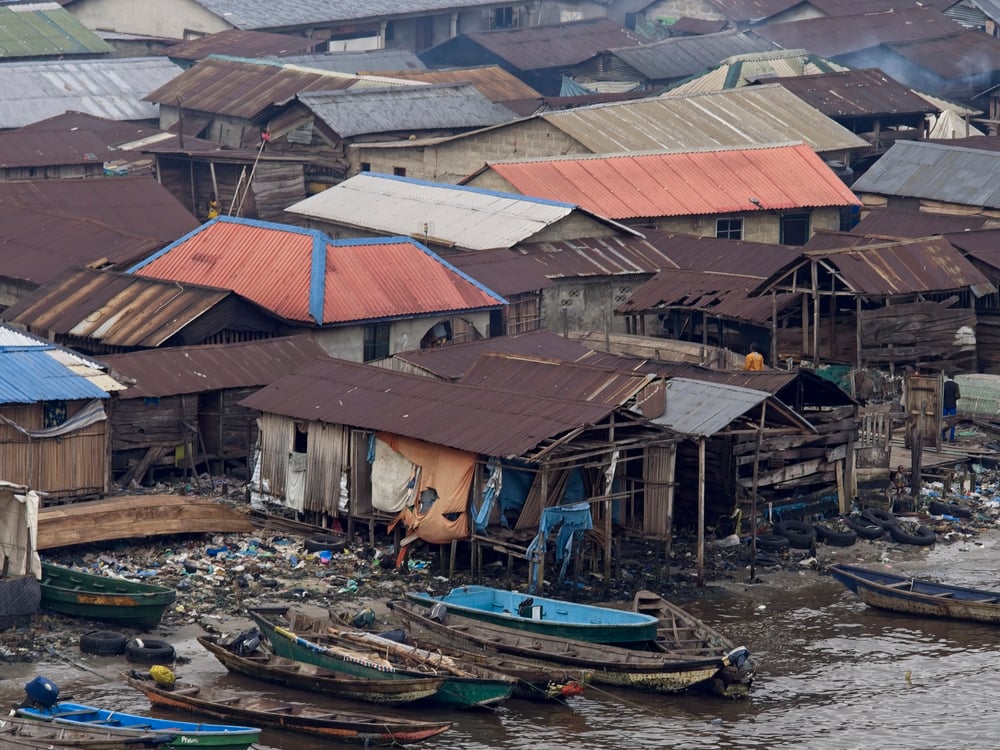
Often called the ‘Venice of Africa,’ this neighborhood in Lagos, Nigeria, extends over a lagoon. Wooden buildings rise on stilts, connected by rickety walkways and bridges.
More than 100,000 people live here, though the exact number keeps changing. Residents face challenges with clean water and waste management because the community developed without official city planning.
Some parts use solar panels now, and a floating school was built to educate children without solid ground classrooms.
Brunei’s Water Village

Kampong Ayer in Brunei is the world’s largest stilt settlement, home to about 30,000 people. The village has existed for over 600 years and includes mosques, schools, and police stations all built over the Brunei River.
Wooden walkways connect the different sections, stretching for miles across the water. When Portuguese explorers first saw it in the 1500s, they called it the ‘Venice of the East.’
The Sultan provides free housing and services to residents who want to maintain their traditional waterborne lifestyle.
Zhouzhuang
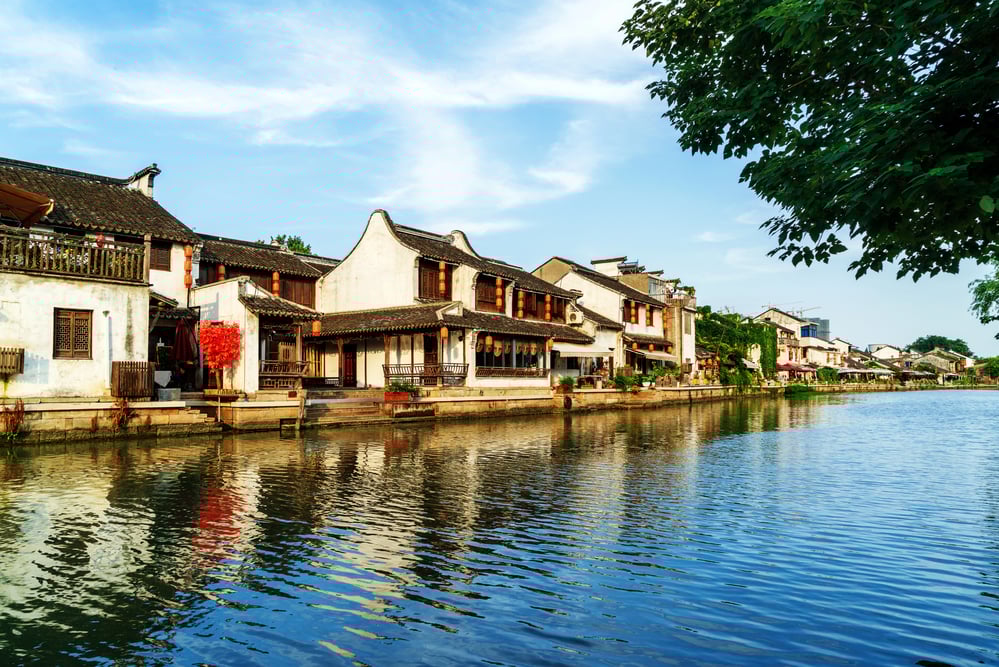
This ancient Chinese water town dates back over 900 years and sits where several rivers meet. Stone bridges from the Ming and Qing dynasties still carry people over the canals.
Builders designed the town’s layout around the natural waterways rather than trying to control them. About 60% of the houses from 500 years ago remain standing today, with their foundations deep in the riverbed.
The town uses modern pumping stations to manage water levels during flood season.
Floating Gardens of Mexico
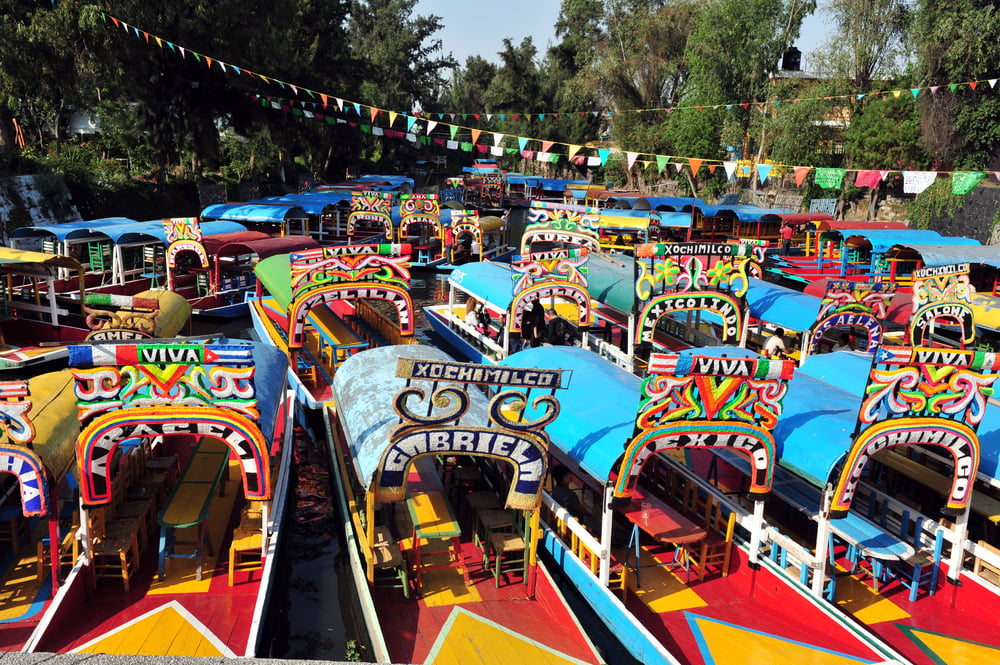
Xochimilco near Mexico City preserves an ancient farming method where crops grow on artificial islands called chinampas. The Aztecs created these rectangular plots by staking out areas in the shallow lake and piling up mud and vegetation.
Willow trees planted around the edges keep the soil from washing away. Farmers still use this system today, growing flowers and vegetables that float to market on flat-bottomed boats.
The canals between the islands provide natural irrigation and attract thousands of tourists each year.
Inle Lake Stilt Houses
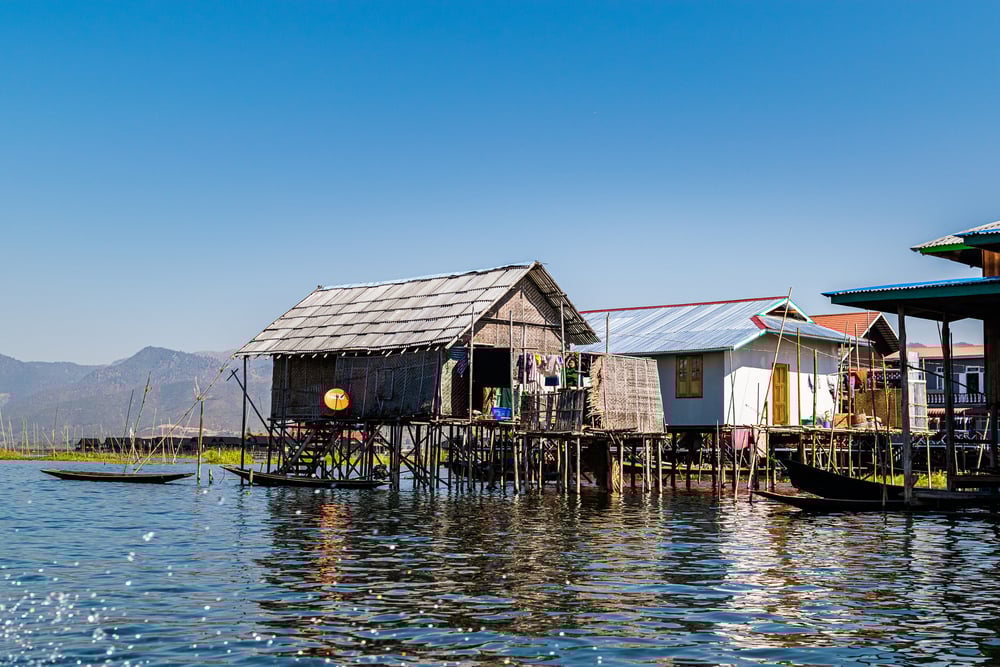
In Myanmar, entire villages stand on wooden stilts over Inle Lake. The Intha people who live here developed a unique rowing technique using one leg wrapped around an oar so they can keep their hands free for fishing.
Houses sit high enough that boats pass directly underneath during the rainy season. Locals grow tomatoes and flowers in floating gardens similar to the ones in Mexico, anchoring them to the lakebed with bamboo poles.
The community runs markets, workshops, and monasteries all built over the water.
Tongli
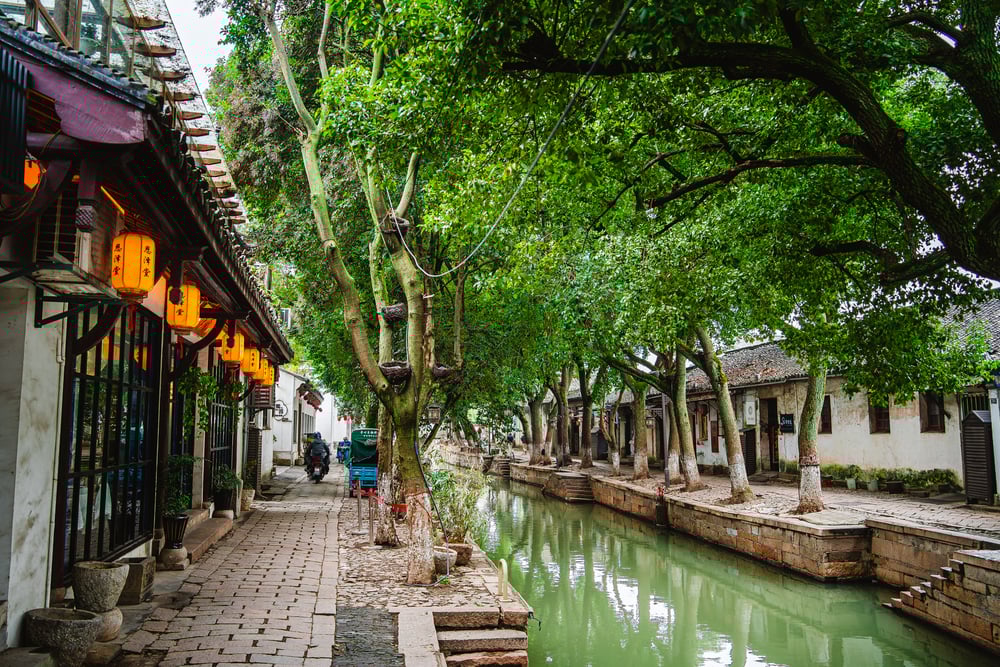
Another ancient Chinese water town, Tongli splits into seven islands by 15 rivers and canals. Builders constructed 49 stone bridges during various dynasties, some more than 1,000 years old.
The town survives by maintaining its old drainage systems and regularly dredging the canals to prevent sediment buildup. Houses feature basements that flood during heavy rains, acting like pressure valves to protect the upper floors.
Modern pumps help when the traditional systems get overwhelmed.
Punta Cana Floating Resort
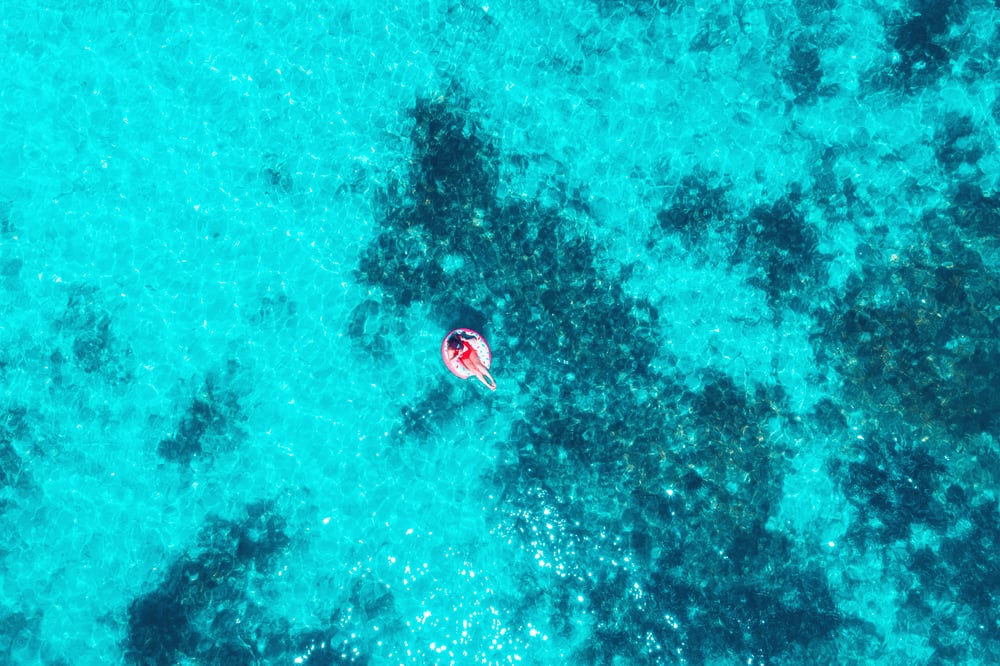
The Dominican Republic experiments with floating hotel rooms that rise and fall with ocean tides. Each unit anchors to the seafloor but moves independently, giving guests an unusual experience.
Engineers designed the structures to handle Caribbean storms by letting them ride out rough waves rather than fighting against them. Solar panels on the roofs provide electricity, and treated wastewater returns to land through underwater pipes.
The resort shows how modern technology can make water living more practical.
Seattle’s Houseboats
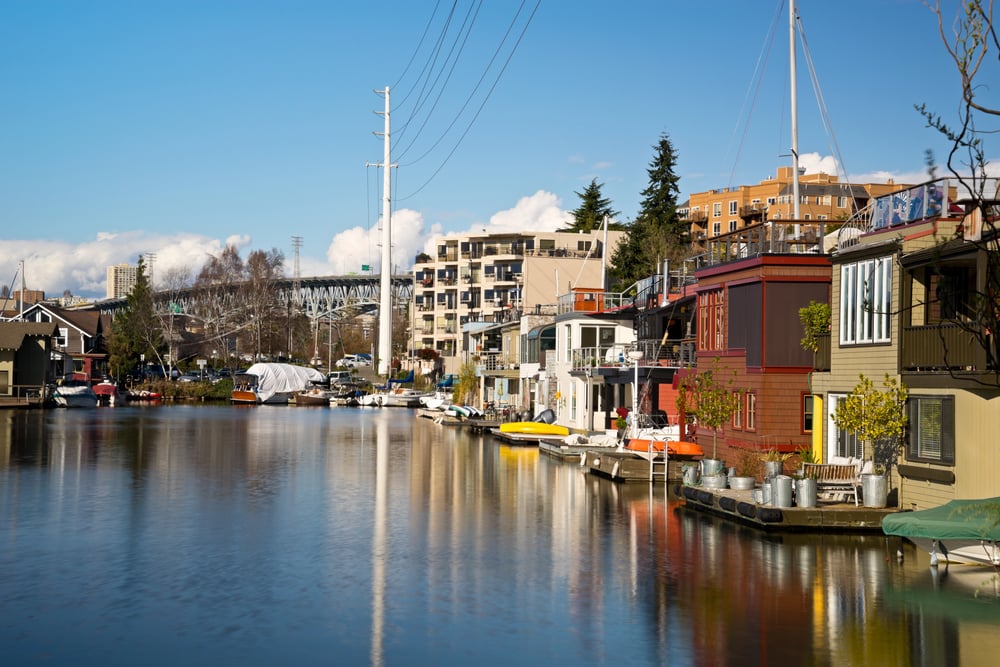
Lake Union in Seattle hosts hundreds of floating homes that people live in year-round. These aren’t boats that can move easily but actual houses built on floating platforms.
The city treats them as real property with addresses, taxes, and regulations. Each home connects to shore through power lines and water pipes that have enough slack to handle the rise and fall of the lake.
Residents form tight communities and deal with challenges like ice damage in winter and algae growth in summer.
Halong Bay Floating Villages

Floating past jagged green cliffs, homes bob gently on Halong Bay’s calm surface. Beneath them, nets hang thick with growing fish, part of daily work.
Some families now settle ashore after officials offered new housing, aiming to keep waters clean. Those still living on boats sort trash carefully; tossing it overboard is forbidden.
Young ones often leave, drawn by classrooms and paychecks far from the waves. Life here shifts slowly, shaped by choices made beyond these quiet ripples.
Where Water Meets Determination

Water villages show how people adjust when life demands it. Starting out of pure need, some practices turned into customs over time – now sparking ideas among builders facing warmer oceans.
A few settlements wrestle with today’s issues, whereas others grow stronger by mixing age-old methods with modern tools. Each one hints at a truth: foundations do not require earth.
More from Go2Tutors!

- The Romanov Crown Jewels and Their Tragic Fate
- 13 Historical Mysteries That Science Still Can’t Solve
- Famous Hoaxes That Fooled the World for Years
- 15 Child Stars with Tragic Adult Lives
- 16 Famous Jewelry Pieces in History
Like Go2Tutors’s content? Follow us on MSN.



