17 Plans to Move Whole Cities That Nearly Happened
People have long built cities in places that later proved dangerous or unsustainable. From natural disasters to resource shortages, a range of challenges has pushed officials to consider the dramatic step of relocating entire urban centers. While most cities stay put despite the risks, some came surprisingly close to being picked up and moved elsewhere.
Here is a list of 17 real plans to relocate entire cities that were seriously considered but ultimately didn’t fully materialize.
Cairo, Illinois

In the 1970s, federal officials developed plans to relocate the entire city of Cairo, Illinois, due to devastating flooding from the Mississippi and Ohio Rivers. The Army Corps of Engineers proposed moving the city to higher ground several miles away, with estimated costs of $250 million.
Though preliminary approvals were granted, the plan was ultimately abandoned when funding fell through, leaving Cairo to continue its struggle with a declining population and flood threats.
Kiruna, Sweden
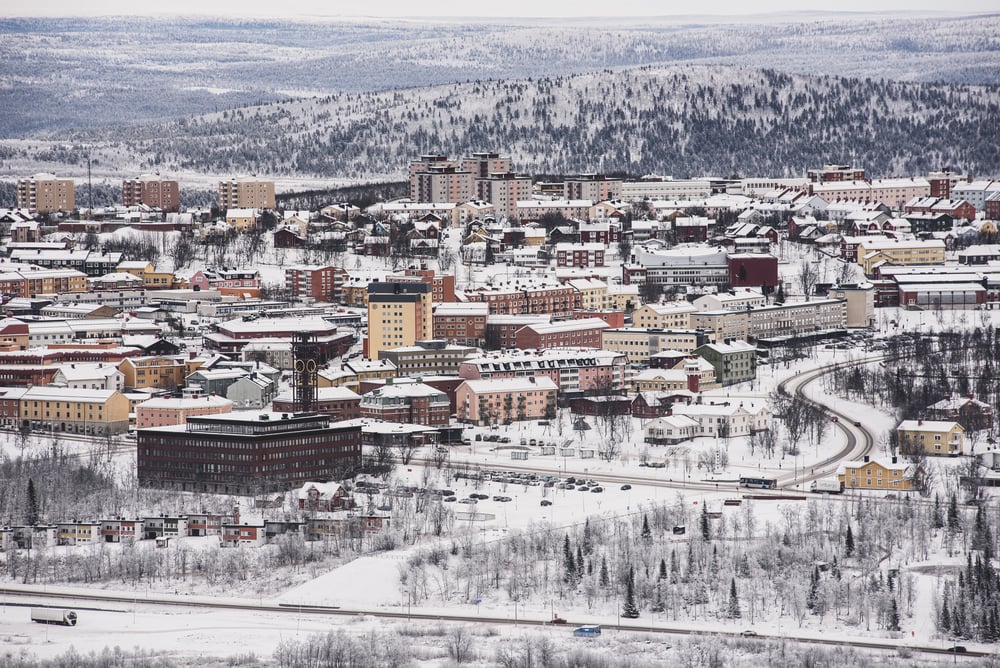
Kiruna, Sweden’s northernmost city, faces collapse as the iron ore mine beneath it expands. In 2004, mining company LKAB announced that continued mining operations would cause the ground to become unstable, necessitating the city’s relocation.
Unlike many relocation plans, Kiruna’s move has partially begun, with some buildings already relocated and others planned for movement, but the complete city relocation that was initially proposed has been scaled back significantly.
San Francisco, California
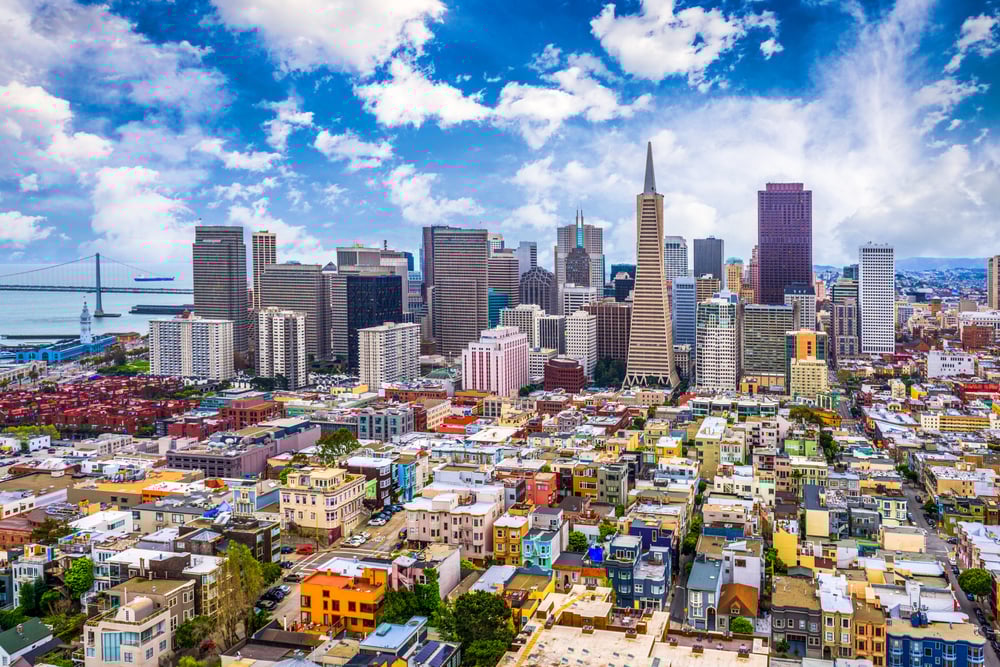
After the devastating 1906 earthquake and fire destroyed much of San Francisco, engineer Daniel Burnham proposed relocating the entire city away from the fault line. His plan would have moved San Francisco several miles south to safer ground with a completely redesigned city layout featuring grand boulevards and extensive parks.
City officials seriously considered this proposal before ultimately deciding to rebuild in the original location, though with improved building codes.
Jakarta, Indonesia
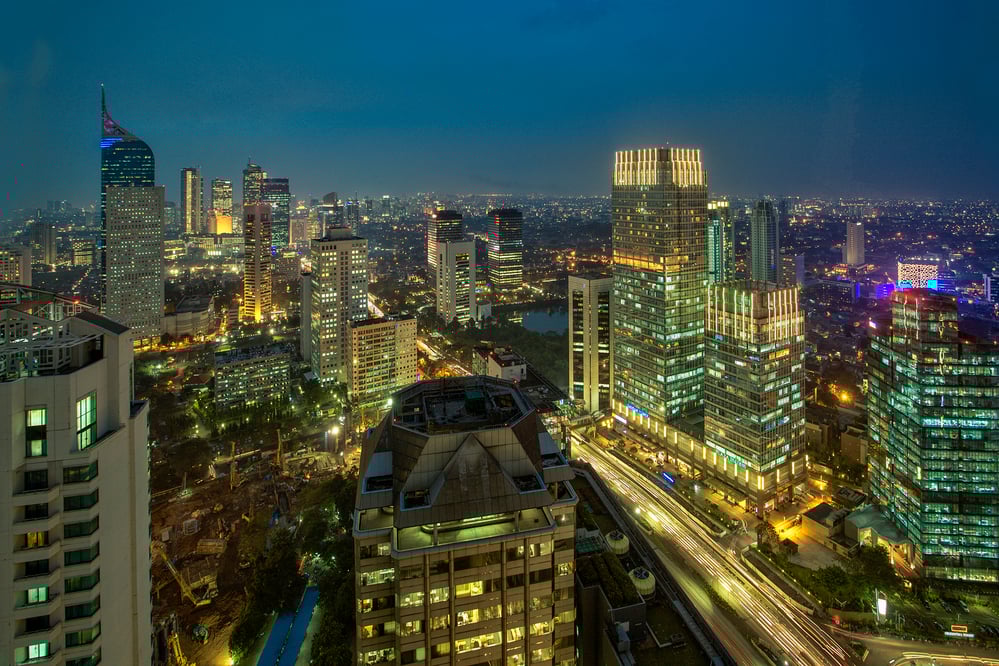
Indonesia’s capital, Jakarta, is sinking at an alarming rate of up to 10 inches per year due to groundwater extraction and rising sea levels. In 2019, President Joko Widodo announced plans to relocate the capital to East Kalimantan on Borneo Island, moving government functions and potentially millions of residents.
Though the COVID-19 pandemic delayed this massive relocation project, it remains one of the most ambitious city-moving plans in modern history.
Venice, Italy
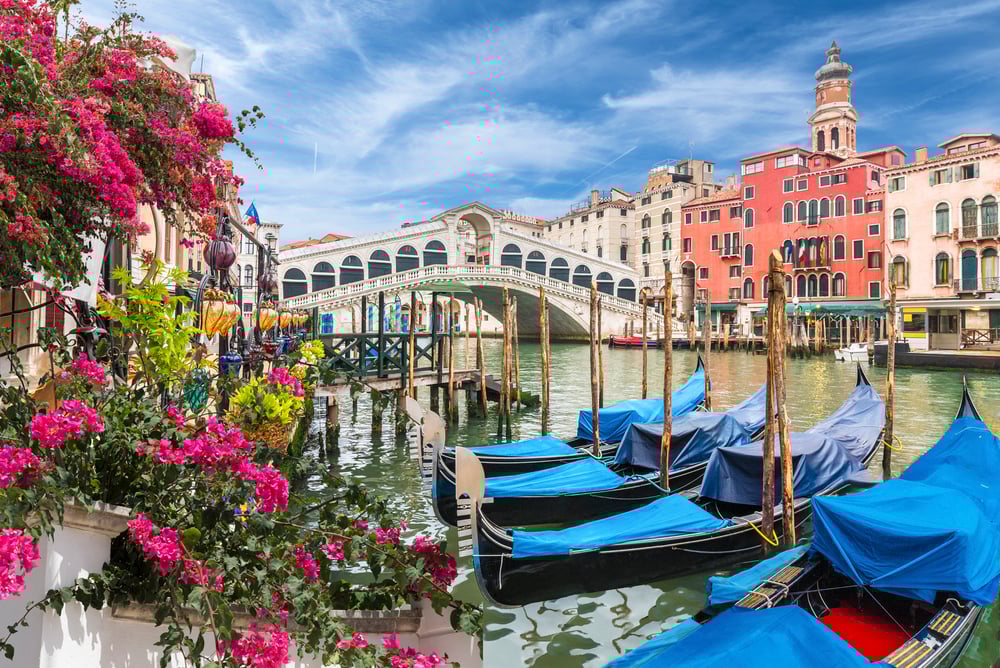
In the 1970s, UNESCO and Italian officials seriously considered relocating Venice’s historic buildings and monuments to mainland Italy as the city continued to sink into the lagoon. Engineers proposed dismantling the city’s architectural treasures piece by piece and rebuilding them on solid ground.
Instead of moving the city, authorities opted for expensive flood control systems, including the MOSE barrier project, though the city’s long-term future remains uncertain.
Boston, Massachusetts
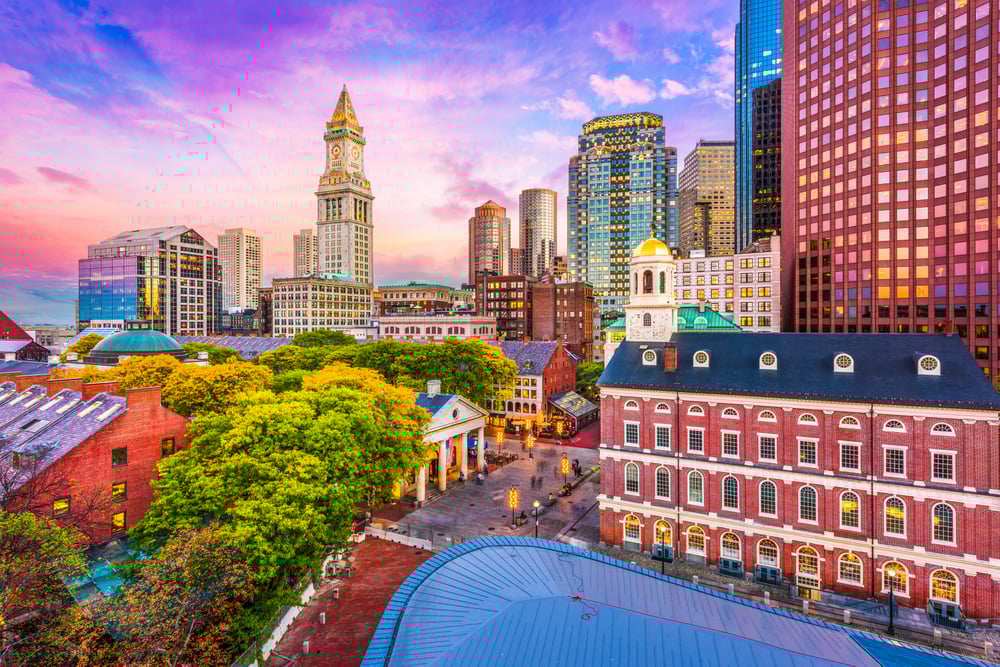
Following devastating fires in the early 1800s, civic leaders proposed relocating Boston to higher ground away from its vulnerable peninsula location. The plan would have moved the entire city center about 2 miles inland, creating a completely new street grid and abandoning the original settlement area.
Instead, Boston launched one of America’s first major urban engineering projects, adding land through massive fill operations rather than relocating.
Mexico City, Mexico
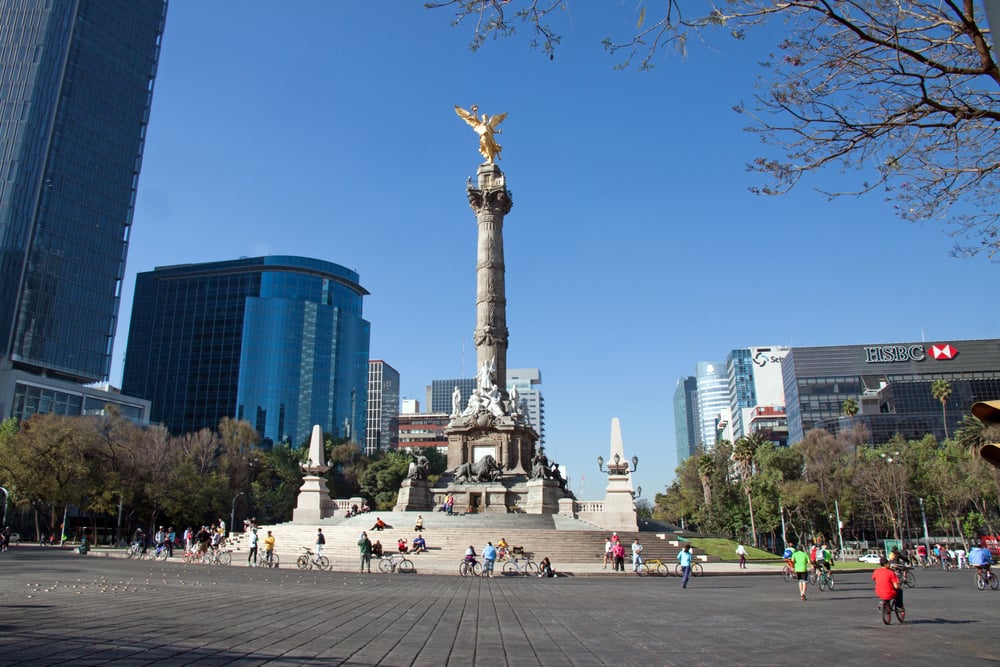
After the catastrophic 1985 earthquake that killed thousands, Mexican officials developed plans to relocate large portions of Mexico City to more stable ground away from its earthquake-prone valley. The proposal would have moved government offices and incentivized businesses and residents to relocate to purpose-built satellite cities.
Though the full relocation never happened, the earthquake did prompt partial decentralization of government functions to other Mexican cities.
El Centro, California

In the 1980s, seismic experts warned that El Centro, located directly on the San Andreas Fault, could be devastated by a major earthquake. A federal task force explored options that included relocating the city several miles east, outside the projected high-risk zone.
Proposals included building a new city core on more stable ground and gradually transitioning services and residents. The idea gained traction after nearby earthquakes caused severe damage, but logistical costs and resistance from residents halted the plan.
Shanghai, China

During the late 1930s, facing Japanese invasion during the Second Sino-Japanese War, the Nationalist government seriously considered relocating Shanghai’s industrial base and much of its population inland to Chongqing. Engineers developed detailed plans to dismantle factories and transport critical infrastructure 1,000 miles upstream on the Yangtze River.
Though some industrial capacity was moved, the complete city relocation was abandoned as the war situation evolved.
London, England
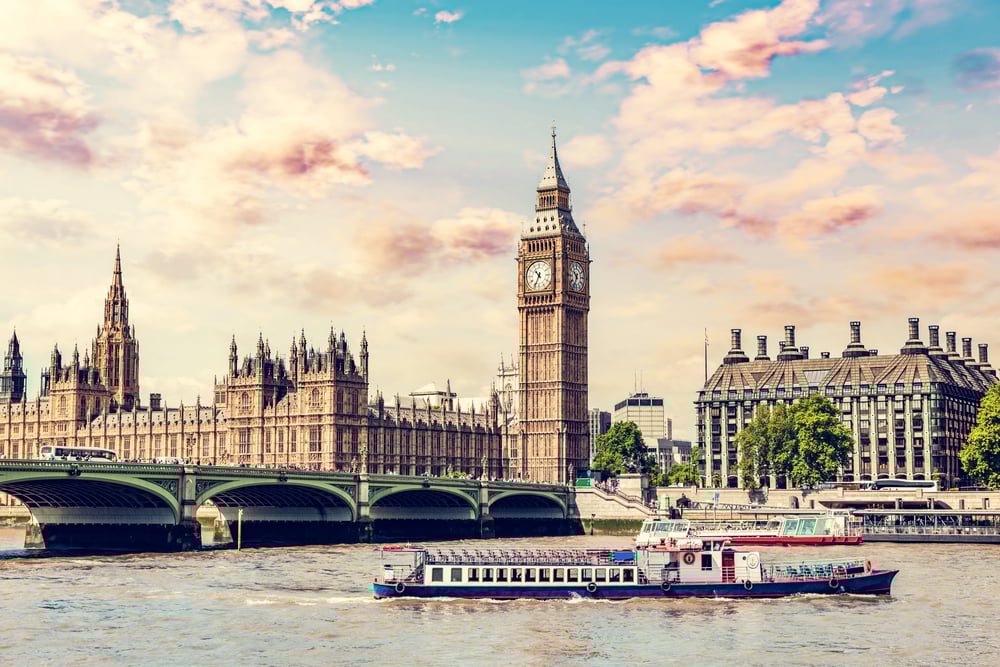
Following the devastating Blitz bombing campaign of World War II, urban planners, including Patrick Abercrombie, proposed relocating large portions of London’s population to planned satellite cities. The 1944 Greater London Plan recommended moving over a million residents out of the bombed city center to newly built communities in the surrounding countryside.
Though the full relocation never materialized, elements of the plan influenced postwar development of British New Towns.
Skopje, North Macedonia
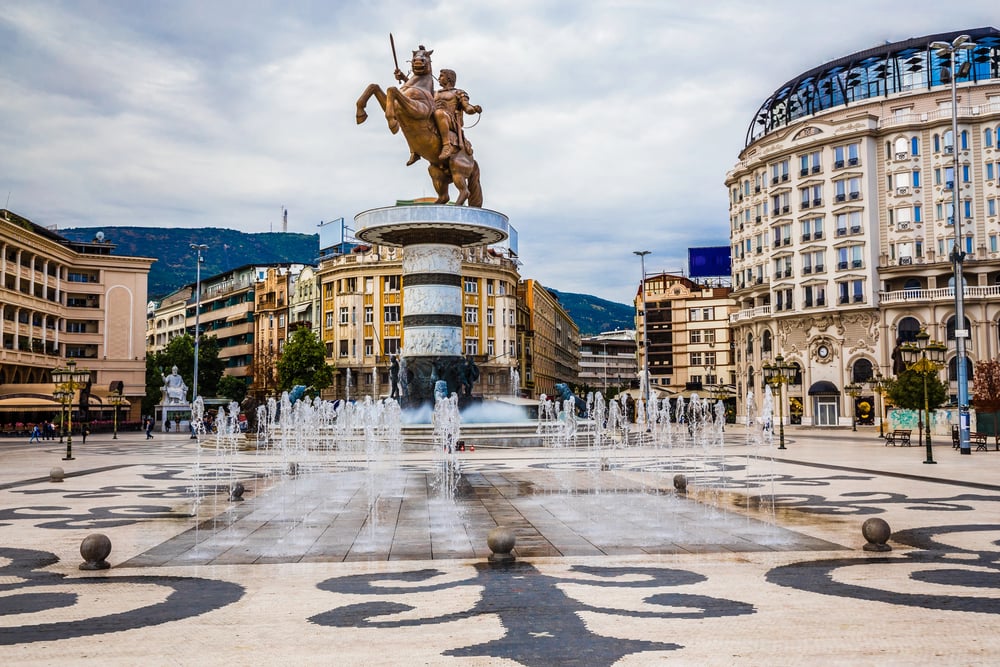
After a massive earthquake destroyed approximately 80% of Skopje in 1963, Yugoslav officials and international experts considered relocating the entire city to safer ground away from the seismic zone. Japanese architect Kenzo Tange led a master planning team that proposed moving the capital several miles east.
Instead of relocating, authorities ultimately decided to rebuild the city with advanced earthquake-resistant construction, though some government functions were decentralized.
New Orleans, Louisiana
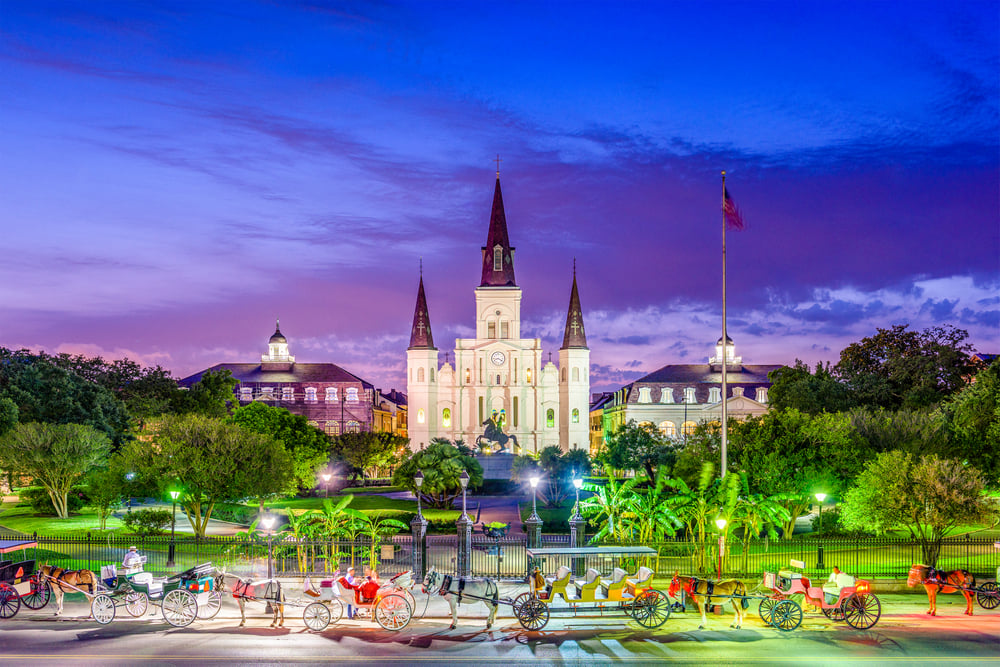
In the aftermath of Hurricane Katrina in 2005, urban planners and government officials seriously debated relocating New Orleans away from its vulnerable position below sea level. The proposal would have abandoned the lowest-lying areas and rebuilt critical infrastructure on higher ground nearby.
Despite strong support from some experts, the emotionally and politically charged plan was rejected in favor of rebuilding and strengthening the existing levee system.
Galveston, Texas
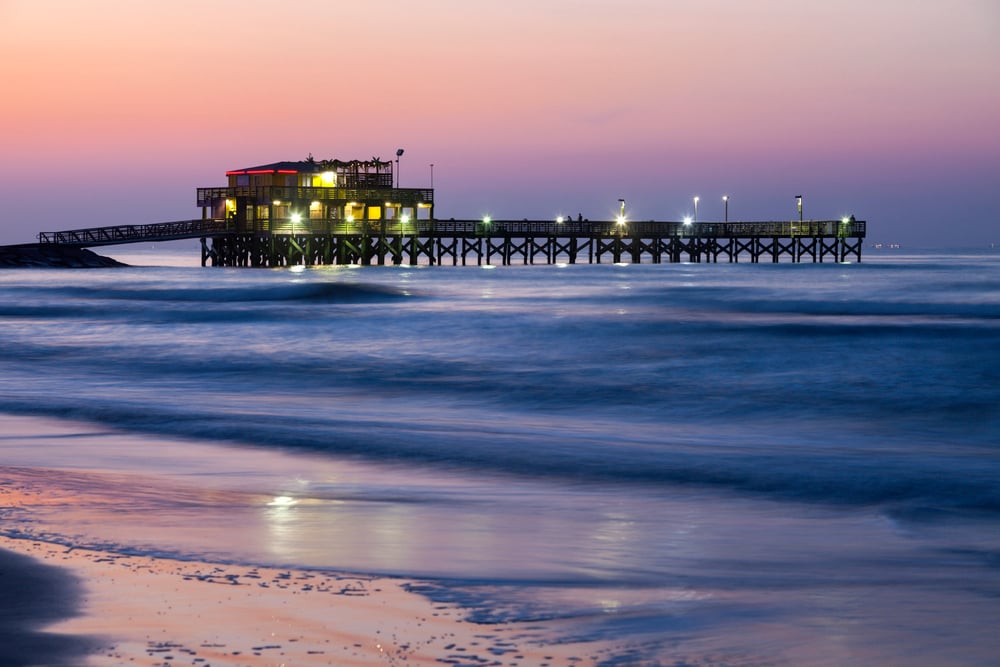
After the devastating 1900 hurricane which remains the deadliest natural disaster in US history, engineers proposed abandoning Galveston’s vulnerable barrier island location and relocating the city to the mainland. The bold plan would have moved the then-prominent port city several miles inland to safer ground near present-day Houston.
Instead of relocating, the city undertook a massive engineering project, raising the entire island’s elevation by up to 17 feet and constructing a substantial seawall.
Moscow, Russia
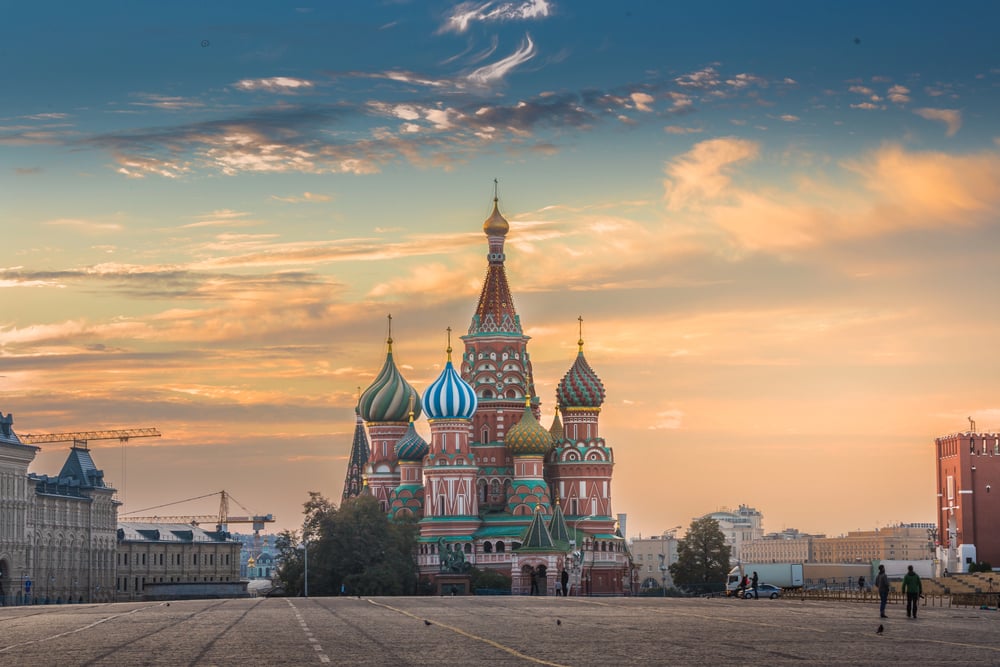
During the Cold War’s most tense period in the early 1960s, Soviet planners developed contingency plans to relocate Moscow’s government functions and critical industries in the event of nuclear war. The classified project would have moved key institutions to a “reserve capital” built near the Ural Mountains, beyond the range of NATO bombers.
While bunkers and some infrastructure were constructed, the complete relocation plan remained dormant unless nuclear war seemed imminent.
Detroit, Michigan
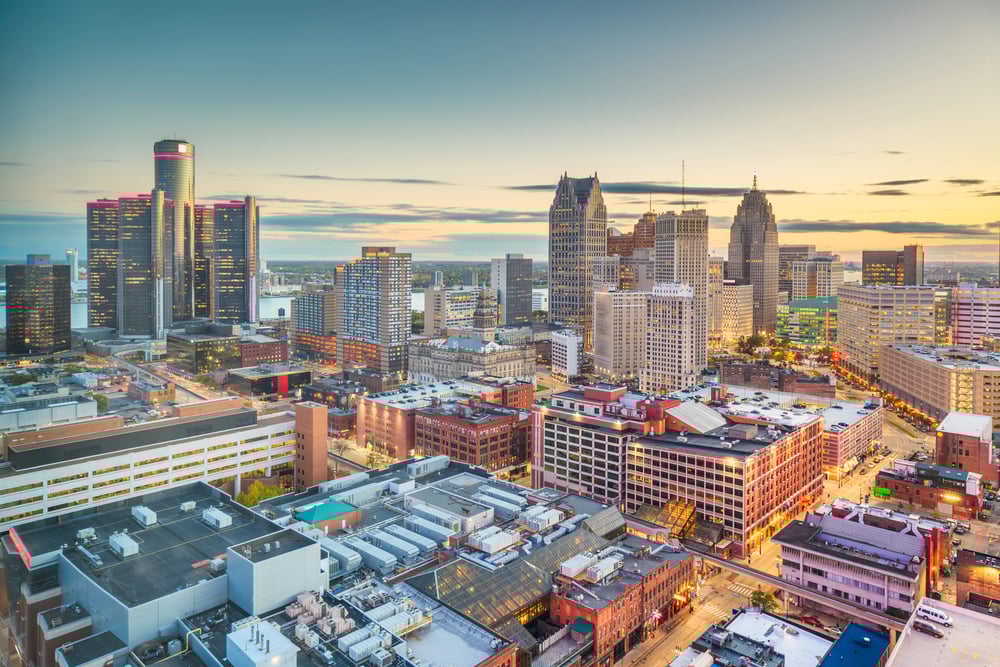
At the height of Detroit’s economic decline in the late 1970s, urban planners proposed a controversial “planned shrinkage” strategy that would have effectively relocated large portions of the struggling city. The plan would have consolidated Detroit’s remaining population into viable neighborhoods while converting abandoned areas to agricultural or natural land.
Though never fully implemented, elements of this approach have influenced Detroit’s more recent urban planning strategies.
Havana, Cuba
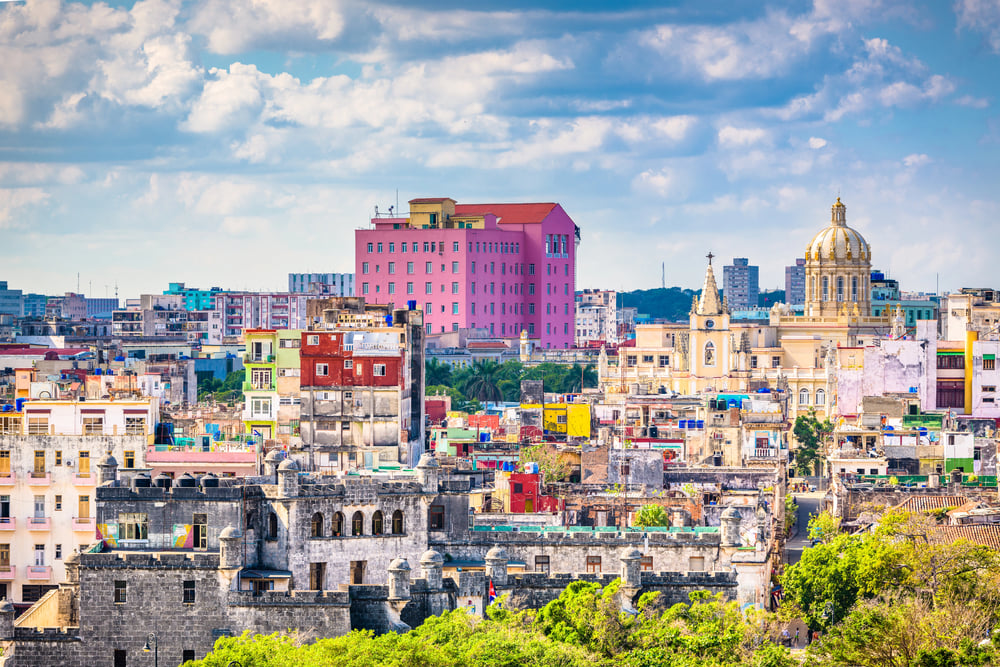
Following the Cuban Revolution, Fidel Castro’s government in the early 1960s seriously considered relocating large portions of Havana to break up urban concentrations and create a more distributed population. The radical plan would have moved much of the capital to planned agricultural-industrial communities across the island.
Though the complete relocation was abandoned, aspects of this philosophy influenced Cuba’s later urban development patterns.
Istanbul, Turkey
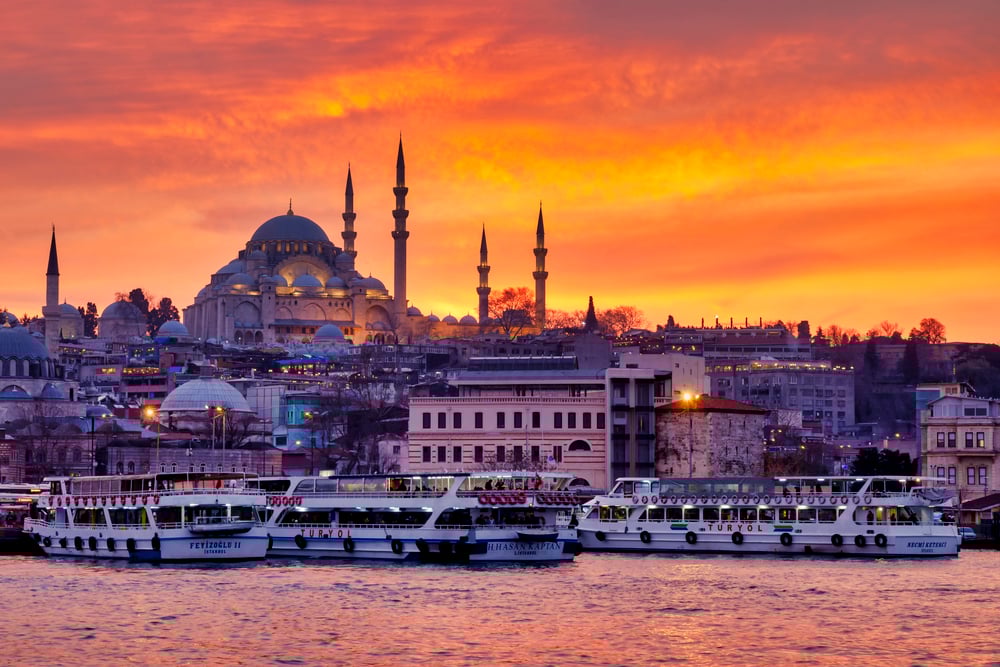
Following devastating earthquakes in 1999 and continued seismic concerns, Turkish officials in the early 2000s developed contingency plans to partially relocate Istanbul away from the North Anatolian Fault. The proposal would have incentivized moving millions of residents from the European side to less vulnerable locations in Anatolian Turkey.
Instead of wholesale relocation, authorities focused on selective demolition and reinforcement of vulnerable buildings while developing earthquake response protocols.
The Cities That Stayed Put

These ambitious relocation plans reveal the extreme measures considered when cities face existential threats from natural disasters, war, or environmental changes. While most of these grand schemes remained on drawing boards or were only partially implemented, they represent fascinating “what if” scenarios in urban planning history.
From climate change threatening coastal cities to ongoing seismic and flooding risks, the concept of relocating entire urban populations continues to emerge as a potential last resort when adaptation strategies reach their limits.
More from Go2Tutors!

- The Romanov Crown Jewels and Their Tragic Fate
- 13 Historical Mysteries That Science Still Can’t Solve
- Famous Hoaxes That Fooled the World for Years
- 15 Child Stars with Tragic Adult Lives
- 16 Famous Jewelry Pieces in History
Like Go2Tutors’s content? Follow us on MSN.