Unsolved Mysteries Surrounding Famous Lost Treasures
The world’s greatest treasures didn’t disappear quietly. They vanished in explosions of greed, desperation, and violence that echo through centuries.
Pirates buried chests and died before revealing their locations. Armies fled with sacred gold, leaving only cryptic maps.
Entire civilizations fell, taking their wealth into the dark with them.
What makes these lost fortunes so compelling isn’t just their value—though some are worth billions in today’s currency.
It’s the stories that refuse to end.
Every generation produces new treasure hunters, armed with better technology and bolder theories, convinced they’ll be the ones to crack codes that have stumped explorers for hundreds of years.
The mysteries deepen rather than fade, each failed expedition adding another layer to legends that grow more tantalizing with time.
The Amber Room

The Nazis called it “the eighth wonder of the world” when they carefully dismantled it in 1941.
Six tons of amber panels, gold leaf, and precious stones that had taken a decade to create.
They packed it into 27 crates and shipped it west as Soviet forces advanced.
The trail goes cold in Königsberg, now Kaliningrad.
No one has seen it since.
Captain Kidd’s Treasure
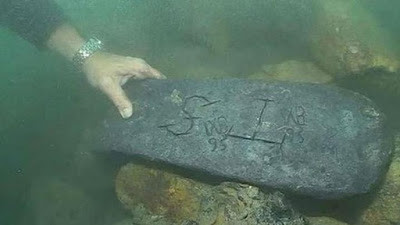
William Kidd buried treasure on Gardiners Island before his execution—that much is documented (and that particular cache was recovered).
But the legendary pirate insisted he had hidden far more wealth elsewhere, promising to reveal locations in exchange for his life.
The authorities hanged him anyway.
Kidd took his secrets to the grave, leaving behind only rumors of chests buried from the Caribbean to the coast of China, and the nagging certainty that someone made a very expensive mistake.
The Lost Dutchman’s Gold Mine
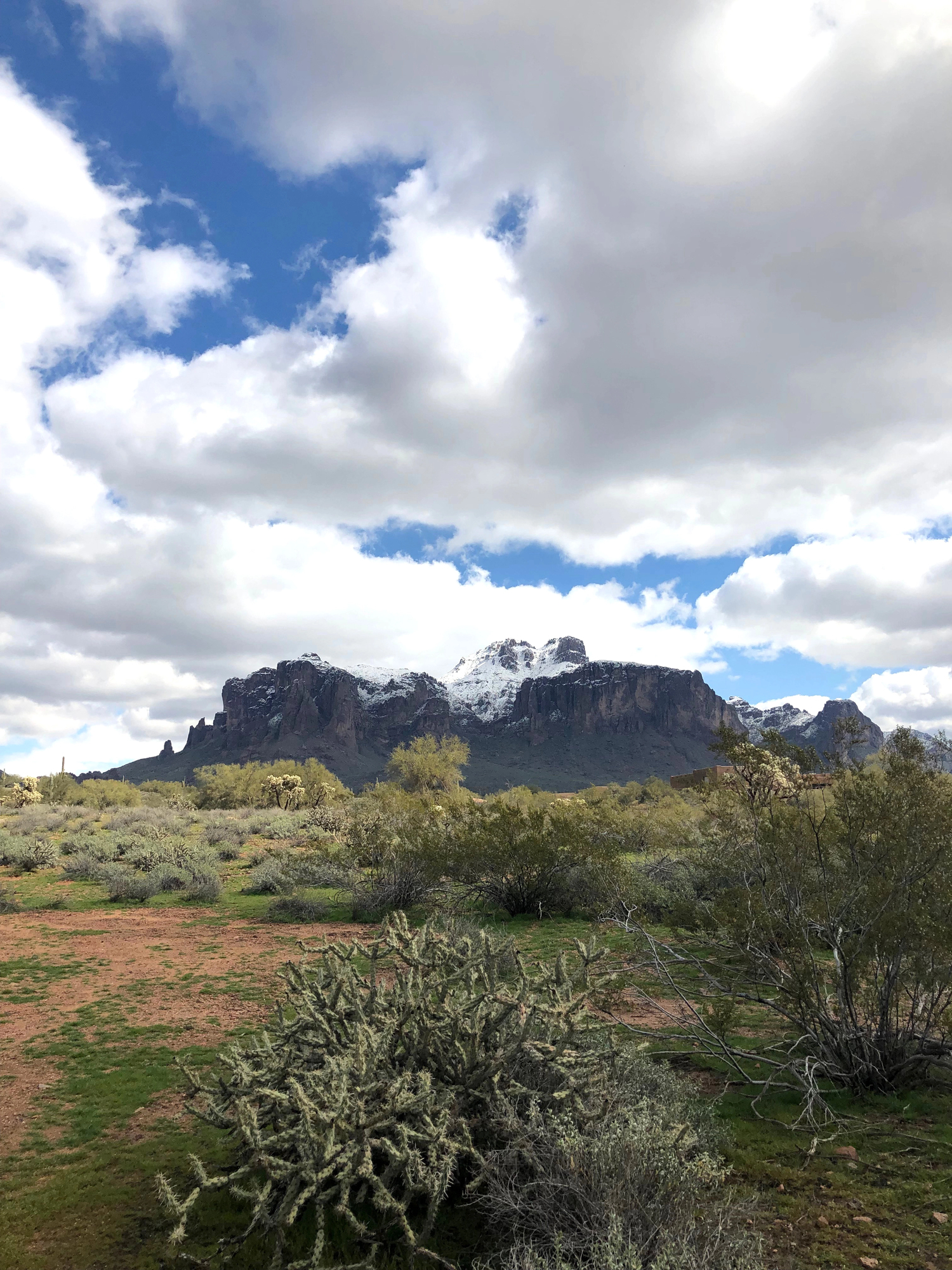
The Superstition Mountains east of Phoenix have claimed more lives than they’ve surrendered gold, which is saying something when you consider that people have been dying out there for over a century.
Jacob Waltz (who was German, not Dutch—but treasure hunters have never been great with details) supposedly discovered a mine so rich it could fund small nations, then spent his final years dropping hints that led nowhere and giving directions that couldn’t be followed.
The mountains keep their secrets well, swallowing up weekend adventurers and serious prospectors with equal indifference, leaving behind only more questions and the occasional sun-bleached bone to mark another failed attempt.
And yet the searchers keep coming, because Waltz’s deathbed confessions contained just enough specific detail to sound genuine: the mine faces west, there’s a distinctive rock formation nearby, you can see Weaver’s Needle from the entrance.
So they hike into that desert with their metal detectors and their confidence, certain that this time will be different.
The desert doesn’t care about their certainty.
The Treasure Of Lima
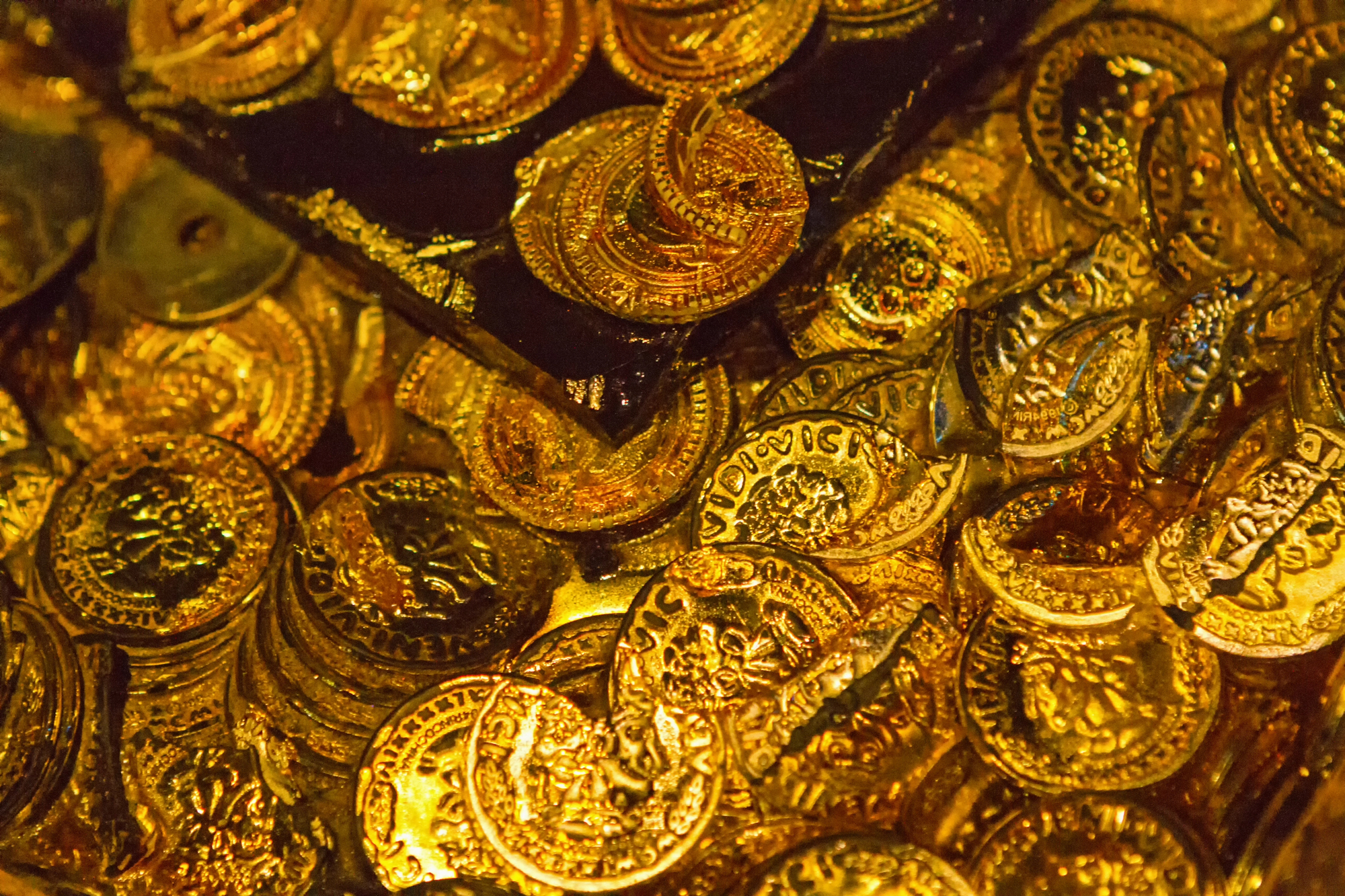
In 1820, Spanish authorities in Lima faced a problem that would make any modern billionaire nervous: a revolutionary army was advancing on their city, and they had roughly $60 million in gold, silver, and jewels sitting in the cathedral treasury with nowhere to hide it.
Their solution was to trust Captain William Thompson with the entire fortune—load it onto his ship, the Mary Dear, and sail it to safety until the political situation stabilized.
Thompson had other plans, naturally.
He murdered the Spanish guards somewhere off the coast of Costa Rica and buried the treasure on Cocos Island, intending to return for it once the heat died down.
But he was captured before he could retrieve his prize (along with his first mate, who corroborated the story before both men were executed), leaving behind only vague descriptions of an island cave and the kind of treasure that makes grown economists weep: solid gold candlesticks that weighed 250 pounds each, life-sized statues of the Virgin Mary cast in precious metal, chests of uncut emeralds.
The works.
Cocos Island sits in the Pacific, uninhabited and roughly the size of Manhattan, which sounds manageable until you factor in its dense jungle, sheer cliffs, and the fact that over 300 expeditions have combed every inch of accessible terrain without finding so much as a Spanish coin.
Montezuma’s Gold
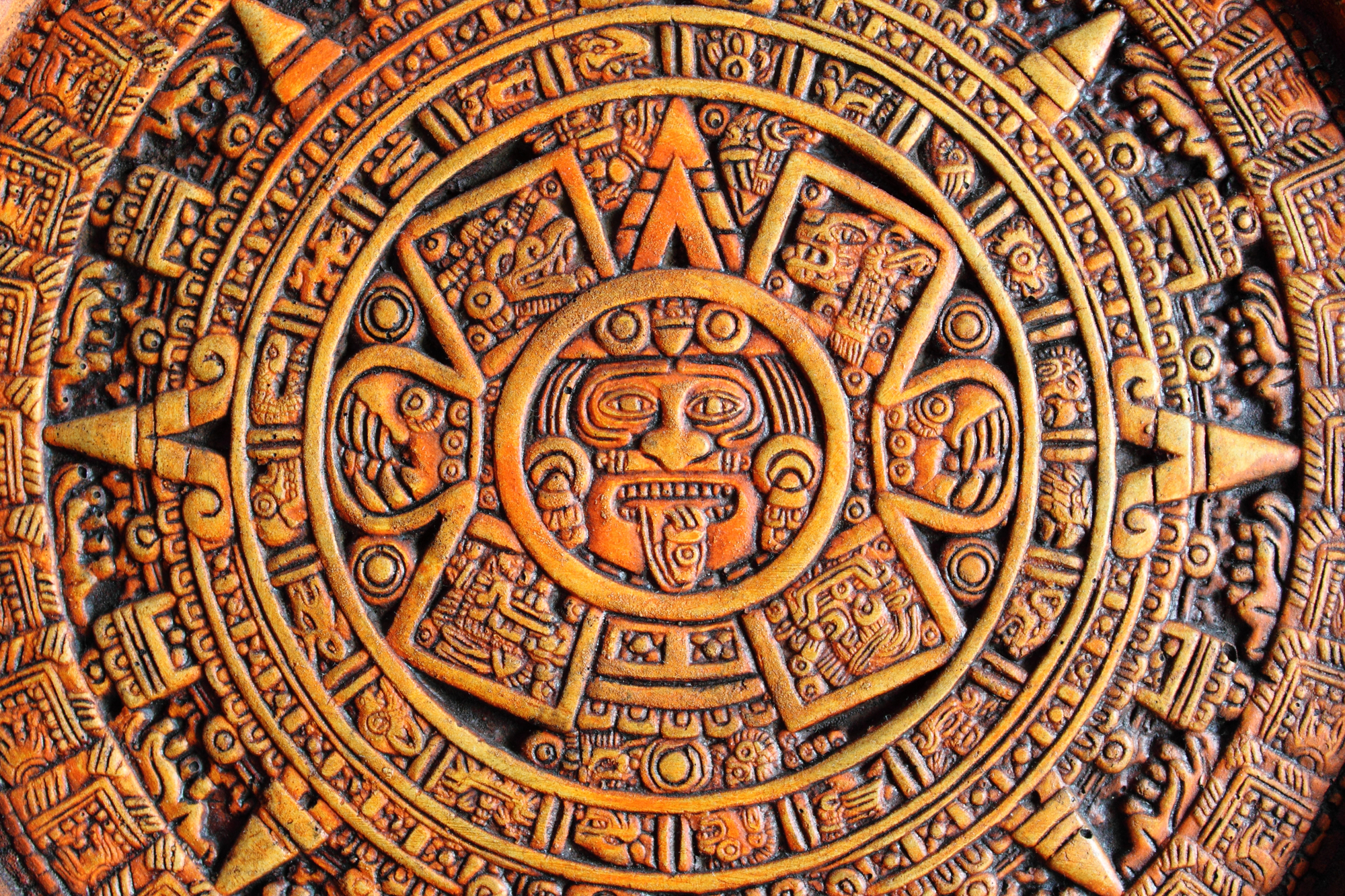
The Aztec Empire’s wealth vanished twice—first when Cortés seized it, then when most of it mysteriously disappeared during the chaotic retreat from Tenochtitlan known as La Noche Triste.
The Spanish managed to escape with their lives but lost the majority of Montezuma’s treasure somewhere in the waters and marshlands around the ancient capital.
What makes this particularly maddening is that contemporary accounts describe the treasure in almost mythical terms: rooms filled with gold artifacts, emeralds the size of dinner plates, feathered ornaments more intricate than European jewelry.
Some of it likely sank to the bottom of Lake Texcoco during the retreat.
Some was probably buried by fleeing conquistadors who died before they could return.
The rest simply evaporated into the fog of colonial chaos, leaving behind only Spanish tax records that itemize a fortune no one has ever been able to locate.
The Confederate Treasury
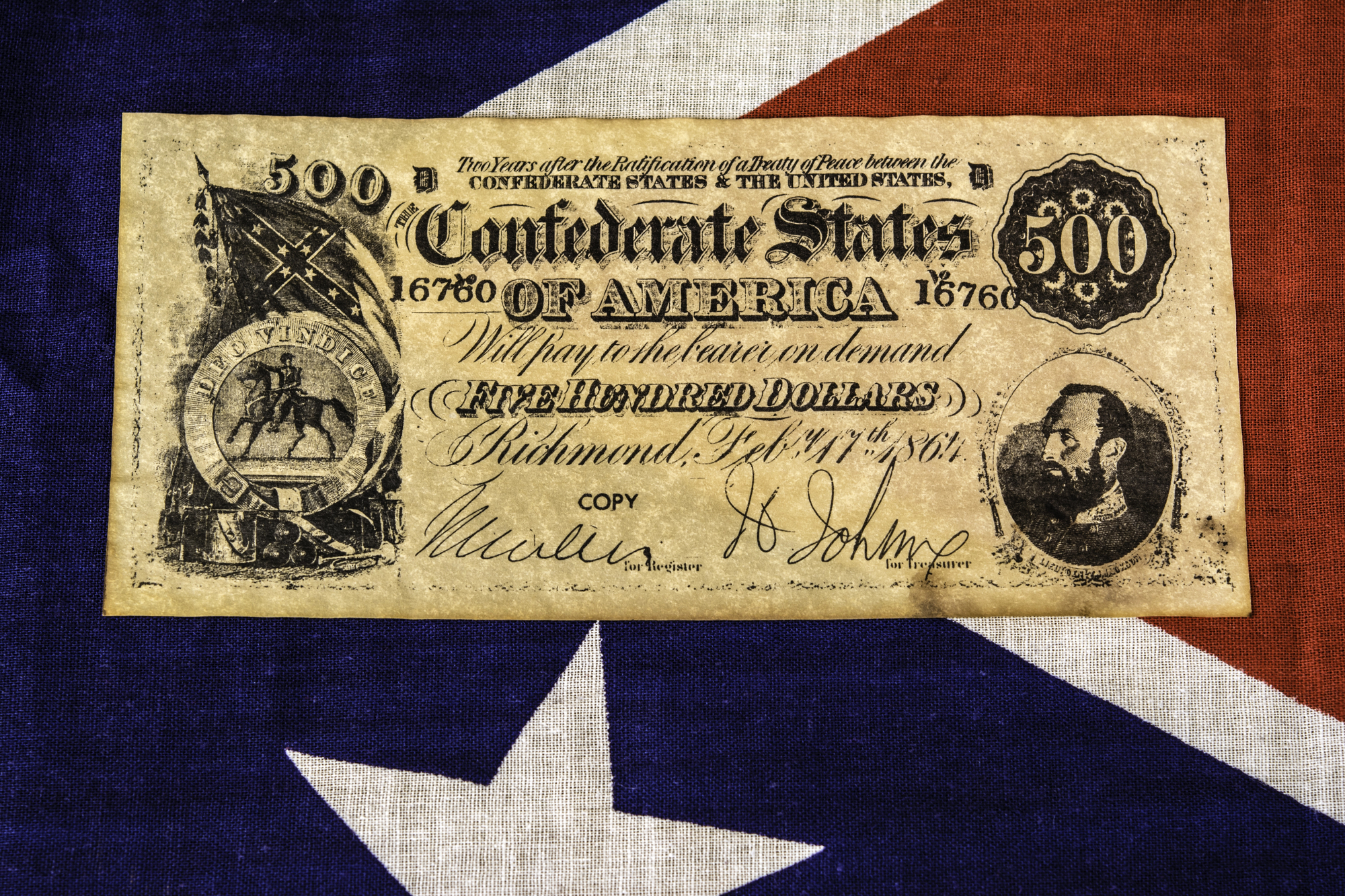
Picture this: it’s April 1865, Richmond is burning, and Jefferson Davis is fleeing south with the entire Confederate treasury loaded into wagons.
Gold coins, silver bars, jewelry donated to the cause by Southern families—a mobile fortune that represented the last liquid assets of a dying nation.
The convoy made it as far as Georgia before Davis was captured, but here’s where the story gets interesting: the treasure wasn’t with him.
Various accounts place the missing Confederate gold somewhere between Washington, Georgia, and the Florida border, buried in haste by officials who scattered when they realized the war was lost.
Some say it’s near Lake Michigan (which makes no geographical sense but persists in local legends).
Others insist it was loaded onto ships and smuggled to sympathizers in Cuba or Brazil.
The most credible theory suggests it was simply divided among Confederate officers who melted down the coins and quietly integrated the wealth back into civilian life, making it the most successfully hidden treasure in American history—because it was never hidden as treasure at all.
The Flor De La Mar
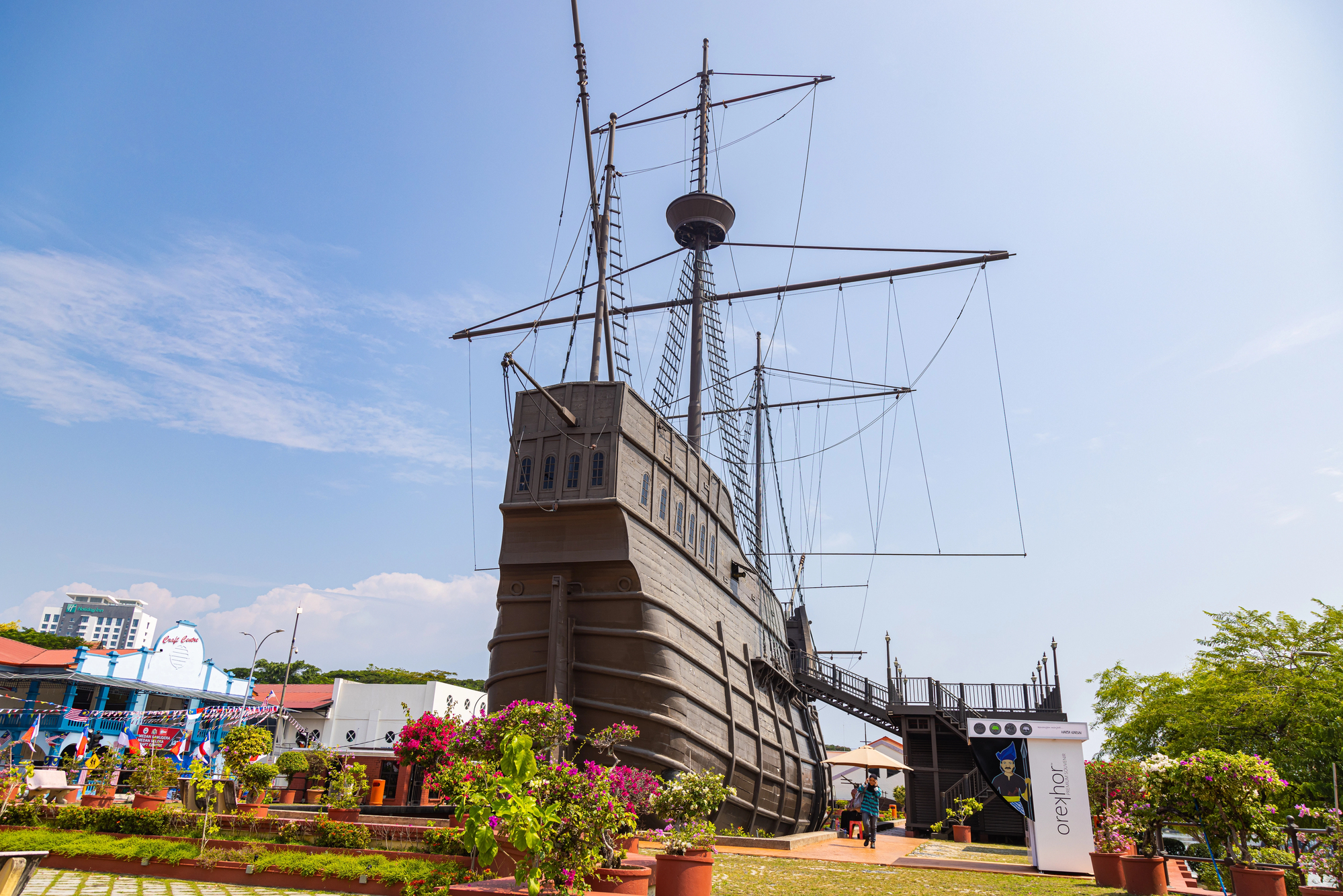
When the Portuguese warship Flor de la Mar sank off the coast of Sumatra in 1511, it took down what might have been the richest single cargo in maritime history.
Fresh from the conquest of Malacca, the ship was loaded with treasure seized from one of Asia’s wealthiest trading ports: chests of Chinese porcelain, Indian diamonds, Southeast Asian spices, and enough gold to fund entire kingdoms.
Admiral Afonso de Albuquerque survived the wreck, but his treasure didn’t.
Five centuries of searching have turned up nothing more than pottery fragments and the occasional cannon, which is remarkable when you consider that modern salvage operations can locate coins scattered across miles of ocean floor.
The ship seems to have vanished as completely as if it never existed, leaving behind only Portuguese records that catalog a fortune so vast it reads like fantasy fiction.
Forrest Fenn’s Treasure
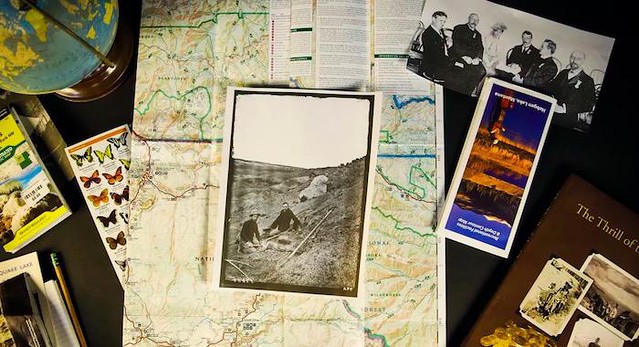
Forrest Fenn was tired of watching people live boring lives, so in 2010 he hid a bronze chest somewhere in the Rocky Mountains and published a cryptic poem with nine clues to its location.
The chest contained gold coins, precious stones, and artifacts worth over a million dollars—plus the kind of mystery that drives rational people to quit their jobs and wander through wilderness areas with metal detectors.
The treasure was officially found in 2020, but Fenn died without revealing the exact location or the identity of the finder, which has only deepened the mystery.
Skeptics question whether the treasure existed at all, pointing to the convenient timing of its “discovery” and Fenn’s refusal to provide photographic evidence of the recovery.
Believers argue that such secrecy was always part of the plan—Fenn wanted to inspire adventure, not create a tourist destination.
Either way, the poem remains unsolved, and people are still searching, which suggests that some treasures are more valuable as mysteries than as discoveries.
The Treasure Of The Knights Templar

The Knights Templar accumulated wealth across Europe for two centuries, then vanished overnight in 1307 when King Philip IV of France ordered their arrest.
Their treasure disappeared with them—gold, silver, religious artifacts, and documents that some claim contained secrets worth more than money.
The mystery isn’t just where they hid it, but how they managed to move such enormous wealth without leaving a trace.
Various theories place Templar treasure everywhere from Oak Island to Jerusalem to Scottish castles, but the most intriguing possibility is that they converted their physical wealth into something more portable: knowledge, trade routes, and financial networks that eventually evolved into modern banking.
Which means the real Templar treasure might not be buried at all—it might be hidden in plain sight, woven into the structure of international commerce in ways we no longer recognize.
Blackbeard’s Treasure
Edward Teach, better known as Blackbeard, terrorized the American coast for barely two years before the Royal Navy caught up with him in 1718.
But those two years were remarkably profitable, and despite his short career, Blackbeard managed to accumulate wealth that has never been accounted for.
His flagship, Queen Anne’s Revenge, was discovered off the North Carolina coast in 1996, but it contained no treasure—just ballast stones and ship fittings.
The pirate’s own words fuel the mystery.
Shortly before his death, Blackbeard reportedly told his crew that he had buried treasure “where none but Satan and myself can find it.”
Whether this was literal truth or psychological warfare designed to enhance his fearsome reputation remains unclear, but treasure hunters have taken him at his word, scouring beaches from Virginia to the Bahamas for chests that may exist only in maritime folklore.
The Yamashita Gold
General Tomoyuki Yamashita surrendered in the Philippines in 1945, ending Japan’s occupation of Southeast Asia.
But according to persistent rumors, he left behind something more valuable than military intelligence: tons of gold, silver, and precious stones looted from across the Pacific theater and hidden in caves and tunnels throughout the Philippine Islands.
The stories vary wildly—some claim the treasure is worth billions, others suggest it was largely mythical, inflated by post-war conspiracy theories and local folklore.
What’s certain is that treasure hunters have been dynamiting their way through Philippine mountainsides for decades, occasionally finding small caches of wartime artifacts but never the massive hoards described in leaked military documents and deathbed confessions.
The Philippine government has officially denied the treasure’s existence while simultaneously restricting access to many of the areas where it’s supposedly hidden, which hasn’t done much to discourage speculation.
The Copper Scroll Treasure

In 1952, archaeologists discovered a copper scroll in a cave near Qumran, alongside the famous Dead Sea Scrolls.
But this wasn’t religious text—it was a treasure map, listing 64 locations where gold, silver, and sacred artifacts had been hidden throughout ancient Palestine.
The quantities described are staggering: talents of gold and silver that would be worth hundreds of millions today.
The problem is that the scroll’s directions are written in ancient Hebrew, referencing landmarks that no longer exist and using measurements that modern scholars can’t definitively interpret.
Worse, many of the locations appear to be in areas that are now densely populated or politically inaccessible, making excavation nearly impossible.
The scroll tantalizingly describes treasures that could rewrite our understanding of ancient Jewish wealth and religious practices, but they remain as unreachable as if they were hidden on the moon.
The Ophir Gold

King Solomon’s wealth came from somewhere, and according to biblical accounts, much of it originated in a place called Ophir—a land so rich in gold that ships returned every three years with cargoes that financed the construction of the First Temple.
The location of Ophir has been debated for millennia, with scholars placing it everywhere from Africa to India to South America.
What makes this mystery particularly compelling is that it’s not just about finding treasure—it’s about solving one of history’s greatest geographical puzzles.
If Ophir could be definitively located, it would illuminate ancient trade routes, confirm biblical accounts, and possibly reveal mining operations that were incredibly advanced for their time.
But after three thousand years of searching, Ophir remains as mysterious as Atlantis, existing somewhere in the gap between history and legend, tantalizingly real yet perpetually out of reach.
Secrets That Refuse To Stay Buried

Lost treasures endure because they represent something more than wealth—they’re puzzles that challenge our assumptions about what’s knowable and what’s forever hidden.
Each unsolved mystery suggests that the world still contains blank spaces on the map, places where X marks spots that no satellite can photograph and no algorithm can calculate.
The real treasure might not be gold or silver at all, but the reminder that some secrets are stubborn enough to outlast empires, technologies, and the best efforts of people who refuse to believe that anything stays lost forever.
More from Go2Tutors!

- The Romanov Crown Jewels and Their Tragic Fate
- 13 Historical Mysteries That Science Still Can’t Solve
- Famous Hoaxes That Fooled the World for Years
- 15 Child Stars with Tragic Adult Lives
- 16 Famous Jewelry Pieces in History
Like Go2Tutors’s content? Follow us on MSN.