Hidden Costs Of Things You Buy Every Day
The price seems clear until you look closer. That number up front? Rarely the full picture.
Hidden fees creep in later. Long-term expenses stack up when you least expect them. The real cost hides between the lines.
Truth is, spotting those unseen expenses changes everything. Once they’re visible, looking away feels nearly impossible.
Printer Ink
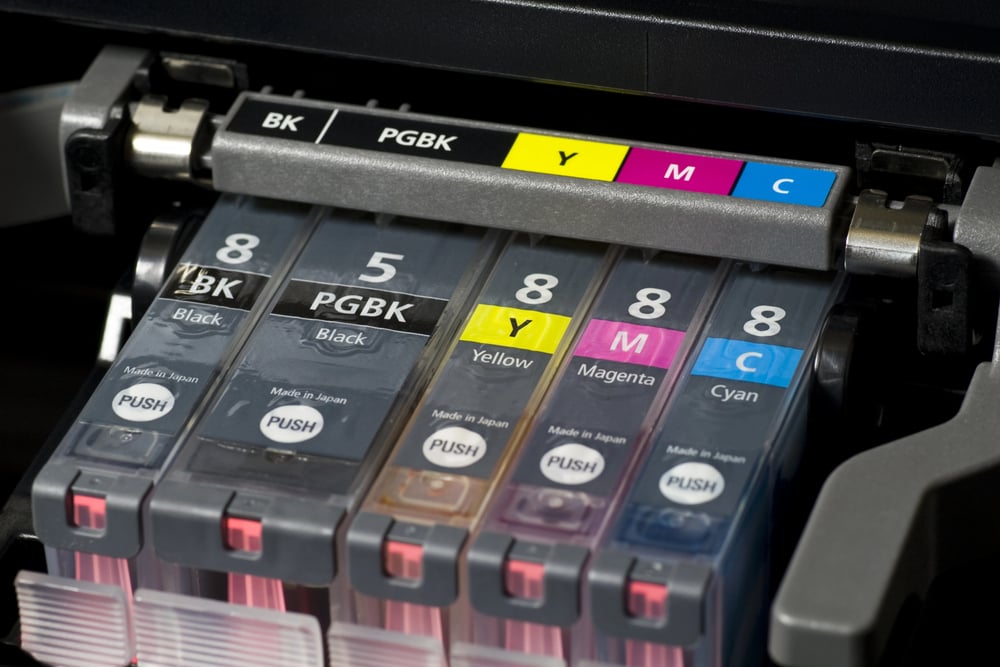
A printer seems like a solid buy at first. Soon after, it stops working – ink gone again.
Costing more per drop than luxury scents or medical plasma, ink shocks once measured by volume. Sold low on purpose, the machine relies on repeat cartridge spending to earn profit.
This setup pulls in countless buyers each year without them noticing until too late.
Grocery Store Loyalty Cards

That member-only pricing? It seems cheaper, yet somehow isn’t.
Prices go up first – then drop just for you, creating an illusion of value. While that happens, every purchase choice gets recorded, bundled, passed on.
What covers the cost of those deals is not money – it’s what you leave behind when buying them.
Bank Accounts
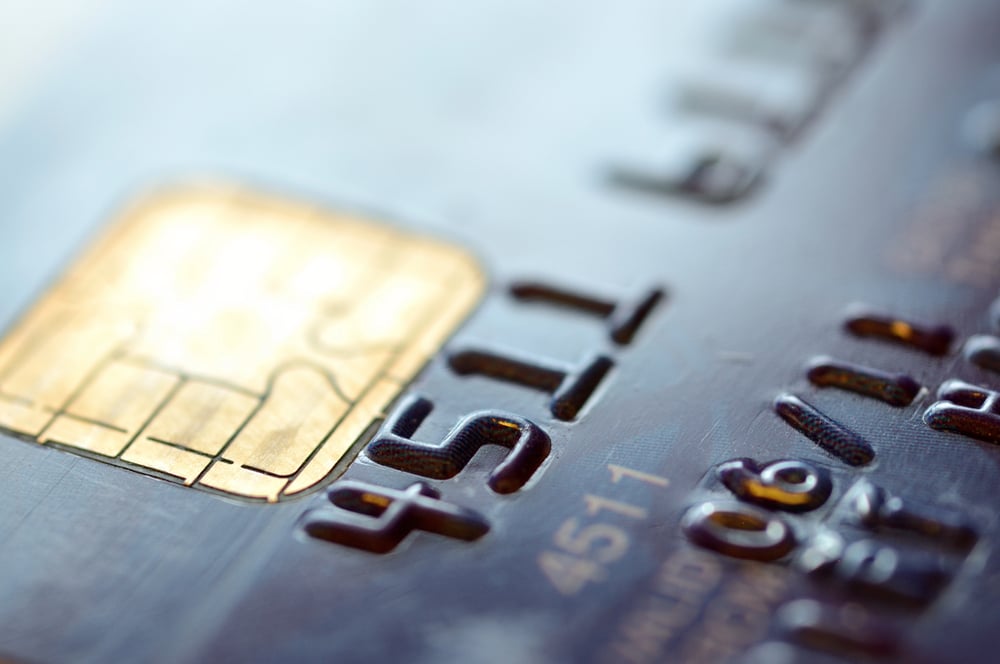
A free checking account seems like a win – until those monthly upkeep costs show up, followed by penalties for spending too much or pulling cash at random ATMs.
Around three hundred dollars each year goes toward simply storing funds, for some folks across the country. Hidden lines in paperwork often hold these expenses, tucked away where eyes rarely land.
Credit unions might fix that, also certain digital-only banks offer cleaner terms without surprise cuts.
Gym Memberships

Most profits at fitness centers come from members who stay home.
People often keep paying dues long after they stop going – months, even years. Ending service isn’t always simple; some demand mailed letters, others slap on exit charges, and a few trap sign-ups in yearly deals.
That low-priced fee each month? It piles into hundreds wasted on space you never used.
Bottled Water
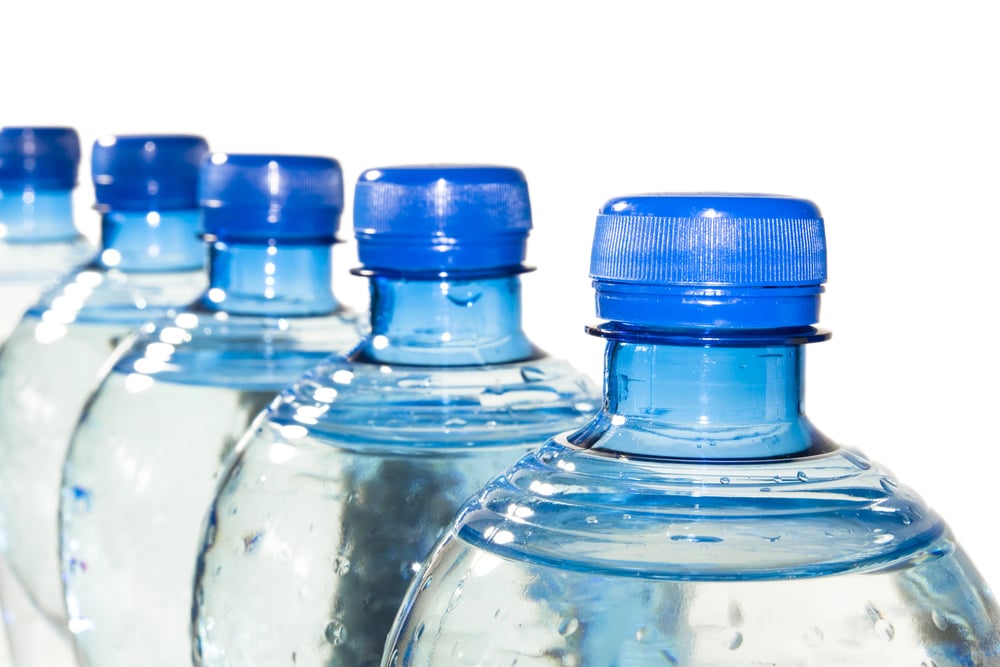
One bottle bought at a corner shop might cost two thousand times what comes out of your sink.
Year after year, families who pick those bottles off shelves hand over five to ten hundred dollars for what already arrives by pipe. Then there’s the trash – plastic piling high in dumps, counted in the billions annually.
A small filter fixed to the tap turns all that waste into nearly zero.
Cheap Clothing

That fifteen-dollar top seems smart at first – then it loses color, tightens up, then splits open by the third time in water.
Built-in breakdowns are part of the plan; shops rely on quick failure to bring you back. Buying throwaway garments year after year adds up, often surpassing what good fabric would have cost at day one.
Earth feels the hit just as hard – the clothing rush piles into landfills faster than almost anything else we toss.
Cable And Streaming Bundles

Freedom tastes sweet when you cancel cable, yet stacking five streaming tabs slowly repaints the old picture.
Netflix sits beside Hulu, then Disney+ creeps in, followed by HBO Max – each whispering fees until the total mirrors what cable demanded. Chances are, one membership lingers without being touched, paid for out of habit more than need.
Flip through your bills and shadows appear: charges for things last opened in another season. Money slips where memory fades.
New Cars

Right away, driving off the lot cuts a new vehicle’s worth by about one-fifth.
Thousands vanish even before any service visit. On top of that loss come monthly payments, coverage bills, licensing charges – each adding weight over months.
A reliable model aged two or three years offers nearly the same trust at far less cost.
Extended Warranties

Most stores really want you to buy those extra protection plans – turns out, the profit goes straight to them.
Products tend to fail early, covered already by the maker’s guarantee, or just keep working long past any added promise. Hardly ever does a gadget quit right after the original label expires but before backup runs out.
Tossing more cash at checkout for this? Usually smarter to hold onto it instead.
Coffee Shop Habits

A $6 latte every weekday does not feel like much at the moment.
Over a year, that habit costs over $1,500. Over a decade, it crosses $15,000, not counting price increases.
Making coffee at home even a few days a week creates noticeable savings without requiring anyone to give up their favorite cup entirely.
Convenience And Pre-Packaged Food
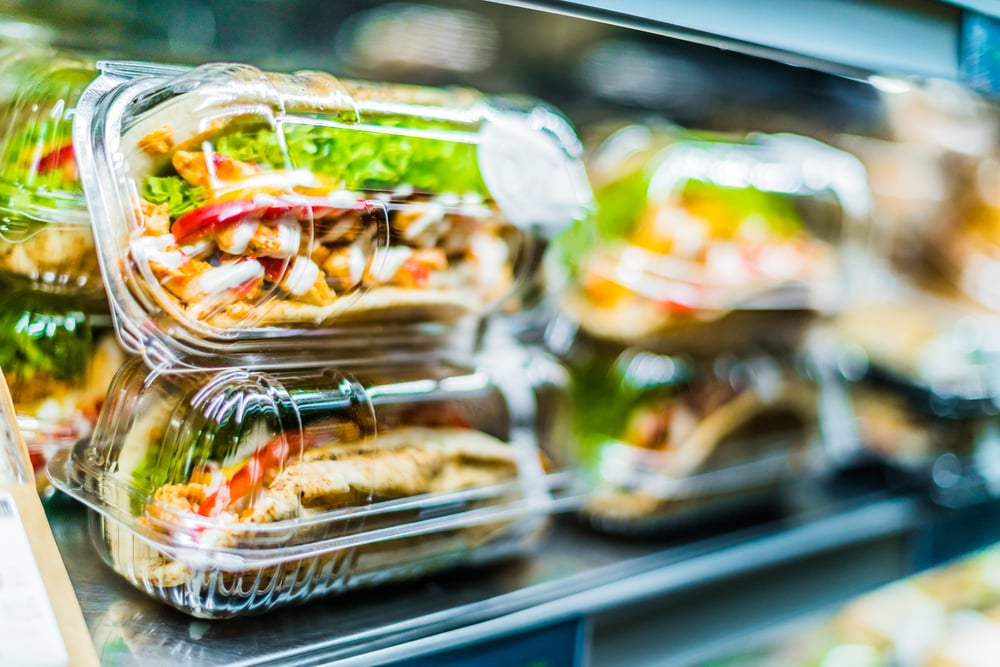
Pre-cut vegetables, single-serve snacks, and ready-made sauces carry a ‘convenience tax’ built right into the price.
A bag of pre-sliced apples costs roughly three times more than buying the whole apple and slicing it yourself. These markups seem small per item but add up significantly across a weekly grocery run.
The time saved is often just a few minutes, which makes the math a little harder to justify.
Airline Seat Upgrades And Add-Ons

Airlines have mastered the art of selling you back things that used to be included in the ticket price.
Checked bags, seat selection, priority boarding, and in-flight snacks are all charged separately now. A base fare that looks cheap can nearly double by the time all the add-ons are selected at checkout.
Comparing the all-in price, rather than the advertised base fare, gives a much more honest picture of what a flight actually costs.
Smartphone Upgrades

Phone manufacturers release new models every year with features that are only slightly better than the previous version.
The push to upgrade is driven more by marketing than by actual need. Keeping a phone for three years instead of two can save a household hundreds of dollars, especially since flagship phones now regularly cost over $1,000.
Most people use about 30 percent of their phone’s features anyway.
Medication Name Brands
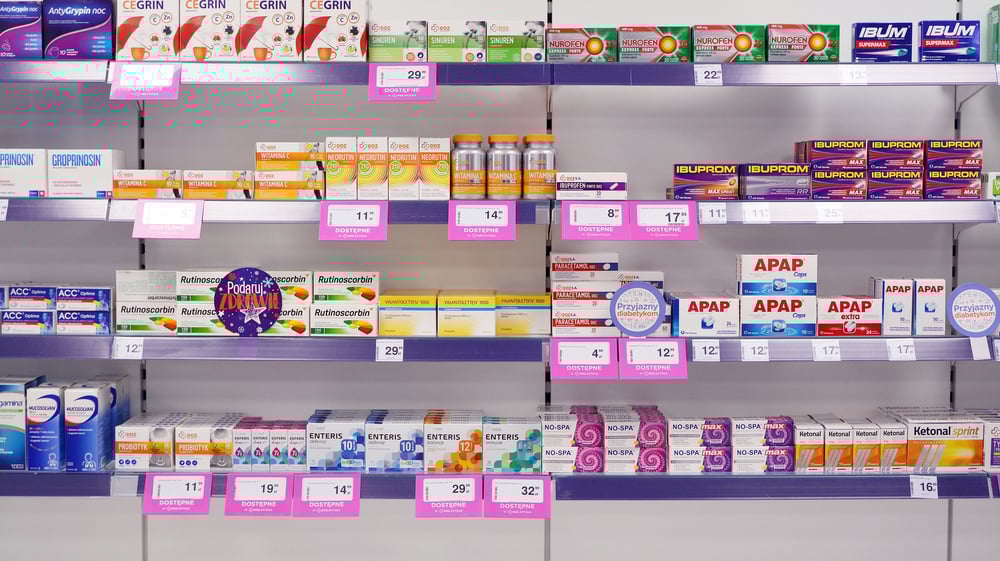
A name-brand medication can cost five to ten times more than its generic version, despite being chemically identical.
Pharmacies do not always volunteer this information, and doctors often write the brand name out of habit. Simply asking for the generic version, or checking a site like GoodRx, can cut a prescription cost dramatically.
The active ingredient is the same; only the packaging and the price are different.
Home Décor Sales
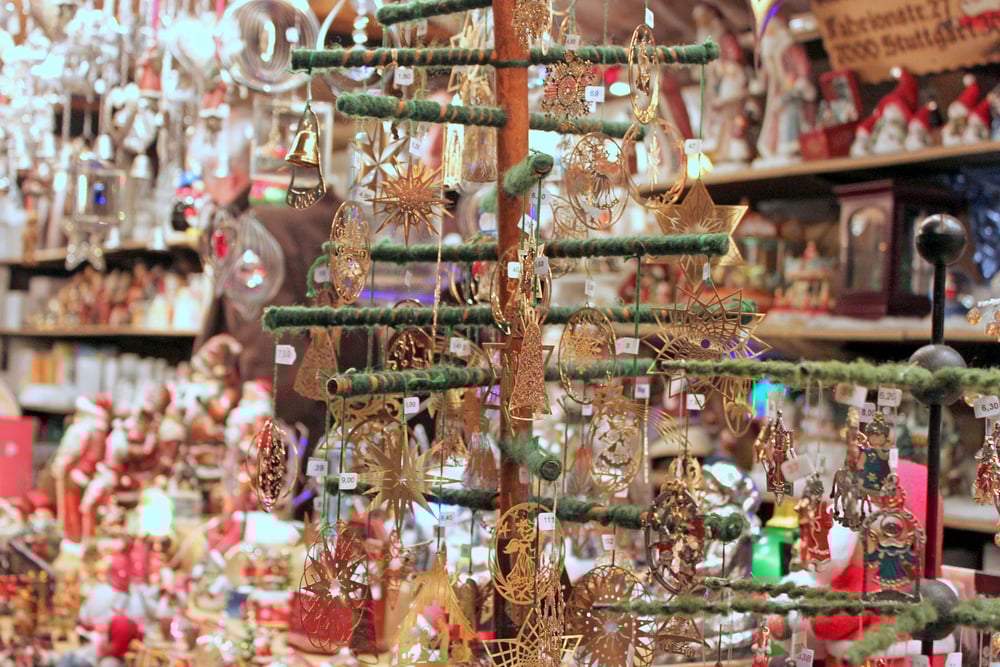
‘Buy one get one’ and ’70 percent off’ signs in home décor stores are almost always marketing tools, not genuine markdowns.
The original price is often inflated specifically so the discount looks impressive. Shoppers who track prices over time frequently discover that the ‘sale’ price is close to the everyday price at a different store.
Buying only what is needed, rather than what feels like a deal, is almost always the more cost-effective move.
The Real Price Of ‘Free’ Apps
Free apps are rarely free.
They earn money through ads, in-app purchases, or by selling user data to third parties. Many apps that start free introduce a paywall after users are already hooked, charging a monthly subscription to keep features that were once available without charge.
Paying a small upfront price for an ad-free, no-subscription app often costs less in the long run than the ‘free’ version that quietly monetizes its users.
What The Price Tag Never Tells You
The real cost of everyday purchases almost never lives on the label.
It hides in habits, subscriptions forgotten about, quality trade-offs made over years, and the slow drip of small charges that nobody tracks closely. Once people start looking past the sticker price, the way they spend tends to shift in ways that actually put money back in their pocket.
The best financial move is not always finding a better deal; sometimes it is just paying attention to the deals already being made.
More from Go2Tutors!

- The Romanov Crown Jewels and Their Tragic Fate
- 13 Historical Mysteries That Science Still Can’t Solve
- Famous Hoaxes That Fooled the World for Years
- 15 Child Stars with Tragic Adult Lives
- 16 Famous Jewelry Pieces in History
Like Go2Tutors’s content? Follow us on MSN.