17 Rare Coincidences That Solved Crimes
Sometimes the universe has a strange way of delivering justice. Detectives can follow every lead, analyze every piece of evidence, and still come up empty.
Then something completely random happens—a wrong turn, a chance encounter, a forgotten receipt—and suddenly a case that seemed impossible to crack falls into place. These moments remind us that solving crimes isn’t always about brilliant detective work.
Sometimes it’s about being in the right place at exactly the right time.
A Traffic Stop Turns Into a Murder Breakthrough
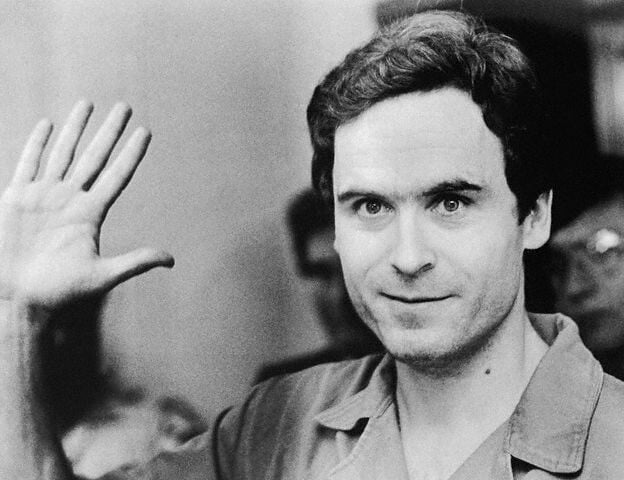
In 1979, Ted Bundy was driving through Pensacola, Florida, when an officer pulled him over for a routine traffic violation. The officer ran the license plates and discovered the car was stolen.
What seemed like a minor arrest turned into something much bigger. Bundy had been on the run after escaping from custody twice, and investigators had been searching for him across multiple states.
That random traffic stop ended one of the most notorious killing sprees in American history. Without it, Bundy might have continued evading capture for months or even years.
The Parking Ticket That Caught a Serial Killer

David Berkowitz terrorized New York City in the 1970s as the Son of Sam killer. Police had almost nothing to go on until a woman mentioned seeing a parking ticket on a car near one of the crime scenes.
Officers tracked down that ticket and found it belonged to Berkowitz. They staked out his apartment, and when they approached his car, they saw a rifle sitting in plain view.
One parking ticket, written by a meter maid who had no idea what she was documenting, brought down a killer who had left the entire city in fear.
A Rental Car Receipt Solves a Decades-Old Mystery
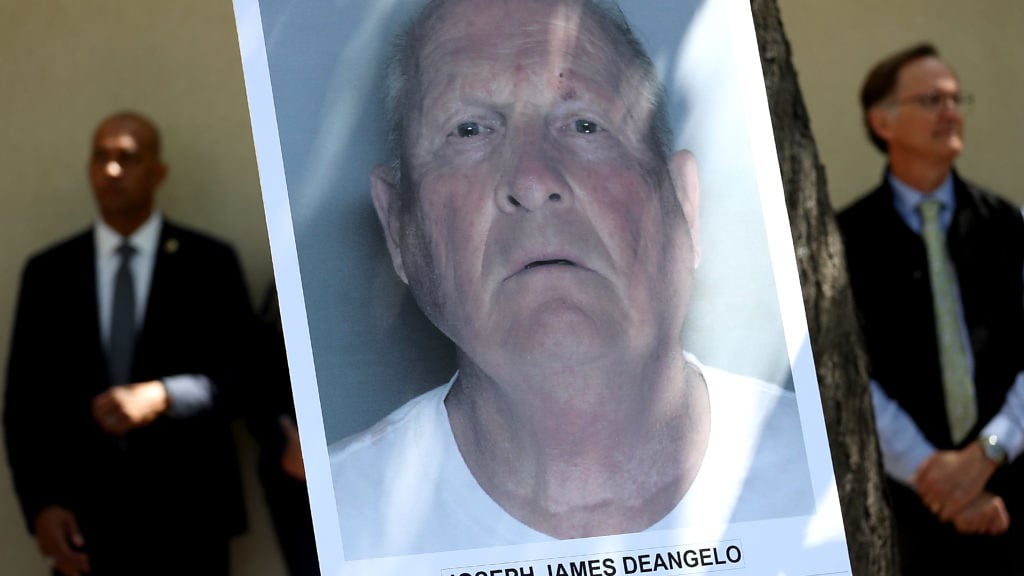
In 2018, California police arrested Joseph DeAngelo, the Golden State Killer, who had committed murders and assaults across the state in the 1970s and 80s. The case had gone cold for decades.
Then investigators decided to upload crime scene DNA to a public genealogy database. They got a match—not to DeAngelo himself, but to distant relatives. By building out a family tree, they narrowed down possible suspects.
When they obtained DeAngelo’s DNA from a discarded tissue, it matched perfectly. A database meant for people finding their ancestors ended up catching one of California’s most wanted criminals.
The Photobomber Who Identified Himself

In 2015, a teenager in Wales posed for a selfie at a park. When police later investigated a robbery in that same area, they examined the photo and noticed a man in the background who matched the description of their suspect.
They tracked him down using facial recognition and other details from the image. The suspect had essentially photographed himself at the scene without realizing it.
He ended up confessing after investigators showed him the evidence.
A Mistaken Pizza Delivery Leads to an Arrest

Police in Ohio were investigating a string of burglaries when a pizza delivery driver accidentally went to the wrong address. The homeowner answered the door confused, saying they hadn’t ordered anything.
The delivery driver realized his mistake and checked his phone for the correct address. When police later cross-referenced delivery records from that chain, they noticed the actual delivery address matched the location where stolen goods had been found.
The person who ordered the pizza turned out to be their prime suspect, and the wrong delivery gave investigators the exact lead they needed.
The Doctor’s Appointment That Broke an Alibi

A man in England claimed he couldn’t have committed a murder because he was at a doctor’s appointment across town. Police checked his story and the timeline seemed tight but possible.
Then a detective noticed something odd. The appointment card showed a time, but when they called the medical office, the receptionist mentioned they had changed their computer system recently.
The old system automatically logged when patients actually checked in. When they pulled those records, the suspect had checked in 30 minutes after he claimed.
That small discrepancy unraveled his entire alibi, and he eventually admitted to the crime.
A Burglar Leaves His Homework Behind

In 2010, a teenager broke into a house in California and ransacked several rooms. In his hurry to escape, he dropped a piece of paper.
When the homeowners returned, they found his math homework with his name printed at the top. Police showed up at his school the next day and arrested him.
The case was solved before most detectives even started working on it.
The ATM Camera That Captured More Than a Transaction

A woman withdrew money from an ATM in Texas, unaware that someone was watching her. Later that night, she was attacked in her home. Police reviewed footage from the ATM and noticed a man standing unusually close behind her, watching her enter her PIN.
They traced him through his own ATM transaction made minutes later at the same machine. The timestamp and camera angle gave them everything they needed.
What started as a random attack turned into a straightforward case once they spotted him hovering in the background of her transaction.
The Tattoo That Matched the Crime Scene
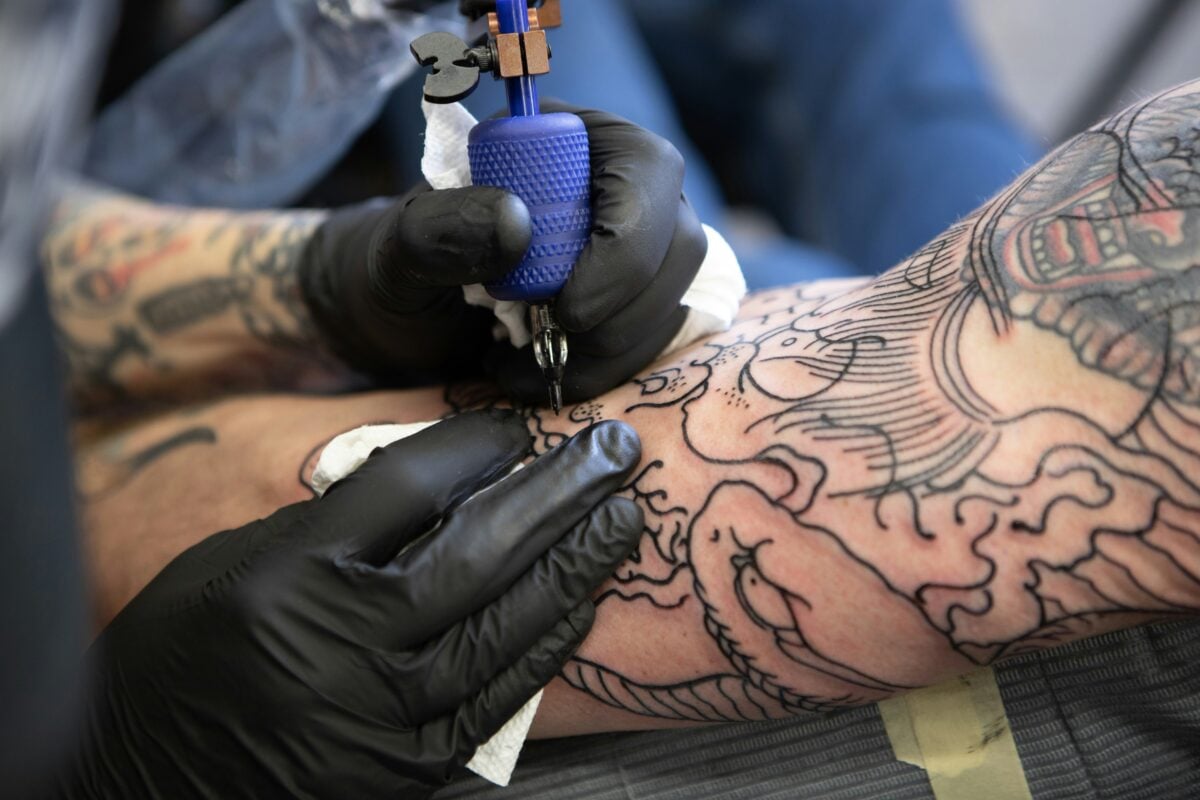
In Los Angeles, a gang member got a detailed tattoo of a crime scene on his chest. It showed the liquor store where a murder had occurred, complete with accurate details that had never been released to the public.
A police officer noticed the tattoo during an unrelated arrest and realized it depicted an unsolved case. The man had essentially confessed by permanently marking his body with evidence.
He was convicted based partly on his own artwork.
A Random Google Street View Image Solves a Hit and Run

— Photo by rafapress
In Spain, investigators were struggling to solve a hit-and-run case with no witnesses and no security footage. Someone suggested checking Google Street View to see if the mapping car had been in the area around the time of the incident.
They found an image that showed a vehicle matching the description parked near the scene with front-end damage. The license plate was partially visible.
Police tracked down the owner, and forensic evidence from the car matched the victim. A mapping car driving through at the exact right moment provided the clue that cracked the case.
The Lottery Ticket That Placed a Suspect at the Scene

Police in Florida were investigating a murder at a convenience store. The suspect claimed he was nowhere near the location that day.
Investigators went through the store’s transaction records and found something interesting. Someone had purchased a lottery ticket minutes before the crime, and the time-stamped receipt was still in the machine’s records.
When police checked the numbers against lottery claims, they found the suspect had tried to cash in that exact ticket two days later. He had been at the scene despite his denials, and that single ticket purchase unraveled his story.
A Dropped Cell Phone Leads Straight to the Suspect

During a home invasion in New Jersey, the intruder fled when the homeowner fought back. Police searched the property and found a cell phone left behind in the yard. The phone was locked, but the recent call log showed several numbers.
Detectives called one and spoke to the suspect’s mother, who inadvertently confirmed her son owned that phone. When they arrested him, he still had injuries from the struggle with the homeowner.
The phone he dropped became the most damaging piece of evidence against him.
A Security Camera Catches a Reflection

In England, a man robbed a store wearing a mask and gloves. Security cameras caught him entering and leaving, but his face was completely covered.
Detectives studied the footage for hours until one investigator noticed something. In the reflection of a refrigerator door, you could see part of the suspect’s face for just a few frames as he turned.
The image was grainy but good enough for facial recognition software. They identified him within days, and he confessed when confronted with the enhanced footage.
The Cat DNA That Convicted a Killer

In Canada, a woman disappeared, and police suspected her ex-boyfriend. They searched his property and found a leather jacket with blood on it.
The blood matched the victim. But there was something else—white cat hair.
The suspect didn’t own a white cat, but the victim did. Investigators collected DNA from the cat and compared it to the hair on the jacket. It matched.
This was one of the first cases where animal DNA helped secure a murder conviction. The cat had essentially witnessed the crime and left behind proof.
A Jury Duty Summons Places Someone at the Wrong Place

A man in California was accused of assault, and he claimed he was out of state visiting family when it happened. Police found the timeline suspicious but had no hard evidence.
Then a detective noticed something in the case file. The suspect had received a jury duty summons for that exact week and had called the court to postpone because he would be traveling.
But phone records showed he made that call from a cell tower near the crime scene, not from the state he claimed to be visiting. His own attempt to delay jury duty proved he was lying about his location.
The Background Music That Pinpointed a Location

Police in Sweden were trying to find where a kidnapping victim was being held. The kidnappers sent a video demanding ransom, but they were careful not to show any identifying features.
Investigators turned up the volume and listened closely to the background noise. They could hear faint music playing—a very specific radio station.
The station only broadcast in one small region of the country. Police narrowed their search to that area, and within hours they found the location and rescued the victim.
The kidnappers never realized the radio was running.
A Mismatched Shoe Solves a Cold Case

A single hiking boot turned up in 2004, beside an Oregon path. Not quite trash, though it looked tossed aside.
Odd because it cost plenty and showed little wear. Officers held on to it – years passed – with no clear reason why it mattered.
Later on came better DNA methods able to pull genes from deep within the old footwear. That trace lined up with someone reported gone back in 2002.
After that match, detectives went back, scanning every inch nearby, turning up bones. Years of silence ended when one dusty shoe – left untouched in storage – started speaking at last.
Lightning Hits Again

Folks repeat that lightning avoids the same spot, yet cracking certain crimes feels like watching luck defy odds. Cases unfold where near-accidents expose what was meant to stay hidden.
One loose scrap of paper, an image trapped in a windowpane, fur from a pet – such specks twist outcomes. Plans built tight as locks unravel on account of things ignored.
What slips attention one moment turns into the center of it all the next.
More from Go2Tutors!

- The Romanov Crown Jewels and Their Tragic Fate
- 13 Historical Mysteries That Science Still Can’t Solve
- Famous Hoaxes That Fooled the World for Years
- 15 Child Stars with Tragic Adult Lives
- 16 Famous Jewelry Pieces in History
Like Go2Tutors’s content? Follow us on MSN.