17 Rare Coins and Bills That Could Be Hiding in Your Pocket Right Now
Everyday currency passes through our hands with barely a second glance – yet some ordinary-looking coins and bills carry extraordinary value beyond their face worth. Amateur collectors and financial experts alike continue finding valuable treasures in circulation, proving that everyday transactions might contain hidden wealth.
Here is a list of 17 valuable currency items that could potentially be jingling in your pocket or tucked in your wallet right now.
1943 Copper Penny
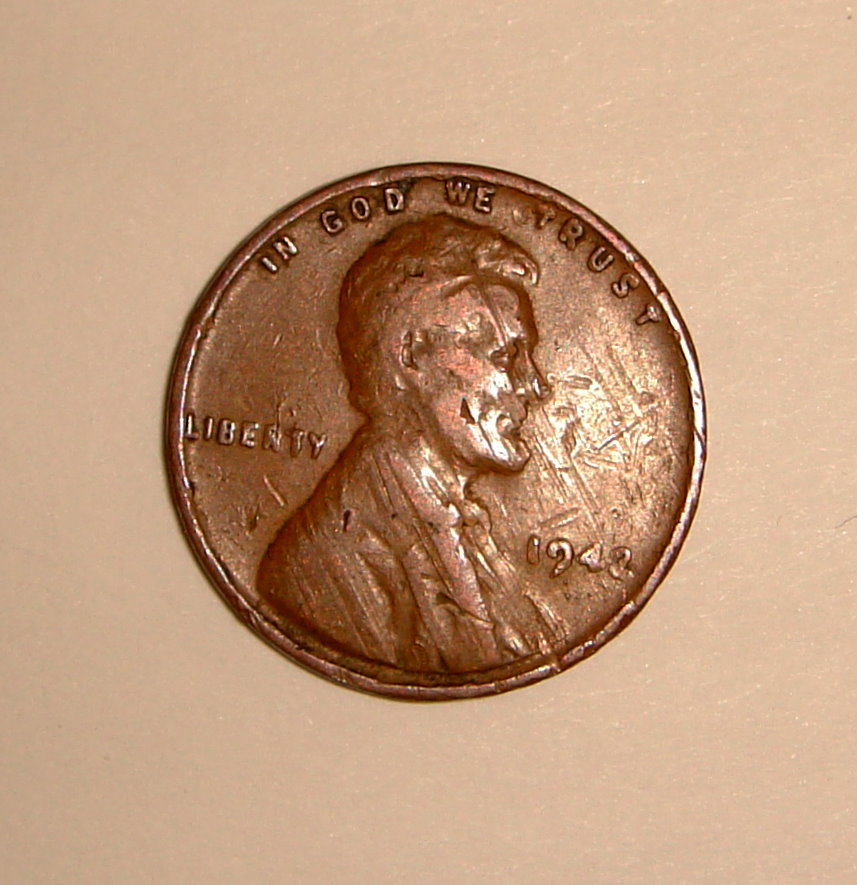
In order to save copper for military equipment during World War II, the U.S. Mint created pennies out of steel, but some copper blanks inadvertently found their way into production. Depending on condition, specimens of these rare 1943 copper pennies can sell for anywhere from $100,000 to $1.7 million, making it one of the most valuable coins in American numismatics.
That year’s steel pennies are still in circulation, but locating a real copper one is a real numismatic lottery prize.
1969-S Doubled Die Penny
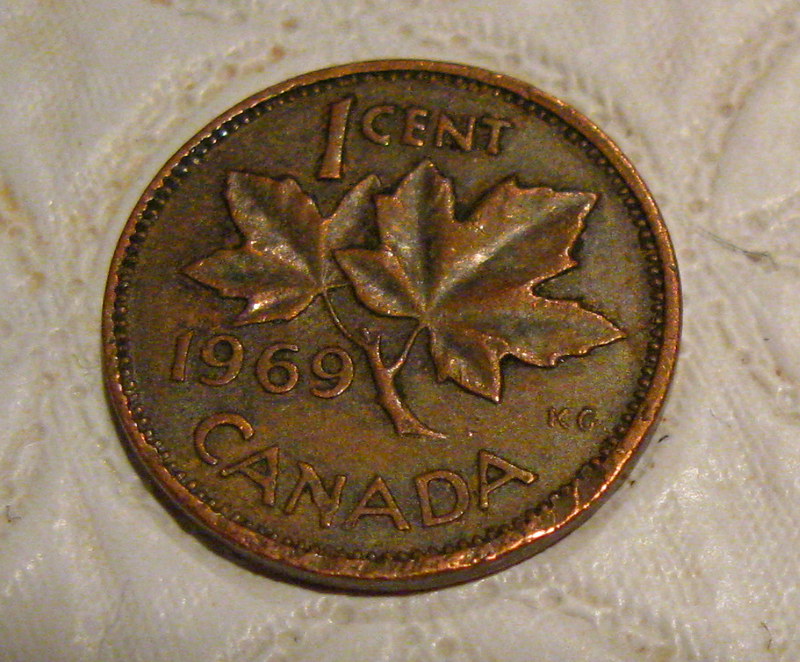
This specialized error occurred when the die used to strike these pennies received multiple impressions at slightly different angles – creating a noticeable doubling effect primarily visible in the lettering. The doubling appears most prominently in the word ‘LIBERTY’ and the date.
With fewer than 100 authenticated examples known, these pennies command anywhere from $75,000 to $125,000 in well-preserved condition despite their relatively recent mintage.
1982 No Mint Mark Dime
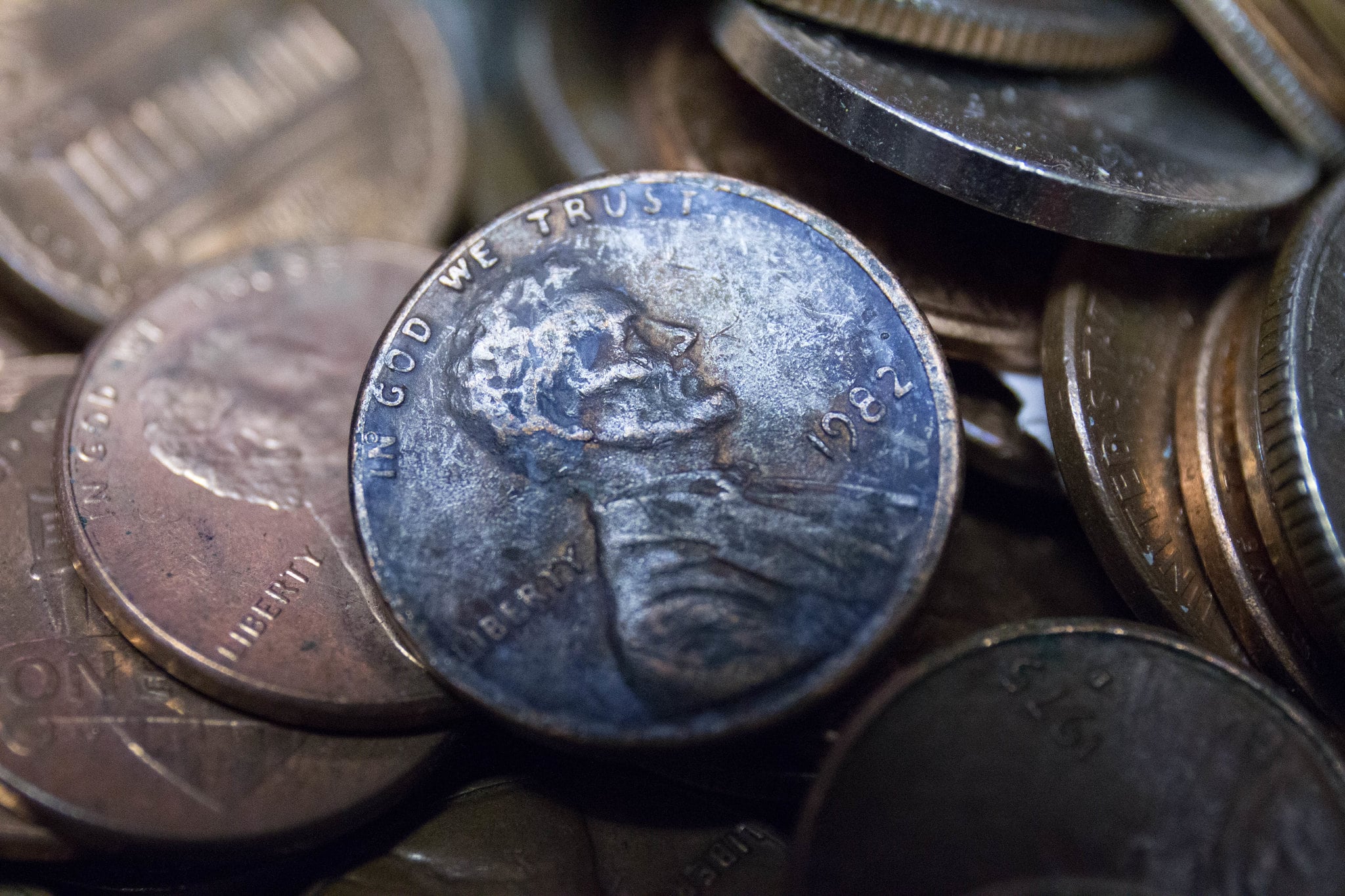
Roosevelt dimes produced in Philadelphia during 1982 typically carried no mint mark – yet the Denver mint was responsible for all dime production that year. Through an extraordinary error, some Philadelphia-struck dimes entered circulation without the expected ‘D’ mint mark.
These uncommon dimes are now valued between $30 and $300 depending on the condition, representing a significant return on the original ten-cent face value.
2004-D Wisconsin Quarter With Extra Leaf
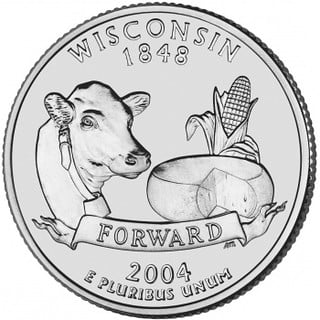
Some Wisconsin state quarters from the Denver mint exhibit what appears to be an additional corn leaf on the design – likely resulting from die damage rather than intentional design variation. Though technically production flaws rather than authorized varieties, these quarters generate significant collector interest, commanding $50 to $300 depending on the condition and prominence of the extra leaf feature.
1972 Doubled Die Lincoln Cent
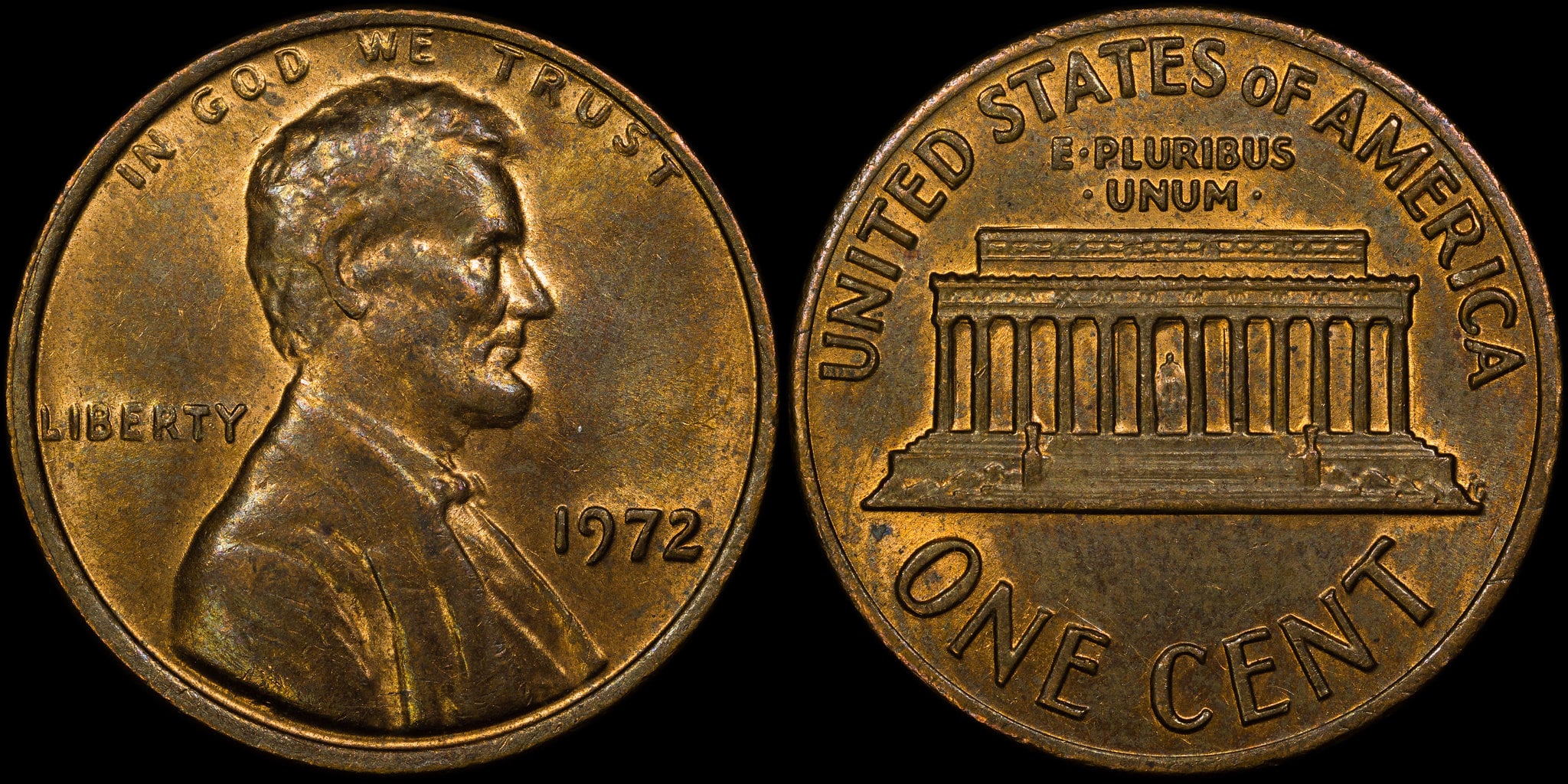
On the obverse, this spectacular mistake exhibits clear doubling, especially in the phrase “LIBERTY” and the date. When some impressions were slightly out of alignment during the hub-making process, the doubling took place.
Even in circulated condition, these pennies are worth between $100 and $500 because of this doubling, which is easily visible to the unaided eye, unlike some coin variants that require magnification to discern.
Series 2013 $1 Bills With Unusual Serial Numbers
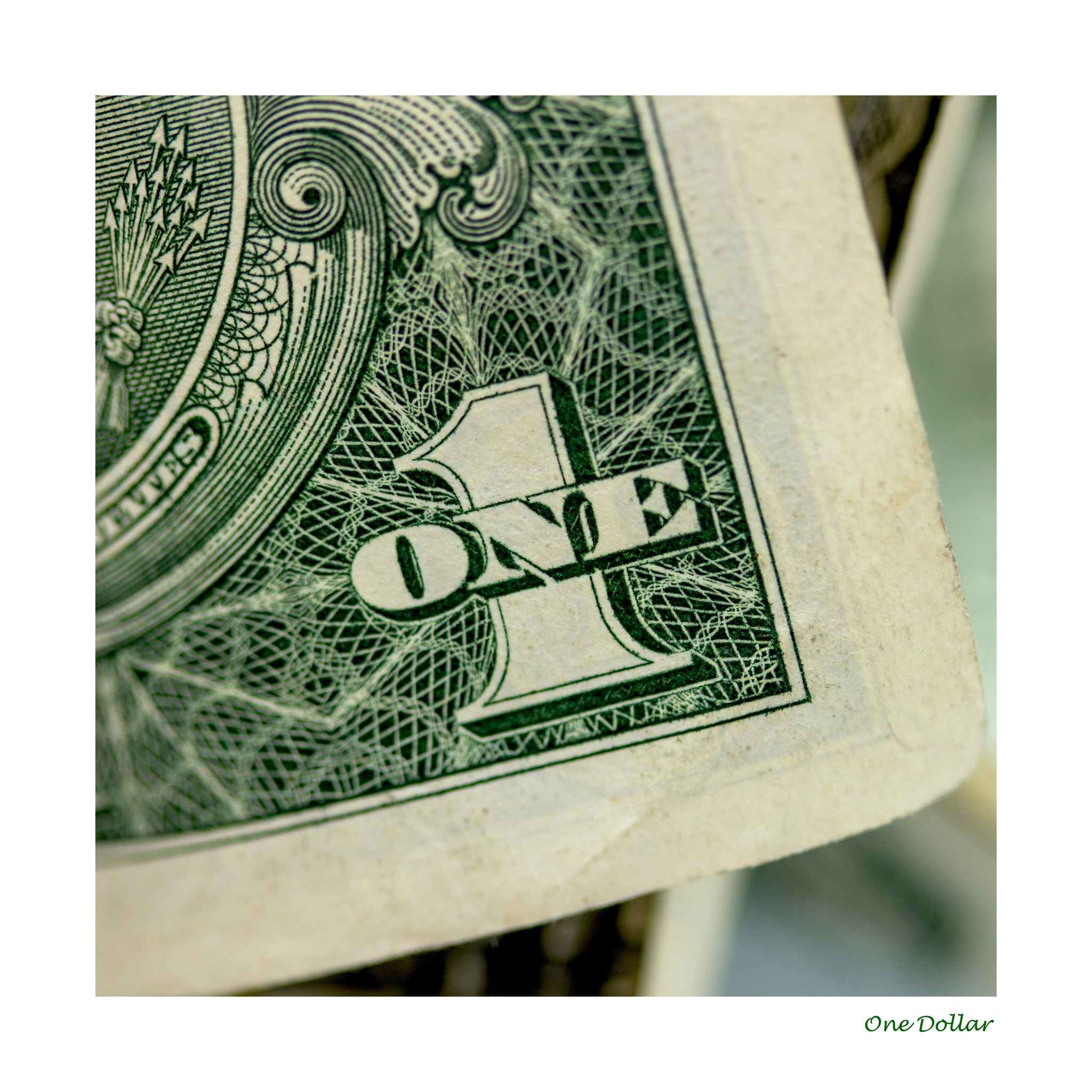
Collectors place a premium value on modern dollar notes with unique serial numbers, especially those with patterns like solid numbers (eight identical digits), ladders (sequence numerals like 12345678), and radars (numbers that read identically forward and backward). Despite being relatively recent issues, binary-pattern notes with only ones and zeros command special attention and can sell for hundreds or even thousands of dollars more than face value.
2005 Kansas Quarter With ‘IN GOD WE RUST’
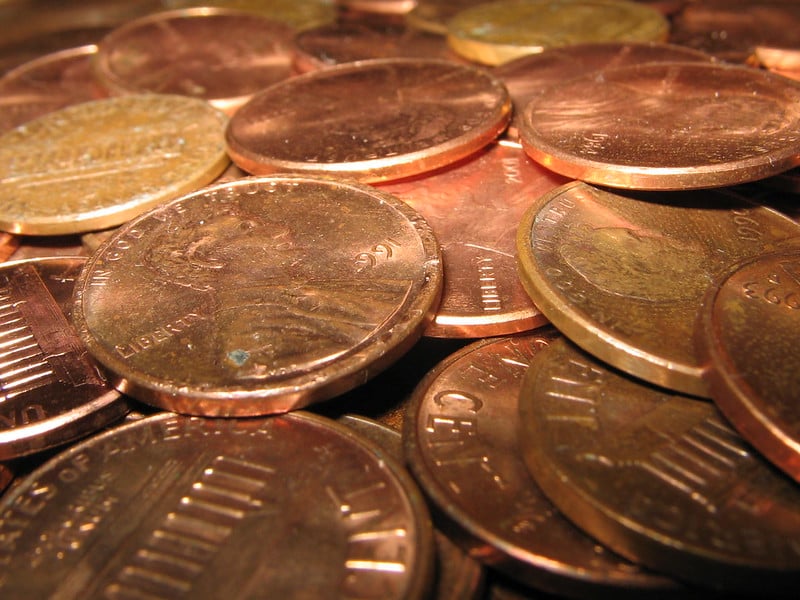
Some Kansas state quarters exhibit a striking error where die clogging partially obscured the ‘T’ in ‘TRUST’ – creating the unintended phrase ‘IN GOD WE RUST.’ This manufacturing flaw occurred when grease and debris accumulated in the die during production.
While not extraordinarily rare, these quarters consistently sell for $50 to $100 in uncirculated condition – an impressive return on a 25-cent investment.
1992 Close AM Penny
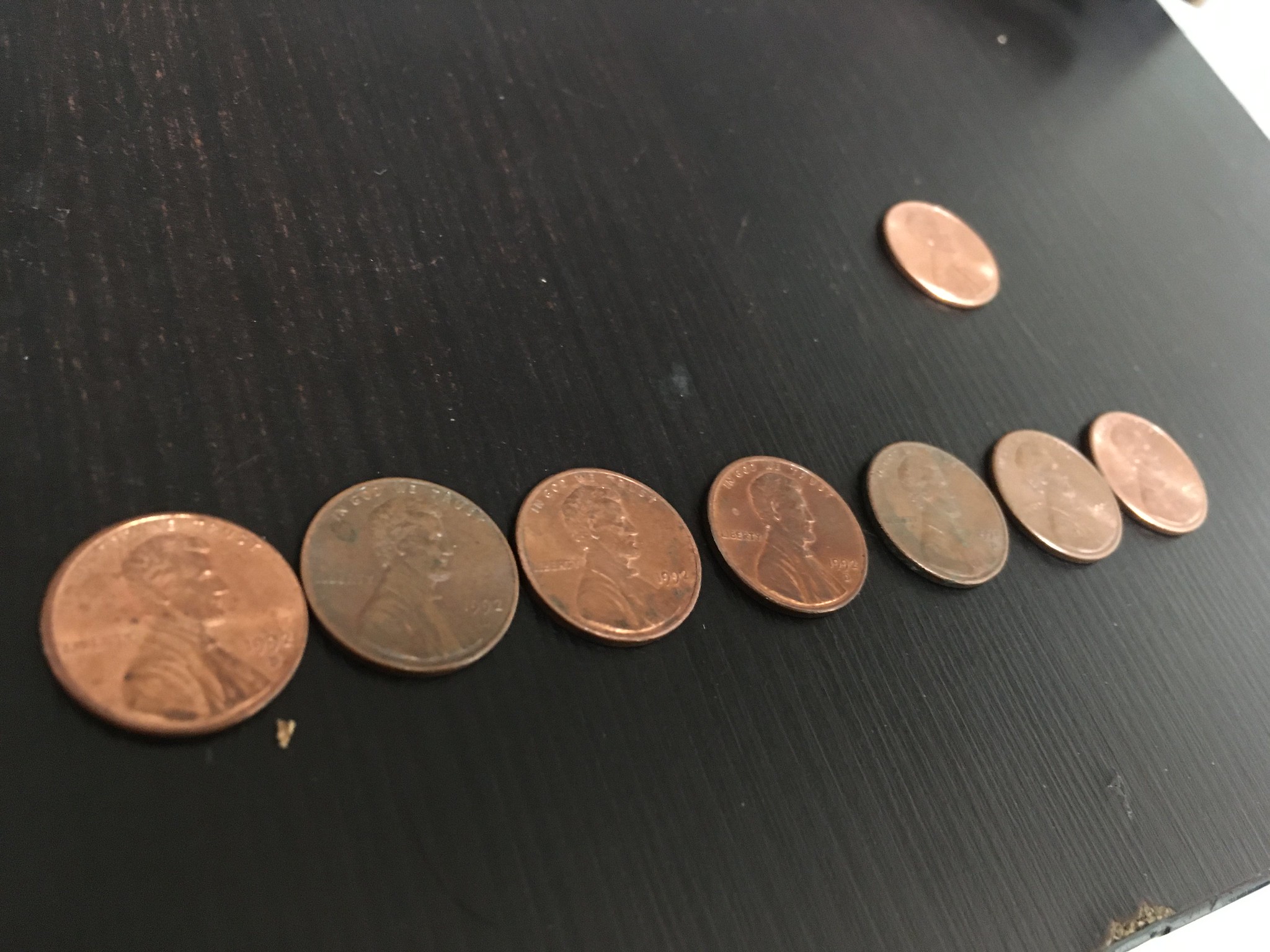
Pennies from 1992 exist in two varieties distinguished by the spacing between the ‘A’ and ‘M’ in ‘AMERICA’ on the reverse side. The rare ‘Close AM’ variety – where these letters nearly touch – wasn’t intended for circulation coins that year.
Most 1992 pennies feature wider spacing between these letters, making the close variety valuable at $20,000+ for specimens in pristine condition while circulated examples still command hundreds.
2000-P Sacagawea Dollar With Deep Mule Error
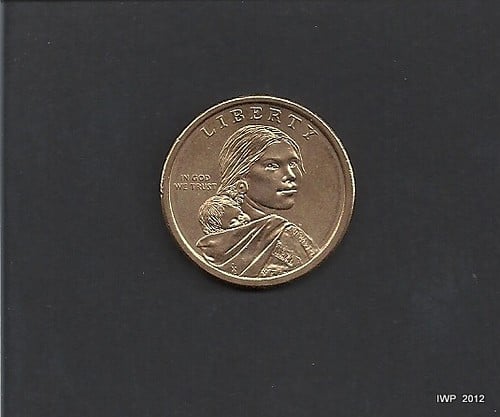
In an extraordinary minting error, some Sacagawea dollar blanks received the impression from a Washington quarter obverse die – creating ‘mule’ coins with mismatched faces. These dramatic errors feature Sacagawea on one side and Washington on the other rather than the correct eagle design.
With fewer than 20 confirmed examples, these coins rank among modern numismatic treasures – valued between $100,000 and $250,000 when authenticated.
1955 Doubled Die Lincoln Cent
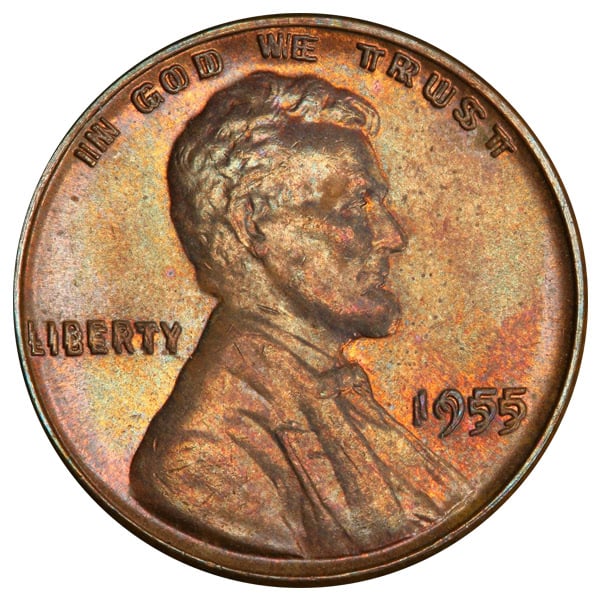
Perhaps the most famous doubled die in American coinage, this error shows dramatic doubling throughout the obverse inscriptions and date. Unlike minor doubling requiring magnification, this dramatic error appears immediately noticeable even to casual observers.
Approximately 20,000 entered circulation before discovery, making them rare but attainable – valued between $1,000 and $4,000 depending on preservation quality.
Star Note Currency
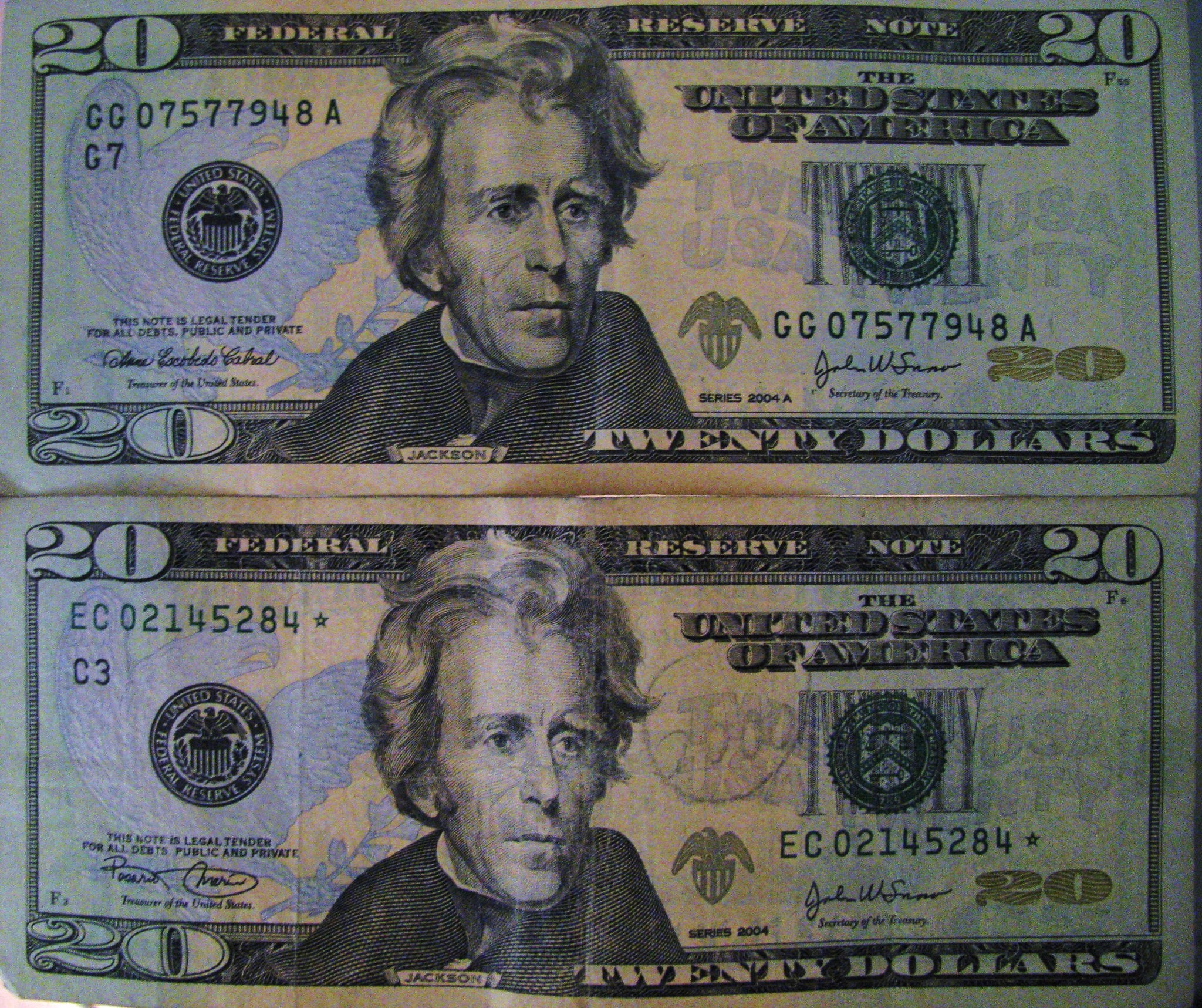
Bills bearing a star symbol after their serial numbers represent replacement notes printed to substitute for damaged currency during production. While all-star notes command some premium, certain series with limited replacement printings generate substantial collector interest.
Star notes from small runs often sell for double or triple face value, while older or scarcer examples can reach significantly higher amounts depending on condition and rarity.
2009-2010 Pennies
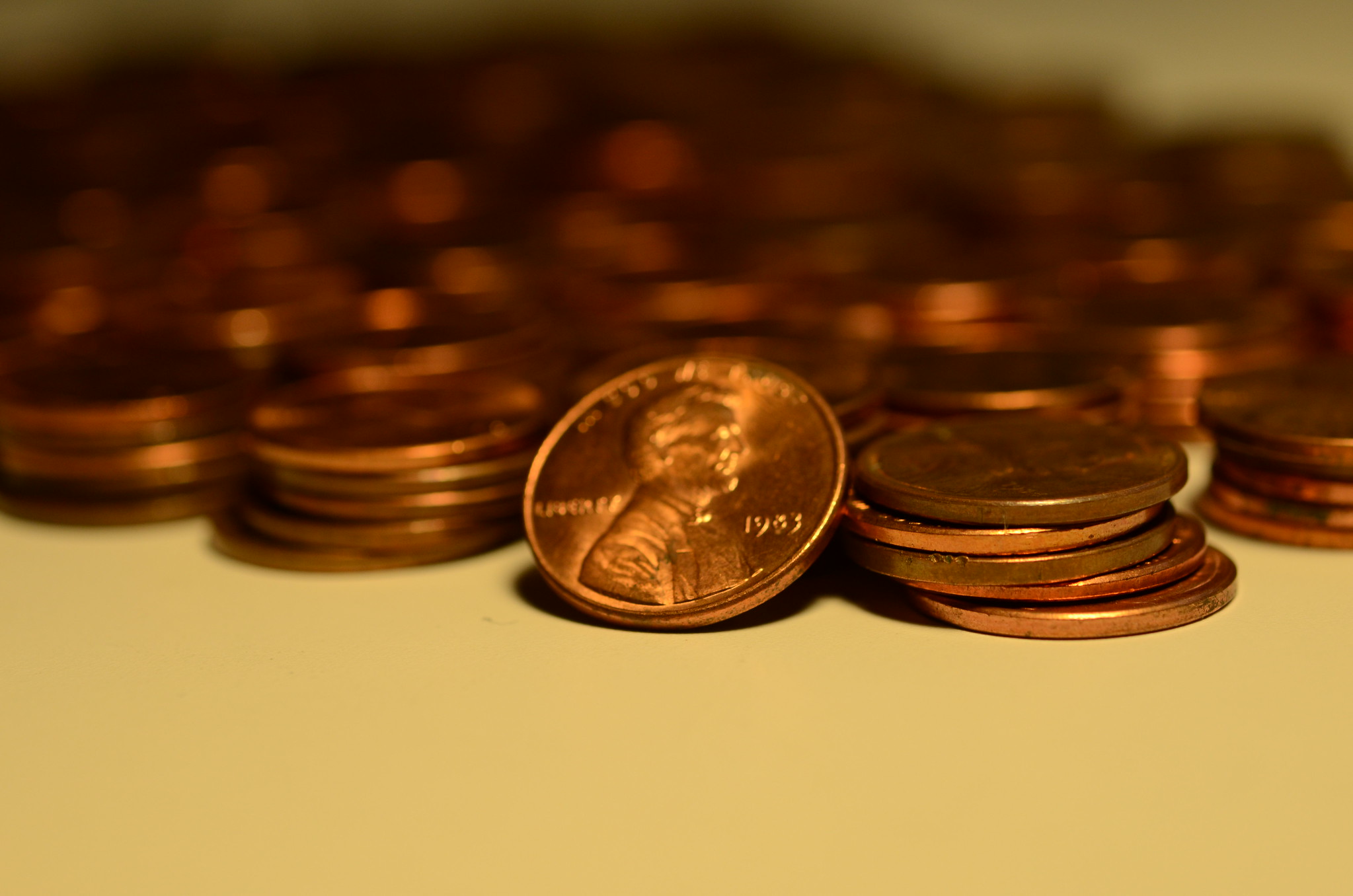
During the economic downturn, the U.S. Mint drastically reduced penny production – making certain 2009 and 2010 dates surprisingly scarce. Specifically, the 2009 penny with the four different reverse designs commemorating Lincoln’s bicentennial saw limited mintage figures.
While not bringing thousands, rolls of uncirculated examples from these years regularly sell for $30-$50, representing significant percentage returns on face value.
1970-S Small Date Penny
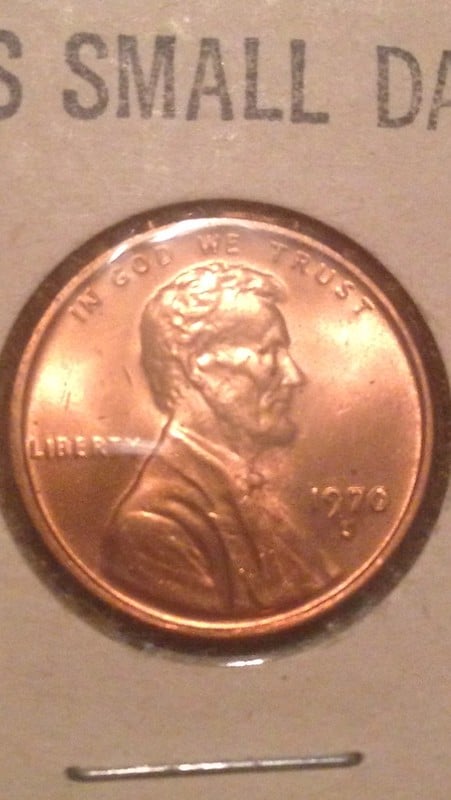
Two distinct date sizes appeared on 1970 pennies from the San Francisco mint – with the small date variety proving considerably scarcer. The difference appears subtle at a casual glance but becomes evident when comparing the size and positioning of the numerals.
High-grade examples regularly command $50 to $100, with pristine uncirculated specimens reaching several hundred dollars despite their relatively modern vintage.
Web Note Currency
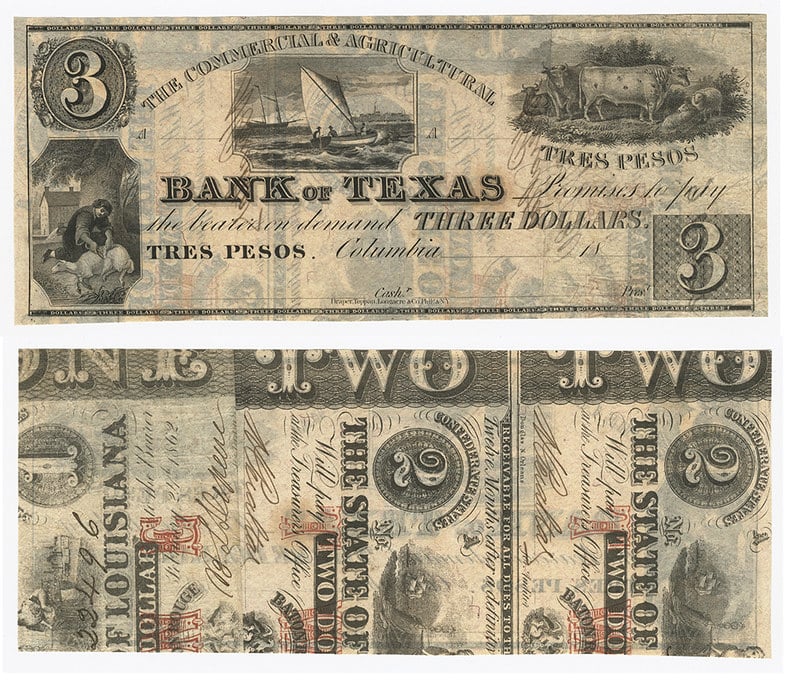
Between 2005 and 2009, the Bureau of Engraving and Printing temporarily utilized distinctive paper with a different composition than standard notes, resulting in what collectors call ‘web notes.’ These transitional bills – named for the printing process rather than internet connection – appear slightly different in texture and brightness.
While circulated examples typically bring modest premiums, uncirculated specimens in consecutive serial number groups can sell for substantial multiples of face value.
1983 Copper Penny
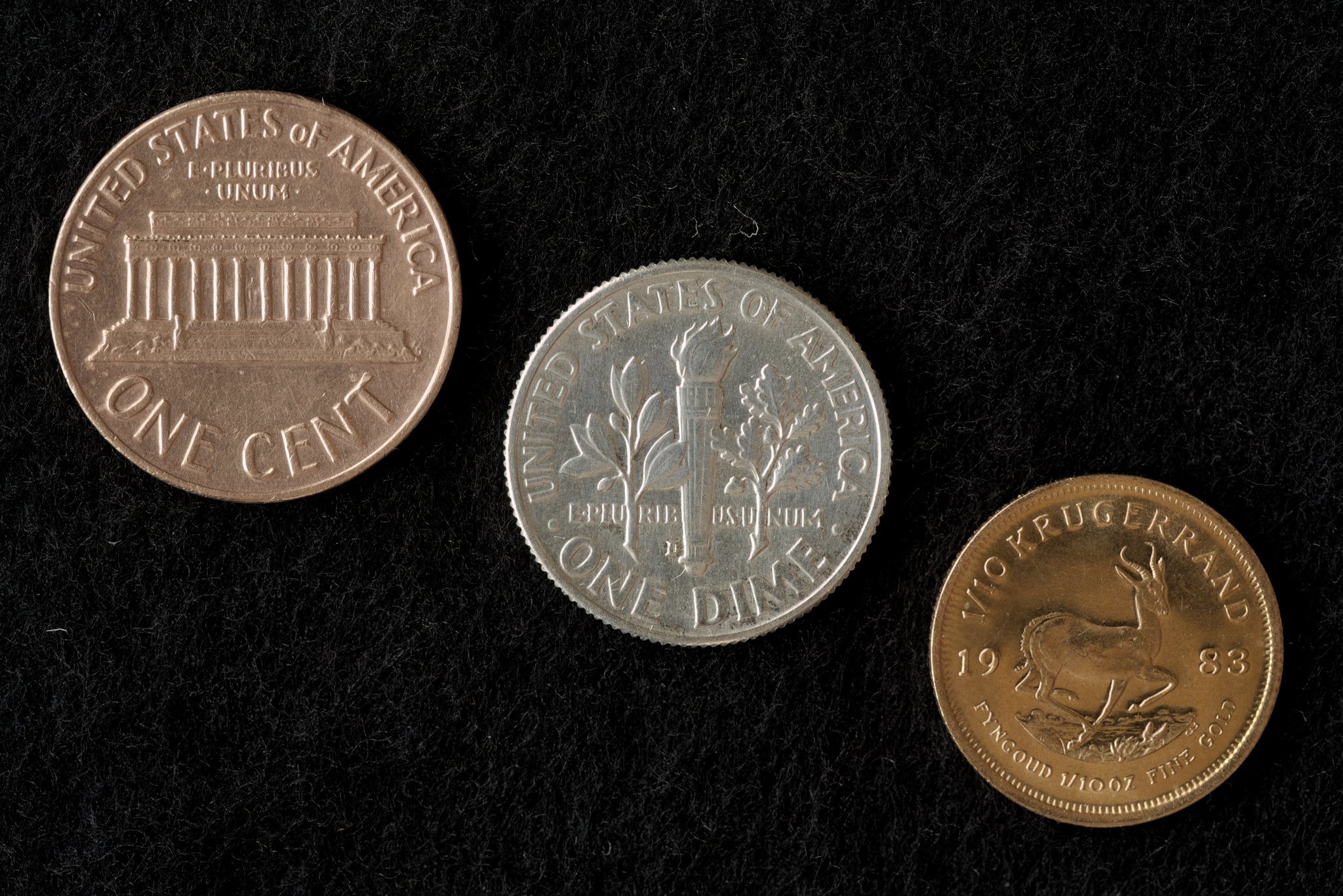
Similar to the famous 1943 error but in reverse, some 1983 pennies were mistakenly struck on copper blanks instead of the zinc-coated steel composition adopted that year. Testing requires precise weighing since copper pennies register 3.1 grams versus 2.5 grams for zinc versions.
Authenticated examples consistently sell for $5,000 to $15,000 depending on condition, representing another potential pocket change windfall.
2007-W $1 George Washington Presidential Dollar
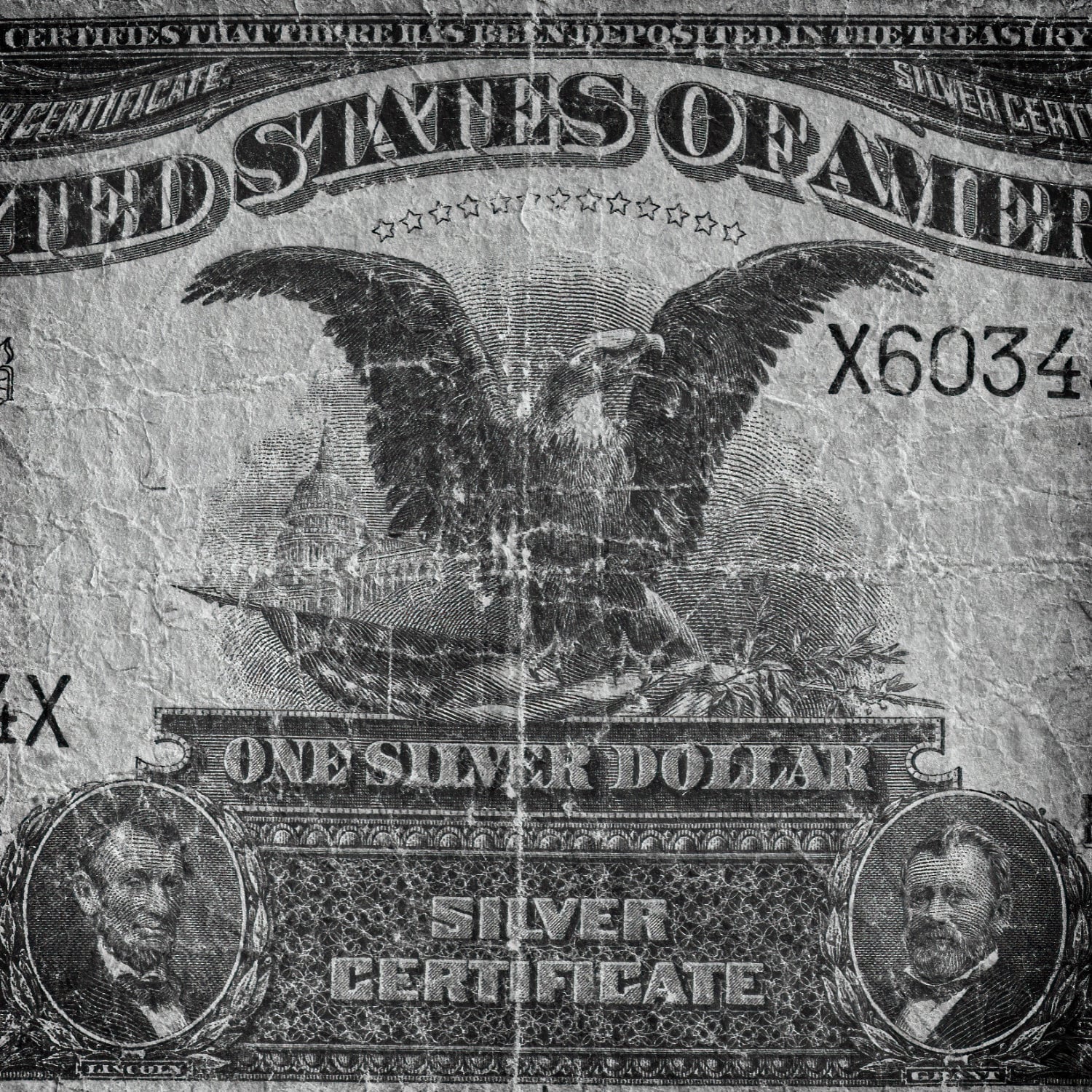
While not technically a circulation error, some uncirculated Presidential dollars from 2007 bearing the ‘W’ mint mark accidentally entered circulation through collector sets broken apart. These coins were never intended for everyday transactions but sometimes find their way into cash registers.
Examples discovered in circulation can bring $50 to $100 each – representing a significant return on the original dollar investment.
Series 1950 Federal Reserve Notes
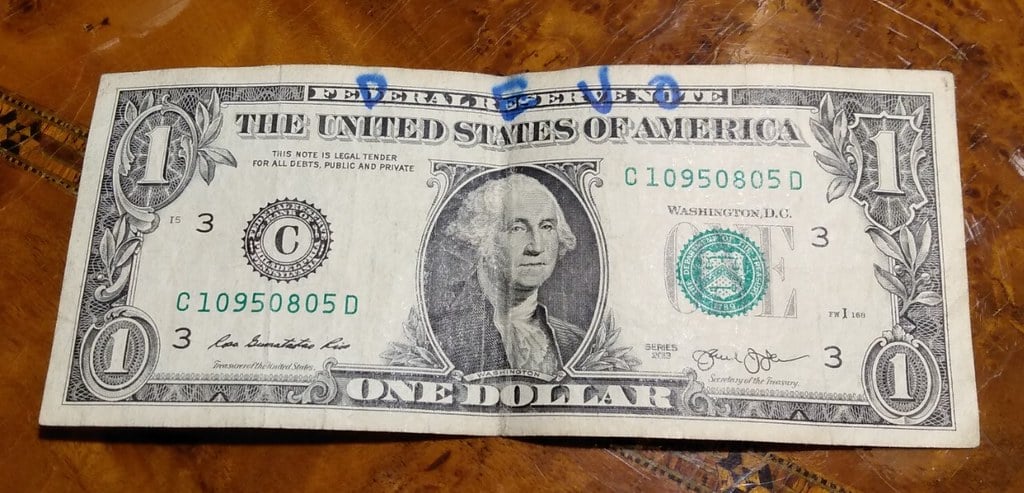
Older series bills from the 1950s still occasionally appear in circulation despite their age. These notes feature distinctive design elements including smaller portraits and different colored seals compared to modern currency.
While most circulated examples command modest premiums of 10-30% above face value, notes with unusual serial numbers or exceptional conditions can bring substantially more from dedicated currency collectors.
The Everyday Treasure Hunt
Currency collecting is a democratic pastime that allows for important discoveries to be made through routine transactions. Numismatic riches can be found in spare change and wallet contents, making them accessible to anybody who pays attention, unlike many collectible categories that need a significant financial commitment.
Examining these commonplace items could prove to be pleasantly rewarding the next time you break a bill or receive change. Even if it’s still unlikely to locate ultra-rare specimens, the prospect adds excitement to regular transactions and turns them into possible treasure hunts.
More from Go2Tutors!

- The Romanov Crown Jewels and Their Tragic Fate
- 13 Historical Mysteries That Science Still Can’t Solve
- Famous Hoaxes That Fooled the World for Years
- 15 Child Stars with Tragic Adult Lives
- 16 Famous Jewelry Pieces in History
Like Go2Tutors’s content? Follow us on MSN.