Useless Gadgets From The 90s
The 1990s produced an avalanche of consumer electronics. Companies rushed to fill stores with devices that promised to make life easier, more entertaining, or more organized.
Some succeeded. Most ended up in junk drawers or landfills within months.
These weren’t necessarily bad products. They just solved problems nobody really had or became obsolete before anyone figured out what they were for.
Tiger Electronic Handheld Games

These single-game devices cost around $20 and played one LCD game that looked terrible and controlled worse. The graphics were primitive even by 90s standards.
You pressed buttons that made blurry shapes move across a dim screen while annoying sounds beeped from a tiny speaker. Kids begged for them anyway because they were cheaper than Game Boys.
Parents bought them thinking they were getting a bargain. Everyone regretted it within a week.
The games had maybe ten minutes of entertainment value before the repetition became unbearable. They ended up forgotten in backpacks or shoved under beds.
Tamagotchi Virtual Pets

You paid money to own a digital creature that demanded constant attention and died if you ignored it. The keychain-sized device beeped at random times demanding food, cleaning, or entertainment.
Schools banned them because kids kept checking on their virtual pets during class. The creatures weren’t even interesting.
They were just pixel blobs that grew slightly larger over time. When they died, you felt guilty despite the whole thing being pointless.
Some people kept them alive for weeks out of obsessive commitment. Then the battery died or they lost interest, and the device joined the pile of abandoned 90s electronics.
VHS Tape Rewinders
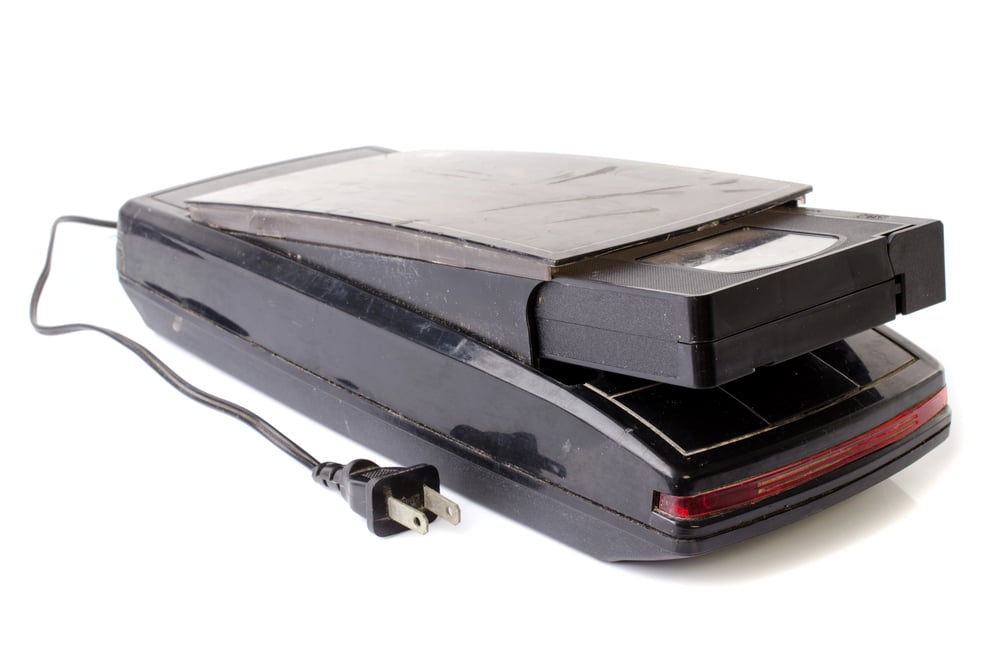
This separate device did one job. It rewound VHS tapes.
That’s it. You could rewind tapes in your VCR, but these standalone rewinders supposedly saved wear on your VCR.
They cost $20 to $30 and took up space in your entertainment center. Some looked like sports cars or other novelties, as if that made rewinding tapes more fun.
The reality was you bought a single-purpose device that did something your VCR already did. When DVDs arrived, they became instant garbage.
Millions probably still sit in storage units across America.
CD Lens Cleaners
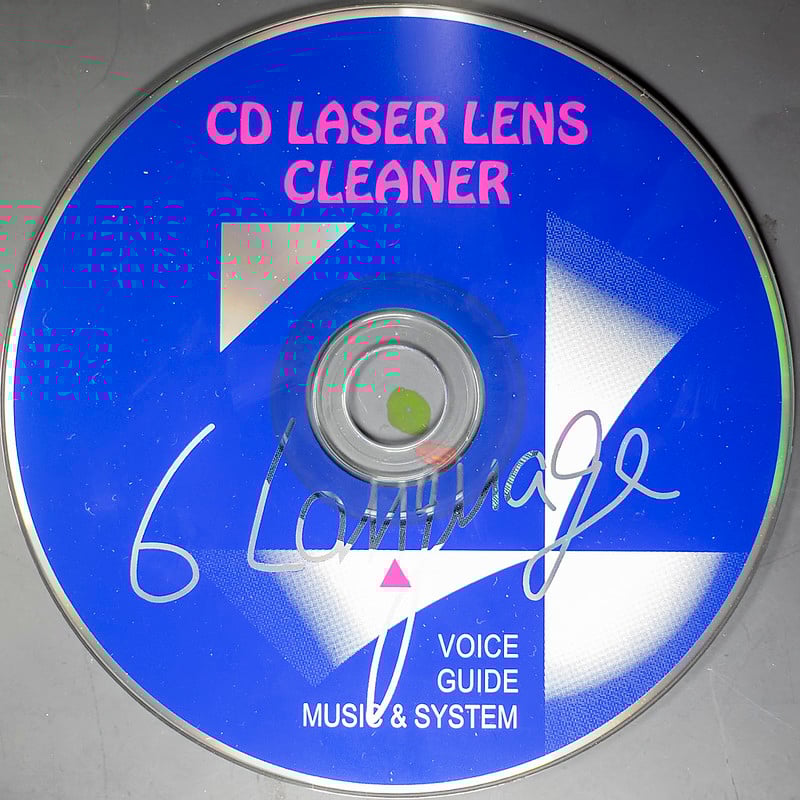
These discs supposedly cleaned the laser lens in your CD player. You inserted them, pressed play, and tiny brushes spun around while making horrible scraping noises.
The concept was dubious. The execution was worse.
Most CD skipping problems came from scratched discs, not dirty lenses. But people bought these cleaners anyway, hoping to fix their glitchy CD players.
The brushes probably did more harm than good by depositing debris on the lens. A gentle wipe with a soft cloth would have worked better, but that didn’t cost $15 at the electronics store.
Smell-O-Vision Scent Cartridges for Computers

Some companies decided computers needed to emit smells. They sold USB devices with scent cartridges that released odors in response to websites or games.
You could smell flowers while looking at a garden website. Or smell gunpowder while playing a shooter game.
Nobody wanted this. The technology barely worked.
The scents were vague chemical approximations that smelled nothing like what they claimed. The cartridges were expensive and ran out quickly.
The whole concept disappeared faster than most 90s fads, which is saying something.
Mini Disc Players

Sony pushed MiniDisc players as the next big thing after cassette tapes. The discs were smaller than CDs and recordable.
They seemed perfect except nobody wanted them. CDs were cheaper and more widely available. MP3 players were coming soon.
MiniDisc players were expensive. Blank discs cost more than blank CDs.
The recording quality was compressed and noticeably worse than CDs for anyone who actually listened carefully. Sony kept trying to make MiniDisc happen for years.
It never happened. The format was dead by the early 2000s.
Pocket Electronic Dictionaries

These chunky handheld devices stored definitions for thousands of words. You typed in a word using a tiny keyboard and got a definition on a small screen.
They cost $50 to $100 and had limited functionality beyond basic dictionary lookups. Regular dictionaries were cheaper and easier to read.
The electronic versions had tiny screens that displayed maybe three lines of text. Scrolling through long definitions was tedious.
When smartphones appeared, these devices became completely pointless overnight.
WebTV Internet Terminals

WebTV lets you browse the internet on your television using a special box and remote control. It sounded convenient.
The reality was typing URLs with a remote control while squinting at low-resolution text on a TV screen. The service was slow, limited, and frustrating.
Websites in the 90s weren’t designed for television displays. The text was tiny and unreadable from couch distance.
Navigation was clumsy. Anyone who actually wanted internet access bought a computer.
WebTV served people who didn’t really want the internet but felt pressured to try it.
Cassette to CD Converters
These gadgets supposedly let you play cassette tapes in your CD player. Different versions used various mechanisms, all of them terrible.
Some required manually advancing the tape. Others played at weird speeds.
The audio quality was worse than just using a cassette player. You could buy actual cassette players for less money than these converters cost.
But marketing convinced people they needed to play old mixtapes in new devices. The converters didn’t work well enough to bother with.
Most people used them once and gave up.
Desktop Waterfall Fountains

These miniature fountains sat on desks and circulated water over rocks or fake landscapes. They made gentle trickling sounds and supposedly promoted relaxation.
In reality, they collected dust, grew algae, and needed constant refilling. The water evaporated quickly, leaving mineral deposits on the rocks.
The pumps were loud and failed regularly. Cleaning them was tedious.
They looked nice for about a week before becoming another chore. Most people unplugged them and let them sit empty on shelves, gathering more dust.
Portable CD Players Without Skip Protection

Early portable CD players skipped constantly if you moved while walking. Companies marketed improved models with “anti-skip” features that barely worked.
You had to walk in smooth gliding steps to keep the music playing. Jogging was impossible.
These devices cost $50 to $150 and were marketed for active lifestyles. The reality was carrying something bulky and fragile that stopped playing music if you moved too quickly.
Cassette Walkmans worked better for actual portable music. MP3 players eventually solved the problem, making portable CD players instantly obsolete.
Electronic Password Managers

These pocket-sized devices stored passwords and login information. You memorized one master password, and the device stored everything else.
They seemed useful except they were easy to lose, and losing one meant losing all your passwords at once. The devices had tiny screens and awkward interfaces.
Entering passwords took longer than just typing them normally. Battery life was limited.
When the battery died, you needed to re-enter everything. Paper worked better for most people, and password manager software eventually made these devices redundant.
Voice Changers

These toys let you talk into a microphone and hear your voice modified to sound like a robot, alien, or monster. Kids thought they were hilarious for approximately 15 minutes.
Adults bought them as gag gifts and regretted it when kids wouldn’t stop using them. The voice modification was crude and distorted.
Most settings just made you sound muffled or squeaky. The novelty wore off almost immediately.
The devices ended up in toy boxes, never to be used again. Some probably still work perfectly because nobody touched them after the first day.
Home Weather Stations

These multi-part systems promised to turn your house into a meteorology center. You installed sensors outside and monitored temperature, humidity, and barometric pressure on an indoor display.
The data was rarely accurate and completely useless for practical purposes. Professional weather forecasts were free on TV and radio.
Your personal weather station couldn’t predict anything. It just told you the current temperature, which you could determine by going outside.
The outdoor sensors broke quickly due to weather exposure. The whole setup was expensive, complicated, and pointless for anyone not actually studying meteorology.
When Novelty Wasn’t Enough

Back then, tech moved quicker than people could keep up, so the 1990s ended up full of pointless devices. Firms pushed new items into stores without knowing if folks truly needed them.
Few lasted long. Those that stuck around either helped in real ways or kept attention through amusement.
Failed versions? They fixed nothing, bored users fast, or promised more than they delivered. Back then, tech moved so fast that some gadgets vanished overnight.
Still others flopped right out of the gate yet got shoved into stores through sheer noise and ads. Funny now – how anyone looked at a device that sprayed plastic scents from their PC and said, okay, perfect.
That decade had its own logic. A whole generation collected clutter with receipts to prove it.
More from Go2Tutors!

- The Romanov Crown Jewels and Their Tragic Fate
- 13 Historical Mysteries That Science Still Can’t Solve
- Famous Hoaxes That Fooled the World for Years
- 15 Child Stars with Tragic Adult Lives
- 16 Famous Jewelry Pieces in History
Like Go2Tutors’s content? Follow us on MSN.