Photos Of World-Famous Landmarks During Their Construction
There’s something deeply fascinating about catching icons in their awkward teenage years. These monuments that now define skylines and inspire millions of tourists were once just piles of steel, stone, and scaffolding.
Workers showed up each morning to chip away at what seemed impossible, piece by piece, until something extraordinary emerged from the chaos.
Construction photos reveal the unglamorous truth behind our most celebrated landmarks. The Eiffel Tower looked like a skeleton. Mount Rushmore resembled a quarry accident.
The Statue of Liberty sat in pieces like the world’s most ambitious jigsaw puzzle. These images remind us that even the most magnificent achievements started with someone laying the first brick.
Eiffel Tower
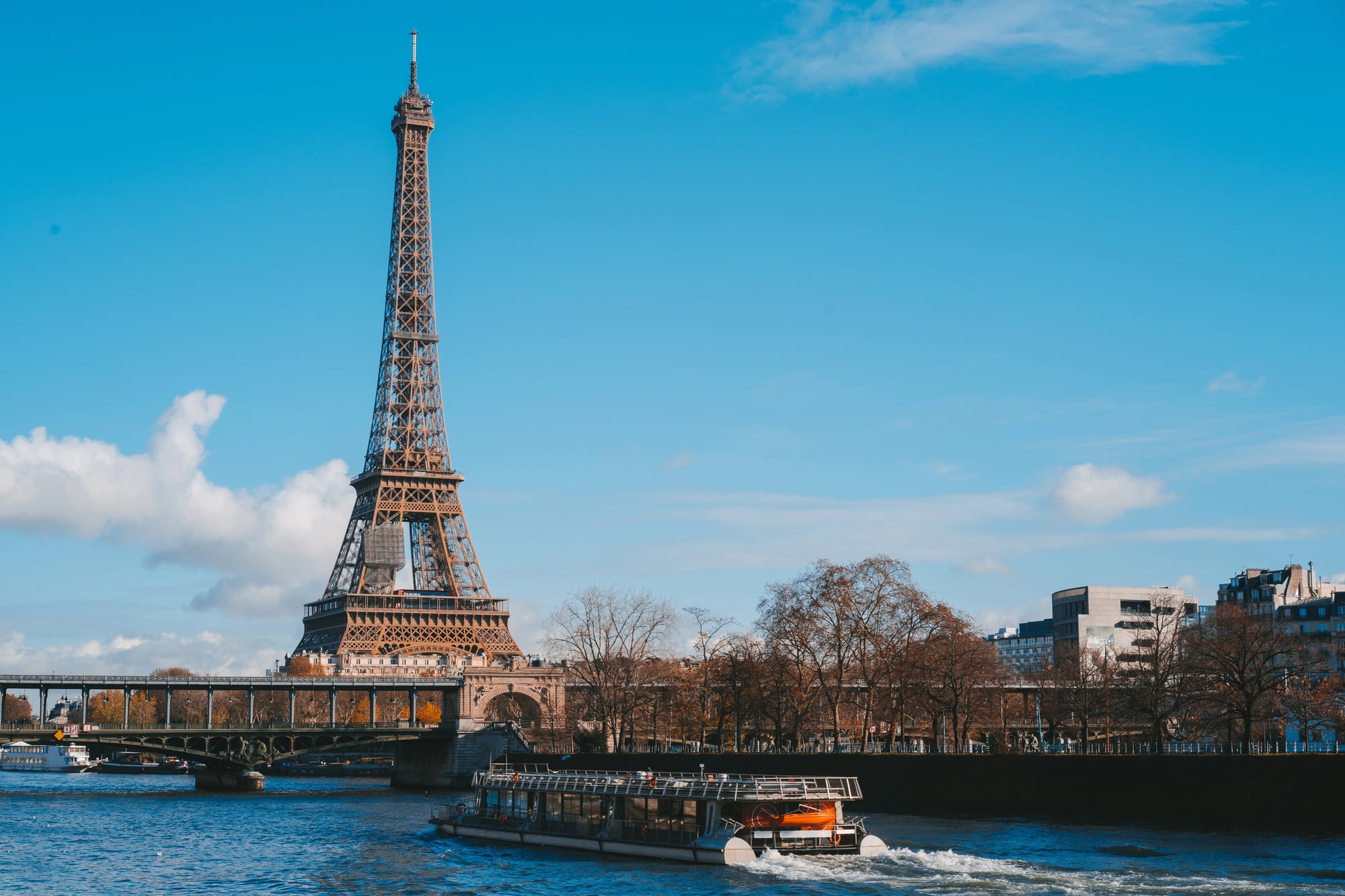
The Eiffel Tower under construction looked like Paris was building the world’s most elaborate radio antenna. Workers perched on iron beams hundreds of feet above the ground with no safety equipment worth mentioning.
The tower rose in sections, each level more improbable than the last.
Photos from 1888 show the partially completed structure looming over Parisian rooftops like a half-finished Erector Set. The base was massive, the middle section barely begun, and the top completely missing.
Critics called it an eyesore and demanded construction stop immediately.
Statue Of Liberty
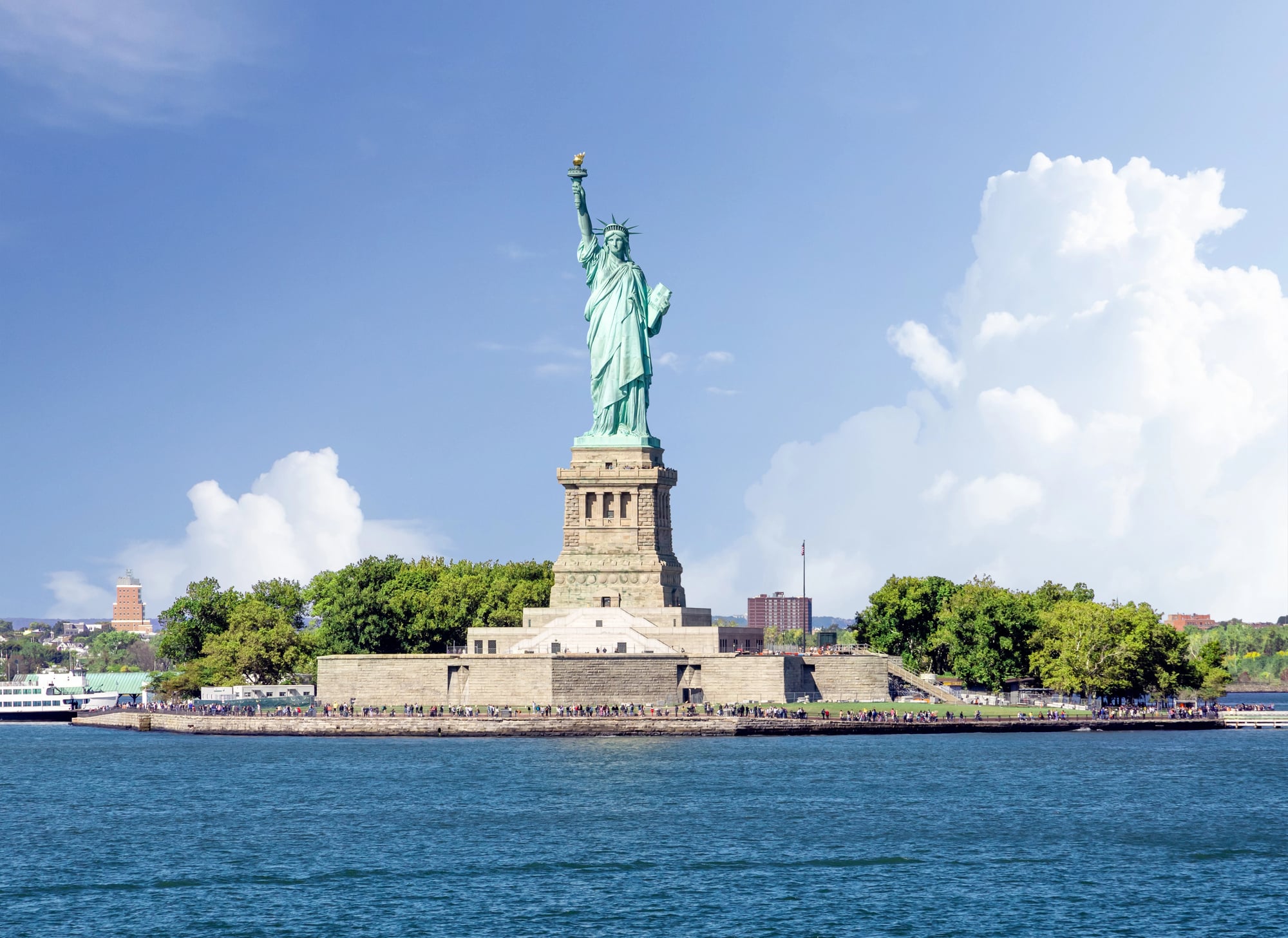
Lady Liberty arrived in New York harbor the way most people move apartments (if people moved by disassembling themselves into 300 pieces and shipping internationally, which would admittedly solve several logistical problems).
The statue spent months as a collection of copper sections scattered across Bedloe’s Island while workers figured out how to reassemble a 151-foot woman holding a torch.
Construction photos show the statue’s head sitting separately like a discarded movie prop — and the irony here is almost too obvious — while her body remained a framework of iron supports waiting for copper skin.
The pedestal wasn’t even finished when the statue pieces arrived, so France’s gift to America spent considerable time looking like an elaborate garage sale before anyone could determine where everything belonged.
Mount Rushmore
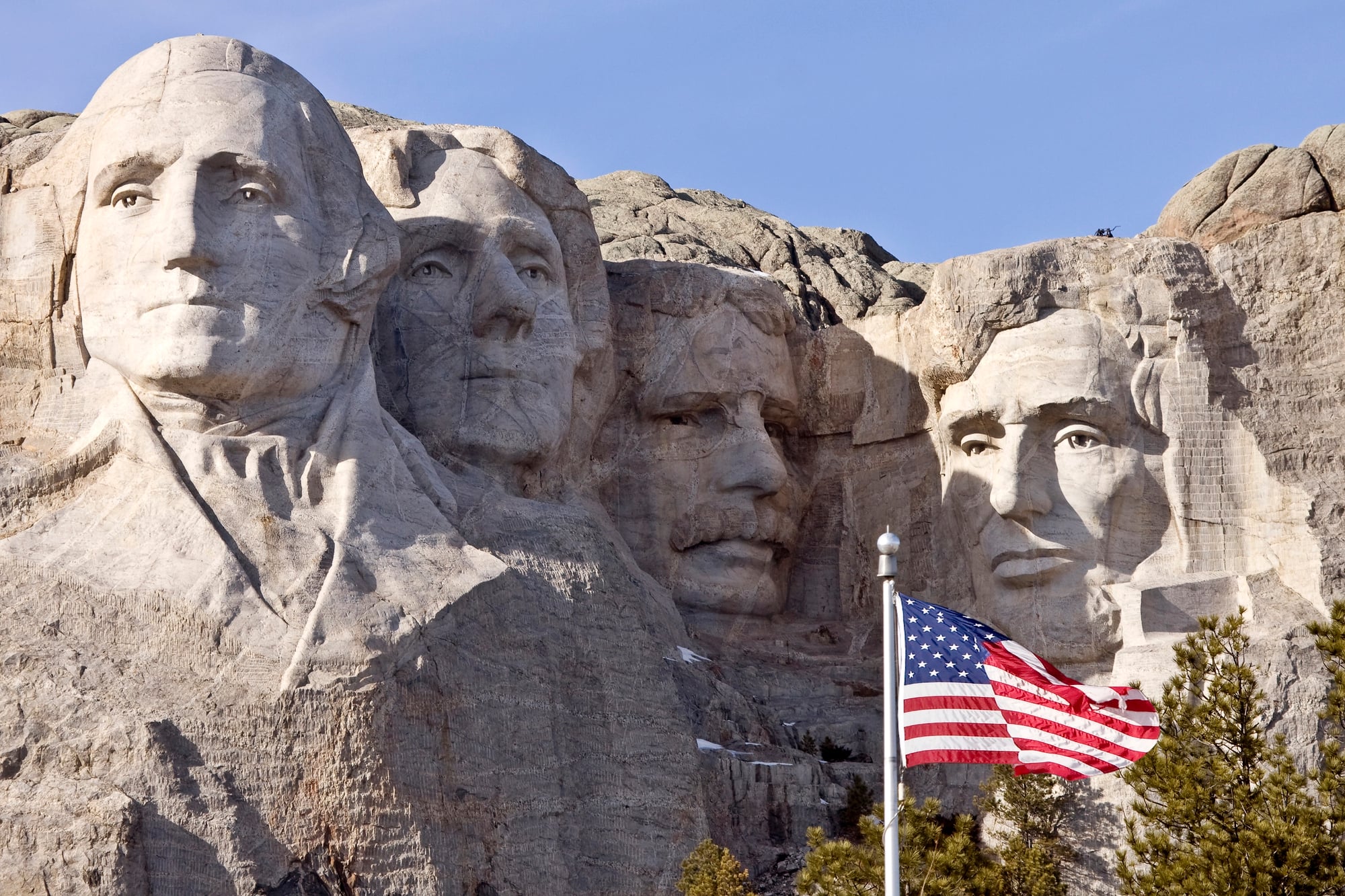
Imagine walking through the Black Hills in 1930 and stumbling across what appeared to be the aftermath of a mountain having an argument with a construction crew.
Mount Rushmore during construction looked less like a monument and more like geological chaos: wooden scaffolding clinging to granite cliffs, dust clouds obscuring everything, and presidential faces emerging one nostril at a time from the rock face.
The construction photos capture something almost absurd about the whole enterprise. Here were workers suspended by cables, chiseling away at what would become Lincoln’s beard or Roosevelt’s mustache, treating the carving of presidential portraits into a mountainside as just another Tuesday at the office.
The faces appeared gradually, asymmetrically — Washington’s nose finished while Jefferson remained a vague outline, creating temporary compositions that looked like the mountain was slowly remembering how to be patriotic.
Sydney Opera House
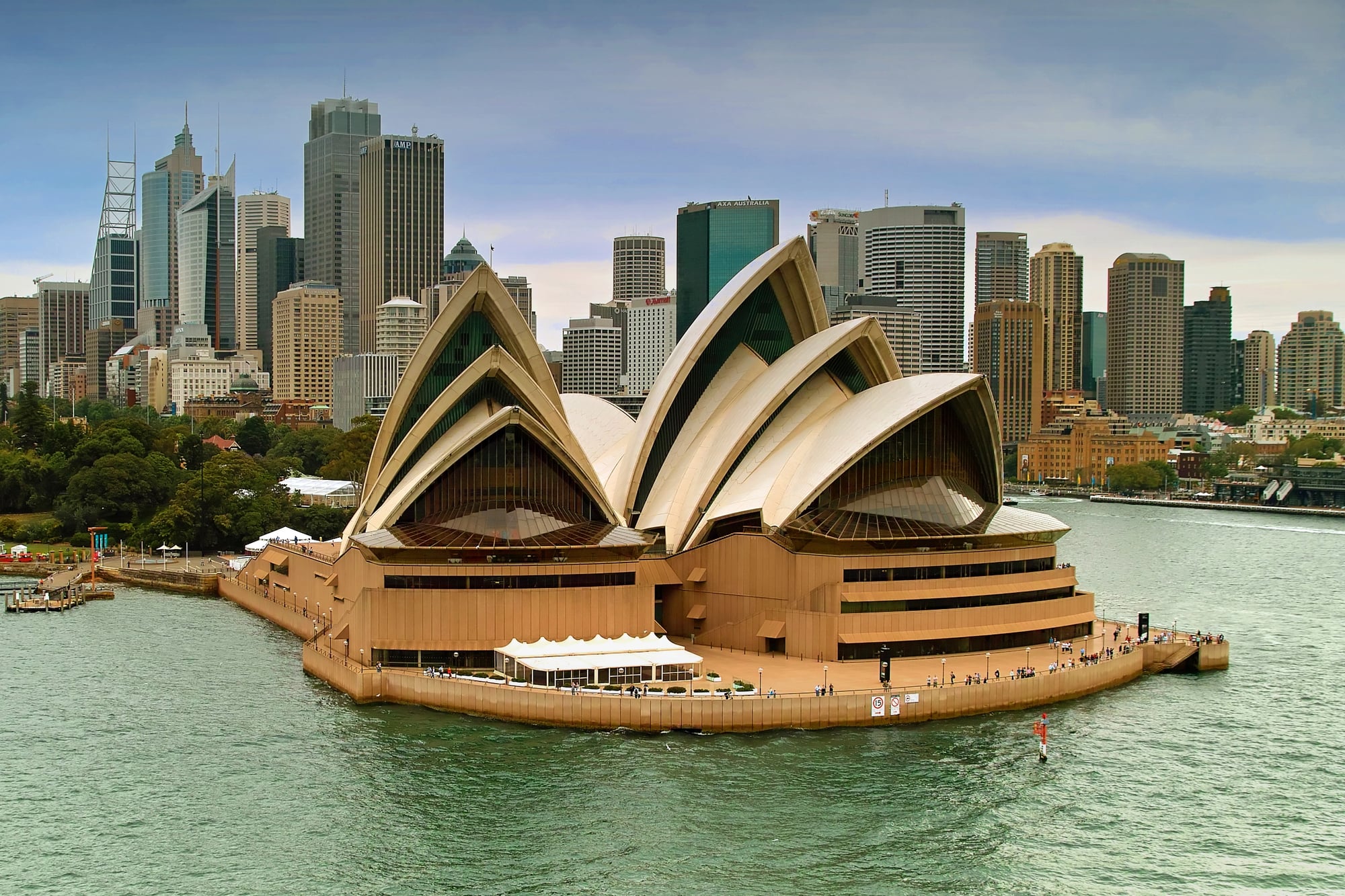
The Sydney Opera House under construction resembled a concrete accordion that someone had stepped on. Those famous shell-shaped roofs that now define the Sydney harbor?
They took fourteen years to figure out and looked completely unhinged while work was in progress.
Construction began in 1959 with great optimism and a budget that proved to be wildly inadequate. Photos from the 1960s show the building’s foundation and lower levels complete while the roof sections remained an engineering puzzle.
The shells were supposed to be simple. They weren’t.
Workers eventually developed a new construction technique just to build the thing. The final cost exceeded original estimates by roughly 1,400 percent, which puts most home renovation projects into perspective.
Golden Gate Bridge
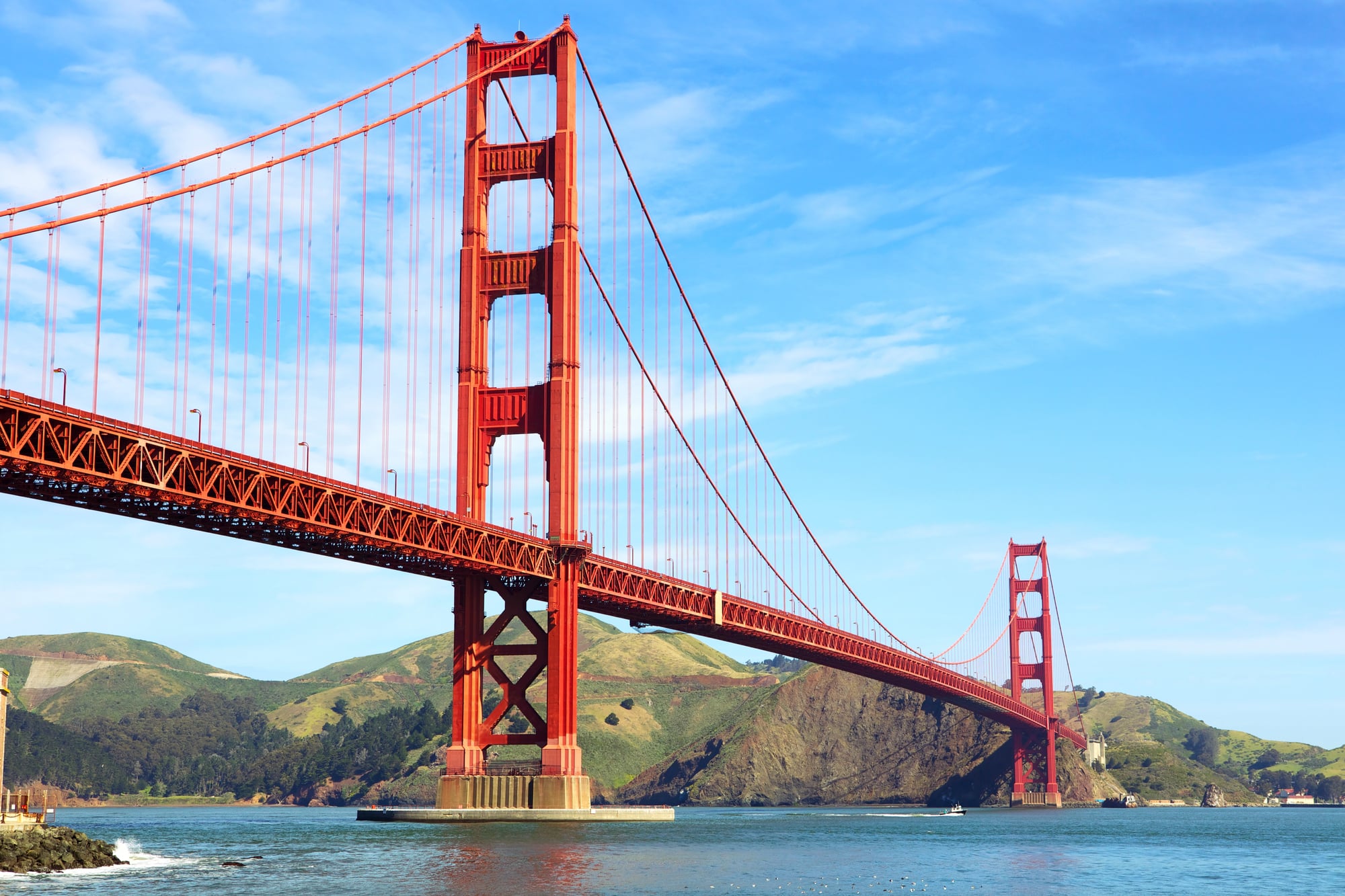
The Golden Gate Bridge proved that sometimes the most beautiful solutions look terrifying while you’re building them. Construction photos from the 1930s show workers balanced on cables suspended over San Francisco Bay, treating a 746-foot drop to the water as a minor occupational hazard.
The bridge’s famous International Orange color wasn’t visible during most of construction. Workers painted primer coats and dealt with structural issues while fog rolled through the Golden Gate, creating an atmosphere that was equal parts majestic and ominous.
Safety nets saved nineteen men during construction, earning them membership in the “Halfway to Hell Club.”
Hoover Dam
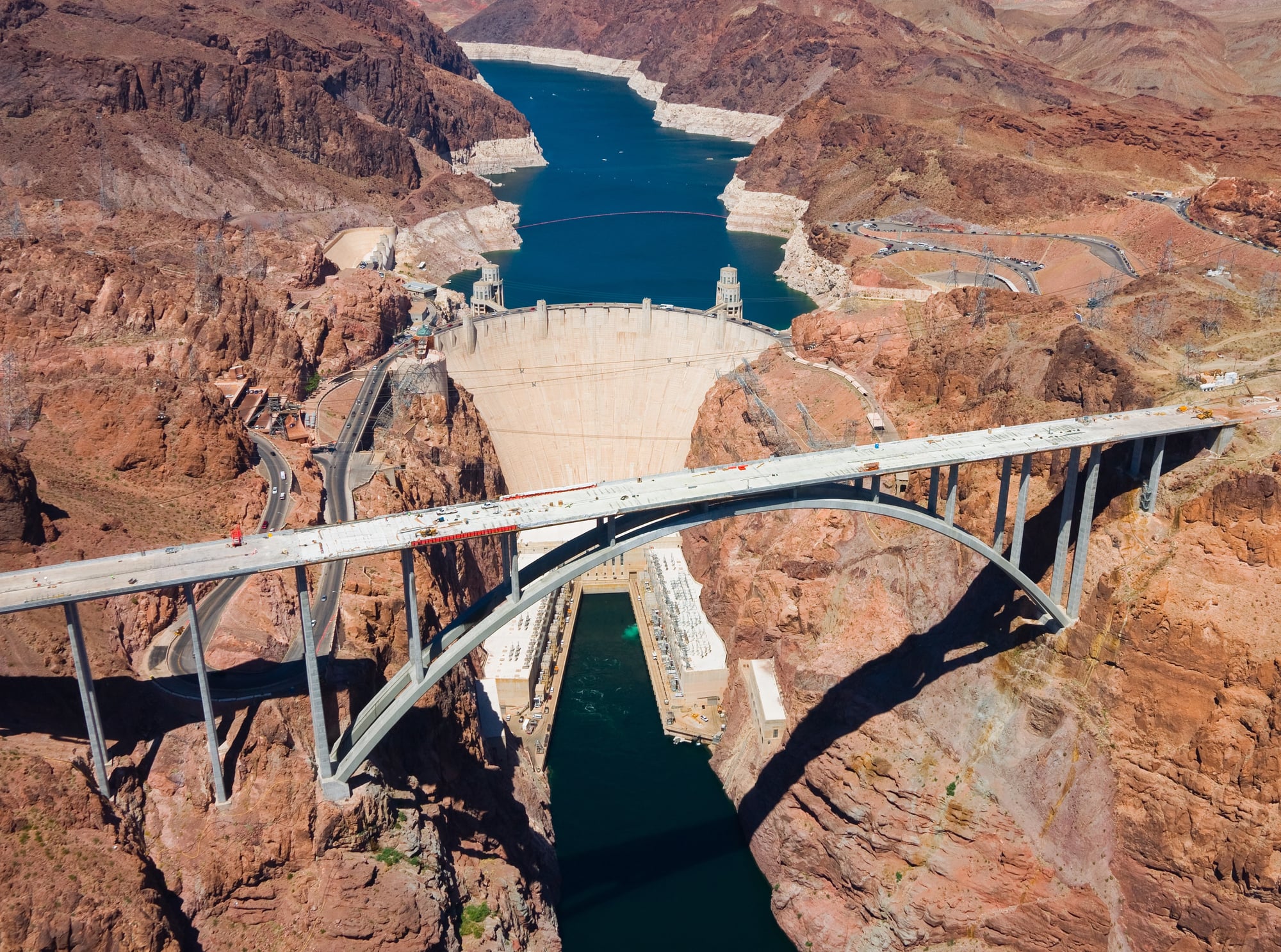
Building Hoover Dam required temporarily rerouting the Colorado River, which sounds like the setup to either an impressive engineering story or an environmental disaster (fortunately, it turned out to be the former, though the process wasn’t exactly gentle).
Construction photos from the early 1930s show the Colorado River diverted into tunnels blasted through canyon walls while workers poured concrete into what had been riverbed just months earlier.
The scale becomes clear in photographs showing tiny human figures dwarfed by concrete forms and machinery — but here’s what makes these images particularly striking (and slightly unsettling): the workers are constructing something designed to outlast everyone who will ever see it by several centuries.
And they’re doing it during the Great Depression, which meant this massive project represented both hope and desperation in roughly equal measure. The dam photographs capture that tension: monumental ambition rising from a landscape that looks scraped raw by the construction process itself.
Brooklyn Bridge
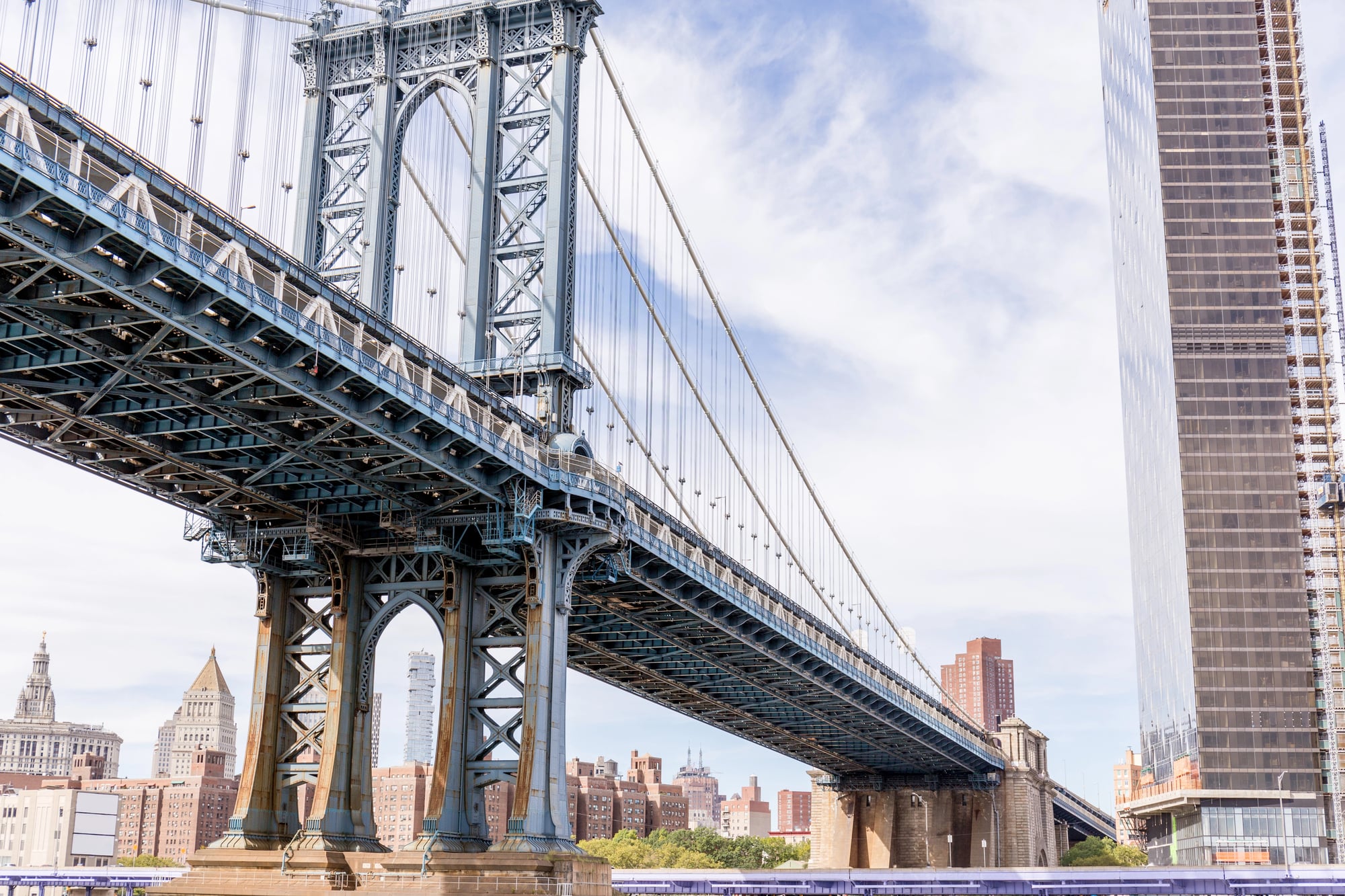
The Brooklyn Bridge construction photos tell the story of America’s first encounter with truly modern engineering, which is to say they document a prolonged period of figuring things out as work progressed.
The bridge towers rose from the East River using pneumatic caissons — essentially giant wooden boxes sunk to the riverbed where workers could dig foundations underwater.
This process gave dozens of workers decompression sickness, including the chief engineer, who became bedridden and had to direct construction through his wife.
Photos show the bridge’s Gothic Revival towers taking shape while workers strung the first cables between Brooklyn and Manhattan, creating what looked like a geometric web suspended over the river.
Washington Monument

The Washington Monument spent twenty-five years looking like a half-finished pencil stuck in the National Mall. Construction began in 1848, stopped completely during the Civil War, and resumed in 1877 with different stone that didn’t quite match the original.
You can still see the color change about a third of the way up.
Construction photos show the monument at its awkward 150-foot height, where it remained for decades. The structure looked stubby and incomplete, dominating the Mall in all the wrong ways.
When work finally resumed, engineers had to strengthen the foundation before adding the remaining 400 feet.
Christ The Redeemer
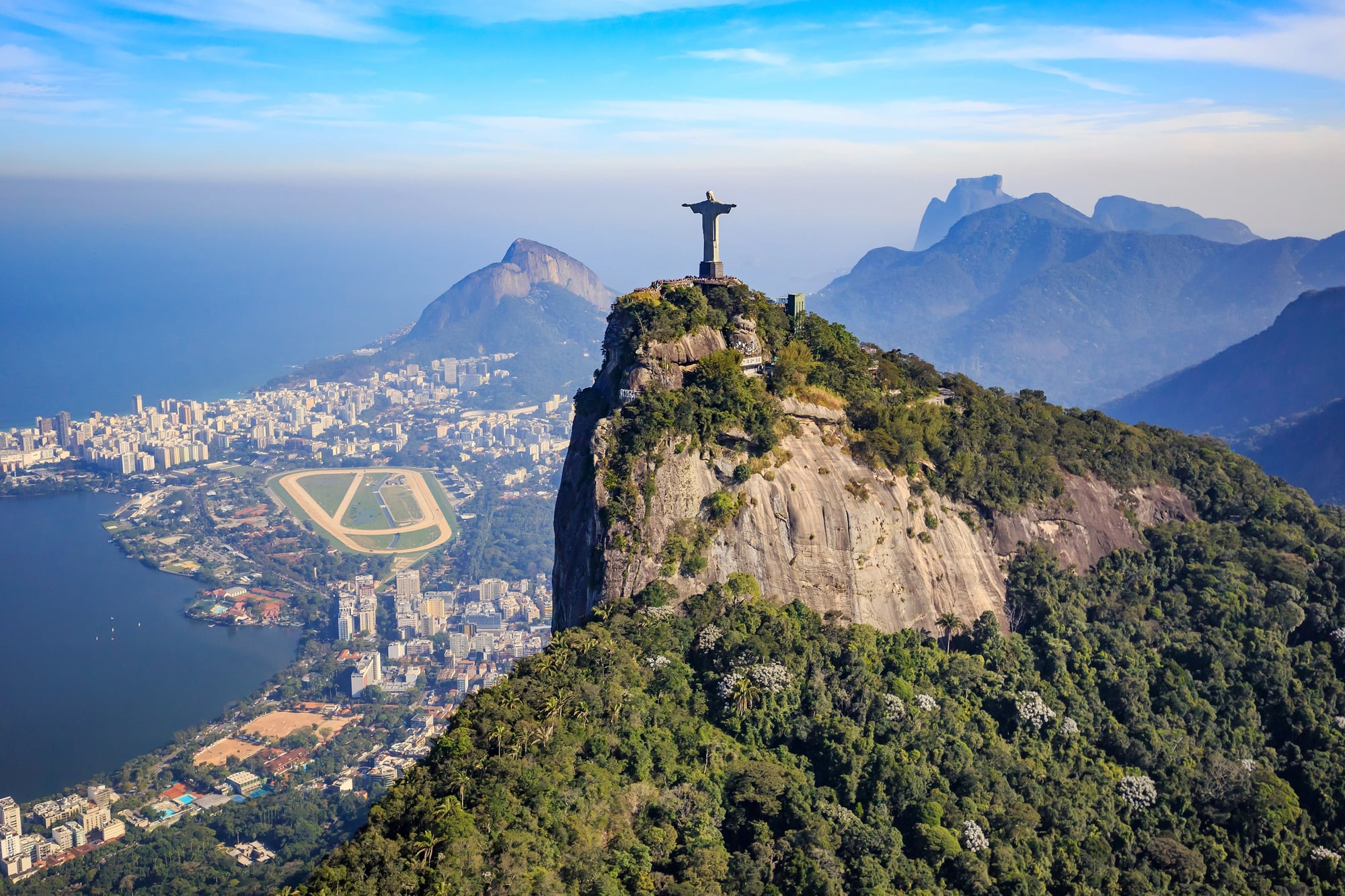
Christ the Redeemer under construction looked like Rio de Janeiro was assembling a religious statue using the world’s most complicated kit.
The statue required a railway built specifically to carry materials up Corcovado Mountain, where workers constructed the 98-foot figure in sections between 1922 and 1931.
Construction photos show the statue’s reinforced concrete frame taking shape piece by piece — the torso completed while the arms remained unattached, creating temporary compositions that looked somewhat unsettling.
Workers covered the concrete with thousands of triangular soapstone tiles, a process that required considerable artistic judgment to achieve the smooth curves visible today.
Big Ben
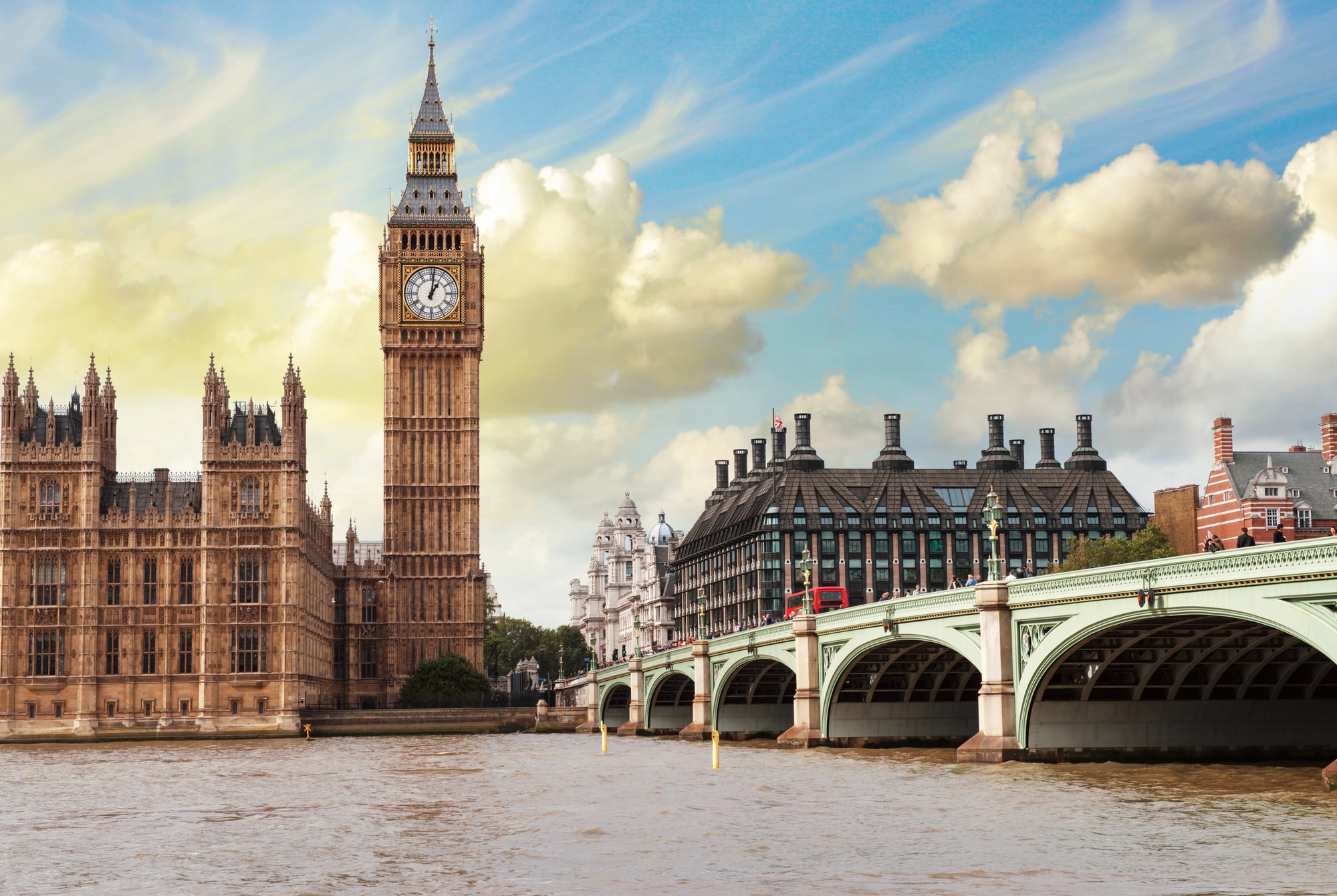
Big Ben’s construction photos reveal that building a 316-foot clock tower in Victorian London was exactly as complicated as it sounds.
The tower rose alongside the new Houses of Parliament during the 1840s and 1850s, with workers installing the famous clock mechanism while construction continued around them.
The Great Bell (the actual “Big Ben”) cracked during testing and had to be recast, then cracked again after installation.
Photos show the clock faces being installed piece by piece, creating a period where the tower displayed different times on different sides, which must have been tremendously helpful for London scheduling.
Neuschwanstein Castle
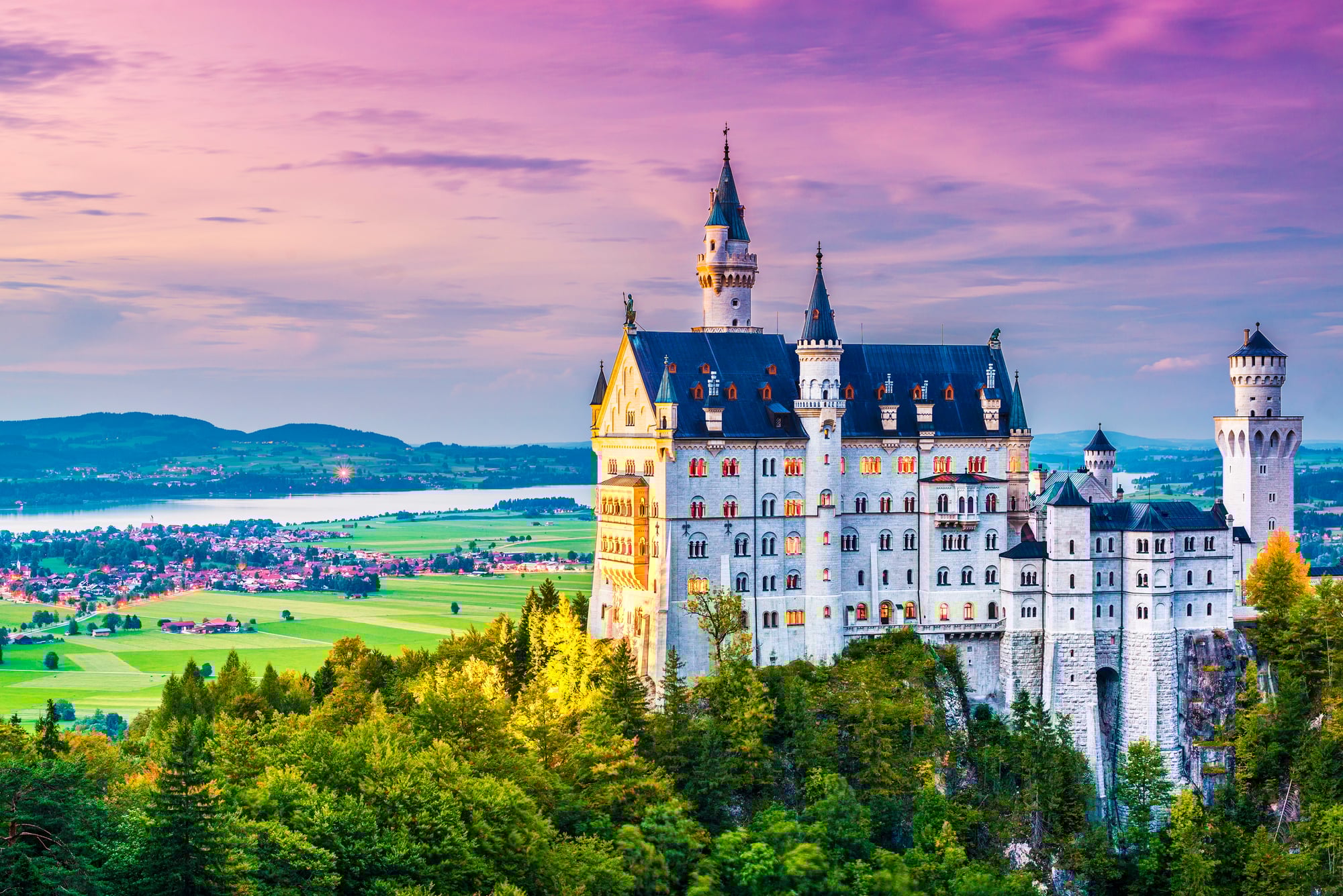
King Ludwig II of Bavaria built Neuschwanstein Castle as a personal retreat, which explains why construction photos show a fairy-tale castle rising from a Bavarian hilltop using decidedly modern 19th-century techniques.
The castle required advanced engineering despite its medieval appearance — steel framework, central heating, and running water throughout.
Construction began in 1869 and continued until Ludwig’s death in 1886, though the castle remained unfinished.
Photos show the castle’s elaborate towers and decorative elements being assembled using scaffolding and modern construction equipment, creating a surreal contrast between medieval aesthetics and industrial methods.
Sagrada Familia
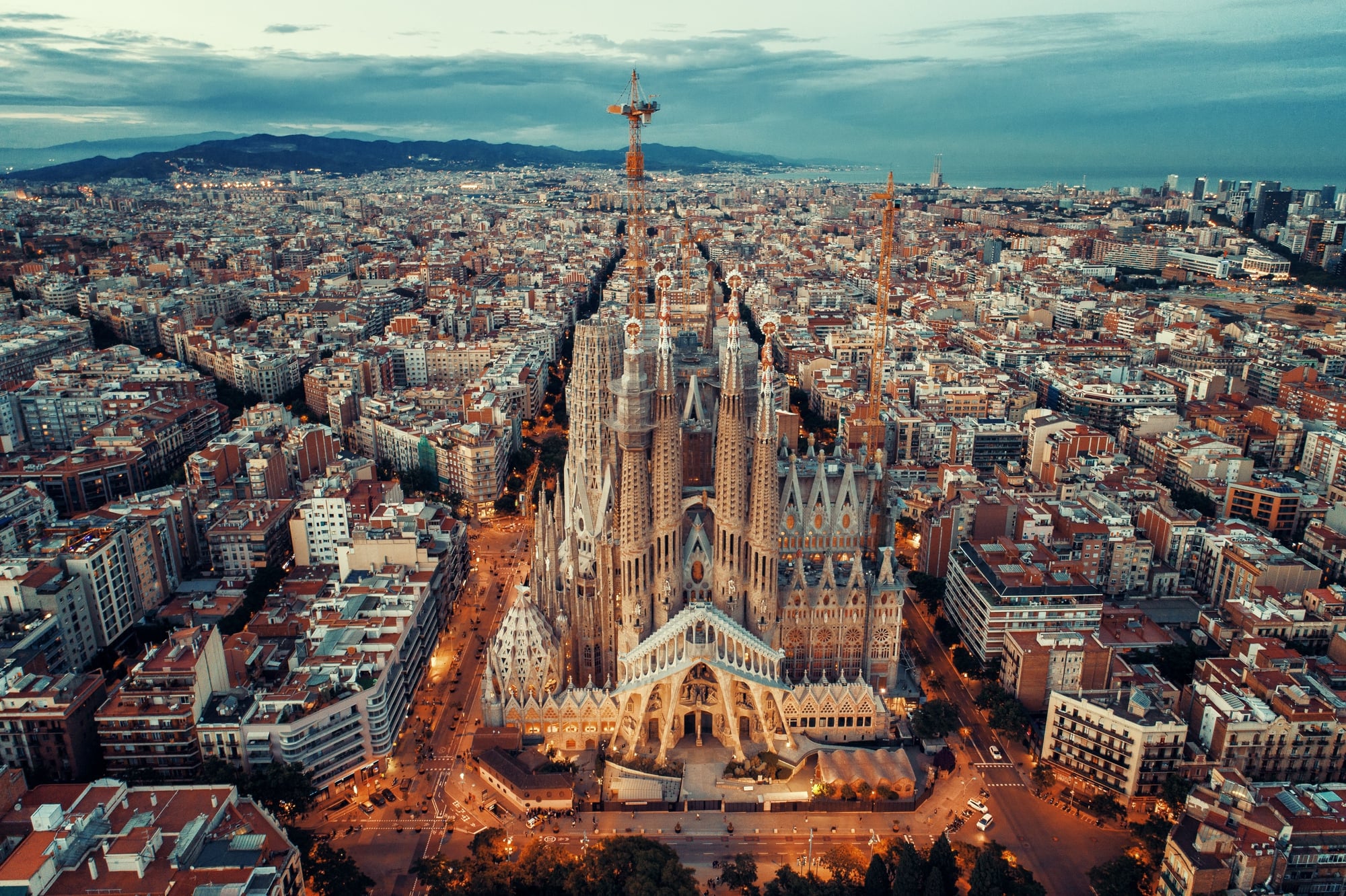
The Sagrada Familia has been under construction since 1883, which means construction photos span multiple generations and document changing building techniques across more than a century.
Early photos show Antoni Gaudí’s elaborate Gothic and Art Nouveau facades rising slowly from the Barcelona streets using traditional stone carving methods.
Modern construction photos reveal a fascinating contrast: computer-controlled stone cutting and advanced engineering techniques applied to Gaudí’s 19th-century organic designs.
The basilica’s completion date is currently projected for 2026, making it possibly the longest construction project in architectural history.
Tower Bridge
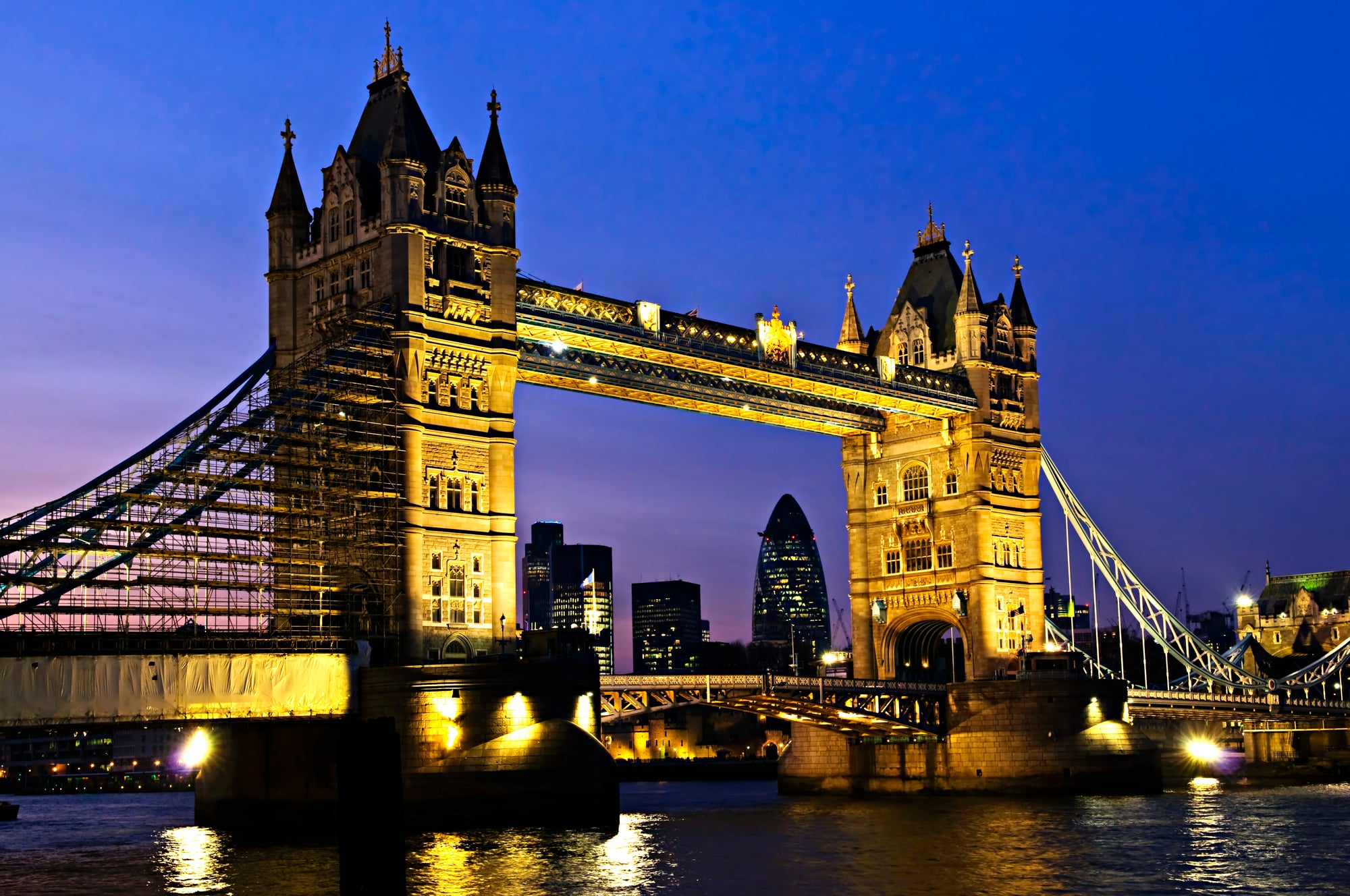
Tower Bridge construction required building two Gothic Revival towers in the Thames River while maintaining shipping traffic through one of the world’s busiest ports.
Construction photos from the 1880s show the massive foundations rising from the riverbed while ships passed between them.
The bridge’s famous bascule mechanism was revolutionary engineering disguised as medieval architecture. Photos show the complex counterweight system being installed inside the towers, along with the steam engines originally used to raise the bridge sections.
The steel framework was clad in Cornish granite and Portland stone to match the Tower of London nearby.
Capturing History In Progress
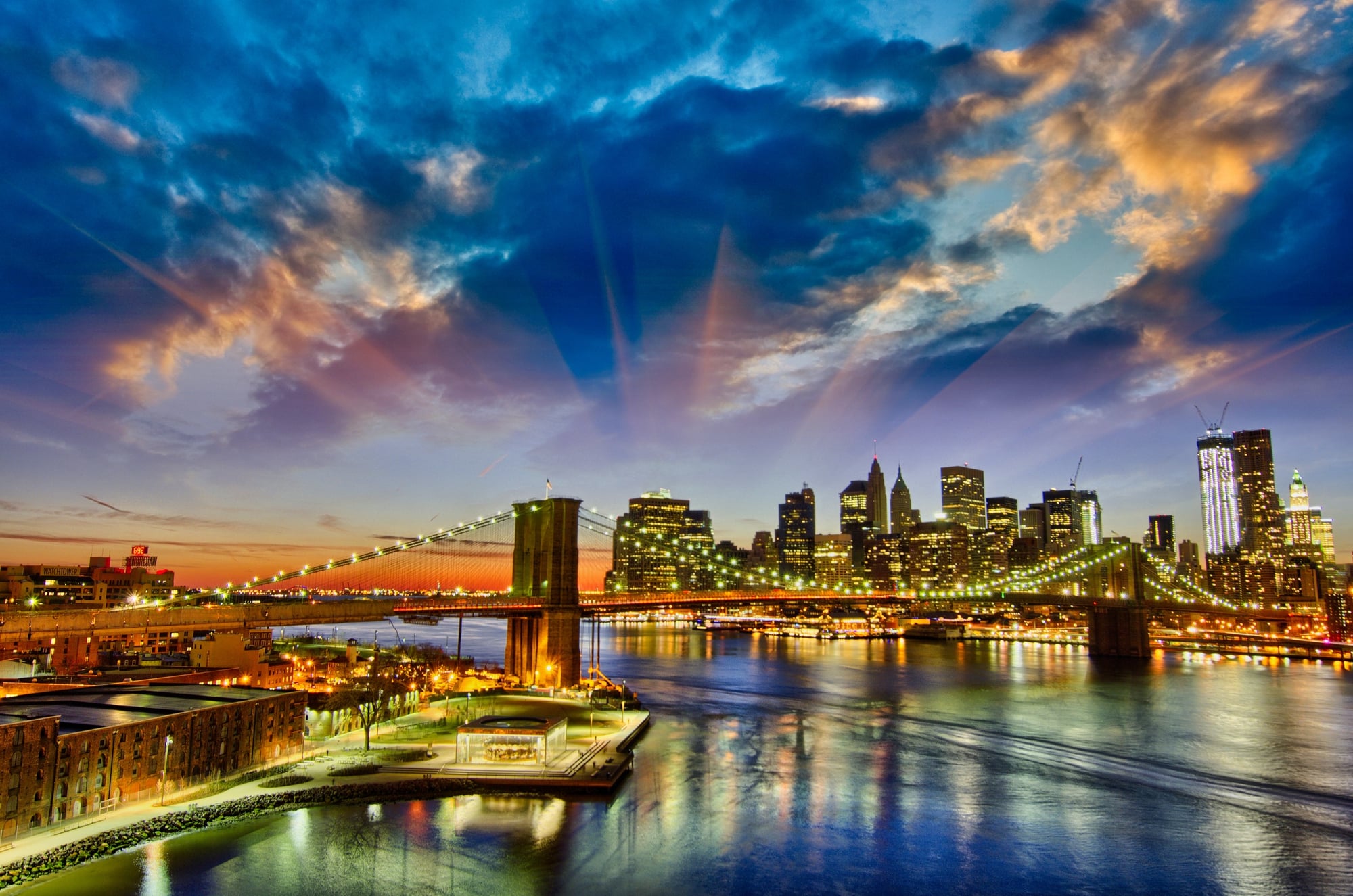
These construction photos preserve something more valuable than documentation — they capture the precise moment when the impossible became inevitable.
Looking at these images, you can almost feel the weight of ambition pressing against practical limitations, the daily grind of workers who probably had no idea they were building icons that would define their cities for centuries.
The photographers who documented these projects couldn’t have known they were creating historical treasures. They were just recording progress for engineering reports and newspaper articles.
But their images reveal the raw humanity behind our most celebrated monuments: the scaffolding, the mistakes, the gradual emergence of beauty from chaos, and the stubborn persistence required to build something worth remembering.
More from Go2Tutors!

- The Romanov Crown Jewels and Their Tragic Fate
- 13 Historical Mysteries That Science Still Can’t Solve
- Famous Hoaxes That Fooled the World for Years
- 15 Child Stars with Tragic Adult Lives
- 16 Famous Jewelry Pieces in History
Like Go2Tutors’s content? Follow us on MSN.