17 Remote Locations That Were Once Bustling Civilizations
History is full of great cities that once teemed with life—bustling marketplaces, grand temples, and streets filled with people. But time is relentless. Changing climates, wars, and shifting trade routes turned these vibrant civilizations into the silent ruins we see today.
What remains are fascinating reminders of humanity’s greatest achievements, waiting to tell their stories. Here is a list of 17 remote locations that were once bustling civilizations before time, nature, and circumstance transformed them into isolated archaeological wonders.
Petra, Jordan
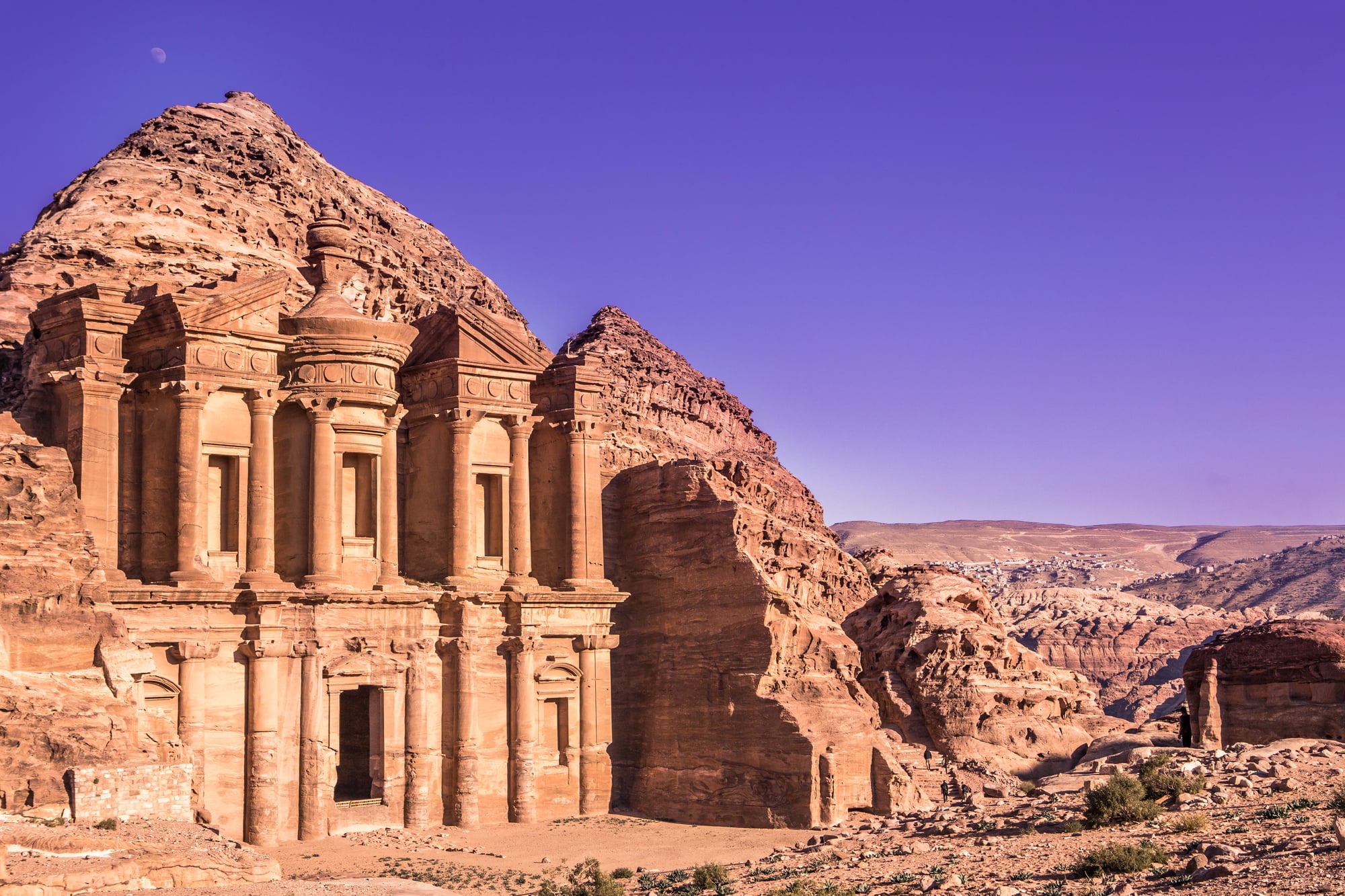
Around 300 BCE, Petra, which is carved straight into rose-colored sandstone cliffs, was the prosperous capital of the Nabataean Empire. With more than 20,000 residents and excellent water management systems that allowed life to exist in the desert, this city dominated important trade routes.
Petra slowly drained away after trade routes changed and earthquakes destroyed its buildings, becoming known primarily to the Bedouin tribes in the area. It wasn’t made public until 1812.
Tikal, Guatemala
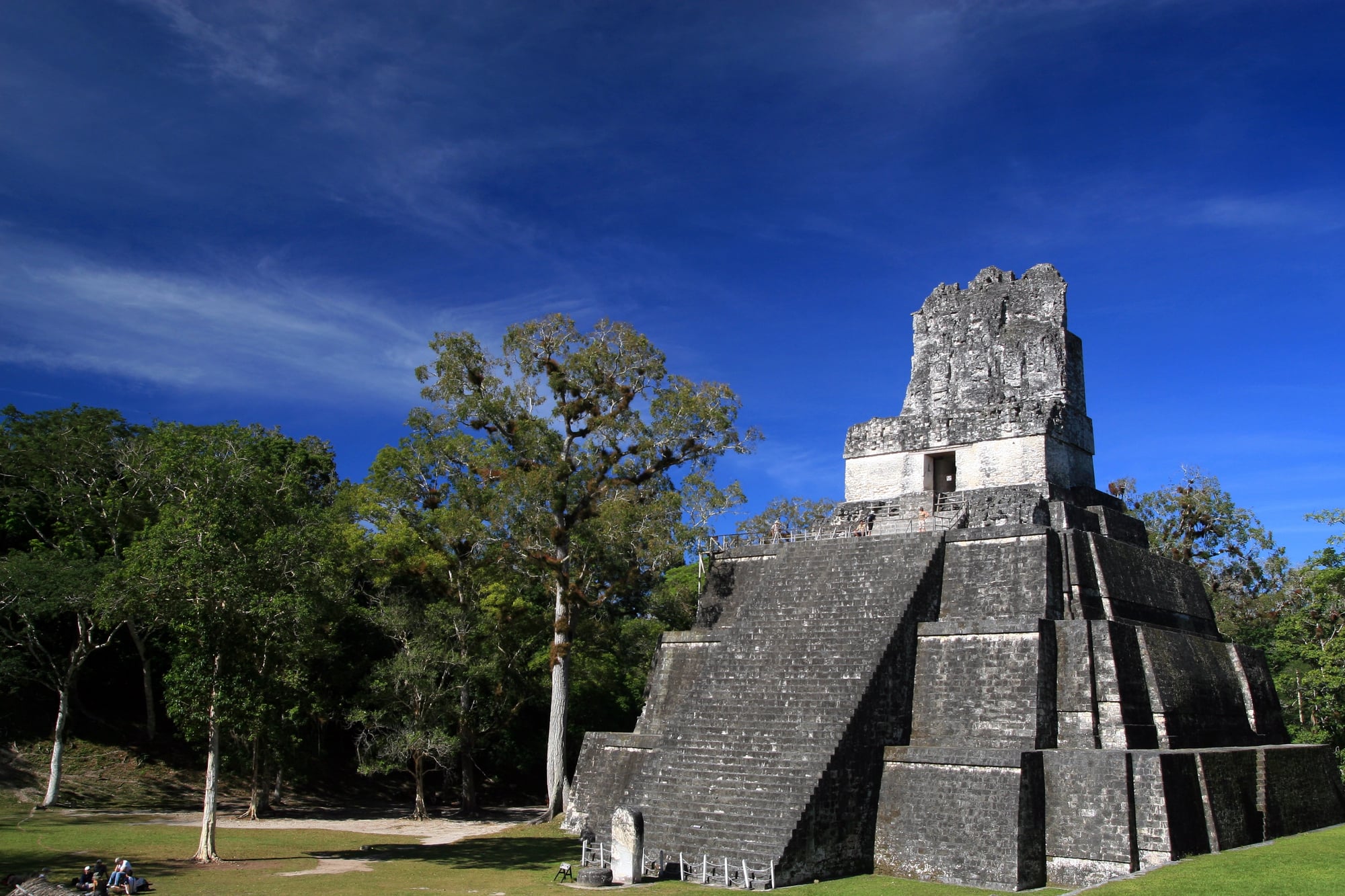
Deep in the Guatemalan rainforest, Tikal is a Maya city that dominated Mesoamerica from 200 to 900 CE, with magnificent constructions rising more than 150 feet. At its height, this metropolitan city had about 100,000 residents and had advanced agricultural systems, astronomical observatories, and water reservoirs.
Before excavation began in the 1950s, Tikal was completely reclaimed by the jungle, to the point where massive pyramids disappeared under the greenery and seemed to be natural hills. Historians continue to debate the circumstances behind Tikal’s abandonment in the eleventh century.
Angkor, Cambodia
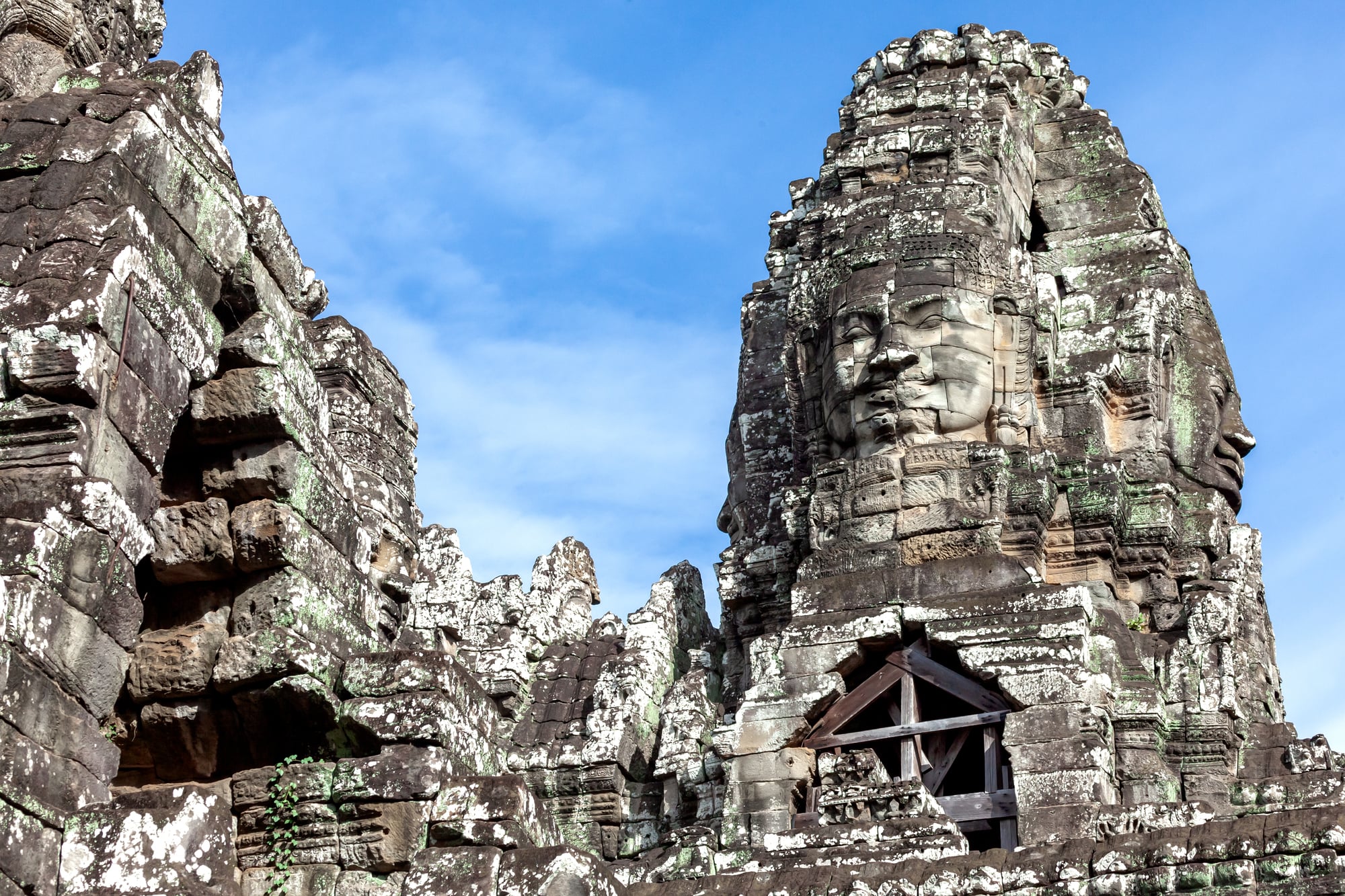
One of the biggest pre-industrial cities in history, Angkor once housed about a million people across 400 square miles as the capital of the Khmer Empire. This enormous population was supported by the complex’s hundreds of temples, clever urban planning, and vast hydraulic systems between the ninth and fifteenth centuries.
Conflicts with surrounding kingdoms, changing religious traditions, and climate change led to a gradual collapse, leaving imposing buildings like Angkor Wat encircled by jungle instead of busy communities.
Great Zimbabwe
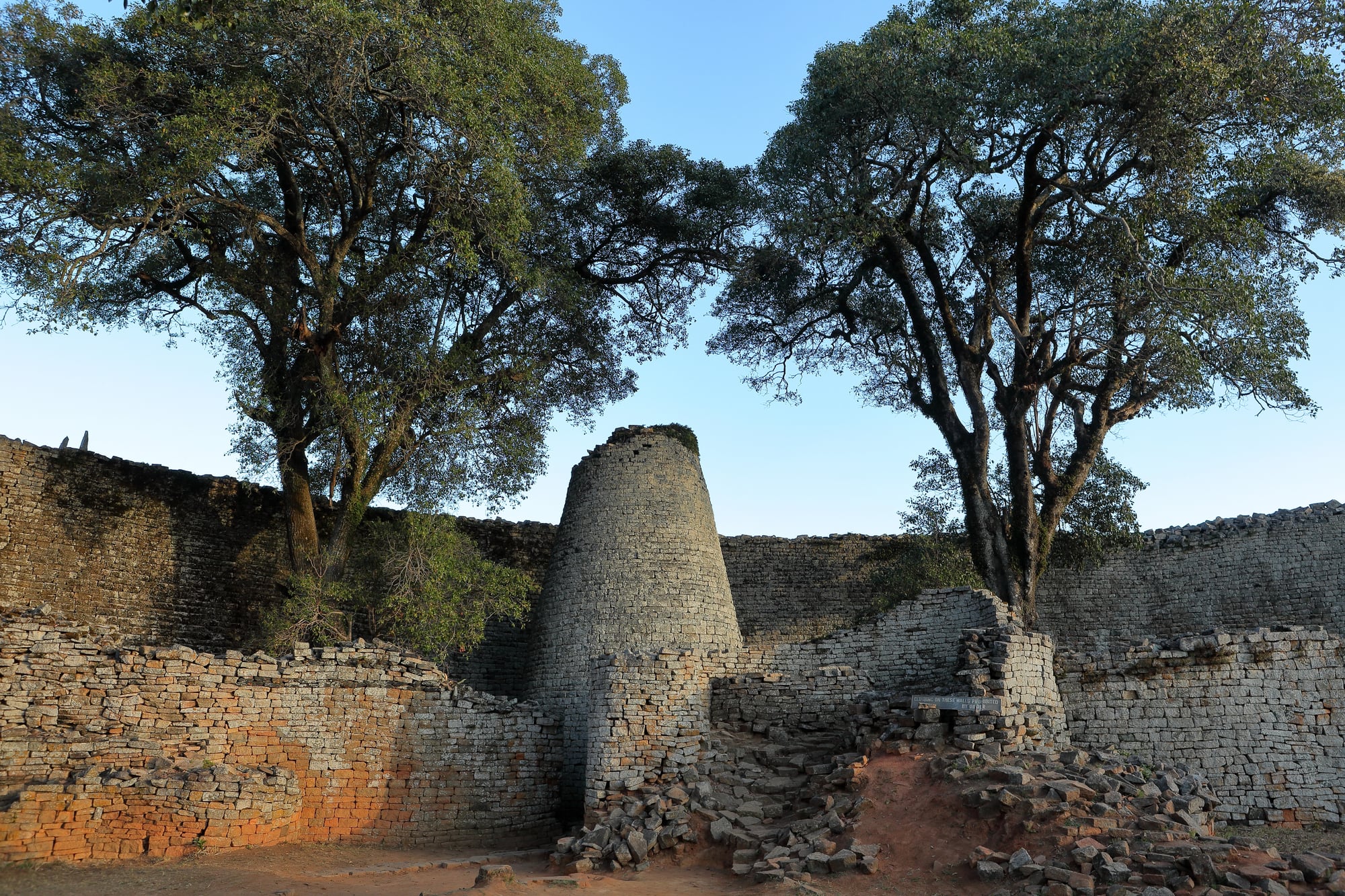
From the eleventh to the fifteenth centuries, this medieval metropolis, which sprang from Zimbabwe’s southeast hills, served as the seat of a prosperous trading empire. Great Zimbabwe was characterized by enormous, 36-foot-tall, mortarless stone walls that surrounded intricate villages with up to 18,000 residents.
Before it was abandoned in 1450, perhaps as a result of resource depletion, political upheavals, and environmental degradation, the city dominated important gold and ivory trade routes with ties to China and Persia.
Mesa Verde, Colorado
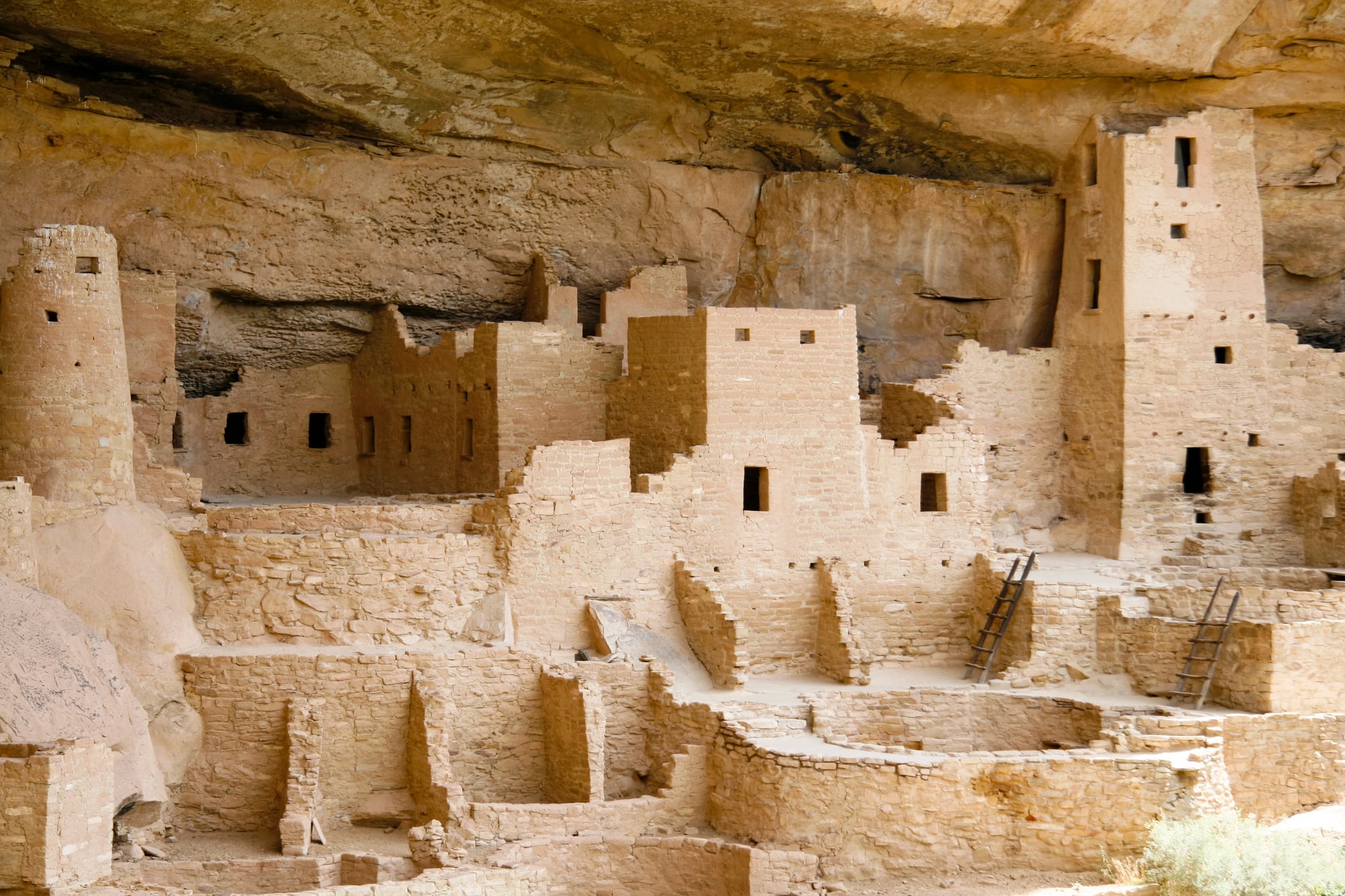
Perched in the cliffs of southwestern Colorado, Mesa Verde contained elaborate dwellings for the Ancestral Puebloan people who thrived there between 600 and 1300 CE. These sophisticated cliff apartments housed thousands of residents who practiced advanced dry farming techniques, created intricate pottery, and built ceremonial structures called kivas.
Extended drought combined with resource depletion eventually forced the inhabitants to abandon their cliff dwellings, leaving behind perfectly preserved structures that remained untouched for centuries in the dry desert air.
Mohenjo-daro, Pakistan
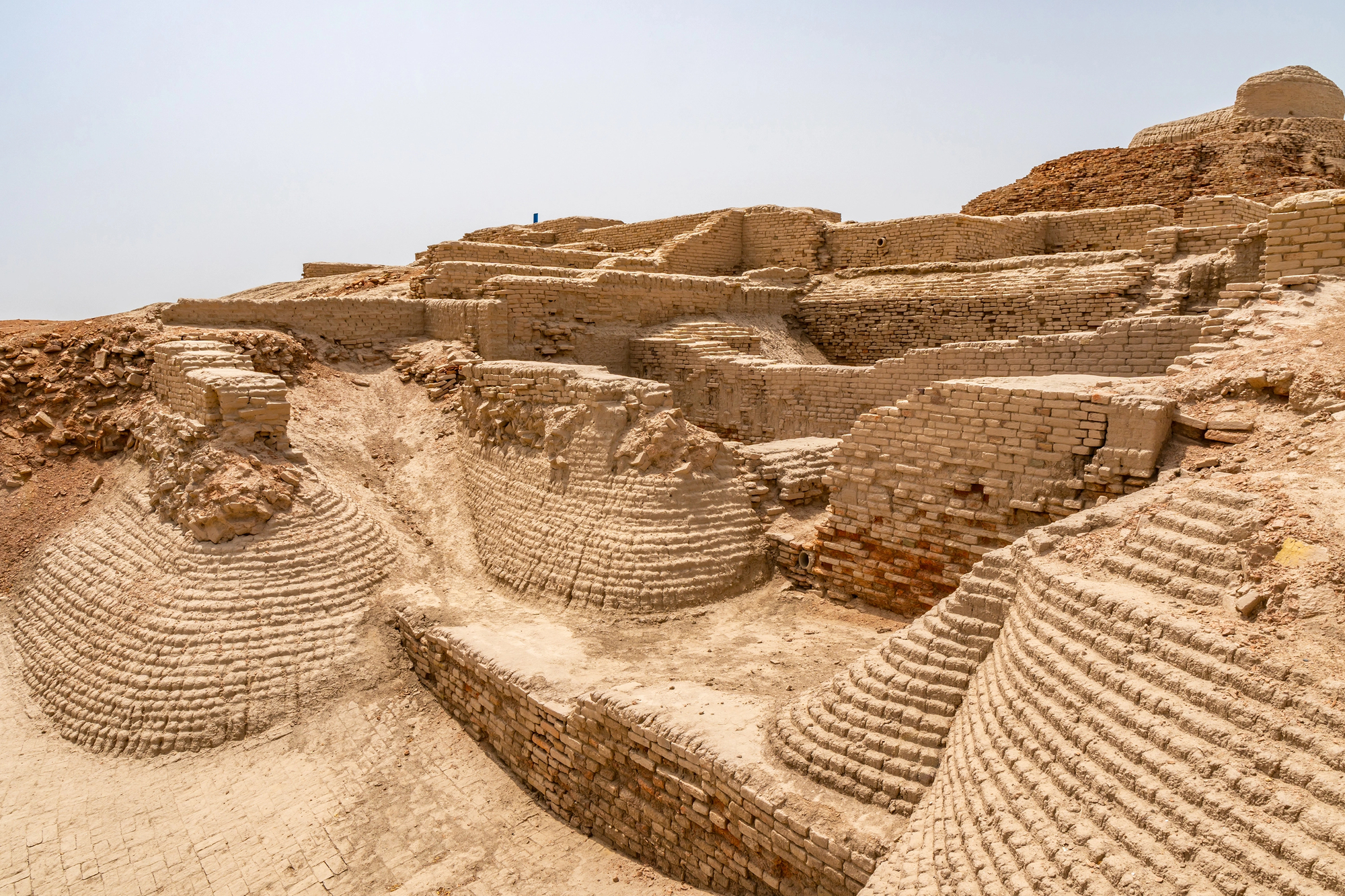
Located in modern-day Pakistan, Mohenjo-daro represented one of the world’s earliest and most sophisticated urban centers, dating back to 2500 BCE. This Indus Valley civilization marvel had a population of approximately 40,000 people living in a meticulously planned city with advanced sewage systems, standardized brick architecture, and public baths.
The city mysteriously declined around 1900 BCE, possibly due to changing river patterns, climate shifts, or disease, leaving its advanced infrastructure buried under centuries of silt until its rediscovery in 1922.
Chan Chan, Peru
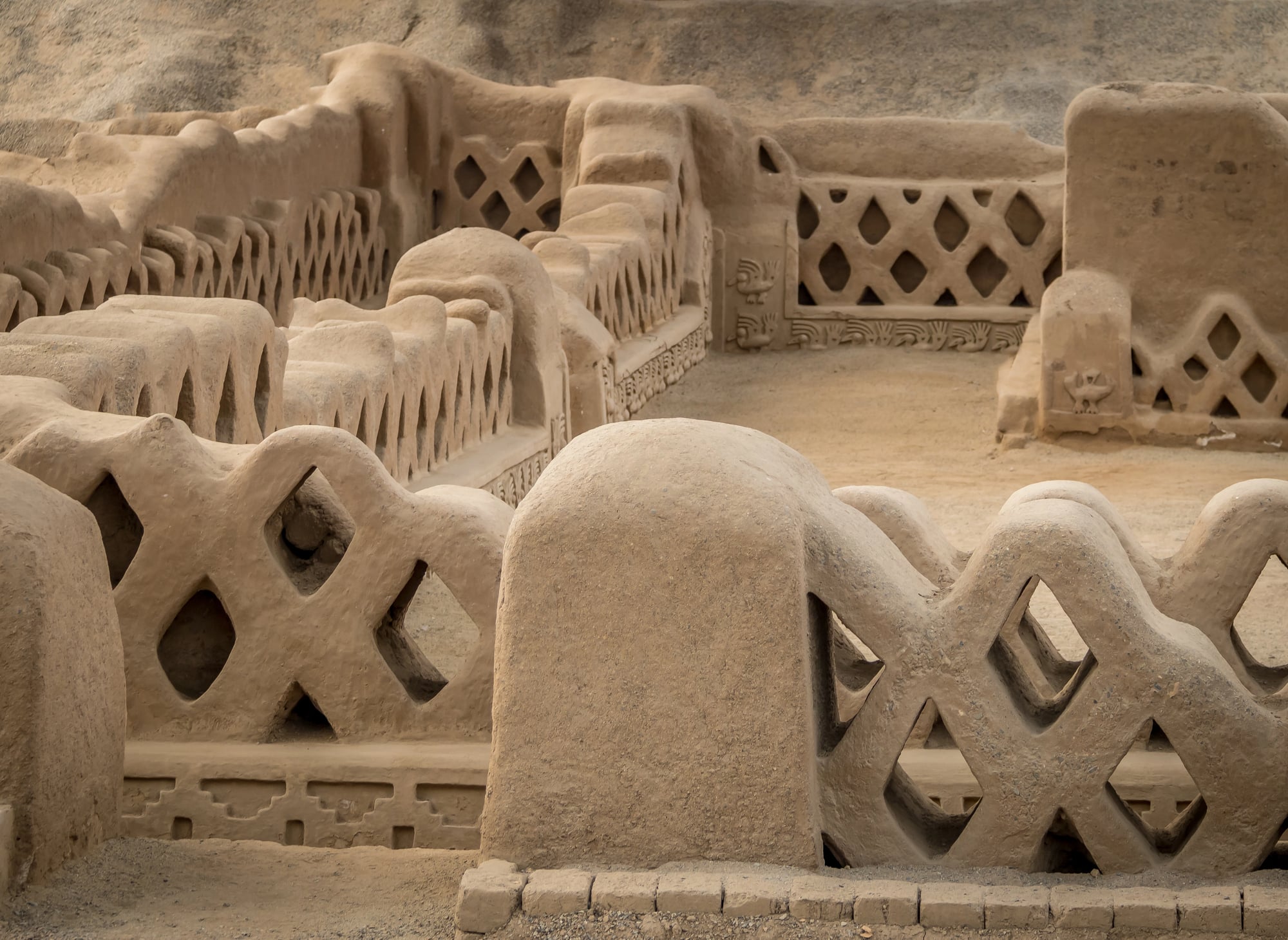
Stretching along Peru’s northern coastline, Chan Chan served as the capital of the Chimú Empire from 900 to 1470 CE, housing around 60,000 people within its massive adobe walls. This city featured ten walled citadels, each containing administrative centers, burial platforms, and water reservoirs that supported life in an arid environment.
After conquest by the Inca Empire, Chan Chan rapidly declined, and its mud-brick structures began eroding under seasonal rains, transforming this once-grand city into fragile ruins requiring constant conservation efforts.
Ephesus, Turkey
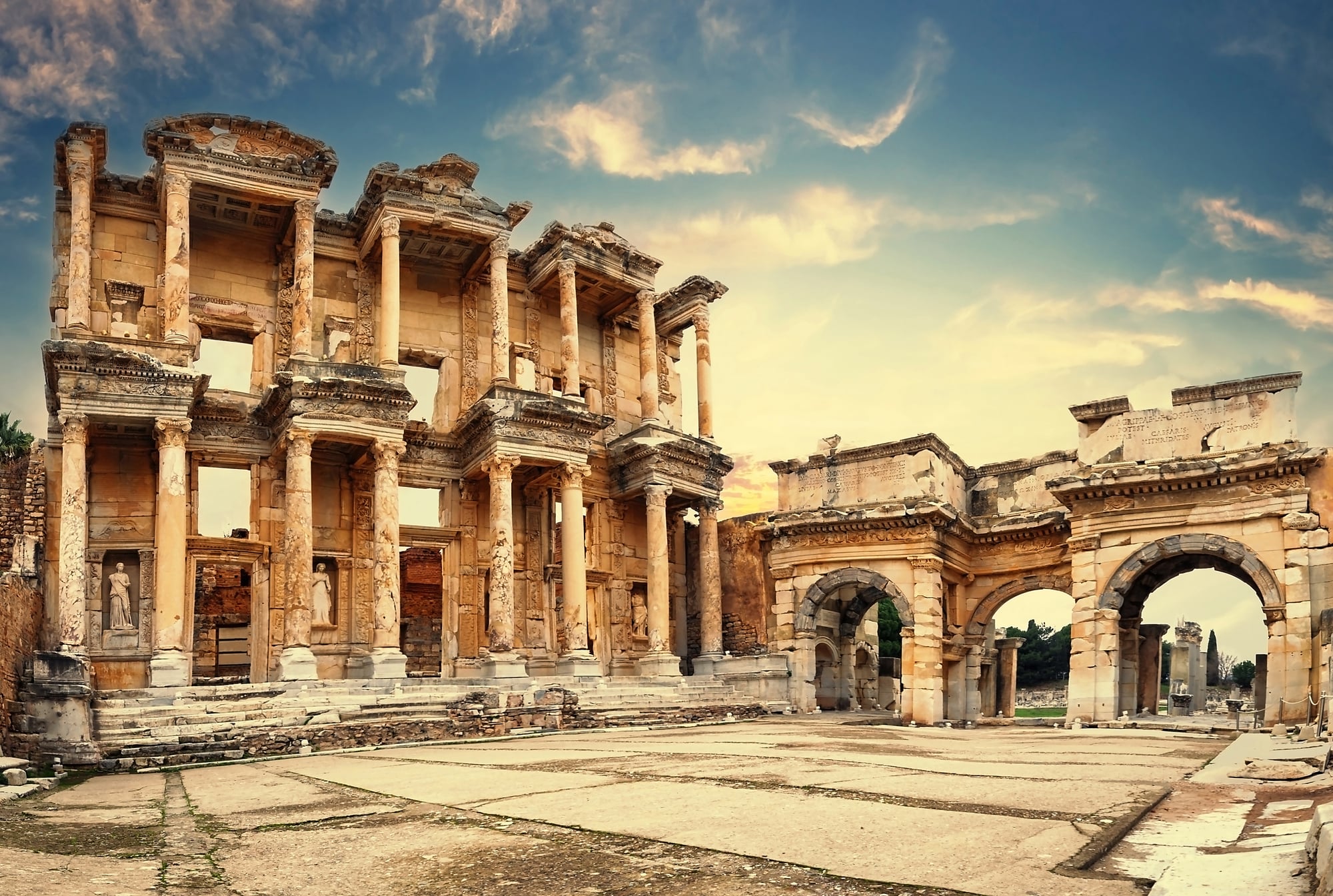
Once a bustling Mediterranean port city with a population of 250,000, Ephesus ranked among the Roman Empire’s most important commercial centers during the 1st and 2nd centuries CE. The city boasted marble-paved streets, advanced aqueducts, the magnificent Library of Celsus, and one of the ancient world’s largest theaters capable of seating 25,000 spectators.
Harbor silting gradually cut off maritime access, causing Ephesus to lose its economic prominence and eventually become abandoned, leaving behind an impressive archaeological site several miles from the modern coastline.
Hatra, Iraq
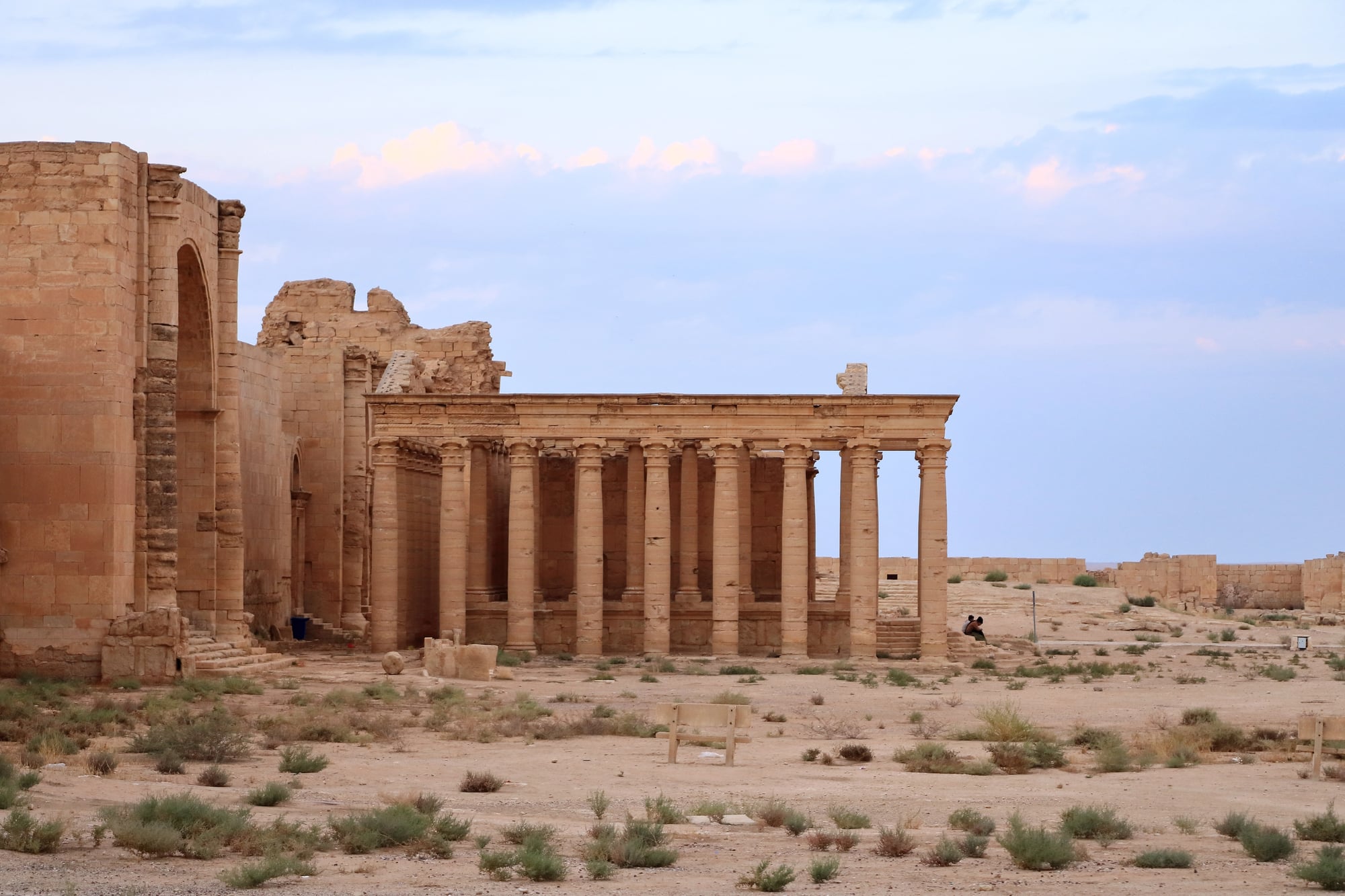
Standing in what is now Iraqi desert, Hatra flourished as a major religious and trading center between the 1st and 3rd centuries CE, successfully repelling Roman invasions with its massive circular walls. This Parthian city blended Greek, Roman, and Eastern architectural elements in its impressive temples dedicated to various gods, showing its importance as a cultural crossroads.
After falling to Persian Sassanid forces around 241 CE, Hatra gradually emptied and remained largely forgotten until the 19th century, with its remote location protecting its ruins from modern development.
Vijayanagara, India
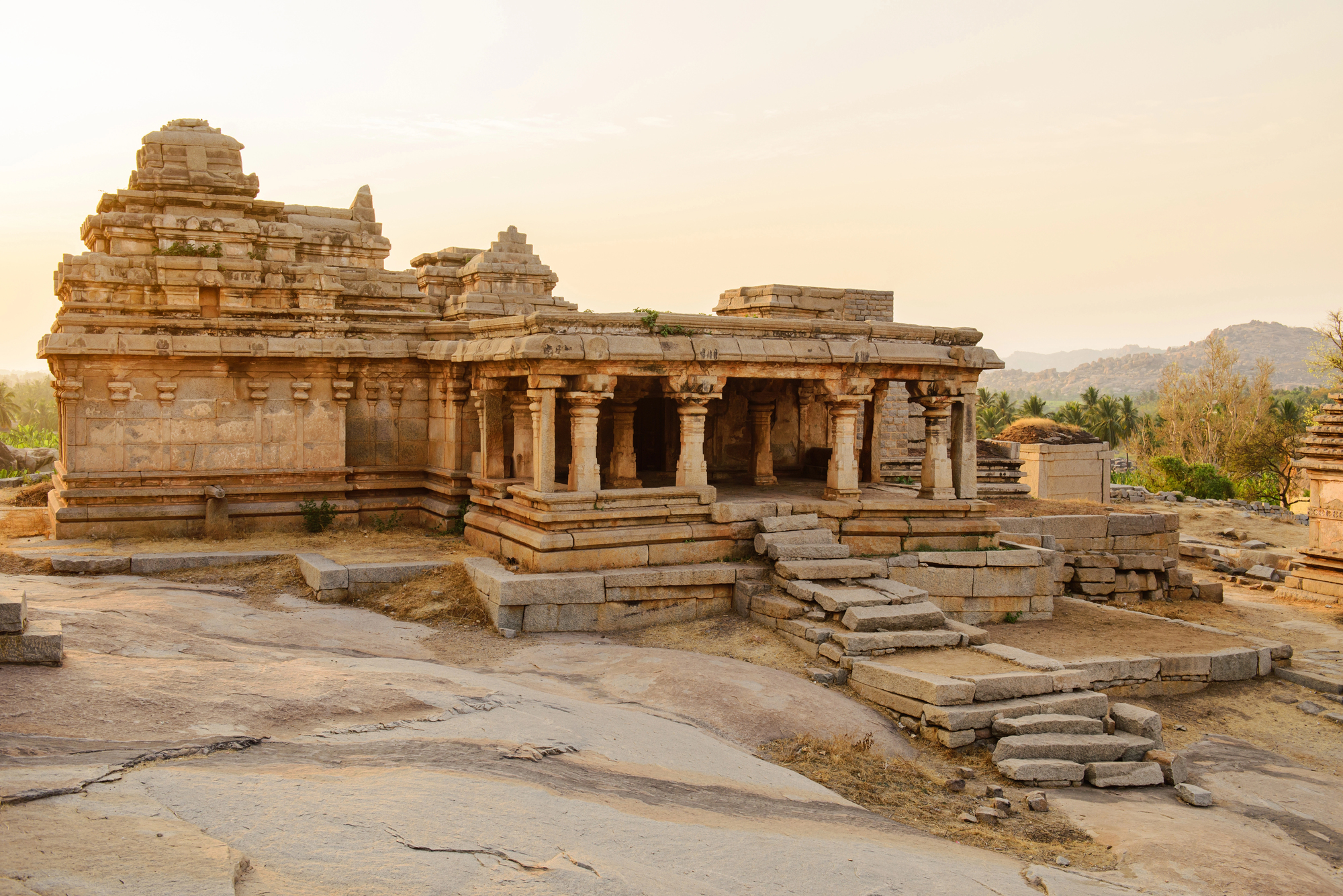
Sprawling across southern India’s rocky terrain, Vijayanagara served as the capital of an empire that controlled much of southern India from the 14th to 16th centuries. At its height, this metropolis housed approximately 500,000 people within elaborate temple complexes, sophisticated water systems, and bustling markets that impressed foreign visitors.
Following military defeat in 1565, invaders systematically destroyed the city over several months, transforming this magnificent capital into the vast ruins now known as Hampi almost overnight.
Nan Madol, Micronesia
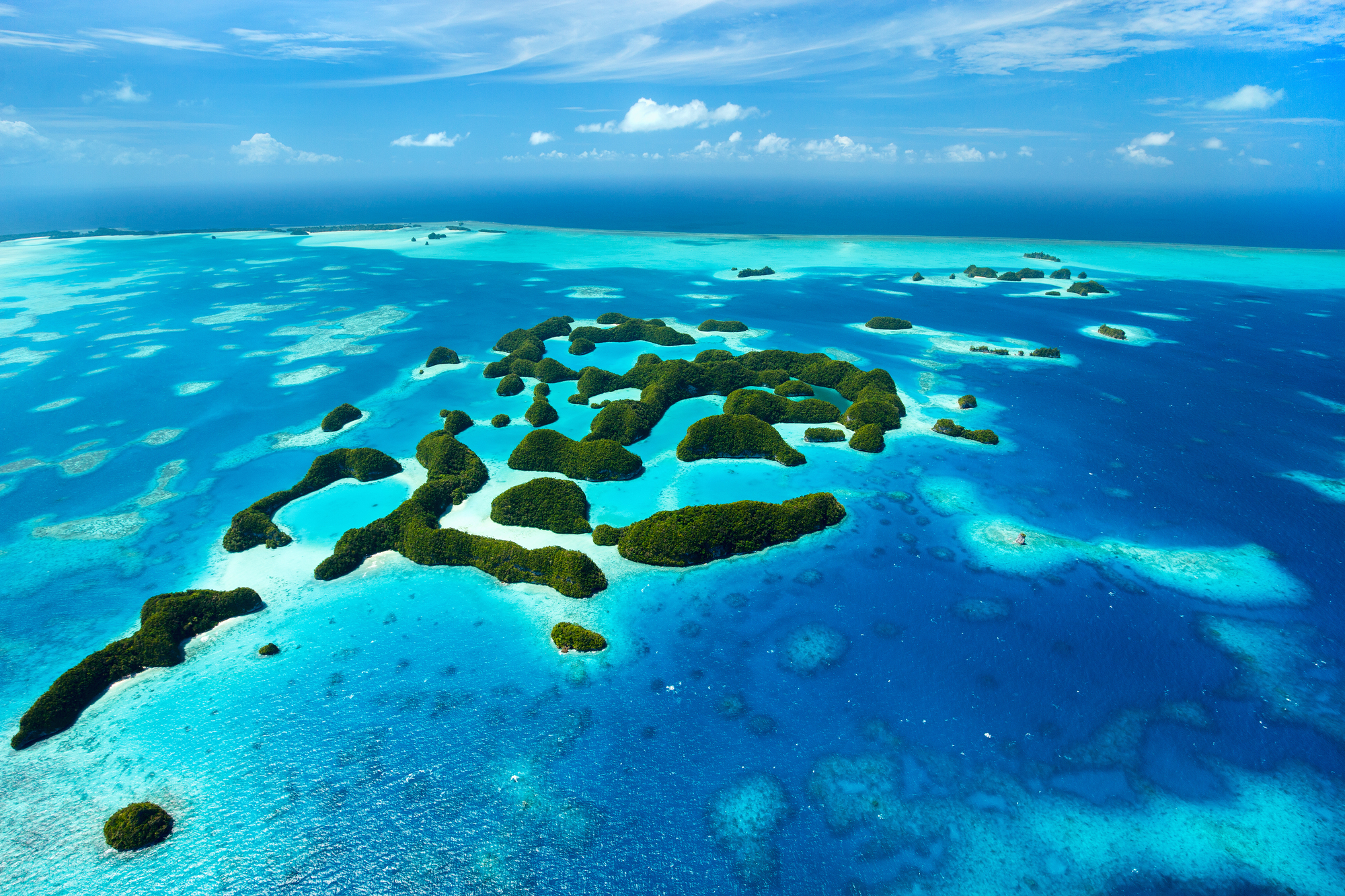
Built on a coral reef off the island of Pohnpei, Nan Madol consists of 92 artificial islets connected by canals, earning it the nickname ‘Venice of the Pacific.’ This engineering marvel served as the ceremonial center of the Saudeleur Dynasty from around 1200 to 1700 CE, housing the elite in megalithic structures built from basalt logs weighing up to 50 tons.
Local traditions suggest its abandonment followed political upheaval, with the logistical challenge of maintaining such a complex settlement in a remote Pacific location contributing to its decline.
Cahokia, Illinois
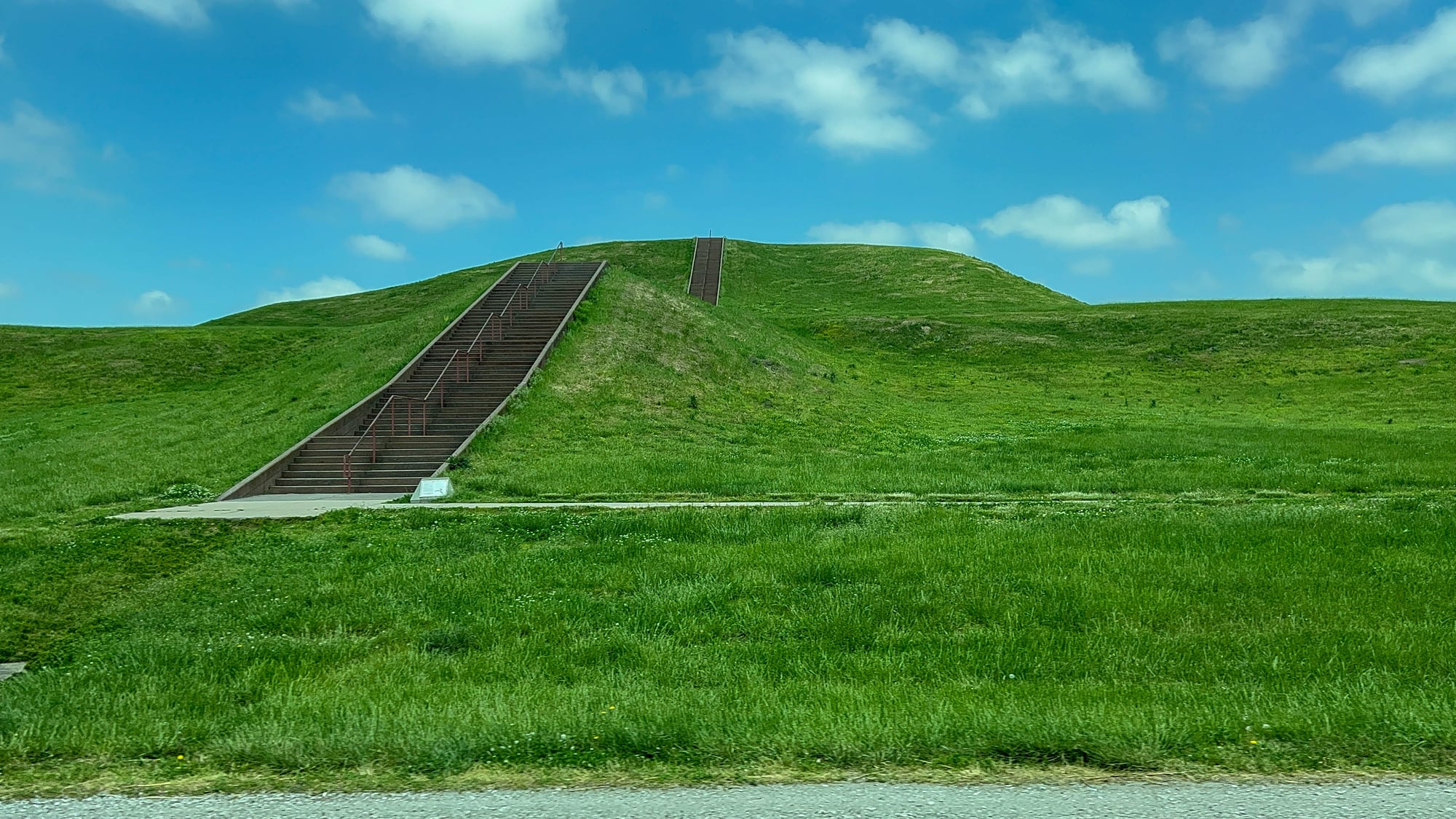
Across the Mississippi River from modern St. Louis stood Cahokia, the largest pre-Columbian settlement north of Mexico, housing up to 20,000 people around 1050 CE. This sophisticated city featured over 120 earthen mounds, including the massive Monks Mound rising 100 feet high, and a woodhenge structure that functioned as a calendar for tracking solstices.
Population decline began around 1300 CE, potentially triggered by resource depletion, climate change, and political instability, leaving only mysterious earthworks that later European settlers attributed to an unknown civilization rather than indigenous achievement.
Lothal, India
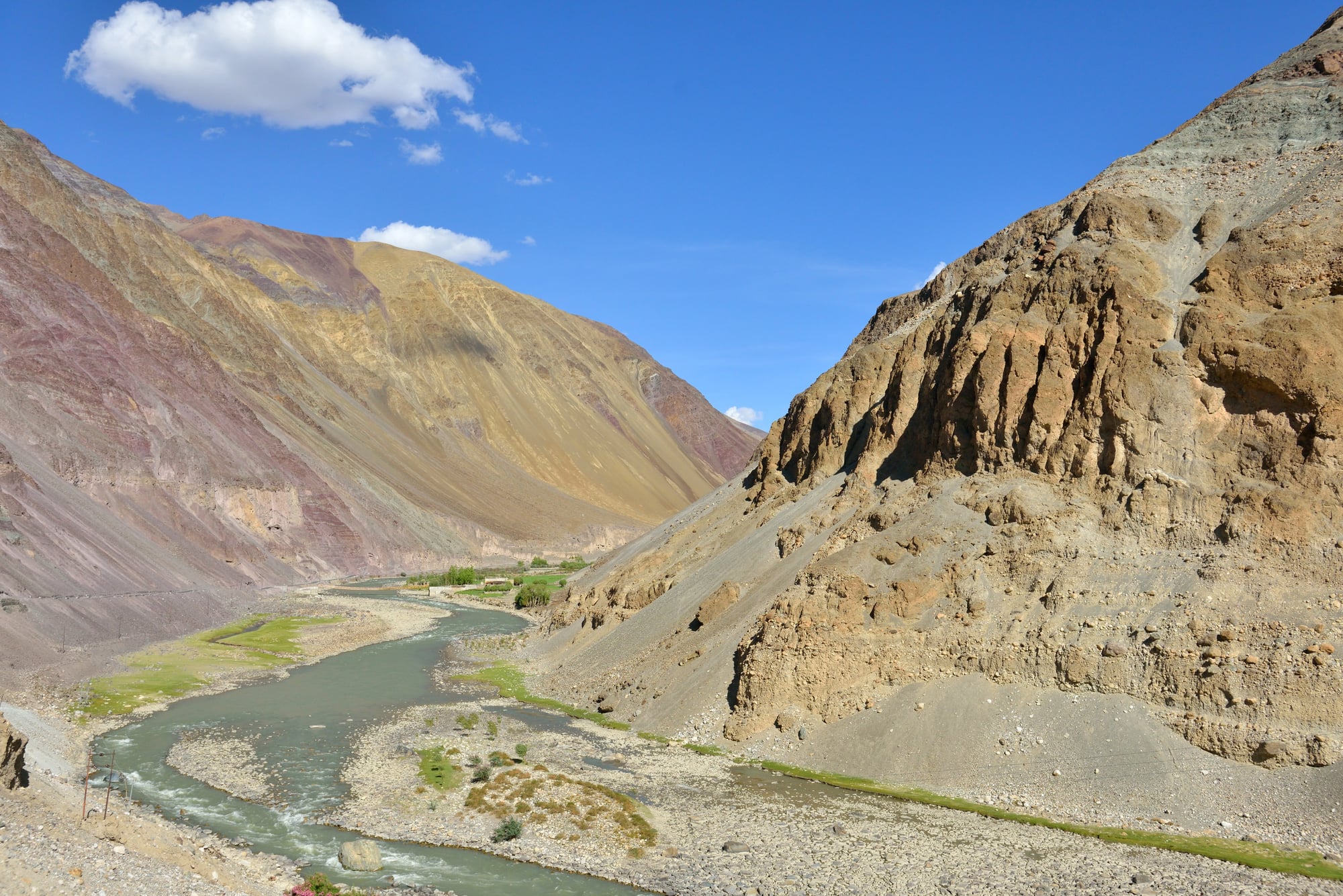
Nestled in modern-day Gujarat, Lothal functioned as a vital Indus Valley Civilization port city from approximately 2600 to 1900 BCE. This meticulously planned urban center featured the world’s earliest known dock, connecting to an ancient course of the Sabarmati River through an inlet channel.
Advanced for its time, Lothal contained a sophisticated water management system, standardized weights, and a bustling trade network connecting to Mesopotamia and beyond before environmental changes and shifting river patterns gradually rendered the port unusable.
Leptis Magna, Libya
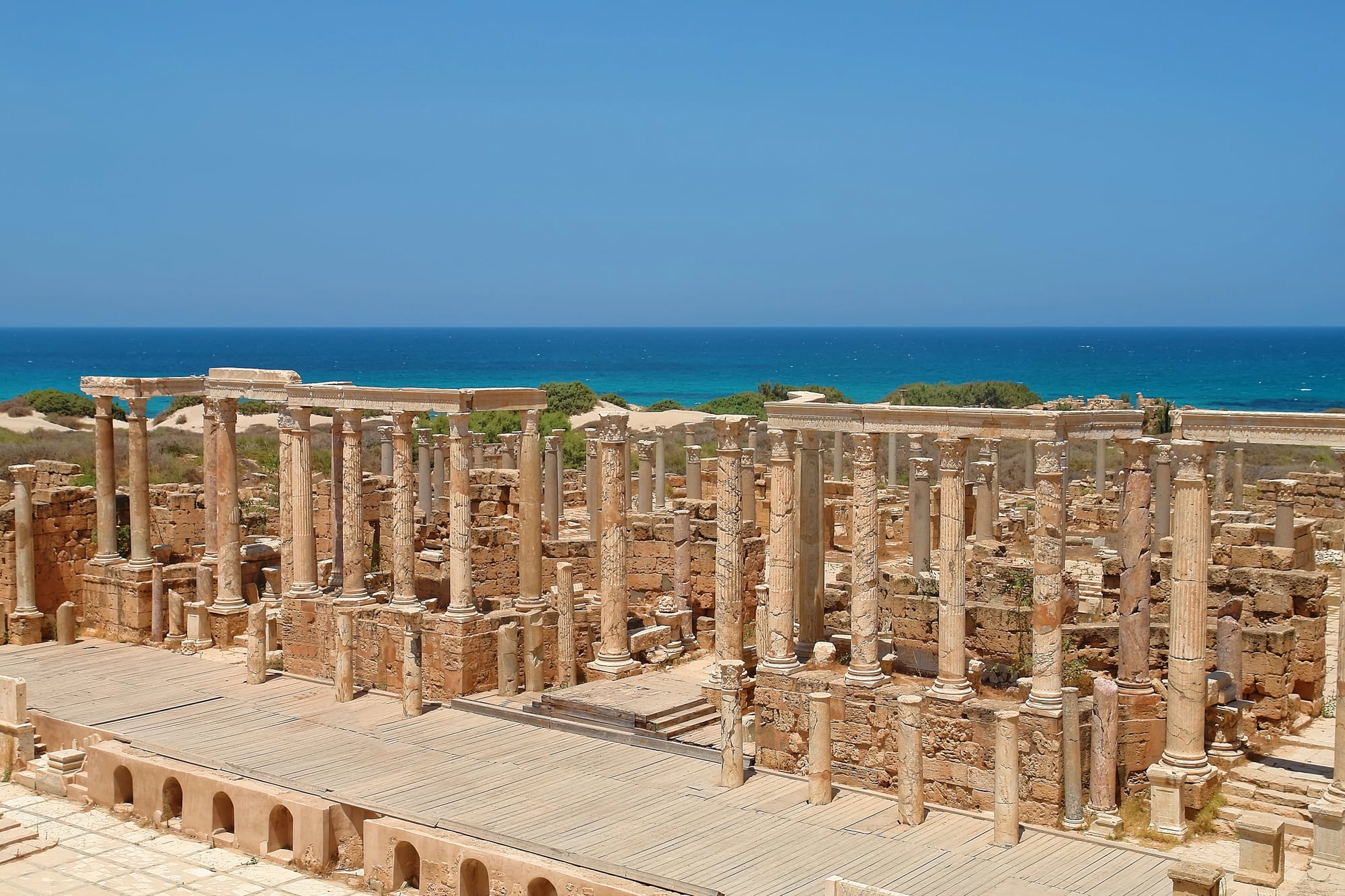
Once North Africa’s most magnificent city, Leptis Magna grew from a Phoenician port into a showcase Roman metropolis under Emperor Septimius Severus, who was born there and lavished his hometown with monumental architecture. The city boasted an impressive amphitheater, basilica, and forum complex with imported marble and granite adorning public spaces that served a population of approximately 100,000 people.
Gradual decline followed economic shifts, Vandal invasions, and silting of the harbor, with desert sands eventually burying much of the city until excavations revealed its remarkably preserved ruins.
Ani, Turkey
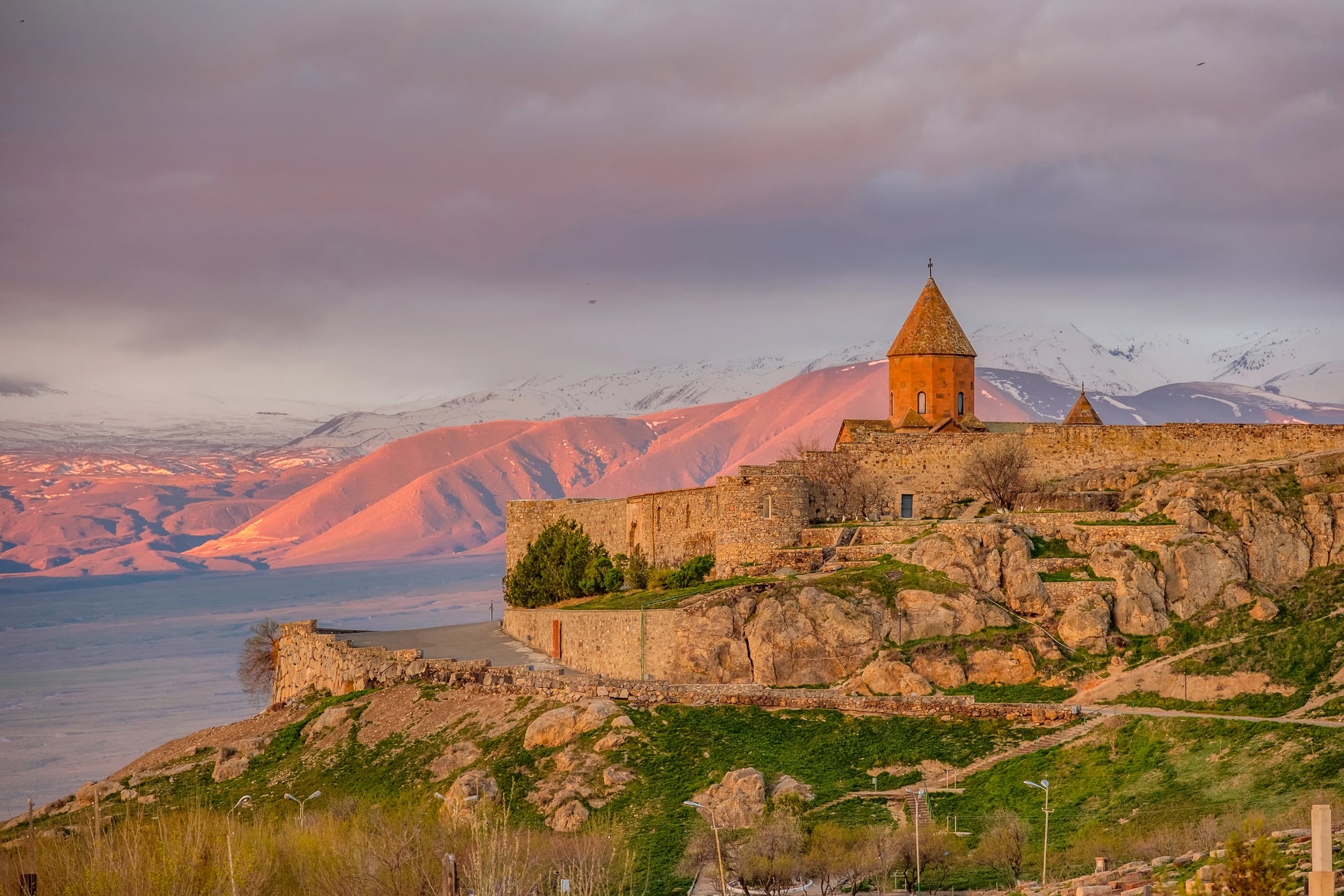
Known as the ‘City of 1,001 Churches,’ Ani served as the capital of medieval Armenia, housing up to 100,000 residents at its height during the 10th and 11th centuries. Located at the confluence of several trade routes, this cultural center featured stunning religious architecture, sophisticated fortifications, and an urban layout showcasing advanced engineering techniques.
Following Mongol invasions, earthquakes, and changing trade patterns, Ani gradually emptied, with its remote location along the modern Turkey-Armenia border contributing to its isolation and preservation.
Palenque, Mexico
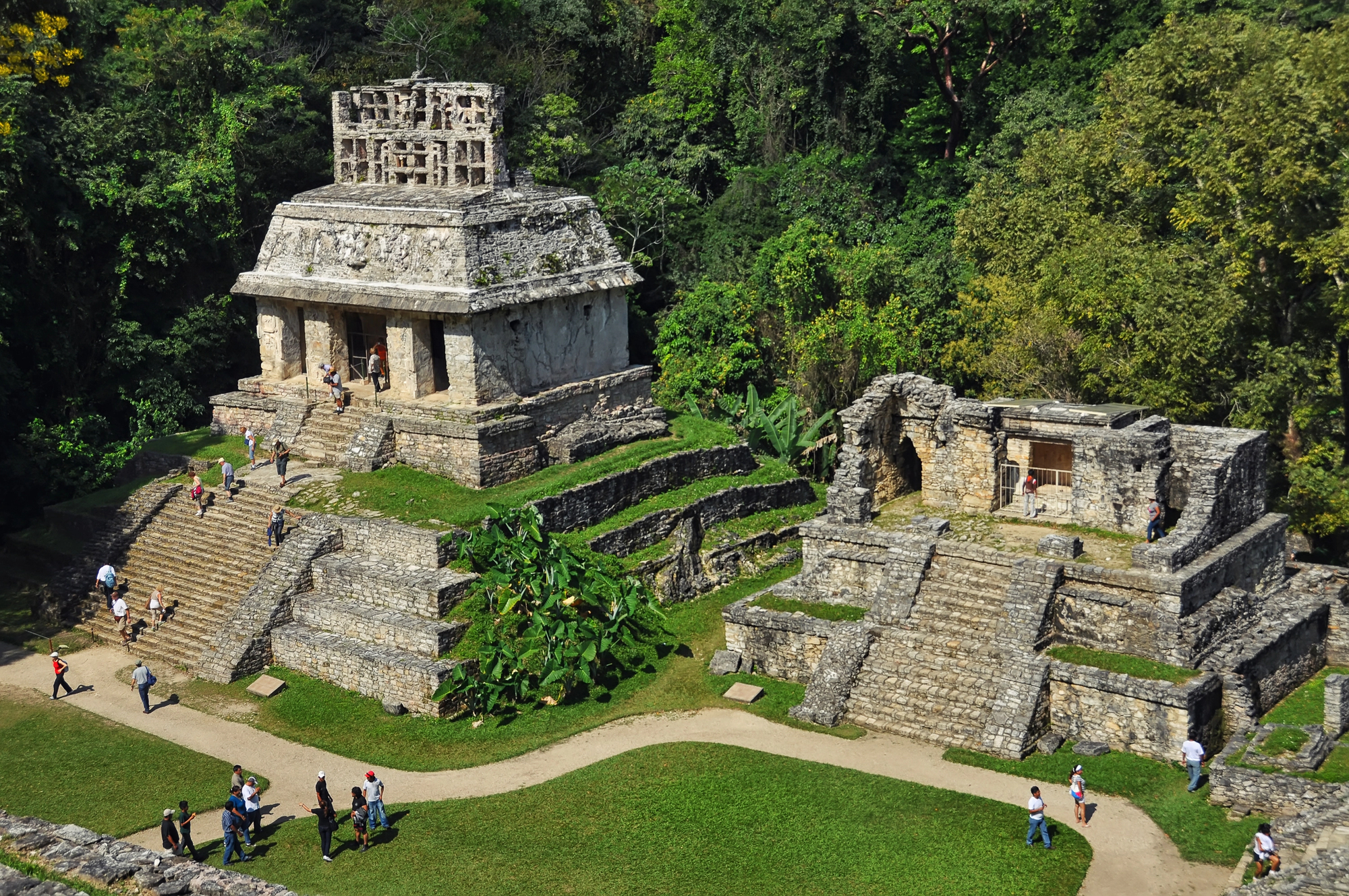
Hidden in the lush jungles of Chiapas, Palenque flourished as a Maya city-state from the 7th to 9th centuries CE under rulers like K’inich Janaab’ Pakal. This cultural center featured some of the finest Maya architecture and relief carvings, including the Temple of Inscriptions containing Pakal’s elaborate tomb and sophisticated water management systems channeling mountain springs.
After its mysterious abandonment around 900 CE, the dense jungle quickly enveloped Palenque’s structures, preserving its stucco decorations and inscriptions that have provided archaeologists with crucial insights into Maya civilization.
Persepolis, Iran
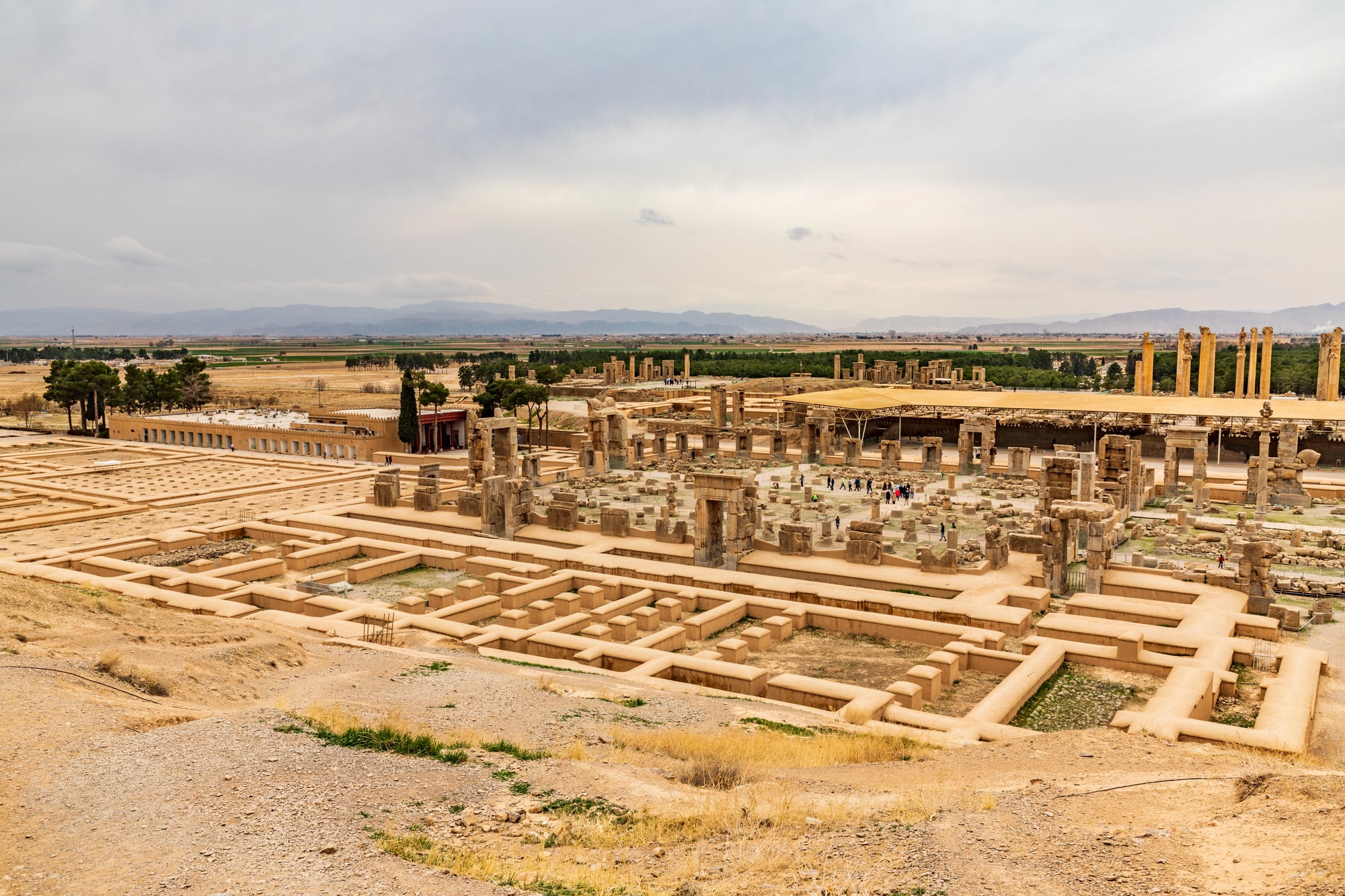
Established by Darius I around 518 BCE, Persepolis served as the ceremonial capital of the Achaemenid Empire, hosting elaborate New Year festivals attended by representatives from all 23 subject nations. This architectural marvel featured massive stone terraces, intricate reliefs showing tribute bearers, and imposing columns reaching heights of 65 feet that supported wooden roof structures.
Alexander the Great’s forces burned the city in 330 BCE, beginning its transformation from imperial showcase to isolated ruin in the Iranian highlands, where its remote location has both protected it from urban encroachment and limited visitor access.
Silent Witnesses to Human Achievement
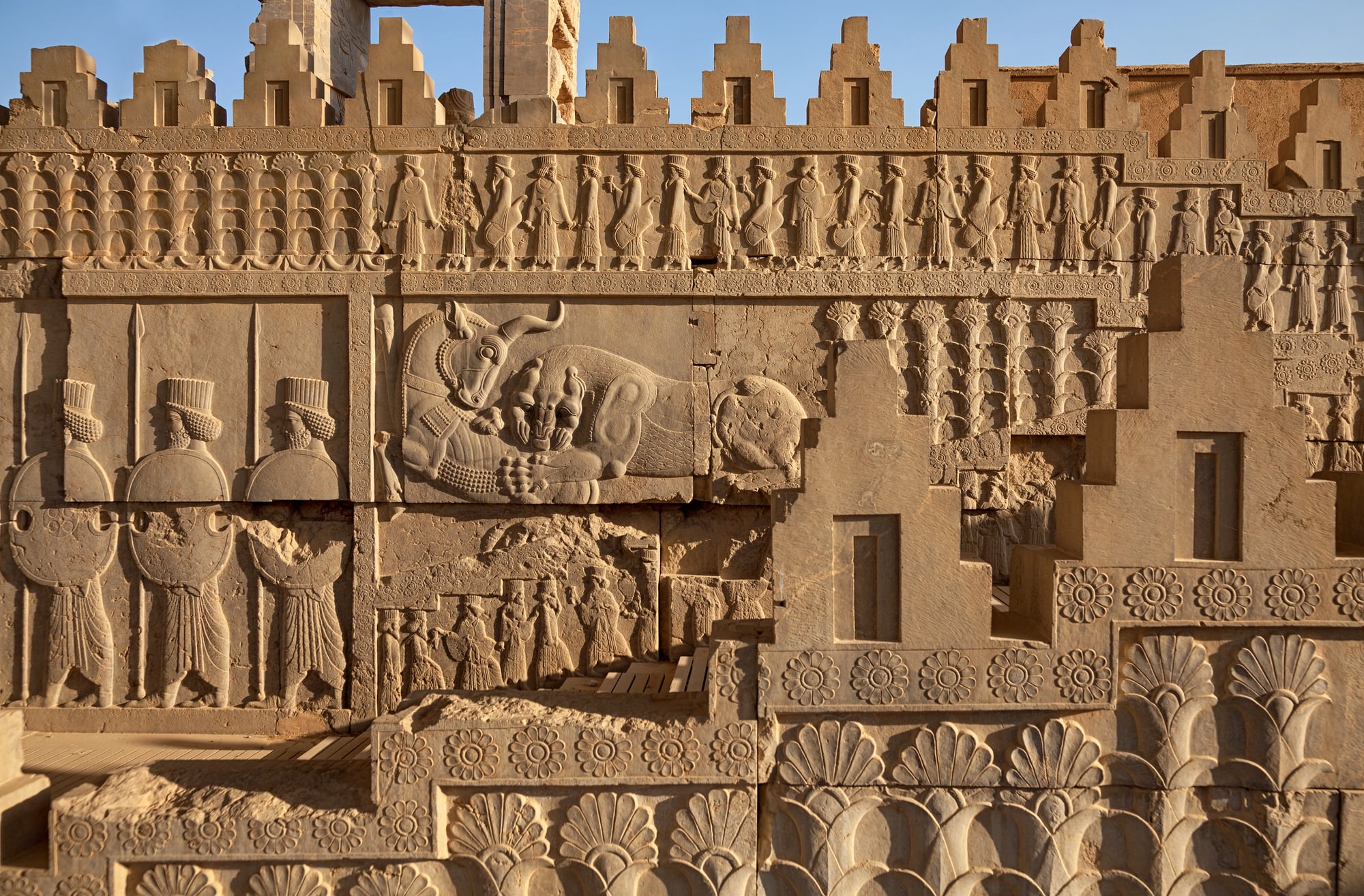
These lost cities were once the heartbeat of empires—full of life, culture, and ambition. Now, they stand as quiet witnesses to history, reminding us that even the grandest civilizations are not immune to time. While the people are gone, their stories remain, waiting to be uncovered by those curious enough to explore the past.
Modern visitors traversing difficult terrain to reach these locations experience a profound connection with past civilizations, walking the same streets as people who never imagined their bustling neighborhoods would someday fade into quiet ruins. Their legacy remains embedded in these silent stones, reminding us that even our most impressive achievements eventually transform with the passage of time.
More from Go2Tutors!

- The Romanov Crown Jewels and Their Tragic Fate
- 13 Historical Mysteries That Science Still Can’t Solve
- Famous Hoaxes That Fooled the World for Years
- 15 Child Stars with Tragic Adult Lives
- 16 Famous Jewelry Pieces in History
Like Go2Tutors’s content? Follow us on MSN.