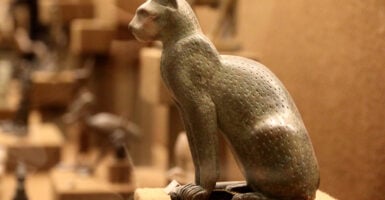
12 Animals That Survived Mass Extinctions
Numerous devastating mass extinction events throughout Earth’s history have wiped off the vast majority of the species that were present at the time. However, some amazing animals survived these worldwide catastrophes, changing and adapting as their peers disappeared forever.
Their tales offer intriguing perspectives on adaptability and resiliency in the face of global disruption. The remarkable ability of nature to endure during Earth’s most trying times is demonstrated by the following list of 12 animals that survived catastrophic extinctions.
Horseshoe Crabs

These living fossils have remained largely unchanged for over 450 million years. Their hard exoskeleton and tolerance for various water conditions helped them survive environmental changes that wiped out countless marine species.
Nautilus
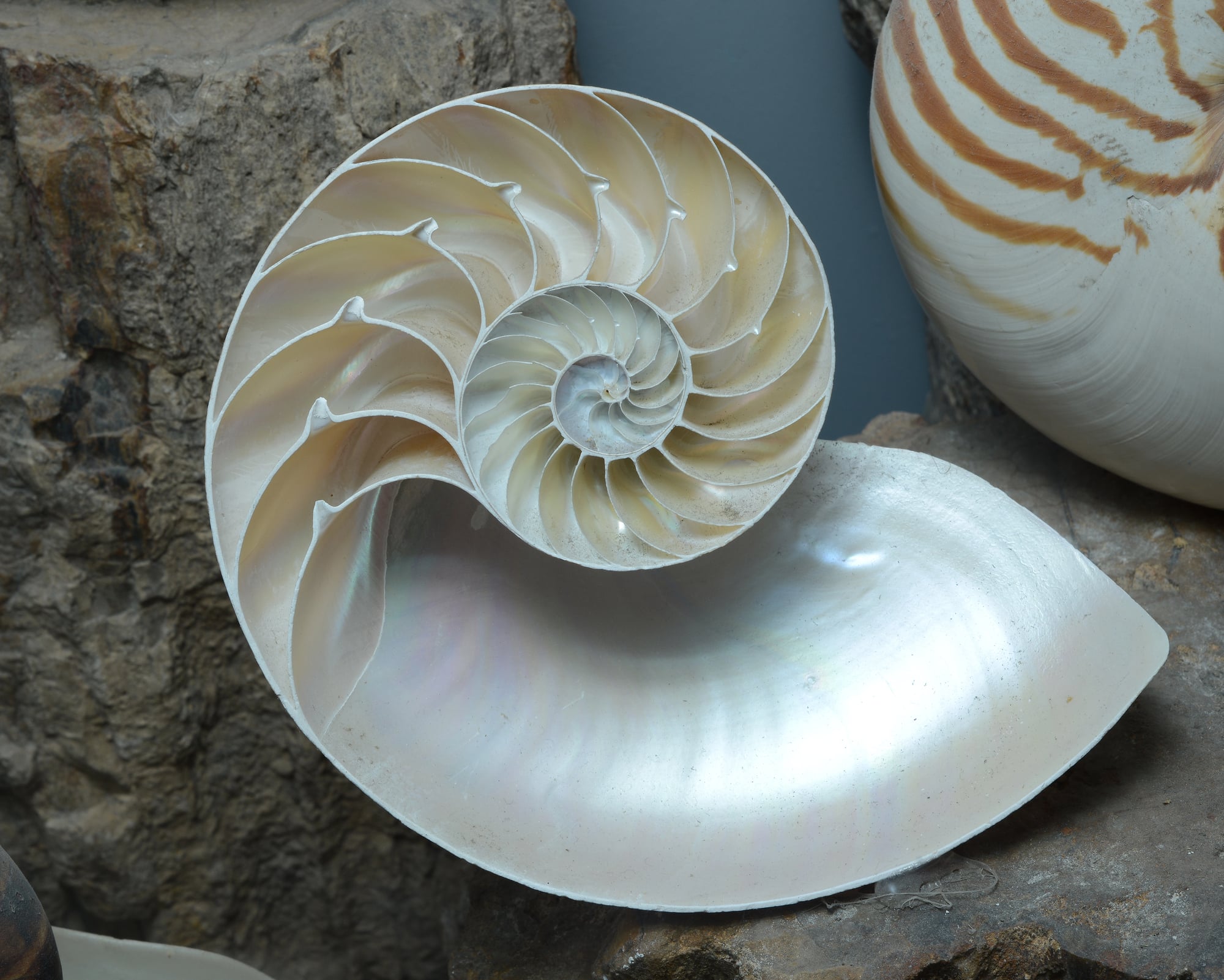
The spiral-shelled nautilus has existed for around 500 million years. Its ability to inhabit deeper ocean waters likely sheltered it from the worst effects of past extinction events.
Leatherback Sea Turtles
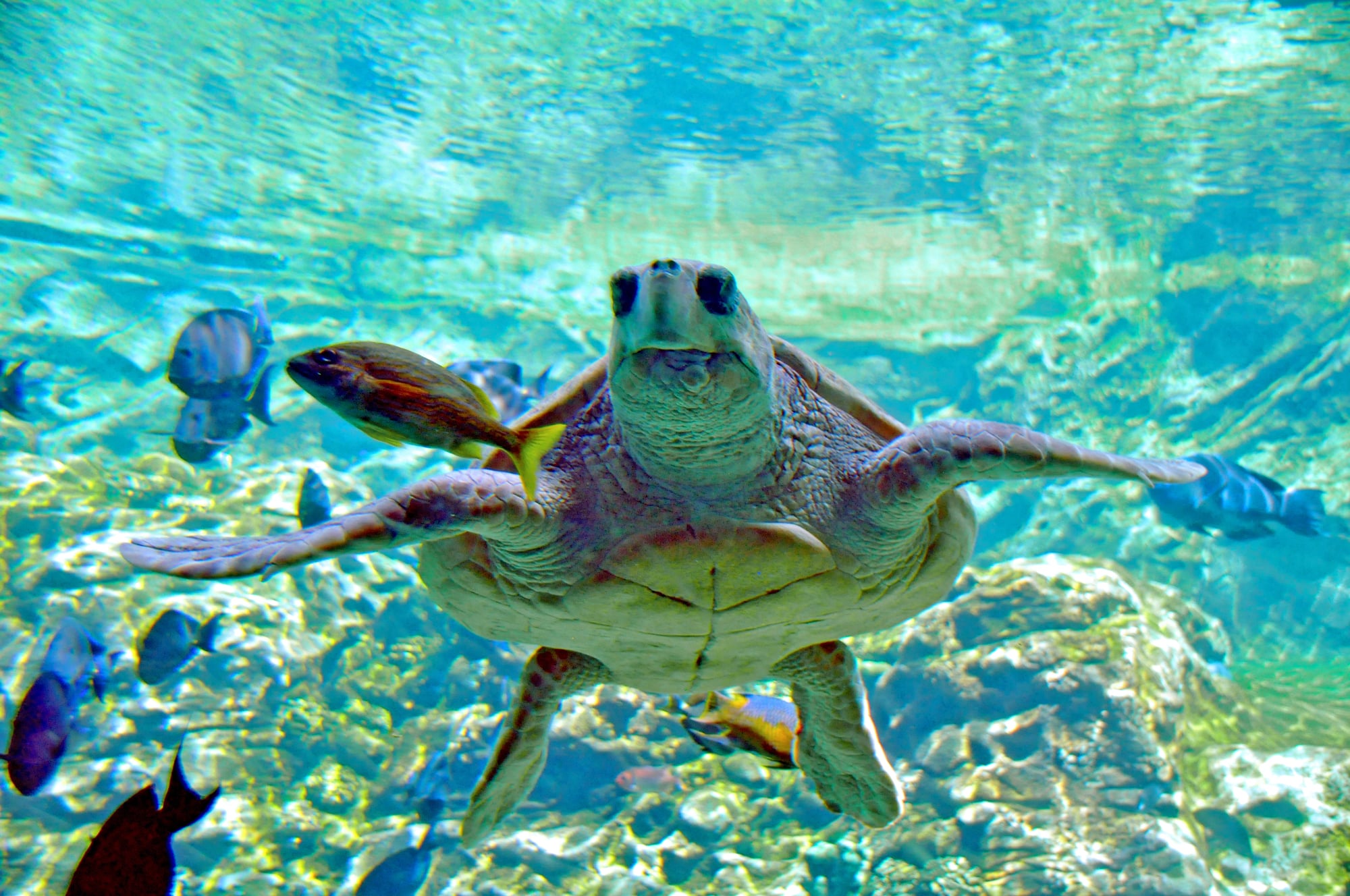
These large marine reptiles evolved from ancestors that survived the event that wiped out the dinosaurs. Their flexible shells and deep-diving abilities likely gave them an edge in finding refuge during environmental upheavals.
Sharks
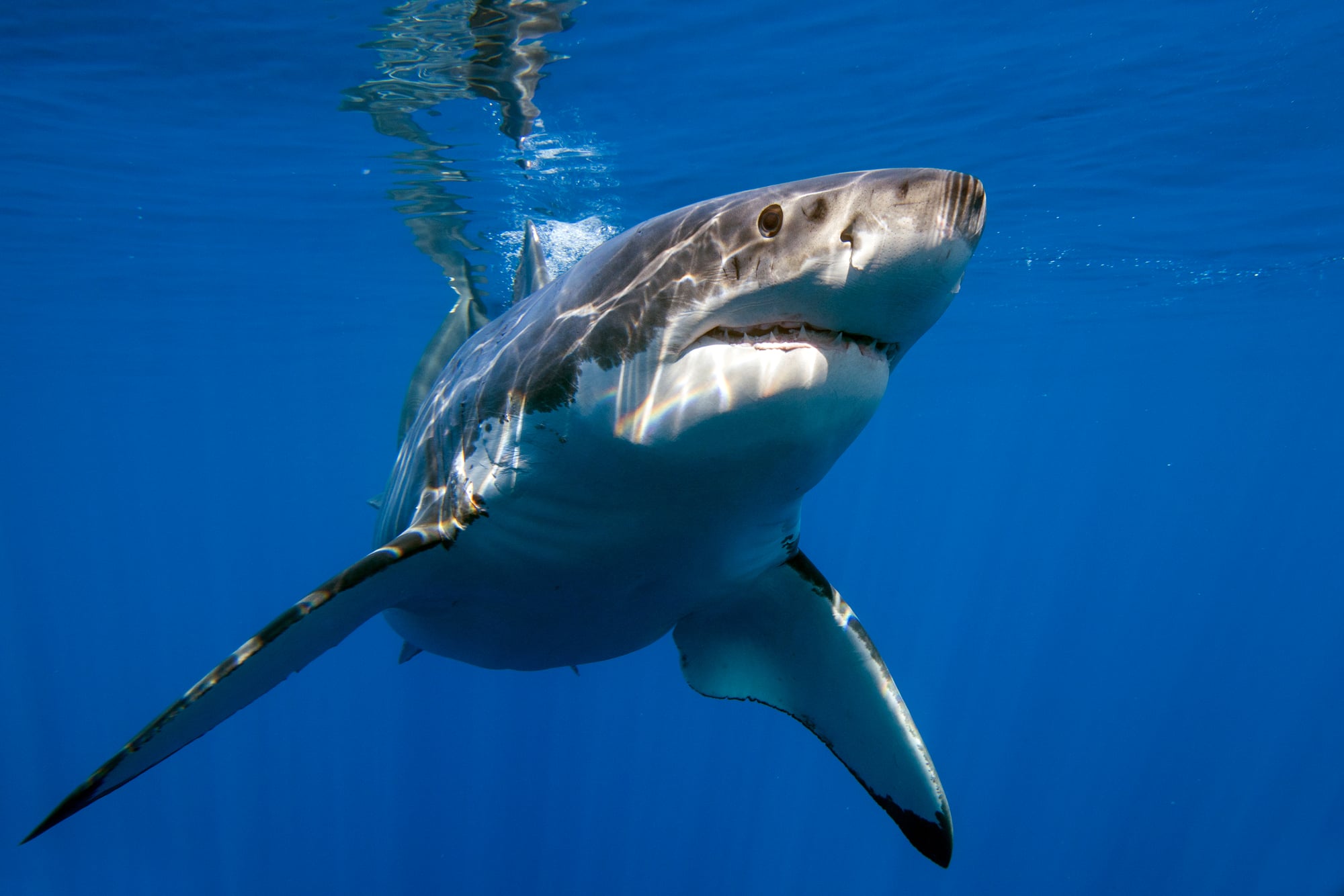
Sharks have roamed the oceans for more than 400 million years. Their adaptability and wide variety of feeding strategies helped them endure multiple extinction events.
Crocodilians
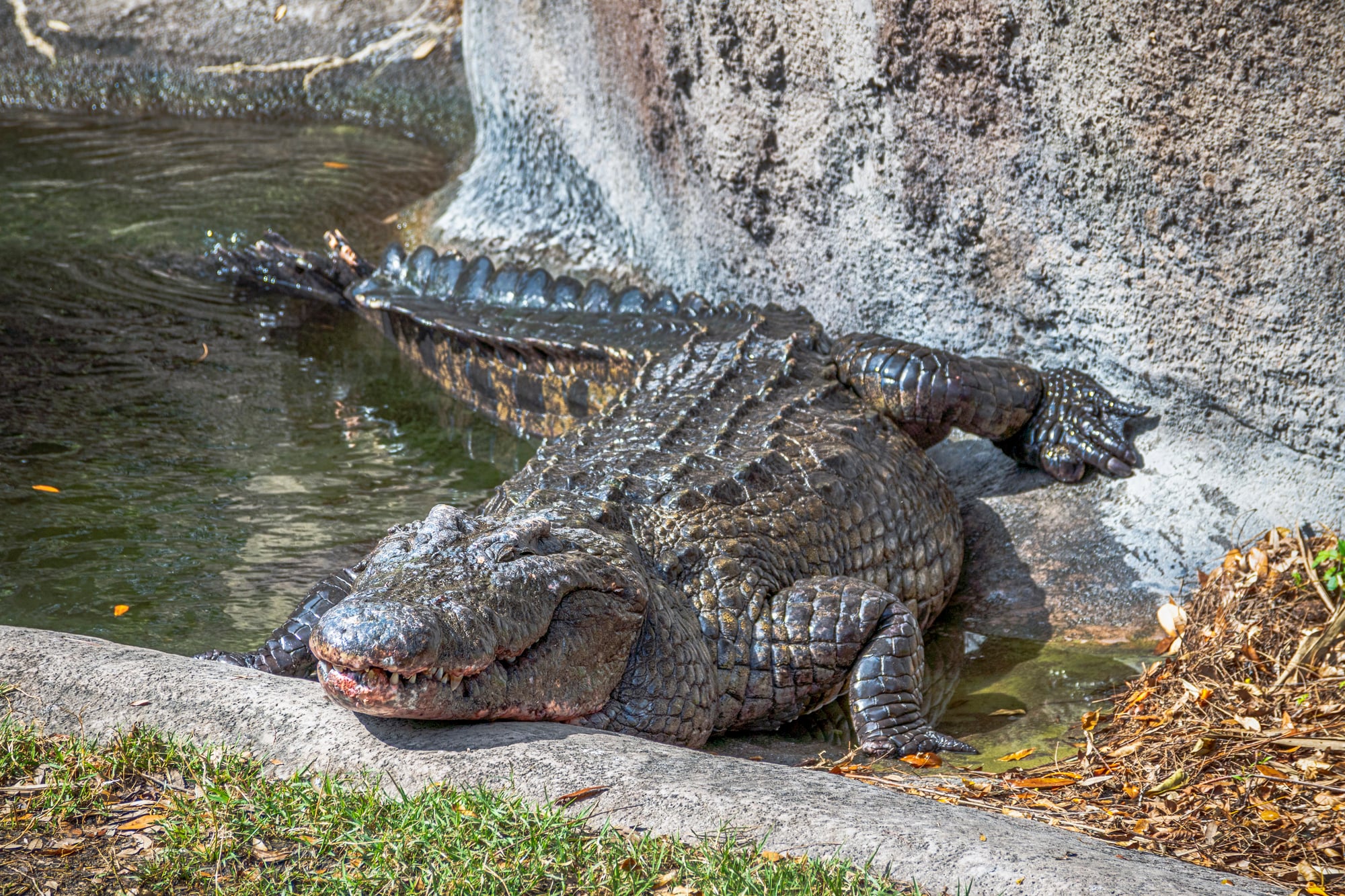
These ancient reptiles survived the same mass extinction that ended the reign of dinosaurs. Their semi-aquatic lifestyle and slow metabolism made it easier to survive when resources were scarce.
Lamprey
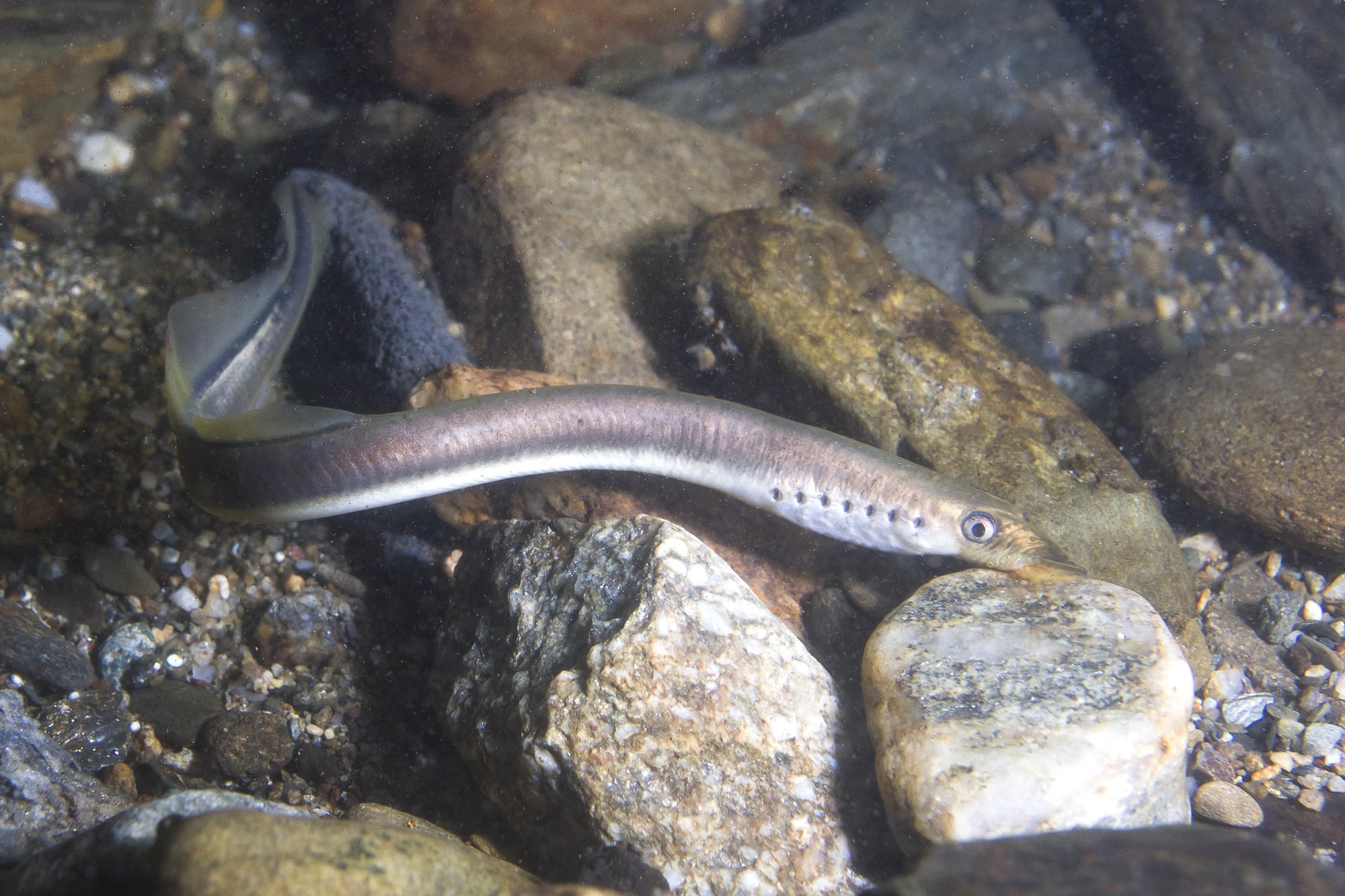
These jawless fish have been around for about 360 million years with very few changes. Their parasitic nature and simple body plan made them remarkably resilient through mass extinctions.
Sturgeon
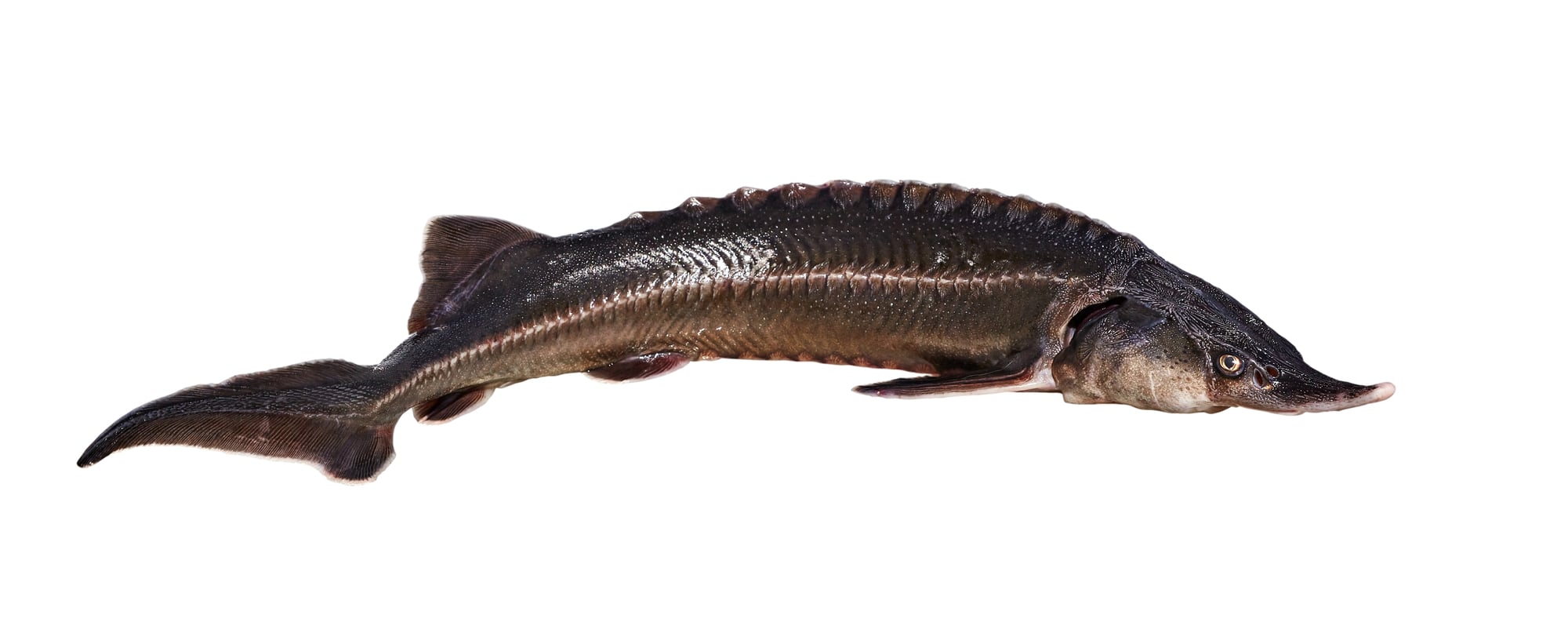
Sturgeon have existed for over 200 million years. Their ability to thrive in both freshwater and marine environments helped them survive when other fish species disappeared.
Platypus
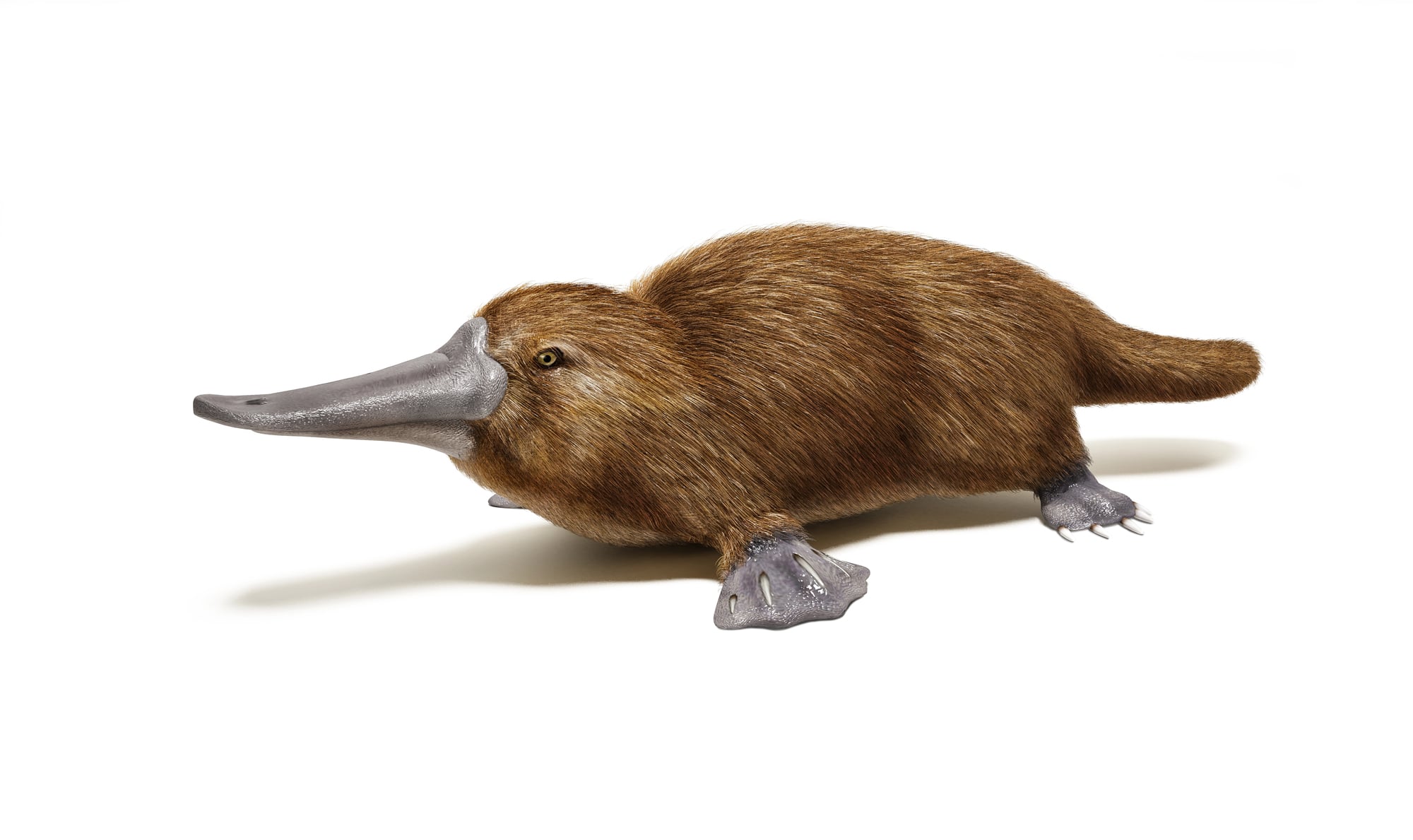
The platypus descends from mammal-like ancestors that outlived the dinosaurs. Its mix of reptilian and mammalian features reflects evolutionary traits that proved beneficial during turbulent times.
Tuatara
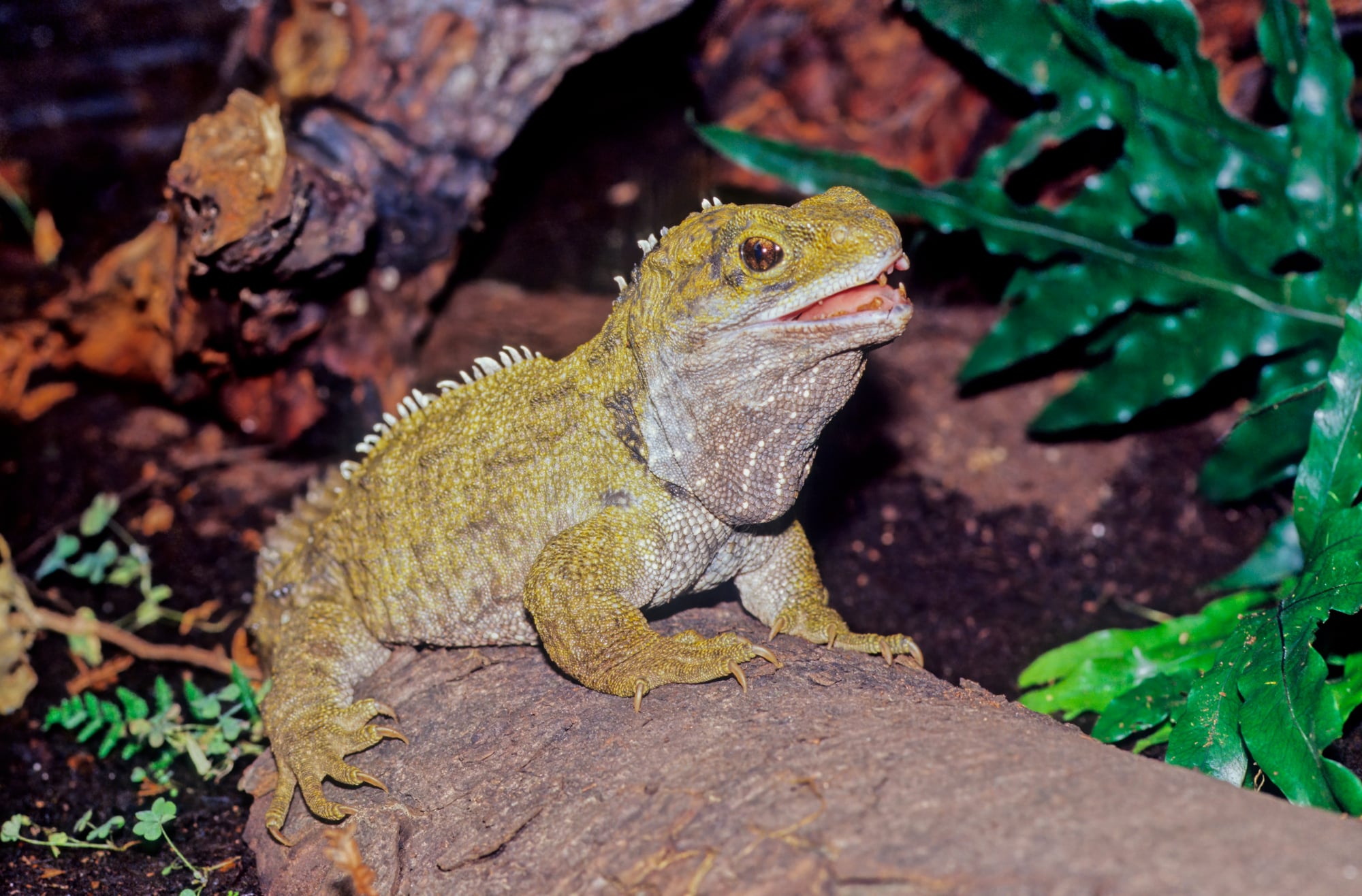
This New Zealand reptile is the last of its kind from an ancient order. Its slow metabolism and isolated habitat likely played key roles in its survival.
Coelacanth
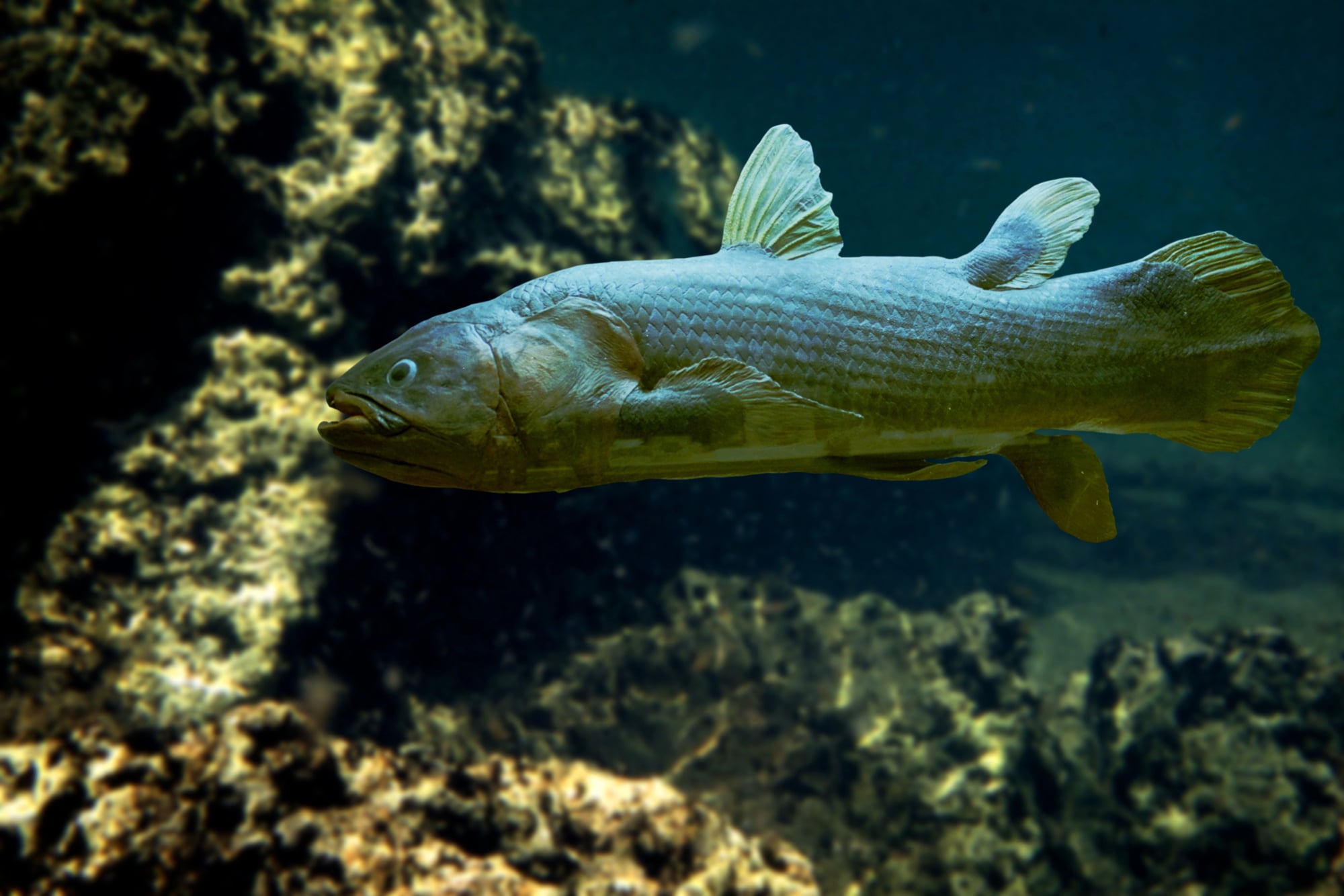
Once believed extinct, the coelacanth reappeared in 1938 after vanishing for 65 million years. Its deep-sea lifestyle and slow growth helped it survive conditions that destroyed many surface species.
Lungfish
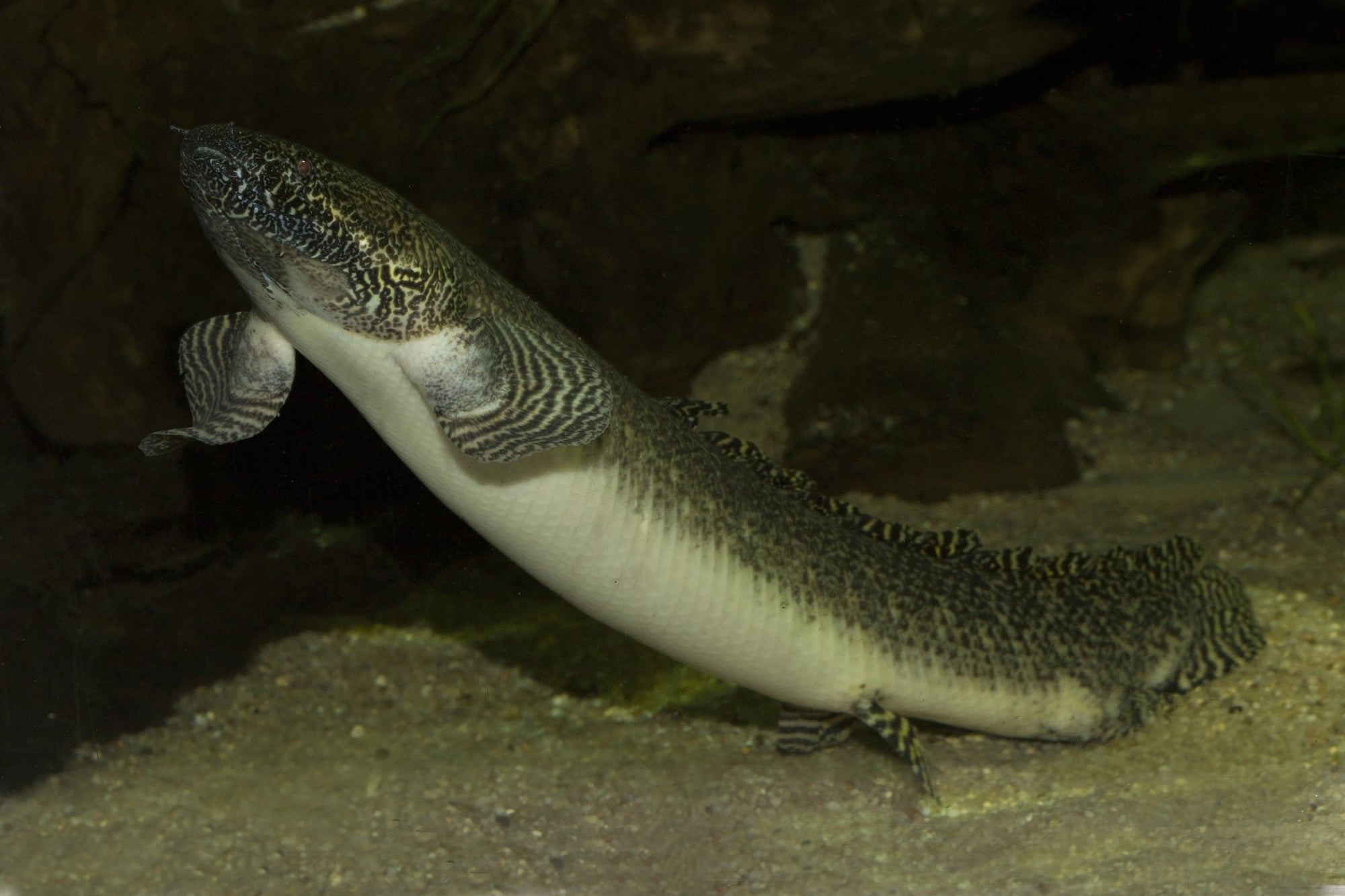
Lungfish have barely changed over 400 million years. Their ability to breathe air and go dormant during dry spells helped them persist through harsh environmental shifts.
Tadpole Shrimp
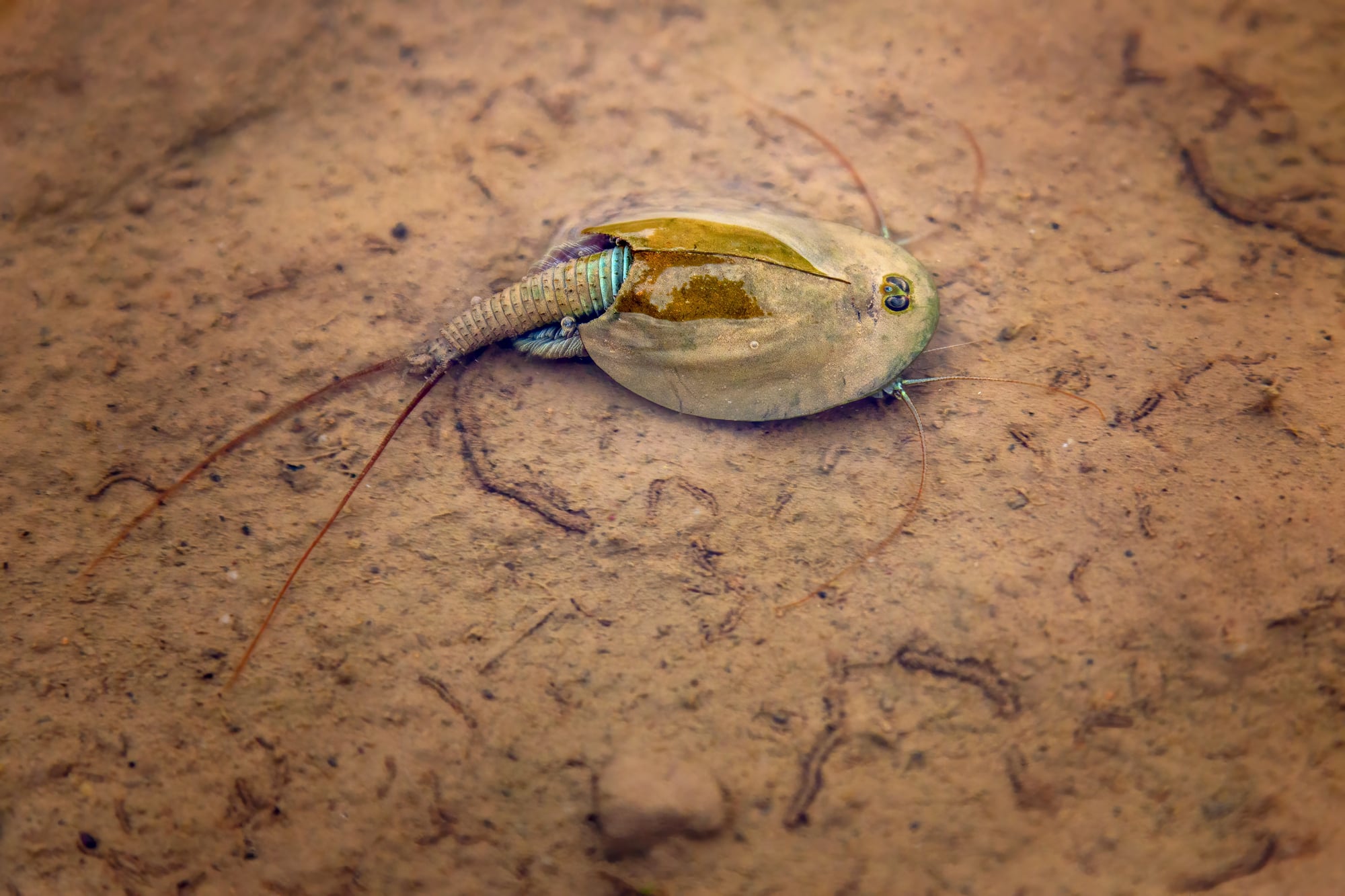
These tiny crustaceans have existed for more than 300 million years. Their drought-resistant eggs can remain dormant for decades, allowing them to survive extreme environmental disruptions.
Ancient Survivors in Modern Times
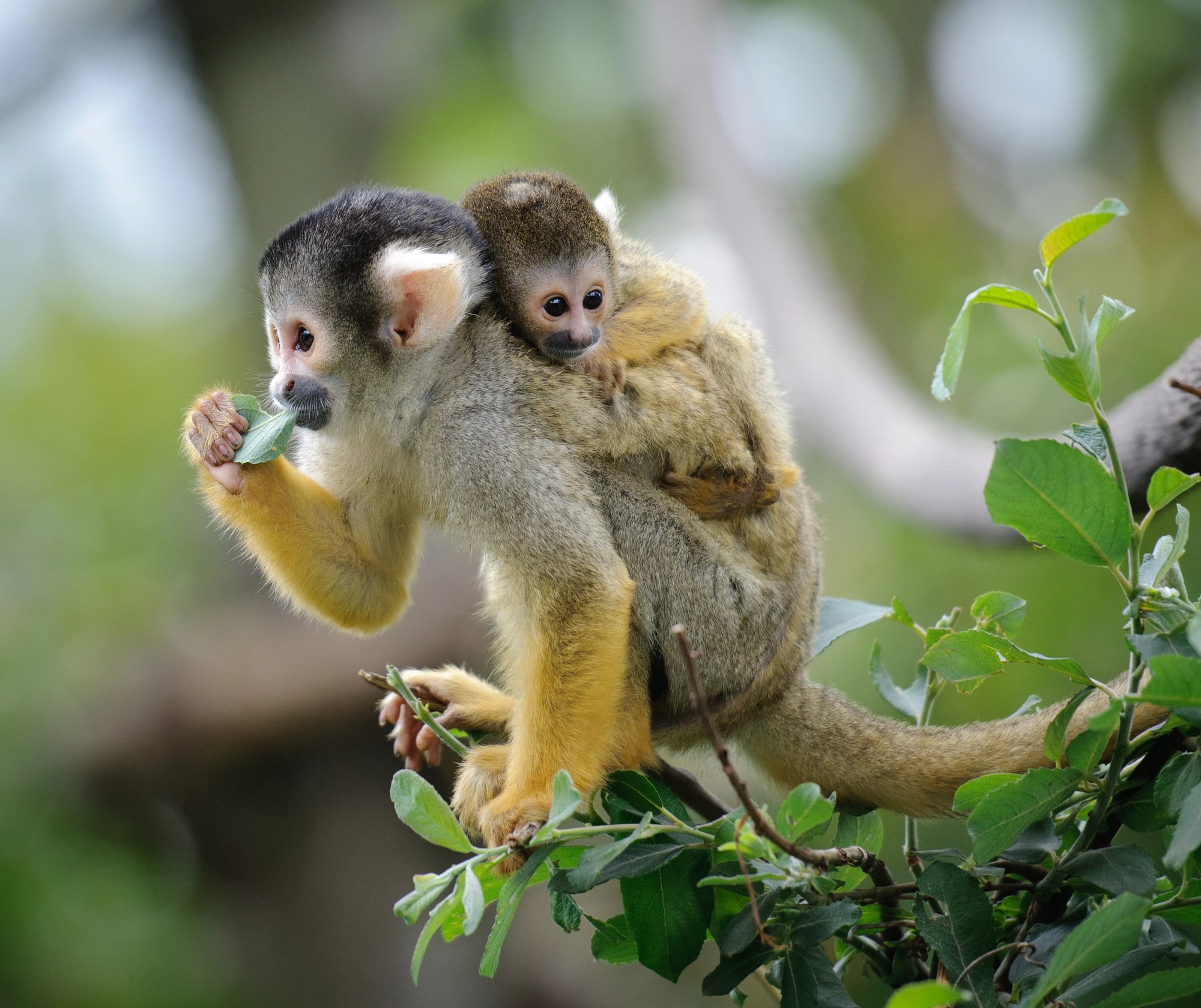
The animals that endured Earth’s biggest extinction events show how powerful adaptation can be. These living fossils are reminders of nature’s persistence through deep time and disaster.
More from Go2Tutors!

- The Romanov Crown Jewels and Their Tragic Fate
- 13 Historical Mysteries That Science Still Can’t Solve
- Famous Hoaxes That Fooled the World for Years
- 15 Child Stars with Tragic Adult Lives
- 16 Famous Jewelry Pieces in History
Like Go2Tutors’s content? Follow us on MSN.