17 Saturday Morning Cartoons That Vanished Too Soon
Saturday mornings used to be sacred territory for kids, a magical time when the television belonged entirely to animated adventures and colorful characters who taught us about friendship, courage, and the power of imagination. Before cable television and streaming services changed everything, network television served up a weekly feast of cartoons that defined childhood for millions of Americans. Some shows ran for decades and became cultural institutions, while others burned bright and disappeared far too quickly, leaving behind devoted fans who still wonder what might have been.
These short-lived animated gems often pushed creative boundaries, introduced innovative storytelling techniques, or simply captured lightning in a bottle before network executives pulled the plug. Here is a list of 17 Saturday morning cartoons that vanished too soon.
Pirates of Dark Water
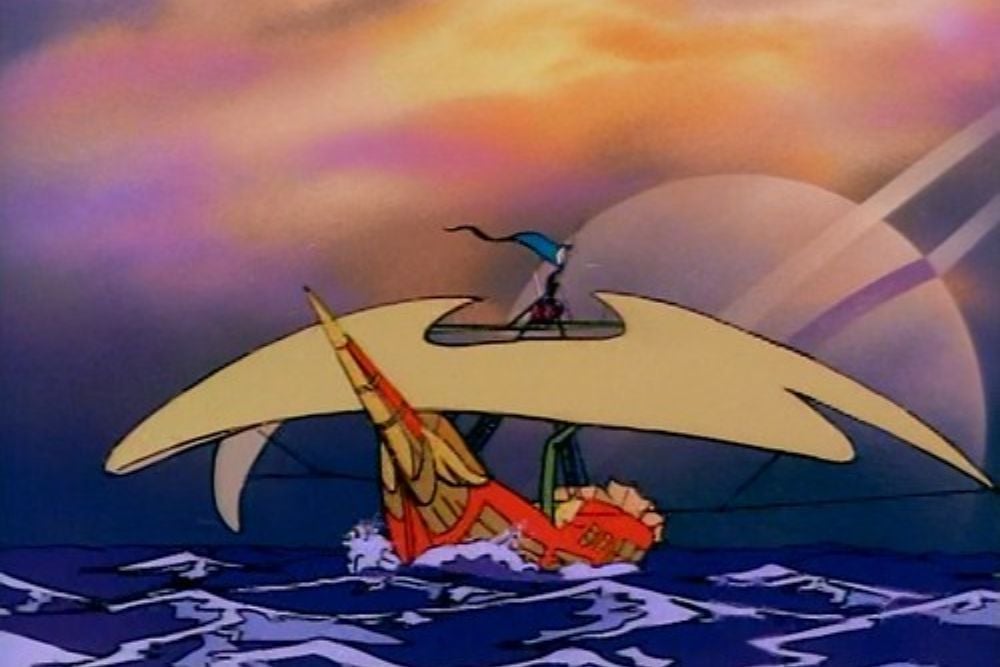
Hanna-Barbera’s Pirates of Dark Water had everything going for it — stunning animation, compelling characters, and an epic fantasy storyline that felt like nothing else on Saturday morning television. The show followed Ren and his crew as they searched for the Thirteen Treasures of Rule to save their world from the mysterious Dark Water that consumed everything in its path.
Despite critical acclaim and a devoted fanbase, the series ended after just 21 episodes, leaving the story unfinished and fans hanging. The show’s ambitious scope and serious themes may have been too mature for its Saturday morning slot, but it remains one of the most sophisticated animated series ever created for children’s television.
Exosquad
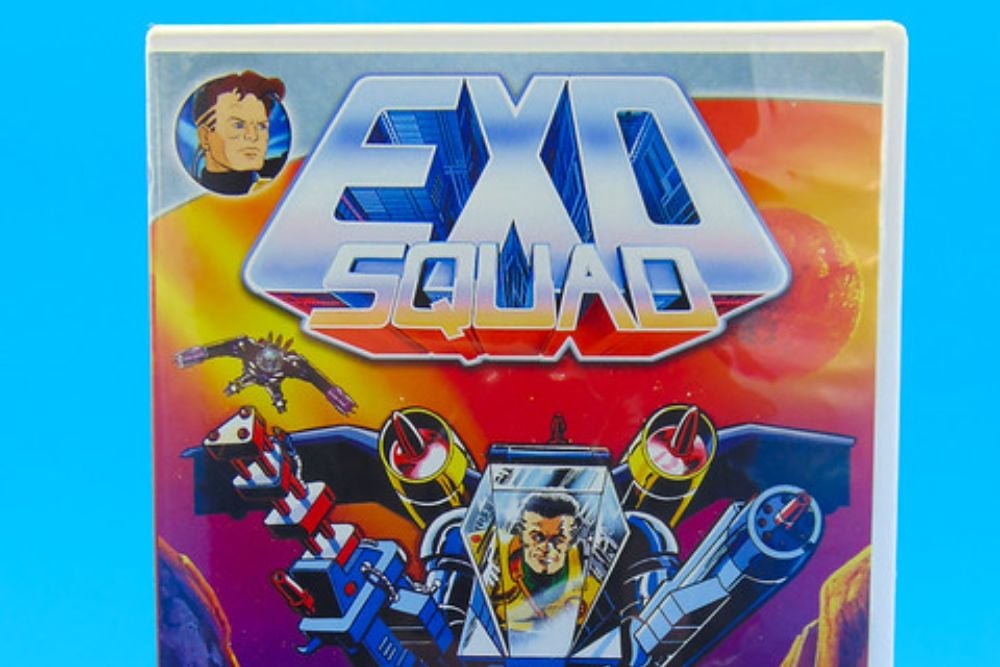
This space opera tackled heavy themes like war, genocide, and political intrigue in ways that respected young viewers’ intelligence. Exosquad followed human pilots in powered armor suits fighting against their own genetically engineered creations called Neosapiens in a complex interplanetary conflict.
The show featured ongoing storylines, character development, and moral ambiguity that was rare in children’s programming at the time. After two seasons and 52 episodes, the series was canceled despite strong ratings, possibly because its mature themes made toy companies nervous about creating merchandise for what appeared to be a ‘war cartoon.’
Like Go2Tutors’s content? Follow us on MSN.
Gargoyles
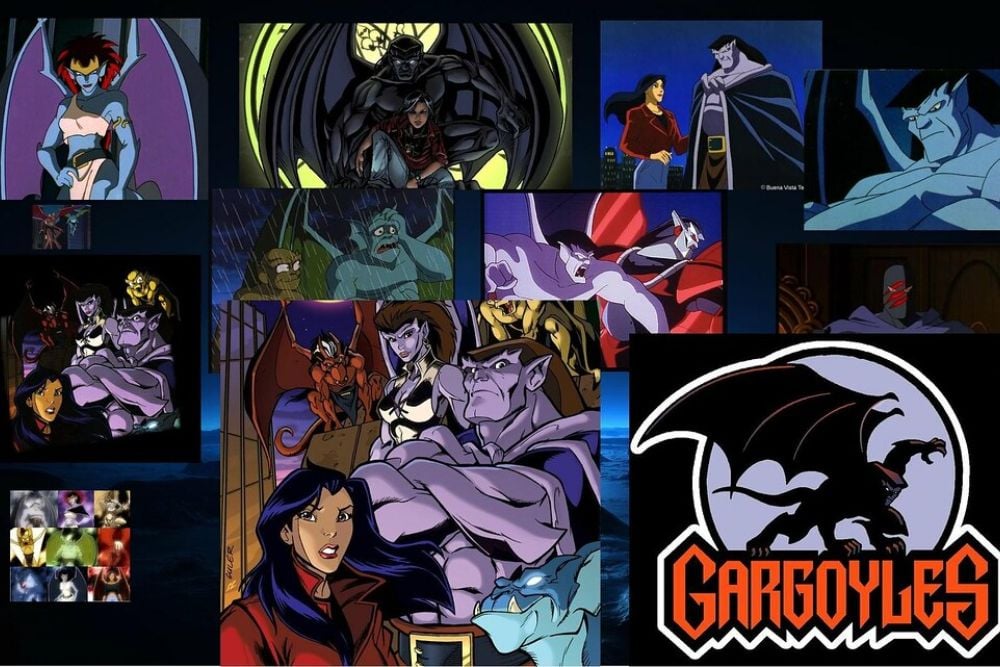
Disney’s Gargoyles brought a dose of Shakespearean drama to Saturday mornings with its story of ancient stone warriors awakening in modern-day Manhattan. Blending mythology, literature, and layered storytelling, the show managed to resonate with both kids and adults.
It featured standout voice work from seasoned stage actors like Keith David, adding even more depth. Despite critical acclaim and a devoted fanbase, Disney eventually moved it to a less favorable time slot and canceled it after 78 episodes. Its darker tone and smart writing were ahead of their time, showing just how rich and thoughtful animated shows could be.
Dinosaucers
This bizarre but lovable show featured time-traveling dinosaurs from the planet Reptilon who could transform into anthropomorphic warriors. Teaming up with human teens, the Dinosaucers clashed with the villainous Tyrannos across both prehistoric Earth and the present day.
The show only lasted one season of 65 episodes, but its wild concept and unforgettable theme song made a lasting impression on ’80s kids. Dinosaurs, aliens, and transformation powers were a winning combo — making its early cancellation a letdown for fans who were all-in on these prehistoric warriors.
The Herculoids
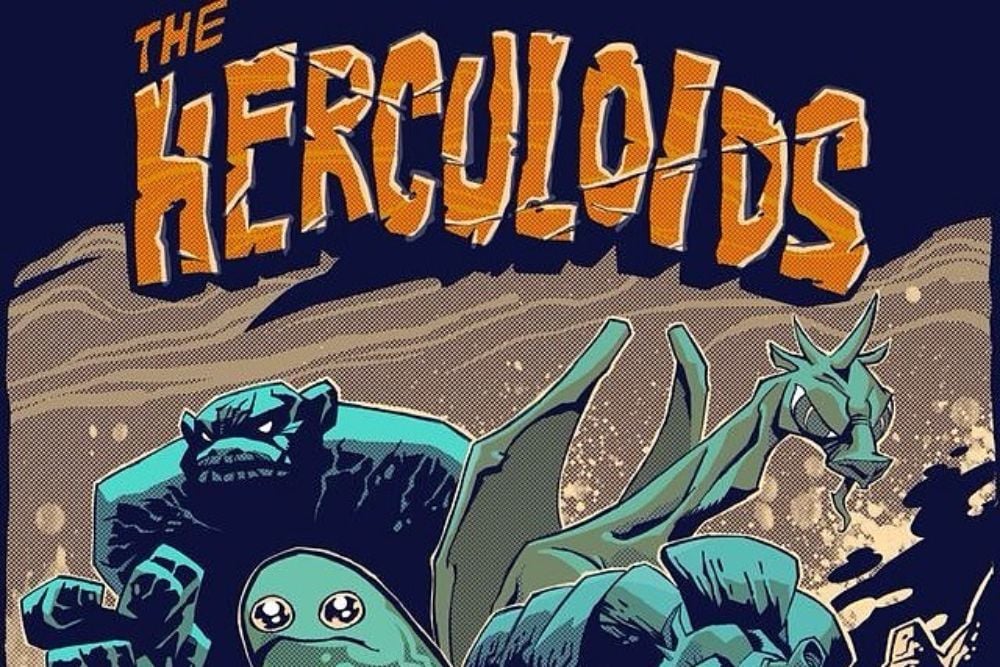
Hanna-Barbera’s The Herculoids first aired in the 1960s, but a new generation discovered it through reruns in the 1980s — before it quietly vanished again. The show followed Zandor and his family as they defended their planet, Quasar, with help from an unforgettable team of alien allies, including Igoo the rock ape and Tundro the ten-legged rhino.
Though it only ran for 36 episodes, the show’s bold creature designs and strange, otherworldly setting inspired a wave of later animated series. Its mix of sci-fi and fantasy created a blueprint for a family-friendly adventure that few shows matched.
Like Go2Tutors’s content? Follow us on MSN.
Thundarr the Barbarian
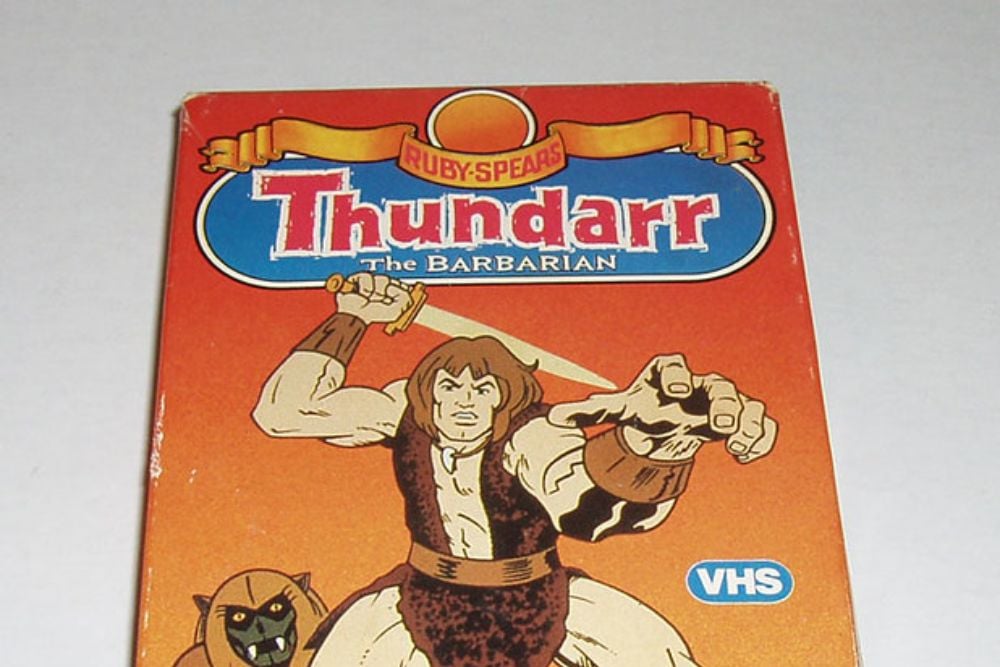
Set in a ruined Earth where magic and high-tech relics existed side by side, Thundarr the Barbarian gave the sword-and-sorcery genre a bold, futuristic twist. Thundarr and his allies battled evil sorcerers and mutants among the remnants of a lost civilization, blending fantasy with post-apocalyptic flair.
Although it ran for just 21 episodes over two seasons, the show left a lasting impression thanks to its rich world-building and striking character designs by comic book legend Jack Kirby. It was just starting to hit its stride when it got the axe, leaving fans to wonder what wild stories might’ve come next.
Jayce and the Wheeled Warriors
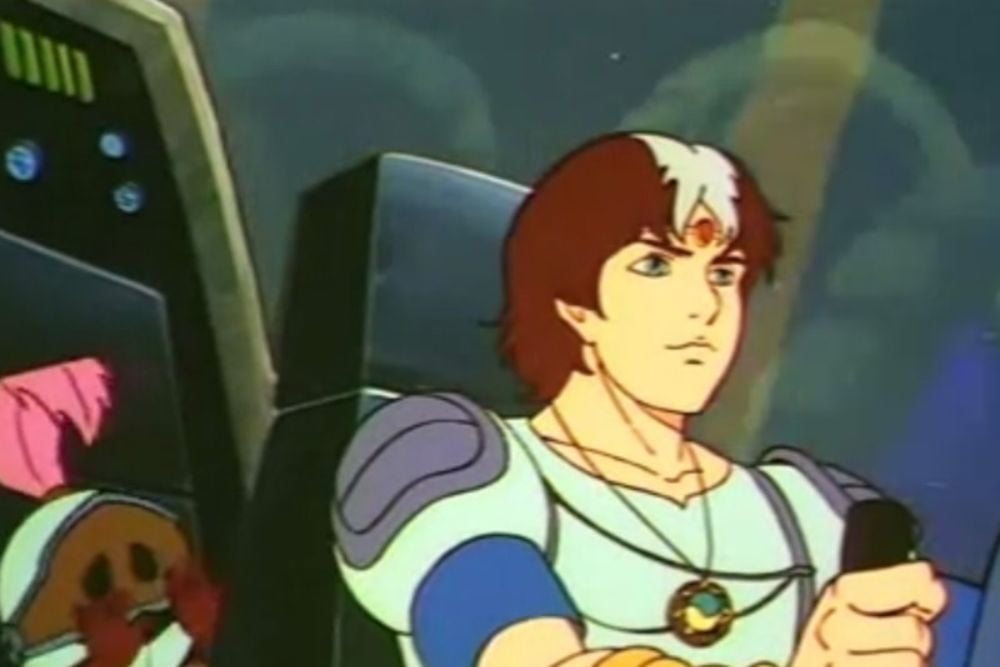
This unique series combined traditional animation with early computer graphics to create vehicular battles between organic plant monsters and mechanical warriors. Jayce searched the galaxy for his missing father while fighting the evil Flora, plant creatures that could transform and merge with machinery.
The show’s innovative animation techniques and toy tie-ins seemed like a recipe for success, but it lasted only one season of 65 episodes. The series left viewers with an unresolved cliffhanger about Jayce finding his father, creating one of the most frustrating endings in Saturday morning cartoon history.
Mighty Orbots
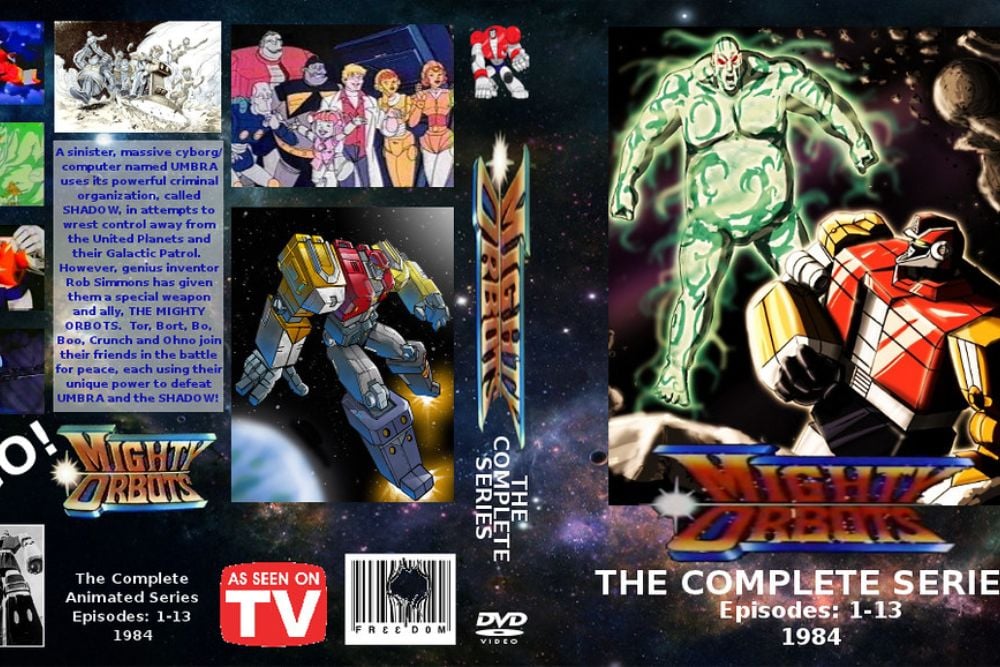
This robot team show was clearly inspired by Japanese mecha anime but was created specifically for American audiences. The series featured a team of robots that could combine into the super-robot Mighty Orbots to fight against the evil computer SHADOW.
Despite impressive animation and creative robot designs, the show was canceled after just 13 episodes due to a lawsuit from the creators of the Japanese series Go Lion (later adapted as Voltron). The legal battle killed what could have been America’s answer to the transforming robot genre that was becoming increasingly popular in the mid-1980s.
Like Go2Tutors’s content? Follow us on MSN.
Blackstar
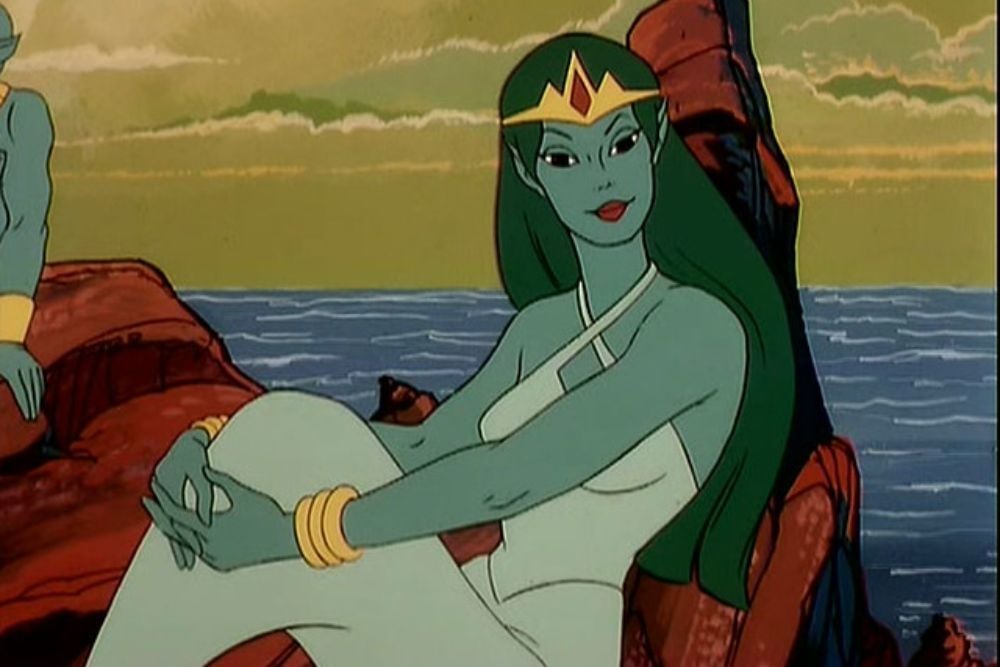
Filmation’s Blackstar took viewers to the alien world of Sagar, where astronaut John Blackstar fought the evil Overlord using a magical sword. The show blended science fiction and fantasy, with strange alien creatures, mystical forces, and otherworldly landscapes.
Though it featured strong world-building and solid character development, Blackstar only ran for one season with 13 episodes before vanishing from Saturday morning TV. Its mix of He-Man-style fantasy and space opera made it something truly original — one that could’ve gone much further if given more time to expand its universe.
The Plastic Man Comedy Adventure Show
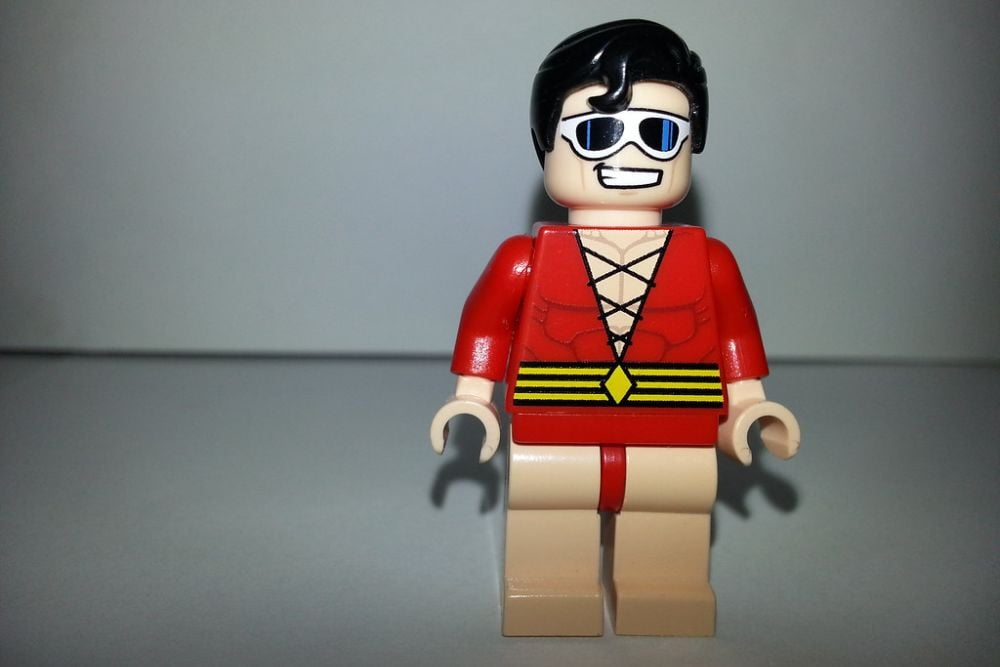
This offbeat spin on the DC Comics hero brought Plastic Man’s wild, shape-shifting powers to life with rubber-hose animation that fit his stretchy antics perfectly. The show mixed superhero action with over-the-top slapstick, following Plastic Man as he solved crimes while constantly landing in absurd situations.
Even though the character was well-loved and the animation was full of personality, the show only ran for two seasons before being replaced by more traditional superhero fare. Still, its chaotic humor and unique visual style left a mark, influencing later shows like The Mask and Freakazoid — a clear sign it was ahead of its time.
Sectaurs
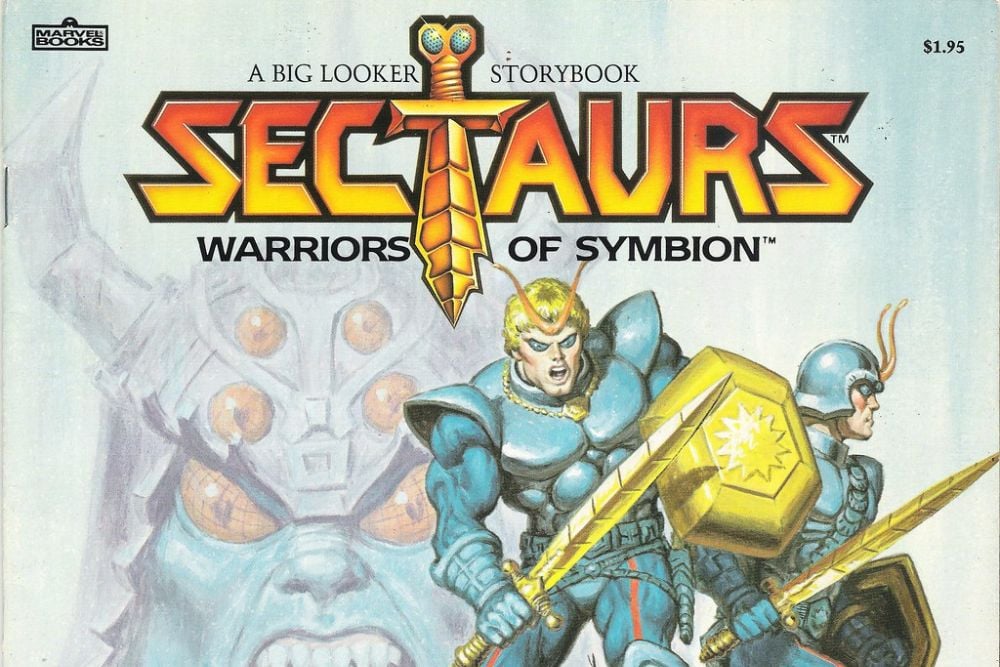
This fantasy series followed warriors who rode giant insects through a world where magic and bio-technology blended into something entirely original. The Sectaurs battled dark forces while exploring themes like environmental stewardship and the delicate balance between nature and science.
Its mix of puppet animation and traditional techniques gave the show a visual identity unlike anything else on TV. Despite its creativity, Sectaurs was canceled after just five episodes, leaving behind one of the most unique and underrated animated experiments of the 1980s.
Like Go2Tutors’s content? Follow us on MSN.
The Adventures of the Galaxy Rangers
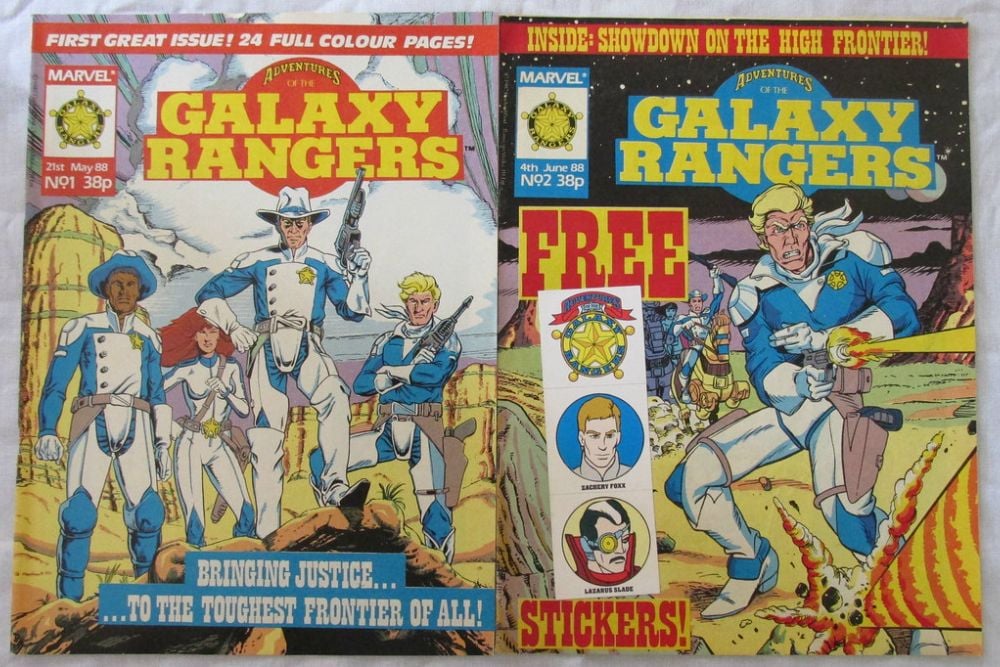
A true space western, this series blended high-tech gadgets with frontier grit, following four cyber-enhanced heroes as they defended the galaxy. It stood out for its surprisingly mature storytelling, complete with ongoing arcs and emotionally layered characters across its 65 episodes.
Although critics praised its writing and animation, the show was canceled after one season when its toy line underperformed. Still, Galaxy Rangers proved that animated series could mix genres and deliver smart, engaging stories for both kids and adults.
Visionaries
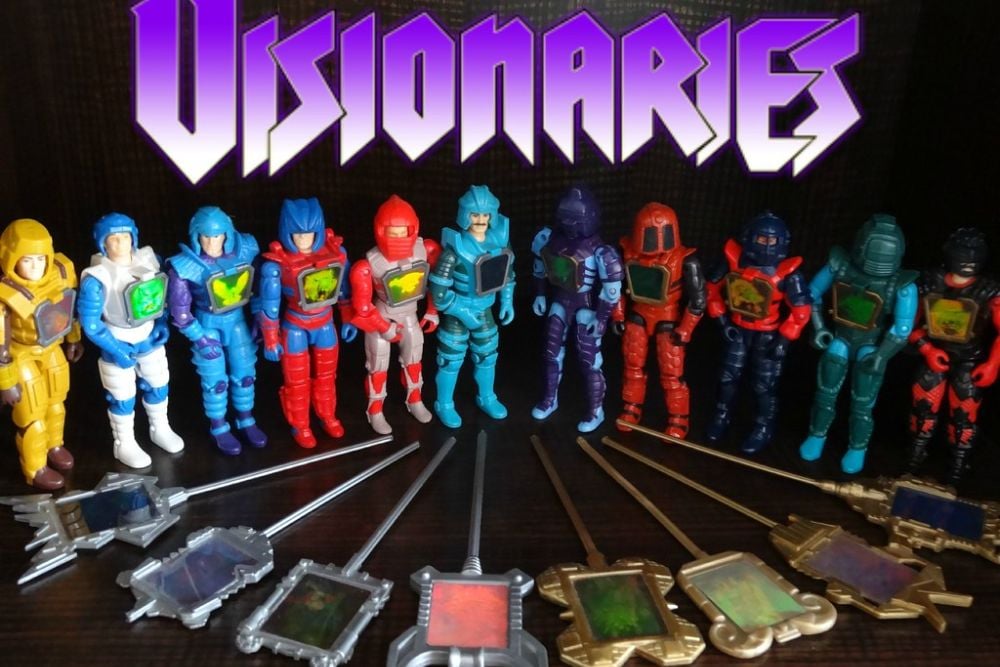
In a world where all technology had mysteriously stopped working, people were forced to rediscover magic. That’s the bold premise behind Visionaries, a show about knights who could transform into animals and wield holographic spells.
Its setting — a post-tech civilization returning to arcane power — was one of the most imaginative in 1980s animation. Though it only ran for 13 episodes, the series made a lasting impression with its theme of magic vs. technology, especially during a decade increasingly shaped by electronics.
The Centurions
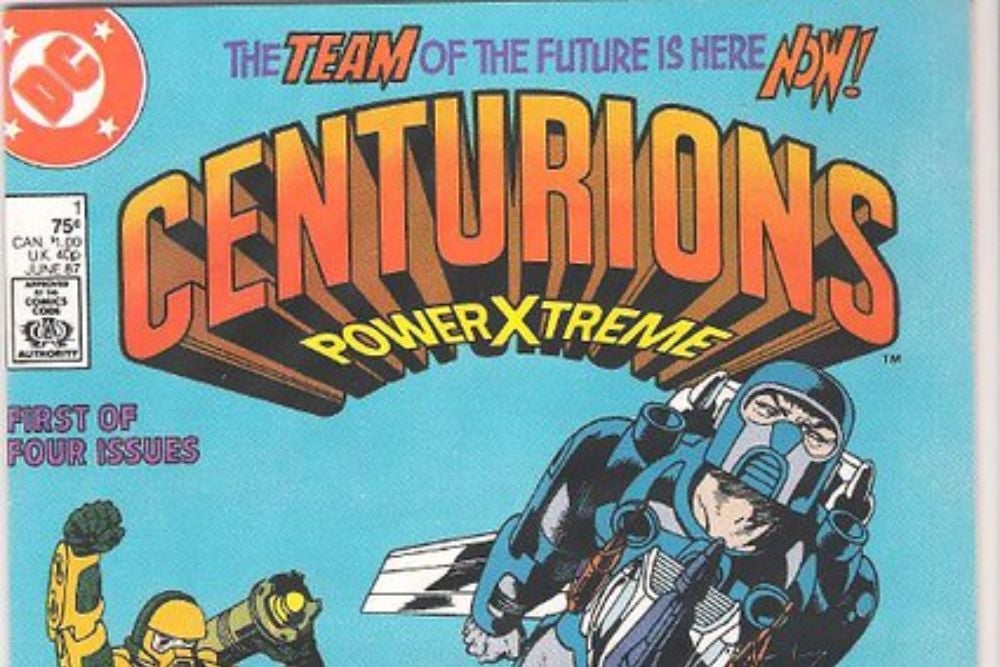
This action-packed series introduced three heroes who could summon specialized exo-frames from an orbital station, allowing them to instantly adapt to any mission. Its modular take on superhero gear was way ahead of its time, making every battle feel unique.
With slick animation and inventive fight scenes, The Centurions carved out its own niche in the crowded cartoon landscape. Despite running for a full season of 65 episodes, it wasn’t renewed — but its focus on adaptability and teamwork still set it apart.
Like Go2Tutors’s content? Follow us on MSN.
M.A.S.K.
Mobile Armored Strike Kommand featured agents who used transforming vehicles and masks with special powers to fight the criminal organization V.E.N.O.M. The show successfully combined the transformation elements that made Transformers popular with the secret agent themes of G.I. Joe.
Despite having an excellent toy line and solid animation, M.A.S.K. ran for only 75 episodes across two seasons before being canceled. The series’ unique concept of combining vehicles that transformed with characters who wore power-granting masks created a distinctive identity that deserved more exploration.
Inhumanoids
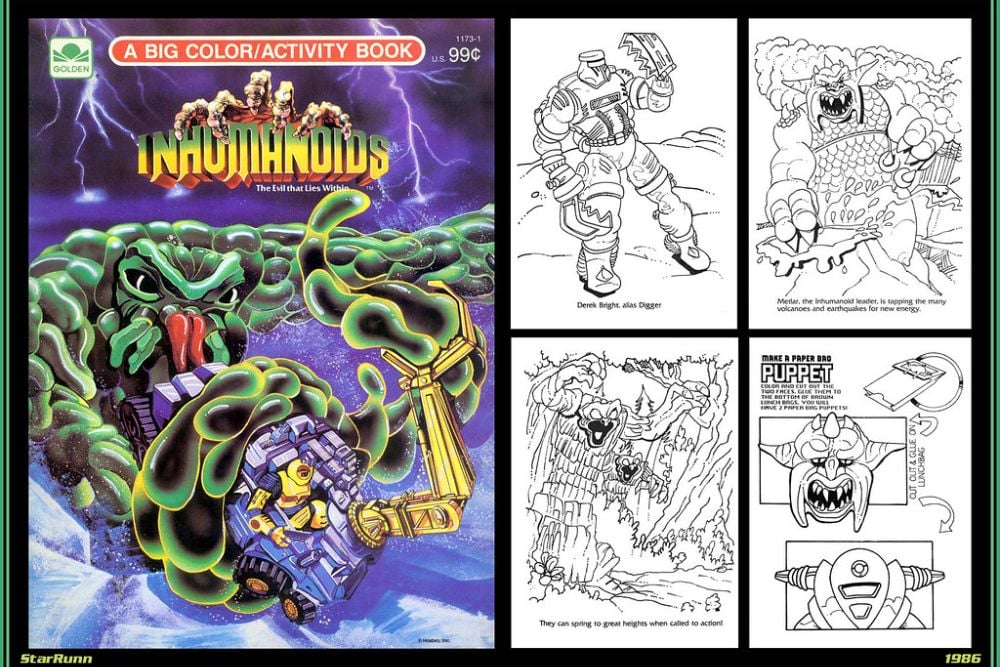
This horror-themed cartoon pushed the boundaries of what was acceptable in children’s programming with its genuinely scary monsters and dark storylines. The show featured a team of scientists fighting against ancient evil creatures that emerged from beneath the Earth’s surface.
Despite impressive animation and creative monster designs that would make modern horror films proud, Inhumanoids lasted only 13 episodes. The series’s willingness to genuinely frighten young viewers while maintaining educational elements about geology and science made it unique among Saturday morning offerings.
The Wuzzles
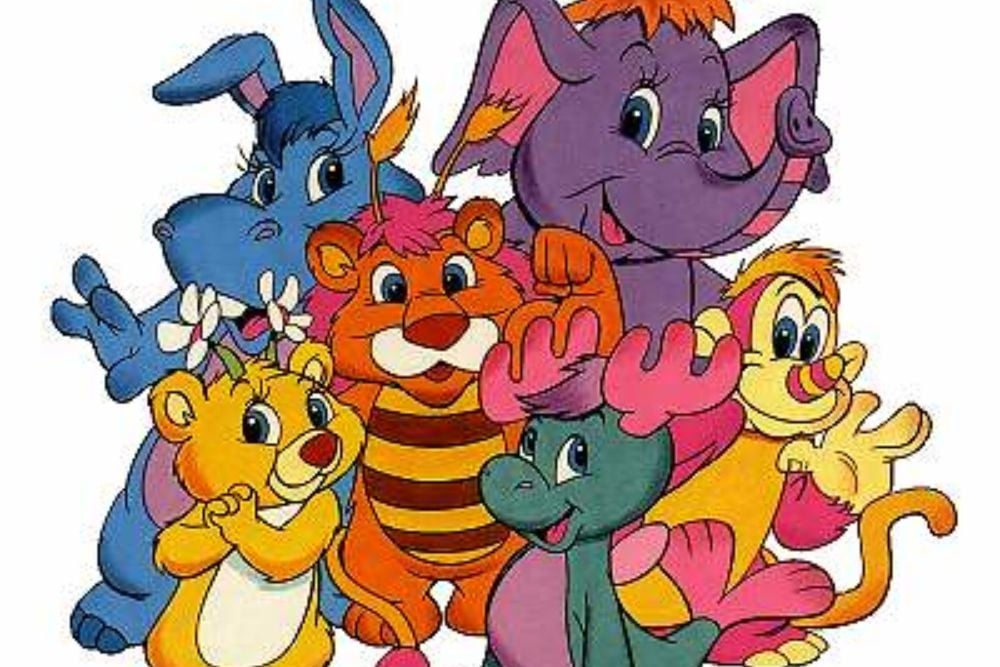
Disney’s The Wuzzles introduced viewers to the colorful Land of Wuz, where every creature was a cute mash-up of two different animals. Characters like Bumblelion (half bee, half lion) and Eleroo (part elephant, part kangaroo) went on lighthearted adventures that gently taught kids about friendship and teamwork.
Even with Disney’s marketing muscle and loads of toy potential, the show only ran for 13 episodes before being canceled. With its charming character designs and feel-good messages, The Wuzzles really could have gone further — especially considering how well similar ideas caught on in the years that followed.
Like Go2Tutors’s content? Follow us on MSN.
When Saturday Morning Magic Disappeared
These canceled cartoons represent more than just lost entertainment — they were creative experiments that pushed the boundaries of what children’s television could accomplish. Each series tried something different, whether it was sophisticated storytelling, innovative animation techniques, or unique concepts that hadn’t been explored before.
While some shows failed because they were ahead of their time, others fell victim to corporate decisions that prioritized toy sales over creative quality. The golden age of Saturday morning cartoons gave us these brief glimpses of what animated television could become, reminding us that the best children’s programming respects young viewers’ intelligence while never forgetting the importance of wonder and imagination.
More from Go2Tutors!

- 16 Restaurant Chains That Went Too Fast
- 12 Things Sold in the 80s That Are Now Illegal
- 15 Strange Things People Have Tried to Ban (And Failed)
- 16 Collectibles People Tossed Out Too Soon
- 17 Myths from Your Childhood That Were Actually Based on Real Things
Like Go2Tutors’s content? Follow us on MSN.



