Unexpected Celebrity Career Reinventions
Most people struggle to change careers once. These celebrities did it after already finding success somewhere else entirely.
The pattern shows up again and again. Someone builds a career in one field, then pivots completely.
Sometimes the shift happens because their first path didn’t work out. Other times, they just wanted something different.
Either way, these transformations prove that your first career doesn’t have to be your only one.
Danny Trejo: From San Quentin to Hollywood

Danny Trejo spent years in and out of prison. He fought in the yard, dealt substances, and saw the worst parts of life behind bars.
San Quentin became his home for a stretch. Then he got clean.
He started helping others get clean too. A counselor job led him to a movie set where he was supposed to help an actor prepare for a prison scene.
The director noticed his look and his presence. They put him in front of the camera instead.
Now he’s been in over 400 films. The rough face that once meant trouble became his ticket to steady work.
He still does the counseling work. The acting just pays better.
Steve Carell: Weather Reports to Comedy Gold
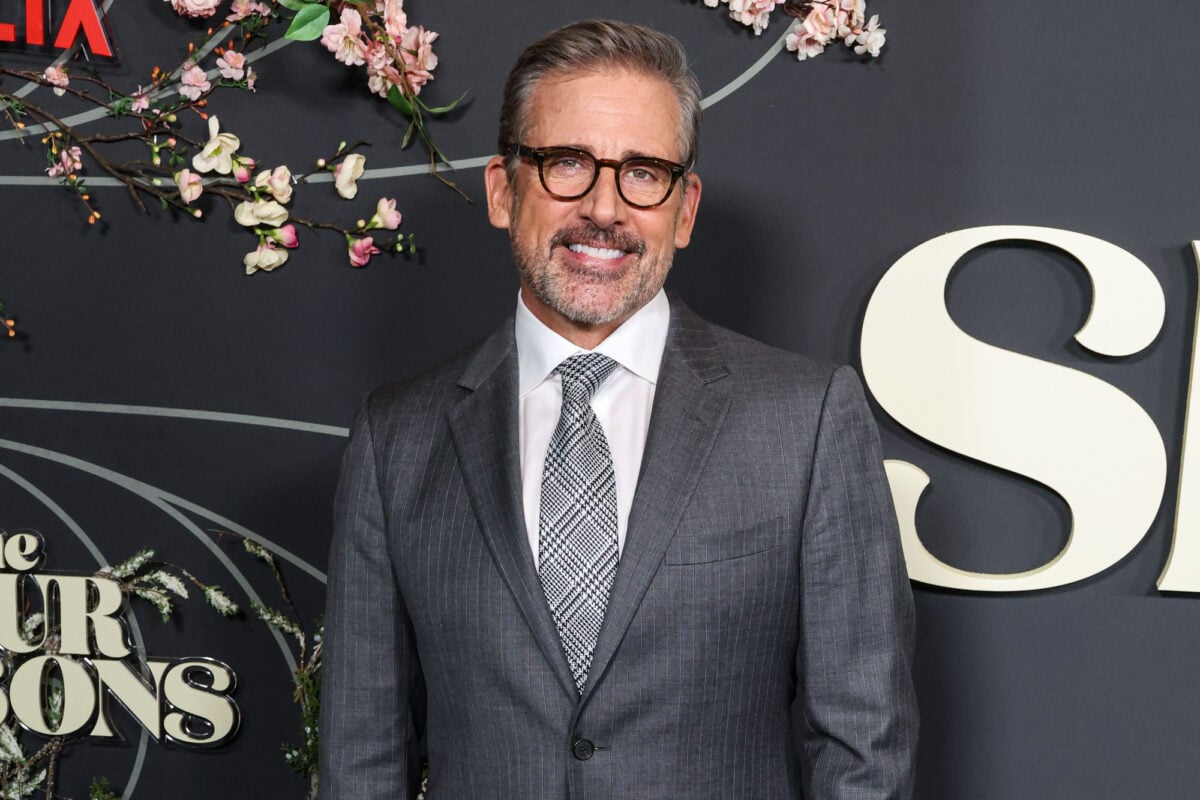
Steve Carell spent time delivering weather forecasts on local television in the early days. The segments were fine.
Nothing special. Just a guy telling you if it might rain tomorrow.
He moved into comedy slowly, working small clubs and writing gigs. The breakthrough came later when “The Office” needed someone who could play both awkward and endearing roles.
Carell made Michael Scott into something more than just a boss you’d want to avoid. The weather gig taught him timing.
Comedy taught him everything else. Now he picks between dramatic roles and comedy, and people take both seriously.
Arnold Schwarzenegger: Muscles to Governance
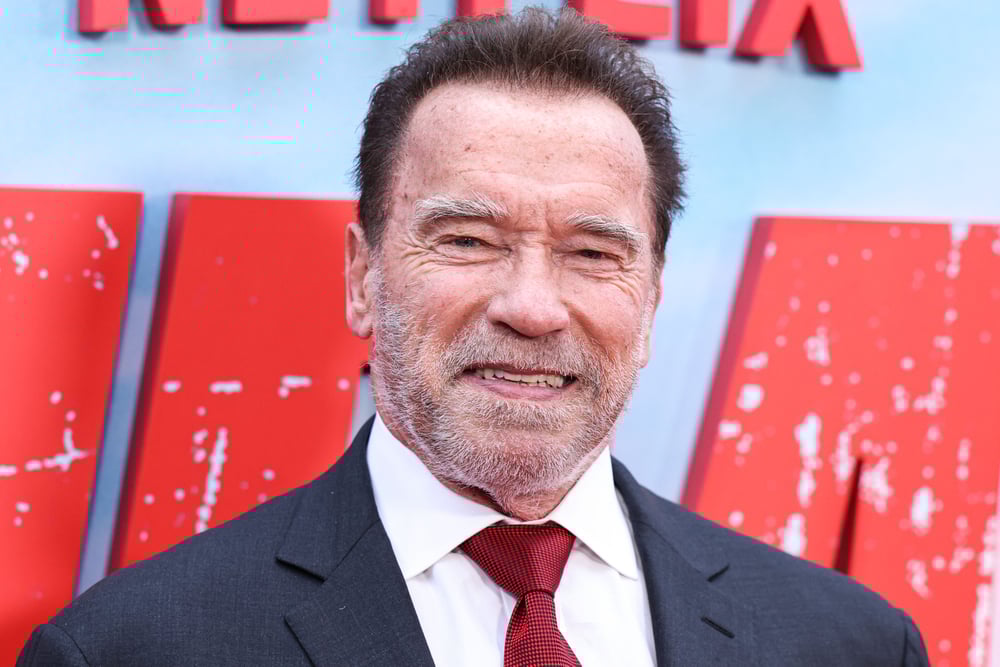
Schwarzenegger won Mr. Olympia seven times. His body was his business, and business was good.
Then he moved into action films, bringing that same intensity to the screen. But politics? That surprised everyone.
California elected him governor twice. He pushed environmental policies, worked on infrastructure, and dealt with budgets that would make most people’s heads spin.
The transition worked because he approached governance like training. Set goals, measure progress, adjust when needed.
The accent that seemed like a liability in Hollywood became part of his political identity.
Dwayne Johnson: The People’s Champion Becomes the People’s Star
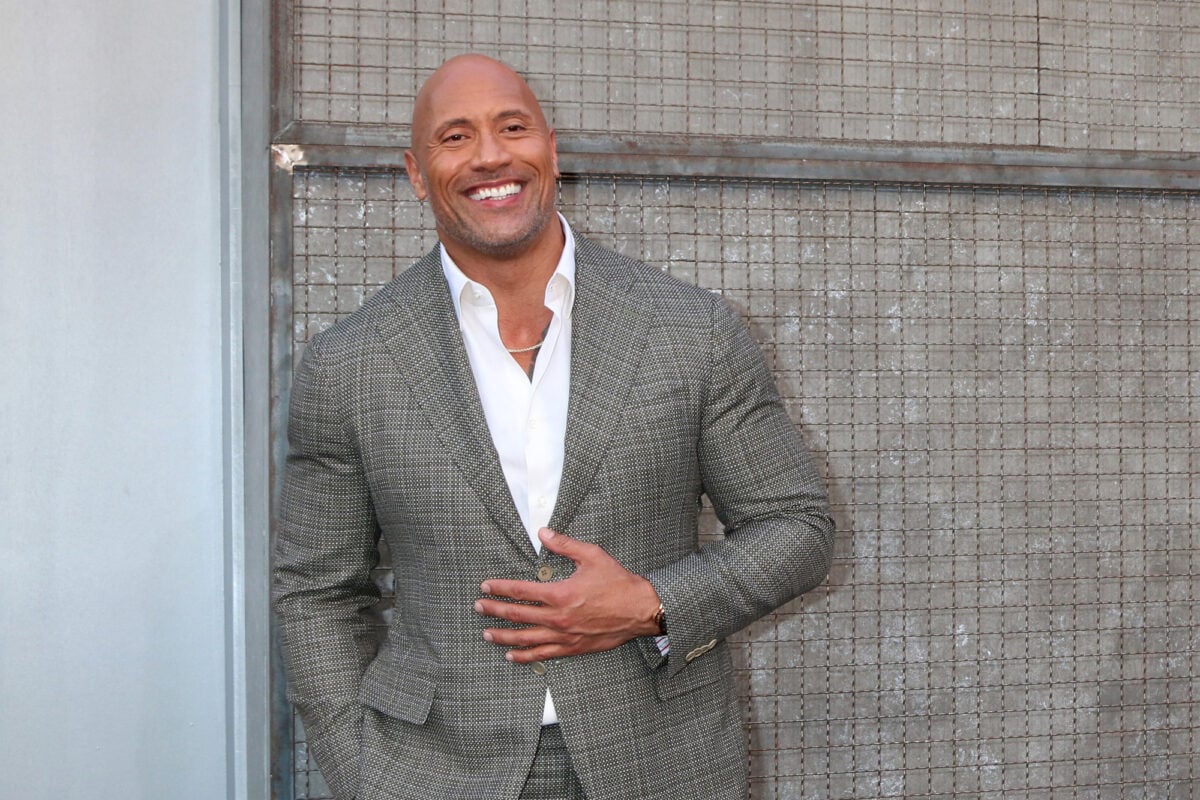
Professional wrestling was where Dwayne Johnson made his name. The crowds loved him.
The promos were electric. He could work a microphone as well as he worked a match.
Hollywood seemed like a natural next step for wrestlers, but most of them faded fast. Johnson didn’t.
He studied acting, took smaller roles to learn the craft, and built a career that outlasted his ring years by decades. Now he’s one of the highest-paid actors in film.
The wrestling fans still claim him, but he’s reached far beyond that world. You can trace the work ethic back to those early days of training and performing every night.
Martha Stewart: Wall Street to Homemaking Empire

Not many know it, but Martha Stewart once worked behind a desk on Wall Street. Numbers made sense to her – patterns in trading, shifts in value, they clicked.
Reading financial reports felt natural, like flipping through a familiar book. Her mind handled spreadsheets the way others handle recipes.
After that, her focus turned to meals, room makeovers, and furniture builds. Still clever about selling things, just different stuff now. Beauty in every corner of a house became her mark, order woven into daily routines.
A fall from grace nearly closed the door. Yet out of that came a tougher version of herself.
Survival wasn’t luck – it was rooted in substance, not noise. Trust held firm, even when doubt crept around the edges.
Ken Jeong: From Emergency Room to Comedy Stage

Ken Jeong practiced medicine for years. He completed medical school, did his residency, and worked as a physician.
The emergency room was his world. But comedy kept calling. He did stand-up on the side, took acting classes, and slowly built a second career.
The breakthrough came with “The Hangover,” where his outrageous character stole scenes from established stars.
He gave up medicine completely after that. The degree still sits on his wall, but the white coat stays in the closet.
Sometimes patients recognize him and ask medical questions. He politely directs them to see their own doctors.
Terry Crews: From NFL Lineman to Renaissance Man

Terry Crews played in the NFL, protecting quarterbacks and opening pits for running backs. The career was short, as most football careers are.
Then the money ran out, and he needed a plan. He started doing portraits, selling his artwork to make ends meet.
Acting came next, with Old Spice commercials that showed his comedy timing. The persona he built—strong but silly, intimidating but warm—opened doors everywhere.
Now he acts, creates art, advocates for various causes, and hosts television shows. The football career gave him discipline.
Everything else came from being willing to try new things after the game was over.
Rebel Wilson: Legal Briefs to Comedy Gold

Rebel Wilson studied law in Australia. She understood contracts, could argue a case, and had the credentials to build a solid legal career.
The path was clear and stable. Instead, she chose comedy.
The Australian film and theater scene gave her room to develop characters and timing. Hollywood came later, with breakout roles that showed she could carry scenes and films.
The legal training helps with contracts now. She reads every deal, understands the fine print, and negotiates her own terms.
The comedy makes people laugh. Both skills matter in her current career.
Andrea Bocelli: Courtrooms to Concert Halls

Andrea Bocelli practiced law in Italy for a year. He defended clients, prepared cases, and did the work lawyers do.
Music was always his passion, but passion doesn’t always pay the bills. Then he got his break.
A demo tape reached the right people. His voice—powerful, emotional, technically precise—needed to be heard by larger audiences.
The law career ended quickly after that. He’s sold over 90 million records now.
The legal training gave him an understanding of business and contracts that most artists lack. The music gave him everything else. Sometimes a voice is too good to waste on arguments in a courtroom.
Brian May: Between the Stars and the Stage

Brian May built his own guitar as a teenager. He also built a career in astrophysics, researching interplanetary dust and earning his doctorate. Then Queen happened, and the music took over for decades.
But he came back to astrophysics later. He finished his thesis, published papers, and contributed to the field even while touring and recording. Most people would choose one or the other.
May insisted on both. The combination works because he approaches both with the same intensity.
The guitar solos required precision and creativity. Astrophysics required the same things, just pointed at different problems.
Lucy Liu: Wall Street Analyst to Hollywood Regular

Lucy Liu worked in finance before acting. She analyzed companies, crunched numbers, and lived the corporate life.
The work was fine, but something was missing. Acting started as a side interest.
Small roles led to bigger ones. “Ally McBeal” made her a household name, and the film roles followed. She brought intensity to every character, whether playing a lawyer or an assassin.
The business background helps her now. She produces, directs, and runs her career like the business it is.
The creative side gets the attention, but the analytical side keeps everything running smoothly.
Tony Hawk: From Skating to Building an Empire

Tony Hawk made his name on a skateboard. The tricks, the competitions, the video games—all of it started with skating.
He dominated the sport through the 1980s and 1990s. But skating has a short shelf life for most athletes.
Hawk transitioned into business, building a brand that extended far beyond skateboarding. The video games bore his name and influenced a generation.
The clothing line, the foundation, the various ventures—all of it came from understanding how to build something that lasts. He still skates.
The passion never died. But the business acumen turned athletic talent into generational wealth and influence.
The board was just the beginning.
Mayim Bialik: From Child Star to Neuroscientist and Back
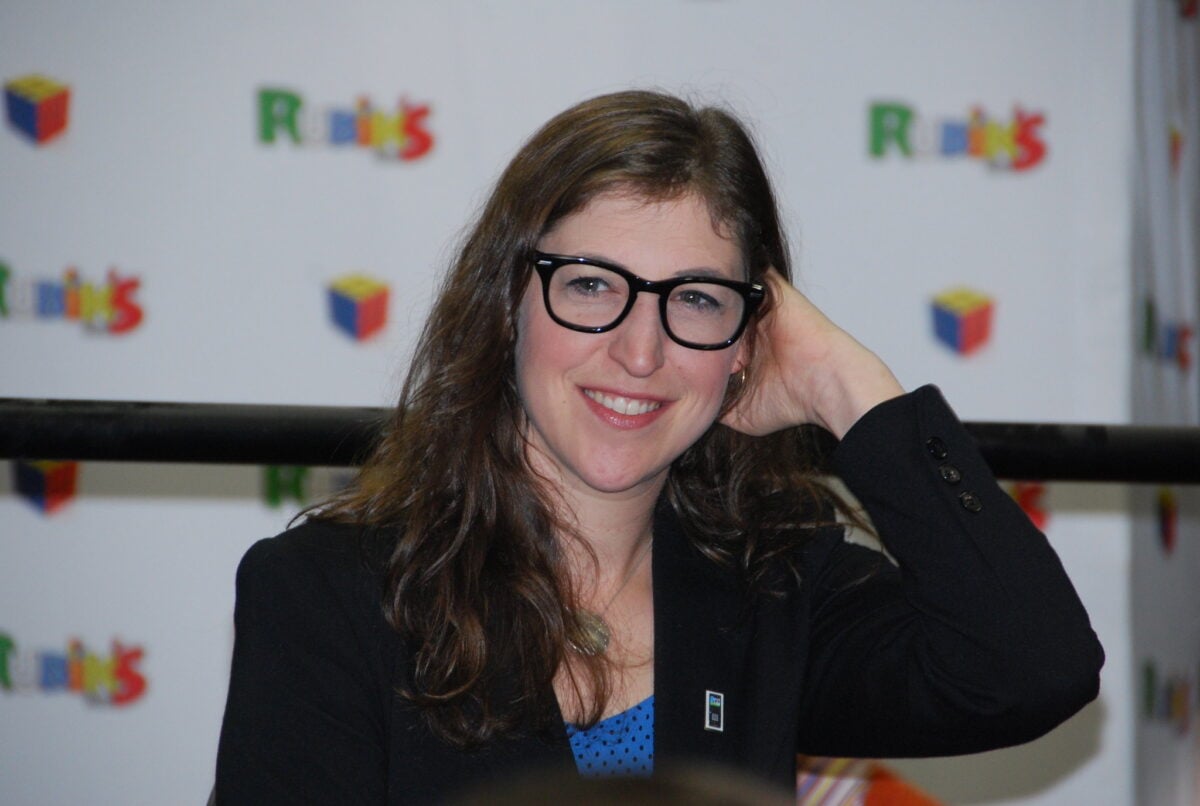
Mayim Bialik played Blossom as a teenager. The show was popular, and she was recognizable.
Then the acting work dried up, as it often does for child actors. She went back to school.
Not just any school—UCLA for a doctorate in neuroscience. She studied the brain, published research, and became Dr. Bialik for real.
The entertainment world seemed like a closed chapter. Then “The Big Bang Theory” came calling.
She played a neuroscientist on television, which wasn’t much of a stretch. The acting career came back, but she kept the science credentials.
Both parts of her career now inform each other.
When One Life Isn’t Enough

Something ties these tales together. Not every path stays the same once a person hits their stride.
Each reached a peak in one world, then stepped into another – sometimes leaving, sometimes expanding. What they learned at first didn’t vanish – it shifted shape.
New roles gave old strengths a fresh purpose. Ends become beginnings when directions change.
Change like this does not need fame. Anyone ready to begin again can follow the path.
What stops most is not the shift itself, but owning up to a truth: first decisions are not set forever. Again and again, those well known showed it could happen – what they create today stands as evidence.
More from Go2Tutors!

- The Romanov Crown Jewels and Their Tragic Fate
- 13 Historical Mysteries That Science Still Can’t Solve
- Famous Hoaxes That Fooled the World for Years
- 15 Child Stars with Tragic Adult Lives
- 16 Famous Jewelry Pieces in History
Like Go2Tutors’s content? Follow us on MSN.