17 Snacks Packed in School Lunches That Stores Stopped Carrying
Every school lunch had a hierarchy, and the kids who showed up with the right snack in their lunchbox had unofficial trading power in the cafeteria. Some of those snacks disappeared for a clear reason, like a safety recall, while others simply stopped selling well enough to justify the shelf space.
Almost none of them left quietly. Most of these snacks still have online petitions, fan pages, and grown adults occasionally spotting a knockoff at a discount grocery store and buying every bag.
Doritos 3D
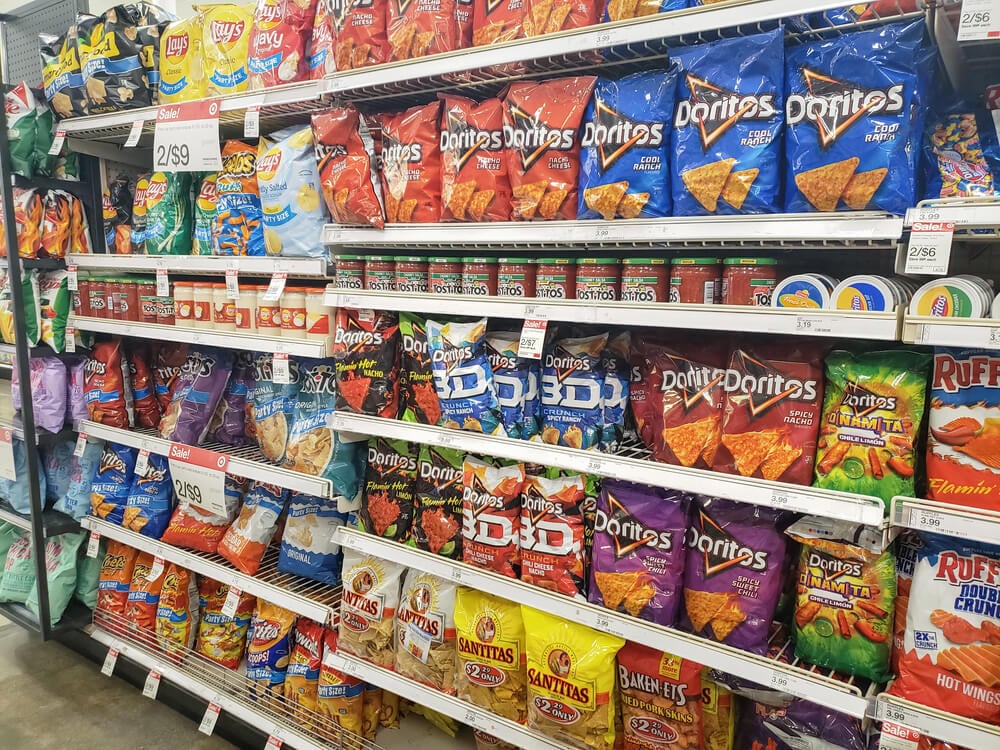
These puffed, hollow triangles promised a crunchier, more dramatic version of a standard Dorito, and for a few years in the late 1990s they were a lunchbox status symbol. Frito-Lay discontinued the snack in the early 2000s, reportedly because the puffing process was more expensive and less efficient than making traditional chips.
Squeezits
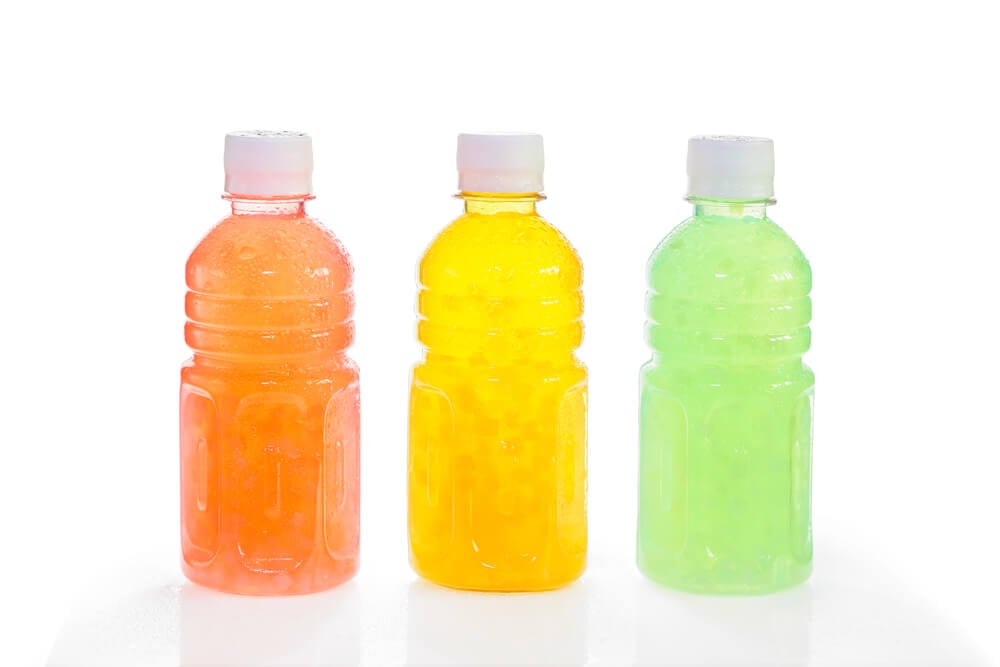
These small plastic bottles of fruit drink came with a twist-off cap that let kids squirt the juice directly into their mouths, turning drink time into a minor performance. As schools tightened rules around sugary drinks in the 2000s, Squeezits gradually disappeared from store shelves in favor of juice boxes marketed as healthier.
Planters PB Crisps
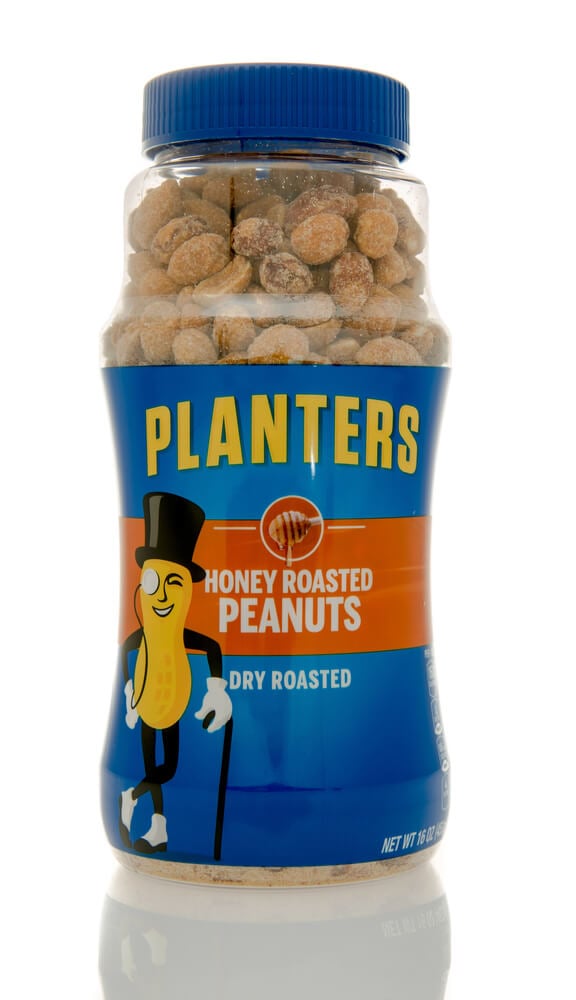
Introduced in 1992, these peanut-shaped snacks had a crunchy cookie shell wrapped around a creamy peanut butter filling and came in three flavors. Hormel and Planters discontinued the line around 1995, and a dedicated fan campaign has lobbied for its return ever since without success.
Taco Bell Lunchables Tacos
For a stretch in the late 1990s, Lunchables sold a Taco Bell-branded kit that let kids assemble their own cold tacos with bagged meat, shredded cheese, and hard shells. The tacos were eventually discontinued, though Lunchables’ Taco Bell-branded nacho kit survived for years afterward before losing the Taco Bell name entirely.
Wonderballs

These hollow chocolate spheres contained a small toy inside, similar in spirit to a candy egg, and were popular with kids trading for the surprise as much as the chocolate. The FDA effectively pulled them from U.S. shelves in 2004 over concerns that the toy inside posed a choking hazard for young children.
Surge
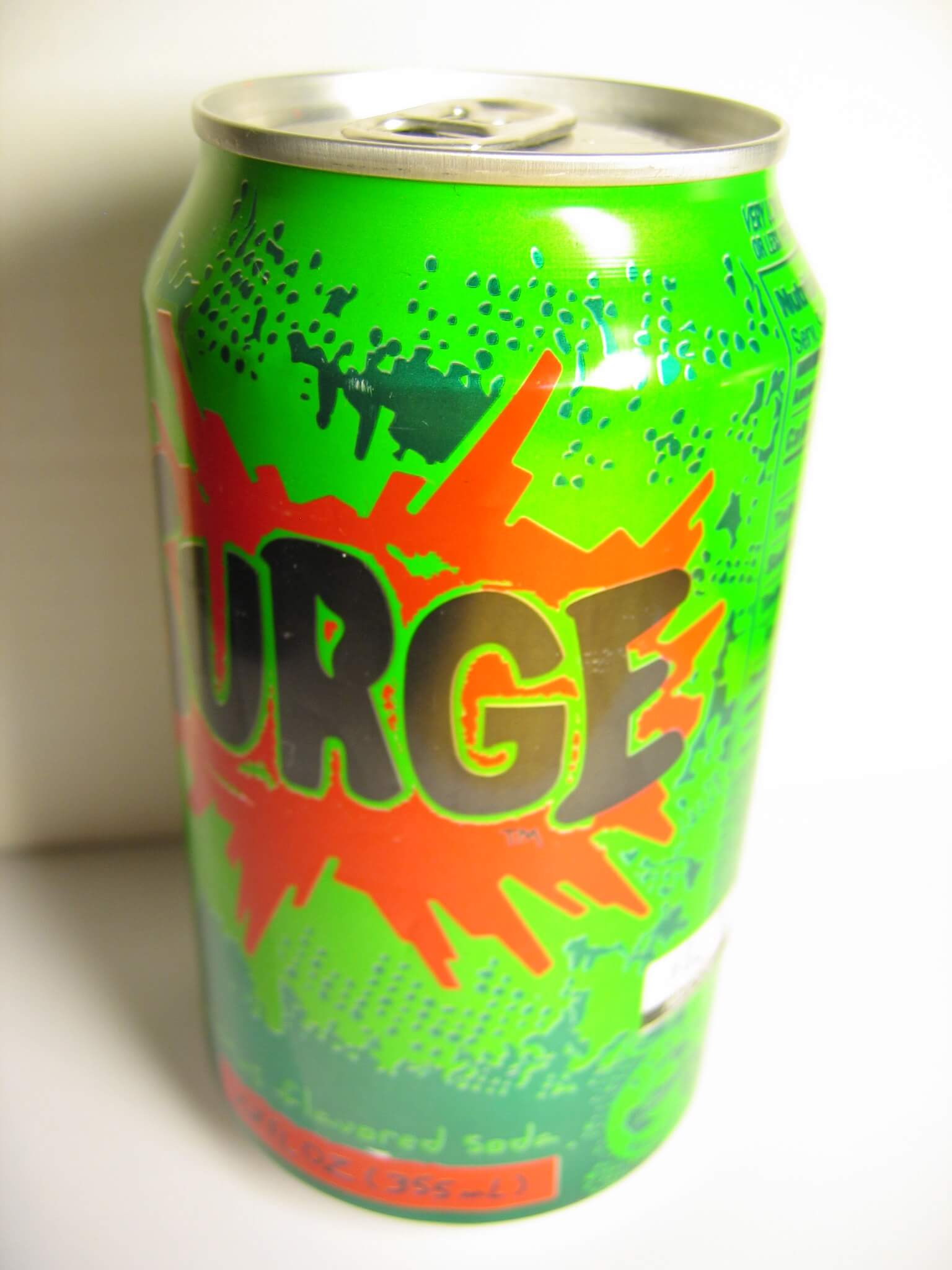
This bright green, heavily caffeinated citrus soda launched in the mid-1990s to compete directly with Mountain Dew and quickly built a cult following among kids who packed cans in their lunches. Coca-Cola discontinued Surge in the U.S. in 2003 after sales slowed, though it briefly returned as an online-exclusive product years later.
Bonkers Candy
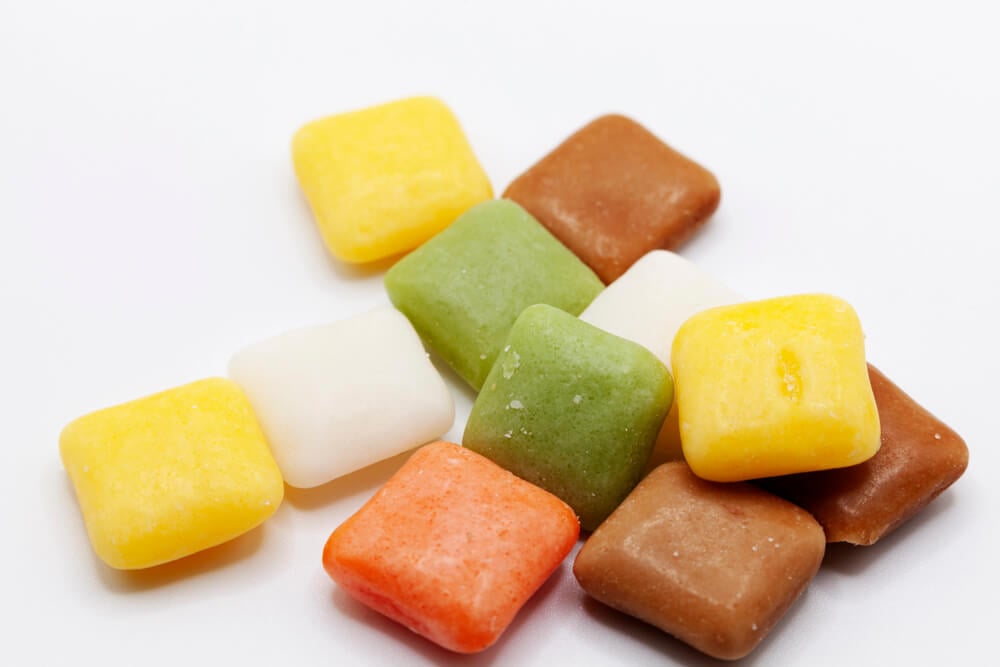
These chewy, fruit-flavored squares came wrapped in bright packaging with a cartoon mascot who got literally “bonked” on the head in television commercials. Nabisco discontinued Bonkers in the 1990s after its initial burst of popularity faded, and the candy has never returned to mainstream shelves.
Hi-C Ecto Cooler
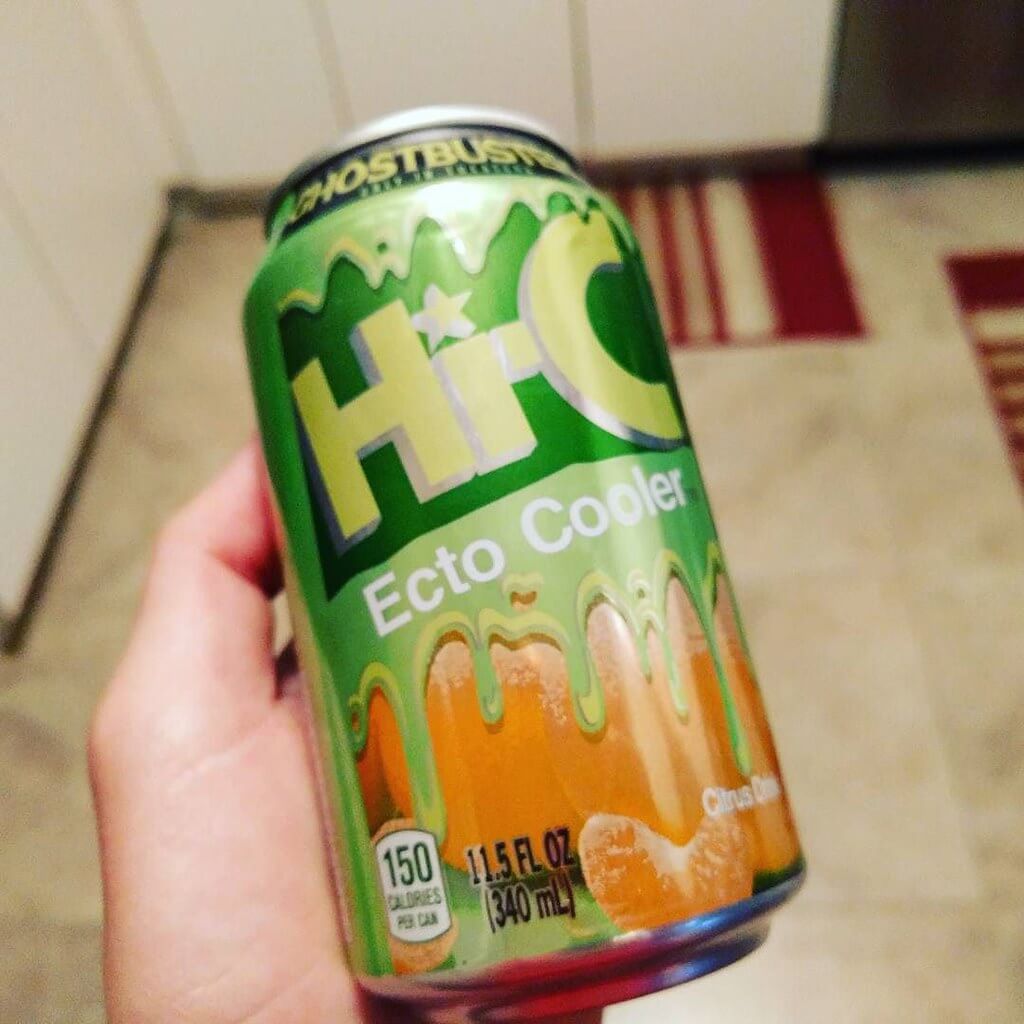
Originally released as a tie-in with the 1984 movie “Ghostbusters,” this bright green citrus drink outlasted its movie promotion by over a decade before Hi-C discontinued it in 2001. The drink has occasionally returned in limited seasonal releases, but it has never again been a permanent lunchbox staple.
Dunkaroos
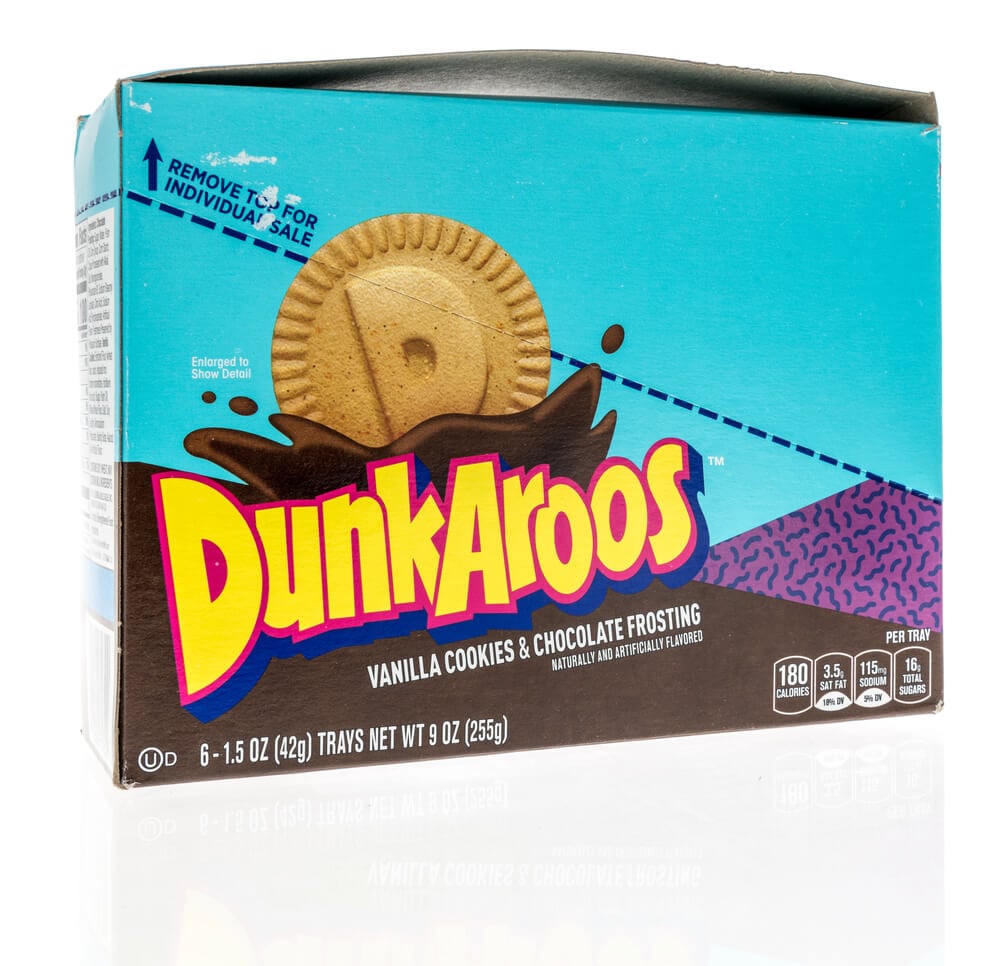
This snack paired small cookies with a tub of frosting for dipping, turning lunchtime dessert into a hands-on activity that made it one of the most traded items in any cafeteria. Betty Crocker discontinued Dunkaroos in the United States in 2012, and the snack was absent from store shelves for nearly eight years before a limited nostalgia-driven relaunch.
Fruit Stripe Gum
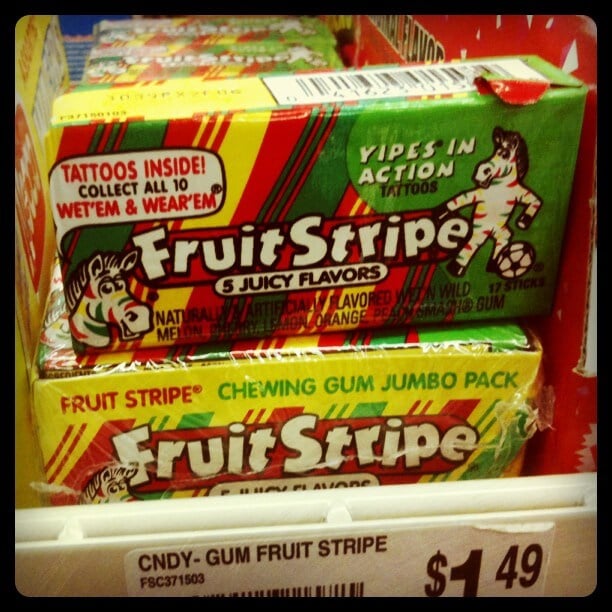
Known for its brightly striped sticks and tattoo-style wrappers, Fruit Stripe Gum was a lunchbox and pocket-money staple for generations of kids despite the flavor famously fading within minutes of chewing. The brand was discontinued in the United States in 2020 after decades on shelves.
Nintendo Cereal System
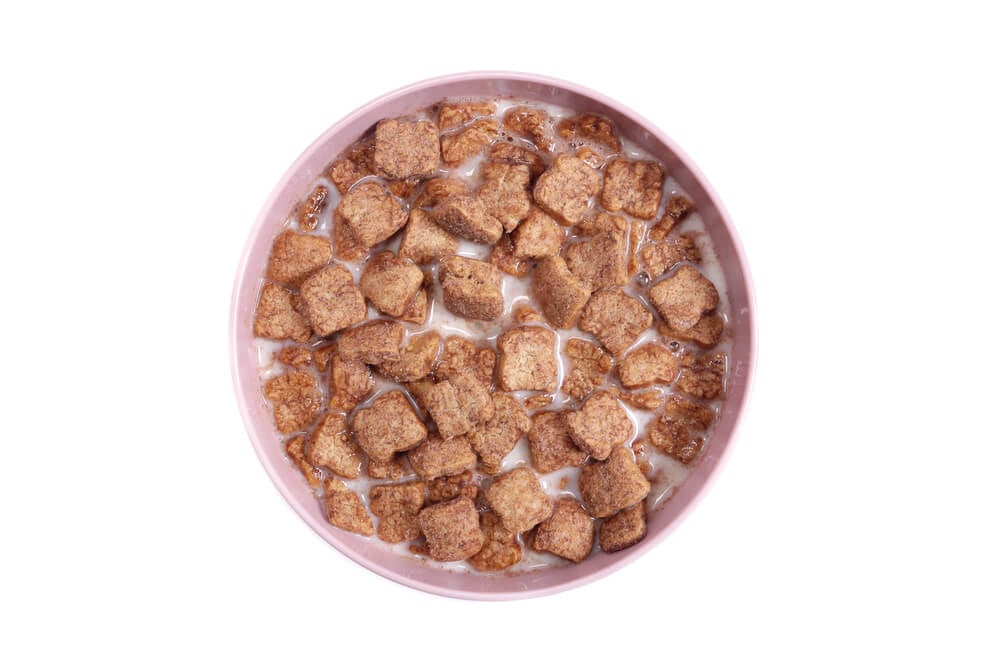
This early tie-in cereal packaged two separate cereals, one themed to Super Mario Bros. and one to The Legend of Zelda, in a single box divided down the middle. Ralston discontinued the cereal after roughly a year on shelves in the late 1980s, and unopened boxes have since become sought-after collector’s items.
Orbitz Drink
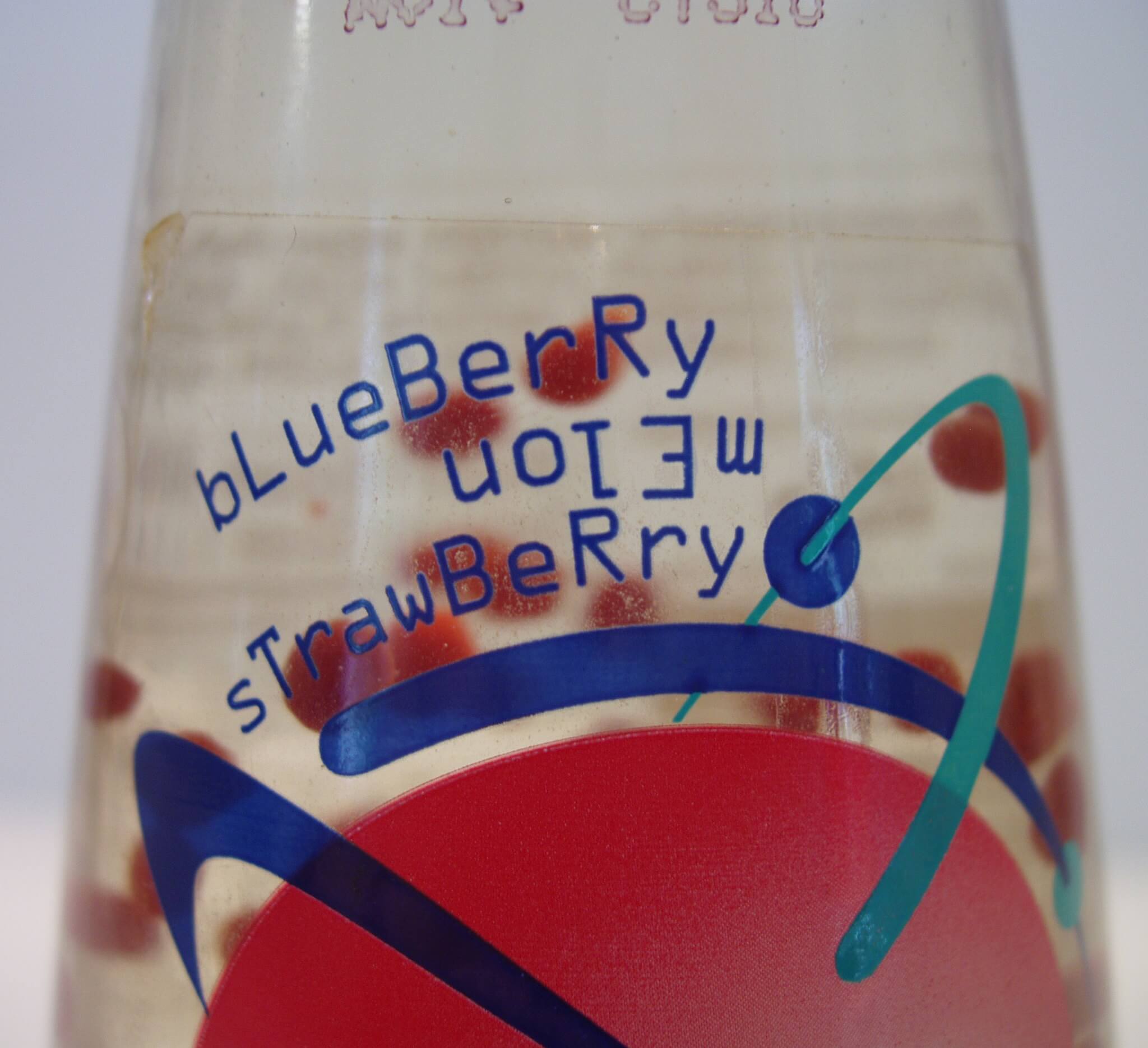
This clear soda contained small, colorful gelatin spheres suspended throughout the bottle, giving it a lava-lamp appearance that fascinated kids more than the mild fruit flavor did. Clearly Canadian discontinued Orbitz within about a year of its 1997 launch after the novelty failed to translate into repeat sales.
Jell-O Pudding Pops
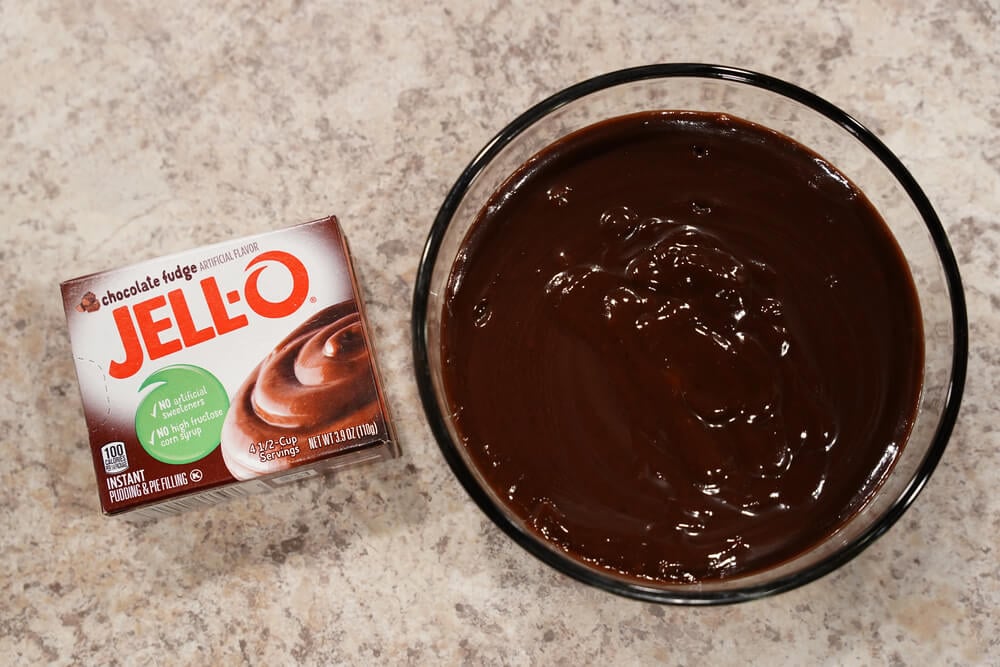
These frozen pudding-on-a-stick treats were a freezer-aisle staple through the 1980s, distinct from ordinary popsicles because of their creamier, pudding-based texture. Production was discontinued in the early 1990s after a licensing dispute, and while other companies have made similar products since, the original Jell-O version never returned.
Reggie! Bar
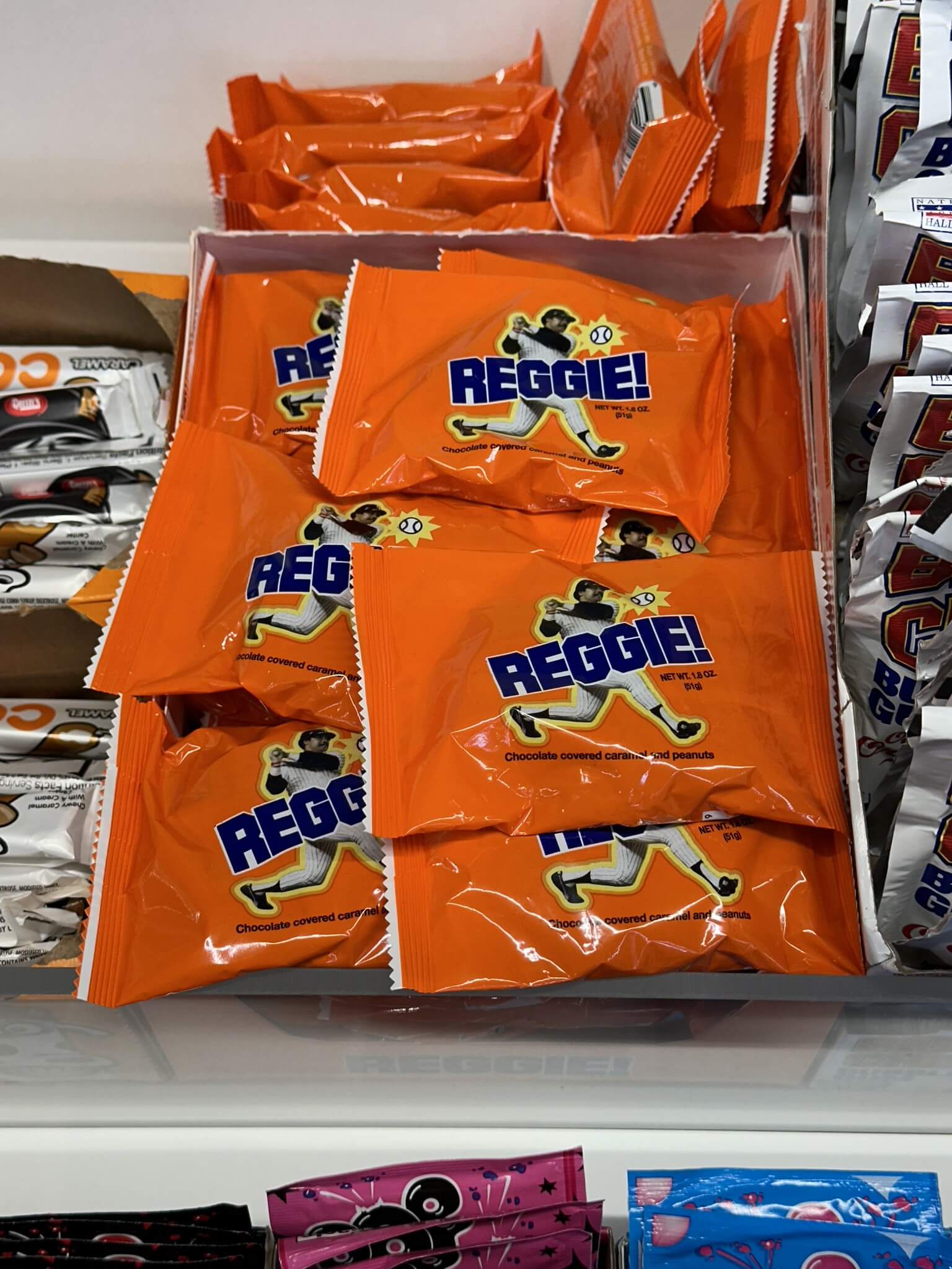
Named for baseball star Reggie Jackson and first handed out at Yankee Stadium in 1978, this chocolate-covered caramel and peanut bar became a widely distributed candy aisle item through the early 1980s. Standard Brands discontinued the bar later in the decade, and it exists today mostly as a piece of sports and candy trivia.
Crystal Pepsi
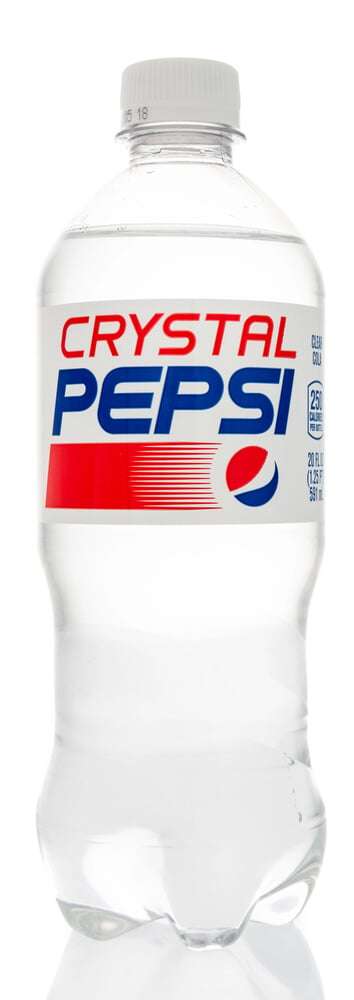
Marketed as a clear cola meant to signal purity and freshness, Crystal Pepsi launched with enormous fanfare in 1992 and briefly appeared in lunchboxes as a novelty drink. Pepsi discontinued it within about a year after sales collapsed, though limited nostalgia re-releases have appeared periodically since.
Handi-Snacks Cheez’n Breadstix
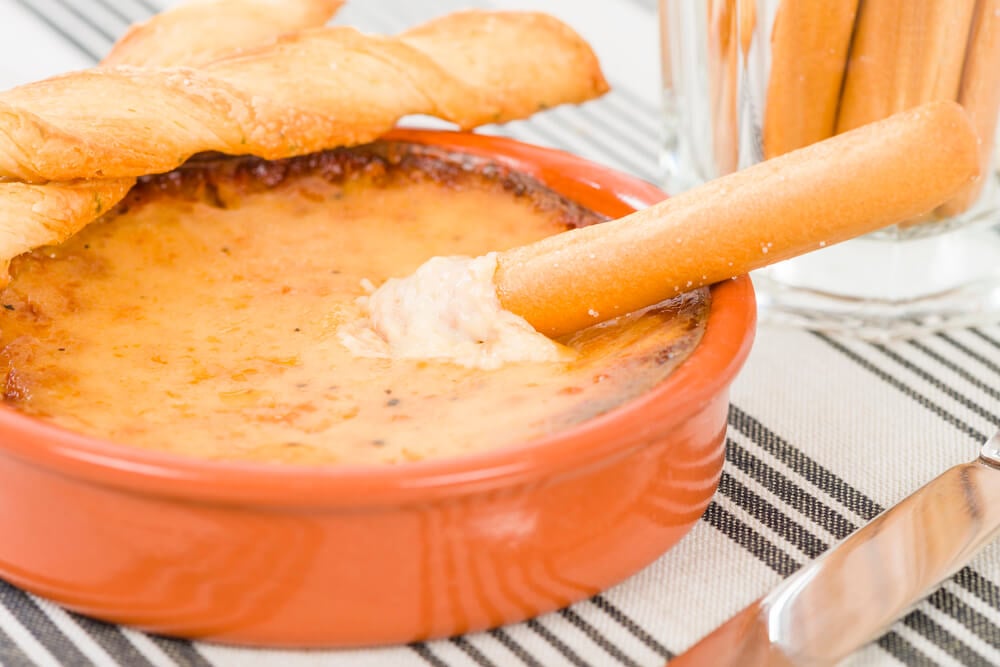
This snack paired soft breadsticks with a cup of processed cheese dip and a small red spreading stick, making it one of the more interactive lunchbox items of its era. Several Handi-Snacks varieties, including this one, were quietly discontinued as the broader lunch-snack category shifted toward newer packaging formats.
Oreo O’s Cereal
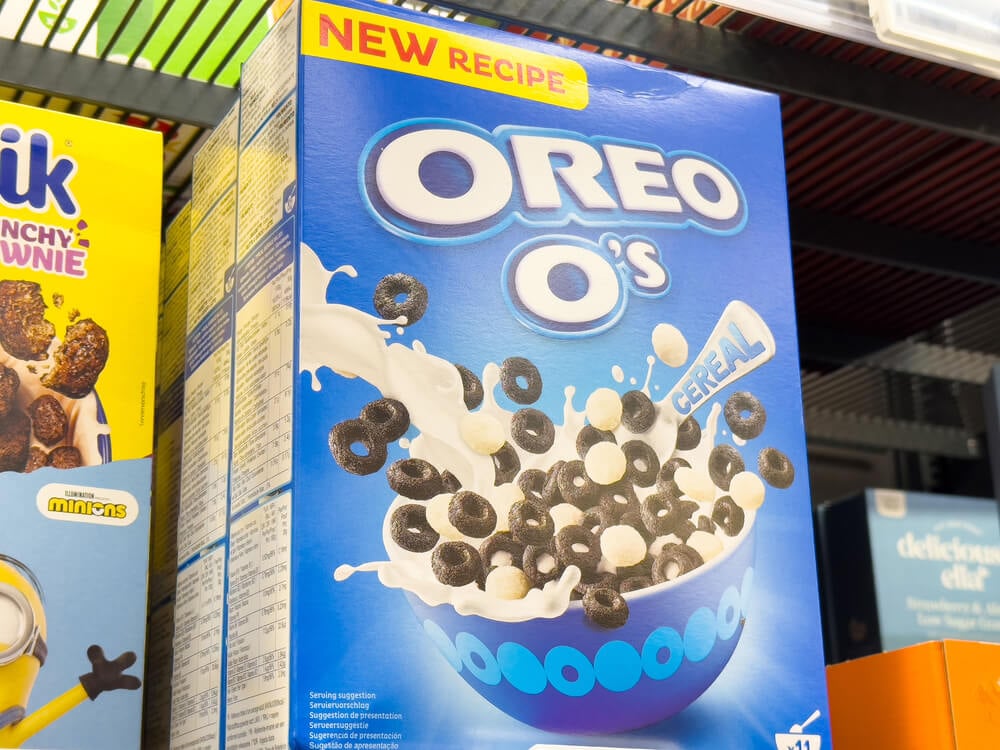
This cereal turned the classic Oreo cookie into a chocolate ring shape with a sweet, marshmallow-like cream flavoring mixed throughout the bag. Post discontinued Oreo O’s in the United States in 2007 due to disappointing sales, even though the cereal continued to be sold in South Korea for years afterward.
The Lunchbox Economy
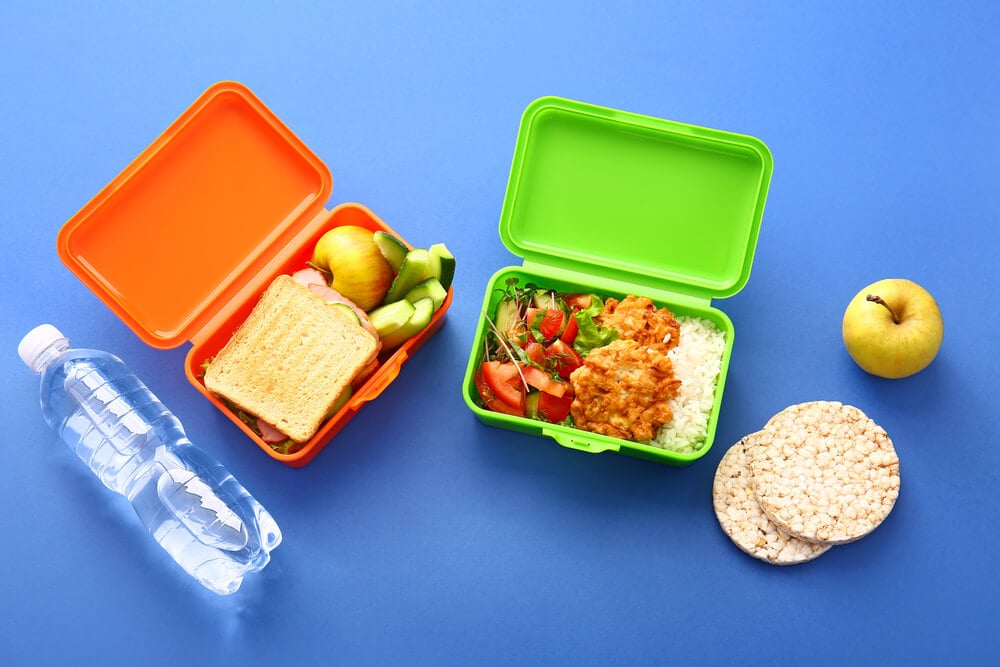
None of these snacks were nutritionally essential, and most parents packing them today would probably think twice. But they mattered enormously to the kids trading them across a cafeteria table, where a bag of Doritos 3D or a tub of Dunkaroos frosting could function as currency.
Snack companies discontinue products constantly, usually for the plainest possible reason: not enough people kept buying them. What makes this particular list different is how loudly, and for how long, the people who grew up with them have kept asking for them back.
More from Go2Tutors!

- The Romanov Crown Jewels and Their Tragic Fate
- 13 Historical Mysteries That Science Still Can’t Solve
- Famous Hoaxes That Fooled the World for Years
- 15 Child Stars with Tragic Adult Lives
- 16 Famous Jewelry Pieces in History
Like Go2Tutors’s content? Follow us on MSN.