The Most Expensive Useless Items Ever Sold
What something does matters less when money stretches far enough. Up there, worth slips free of everyday sense, lands near meaning, show, narrative instead.
Things speak louder than they work, cost shaped by notice, scarcity, or quiet jokes in culture more than use.
What you see here was never meant to trick anyone. Built on purpose, displayed in stores, bought by people who knew exactly what they were getting.
Useful? In theory, yes. In practice, almost pointless – that is where the interest begins.
These objects show moments when cash, culture, and too much of everything collide in strange forms.
What if some things cost a fortune just because of what they mean, not what they do? Imagine paying huge sums for stuff that doesn’t really work or help.
Think about items valued only by belief, not function. Sometimes people spend wildly on meaning alone.
Price tags rise even when usefulness stays near zero. Worth shifts from utility to thought.
A symbol can carry more weight than practicality ever could.
The solid gold toilet

One of the most famous examples of functional absurdity is the solid gold toilet created by Italian artist Maurizio Cattelan. Made from 18-karat gold, the piece weighed over 200 pounds and was fully operational, though its real purpose was symbolic rather than practical.
The toilet was titled ‘America’ and installed in a museum restroom, allowing visitors to interact with it directly. The contrast was intentional.
A symbol of extreme wealth was placed in the most ordinary and private setting imaginable. Its reported valuation ran into the millions, not because it improved the act it performed, but because it turned excess into commentary.
Despite being technically usable, its material made it wildly impractical. No improvement in comfort or performance could justify its cost.
The value lived entirely in what it said, not what it did.
Diamond-encrusted smartphones

Several luxury companies have taken everyday smartphones and transformed them into objects of staggering cost by covering them in diamonds and precious metals. These devices often sell for hundreds of thousands of dollars, sometimes more, depending on customization.
Functionally, they behave no differently from a standard phone. In fact, their modifications often make them heavier, more fragile, and harder to use discreetly.
Repairs become complex and costly, while software quickly becomes outdated. Their appeal lies in visibility and exclusivity.
The device stops being a communication tool and becomes a signal, broadcasting wealth rather than improving experience. The price reflects craftsmanship and materials, not utility.
Invisible sculptures

In recent years, conceptual art has pushed uselessness into new territory. An Italian artist sold an invisible sculpture for a significant sum, accompanied only by a certificate of authenticity and instructions for display.
The artwork itself had no physical form. The buyer received nothing tangible to see or touch.
The value rested entirely in the concept and the agreement that the artwork existed as an idea. Displaying it required empty space and belief rather than materials.
This kind of purchase stretches the definition of ownership. It demonstrates how, in certain cultural circles, meaning can outweigh matter completely.
The expense buys participation in a conversation, not an object.
Luxury bottled air
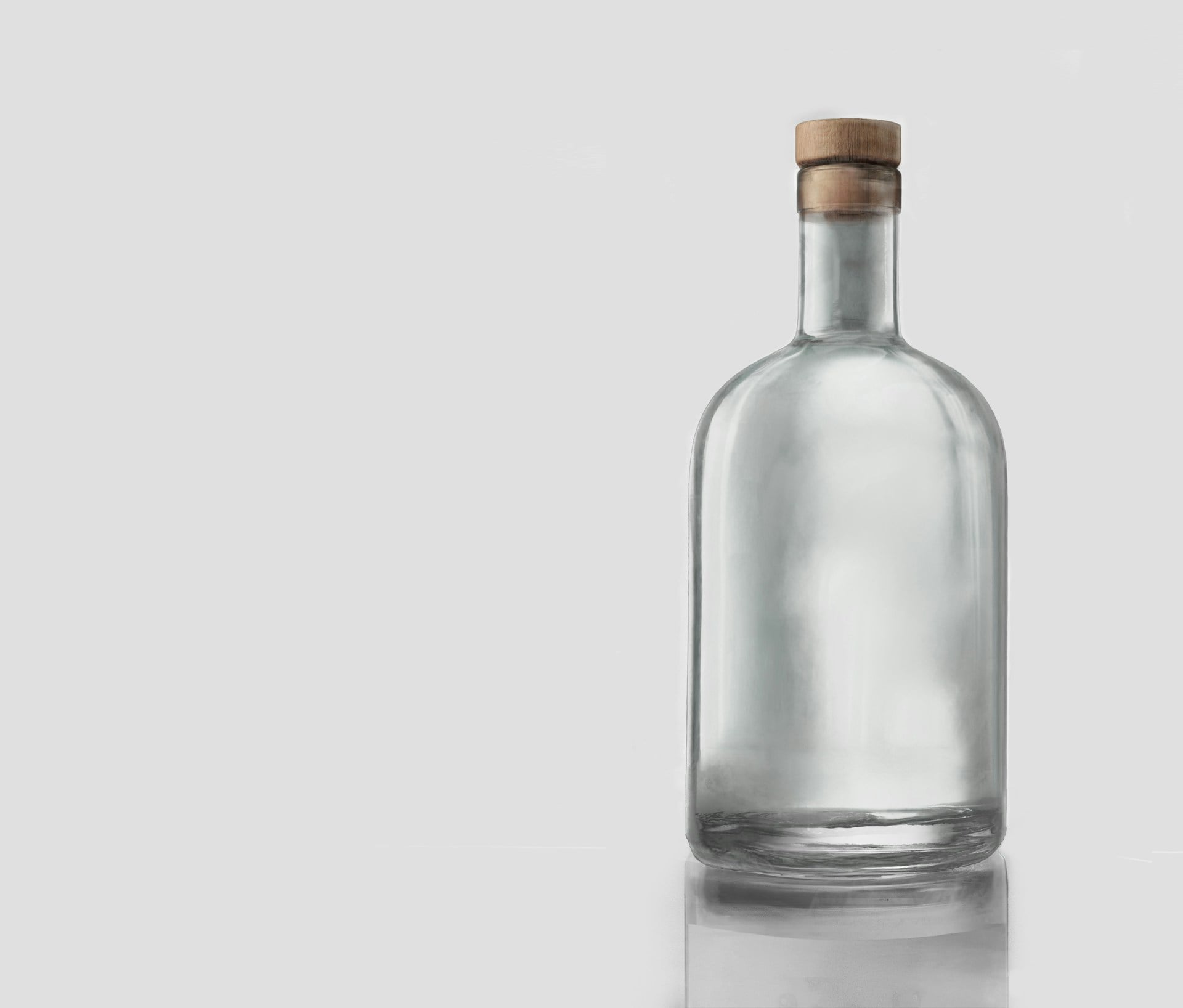
Yes, bottled air has been sold as a premium product. Companies have packaged air from remote or scenic locations and sold it to customers in polluted cities or as novelty gifts.
Some versions reached surprisingly high prices. There is no measurable benefit to opening a bottle of air for a brief moment.
The experience is fleeting and indistinguishable from breathing normally. Its appeal lies in symbolism rather than effect.
The purchase reflects anxiety, humor, and status all at once. Clean air becomes a luxury concept rather than a shared resource.
The product works precisely because it is unnecessary.
The designer brick
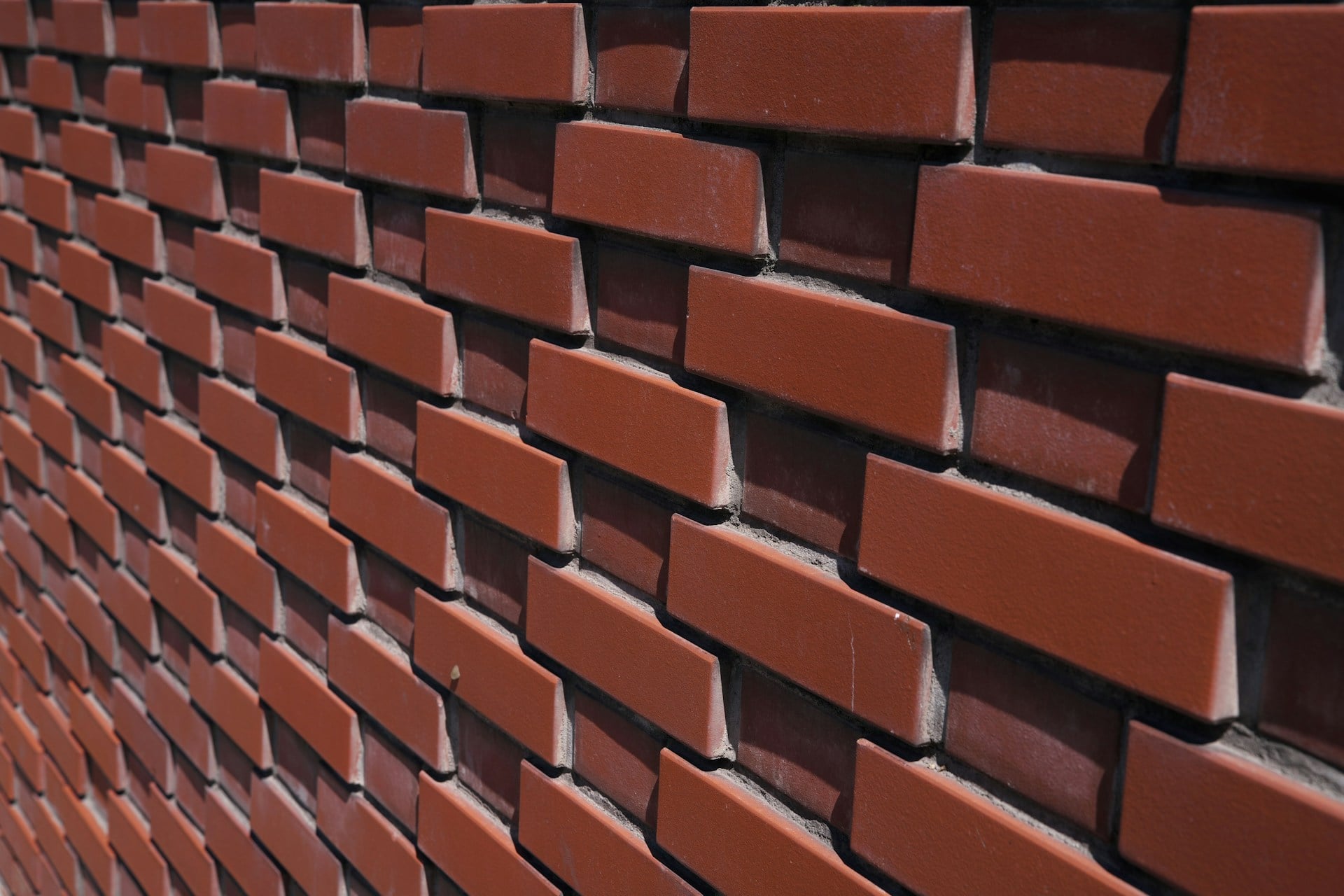
A streetwear brand once sold an ordinary construction brick stamped with its logo at a premium price. The brick had no special material, no enhanced durability, and no intended use beyond being owned.
From a functional standpoint, it performed exactly like any other brick. Its value came from branding and limited availability.
Buyers were not purchasing building material. They were buying affiliation and irony.
The object’s uselessness was the point. Turning a mundane item into a collectible highlighted how branding can override function entirely when cultural capital is involved.
Crystal pianos

Custom-made pianos constructed from crystal or transparent materials have sold for extraordinary sums. While they can be played, their design prioritizes appearance over acoustics, often at the expense of sound quality.
These instruments are typically purchased for display in luxury homes or event spaces. They function more as visual centerpieces than musical tools.
Skilled musicians generally prefer traditional materials for performance. The price reflects spectacle and craftsmanship rather than musical advantage.
The piano becomes furniture, art, and status symbol rolled into one, with its primary function quietly sidelined.
Gold-plated headphones

High-end audio brands have produced headphones plated in gold and other precious metals, commanding prices far beyond standard premium models. Despite their cost, the audio performance rarely improves proportionally.
In some cases, the added weight can even reduce comfort during extended use. The materials do not enhance sound in a meaningful way.
They enhance appearance and perceived exclusivity. These headphones are less about listening and more about owning something rare.
The sound matters, but not enough to justify the cost. The value lives in the finish, not the frequency range.
Ultra-luxury watches with impractical features

Some watches are engineered with astonishing complexity, featuring multiple time zones, rotating displays, and intricate mechanisms that require careful handling. Prices can reach into the millions.
While technically functional, many of these features are unnecessary in daily life. A basic device can track time more accurately and conveniently.
The complexity serves craftsmanship, not need. Collectors value these watches as mechanical art.
Their usefulness is secondary to the story of how they were made and how few exist.
Why uselessness increases value

At extreme levels of wealth, practical needs are already satisfied. What remains is distinction.
Objects gain value when they separate their owner from the ordinary, even if that separation comes at the cost of usefulness.
Useless items are powerful because they reject efficiency. They announce that practicality is optional.
That message carries weight in cultures where time, effort, and restraint are usually prized. The less an object needs to justify itself, the more it can become a symbol.
The role of irony and awareness

Many buyers of these items understand exactly what they are purchasing. There is often a layer of humor or self-awareness involved.
The uselessness is not hidden. It is highlighted. This awareness transforms the transaction.
The buyer is not being fooled. They are participating in a performance, whether artistic, cultural, or social.
The price becomes part of the joke. Irony, when combined with scarcity and attention, can be extraordinarily valuable.
When ownership becomes the product

In these cases, ownership itself is the experience. The item does not need to improve life in a practical sense.
It only needs to exist as proof of access. The satisfaction comes from possession, display, or the story attached to the object.
Use becomes irrelevant. In some cases, using the item would even diminish its value.
The object succeeds by doing nothing at all.
Why it still matters

A price tag can lie, whispering worth where there is none. Through them, cash twists reality – paper becomes trophy, junk turns joke.
Meaning bends under wealth like light through glass. What seems silly gets serious when dollars dress it up.
These objects do nothing, yet speak loudly about what we obey. Right there, just past practicality, these things begin to speak.
Not every item needs a job. Often, it’s the lack of one that draws us in.
What do they do? Maybe nothing. Yet that emptiness holds weight. Purposeless, yes – but full of meaning anyway.
Every now then, something pointless shines anyway – quiet proof that worth doesn’t ask permission.
More from Go2Tutors!

- The Romanov Crown Jewels and Their Tragic Fate
- 13 Historical Mysteries That Science Still Can’t Solve
- Famous Hoaxes That Fooled the World for Years
- 15 Child Stars with Tragic Adult Lives
- 16 Famous Jewelry Pieces in History
Like Go2Tutors’s content? Follow us on MSN.