17 Soda Flavors From Fountain Machines Long Gone
There was something magical about walking up to a fountain drink machine and discovering a flavor you’d never seen before. Before the standardization of today’s beverage dispensers, local restaurants and convenience stores often carried unique regional sodas or limited-time offerings that created genuine excitement among customers.
These weren’t just different brands of cola or lemon-lime—they were entirely distinct flavor profiles that could transport you to another time and place with a single sip. Many of these beloved flavors disappeared as corporate consolidation swept through the beverage industry, leaving behind only fond memories and the occasional vintage advertisement.
Here is a list of 17 soda flavors that once graced fountain machines across America but have since vanished into carbonated history.
Birch Beer
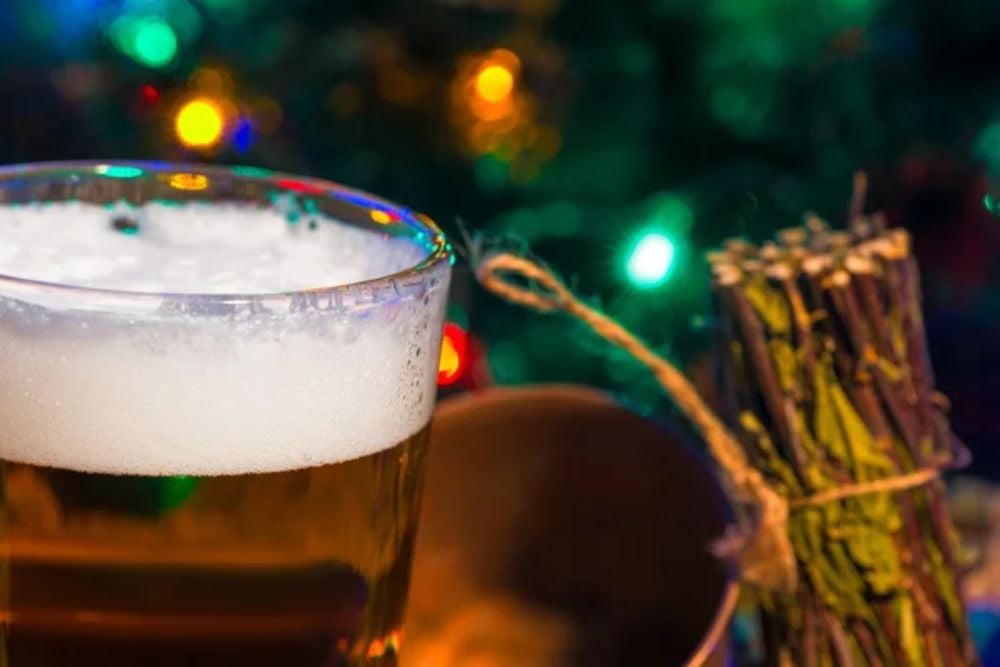
This root beer cousin delivered a wintergreen punch that was both familiar and completely different from anything else on tap. Popular throughout the Northeast and Pennsylvania Dutch country, birch beer had a crisp, almost medicinal quality that somehow made it incredibly refreshing.
The flavor came from the oil of sweet birch trees, giving it an herbal complexity that modern sodas rarely attempt to replicate.
Sarsaparilla

Long before Dr Pepper dominated the ‘unique flavor’ category, sarsaparilla was the go-to choice for adventurous soda drinkers. This Wild West staple tasted like a spicier, more botanical version of root beer, with hints of vanilla and licorice dancing on your tongue.
Many fountain machines in the Southwest carried at least one sarsaparilla option well into the 1980s.
Like Go2Tutors’s content? Follow us on MSN.
Cream Soda (Real Vanilla)
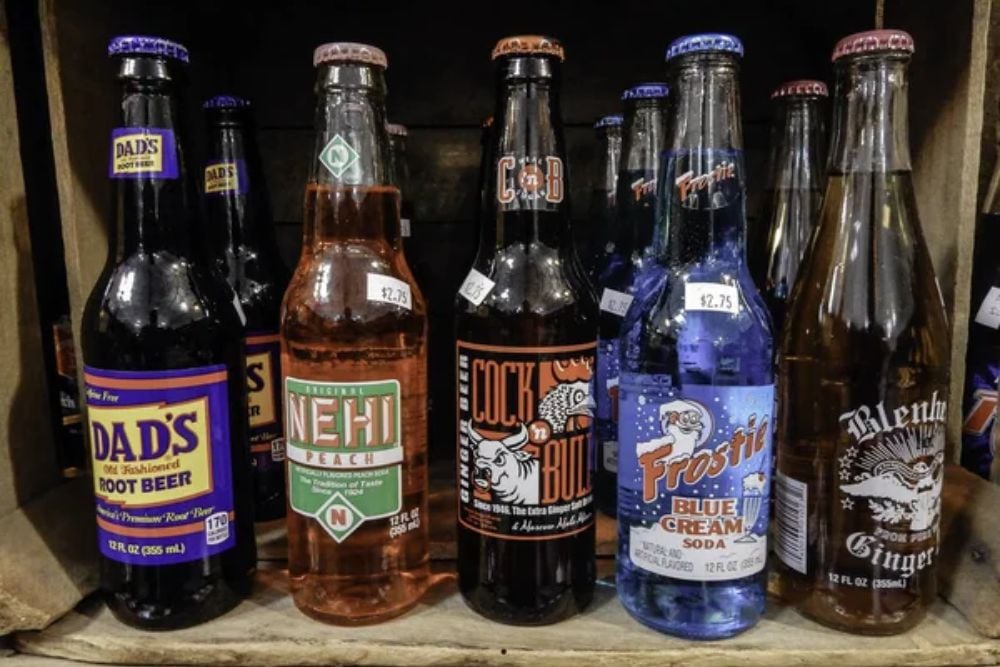
Today’s cream sodas are pale imitations of the rich, custard-like beverages that once flowed from fountain taps. These original versions used real vanilla extract and had a golden color that promised—and delivered—an almost dessert-like experience.
The foam would linger longer, and each sip felt like drinking liquid ice cream without the brain freeze.
Black Cherry

This wasn’t the artificial cherry flavor that dominates modern sodas, but a deep, wine-like essence that actually resembled real cherries. Black cherry soda had a sophisticated tartness balanced with just enough sweetness to keep you coming back for more.
Many regional bottlers produced their own versions, creating subtle variations that loyal customers could identify in blind taste tests.
Ginger Beer (Spicy Version)
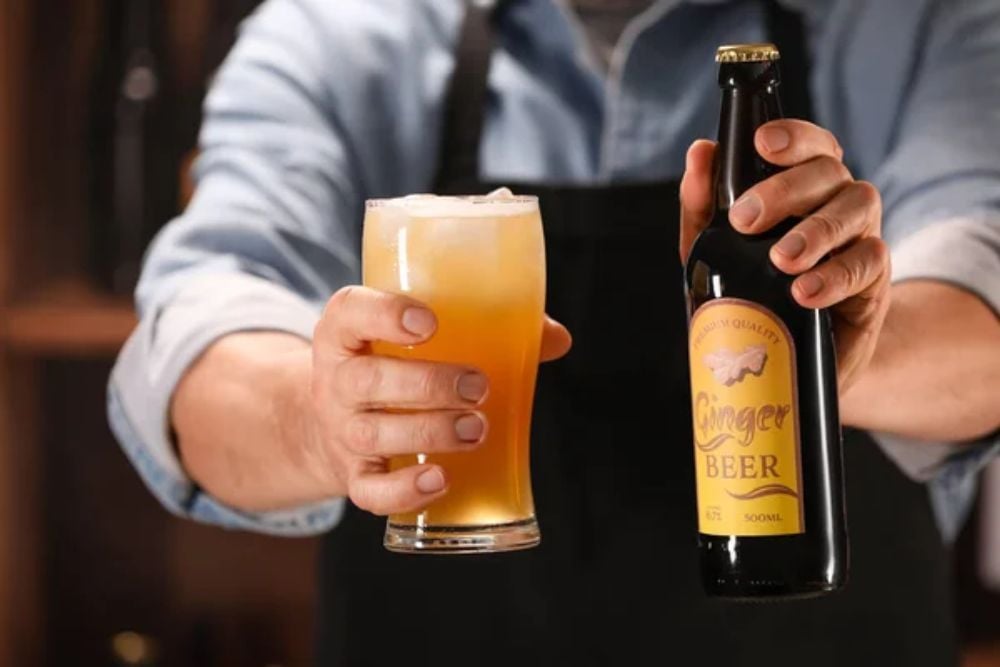
Before ginger ale became the mild, medicinal drink we know today, fountain machines served genuine ginger beer with enough bite to clear your sinuses. This stuff had serious heat—imagine the burn of fresh ginger combined with aggressive carbonation that made your eyes water.
It was particularly popular as a mixer, but brave souls would drink it straight for its alleged digestive benefits.
Like Go2Tutors’s content? Follow us on MSN.
Dandelion and Burdock
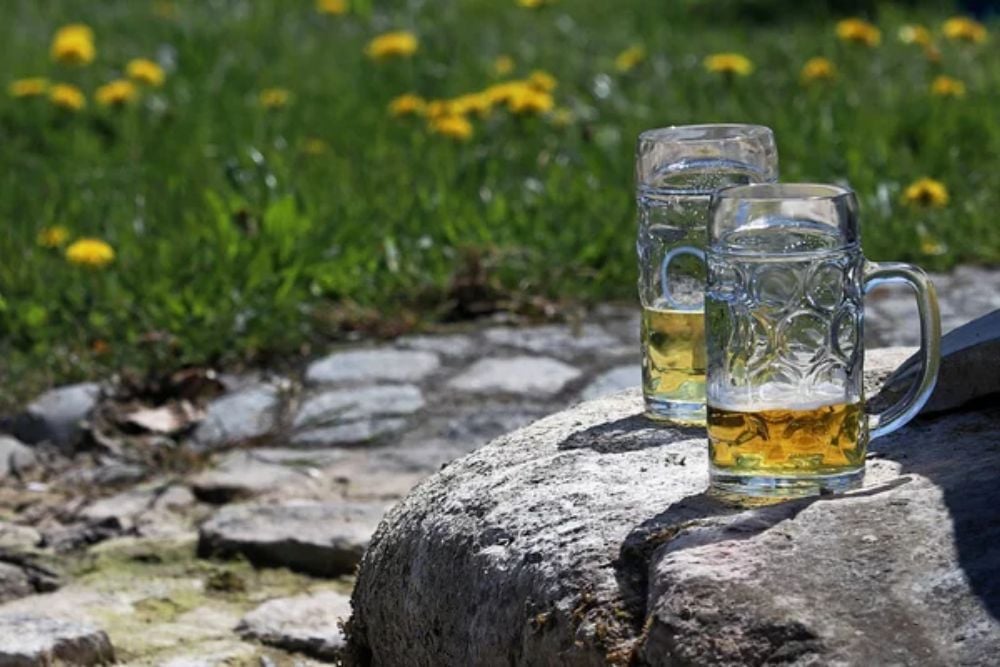
This British import found its way into American fountain machines primarily in areas with large immigrant populations. The combination sounds bizarre, but the herbal, slightly bitter flavor profile created something like a botanical root beer.
It paired surprisingly well with heavy foods and developed a cult following among those who discovered it.
Grape (Concord Variety)
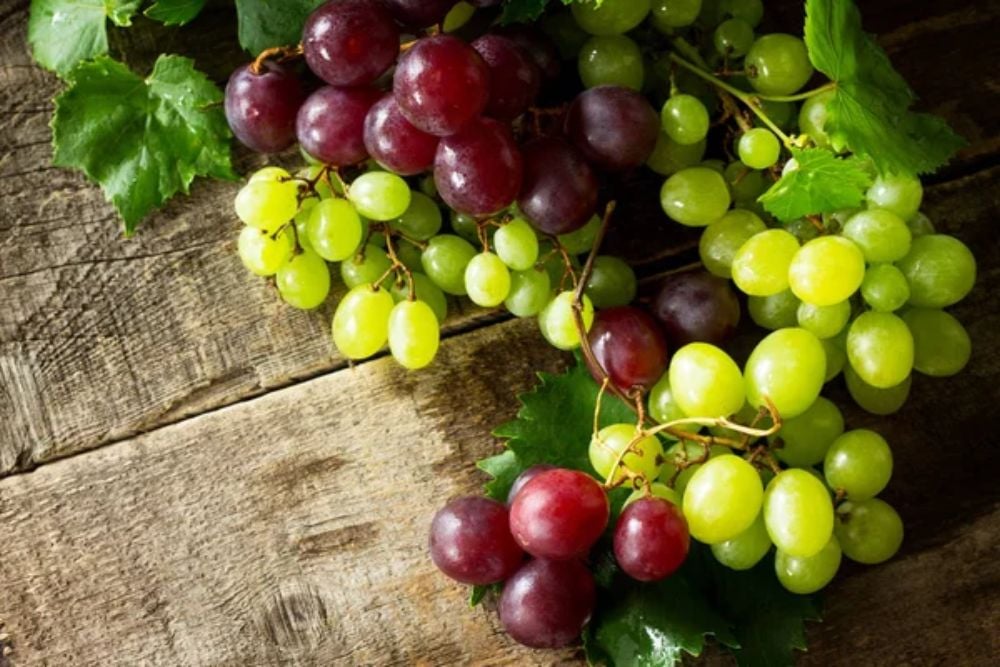
Modern grape sodas taste like purple sugar water, but the original fountain versions captured the essence of actual Concord grapes. These had a wine-like complexity with tart undertones that balanced the sweetness perfectly.
The color was deeper, almost purple-black, and the flavor lingered long after you finished drinking.
Lemon-Lime-Orange
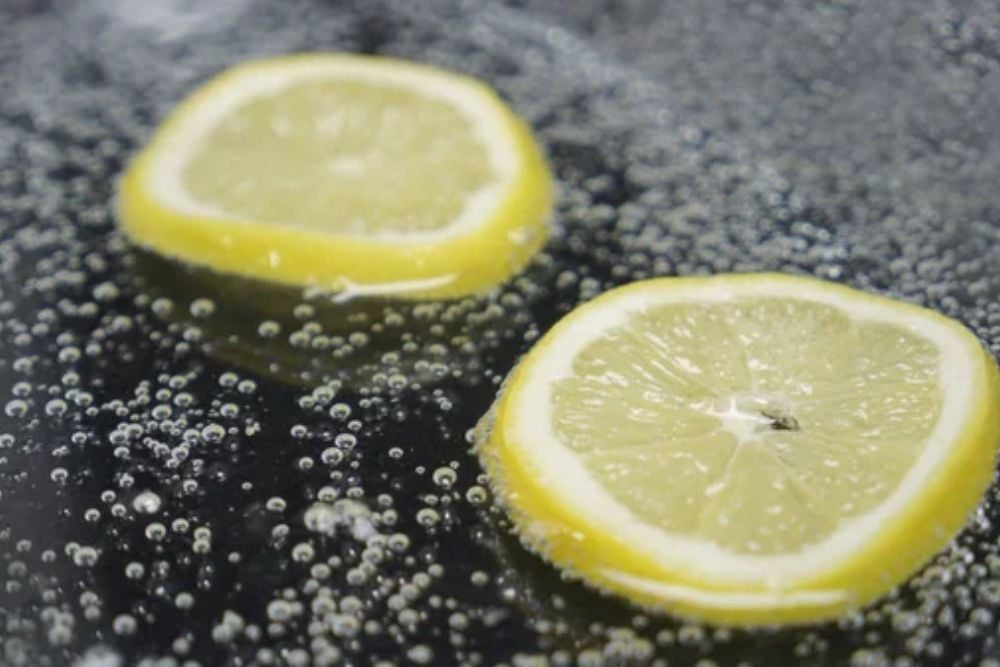
This three-citrus combination predated Sprite and 7UP’s dominance of the clear soda category. Each fountain had its own ratio, creating unique flavor profiles that ranged from orange-forward to heavily lime-accented.
The complexity made it incredibly refreshing, especially during hot summer months when single-note sodas felt too simple.
Like Go2Tutors’s content? Follow us on MSN.
Strawberry Cream
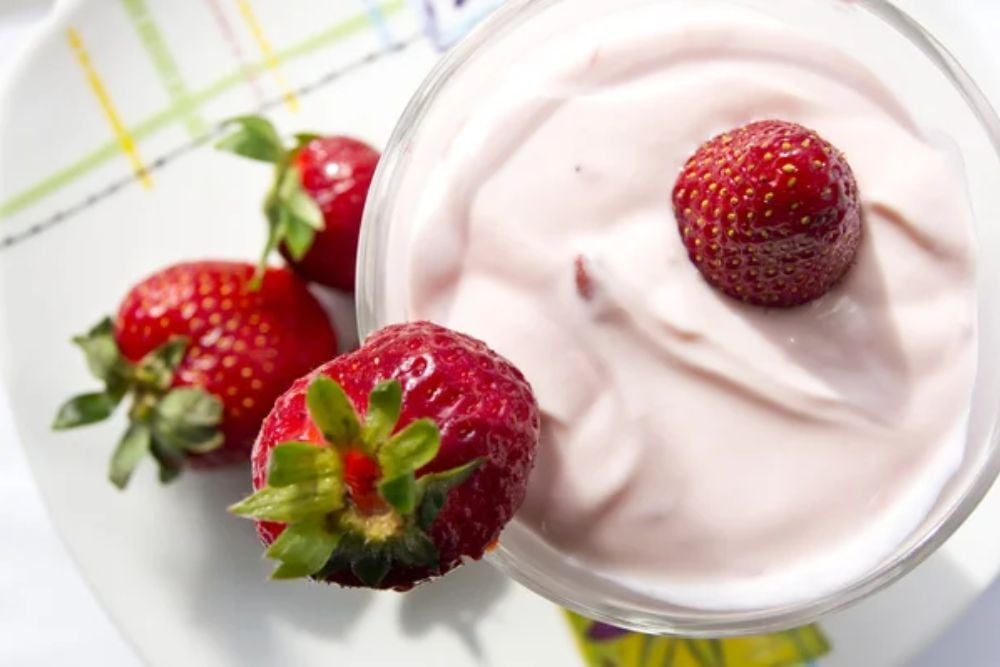
Imagine a strawberry milkshake in soda form, and you’re getting close to this fountain favorite. The strawberry flavor came from real fruit extracts, while the cream element added richness without overwhelming sweetness.
Many ice cream parlors offered this as their house specialty, creating a bridge between their frozen treats and fountain drinks.
Chocolate Soda
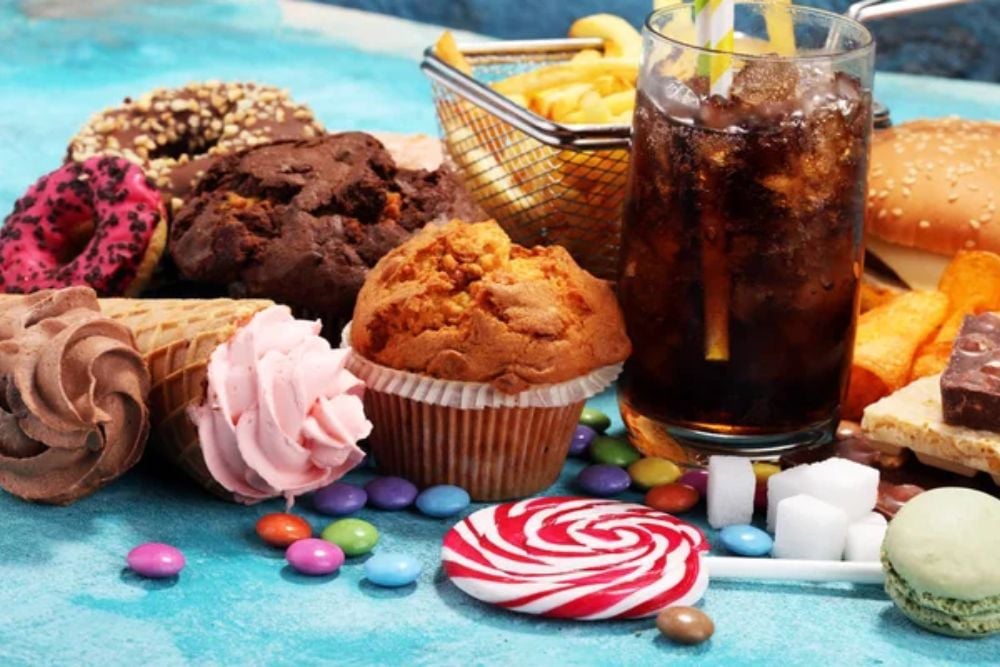
Long before chocolate milk became a cafeteria staple, fountain machines served effervescent chocolate sodas that tasted like liquid candy bars. The carbonation created an unusual mouthfeel that somehow enhanced the chocolate flavor rather than fighting against it.
These were particularly popular with children, though they disappeared as parents became more health-conscious.
Pineapple
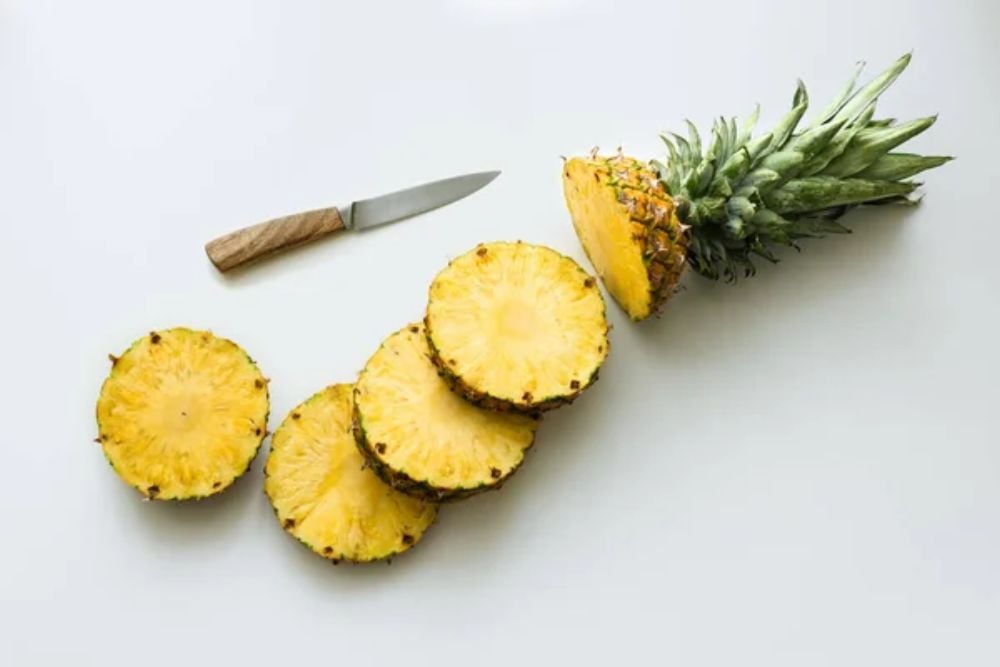
Real pineapple soda captured both the sweetness and the tropical tartness of fresh fruit. Unlike today’s artificial pineapple flavors found in some drinks, these fountain versions had complexity and natural acidity that made them incredibly refreshing.
They were especially popular in coastal areas and Hawaiian-themed restaurants.
Like Go2Tutors’s content? Follow us on MSN.
Peach
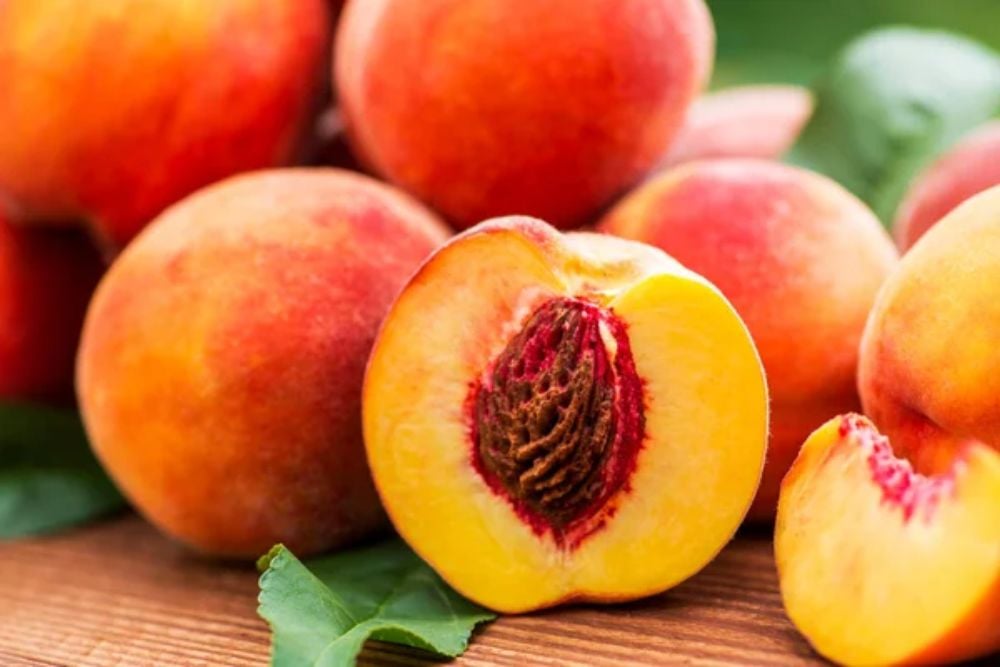
Southern fountain machines often carried peach soda that tasted like summer in Georgia. The flavor was delicate but distinct, with floral undertones that suggested real peach nectar rather than artificial flavoring.
These sodas had a golden color and a smooth finish that made them perfect for sipping on hot afternoons.
Lime Rickey

This wasn’t just lime-flavored soda—it was a specific preparation that combined lime syrup with plain soda water and often a splash of cherry. The result was tart, refreshing, and completely different from modern citrus sodas.
Named after a baseball player, lime rickeys were particularly popular at sporting events and summer gatherings.
Celery Soda

Before you wrinkle your nose, consider that celery soda was surprisingly popular in certain regions, particularly around Philadelphia. The flavor was subtle and herbal rather than overtly vegetable-like, creating a refreshing drink that paired well with salty foods.
Dr. Brown’s Cel-Ray kept the tradition alive longer than most, but fountain versions offered fresher taste profiles.
Like Go2Tutors’s content? Follow us on MSN.
Maple Soda
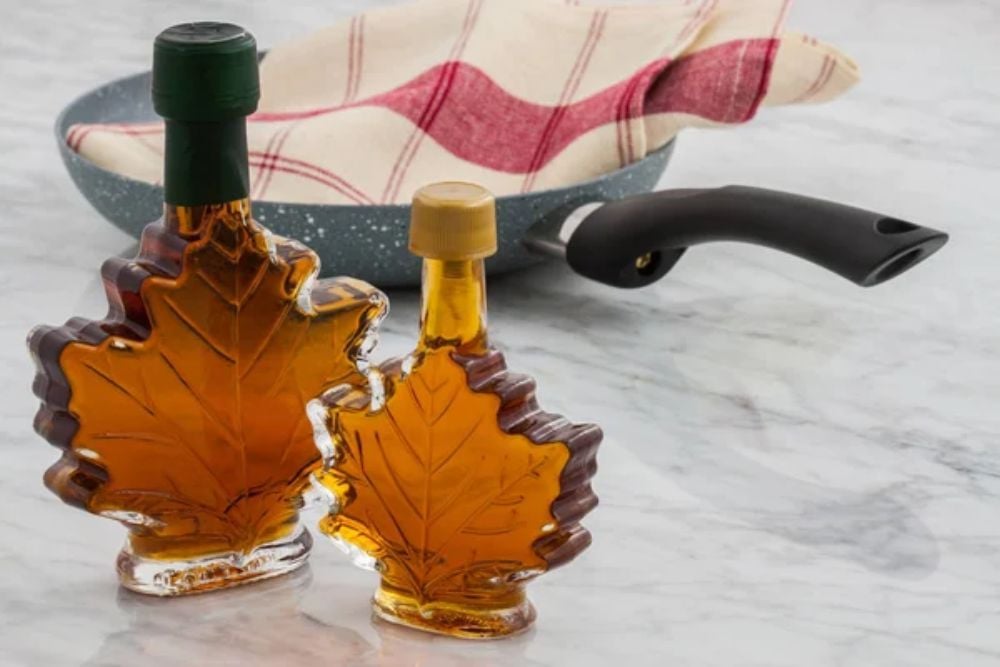
Concentrated in New England and parts of Canada, maple soda delivered autumn in a glass year-round. The real maple syrup base created a complex sweetness that avoided the cloying quality of artificial flavors.
These sodas had a golden amber color and a smooth finish that made them perfect for cold weather drinking.
Vanilla Cream
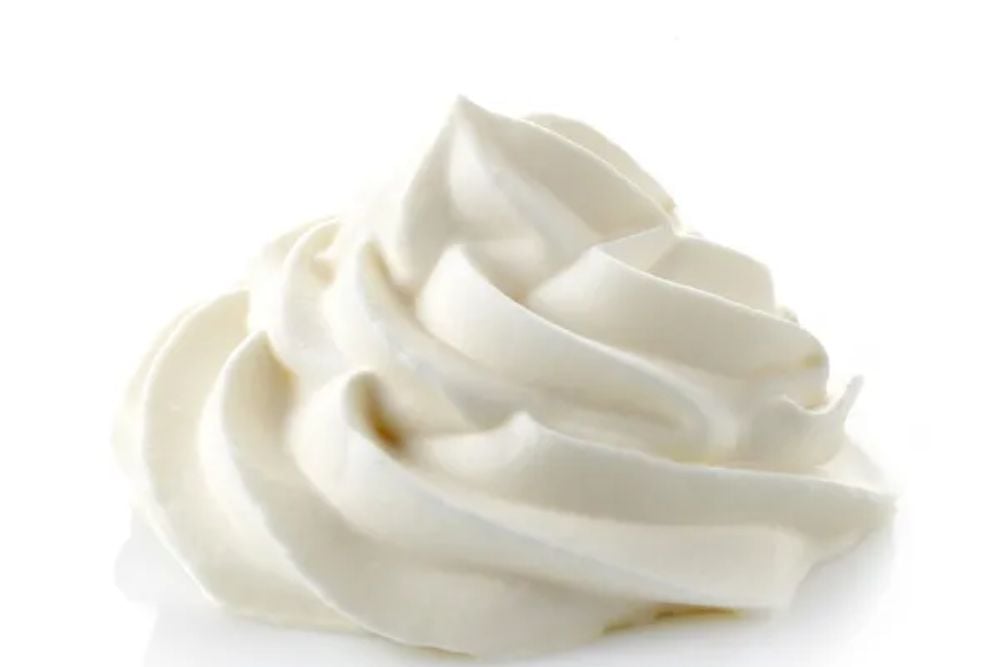
Different from cream soda, vanilla cream focuses entirely on rich vanilla bean flavor with just enough cream notes to create smoothness. The best versions used Madagascar vanilla and had an almost custard-like quality without being heavy.
Many old-fashioned soda fountains considered this their signature drink.
Grapefruit

Long before Fresca appeared in supermarkets, fountain machines served grapefruit sodas with genuine citrus bite. These weren’t sweet like orange soda but maintained the natural tartness of fresh grapefruit with just enough sugar to make them palatable.
The pink color came from real fruit, and the flavor was bold enough to wake up your taste buds.
Like Go2Tutors’s content? Follow us on MSN.
The Fizz That Built America
These forgotten flavors represent more than just nostalgic beverages—they reflect a time when local tastes mattered and regional preferences drove innovation. The consolidation of the beverage industry may have brought consistency and efficiency, but it also eliminated the delightful surprises that once made fountain drinks an adventure.
Today’s craft soda movement attempts to recapture some of this diversity, but the convenience and ubiquity of those old fountain machines created a different kind of magic that’s nearly impossible to replicate. The next time you press a button for another cola or lemon-lime, remember that there was once a world where your drink choice could transport you somewhere completely unexpected.
More from Go2Tutors!

- 16 Restaurant Chains That Went Too Fast
- 12 Things Sold in the 80s That Are Now Illegal
- 15 Strange Things People Have Tried to Ban (And Failed)
- 16 Collectibles People Tossed Out Too Soon
- 17 Myths from Your Childhood That Were Actually Based on Real Things
Like Go2Tutors’s content? Follow us on MSN.