Sports Contracts That Broke the Bank
Money in sports has reached levels that seem almost fictional. Athletes today sign deals worth hundreds of millions, sometimes crossing into the billion-dollar range.
These contracts reshape entire franchises, change the way leagues operate, and set new standards for what star power actually costs. The numbers keep climbing, and each record-breaking deal raises questions about sustainability, value, and just how far teams will go to secure talent.
Patrick Mahomes and the Half-Billion Promise

The Kansas City Chiefs handed Patrick Mahomes a 10-year, $503 million contract in 2020, making it the largest deal in American sports history at the time. The total value shocked even seasoned sports analysts.
Mahomes had proven himself as a generational talent, winning a Super Bowl and an MVP award in his first two seasons as a starter. The Chiefs locked him down before he could test free agency and potentially command even more.
What made this deal remarkable wasn’t just the total figure. The structure included mechanisms that allowed Mahomes to renegotiate if the market shifted dramatically.
The team built flexibility into a massive commitment, acknowledging that quarterback salaries would keep rising. Three years into the contract, that prediction proved accurate.
Other quarterbacks started signing deals that matched or exceeded Mahomes’s annual average, validating Kansas City’s decision to secure their franchise player early.
Shohei Ohtani’s Deferred Dream

The Los Angeles Dodgers signed Shohei Ohtani to a 10-year, $700 million contract in December 2023. That number alone breaks every previous sports contract ever signed.
But the structure made headlines for different reasons. Ohtani agreed to defer $680 million of his salary until after the contract ends, collecting just $2 million per year during his playing days.
The deferral allows the Dodgers to build a competitive roster around him while staying under luxury tax thresholds. Ohtani will receive the deferred money starting in 2034, spread over 10 years without interest.
The present-day value of the contract sits closer to $460 million, still enormous but manageable for a franchise in the nation’s second-largest market. Ohtani’s willingness to structure the deal this way showed he prioritized winning championships over immediate earnings.
His unique ability to pitch and hit at elite levels justifies the investment, even with the creative accounting.
Canelo Álvarez’s Pay-Per-View Power

Boxing doesn’t operate with traditional contracts the same way team sports do, but Canelo Álvarez’s deal with DAZN in 2018 deserves mention. The streaming service guaranteed him $365 million over five years and 11 fights.
At the time, it represented the richest contract in sports history. DAZN wanted to establish itself as a major player in combat sports, and Canelo was the biggest draw in boxing.
The partnership eventually soured. Legal disputes emerged over fight quality and opponent selection.
Canelo bought himself out of the deal in 2020, walking away from guaranteed money to regain control of his career. The entire situation illustrated the risks of massive contracts in individual sports, where promotional conflicts and personal preferences can derail even the most lucrative arrangements.
Mike Trout’s Lifetime Commitment

Mike Trout signed a 12-year, $426.5 million extension with the Los Angeles Angels in 2019. He’d already established himself as baseball’s best player, winning three MVP awards and making eight All-Star teams.
The Angels decided they couldn’t let him reach free agency. Trout grew up in South Jersey and could have commanded even more from East Coast teams, particularly the Philadelphia Phillies.
The contract bought out what would have been Trout’s age 28-40 seasons. Five years in, injuries have limited his availability.
He’s played fewer than 120 games in four of those seasons, raising questions about the long-term wisdom of such massive deals for players entering their 30s. The Angels haven’t made the playoffs since signing Trout to this extension, and they haven’t reached the postseason since 2014.
The contract guarantees Trout will retire an Angel, but it also handcuffs the franchise financially.
Cristiano Ronaldo’s Saudi Payday

When Cristiano Ronaldo joined Al-Nassr in Saudi Arabia in late 2022, reports suggested a contract worth over $500 million when accounting for salary, bonuses, and commercial agreements. The exact figures remain somewhat opaque, but the deal clearly positioned Ronaldo as the highest-paid athlete in team sports at that moment.
Saudi Arabia’s Public Investment Fund has poured billions into sports as part of a broader initiative to diversify the economy and raise the country’s global profile. Ronaldo’s signing legitimized the Saudi Pro League in ways no amount of infrastructure investment could.
Other stars followed, including Karim Benzema and N’Golo Kanté. The deals aren’t purely about on-field performance.
They’re about visibility, tourism, and shifting perceptions of Saudi Arabia through sports.
Neymar’s Barcelona Buyout

Neymar’s move from Barcelona to Paris Saint-Germain in 2017 wasn’t technically a contract, but the €222 million transfer fee shattered records and changed football economics forever. PSG paid Neymar’s release clause in full, making him the most expensive player in history.
They then gave him a five-year contract worth approximately €350 million after taxes.
The Brazilian arrived in Paris with massive expectations. He was supposed to deliver Champions League glory to a club desperate for European validation.
Six years later, PSG still hadn’t won the Champions League when Neymar left for Al-Hilal in Saudi Arabia. Injuries plagued him throughout his time in France.
The astronomical investment never produced the return PSG’s Qatari owners hoped for, but it did establish the club as willing to spend whatever it takes.
Stephen Curry’s Loyalty Reward

Stephen Curry signed a four-year, $215 million extension with the Golden State Warriors in 2021. He’d already won three championships with the franchise and transformed basketball with his three-point shooting.
The contract made him the first player to sign two supermax deals with the same team. Curry revolutionized the game, and Golden State rewarded his loyalty.
The Warriors continued winning after signing Curry to this extension, capturing another championship in 2022. His impact goes beyond statistics.
Curry fills arenas around the league and sells jerseys worldwide. The economic value he generates for Golden State justifies every dollar of his contract.
At age 36, he remains productive enough to keep the Warriors competitive in the Western Conference.
Lionel Messi’s Barcelona Burden
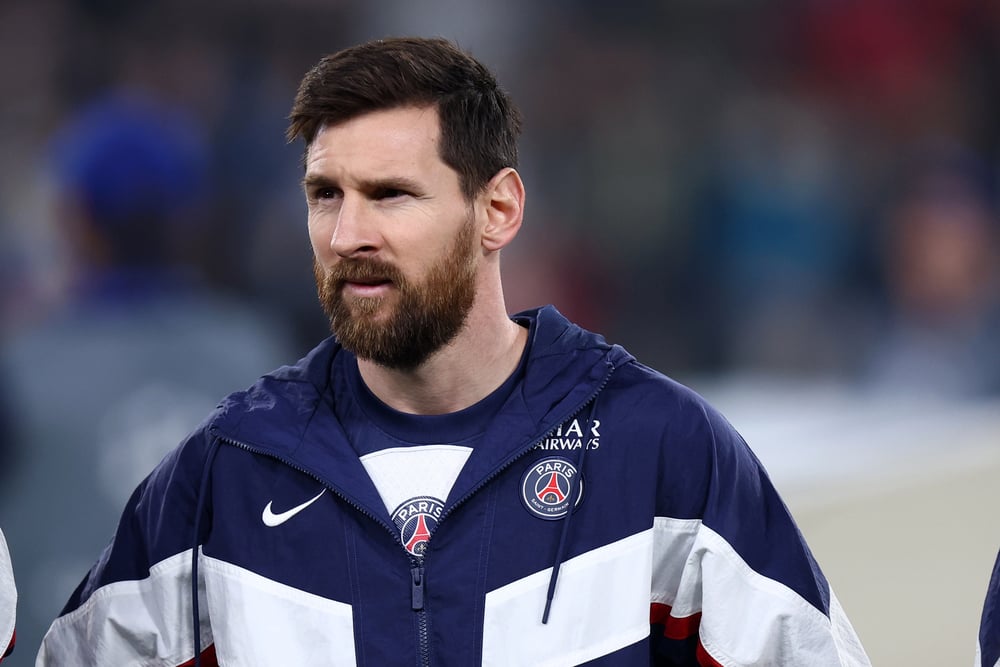
Before joining Inter Miami, Lionel Messi signed his final Barcelona contract in 2017, a deal that Spanish newspaper El Mundo later reported was worth €555 million over four years. The leaked figures showed bonuses and incentives that pushed the total value beyond half a billion euros.
Barcelona was already struggling financially, but they couldn’t imagine the club without Messi.
The contract contributed significantly to Barcelona’s eventual financial crisis. The club couldn’t register new players because of La Liga’s salary cap rules.
Messi himself eventually had to leave in 2021 when Barcelona couldn’t afford to renew his deal under the league’s restrictions. The entire situation demonstrated how contracts can destroy even the wealthiest clubs when spending spirals out of control.
Giancarlo Stanton’s Marlins Mistake

Giancarlo Stanton signed a 13-year, $325 million contract with the Miami Marlins in 2014. At the time, it was the largest deal in American sports history.
The Marlins had a history of spending big and then immediately dismantling their roster. This time seemed different.
They’d opened a new stadium and wanted to build a winner.
Three years later, Stanton was gone. The Marlins traded him to the New York Yankees after new ownership took over and slashed payroll.
Stanton’s production in New York has been inconsistent, and injuries have limited his availability. The Yankees are paying him $29 million per year through 2028, money the Marlins almost entirely offloaded in the trade.
Both franchises look bad in retrospect: Miami for signing a contract they couldn’t honor, New York for taking on the financial burden of an aging slugger.
Deshaun Watson’s Controversial Guarantee
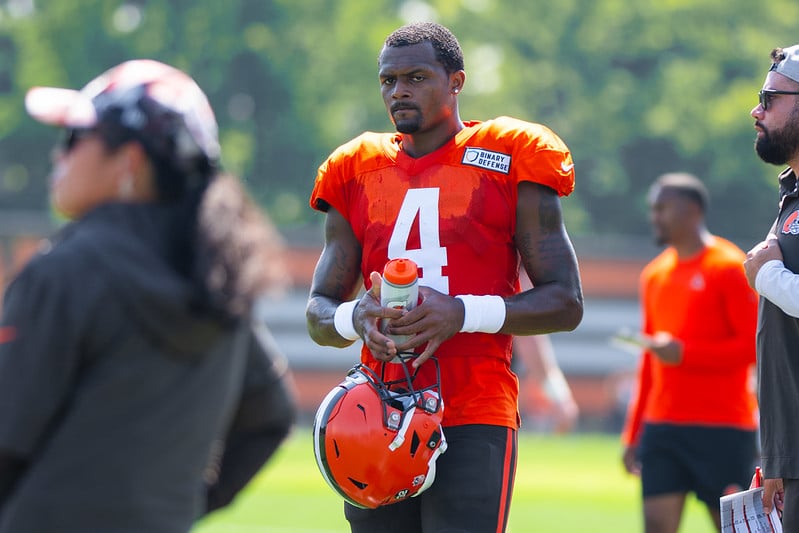
The Cleveland Browns gave Deshaun Watson a fully guaranteed five-year, $230 million contract in 2022. No NFL contract had ever been fully guaranteed at that level.
Watson faced 22 civil lawsuits alleging improper conduct, cases that eventually settled but cast a shadow over the deal. The Browns bet everything on Watson returning to his Pro Bowl form.
The gamble hasn’t paid off. Watson struggled in his first season with Cleveland and then suffered a season-ending shoulder injury in 2023.
The Browns can’t escape the contract. Every dollar is guaranteed, regardless of performance or availability.
The deal reset the market for quarterbacks, forcing teams to offer full guarantees to compete for top talent. Watson’s contract will influence NFL economics for years, even if his on-field contributions don’t match the investment.
Anthony Davis’s Championship Leverage

After winning the 2020 NBA championship with the Lakers, Anthony Davis signed a five-year, $190 million extension. The deal included an early termination option, giving Davis flexibility to leave or renegotiate if circumstances changed.
Los Angeles had traded their entire future to acquire Davis from New Orleans, and they needed to keep him happy.
Davis has been productive when healthy, but availability has been an issue. He’s averaged fewer than 60 games per season since signing the extension.
The Lakers won another championship in 2023, partially justifying the investment. But the contract’s structure, with its player options and kickers, gave Davis significant leverage over the franchise’s planning.
Damian Lillard’s Portland Loyalty

Damian Lillard signed a two-year, $122 million extension with the Portland Trail Blazers in 2022, keeping him under contract through 2027 and guaranteeing him nearly $270 million total over the final four years. Lillard had repeatedly expressed loyalty to Portland, even as the team struggled to build a championship contender around him.
That loyalty eventually ended. Lillard requested a trade in 2023, specifically to Miami.
Portland instead sent him to Milwaukee in a three-team deal, pairing him with Giannis Antetokounmpo. The Blazers are now rebuilding, and Lillard is chasing a championship with the Bucks.
The massive extension bought Portland time, but it couldn’t keep an unhappy star in place forever.
Fernando Tatis Jr.’s Pre-Peak Payday

The San Diego Padres gave Fernando Tatis Jr. a 14-year, $340 million contract in 2021. Tatis had played just 143 games in the majors.
He was 22 years old. The Padres looked at his talent and decided to lock him in before he became even more expensive.
The deal showed how teams now pay for potential rather than proven track records.
Two years later, Tatis served an 80-game suspension for testing positive for a performance-enhancing substance. He’d also suffered a significant shoulder injury partly caused by a motorcycle accident he initially lied about.
The contract suddenly looked reckless. Tatis returned in 2023 and played well, but the Padres are committed to him through 2034 regardless of what happens.
The risk of long-term deals has never been more apparent.
Aaron Judge’s Hometown Discount
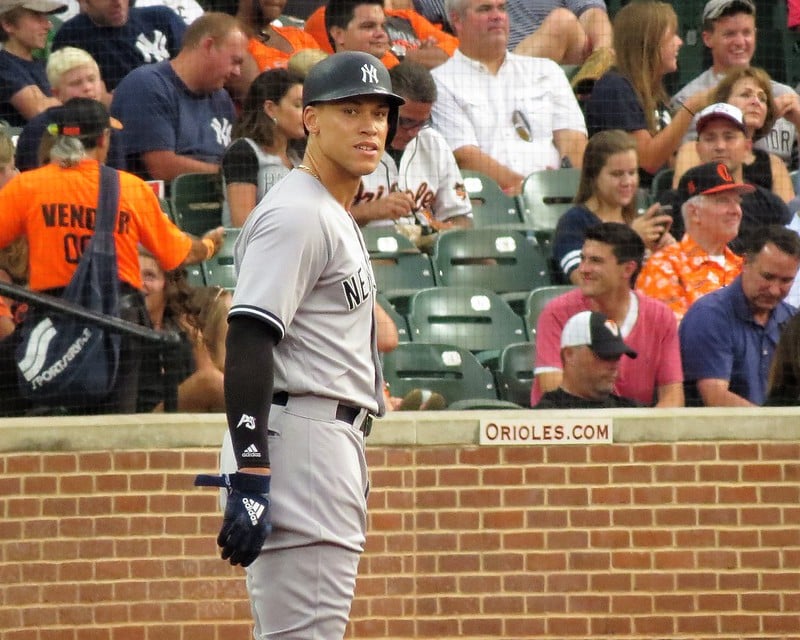
Aaron Judge turned down more money from other teams to sign a nine-year, $360 million contract with the New York Yankees in December 2022. He’d just hit 62 home runs, breaking the American League single-season record.
Every team with financial resources wanted him. Judge chose to stay in New York, taking slightly less than he could have gotten elsewhere.
The Yankees made Judge their captain, only the 16th in franchise history. He accepted the responsibility and the pressure that comes with wearing pinstripes.
His first season under the new contract was solid but not spectacular by his standards. The Yankees haven’t won a championship since 2009, and Judge’s contract represents their latest attempt to end that drought.
The pressure on him to deliver in October grows every year.
When the Numbers Stop Making Sense

These contracts represent more than just large sums of money. They reflect how sports franchises value star power, how leagues distribute revenue, and how competitive pressure forces teams to spend beyond reasonable limits.
Some of these deals will look brilliant in hindsight. Others will be cautionary tales about overvaluing potential or ignoring injury risk.
The athletes signing these contracts face expectations that may be impossible to meet. Every game becomes a referendum on their worth.
Every injury raises questions about the deal’s wisdom. And every team signing these contracts bets their competitive future on one player’s ability to stay healthy, stay productive, and stay motivated for a decade or more.
The bank keeps getting broken, and nobody seems interested in stopping.
More from Go2Tutors!

- The Romanov Crown Jewels and Their Tragic Fate
- 13 Historical Mysteries That Science Still Can’t Solve
- Famous Hoaxes That Fooled the World for Years
- 15 Child Stars with Tragic Adult Lives
- 16 Famous Jewelry Pieces in History
Like Go2Tutors’s content? Follow us on MSN.



