15 Surprising Things Scientists Have Found Inside Egyptian Mummies
The ancient Egyptians took their burial practices seriously, wrapping their dead with meticulous care and surrounding them with items for the afterlife. But when modern scientists began unwrapping these carefully preserved bodies, they discovered far more than anyone expected.
Some findings challenged everything historians thought they knew about ancient Egyptian life, while others revealed touching human stories that transcended millennia.
Artificial Eyes
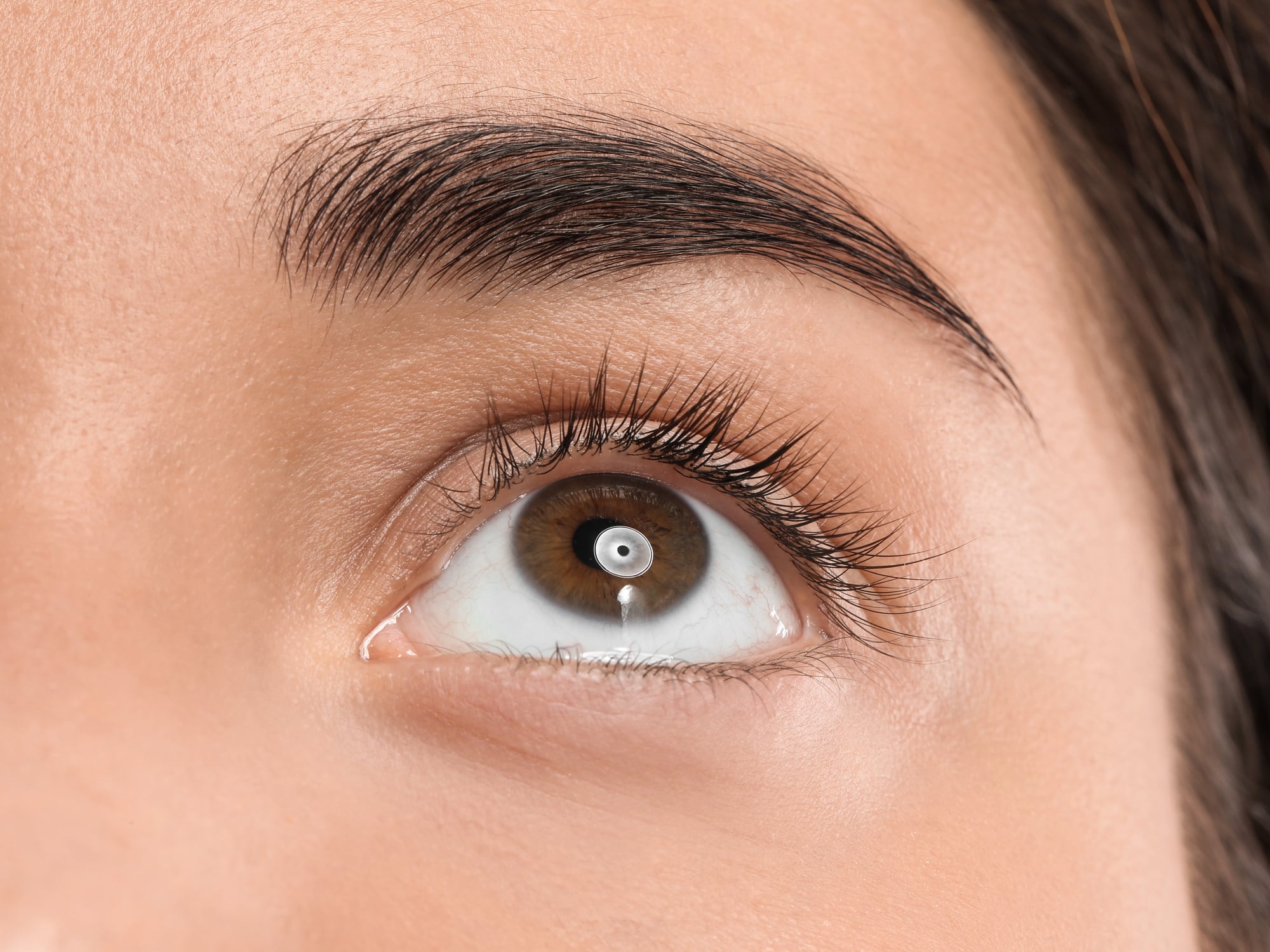
The eye sockets weren’t left empty. Ancient embalmers crafted replacements from linen, resin, and sometimes small onions.
The goal was maintaining the body’s appearance for eternity.
Some mummies received eyes made from painted stone or glass. Others got simple linen pads soaked in resin.
The craftsmanship varied wildly depending on the deceased person’s wealth and status.
Cocaine And Nicotine

Bulgarian chemist Svetlana Balabanova tested Egyptian mummies in the 1990s and found traces of cocaine and nicotine in their hair and tissues.The problem? These substances come from plants native to the Americas, and these mummies predated Columbus by thousands of years.
The discovery sparked heated debates among archaeologists. Some suggested ancient trade routes reached farther than previously imagined, while others questioned the testing methods.
The mystery remains unsolved, but the cocaine mummies forced scholars to reconsider what they knew about ancient global connections.
Mud And Sawdust
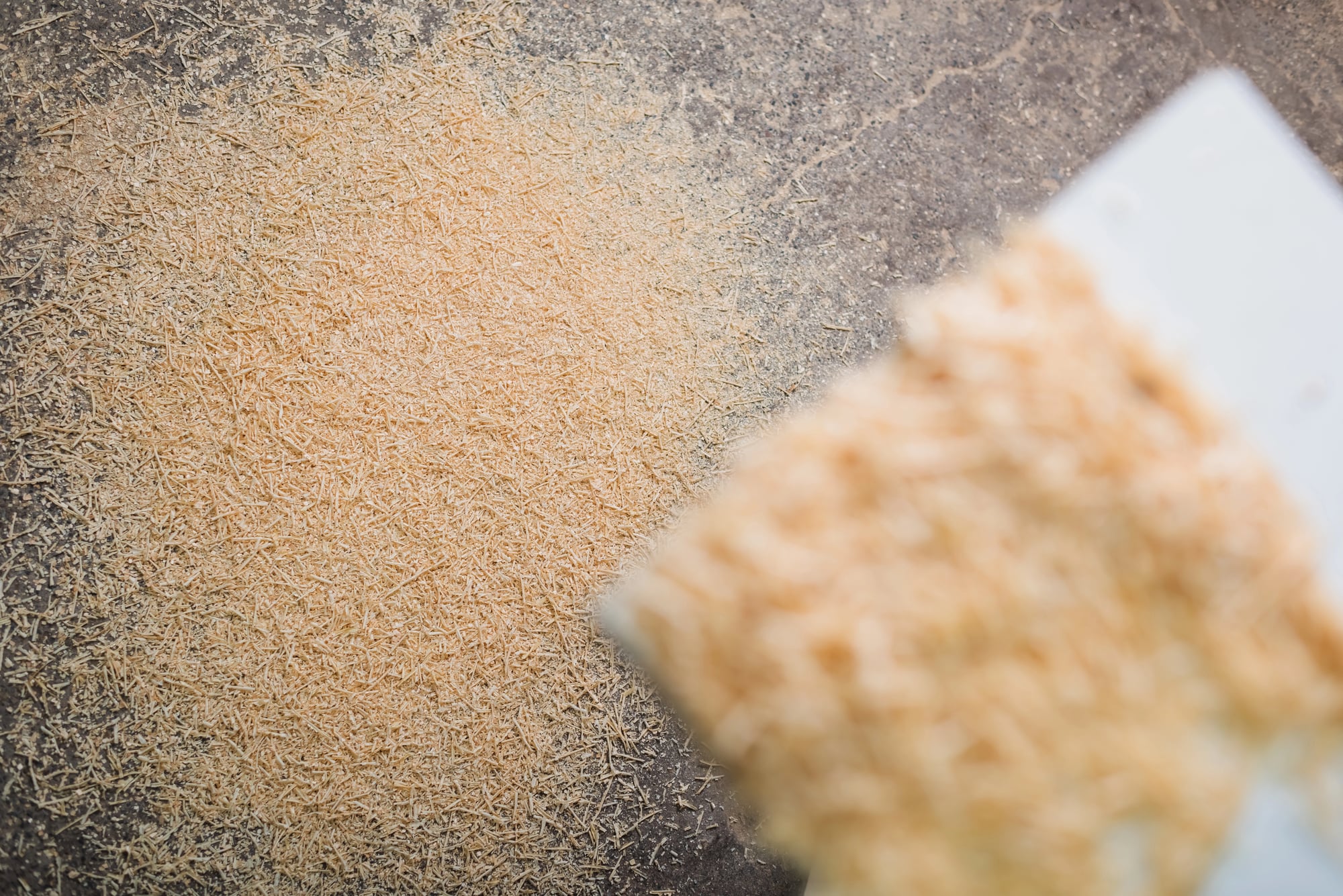
Beneath those carefully wound linen strips, mummy-makers sometimes took shortcuts that would make modern funeral directors cringe (though to be fair, they were working with different expectations about X-ray technology). Instead of properly preserving internal organs or replacing them with expensive materials, some embalmers simply stuffed body cavities with whatever was handy: mud, sawdust, rags, and even garbage.
This wasn’t necessarily cheapness — sometimes it was practical necessity. And yet there’s something oddly comforting about discovering that even ancient professionals occasionally improvised their way through a difficult job, making do with what they had while still treating the deceased with fundamental respect.
Gold Dental Work
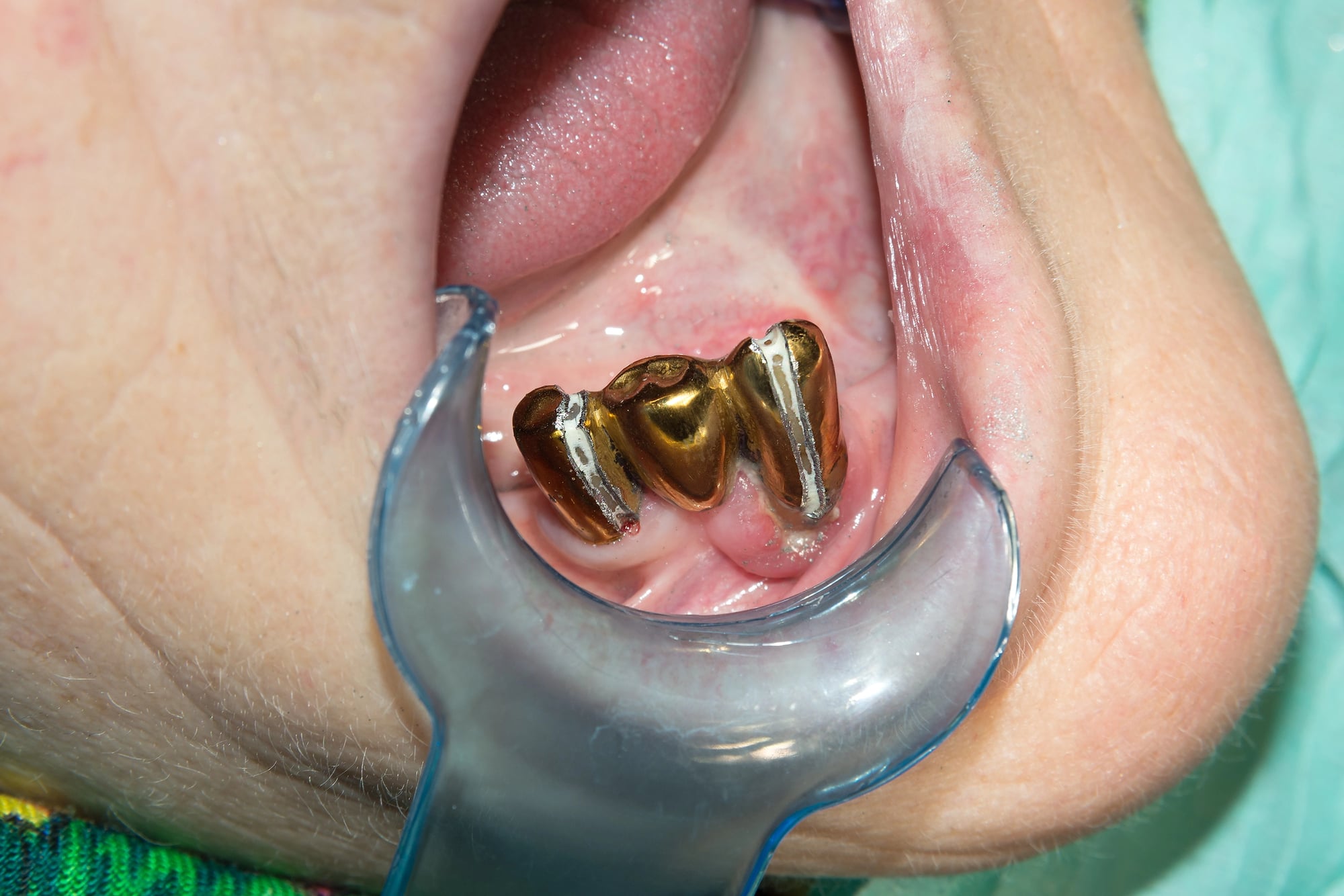
Ancient Egyptians practiced dentistry with surprising sophistication. Wire-wrapped teeth, gold bridges, and replacement teeth made from ivory show up regularly in mummy examinations.
Some dental work was clearly functional, while other pieces seem purely decorative.
The wealthy received elaborate gold dental appliances that would impress modern cosmetic dentists. Poorer individuals made do with simpler repairs, but even basic dental care was more advanced than most people realize.
Seeds And Food
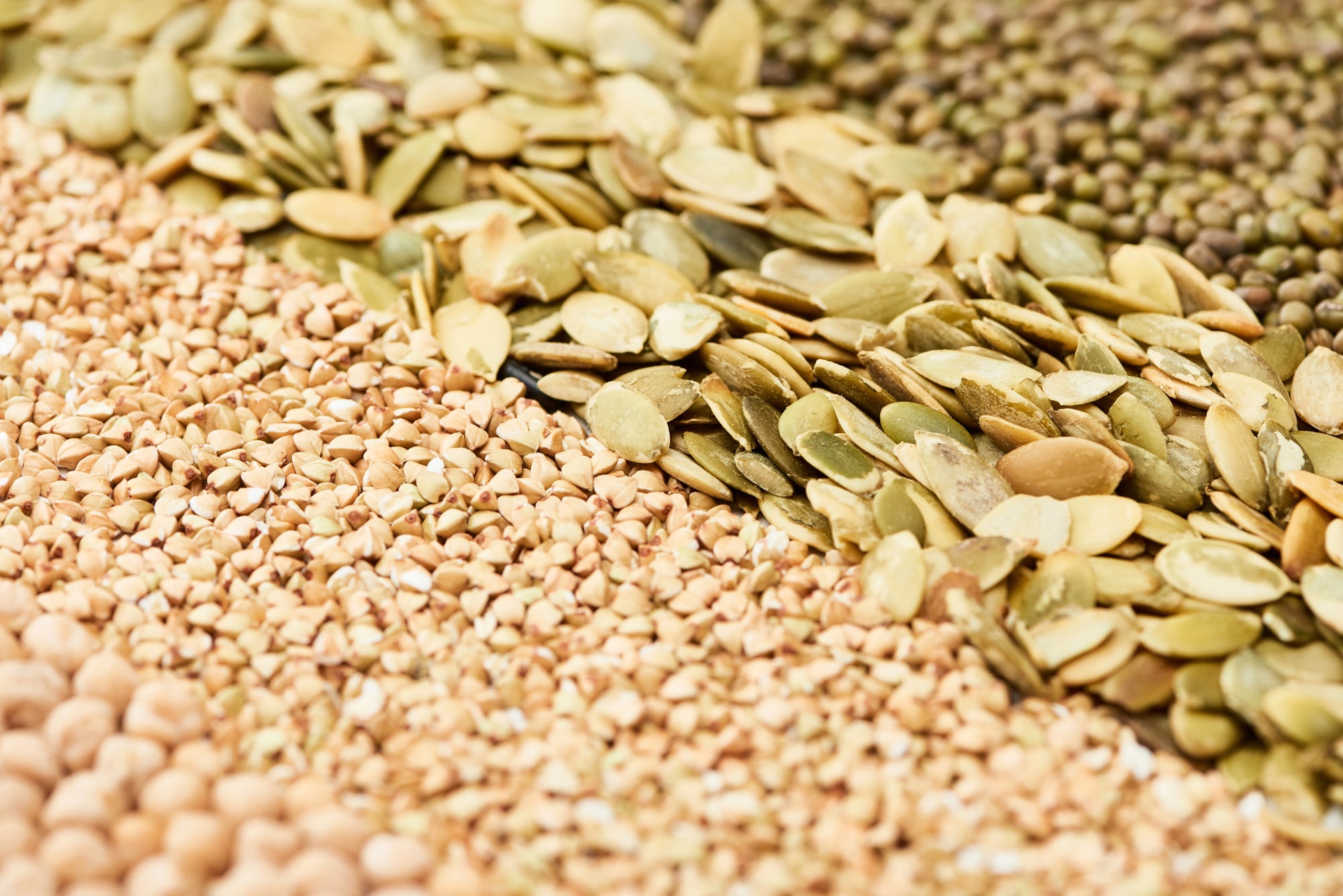
Embalmers packed mummy wrappings with seeds, grains, and dried foods intended to nourish the deceased in the afterlife. Wheat, barley, dates, and figs turn up frequently.
Sometimes entire meals were preserved alongside the body.
These food caches provide detailed information about ancient Egyptian agriculture and diet. Seeds found in mummies have even been successfully germinated by modern botanists, bringing ancient plant varieties back to life.
Jewelry Embedded In Skin
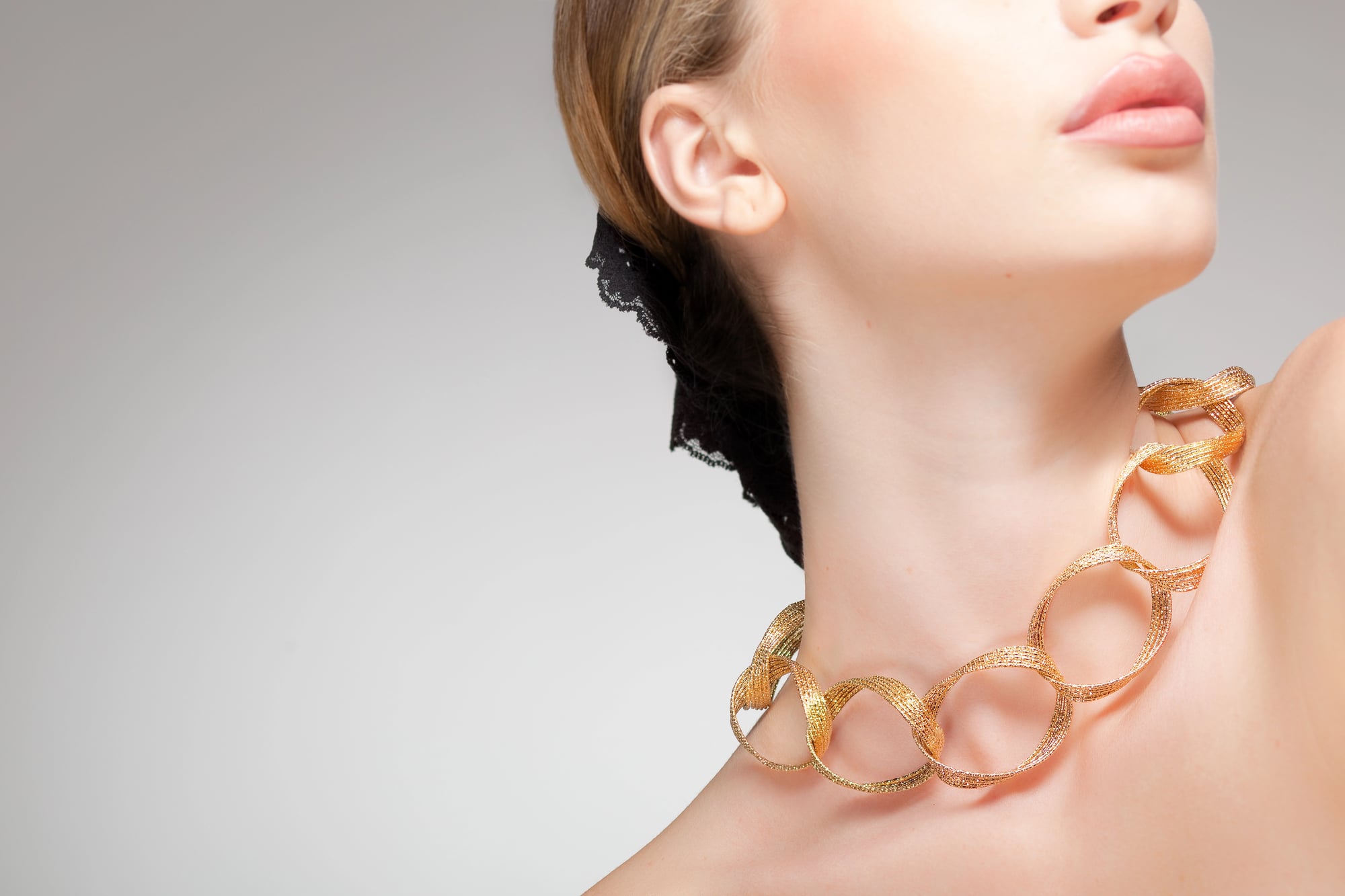
The distinction between burial goods and medical intervention gets murky when you find jewelry that’s been pressed into dried flesh for thousands of years. Rings that were sized too small became permanent fixtures as the fingers they adorned mummified around them, creating a kind of accidental body modification that the original wearers never intended but somehow seems appropriate for people who planned their deaths so meticulously.
Necklaces, bracelets, and anklets tell similar stories — precious metals and stones that became part of the body itself rather than simple accessories. The effect transforms these practical burial customs into something more intimate, as if the jewelry chose to stay rather than simply being placed there by grieving relatives.
Fake Limbs And Padding
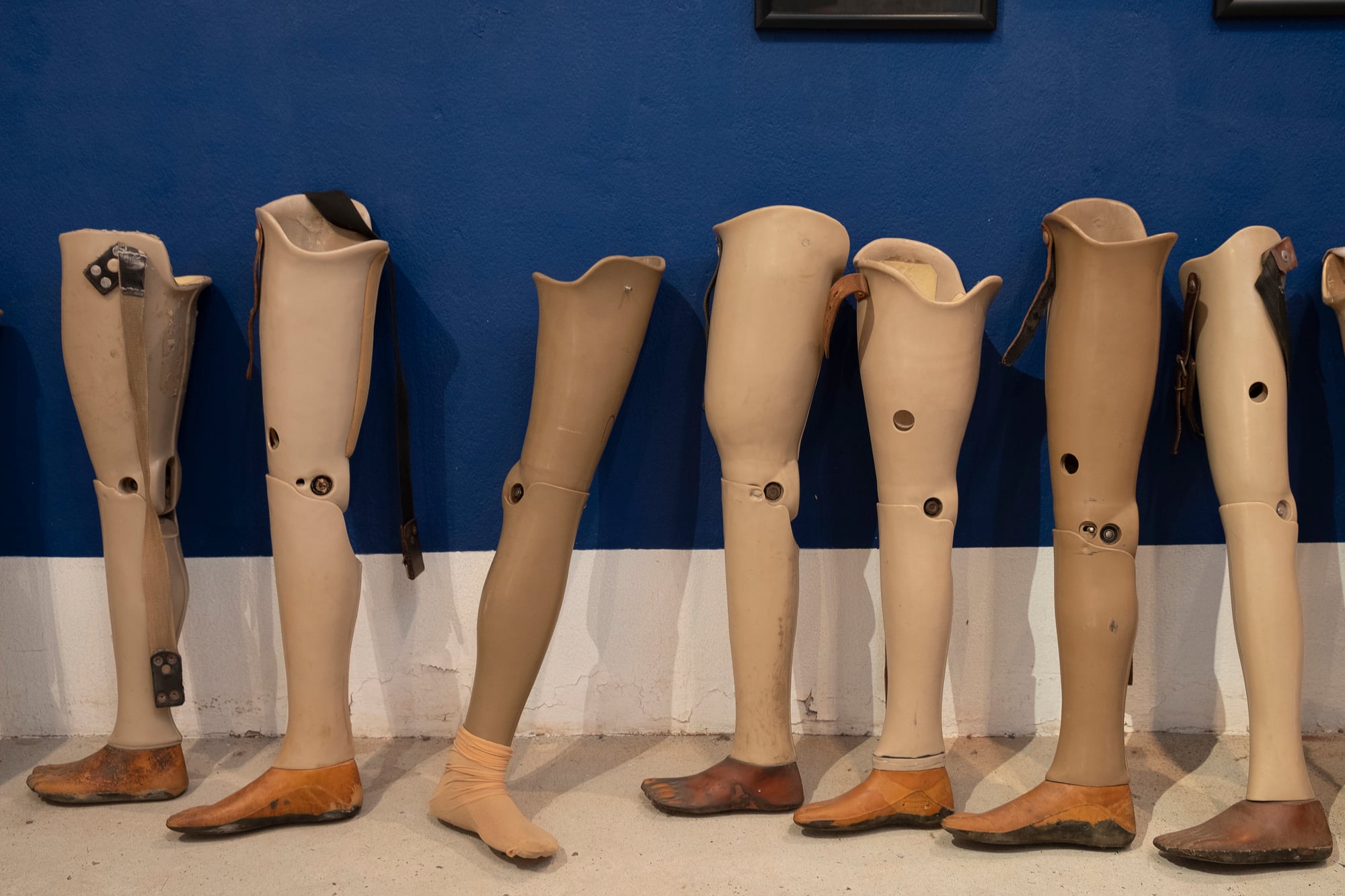
Missing arms, legs, or other body parts received artificial replacements made from wood, linen, or resin. The goal was presenting a complete body to the gods, regardless of how the person had died or what injuries they’d sustained in life.
Some mummies were padded extensively to restore a more youthful appearance. Elderly individuals received stuffing under their skin to smooth out wrinkles and fill out sunken areas.
The vanity crosses millennia.
Medical Implants
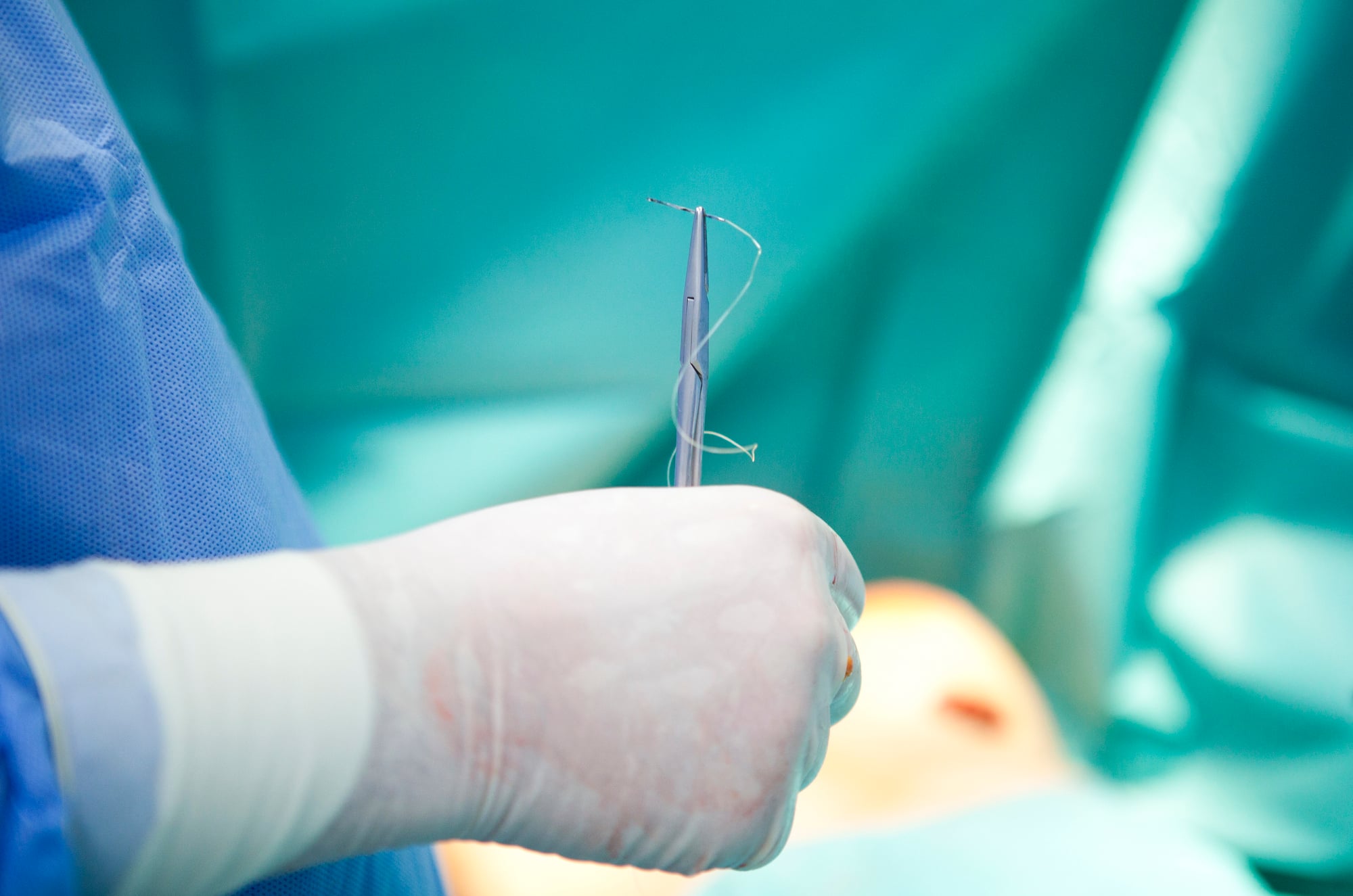
Ancient Egyptian surgeons performed procedures that left permanent traces in mummified bodies. Bone pins, surgical wires, and primitive prosthetics show up in X-rays thousands of years later.
One female mummy was found with a wooden toe that showed clear signs of wear — evidence that she’d used the prosthetic while alive. Other mummies reveal healed fractures that were set with wooden splints, demonstrating sophisticated orthopedic knowledge.
Baby Animals

Pet cats, dogs, birds, and even crocodiles were mummified alongside their human companions. But investigators also found cases where infant animals were placed inside human mummy wrappings, possibly as symbolic offerings or protective charms.
Some mummies contained multiple small animals layered throughout the wrappings. The practice seems to have been more common among wealthy individuals who could afford elaborate burial preparations.
Scrolls And Documents
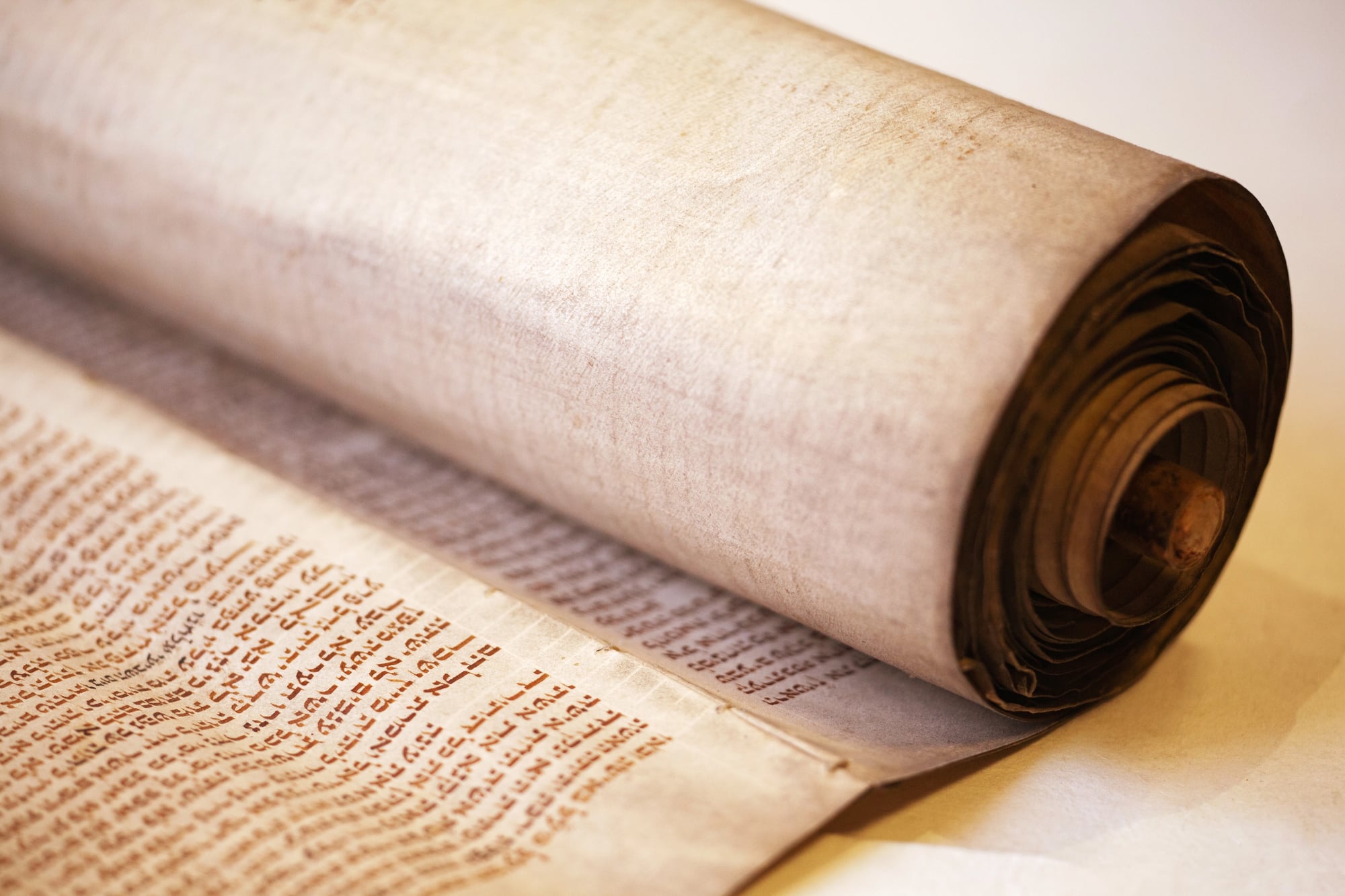
Papyrus documents tucked into mummy wrappings have provided some of the best-preserved ancient texts ever discovered. Legal documents, religious texts, and even personal letters survived because they were protected by the mummification process.
The most valuable finds include previously unknown literary works and historical records. Some scrolls were placed deliberately as grave goods, while others appear to have been recycled as padding material by thrifty embalmers.
Tools And Weapons
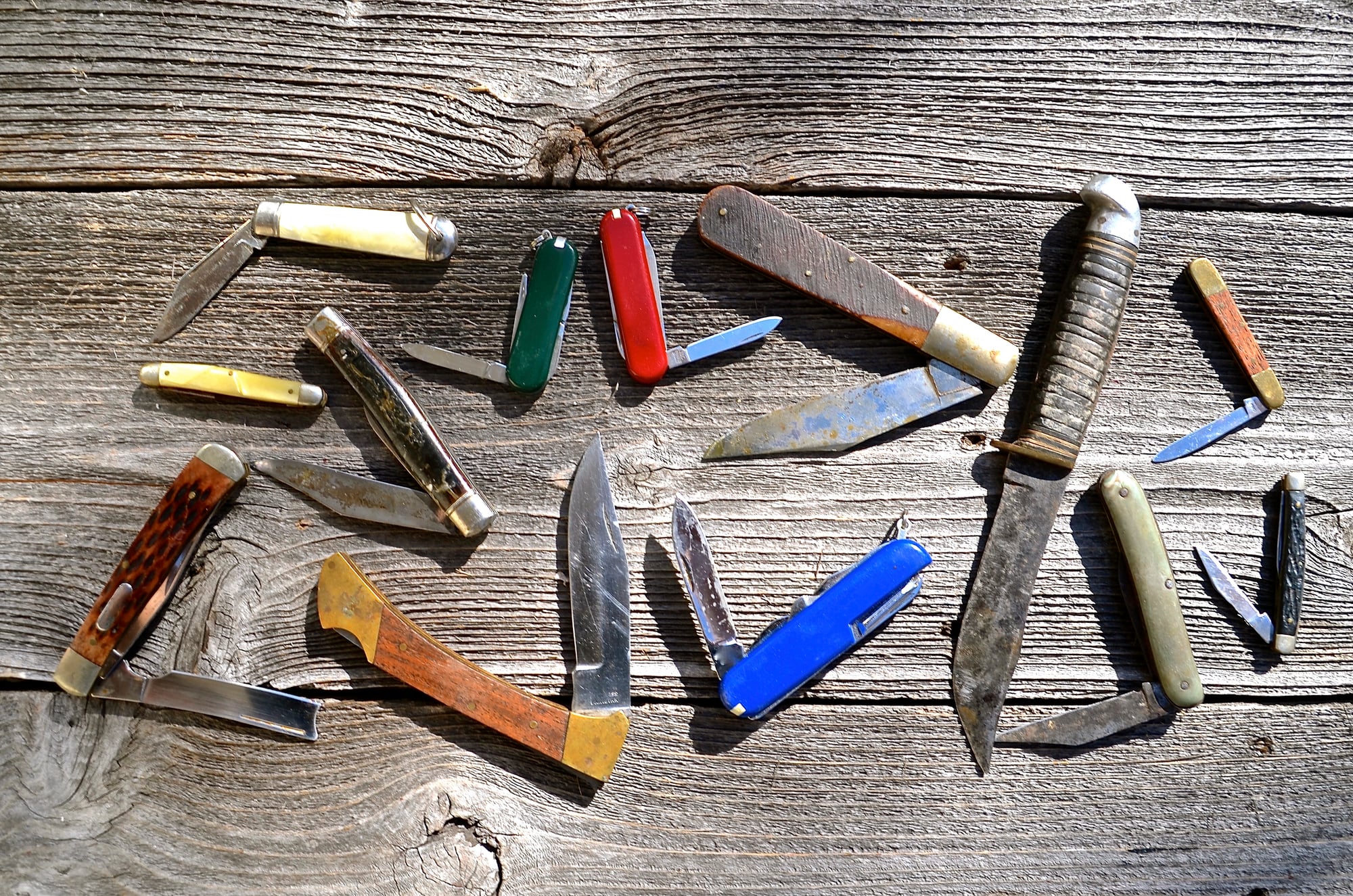
Warriors were often buried with their weapons, but these items sometimes ended up inside the mummy wrappings rather than placed separately in the tomb. Knives, arrowheads, and small tools have been found embedded in the linen strips.
Some tools appear to be miniature versions created specifically for burial, while others show clear signs of use during the person’s lifetime. The practice reflects beliefs about needing familiar objects in the afterlife.
Evidence Of Brain Surgery
Trepanation — the practice of drilling pits in the skull — shows up in Egyptian mummies with surprising frequency. Some procedures were clearly performed post-mortem as part of mummification, but others show healing that indicates the patient survived the surgery.
Ancient Egyptian medical texts describe brain surgery techniques, and mummy evidence confirms these procedures were actually performed. Success rates appear to have been higher than expected for such primitive conditions.
Foreign Objects Used As Stuffing
When proper mummification materials weren’t available, embalmers made creative substitutions. Modern archaeologists have found mummies stuffed with torn-up papyrus (some containing valuable texts), old clothing, rope, straw, and even other organic materials that happened to be lying around the preparation area.
One mummy contained fragments of a previously mummified body — apparently recycled from an earlier burial. The practice sounds disrespectful by modern standards, but it likely reflected practical resource management in ancient times.
Tattoos And Body Art

Infrared imaging has revealed extensive tattoo work on mummies that wasn’t visible to the unaided eye. The designs include geometric patterns, religious symbols, and decorative artwork that provides new insights into ancient Egyptian body modification practices.
Female mummies show tattoo patterns that may have been related to childbirth or religious ceremonies. Male mummies display different designs, often featuring protective symbols or indicators of social status.
Insects And Parasites
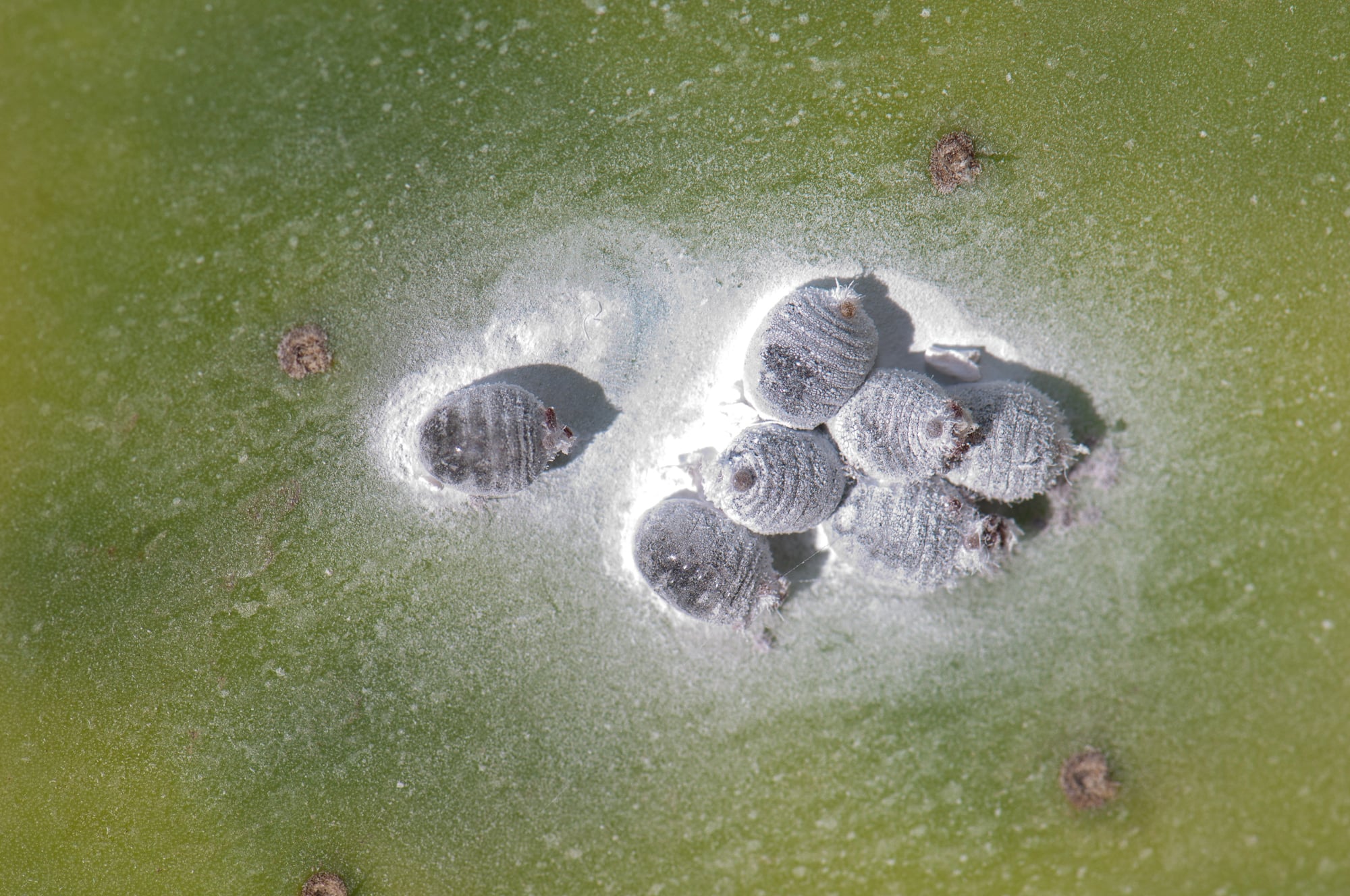
Less glamorous but equally informative are the various insects, worms, and parasites found inside mummified bodies. These unwanted hitchhikers provide detailed information about ancient Egyptian health, diet, and living conditions.
Malaria parasites, intestinal worms, and other disease organisms survived the mummification process well enough for modern scientists to study. The findings reveal that many health problems we consider modern actually plagued ancient populations as well.
Windows Into Ancient Lives
These discoveries transform mummies from mysterious artifacts into individual human stories. The artificial eyes speak to vanity that transcends time, while the dental work reveals people who cared about their appearance and comfort.
The foreign plants suggest trade networks or cultural exchanges that historians are still trying to understand.
Each unexpected finding adds another piece to the puzzle of how ancient Egyptians lived, died, and prepared for whatever came next. The surprises haven’t stopped — new scanning technologies continue revealing secrets that have waited thousands of years to be discovered.
More from Go2Tutors!

- The Romanov Crown Jewels and Their Tragic Fate
- 13 Historical Mysteries That Science Still Can’t Solve
- Famous Hoaxes That Fooled the World for Years
- 15 Child Stars with Tragic Adult Lives
- 16 Famous Jewelry Pieces in History
Like Go2Tutors’s content? Follow us on MSN.