17 Surprising Air Travel Facts Hidden from Passengers
Flying has become so routine that most travelers settle into their seats, buckle up, and assume they know everything happening around them. The reality is far more complex. Behind the scenes of every flight lies a world of protocols, secrets, and surprising truths that airlines rarely discuss openly. Some of these facts might change how you think about air travel entirely.
Lightning Strikes Are Routine
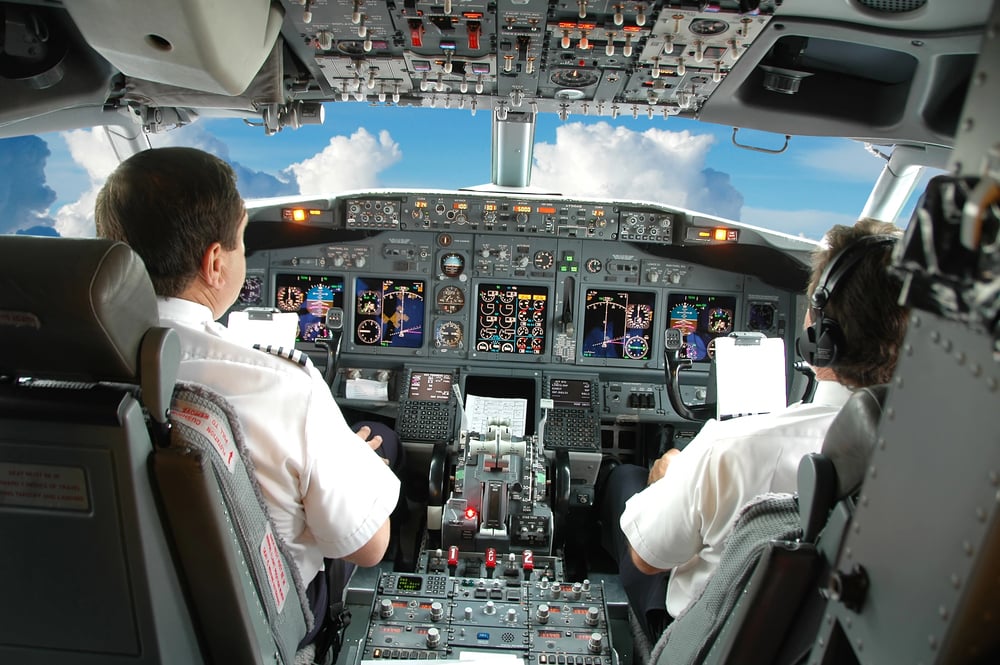
Commercial aircraft get struck by lightning roughly once every 1,000 flight hours. Your plane has probably been hit multiple times without anyone mentioning it. The aluminum fuselage acts as a Faraday cage, letting electricity flow around the cabin rather than through it. Pilots often don’t even announce lightning strikes because they’re considered normal operations.
Oxygen Masks Give You 15 Minutes Maximum
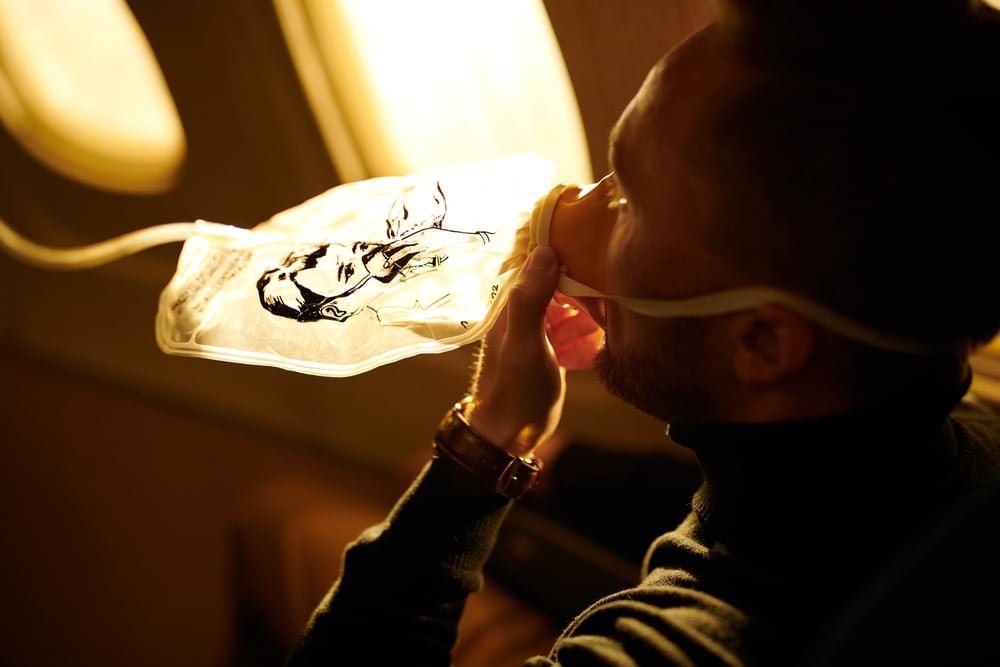
Those yellow masks dropping from the ceiling aren’t connected to unlimited oxygen tanks. The chemical reaction that generates oxygen lasts roughly 12 to 15 minutes (and that’s being generous, since the actual duration often falls closer to the lower end). This might sound terrifying, but it’s intentional — that’s exactly how long pilots need to descend to a breathable altitude where you won’t need supplemental oxygen anymore.
Pilots and Co-Pilots Eat Different Meals
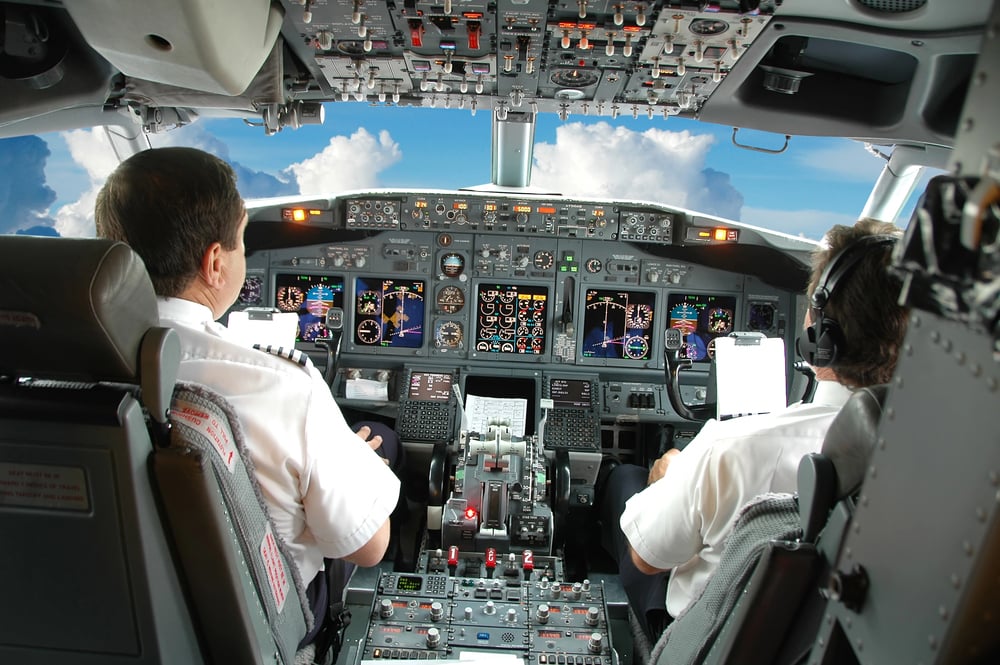
Think of it as aviation’s version of royal food tasting, except both people matter equally and the stakes involve everyone on board rather than just a crown. Airlines deliberately serve different entrees to the captain and first officer so that if one meal causes food poisoning, at least one pilot remains functional enough to land the aircraft safely. And while we’re being honest about practicalities, let’s address the fact that pilot meals aren’t exactly gourmet affairs — they’re chosen for being bland and unlikely to cause digestive issues rather than for flavor, which tells you something about priorities at 35,000 feet.
Airplane Air Is Cleaner Than Most Buildings
Hospital-grade HEPA filters remove 99.97% of bacteria and viruses from cabin air. The air gets completely replaced every two to three minutes. Most office buildings refresh their air every 20 minutes at best. You’re breathing cleaner air at cruising altitude than you did in the airport terminal.
Flight Attendants Can Legally Arrest You
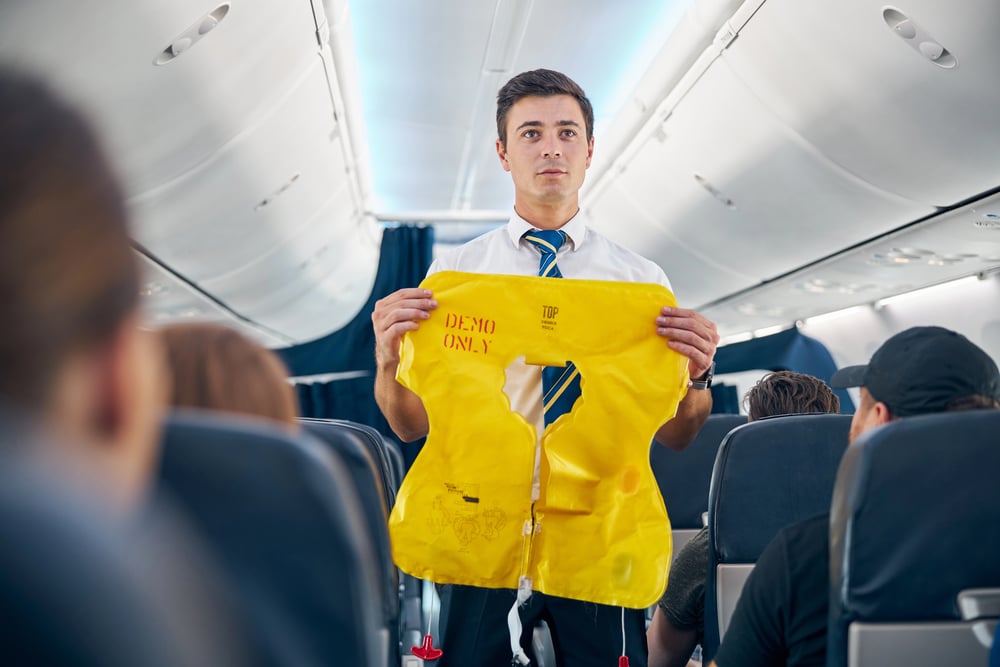
Federal regulations grant flight attendants the authority to detain passengers who pose a threat to flight safety. They can use restraints, move you to a different seat, and technically place you under citizen’s arrest until the plane lands and real law enforcement takes over. That friendly smile comes with actual legal power.
Planes Can Fly With One Engine
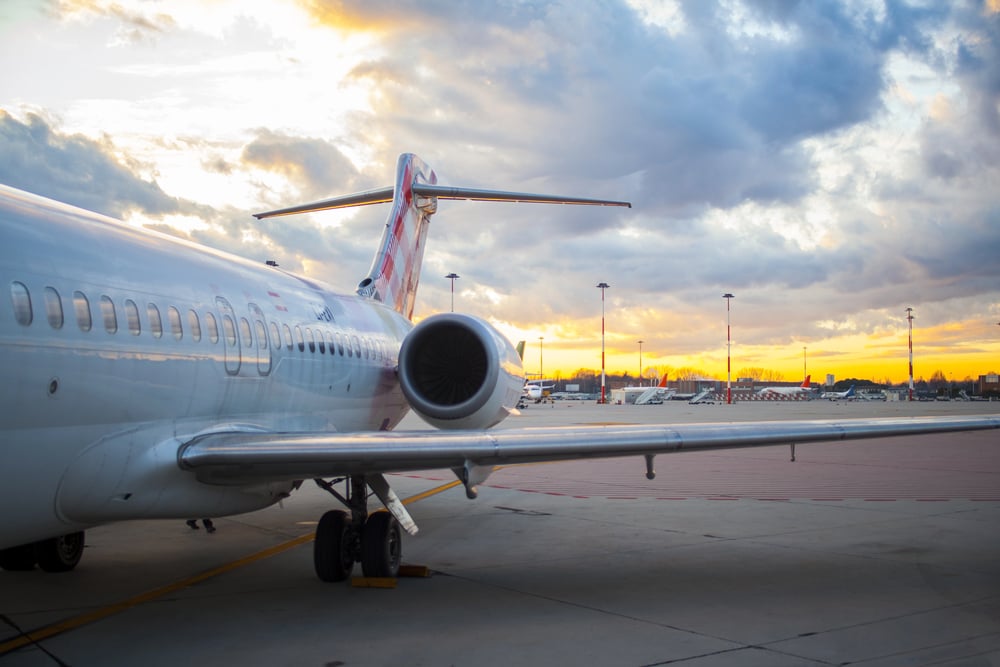
Every commercial aircraft is designed and certified to maintain flight with a single engine failure. Twin-engine planes (which make up most commercial fleets) can fly for hours on one engine and land safely at the nearest suitable airport. The remaining engine provides enough thrust and power for all essential systems. So when you hear about an “emergency landing due to engine failure,” it’s precautionary rather than desperate.
Cabin Pressure Equals 8,000 Feet Elevation
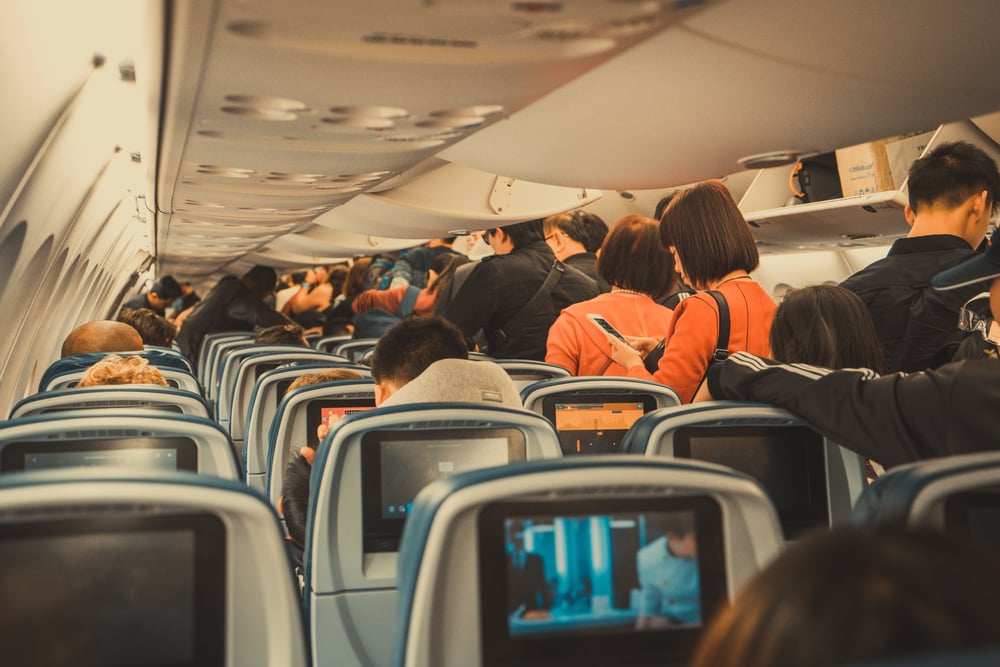
The air inside your cabin isn’t pressurized to sea level — it matches the atmospheric pressure you’d experience standing on a mountain 8,000 feet high. This is why alcohol hits harder during flights, why you get dehydrated faster, and why some people feel lightheaded or get headaches. Your body is essentially dealing with moderate altitude sickness while sitting in a chair eating peanuts, which explains why air travel feels more exhausting than the actual time spent sitting would suggest.
Airline regulations permit this level because it’s the highest altitude most people can handle without serious discomfort, while still being low enough that the aircraft structure doesn’t need to be built like a submarine. And yet somehow, passengers are never warned that they’re spending hours in conditions that would leave them winded if they encountered them hiking.
Bathroom Doors Unlock From Outside
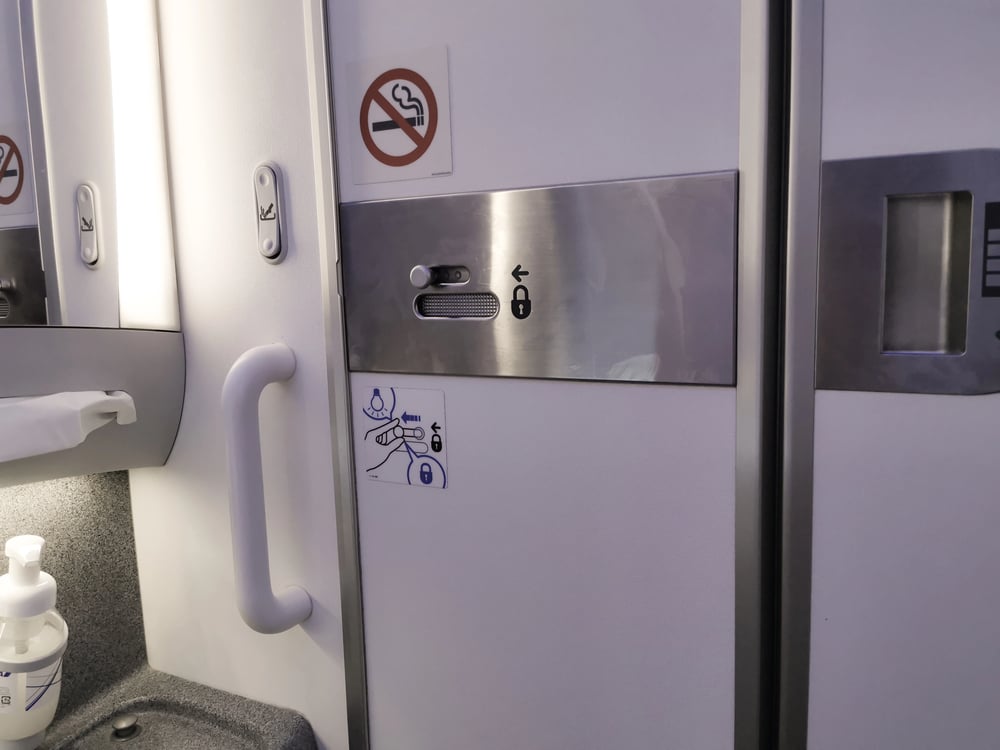
Every airplane lavatory can be opened from the corridor using a simple mechanism hidden behind the “Lavatory” or “Occupied” sign. Flight attendants need access for medical emergencies, security issues, or when someone accidentally locks themselves inside. Slide the sign panel to one side and there’s usually a small latch or switch that overrides the door lock.
Pilots Fall Asleep During Flights
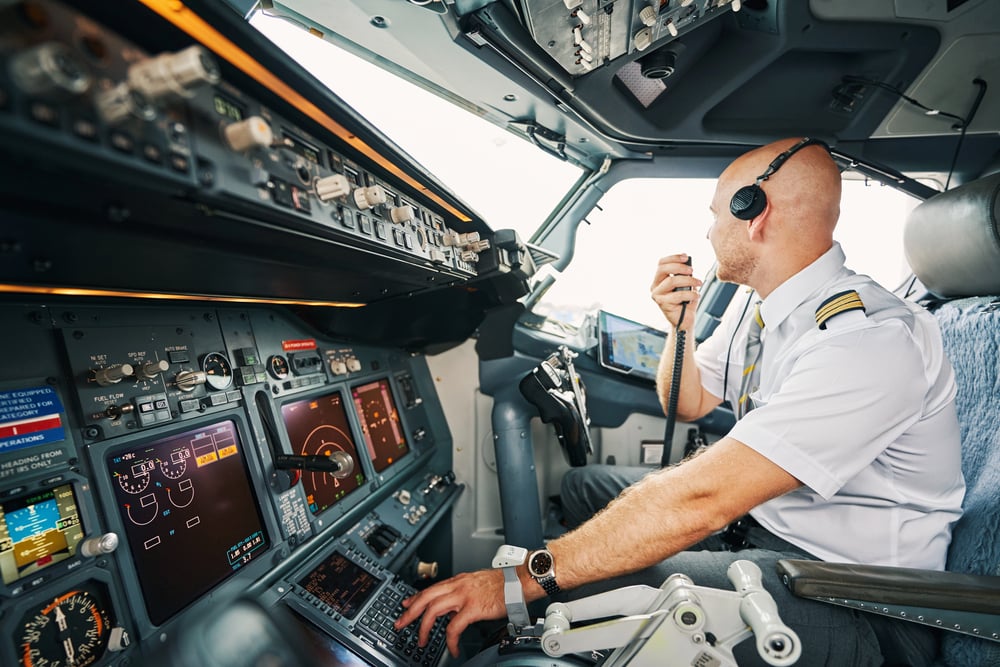
Controlled rest procedures allow one pilot to nap while the other remains alert, especially on long international routes. The sleeping pilot must wake up at least 15 minutes before beginning descent to ensure full alertness during landing. This isn’t a dirty secret — it’s an official fatigue management protocol approved by aviation authorities because well-rested pilots are safer than exhausted ones fighting to stay awake.
Airlines Oversell Flights Intentionally
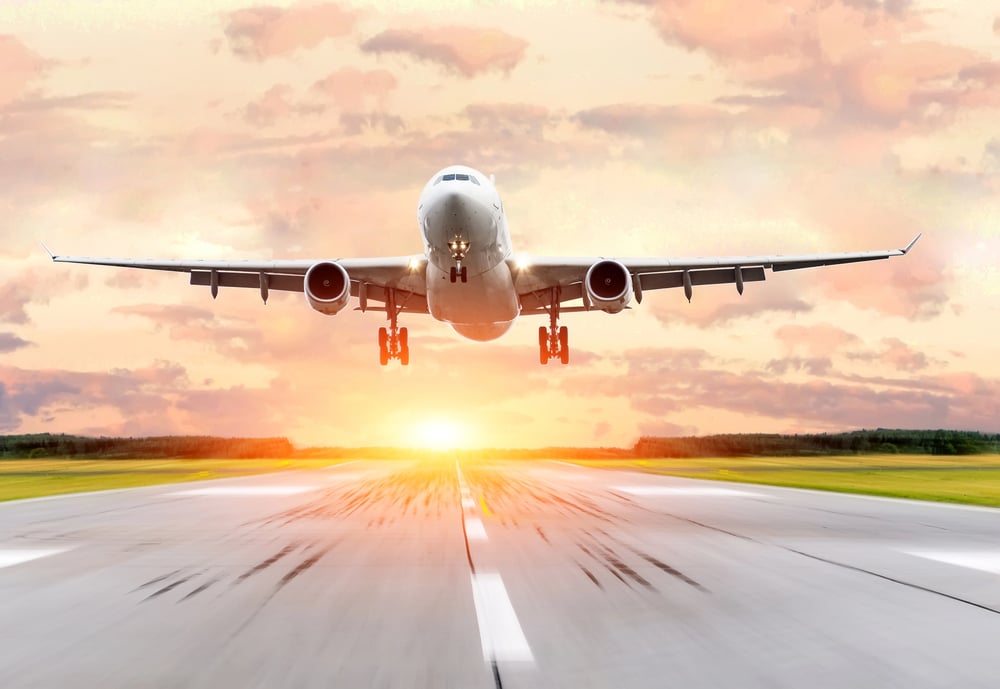
Every airline sells more tickets than available seats based on statistical models predicting no-shows. They’ve calculated that a certain percentage of passengers won’t board, and they’d rather deal with occasional bumping situations than fly with empty seats. The algorithms are sophisticated enough that involuntary bumping happens on less than 1% of flights, but voluntary bumping (where passengers accept compensation) happens far more often.
Tray Tables Are Dirtier Than Bathroom Handles
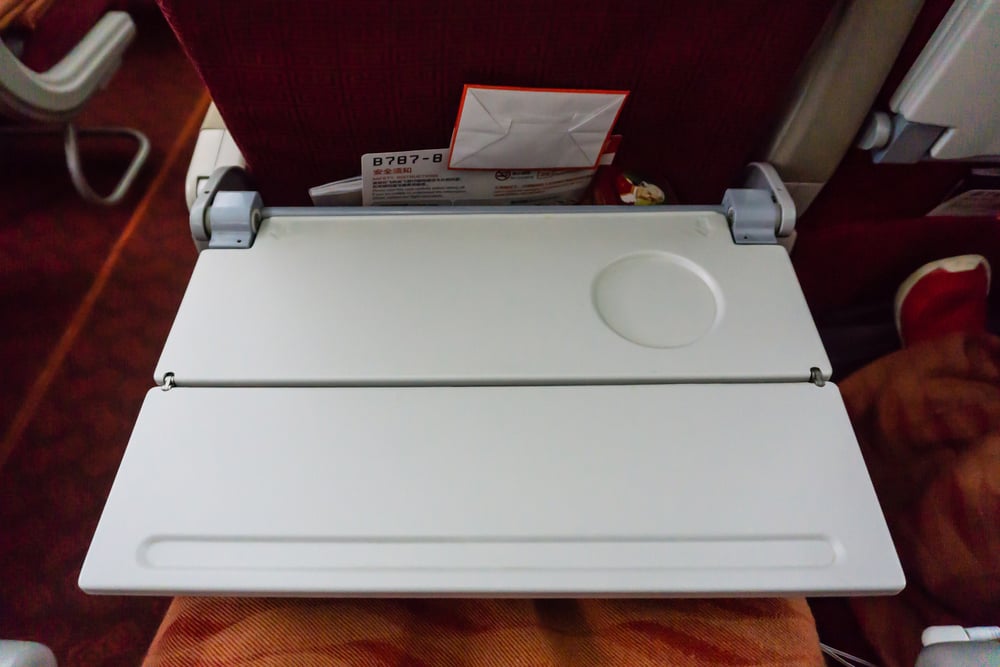
Microbiological testing consistently shows that tray tables harbor more bacteria per square inch than lavatory door handles or toilet flush buttons. These surfaces get wiped down between flights, but “wiped down” often means a quick pass with a cloth rather than actual disinfection. Passengers use tray tables for food, laptops, phones, and everything else, while relatively few people actually touch bathroom surfaces with their bare hands.
Flight crews have known this for years, which is why experienced attendants often carry their own disinfecting wipes and avoid eating directly off tray tables during their breaks. The irony is thick: people worry about airplane bathrooms while eating snacks off surfaces that would make a gas station restroom seem pristine by comparison.
Planes Are Struck by Birds Constantly
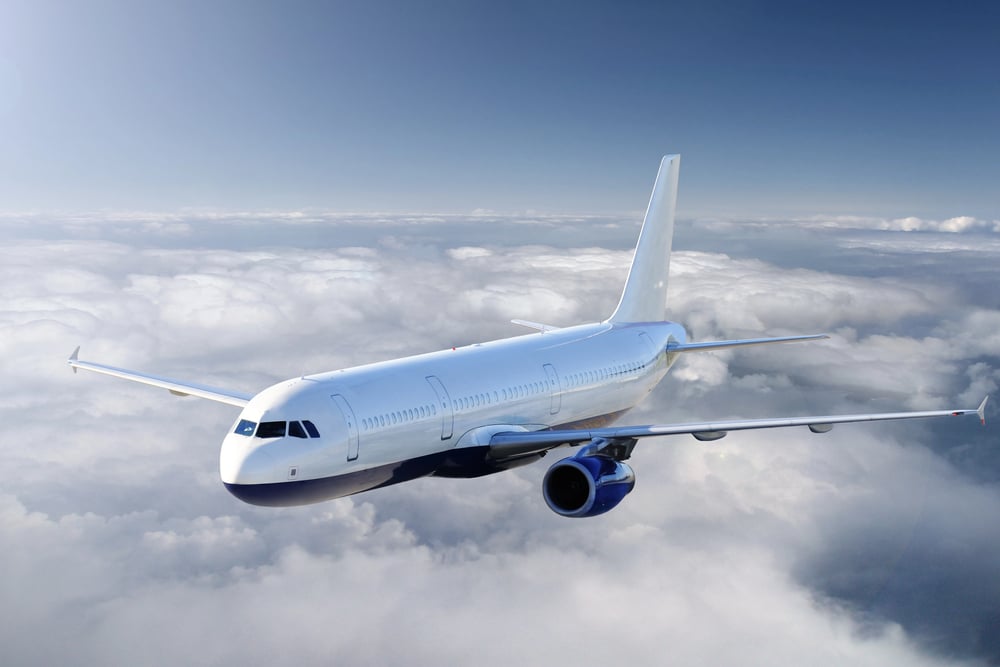
Bird strikes happen during roughly 1 in every 10,000 flights, which means they’re occurring multiple times daily across the aviation system. Most strikes cause minimal damage — maybe a dent in the nose cone or a few feathers stuck to the wing. Engines are tested to handle ingesting birds up to a certain size. The famous “Miracle on the Hudson” involved an unusually large flock of geese hitting both engines simultaneously, which is statistically rare enough that most pilots never experience it.
Fuel Dumping Happens More Often Than You Think
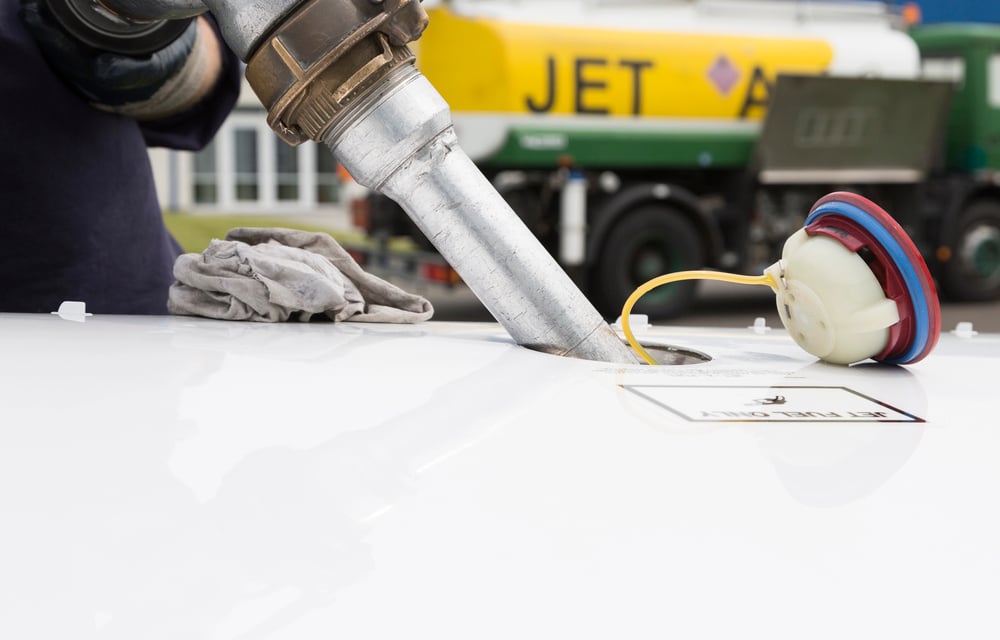
When aircraft need to make emergency landings shortly after takeoff, they often dump thousands of gallons of fuel to reduce landing weight and avoid structural damage. This fuel evaporates before reaching the ground in most cases, but not always. The practice is completely legal and necessary for safety, but airlines don’t exactly advertise when and where it happens.
Your Phone Won’t Crash the Plane
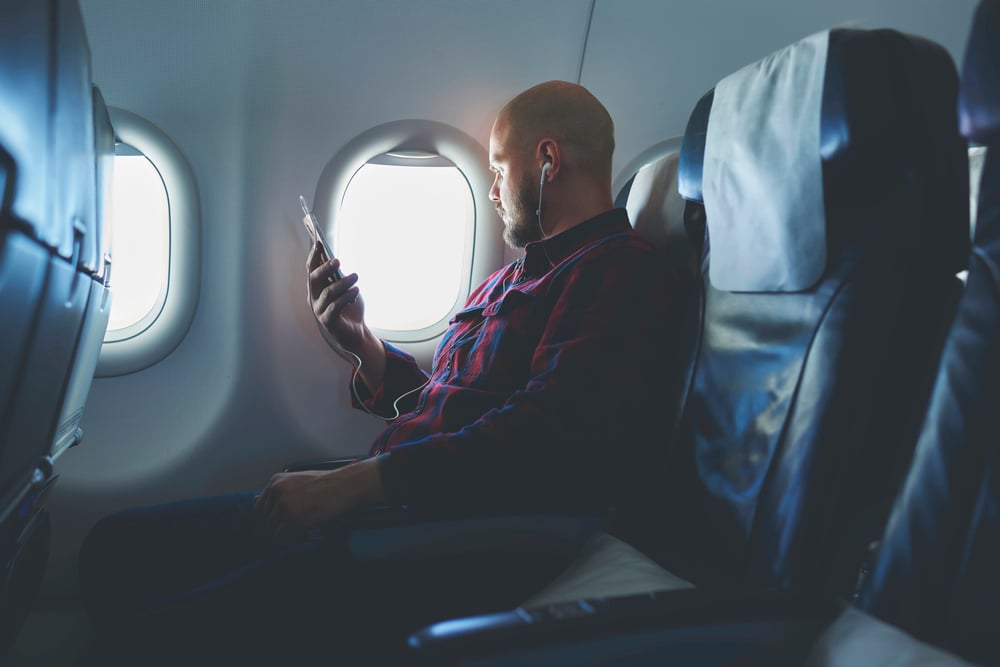
The rule about turning off electronic devices exists because radio signals can potentially interfere with navigation equipment, but modern aircraft are heavily shielded against such interference. The bigger issue is that cell phones moving at 500 mph cause havoc with ground-based cell towers as they rapidly connect and disconnect from multiple towers. Airlines maintain the rules partly for caution and partly because passengers talking on phones during flights would be insufferable.
Airplane Windows Have Tiny Openings
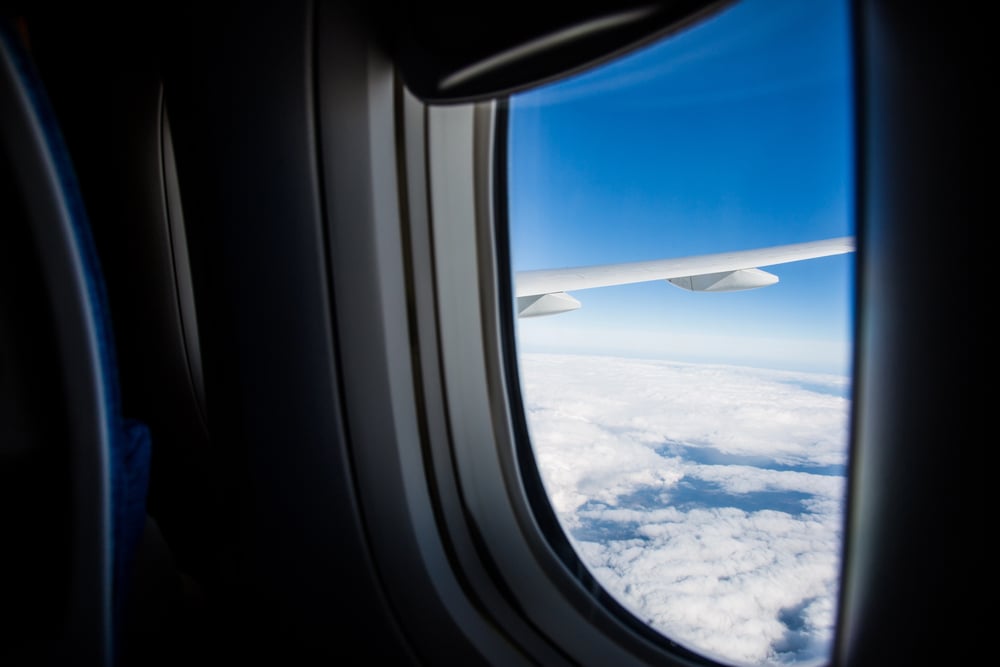
Every passenger window contains a small opening called a bleedhole that helps regulate pressure between the window’s multiple layers. Without it, the pressure differential could crack the outer window pane. That little opening is literally preventing the window from failing catastrophically, but it’s so small that most passengers never notice it exists.
Flight Times Are Artificially Inflated
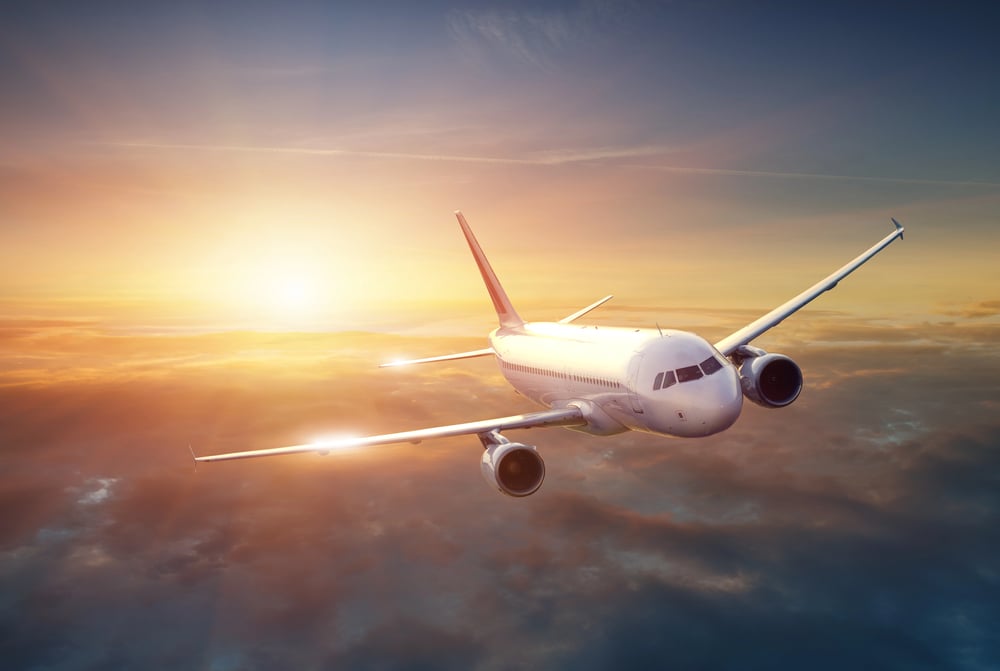
Airlines have been quietly adding 10-30 minutes to scheduled flight times over the past two decades while actual flight times remain roughly the same. This padding helps them maintain on-time performance statistics even when flights face normal delays. A route that actually takes 2 hours and 45 minutes might be scheduled for 3 hours and 15 minutes, making the airline look punctual when they arrive “early” at the actual flight time.
Turbulence Never Broke an Airplane
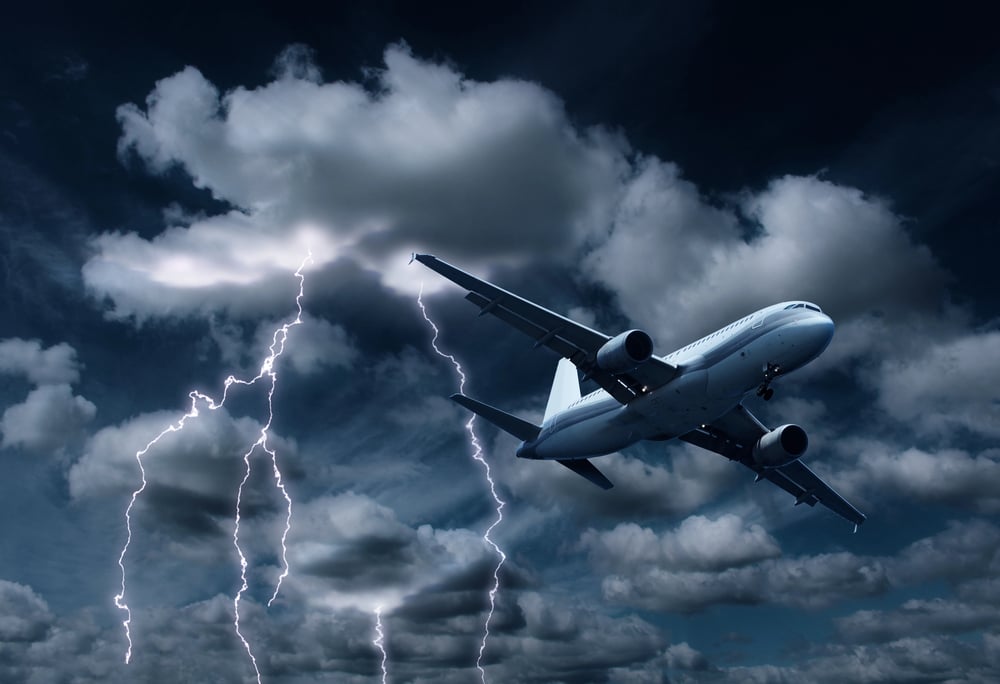
No modern commercial aircraft has ever experienced structural failure due to turbulence alone. Planes are tested to handle forces far beyond what natural turbulence can produce. The bumpy air feels dramatic from inside the cabin, but the aircraft structure treats it like a minor workout. Injuries during turbulence happen when people or loose objects get thrown around the cabin, not because the plane itself is in danger.
The Real Story Behind the Curtain
These hidden truths reveal something interesting about air travel: the gap between what passengers assume and what actually happens. Airlines maintain certain mysteries not out of malice, but because explaining every protocol and procedure would either bore travelers to death or create anxiety about issues that are already being managed safely. Sometimes the most reassuring thing about flying is simply knowing that there are people whose job it is to worry about all the things you never thought to worry about.
More from Go2Tutors!

- The Romanov Crown Jewels and Their Tragic Fate
- 13 Historical Mysteries That Science Still Can’t Solve
- Famous Hoaxes That Fooled the World for Years
- 15 Child Stars with Tragic Adult Lives
- 16 Famous Jewelry Pieces in History
Like Go2Tutors’s content? Follow us on MSN.



