Hilarious Behind-the-Scenes Fails from Sitcoms
Timing is the foundation of sitcoms. A punchline can be crushed by a half-second pause.
A scene can be ruined by a misplaced prop. An early laugh can disrupt the flow of a whole conversation.
The polished version is shown to viewers, complete with flawless edits, spotless reactions, and well-placed jokes. The times when everything collapses are what they miss.
Fumbled lines, falling furniture, missed cues, and actors breaking out in uncontrollable laughter are all hidden behind the steady camera angles and pre-recorded laughter. Occasionally, people come to love those bloopers more than the episode itself.
Here’s a closer look at some of the most hilarious behind-the-scenes sitcom failures that demonstrate that even pros can make mistakes. The Couch That Wouldn’t Cooperate — Friends
The Couch That Wouldn’t Cooperate — Friends

The Friends stairwell sofa scene is one of the most recognizable sitcom scenes. “Pivot!” was yelled repeatedly, and it became a defining catchphrase.
The final cut failed to convey to viewers how hard it was for the actors to maintain straight faces while filming. There was actual mayhem on set due to the physical awkwardness of moving a couch up a small staircase.
Laughter reportedly lasted much longer than anticipated between takes. Observing the actors struggle to give a scene a serious performance can sometimes be the most hilarious part of it.
Breaking Character Mid-Insult — The Office
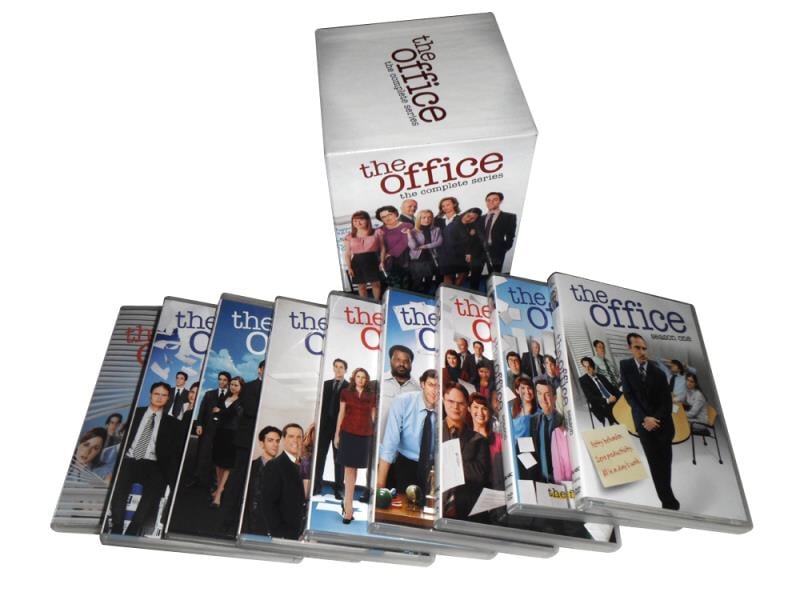
The mockumentary style of The Office required actors to maintain deadpan expressions even during absurd dialogue. That restraint made the occasional break even more explosive.
Steve Carell, known for fully committing to awkward monologues, occasionally caused co-stars to crack during intense stare-downs. Because the show relied on long, uninterrupted takes, a single laugh could reset the entire setup.
The effort to remain expressionless often made the bloopers even funnier than the jokes themselves.
The Turkey That Wouldn’t Sit Still — I Love Lucy

Classic sitcom production was not immune to physical mishaps. In I Love Lucy, elaborate prop gags frequently misbehaved.
Food scenes in particular had a reputation for unpredictability. Turkeys slid off counters.
Ingredients spilled too early. Timing-dependent visual jokes had to be reset repeatedly.
Lucille’s ability to improvise saved more than one take from complete collapse, but not before plenty of unplanned chaos unfolded.
Collapsing Sets — Seinfeld

Live studio audiences add energy, but they also amplify mistakes. On Seinfeld, doors occasionally stuck, props fell apart, and background elements shifted at the worst possible moments.
Because scenes were filmed in front of an audience, actors sometimes had to recover in real time. A misplaced chair or dropped script page became part of the rhythm.
The recovery often earned bigger laughs than the scripted line that followed.
When the Accent Slips — The Nanny
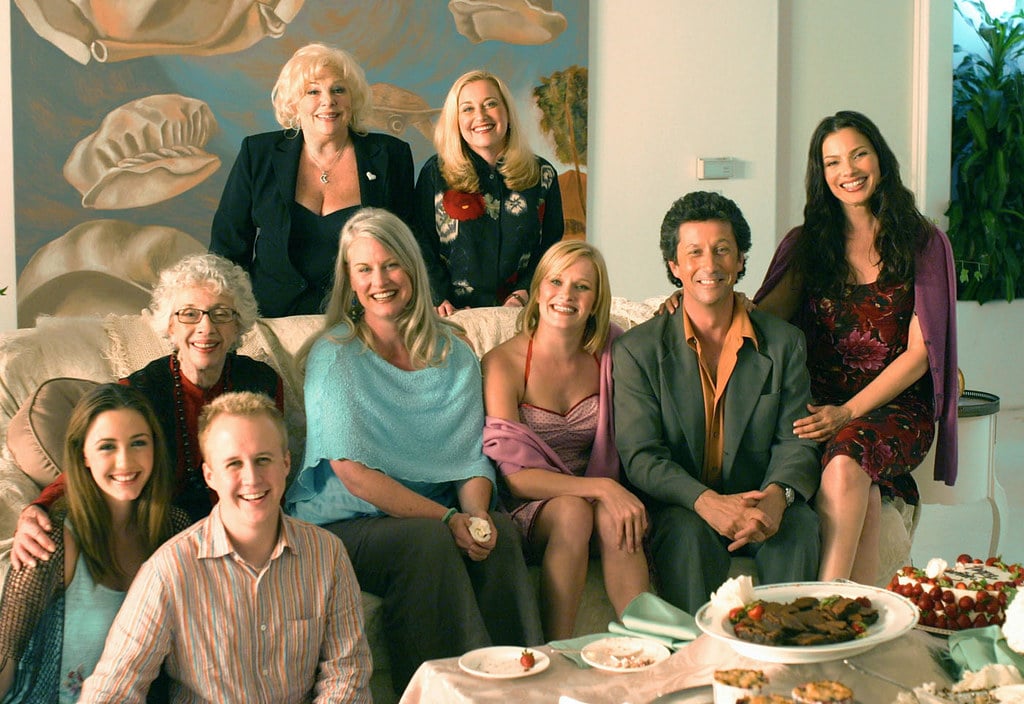
Fran Drescher’s distinctive voice was central to The Nanny. Maintaining that heightened delivery for extended takes required stamina.
During bloopers, her accent occasionally shifted or broke entirely mid-line. Those breaks highlighted just how controlled the performance actually was.
Exaggerated character voices can be hard to sustain, and when they slip unexpectedly, the contrast can be hilarious.
Improvised Lines That Went Too Far — Parks and Recreation
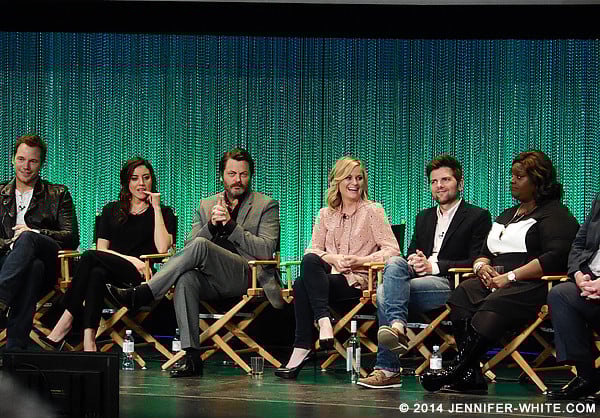
Some sitcoms encourage improvisation. Parks and Recreation was known for allowing actors to riff beyond the script.
The freedom produced gold — and occasionally unusable chaos. Unexpected jokes sometimes derailed scenes because co-stars could not recover quickly enough.
When improvisation works, it elevates a moment. When it doesn’t, it produces bloopers that feel like inside jokes between cast members.
The Laugh That Wouldn’t Stop — How I Met Your Mother
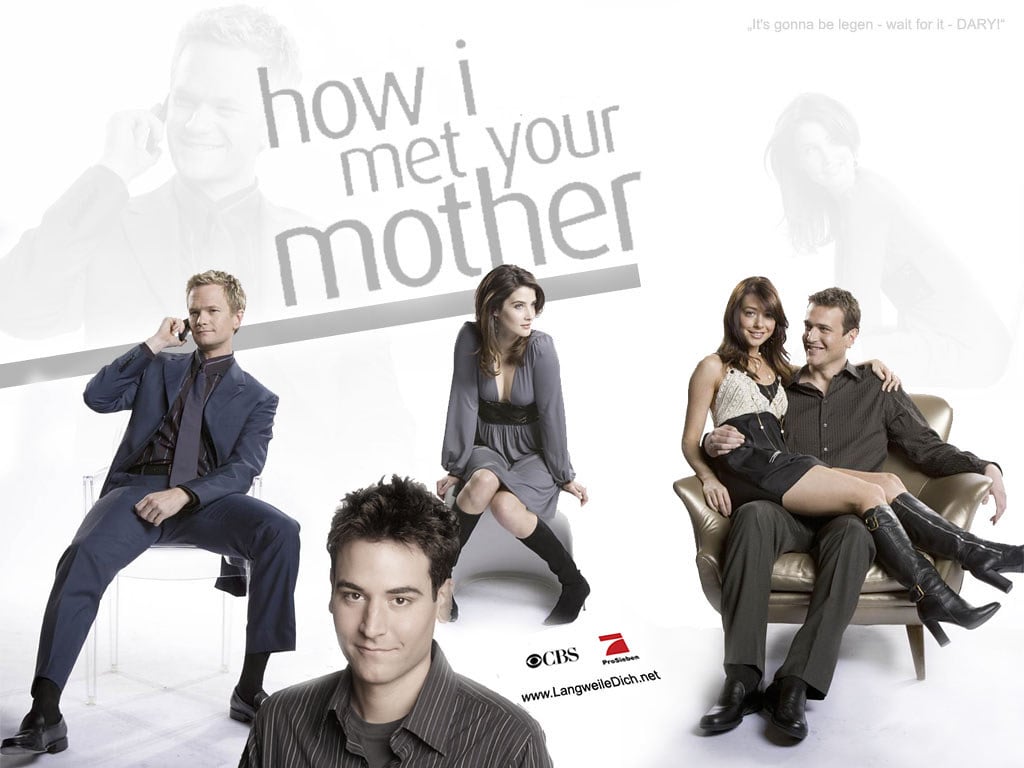
Even experienced performers can lose composure. On How I Met Your Mother, fast-paced dialogue meant there was little room for hesitation.
If one actor began laughing, the reaction often spread. Group scenes were especially vulnerable.
Once the momentum shifted from performance to genuine amusement, regaining control could take several resets. The contagious nature of laughter proved stronger than the script.
Props That Refused to Behave — Full House

Family sitcoms often rely on carefully timed visual gags involving household objects. On Full House, doors jammed, furniture squeaked, and small set details occasionally betrayed the illusion.
When props misfired, actors had to decide instantly whether to acknowledge the mishap or push through. Those split-second decisions sometimes created funnier moments than originally written.
Children Stealing the Scene — Modern Family

Working with child actors introduces unpredictability. On Modern Family, younger cast members occasionally delivered lines too early, too late, or with unexpected emphasis.
The spontaneity often forced adult co-stars to adapt on the spot. A slightly off-beat delivery could trigger genuine laughter.
That authenticity sometimes made its way into the final cut.
The Door That Wouldn’t Open — Cheers

In a show centered around a bar set, entrances and exits are crucial. On Cheers, timing around the bar’s swinging door had to be precise.
When it stuck or opened too soon, scenes unraveled quickly. Physical timing in multi-camera sitcoms leaves little margin for error.
A stubborn hinge could undo an entire setup. Watching actors adjust in real time added a layer of unintended comedy.
Line Mix-Ups in Rapid-Fire Dialogue — The Big Bang Theory
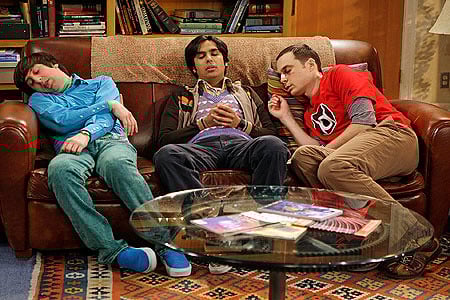
Shows built on fast-paced banter demand sharp recall. On The Big Bang Theory, scientific jargon and long monologues increased the risk of line flubs.
When a complicated sentence unraveled halfway through, co-stars sometimes struggled to maintain composure. The contrast between complex dialogue and simple human error created memorable bloopers.
When Food Scenes Go Wrong — Everybody Loves Raymond

Scenes involving meals look effortless on screen. In reality, they require multiple takes, which means repeated bites and carefully reset plates.
Actors occasionally forgot which forkful they were on or reacted too soon to a punchline. Continuity errors and misplaced reactions turned dinner tables into quiet chaos zones.
Why the Fails Make Sitcoms Better

Behind-the-scenes accidents highlight a crucial aspect of comedy: its vulnerability. Chemistry, timing, and coordination must all be precisely right.
The cracks that appear when they don’t are frequently amusing. Bloopers serve as a reminder to viewers that the performers are still human.
The illusion is slightly broken by a collapsing prop or an uncontrollable laugh, which makes the performance feel cozier. Even though sitcoms are meticulously designed machines, occasionally the most hilarious moments occur when the machine sputters.
Strangely, the scripted success seems even more impressive because of those unplanned failures.
More from Go2Tutors!

- The Romanov Crown Jewels and Their Tragic Fate
- 13 Historical Mysteries That Science Still Can’t Solve
- Famous Hoaxes That Fooled the World for Years
- 15 Child Stars with Tragic Adult Lives
- 16 Famous Jewelry Pieces in History
Like Go2Tutors’s content? Follow us on MSN.



