18 Athletes Who Competed With Major Injuries
Sports history is filled with tales of incredible determination, but some stories go beyond simple grit and venture into the realm of the seemingly impossible. These athletes didn’t just push through minor aches and pains—they competed at the highest levels while dealing with injuries that would sideline most people for months.
Their stories remind us that the line between courage and recklessness can be razor-thin, especially when championship dreams are on the line. Here is a list of 18 athletes who refused to let major injuries keep them from competing.
Kerri Strug

The 1996 Olympic gymnast became an instant legend when she stuck her vault landing on a severely sprained ankle during the team competition. Strug had already injured her ankle on her first vault attempt, but with the gold medal potentially hanging in the balance, she performed a second vault despite the excruciating pain.
Her coach had to carry her to the podium afterward, and X-rays later revealed she had competed with two torn ligaments in her ankle.
Michael Jordan
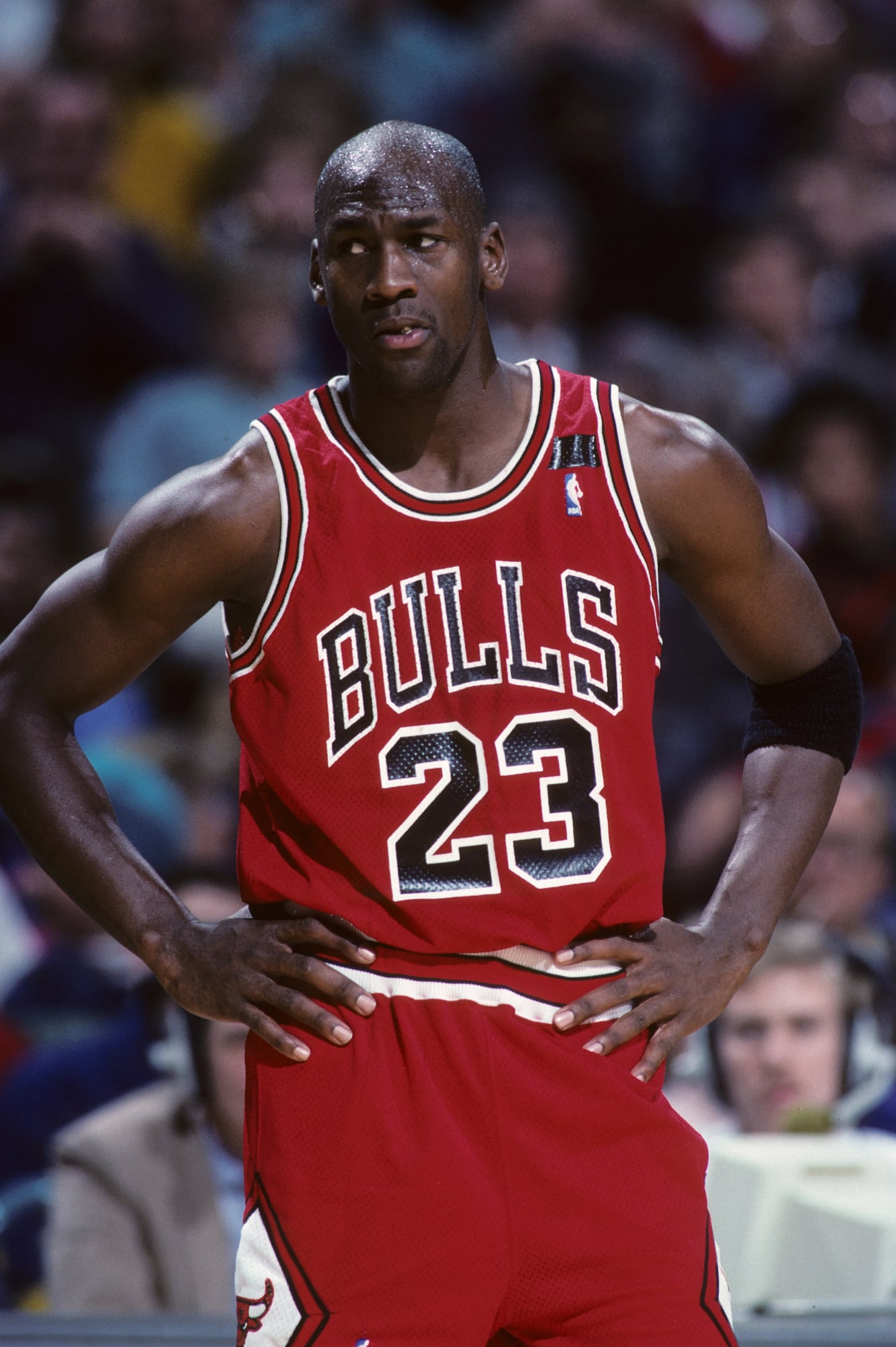
During Game 5 of the 1997 NBA Finals, Jordan battled what was reported as severe flu symptoms, though many believe it was actually food poisoning. He was so weak that teammates had to help him walk to the locker room, yet he still managed to score 38 points and hit the game-winning three-pointer.
The image of Scottie Pippen helping Jordan off the court after his heroic performance became one of the most iconic moments in sports history.
Muhammad Ali
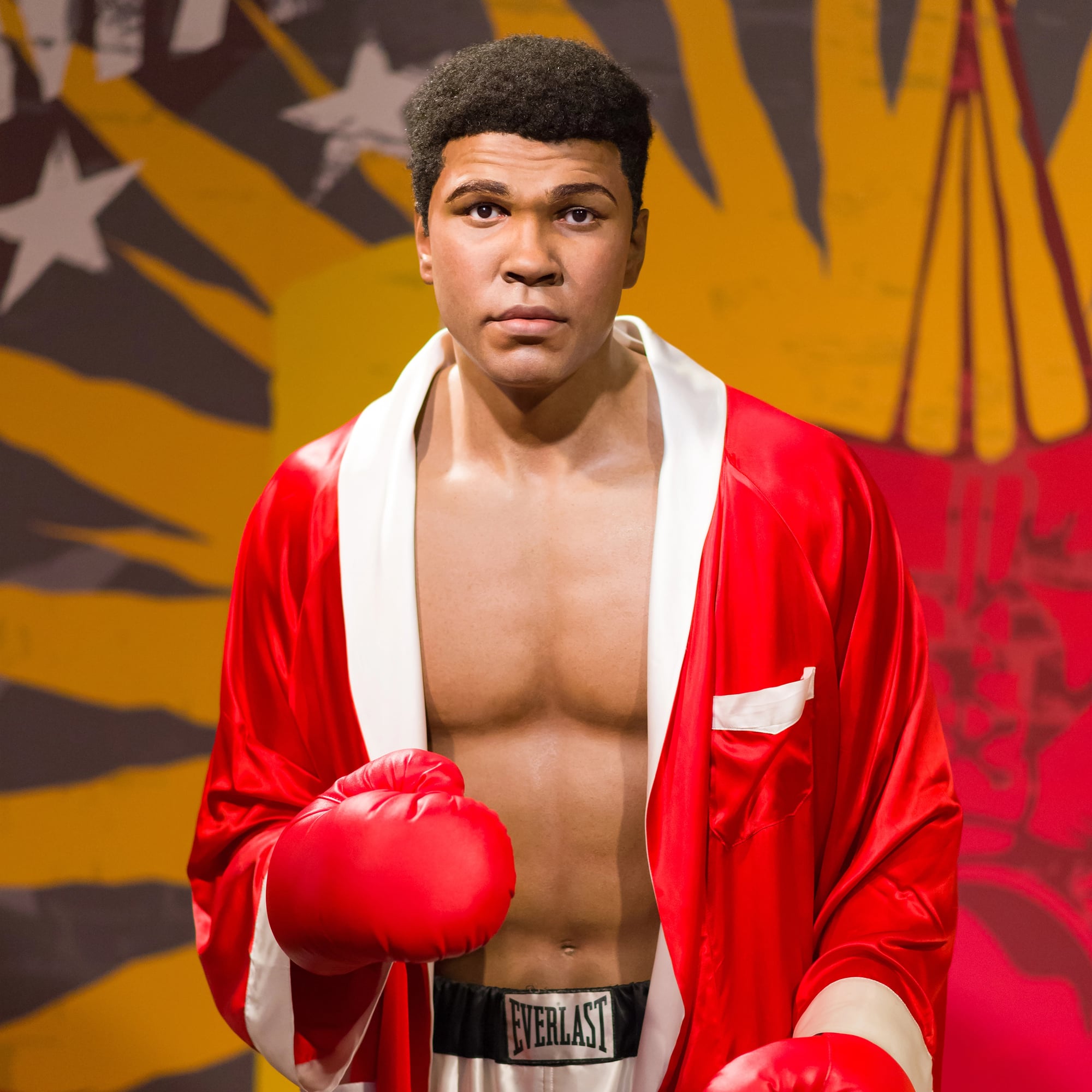
Ali fought his final professional bout against Trevor Berbick in 1981 while already showing early signs of Parkinson’s disease, though the diagnosis wouldn’t come until three years later. His reflexes were noticeably slower, his speech was slurred, and his hands trembled between rounds, yet he still went the full ten rounds.
Medical experts later suggested that continuing to fight while his neurological condition was developing likely accelerated his decline.
Jack Youngblood
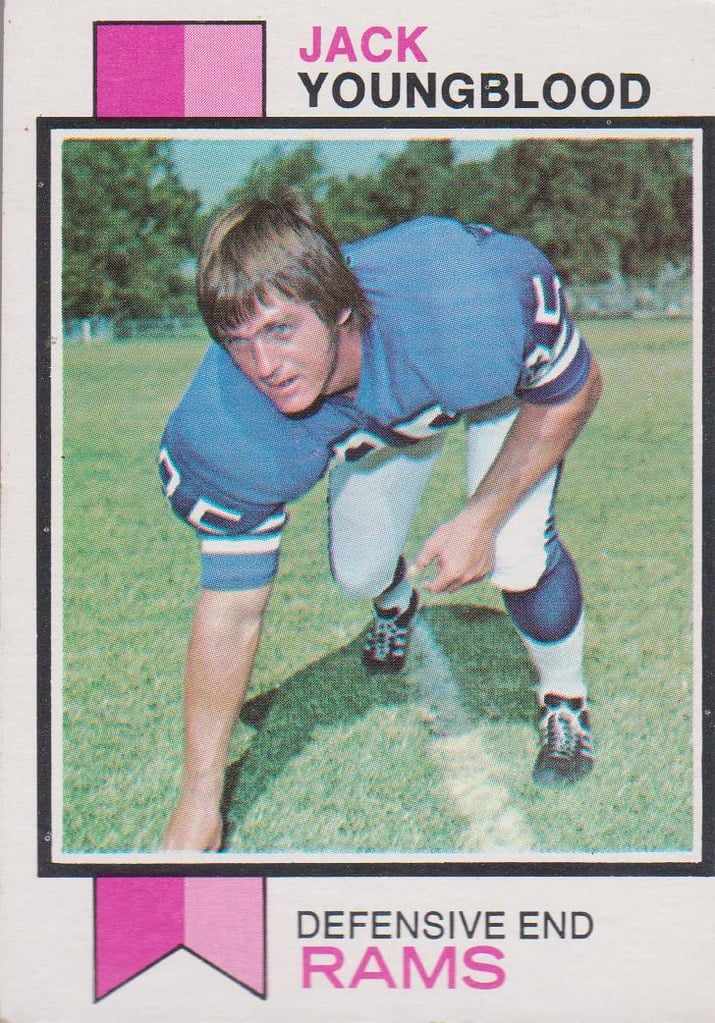
The Los Angeles Rams defensive end played through the entire 1979 NFL playoffs and Super Bowl XIV with a fractured left fibula. Youngblood never missed a single play during the team’s postseason run, despite doctors telling him that one wrong hit could shatter his leg completely.
He wore a special protective cast and simply adjusted his playing style, proving that sometimes sheer willpower can overcome basic anatomy.
Curt Schilling

The Boston Red Sox pitcher’s 2004 World Series performance became legendary when he took the mound with a dislocated ankle tendon that had been temporarily sutured in place. Red fluid visibly seeped through his sock during the game, creating what fans now call the ‘red sock’ game.
Schilling pitched seven innings and allowed just one run, helping the Red Sox break their 86-year championship drought despite needing surgery immediately after the season.
Willis Reed
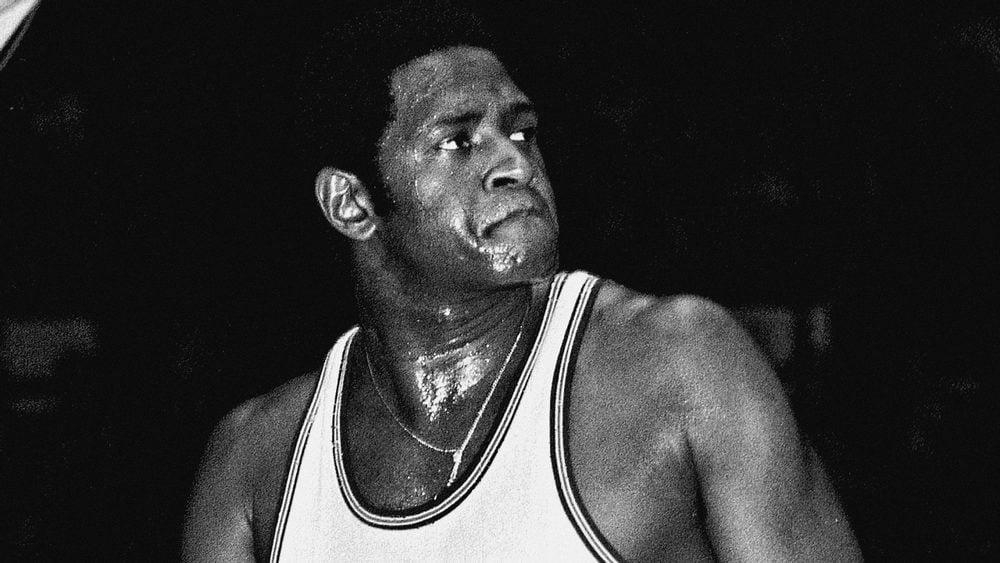
The New York Knicks center limped onto the court for Game 7 of the 1970 NBA Finals despite a severe thigh muscle tear that had kept him out of Game 6. Reed could barely move, but he scored the first two baskets of the game and provided the emotional spark that led his team to their first championship.
His pregame entrance through the tunnel at Madison Square Garden is still considered one of the most inspiring moments in basketball history.
Byron Leftwich
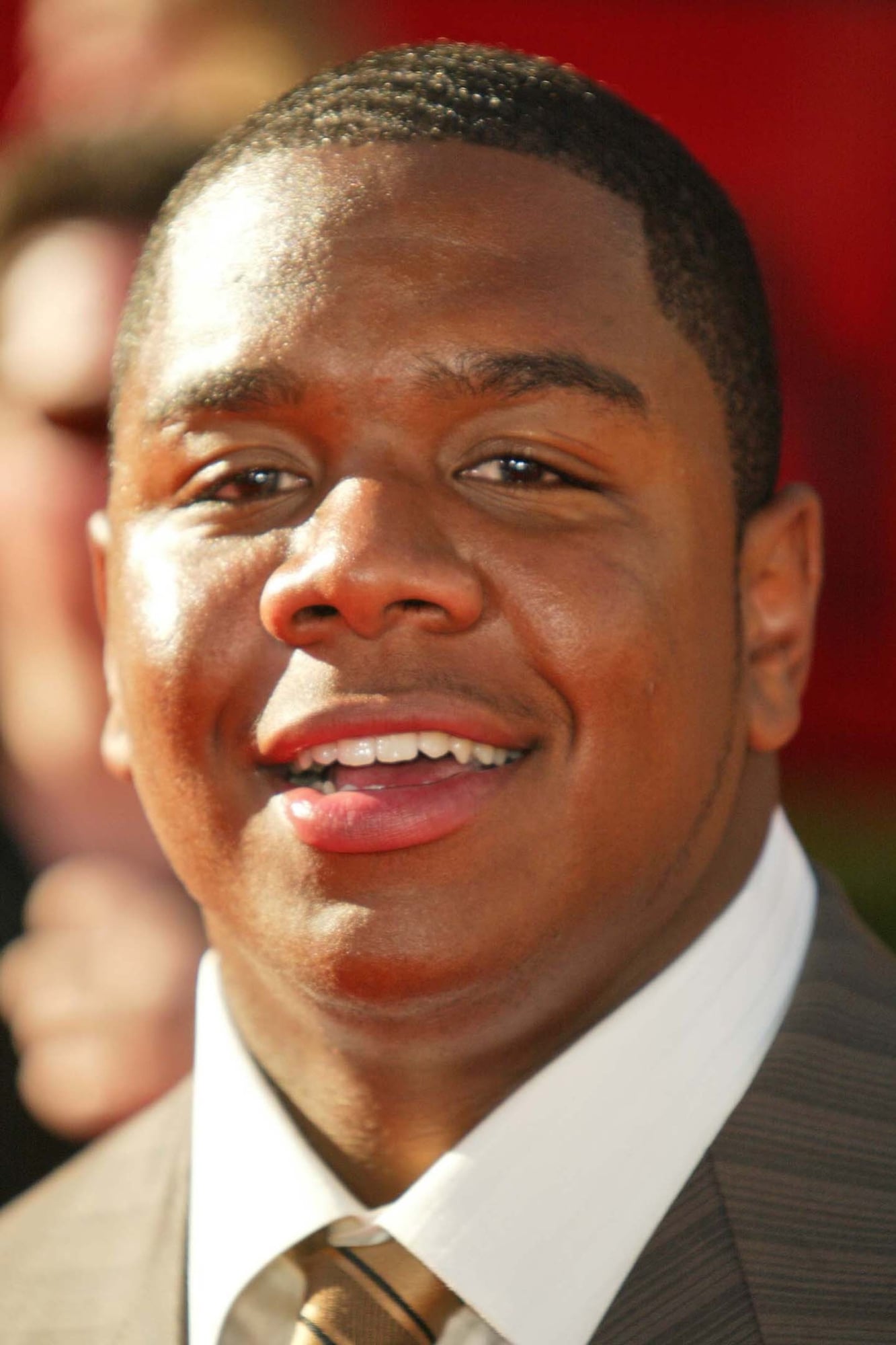
The Marshall University quarterback was carried down the field by his offensive linemen during a 2002 game against Akron after breaking his left shin. Leftwich refused to leave the game and continued calling plays while his teammates literally carried him between plays when he couldn’t walk.
He completed 13 of 17 passes in the second half and led Marshall to a 34-20 victory, redefining what it means to be a field general.
Tiger Woods

Woods won the 2008 U.S. Open at Torrey Pines while competing with a torn ACL and two stress fractures in his left leg. He was taking painkillers throughout the tournament and could barely walk between shots, yet he still managed to force an 18-game playoff against Rocco Mediate.
Woods won the playoff the next day, then immediately underwent season-ending knee surgery that sidelined him for eight months.
Ronnie Lott

The San Francisco 49ers safety had the tip of his left pinky finger amputated after the 1985 season rather than miss playing time for reconstructive surgery. Lott crushed the finger making a tackle and was told he could either have surgery and miss several months or have the fingertip removed and return immediately.
He chose amputation, saying the decision was easy because he didn’t want to let his teammates down during their championship run.
Paul Pierce

The Boston Celtics forward was stabbed 11 times in the face, neck, and back at a nightclub in September 2000, with one wound coming within inches of his heart. Doctors initially feared Pierce might never play basketball again, but he returned for the season opener just two months later.
He played all 82 games that season and never spoke publicly about the incident until years later, preferring to let his play do the talking.
Greg Campbell
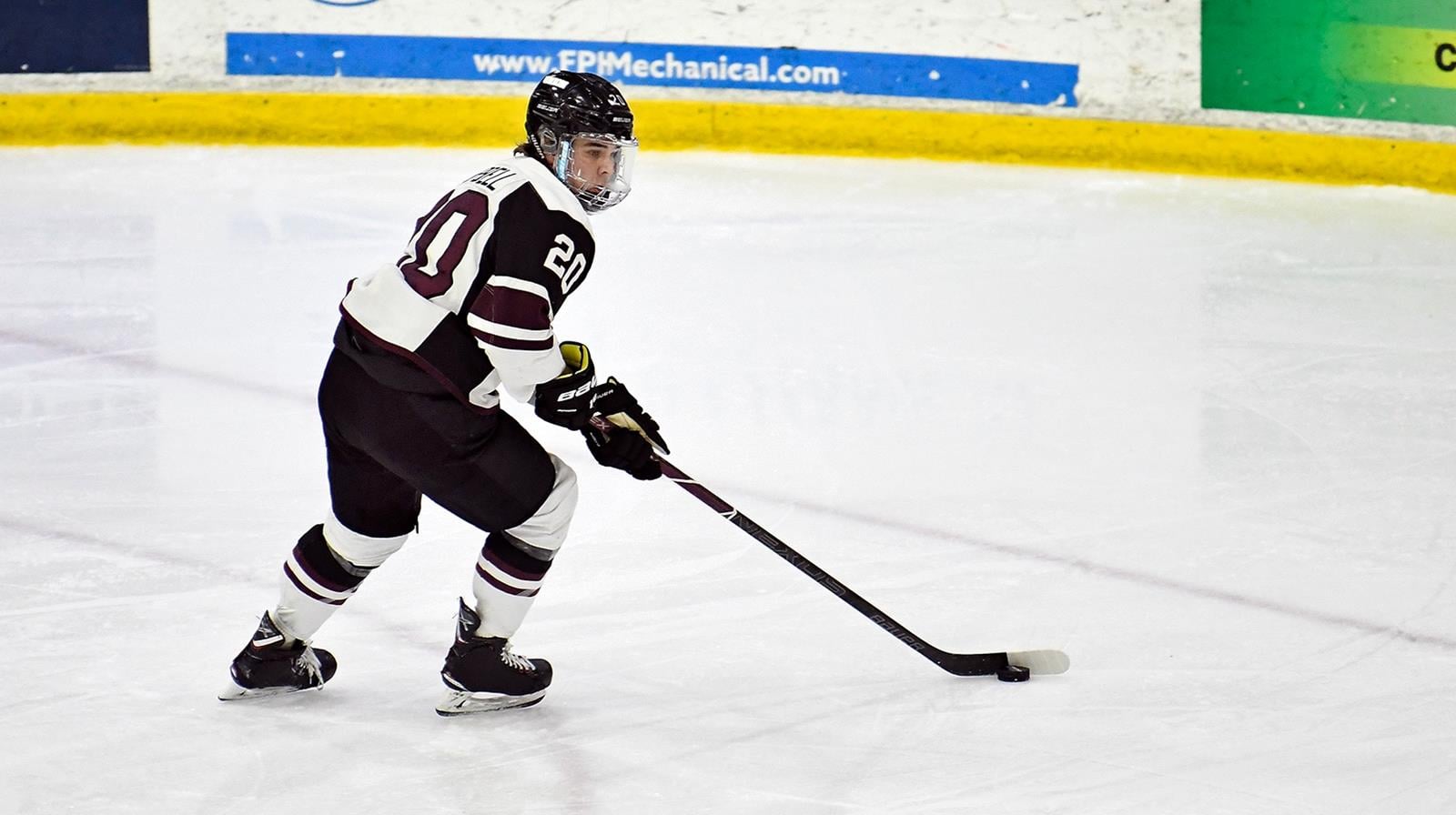
The Boston Bruins defenseman finished his shift in a 2013 playoff game against the Pittsburgh Penguins despite suffering a broken right leg from a blocked shot. Campbell could barely skate, but he stayed on the ice for nearly another minute because his team was shorthanded and changing players would have given Pittsburgh a man advantage.
Video footage shows him struggling to stay upright while still attempting to defend, embodying the playoff warrior mentality that defines hockey culture.
Emmitt Smith
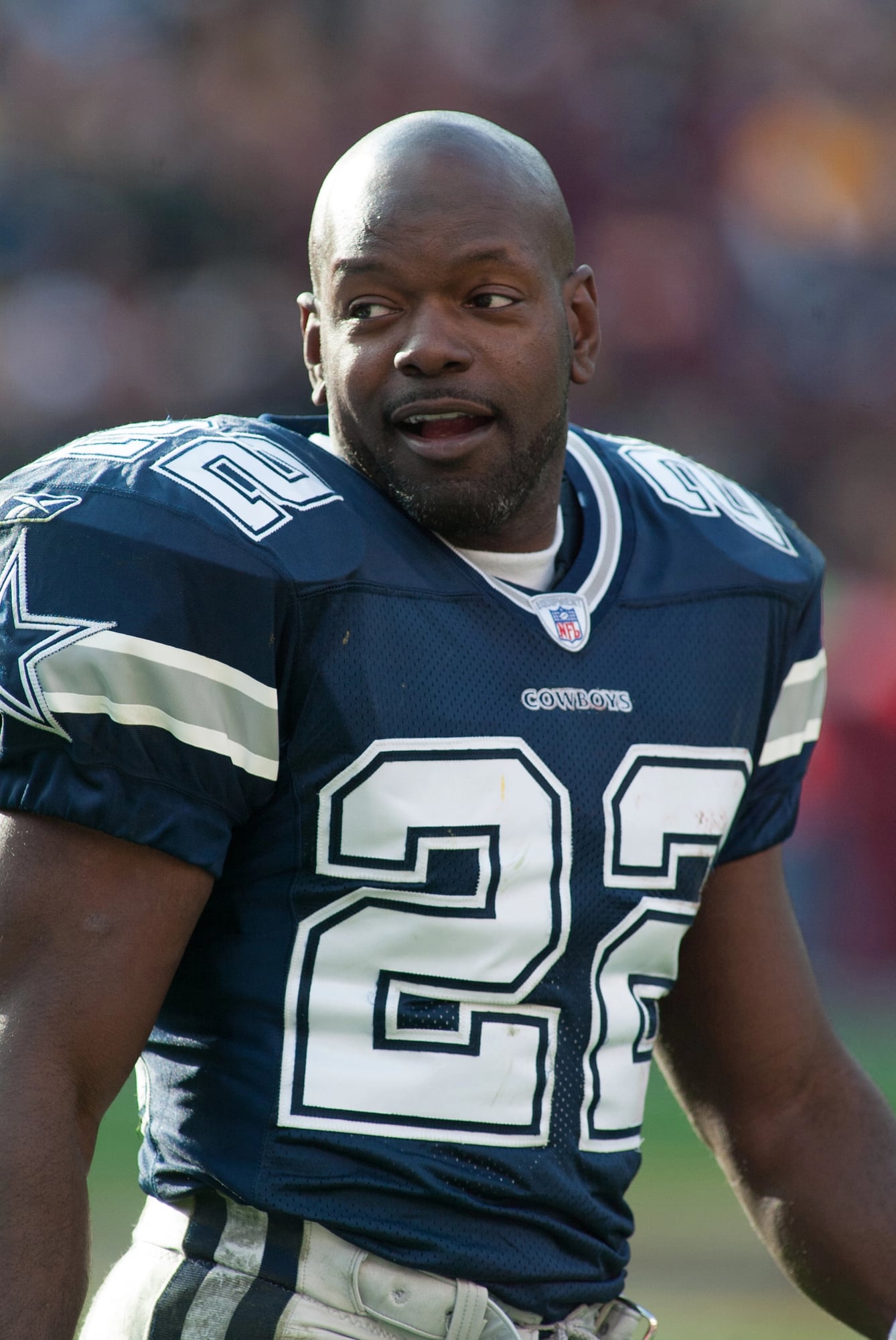
The Dallas Cowboys running back played through a separated shoulder during a crucial 1993 game against the New York Giants, wearing a harness that severely limited his arm movement. Smith gained 168 yards and scored the winning touchdown despite being unable to properly use his right arm for balance or protection.
The performance helped secure the Cowboys’ playoff position and demonstrated why he would eventually become the NFL’s all-time leading rusher.
Kobe Bryant

The Lakers guard finished shooting his free throws after tearing his Achilles tendon during a 2013 game against the Golden State Warriors. Bryant knew immediately that he had suffered a severe injury, but he limped to the free-throw line and calmly sank both shots before walking off the court under his own power.
The image of him walking to the locker room became symbolic of his ‘Mamba Mentality’ and refusal to show weakness even in his darkest moments.
Rajon Rondo

The Boston Celtics point guard dislocated his left elbow during Game 3 of the 2011 Eastern Conference Finals against the Miami Heat. Rondo had trainers pop his elbow back into place on the sideline, then returned to the game and played the entire fourth quarter with one functional arm.
He scored eight points and dished out several assists using primarily his right hand, helping the Celtics force overtime in what many consider one of the gutsiest performances in playoff history.
Mary Decker

The American middle-distance runner competed in the 1996 Olympic Trials despite stress fractures in both shins that were so severe doctors could see them on X-rays without enhancement. Decker had been dealing with the injuries for months but was determined to make her final Olympic team at age 37.
She managed to qualify for the 5,000 meters, though the effort essentially ended her competitive career as the fractures never properly healed.
Terrell Owens

The Philadelphia Eagles receiver played in Super Bowl XXXIX just seven weeks after breaking his leg and tearing ligaments in his ankle during a December 2004 game. Owens had titanium plates and screws inserted in his leg, and doctors initially said he wouldn’t be ready for months.
He caught nine passes for 122 yards in the Super Bowl, proving that elite athletes operate on a different level when it comes to pain tolerance and recovery.
John Kruk
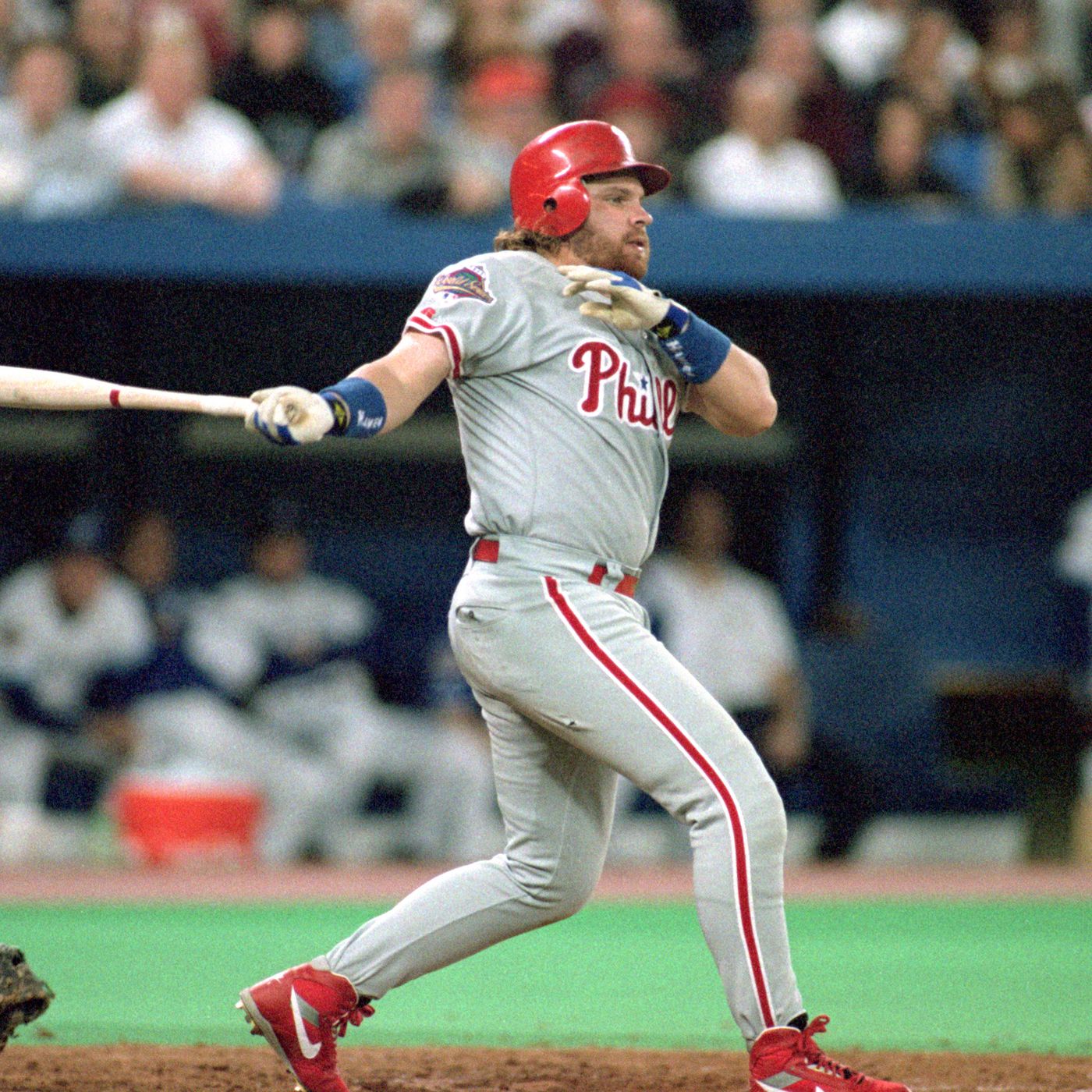
The Philadelphia Phillies first baseman played the entire 1993 season while dealing with testicular cancer, undergoing treatment between games and never telling teammates about his diagnosis. Kruk had surgery to remove the malignant growth but chose to keep playing rather than take time off for recovery.
He helped lead the Phillies to the World Series that year, though he retired after the season to focus on his health and family.
Brett Favre

The Green Bay Packers quarterback started 297 consecutive games despite suffering numerous injuries that would have sidelined most players for weeks or months. His streak included playing with broken thumbs, separated shoulders, sprained ankles, and various other ailments that he often hid from coaches and teammates.
Favre’s durability became legendary in the NFL, where he earned the nickname ‘The Iron Man’ for his ability to absorb punishment and keep playing.
Champions Through Pain

These athletes remind us that greatness often requires sacrifice that goes far beyond what most people would consider reasonable or safe. Their willingness to compete through devastating injuries speaks to a level of mental toughness that separates champions from everyone else.
While their stories inspire us, they also serve as reminders that the pursuit of athletic excellence can demand costs that extend far beyond the playing field. The next time you watch a championship game, remember that some of the greatest performances in sports history came from athletes who were literally fighting through pain that would leave ordinary people bedridden.
More from Go2Tutors!

- The Romanov Crown Jewels and Their Tragic Fate
- 13 Historical Mysteries That Science Still Can’t Solve
- Famous Hoaxes That Fooled the World for Years
- 15 Child Stars with Tragic Adult Lives
- 16 Famous Jewelry Pieces in History
Like Go2Tutors’s content? Follow us on MSN.



