17 Surprising Facts About Soda Bottles
Think you know everything about that plastic bottle sitting next to you? Think again. Those everyday containers holding your favorite fizzy drinks have stories that might blow your mind. From bottles that couldn’t stand up straight to caps that started a legal battle, the world of soda bottles is packed with surprises that most people never realize.
The journey from those first glass containers to today’s high-tech bottles involves way more innovation than you’d expect. Here’s a list of 17 fascinating facts about soda bottles that’ll change how you look at them forever.
Early Soda Bottles Had Round Bottoms
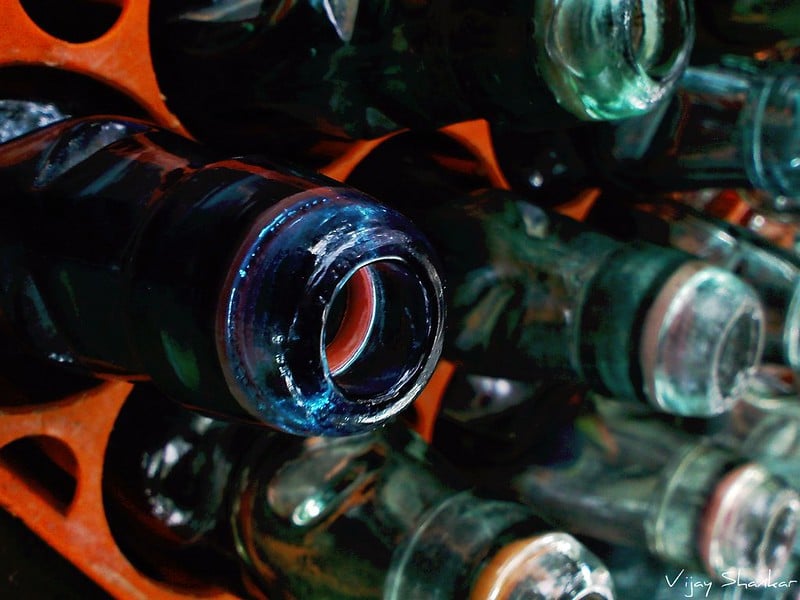
Back in the 1800s, soda bottles were purposely designed with round bottoms so they couldn’t stand upright. This wasn’t a manufacturing flaw—it was intentional. Bottles were sealed with corks that would dry out and shrink over time, causing the carbonation to pop the cork right out. By forcing people to store bottles on their sides, the liquid stayed in contact with the cork, keeping it moist and preventing those embarrassing cork explosions.
One Engineer’s Brother Was a Famous Artist
The PET bottle was invented by Nathaniel C. Wyeth, a DuPont engineer whose brother was the renowned American painter Andrew Wyeth. Talk about different talents in one family—while Andrew was creating masterpieces on canvas, Nathaniel was engineering the bottles that would revolutionize the beverage industry. His patent was issued in 1973 and assigned to DuPont.
Coca-Cola’s Iconic Bottle Shape Was Trademarked
— Photo by mulevich
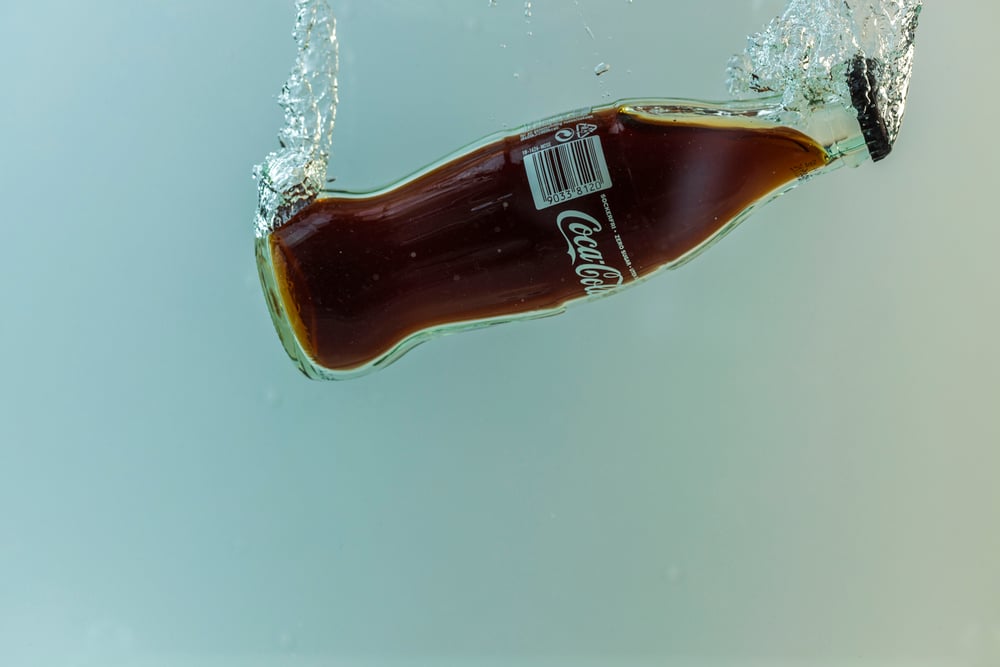
While it was highly unusual for a commercial package to be granted trademark status, on April 12, 1961, the Coca-Cola bottle was recognized as a trademark. The decision was partly based on a 1949 study that showed less than 1% of Americans could not identify a Coke bottle by shape alone. That’s some serious brand recognition right there.
Bottle Caps Originally Had More Teeth
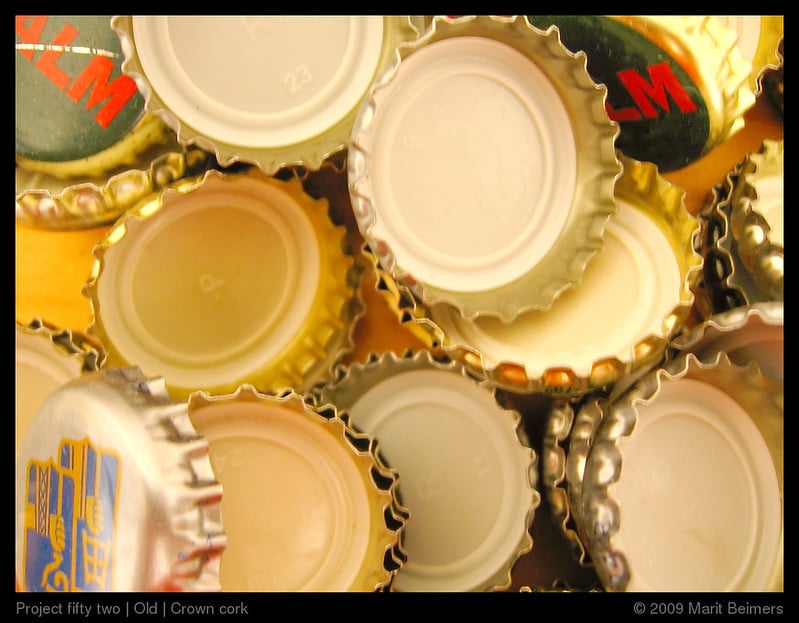
The crown cork bottle cap was patented by William Painter on February 2, 1892, and originally had 24 teeth. The current version we see today has been refined to just 21 teeth. Those three missing teeth might seem minor, but they represent decades of engineering improvements to make caps easier to manufacture and remove.
PET Bottles Are Incredibly Strong
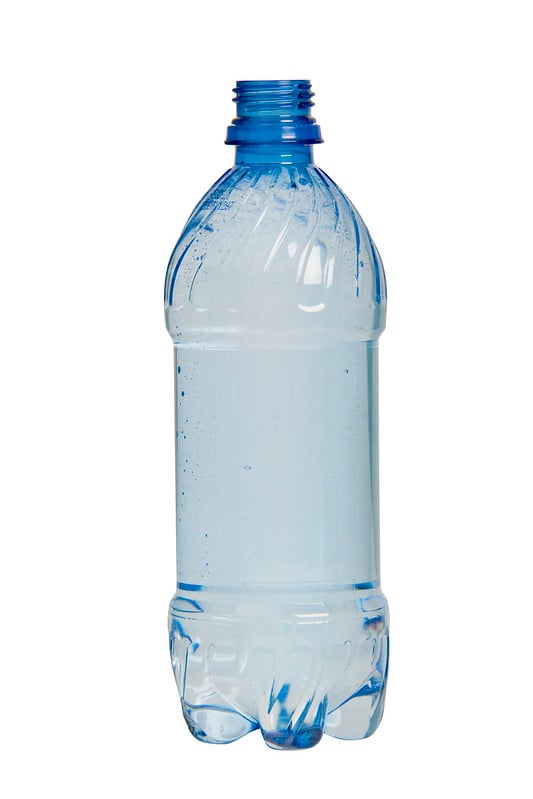
A single-serve PET bottle (0.5 liter) is strong enough to hold 50 times its weight in water. That means a typical water bottle could theoretically hold about 25 pounds of liquid without bursting. The strength comes from the molecular structure created during the stretch blow molding process, where the plastic is literally stretched in multiple directions.
Modern Bottles Are Much Lighter Than You Think
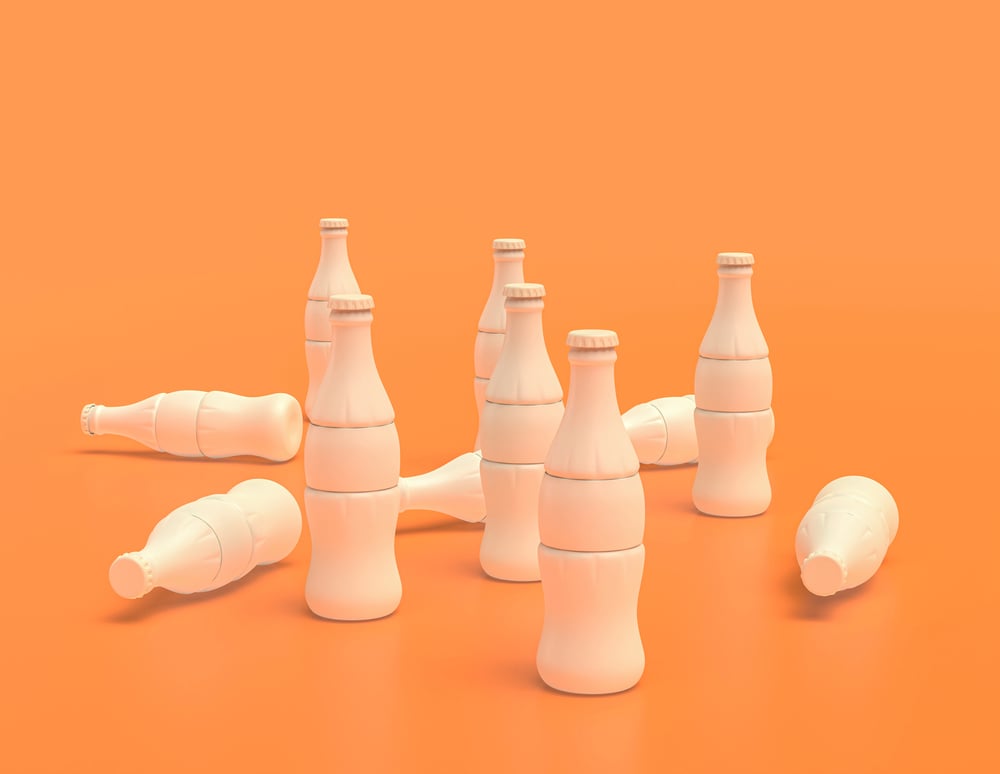
A 2-liter PET bottle that weighed 68 grams in 1980 now weighs as little as 42 grams. That’s a 38% weight reduction while maintaining the same strength. Even more impressive, the average weight of a single-serve 0.5 liter PET water bottle is now 9.9 grams, nearly half of what it weighed in 2000.
The Manufacturing Process Involves Extreme Heat
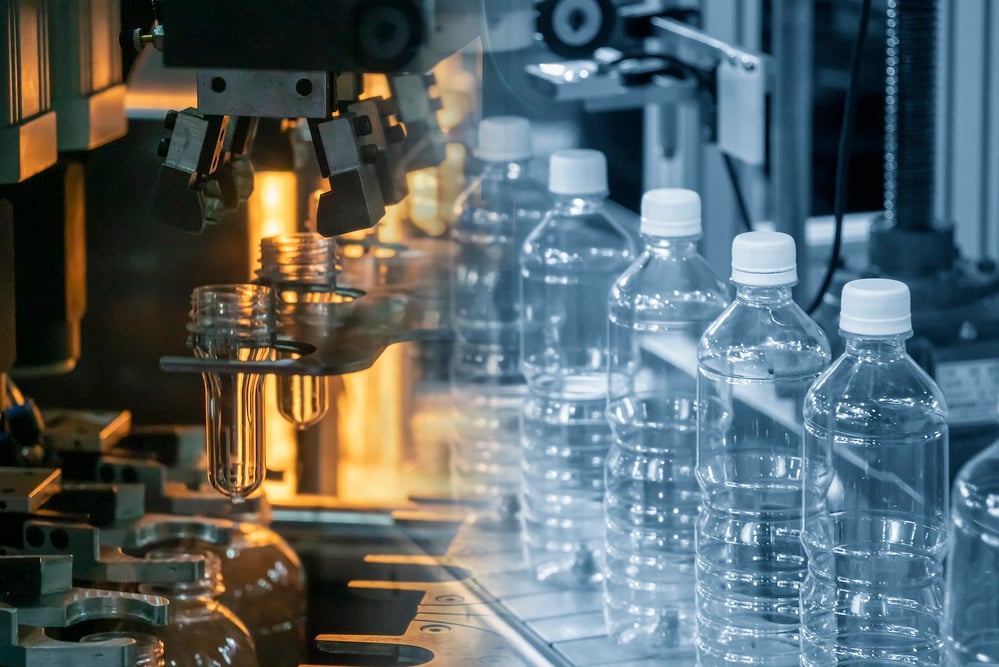
During PET bottle manufacturing, plastic injection machines heat the material to 315°C (599°F). That’s hot enough to melt aluminum. Most water bottles are made of PET, which is melted at high temperatures of up to 500 degrees F. The intense heat turns solid plastic pellets into thick, gooey liquid that can be molded into those pre-form shapes.
Some Bottles Can’t Use Much Recycled Content
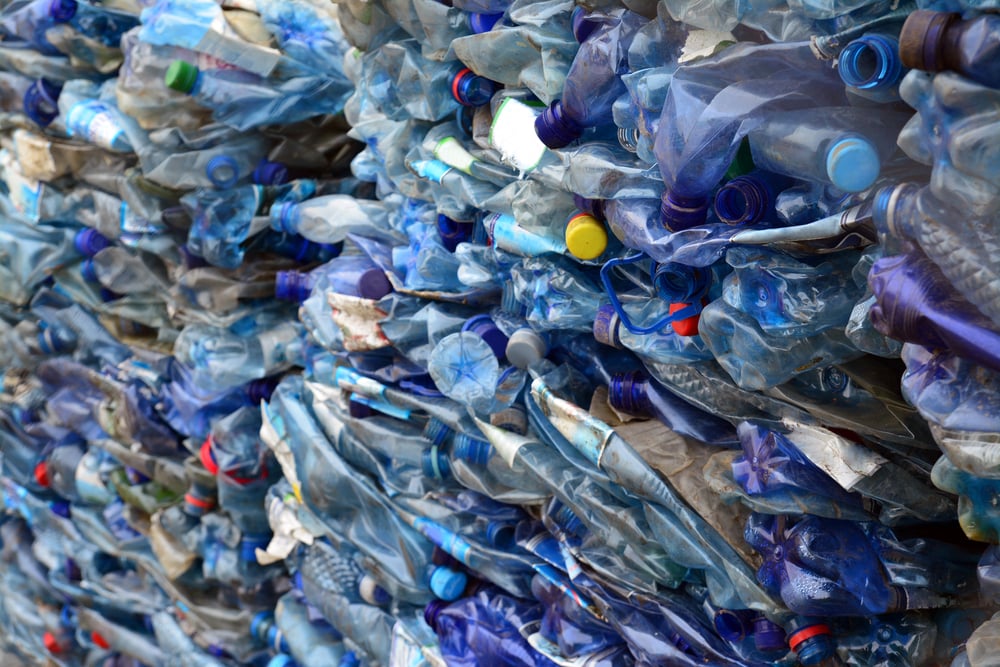
When plastic is processed again, it loses some of its physical properties, which means the recycled content in food-grade bottles can’t exceed 10%. This limitation exists because recycled plastic becomes slightly weaker each time it’s reprocessed, so manufacturers have to balance environmental goals with safety requirements.
The Six-Pack Was a Coca-Cola Innovation
— Photo by HelgaQ
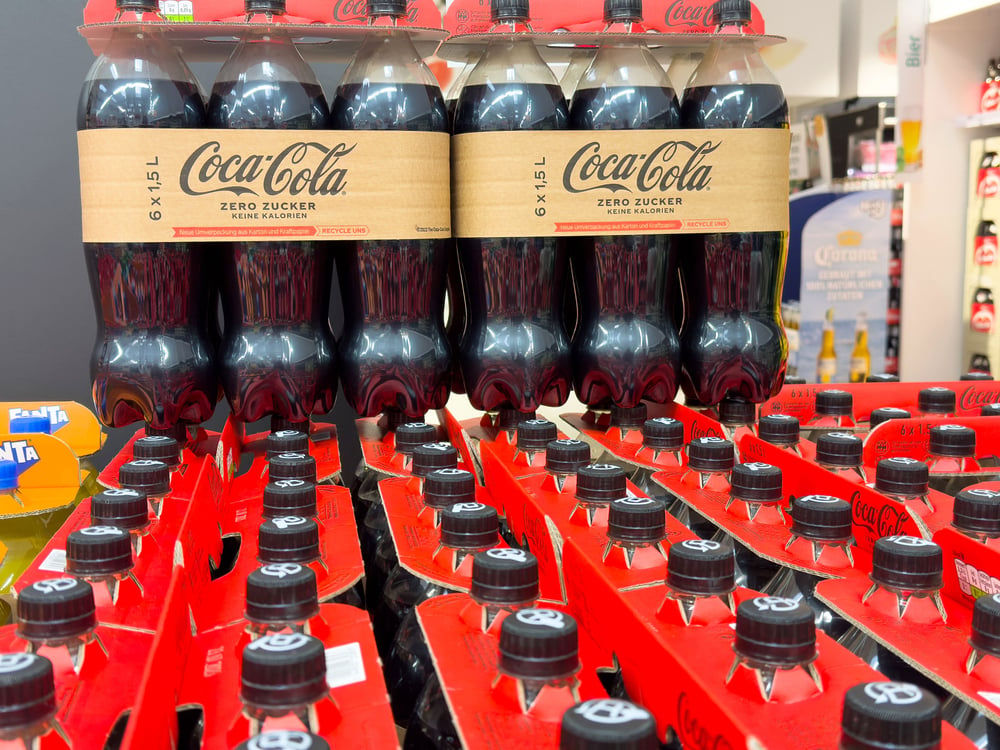
The six-pack carrier, though common today, was an innovation developed by the Coca-Cola system in 1923. Before this breakthrough, people had to carry individual bottles or ask store clerks to pack them. The simple cardboard carrier revolutionized how people bought and transported multiple bottles.
Billions of Bottles Are Made Every Year
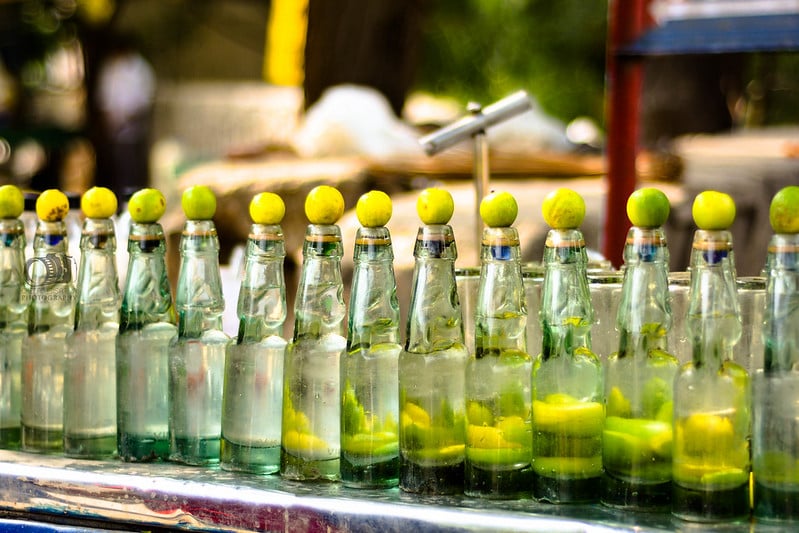
In 2016, approximately 485 billion PET bottles were produced worldwide, with forecasts predicting 583.3 billion bottles in 2021. To put that in perspective, that’s about 80 bottles for every person on Earth each year. In 1991 alone, more than eight billion bottles were manufactured just in the U.S.
Bottle Caps Were Once Made with Cork
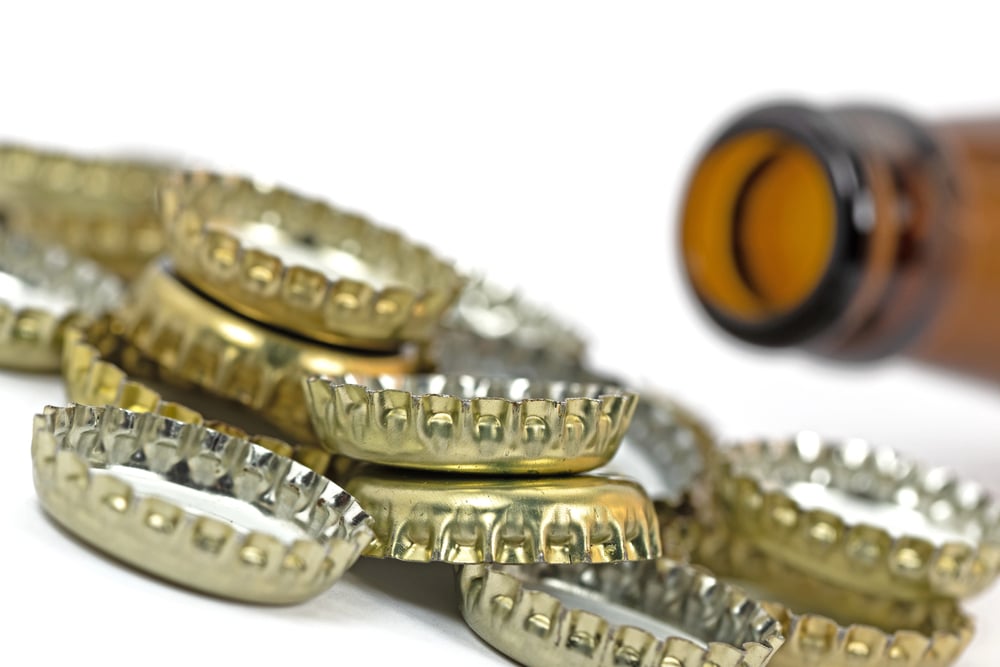
The original crown cork had a cork seal with a paper backing to prevent contact between the contents and the cork. As technology advanced, the cork disc was replaced with PVC material. The switch happened because cork could impart flavors to the drink and wasn’t as reliable for creating airtight seals.
Early Soda Bottles Came in Different Colors
— Photo by MikeEdwards
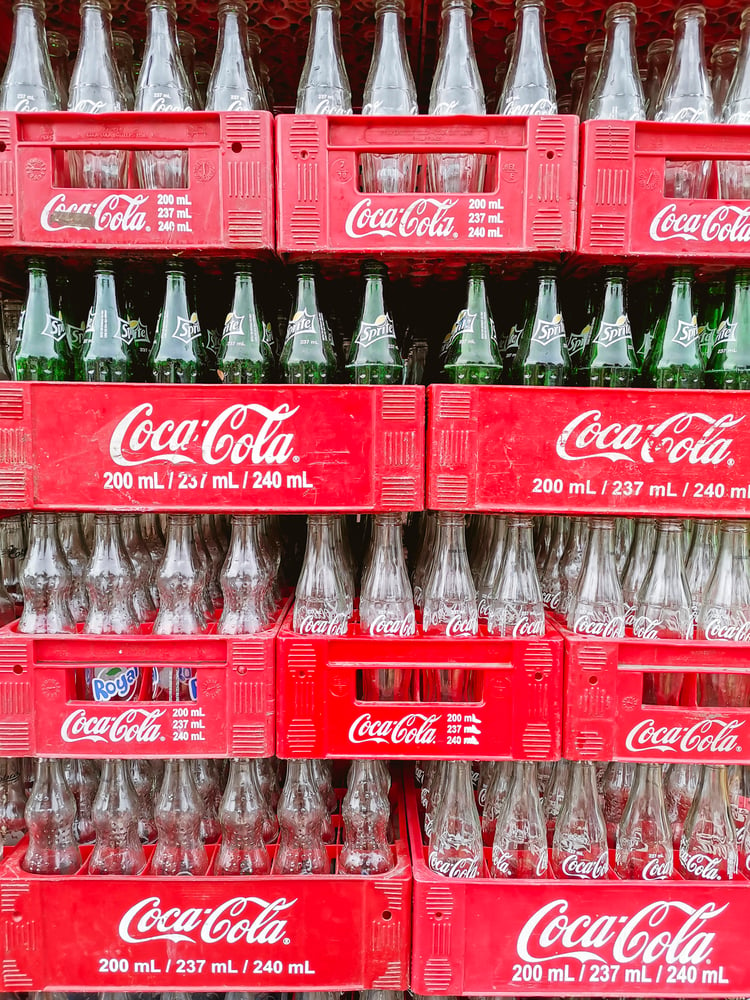
From the 1900s to 1916, there were variations between bottlers and consumers could find Coca-Cola bottles that were pale green, amber, or clear. The different colors weren’t just for looks—they helped protect the contents from light damage and made it easier for bottlers to identify their own products when bottles were returned for reuse.
PET Plastic Contains a Cancer-Associated Component
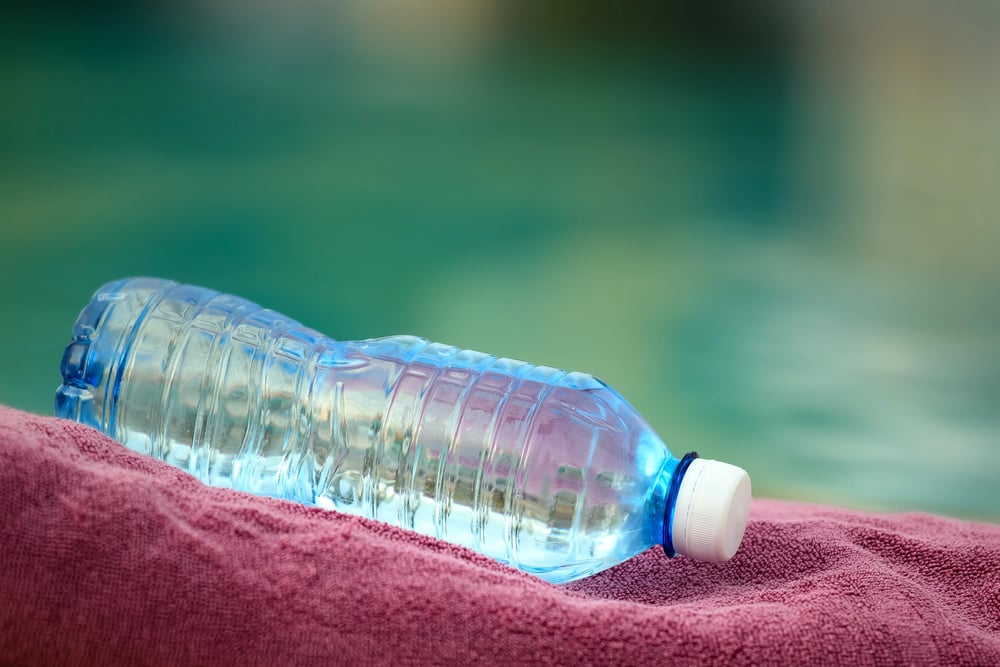
Terephthalic acid, one of the key components used to make PET plastic, is a carboxylic powdery acid with a chemical structure containing a benzene ring. Molecules that contain benzene rings have been associated with cancer. However, the polymerization process changes the molecular structure significantly, and regulatory agencies worldwide have approved PET as safe for food contact.
The First Commercial Coke Bottle Appeared on Time Magazine
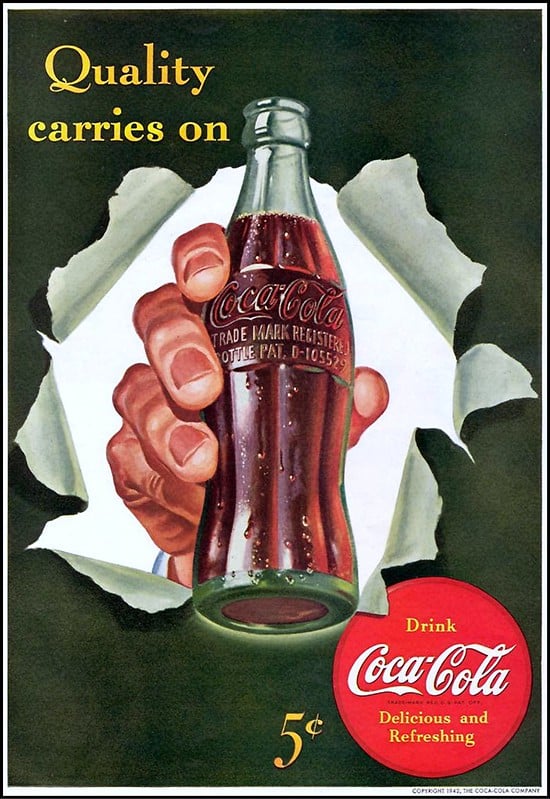
In 1950, Coca-Cola in a contour bottle was the first commercial product to appear on the cover of Time magazine. The magazine originally wanted to place long-time company leader Robert Woodruff’s image on the cover, but he refused, saying the brand was the important thing and Coca-Cola itself should be featured. That’s some serious product confidence.
Bottles Are Cooled with Extreme Methods
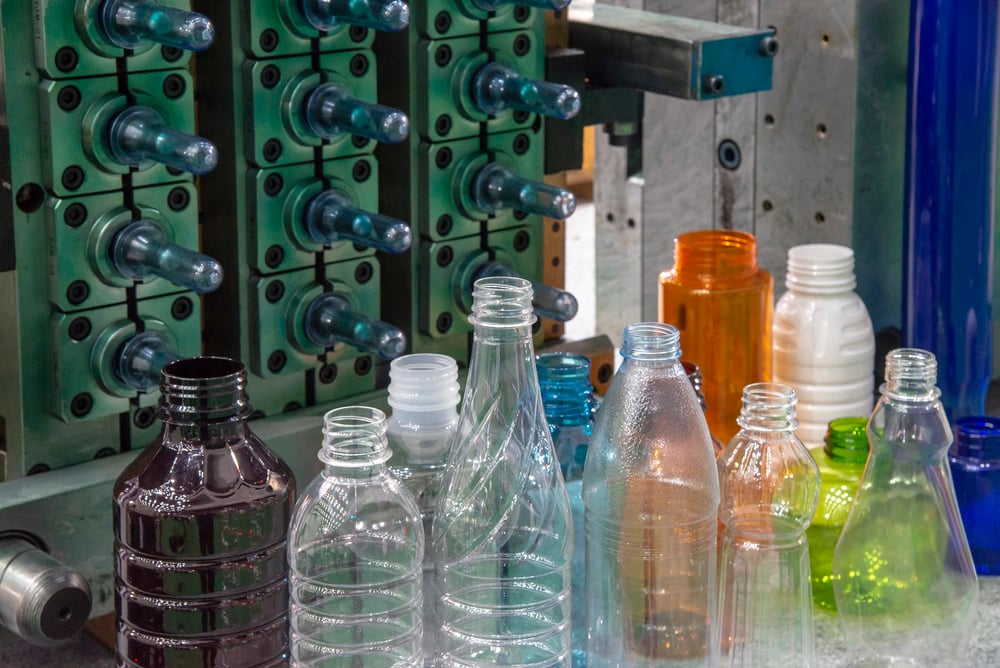
During manufacturing, bottles must be cooled instantly or they will lose their shape as the warm plastic will creep downwards. Sometimes cold water or liquid nitrogen might be circulated around the moulds, or air is blown at room temperature. Liquid nitrogen reaches temperatures of -196°C (-321°F), making the cooling process almost as extreme as the heating.
Recycled Content Comes from Manufacturing Waste
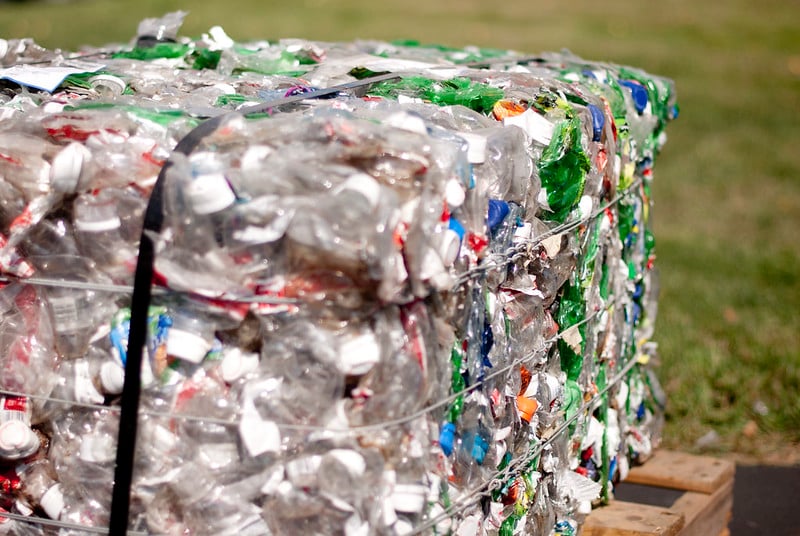
The recycled material used in making new bottles doesn’t come from used plastic containers—for hygiene reasons, factories only use new plastic left over from the manufacturing process. This means those recycling bins at your curb aren’t directly creating new drink bottles, but rather carpeting, clothing, and insulation materials.
Every Plastic Cap Ever Made Still Exists
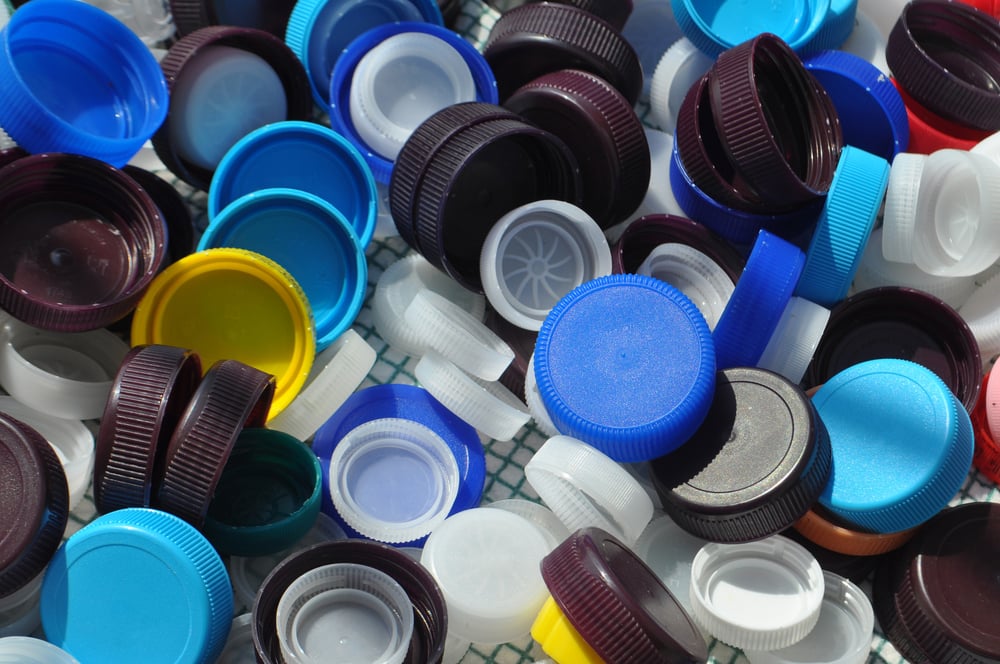
Glass bottle caps that are made of plastic do not biodegrade, which means that every bottle cap that has ever been produced still exists in some form today. Unlike organic materials that decompose naturally, plastic caps will outlast us all. When discarded carelessly, bottle caps can end up in the ocean where they are mistaken for food by turtles, seabirds, and other marine animals.
From Cork Worries to Global Giants
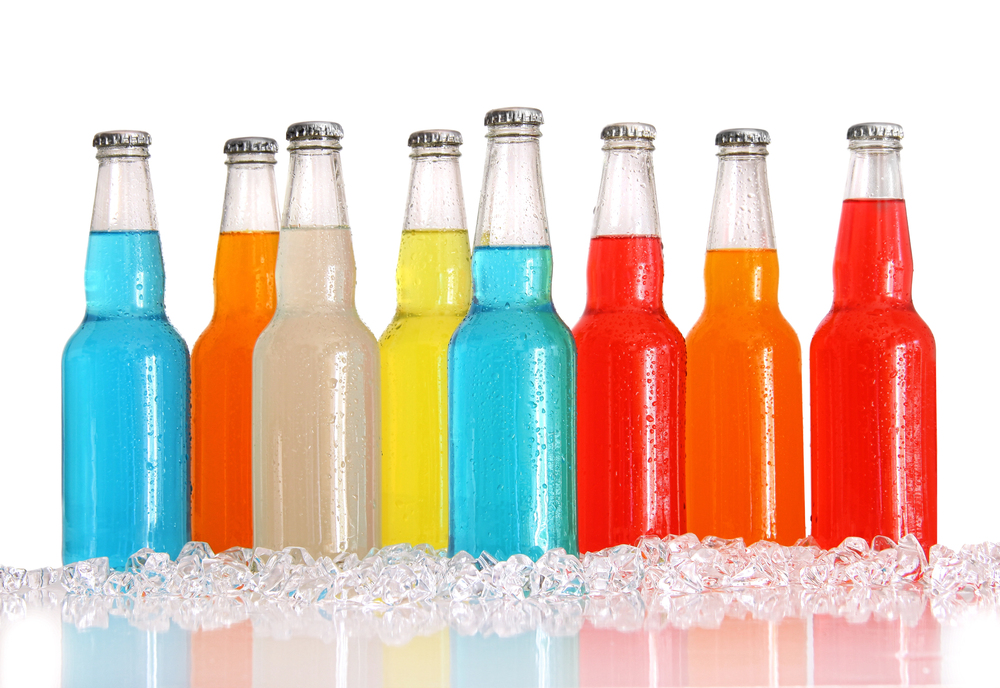
Looking at soda bottles today, it’s wild to think they started as unstable glass containers that couldn’t even stand up straight. Those early bottlers dealing with popping corks and round-bottom bottles probably never imagined their industry would eventually produce nearly 600 billion containers annually. What began as a simple solution to keep drinks fizzy has evolved into a sophisticated science involving extreme temperatures, molecular engineering, and global supply chains. Next time you grab a bottle, remember—you’re holding the result of over 130 years of human ingenuity.
More from Go2Tutors!

- The Romanov Crown Jewels and Their Tragic Fate
- 13 Historical Mysteries That Science Still Can’t Solve
- Famous Hoaxes That Fooled the World for Years
- 15 Child Stars with Tragic Adult Lives
- 16 Famous Jewelry Pieces in History
Like Go2Tutors’s content? Follow us on MSN.