Surprising Facts About Armored Vehicles
When most people think of armored vehicles, they picture tanks rolling through war zones or maybe the President’s limousine. But the world of armored vehicles is way stranger and more diverse than that.
We’re talking about school buses that can survive RPG attacks, luxury SUVs that weigh as much as elephants, and military vehicles that cost more than fighter jets. Some of this stuff sounds made up, but it’s all real. Let’s get into heavy metal.
The Beast Presidential Limousine Weighs More Than A Tank
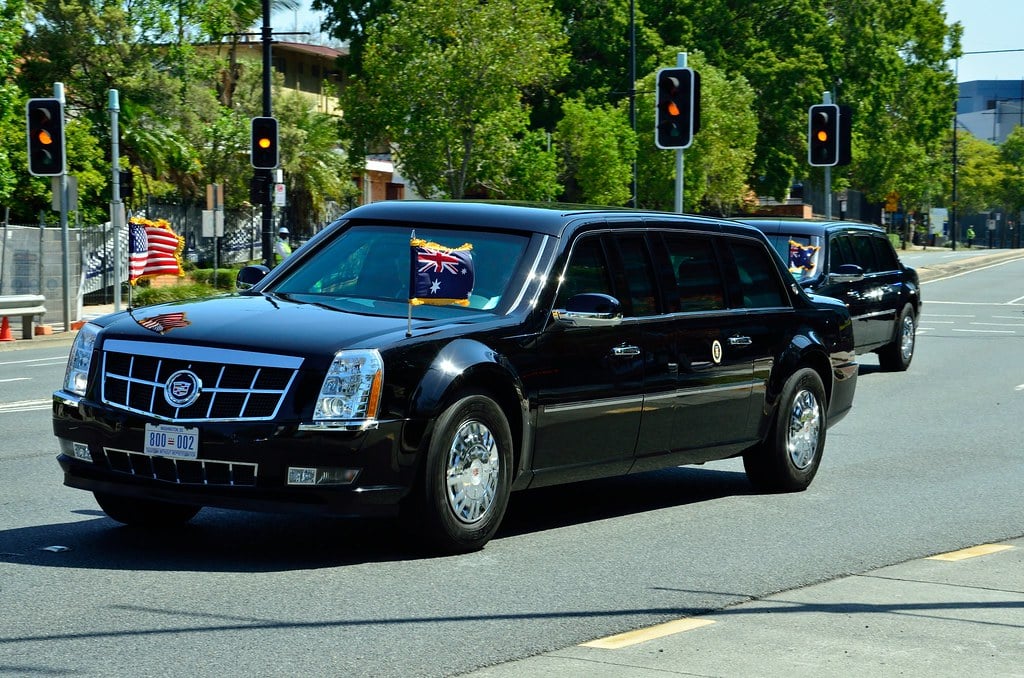
The current U.S. presidential limousine (nicknamed “The Beast”) weighs somewhere between 15,000-20,000 pounds—that’s 7-10 tons of armored Cadillac. For comparison, a typical car weighs about 4,000 pounds, and even a Hummer H2 is only around 6,400 pounds.
The doors alone reportedly weigh as much as a Boeing 757 cabin door (around 300 pounds each). It’s built on a medium-duty truck chassis because no regular car frame could support that weight.
The exact armor specifications are classified, but the windows are at least 5 inches thick (and they don’t roll down, obviously). The fuel economy is rumored to be around 3-4 mpg, which is hilariously terrible but also not really the point.
Modern Tank Armor Uses Depleted Uranium
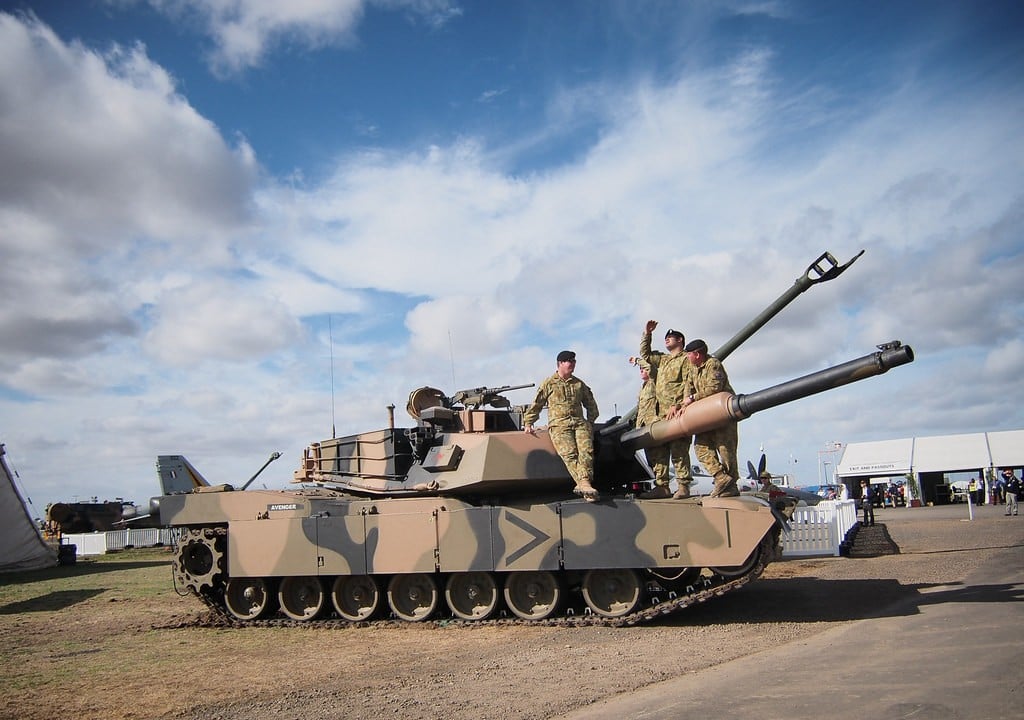
The M1 Abrams tank uses armor that incorporates depleted uranium, which is extremely dense and excellent at stopping projectiles. Depleted uranium is about 1.7 times denser than lead, and when used in both armor and ammunition, it creates some serious protection.
The U.S. military has been using it since the 1980s. It’s radioactive (technically), but the radiation levels are low enough that crews aren’t in significant danger from normal exposure.
Armored Vehicles Have “Run-Flat” Tires That Keep Going When Shot
Military and high-security armored vehicles use special run-flat tire inserts or systems that allow the vehicle to keep moving even after the tires are completely destroyed. Some systems use a solid or honeycomb-structure insert inside the tire, while others use a reinforced inner ring that the vehicle rides on when the tire deflates.
You can drive on these for 30-50 miles at reduced speed (usually around 30-50 mph) even with completely flat tires. This is critical because stopping to change a tire during an ambush is not ideal (to put it mildly).
Civilian Armored Cars Can Cost More Than Supercars
A properly armored luxury SUV can run anywhere from $300,000 to over $1 million, depending on the level of protection. Companies like Mercedes-Benz, BMW, and Audi all offer factory-armored versions of their high-end vehicles.
A fully armored Mercedes S-Class can cost $500,000+. The armor adds 2,000-4,000 pounds to the vehicle’s weight, which means you need upgraded suspension, brakes, engine (sometimes), and basically everything else.
And the fuel economy drops to maybe 8-10 mpg in the city (which is what happens when you’re hauling around half a ton of ballistic steel and bulletproof glass).
The Trophy Active Protection System Shoots Incoming Missiles Out Of The Air
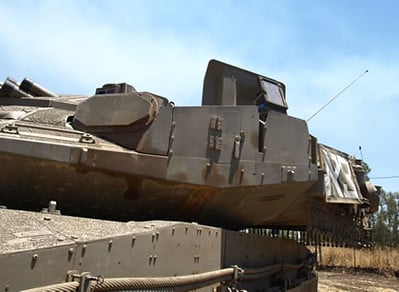
Israel developed an active protection system called Trophy that detects incoming RPGs and anti-tank missiles, then fires a shotgun-like blast of pellets to destroy the projectile before it hits the vehicle. It works.
The system has been combat-tested on Israeli Merkava tanks and more recently installed on U.S. Abrams tanks. It uses radar to track incoming threats and can react in milliseconds (faster than any human could).
The U.S. Army started deploying it around 2019 after seeing how effective it was in actual combat.
Armored Vehicles Can Have Air Filtration Systems For Chemical Attacks
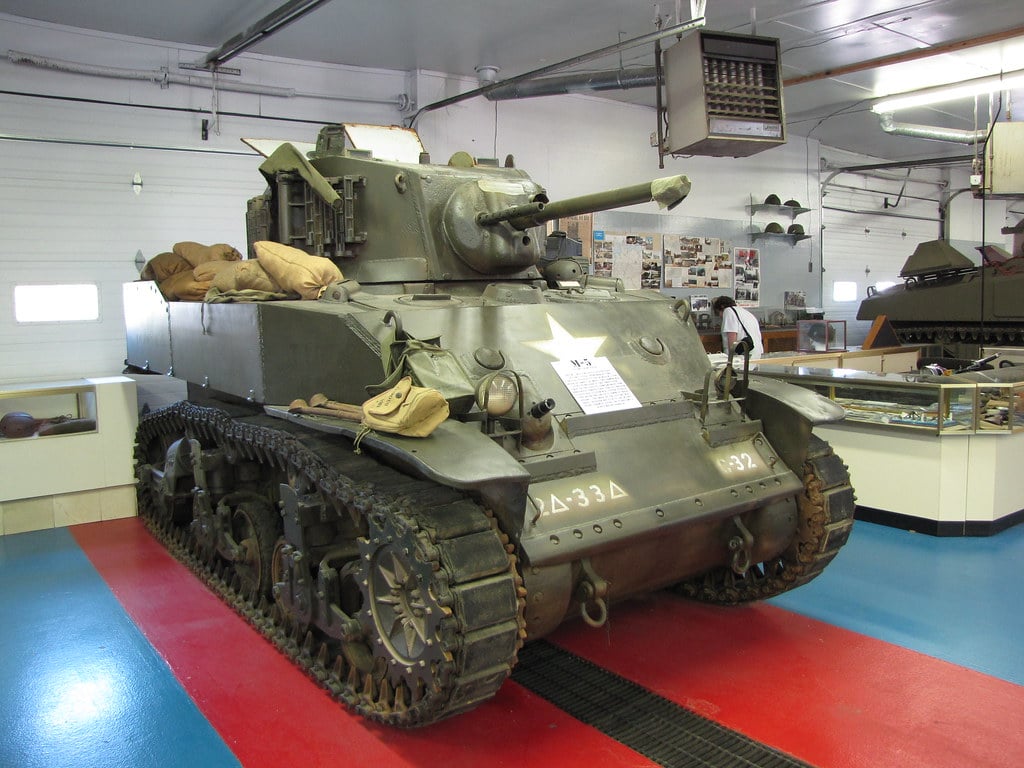
High-level armored vehicles, especially military ones, come with NBC (Nuclear, Biological, Chemical) protection systems that seal the vehicle and filter the air. The crew can survive inside even if the exterior is contaminated with chemical or biological agents.
The system creates positive air pressure inside the vehicle so that contaminated air can’t leak in through any gaps. Some civilian armored vehicles for executives in high-risk areas also have these systems installed (because kidnapping attempts sometimes involve gas attacks to incapacitate occupants).
MRAPs Were Built Specifically To Survive IEDs And They Look Like Alien Spaceships
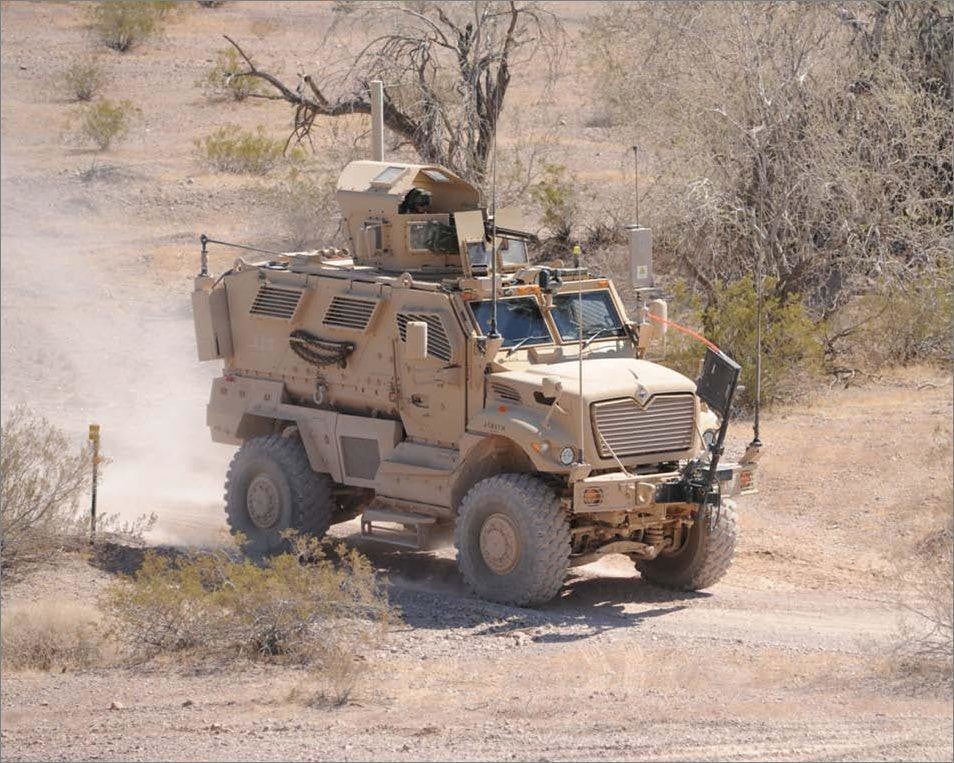
Mine-Resistant Ambush Protected vehicles (MRAPs) have a V-shaped hull that deflects explosions outward and away from the crew compartment. They sit really high off the ground and look absolutely ridiculous—like someone crossed a dump truck with a military vehicle and made it as ugly as possible—but they saved countless lives in Iraq and Afghanistan where IEDs were everywhere.
The U.S. military bought over 27,000 of them during the height of the wars. They cost around $500,000 to $1 million each, and now there are thousands sitting unused in storage facilities because they’re too heavy and slow for most modern operations (but nobody wants to admit they’re basically obsolete).
Bulletproof Glass Isn’t Actually Glass
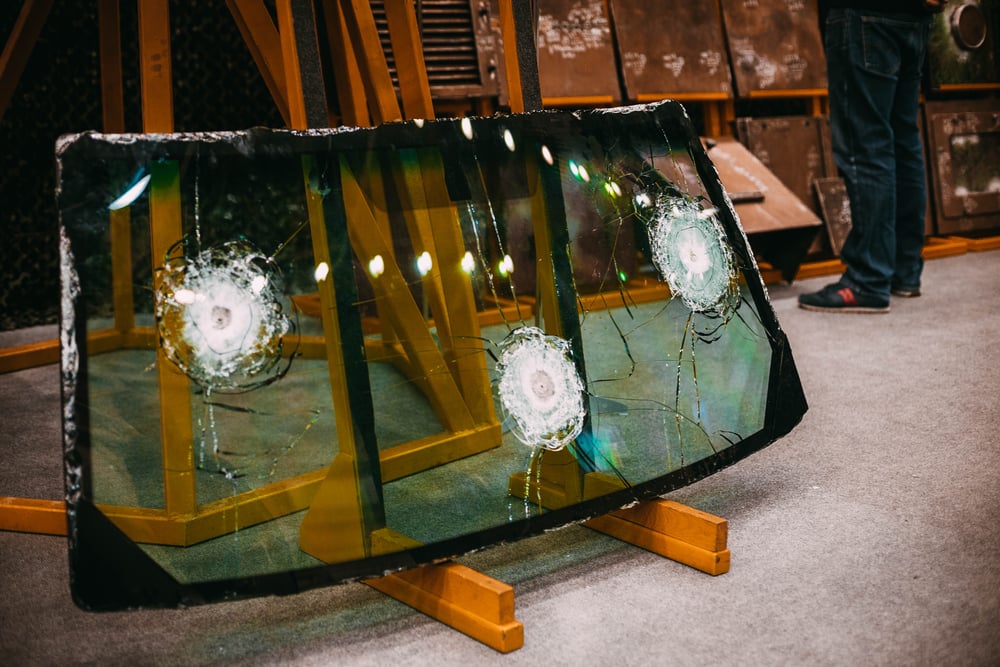
It’s laminated polycarbonate or acrylic layered with glass in a composite. The typical setup has multiple layers of glass and plastic bonded together, and when a bullet hits, the outer layer might shatter but the inner layers catch the bullet and absorb the energy.
Bulletproof glass for armored vehicles can be 2-3 inches thick for standard protection, or up to 6+ inches for military-grade protection. And it’s incredibly heavy—a square foot of bulletproof glass can weigh 20-30 pounds.
Some Armored Vehicles Have Electrified Door Handles
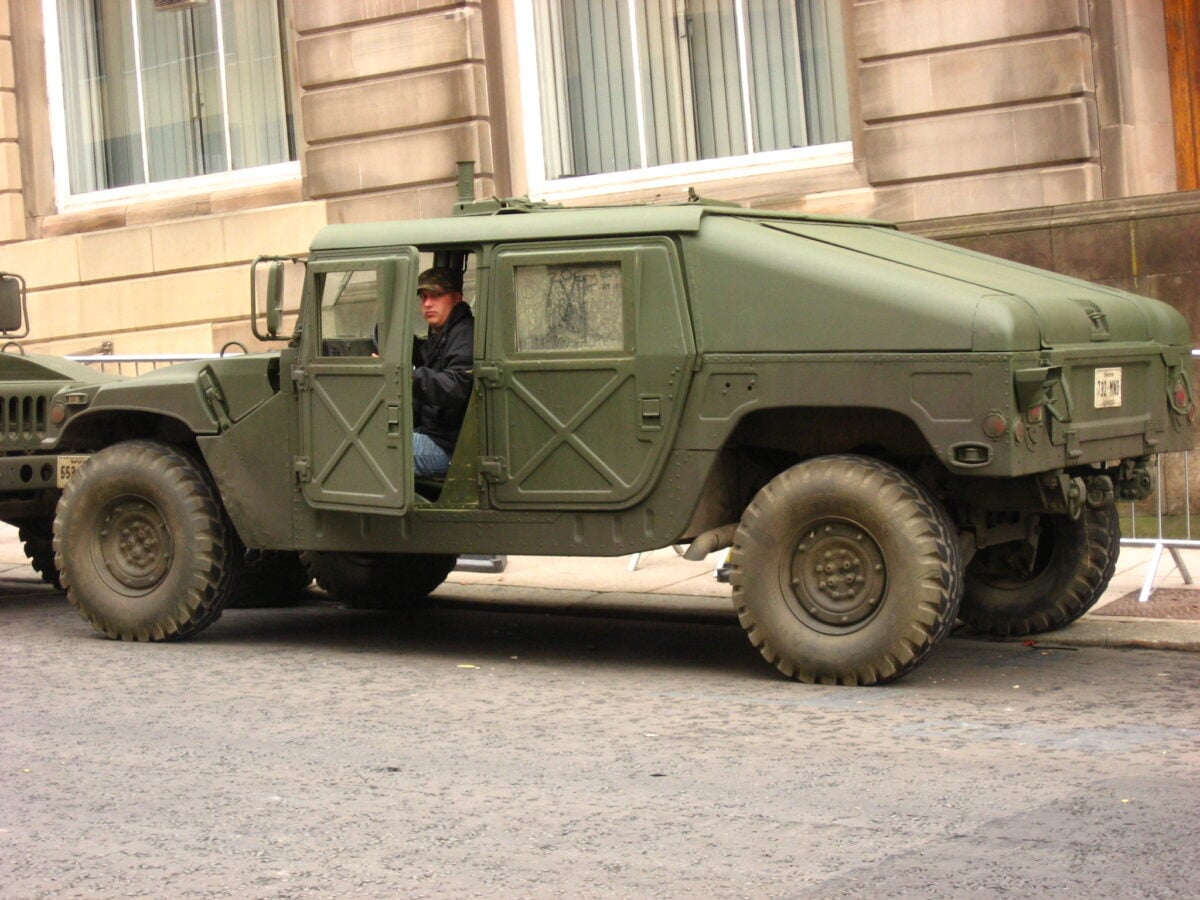
High-end security vehicles can be equipped with door handles that electrify to deter attackers trying to open the doors during a carjacking or kidnapping attempt. The handles deliver a non-lethal shock (but strong enough to make someone let go immediately).
There are also smoke screen systems that release a thick cloud of smoke behind the vehicle to obscure pursuers, oil slick dispensers (yes, like James Bond), and even tack dispensers that drop caltrops to puncture the tires of following vehicles.
Tank Crews Experience Insane Noise Levels
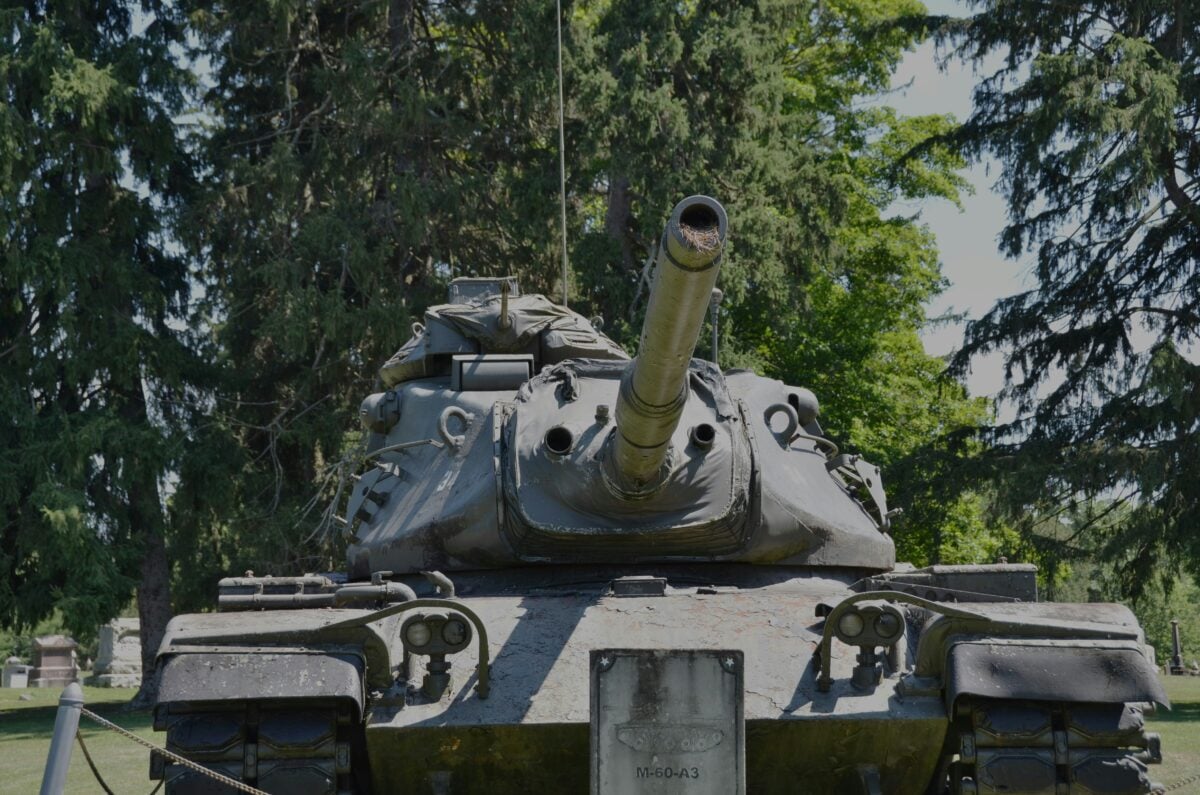
Inside a tank during combat, the noise level can exceed 120 decibels—that’s louder than a rock concert or a chainsaw. The engine, the gun firing, incoming rounds hitting the armor, the tracks clanking—it all adds up to a deafening environment.
Crews wear hearing protection, but many tank veterans still suffer from hearing loss. And the vibrations are constant, everything rattles and shakes.
Modern tanks have better noise insulation and crew compartments, but it’s still brutally loud.
The Stryker Can Be Configured 10 Different Ways
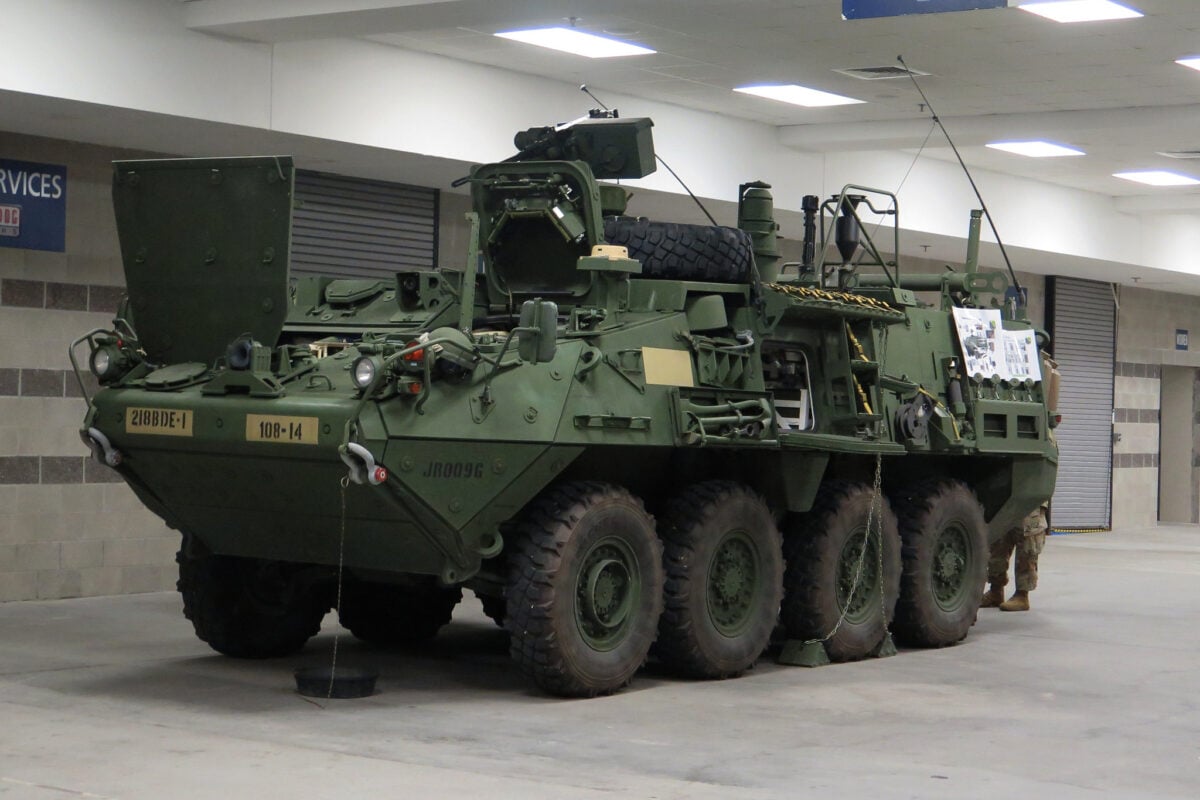
The Stryker armored vehicle is basically a modular platform that can be configured as a personnel carrier, medical evacuation vehicle, mortar carrier, engineering vehicle, command vehicle, and more. The U.S. Army uses it because having one basic vehicle that can do multiple jobs simplifies logistics and training (fewer different vehicles to maintain and fewer different parts to stock).
It has 8 wheels instead of tracks, which makes it faster on roads but less effective off-road compared to tracked vehicles. Costs around $4-5 million per vehicle depending on the configuration.
Reactive Armor Explodes When Hit To Protect The Vehicle
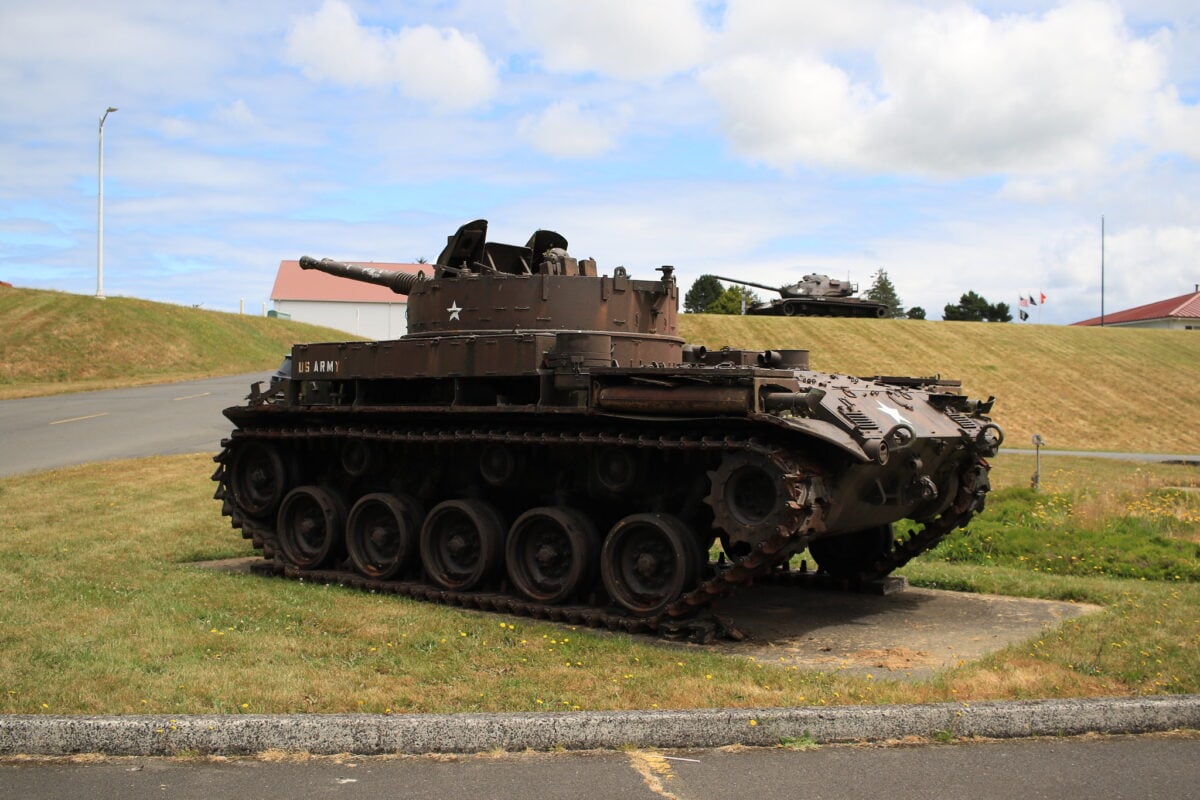
Explosive Reactive Armor (ERA) consists of tiles or blocks filled with explosives that are mounted on the outside of tanks and armored vehicles. When a shaped-charge warhead (like from an RPG) hits the ERA, the explosive tile detonates and disrupts the incoming jet of molten metal, significantly reducing penetration.
Basically, you’re blowing up the vehicle a little bit to prevent it from being blown up a lot. It’s wildly effective but also kind of terrifying for infantry nearby because you have a tank covered in literal explosives driving around.
Armored Trucks Transport Billions In Cash Daily
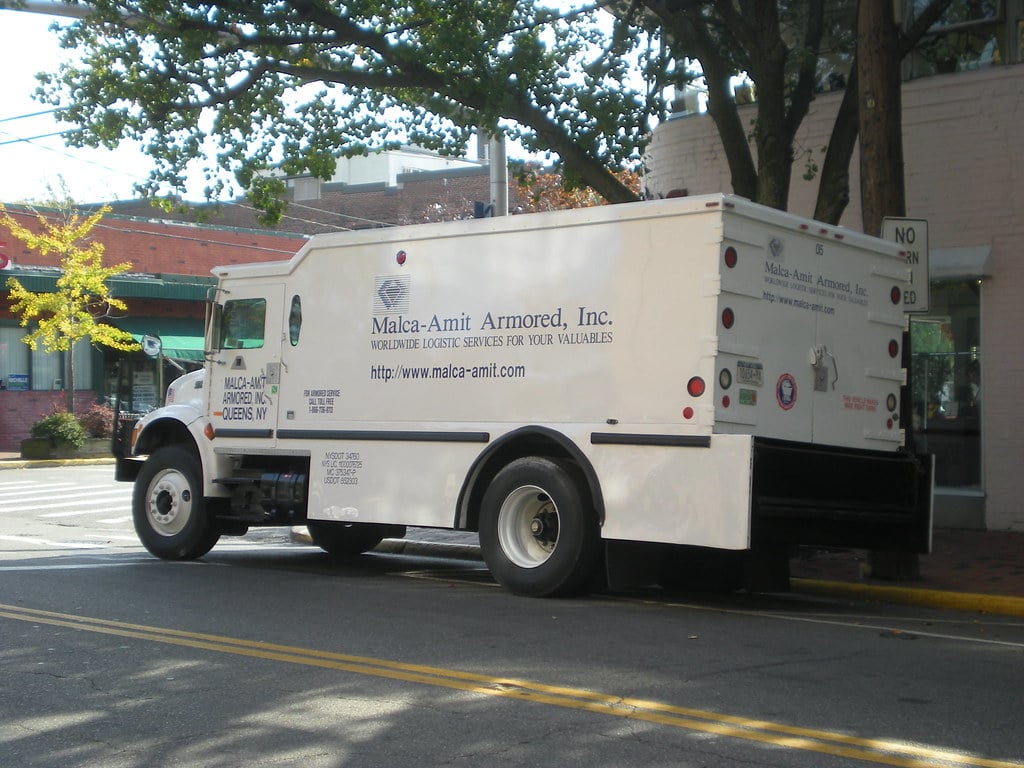
Armored trucks like those operated by Brink’s, Loomis, and Dunbar move billions of dollars in cash, coins, and valuables every day across the U.S. alone. These vehicles have armor plating, bulletproof glass, GPS tracking, and guards carrying weapons.
The armor is typically rated to stop handgun fire and some rifle rounds, and they have various security features like dye packs that explode and mark the money (and the thieves) with indelible ink if the truck is robbed. Despite all the security, armored truck heists still happen occasionally (though they’re usually inside jobs because breaking into one of these things from the outside is really hard).
Some Modern Tanks Have Trophy Systems, Air Conditioning, And Coffee Makers
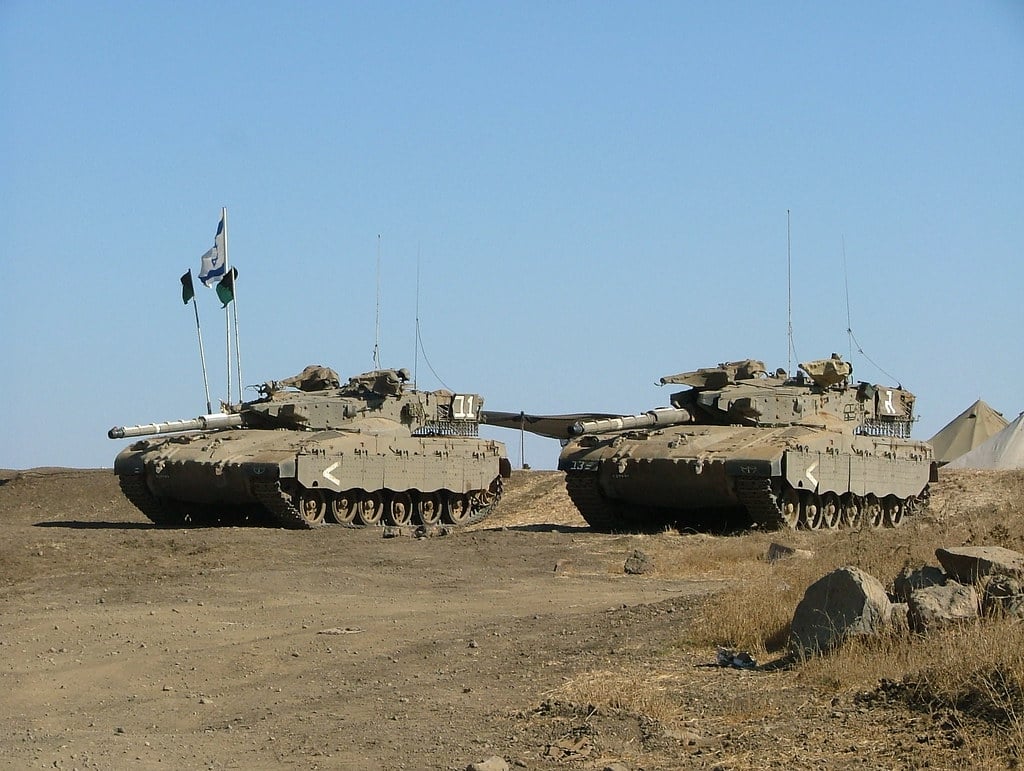
The Israeli Merkava tanks and some modern versions of the Abrams now come with amenities that would have been unthinkable in earlier generations. Air conditioning is standard (because operating in Middle Eastern deserts without it is brutal).
Some have hot water systems for coffee and meals. The Merkava even has a small toilet compartment.
These aren’t luxury features—they’re practical additions that improve crew effectiveness on extended missions. A crew that’s comfortable and not dealing with heat exhaustion or dehydration performs better in combat.
The Pope Has A Custom Bulletproof Popemobile
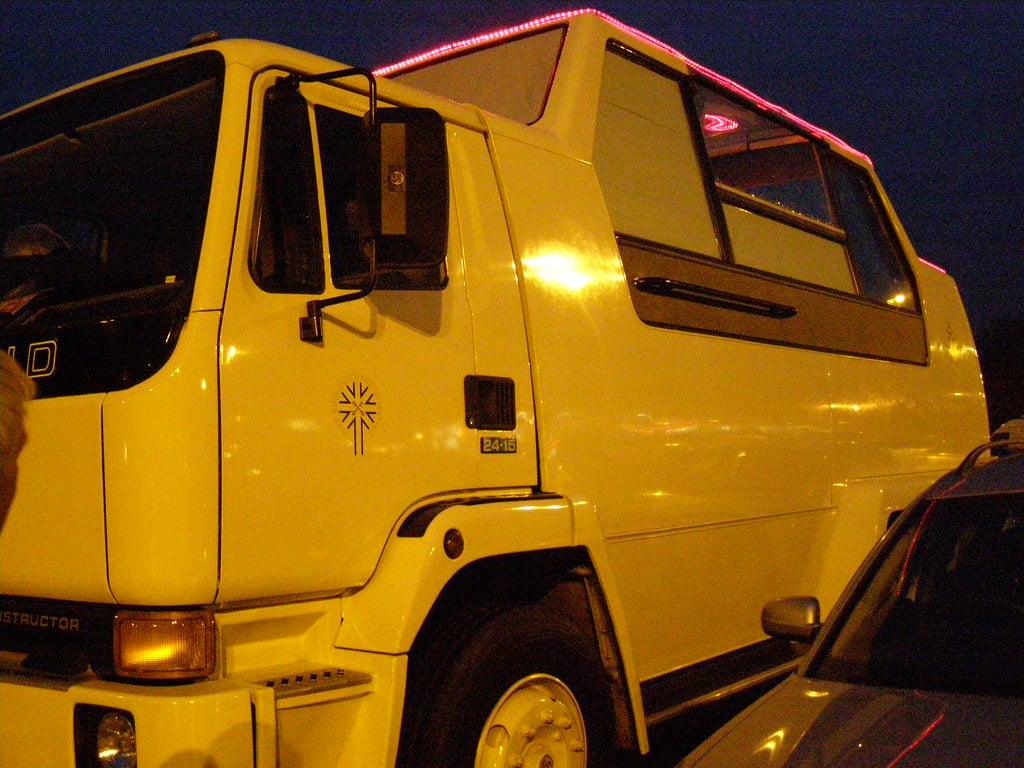
After Pope John Paul II was shot in 1981, the Vatican started using armored vehicles for papal appearances. The “Popemobile” is typically a modified Mercedes-Benz or Jeep with a transparent bulletproof enclosure so the Pope can be seen by crowds while remaining protected.
The current version has bulletproof glass panels that are removable (Pope Francis sometimes requests they be taken off because he wants to be closer to people, which gives his security team heart attacks). The vehicle is white (Vatican tradition) and custom-built with access ramps and special seating.
Future Armored Vehicles Might Use Graphene Instead Of Steel
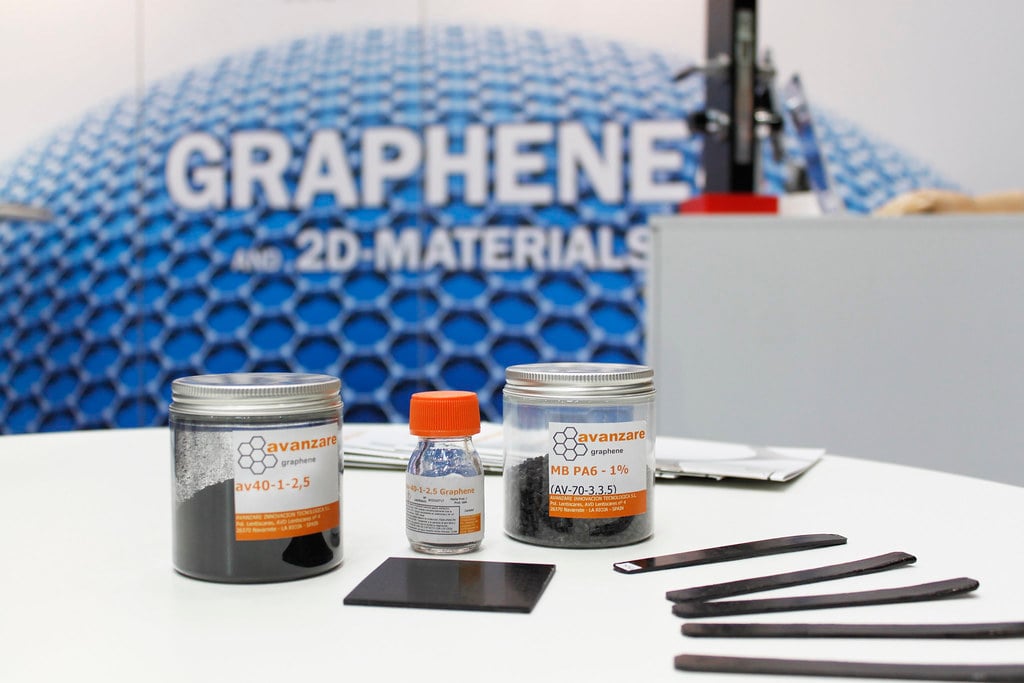
Researchers are experimenting with graphene-based armor that’s lighter and stronger than traditional steel or ceramic armor. Graphene is about 200 times stronger than steel by weight and could potentially create armor that provides the same protection at a fraction of the weight.
The challenge is manufacturing it in large quantities at reasonable cost. If they can scale it up, future armored vehicles could be much lighter, faster, and more fuel-efficient while still providing excellent protection (which would be a game-changer for military logistics).
Steel Fortresses On Wheels Or Rolling Prisons?
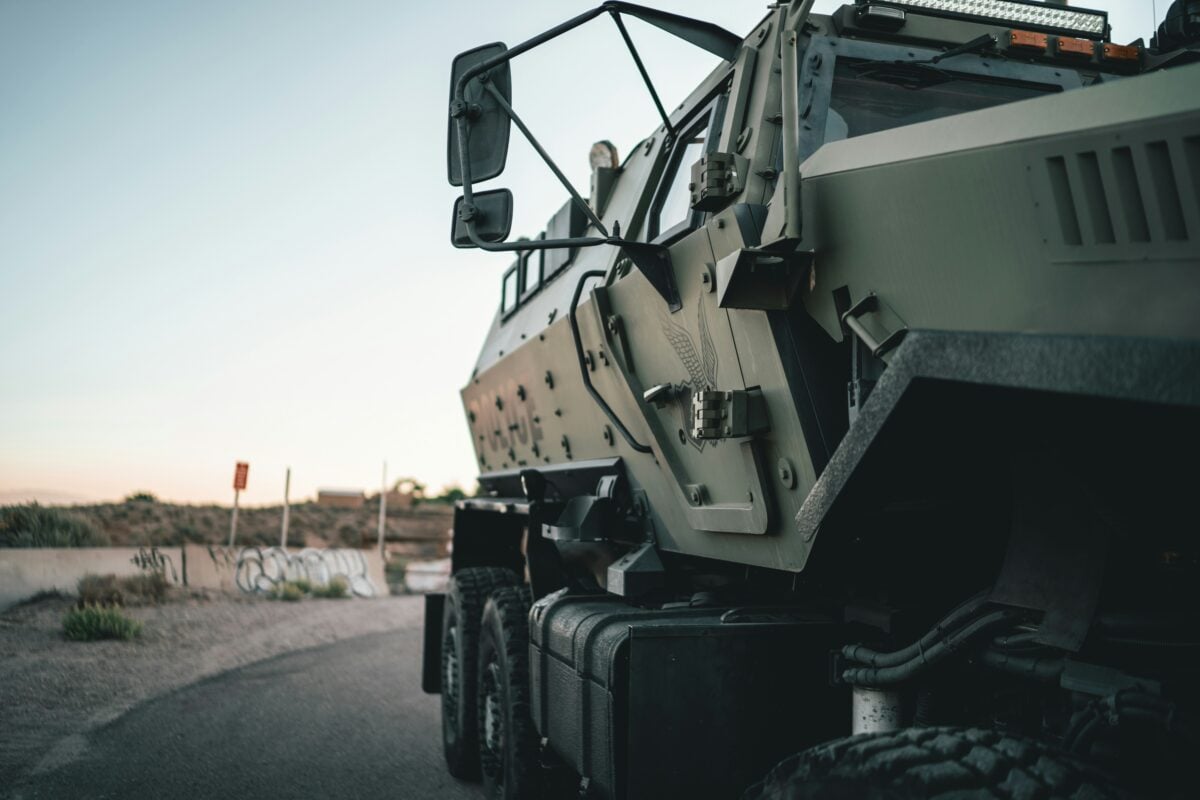
Armored vehicles represent this weird intersection of engineering excellence and paranoia, where we’ve decided that some people or cargo are valuable enough to encase in tons of steel and bulletproof glass. Is it impressive that we can build vehicles that survive explosions and gunfire? Absolutely.
Is it kind of depressing that we need to? Also yes. But as long as there are threats to protect against (whether military, criminal, or political), people will keep building better armor and someone else will keep building better ways to defeat it.
That’s just how it goes.
More from Go2Tutors!

- The Romanov Crown Jewels and Their Tragic Fate
- 13 Historical Mysteries That Science Still Can’t Solve
- Famous Hoaxes That Fooled the World for Years
- 15 Child Stars with Tragic Adult Lives
- 16 Famous Jewelry Pieces in History
Like Go2Tutors’s content? Follow us on MSN.