17 Tourist Spots Locals Avoid at All Costs
When you live in a tourist destination, you develop a sixth sense for which attractions are worth your time and which are better left to visitors with guidebooks. While tourists flock to certain spots for that perfect vacation photo, locals often have insider knowledge about crowds, inflated prices, and underwhelming experiences that keep them far away.
Most residents have their own authentic alternatives that offer similar experiences without the hassle. Here is a list of 17 famous tourist destinations that locals tend to avoid whenever possible, along with insights into why these spots don’t impress the people who call these places home.
Times Square

New Yorkers treat Times Square like it’s invisible on their mental map of Manhattan. The crowded plaza filled with chain restaurants and aggressive costume characters represents everything locals dislike about tourism in their city.
Instead, they head to neighborhood spots in the Village, Brooklyn, or Queens where they can enjoy authentic experiences without dodging selfie sticks or paying $30 for a mediocre burger.
Fisherman’s Wharf

The mention of Fisherman’s Wharf, with its expensive seafood and garish souvenir stores, makes San Francisco residents roll their eyes. While visitors may be enchanted by the sea lion viewing location, locals would rather spend their weekends at Ocean Beach or exploring the bustling Mission District.
Even though they live only a few miles away, many San Franciscans haven’t been to the region in years.
Like Go2Tutors’s content? Follow us on MSN.
Hollywood Walk of Fame
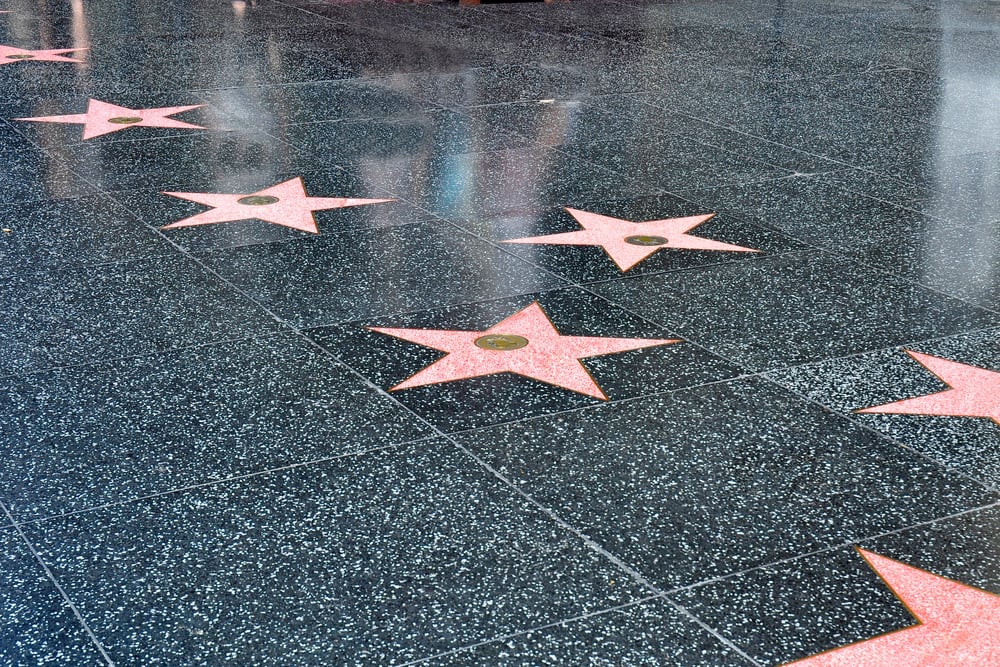
Residents of Los Angeles steer clear of Hollywood Boulevard as though their automobile GPS systems were designed to steer clear of it on their own. Tourists wanting to see celebrities are drawn to the dirty sidewalks with embedded stars, but locals know it’s just congested sidewalks and individuals in superhero costumes posing for pictures.
The hiking trails in Griffith Park or the real food scene in Boyle Heights, or Koreatown are preferred by Angelenos.
Bourbon Street

New Orleans residents venture into the French Quarter for specific restaurants or events, but many actively avoid Bourbon Street’s chaotic party scene. The sticky sidewalks, overpriced hurricane drinks, and rowdy tourists represent a commercialized version of their city’s rich culture.
Locals instead enjoy music on Frenchmen Street or gather in neighborhood bars and restaurants throughout the Marigny, Bywater, and Garden District.
Like Go2Tutors’s content? Follow us on MSN.
Navy Pier

Chicagoans rarely suggest Navy Pier when making weekend plans with friends. The touristy waterfront attraction offers decent views of Lake Michigan but comes with overpriced food, carnival-like atmosphere, and crowds that make locals shudder.
Residents prefer authentic neighborhood festivals, relaxing at North Avenue Beach, or enjoying the lakefront path without the commercial trappings of the pier.
Space Needle

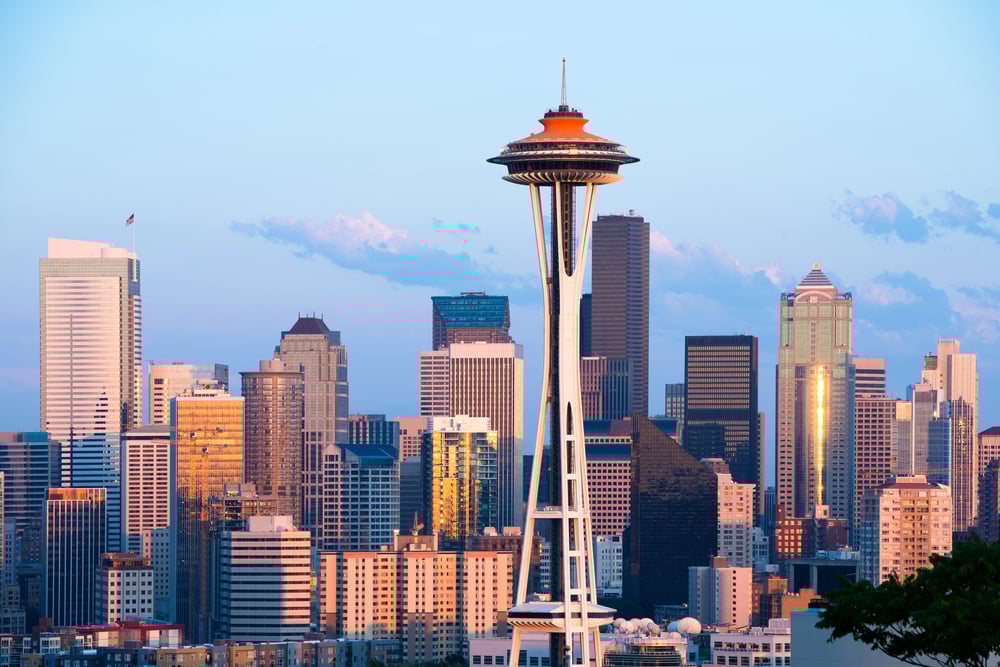
Seattle locals give the iconic Space Needle a wide berth despite its prominence in the city skyline. The expensive elevator ride leads to a view that many residents find underwhelming compared to free vistas from Kerry Park or Discovery Park.
Native Seattleites often joke they haven’t been up the Needle since their elementary school field trip decades ago.
Faneuil Hall Marketplace

Bostonians steer clear of Faneuil Hall and Quincy Market except when hosting out-of-town relatives who insist on visiting. The historic marketplace has transformed into a mall-like environment with chain restaurants and cookie-cutter shops that locals find inauthentic.
Most residents prefer exploring neighborhood markets in Cambridge, Jamaica Plain, or South End where local vendors and genuine community atmosphere prevail.
Like Go2Tutors’s content? Follow us on MSN.
Pike Place Market

While Seattle’s Pike Place Market carries some authentic local charm, city residents typically avoid it during peak tourist hours. The narrow walkways become impassable when cruise ships dock, and the famous fish-throwing display has become more performance than a practical market activity.
Seattleites instead shop at neighborhood farmers markets or visit Pike Place during off-hours if they need something specific from longtime vendors.
South Beach
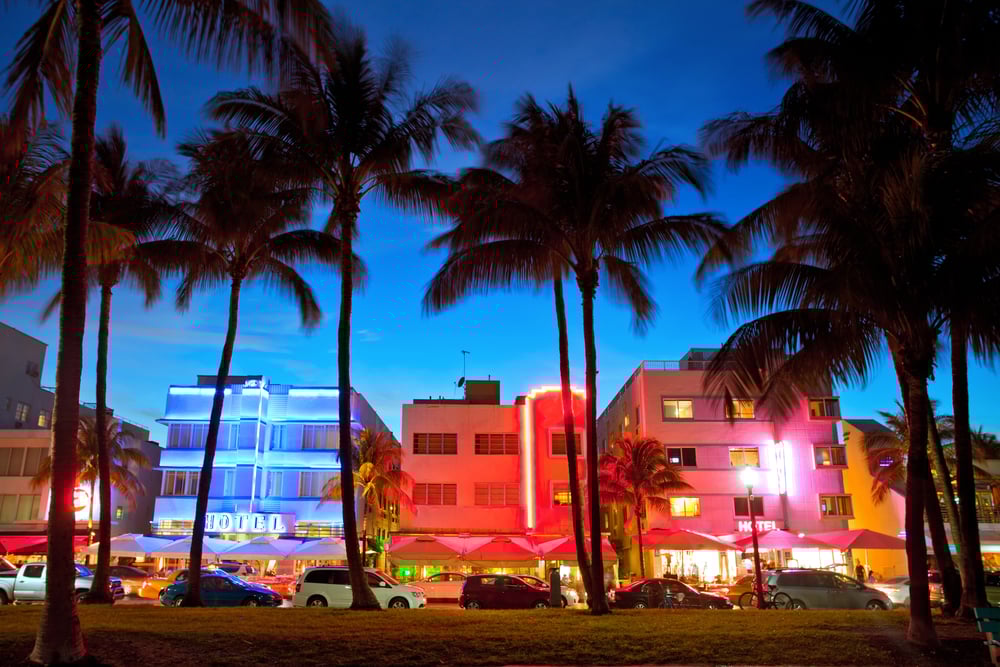
Miami locals treat South Beach like a separate city they rarely need to visit. The beach itself is beautiful, but the artificial atmosphere, inflated prices, and party-focused tourism make it unappealing for everyday life.
Residents prefer the more relaxed vibes of North Beach, Surfside, or Key Biscayne where they can enjoy the ocean without competing for towel space or paying for overpriced cocktails.
Pier 39
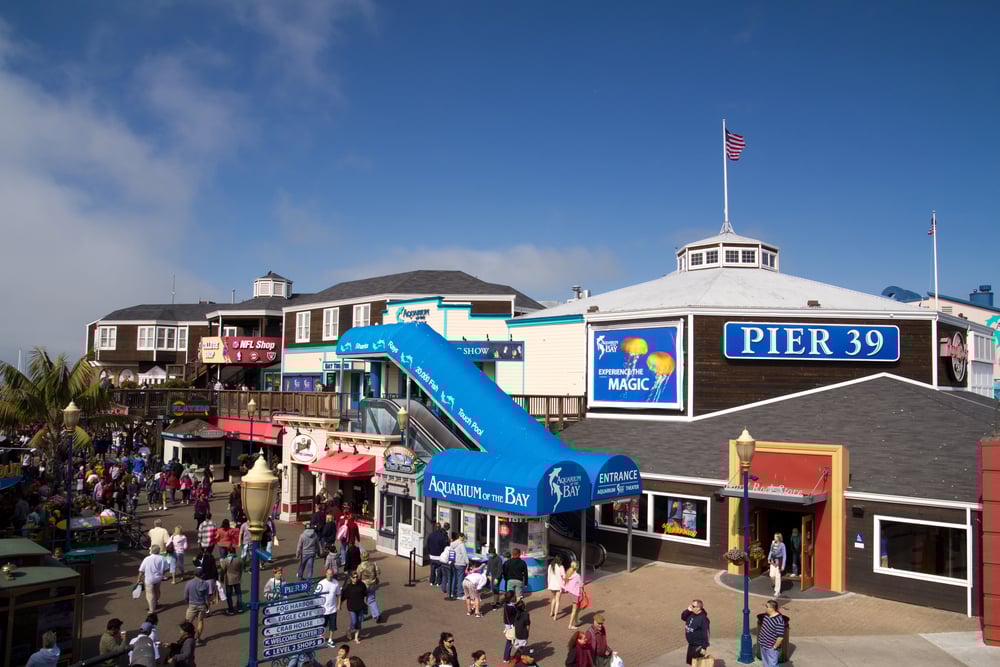
San Francisco’s second entry on this list, Pier 39, represents everything locals dislike about waterfront tourism. The commercialized pier with its chain restaurants and souvenir shops feels disconnected from the city’s authentic culture.
Residents instead enjoy lesser-known waterfront areas like Crissy Field or China Beach where natural beauty trumps commercial development.
Like Go2Tutors’s content? Follow us on MSN.
Little Italy
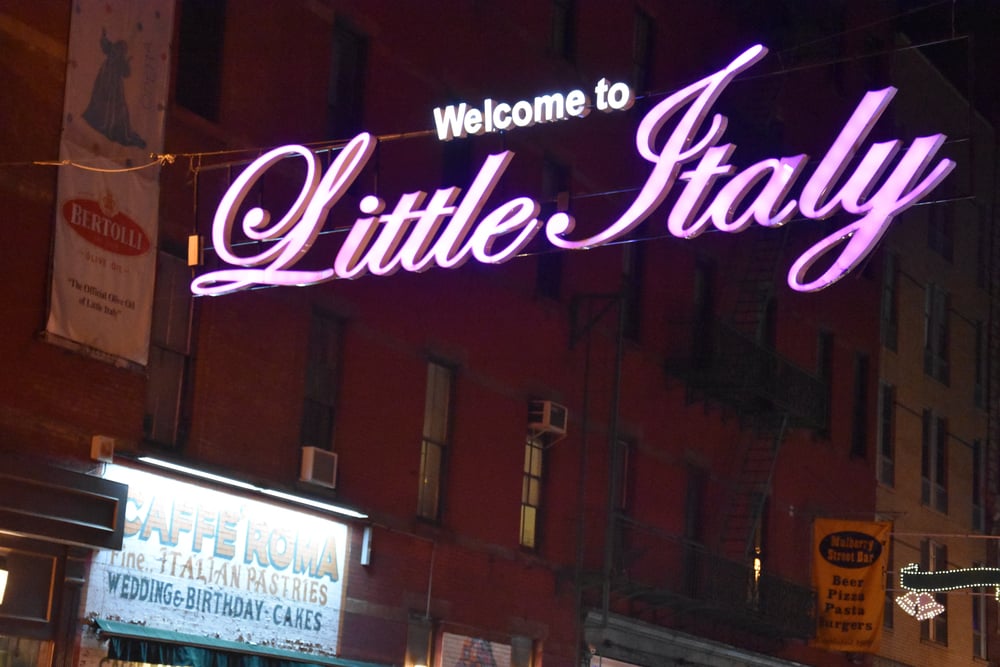
New York’s Little Italy has shrunk to just a few blocks of restaurants with hosts beckoning tourists inside for ‘authentic’ Italian cuisine. Manhattan residents know the neighborhood has become more theme park than genuine cultural enclave.
Instead, they head to Arthur Avenue in the Bronx for authentic Italian markets and restaurants, or to the remaining family-owned establishments in Queens and Brooklyn.
Waikiki Beach

Honolulu residents treat Waikiki as a place to work or occasionally meet up with visiting friends, but rarely as a leisure destination. The beach itself is small and crowded compared to the island’s other beautiful shores, and the commercialized strip feels disconnected from authentic Hawaiian culture.
Locals instead head to beaches on the North Shore, East Side or the Windward Coast where they can enjoy natural beauty without fighting through crowds of sunburned tourists.
Magnificent Mile

Chicagoans avoid the Magnificent Mile’s upscale retail corridor except when absolutely necessary. The Michigan Avenue shopping district offers little that can’t be found in suburban malls, aside from crowds and higher prices.
Residents prefer shopping in neighborhood commercial districts like Andersonville, Logan Square, or Pilsen where local businesses and authentic city character create a more meaningful experience.
Like Go2Tutors’s content? Follow us on MSN.
Gondola Rides in Venice Beach

Los Angeles locals know the Venice canals are worth seeing, but the gondola rides marketed to tourists feel like a forced attempt to mimic Venice, Italy. Residents instead enjoy kayaking in Marina del Rey or simply walking the canal pathways themselves without the expensive boat rental.
The original canals offer peaceful exploration without the touristy packaging.
Freedom Trail
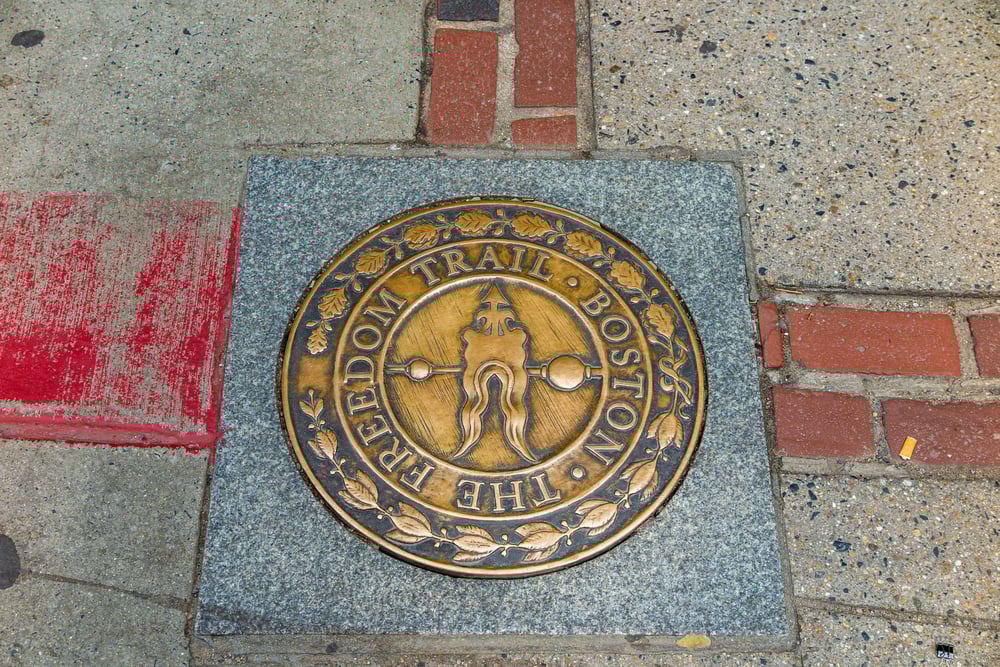
Boston residents appreciate their city’s revolutionary history but tend to avoid the painted red line of the Freedom Trail during tourist season. The narrow sidewalks of downtown and the North End become clogged with tour groups following guides with colonial costumes and rehearsed speeches.
Locals instead visit historical sites during off-hours or explore lesser-known historical markers throughout the city’s diverse neighborhoods.
Lombard Street

San Francisco’s famously crooked Lombard Street represents a major annoyance for locals, especially those who live nearby. The “crookedest street in the world” attracts long lines of cars waiting to drive down its eight hairpin turns while pedestrians crowd the sidewalks for photos.
Residents avoid the area entirely, knowing there are dozens of equally scenic spots throughout the city without the traffic jams and tour buses.
Like Go2Tutors’s content? Follow us on MSN.
Las Vegas Strip

Las Vegas locals have a complicated relationship with the Strip that powers their city’s economy while being a place many rarely visit. The concentrated tourist corridor represents an artificial version of their hometown that bears little resemblance to daily life in the desert city.
Residents instead enjoy outdoor recreation at Red Rock Canyon, dining in Chinatown, or exploring the burgeoning arts district downtown where authentic local culture thrives away from the neon glow.
Beyond the Brochure
These tourist hotspots continue drawing visitors by the millions each year despite local avoidance. The fascinating divide between visitor expectations and resident realities reveals how tourism can transform spaces, creating environments that serve visitors while becoming increasingly disconnected from local life.
Perhaps the most authentic travel experiences come from venturing beyond these well-trodden paths and discovering the places where locals actually spend their time – the neighborhood parks, family-owned restaurants, and community gathering spaces that rarely make it into travel guides but contain the true heartbeat of any destination.
More from Go2Tutors!

- 18 Unexpectedly Valuable Collectibles You Might Have Lying Around
- 20 Little-Known Historical Battles That Had Huge Consequences
- 20 Historical Artifacts That Scientists Can’t Explain
- 15 Inventions That Were Immediately Banned After Being Created
- 20 Actors Who Were Almost Cast in Iconic Roles
Like Go2Tutors’s content? Follow us on MSN.