Things from the Past We’ll Never Experience Again
The world keeps spinning forward, and with each turn, something slips away into history. Some of these changes are welcome improvements, while others leave behind a strange emptiness that newer generations will never quite understand.
The march of progress has swept away experiences that once seemed permanent, replacing them with digital equivalents or eliminating them entirely. Let’s take a walk through memory lane and explore what’s been left behind.
These aren’t just outdated technologies or forgotten trends—they’re the small, defining moments that shaped how people lived, connected, and understood their world.
Waiting by the phone for an important call

There was genuine tension in sitting near the kitchen wall, staring at that corded telephone, hoping it would ring. People couldn’t wander far from home if they expected a call about a job, a date, or important news.
The whole family knew not to tie up the line during certain hours. Missing a call meant it was gone forever, with no way to know who tried to reach out or when they might try again.
Rewinding a tape before returning it to the video store
Video rental stores had signs everywhere reminding customers to rewind their VHS tapes before bringing them back. It was basic courtesy, but plenty of people ignored it, leading to that annoying moment when you’d pop in a movie and have to wait while it rewound to the beginning.
Some stores even charged fees for unrewound tapes. The whole ritual of physically handling entertainment media, from rewinding to carefully removing the tape without touching the exposed ribbon, has completely vanished.
The anticipation of getting photos developed
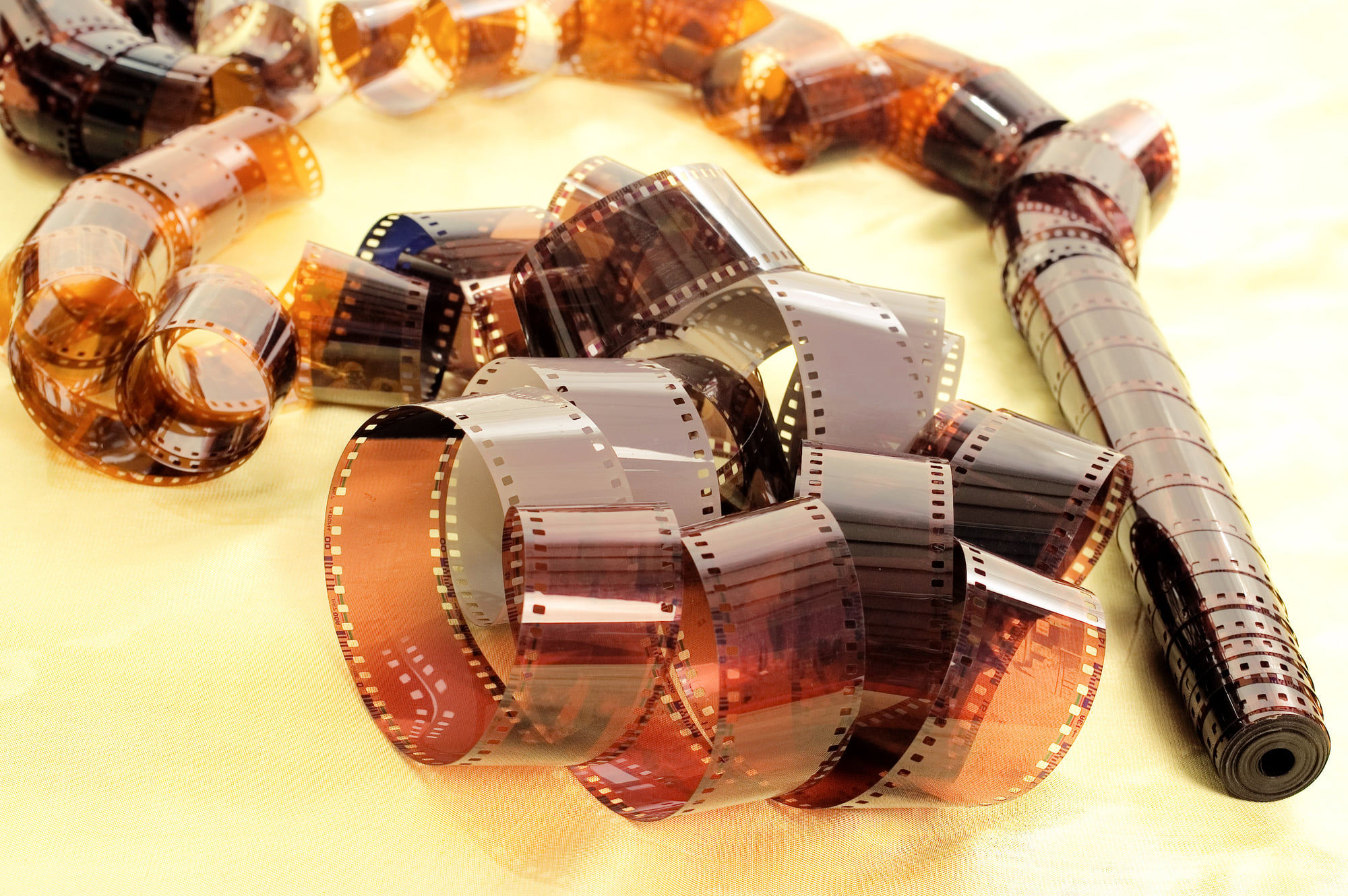
Dropping off a roll of film at the drugstore meant waiting days or even a week to see how your pictures turned out. There was real excitement mixed with anxiety because you had no idea if your shots were blurry, if someone blinked, or if the lighting ruined everything.
Sometimes you’d find surprise photos you forgot you’d taken. The disappointment of a bad roll was crushing, especially if it captured an important event, because there were no do-overs.
Asking strangers for directions when lost

Getting lost meant pulling over and asking someone on the street how to get somewhere. People would give elaborate directions involving landmarks that may or may not still exist, and you’d try desperately to remember every turn.
Gas stations were goldmines for help, with attendants who often knew the area well. There was humility in admitting you didn’t know where you were going, and real gratitude when someone took the time to help guide you back on track.
The communal experience of appointment television

Everyone gathered around the TV at the same time to watch the same show because missing it meant really missing it. Water cooler conversations the next day assumed you’d watched last night’s episode.
Families negotiated and sometimes argued over what to watch when schedules conflicted. The shared cultural moment of millions of people experiencing a story together, at the exact same time, created bonds that streaming’s convenience can’t replicate.
Handwriting letters to stay in touch

Putting pen to paper required thought and effort that made correspondence feel meaningful. People would save letters in shoeboxes, rereading them years later and remembering the person through their handwriting and choice of words.
Waiting for mail was exciting, and finding a personal letter among the bills felt like receiving a small gift. The permanence of written words made people more careful and deliberate about what they said.
Using a paper map while someone else drove
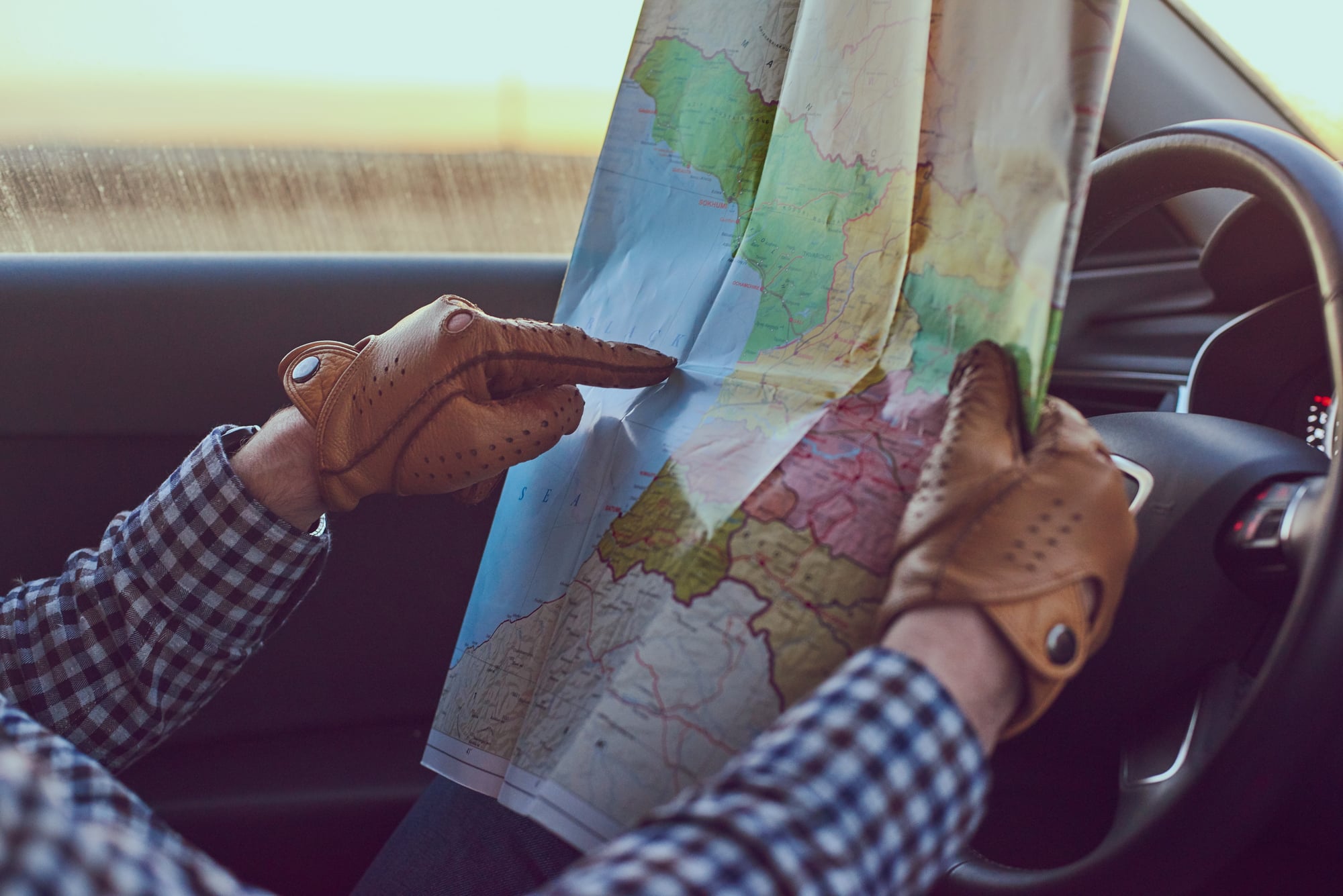
The navigator held a massive folded map, trying to figure out the route while the driver asked constant questions. Maps never folded back the right way, and finding your current location on the paper required skill.
Arguments over directions were common, especially when someone missed a turn and had to improvise a new route. Road trips required planning because getting lost could add hours to a journey, and GPS wasn’t there to calmly recalculate.
The sound of a dial-up modem connecting
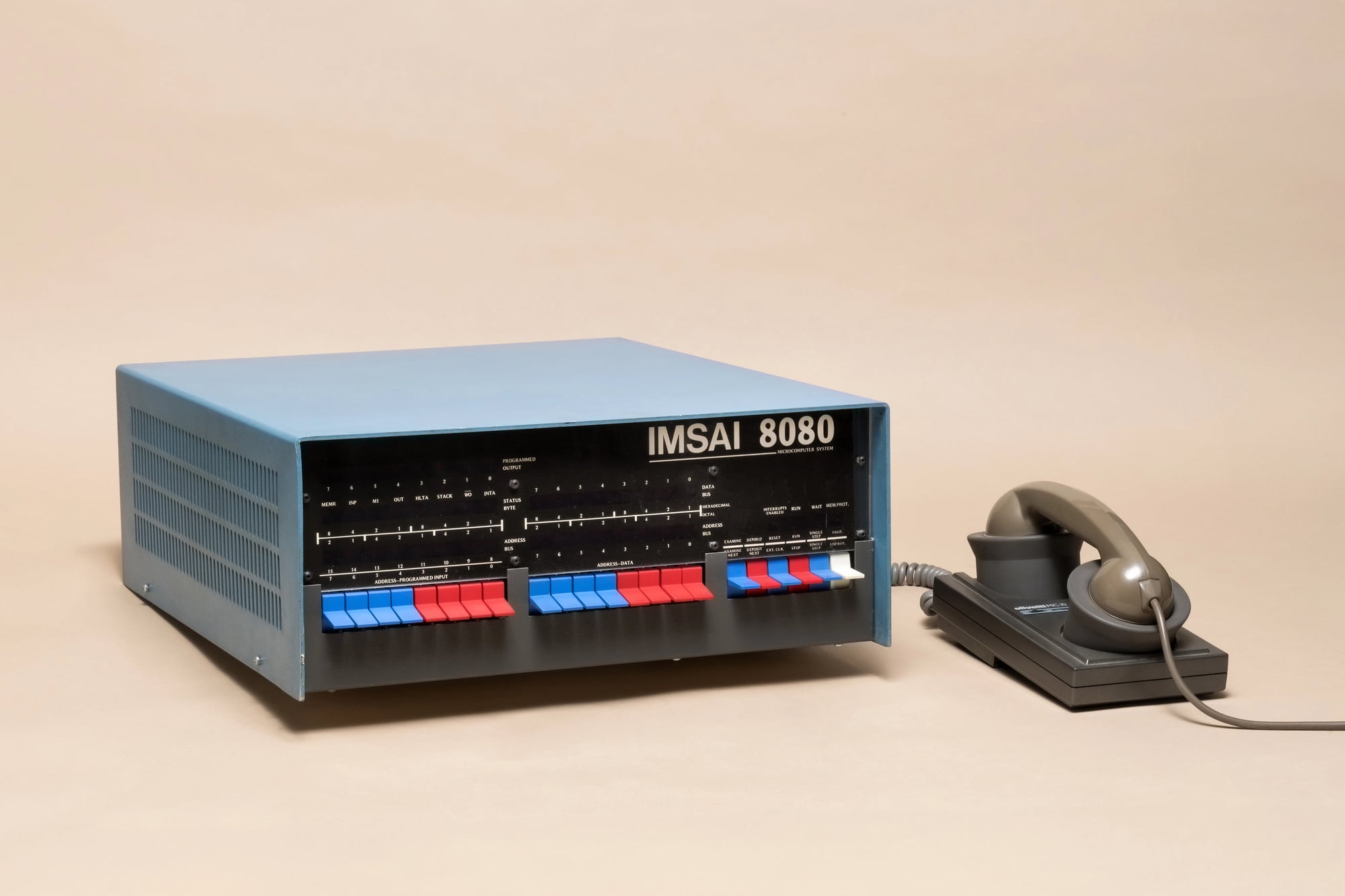
That screeching, buzzing noise meant the internet was coming to life, even if it took a full minute to connect. Nobody could use the phone while someone was online, which caused family conflicts.
Getting kicked offline because someone picked up the phone downstairs was infuriating, especially if you were in the middle of something. The internet felt precious and limited, not like the constant presence it is now.
Calling the theater for movie times

There was a dedicated phone number where a recording listed all the movies and their showtimes in a long message you had to listen to completely. People would call, listen to the whole thing, realize they needed to hear it again, and call back.
Sometimes the line was busy because so many people were calling. Newspaper movie listings were the other option, but they required actually having the paper or finding one somewhere.
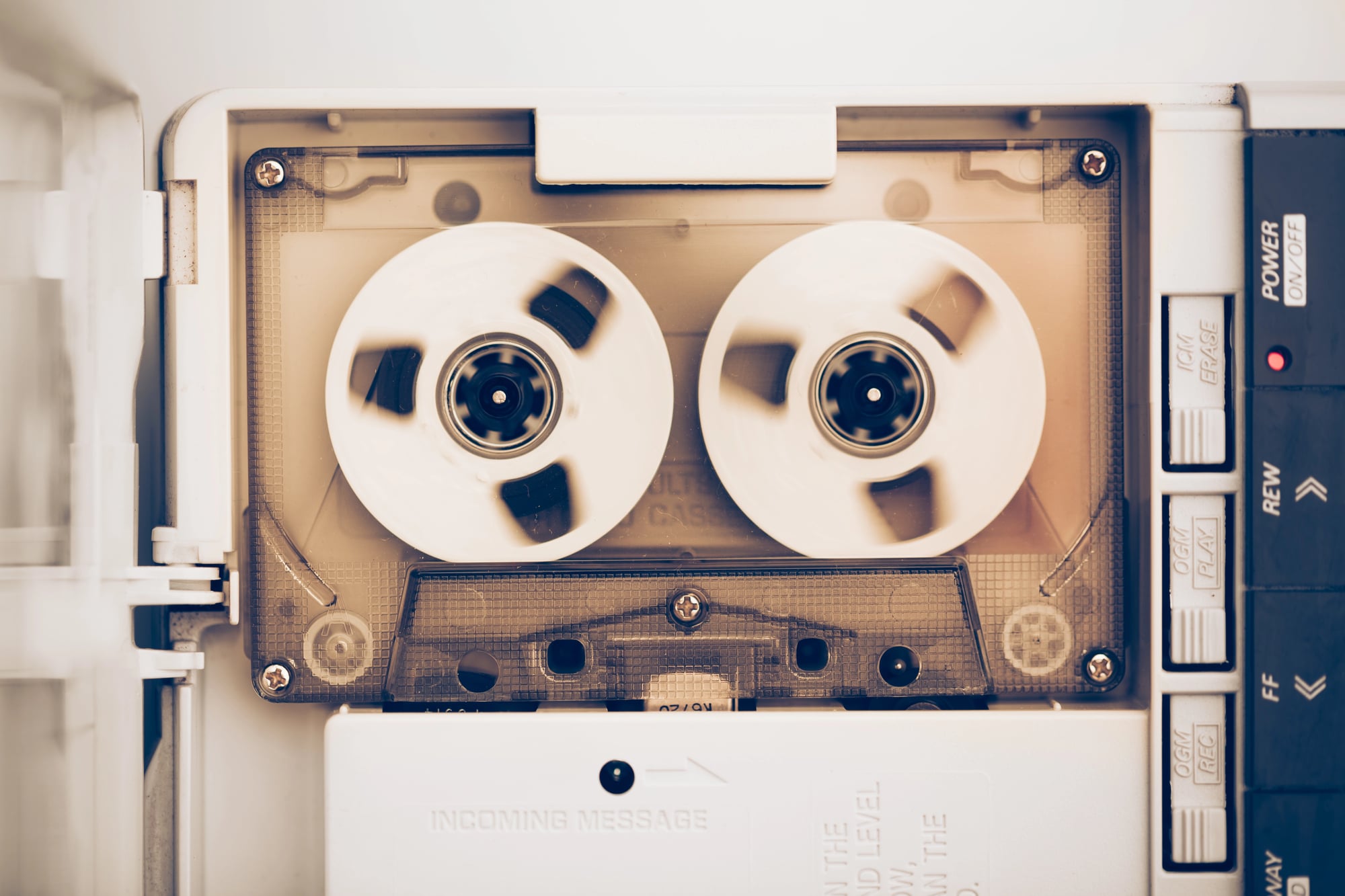
Recording songs off the radio onto cassette tapes

Sitting with your finger on the record button, waiting for your favorite song to play, was an exercise in patience. You had to be quick to start recording and stop before the DJ started talking over the ending.
The quality was never perfect, but these homemade mixtapes were treasured possessions. Trading tapes with friends was how music spread before streaming made every song instantly available.
Encyclopedias as the home reference library

Families bought entire sets of encyclopedias that took up shelf space and cost serious money. These books were the go-to source for school reports and settling dinner table debates.
Information was fixed on the page, so facts could become outdated, but there was something authoritative about looking things up in a bound volume. Kids learned to use the index and cross-references, skills that seemed important for navigating knowledge.
The ritual of Sunday newspaper reading
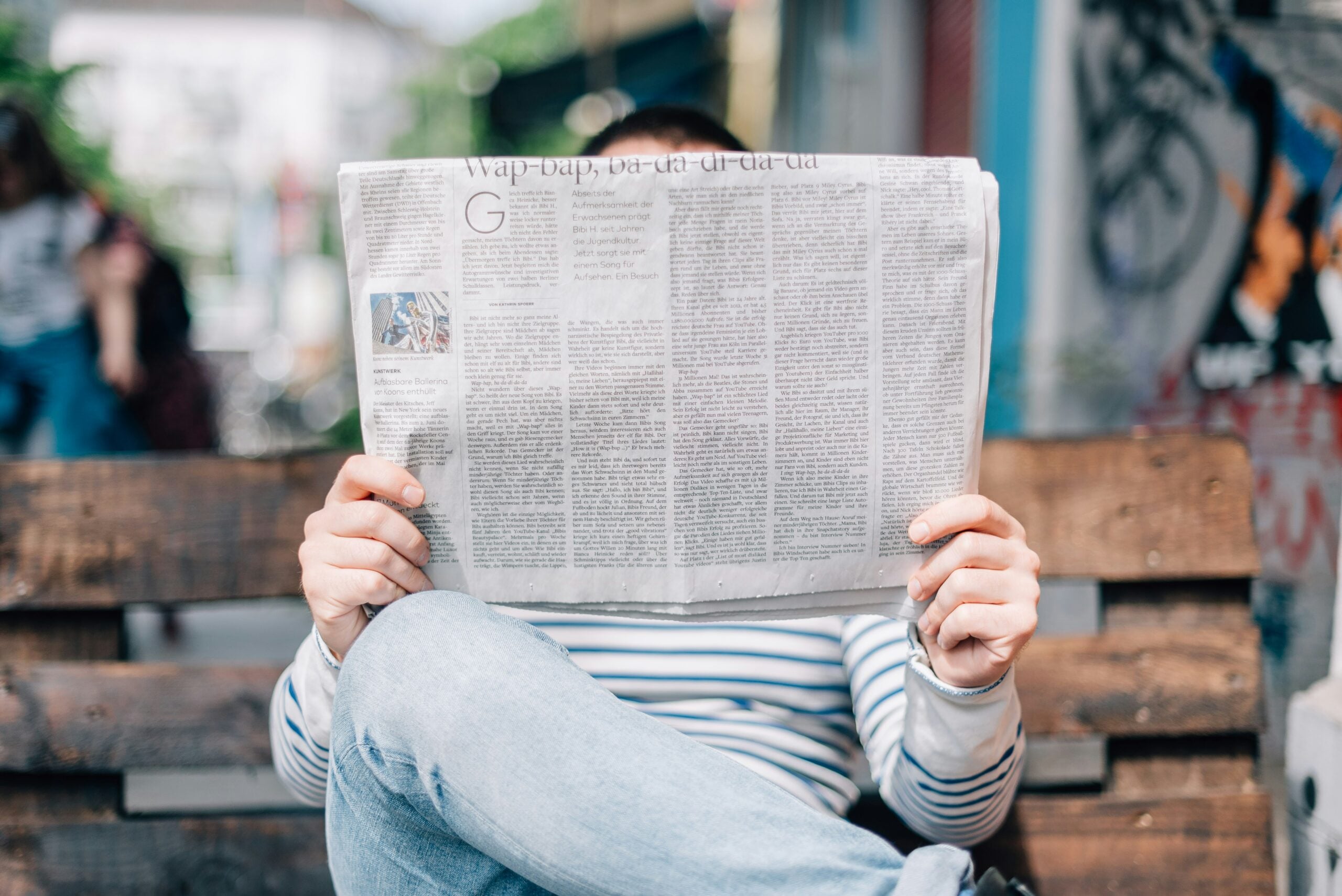
The Sunday paper was huge, with different sections for everyone in the family to claim. People spent hours reading at the breakfast table, and the paper would be scattered across the living room by afternoon.
Clipping coupons, reading the comics, and checking the classifieds were weekly traditions. The physical act of turning pages and the smell of newsprint were part of lazy weekend mornings.
Carrying actual cash for everything

Running out of money meant you were stuck until you could get to a bank during business hours. People knew exactly how much cash they had in their wallet and budgeted accordingly throughout the week.
Splitting a dinner bill required mental math and actual bills and coins changing hands. The ATM revolution helped, but cards weren’t accepted everywhere, so cash remained king for daily life.
The urgency of catching someone before they left

If you needed to tell someone something, you had to reach them before they walked out the door. Once people left home or work, they were unreachable until they arrived at their next destination.
Plans had to be solid because there was no way to send a quick message saying you’d be late. People learned to be punctual and reliable because coordination was difficult and misunderstandings could mean missing each other entirely.
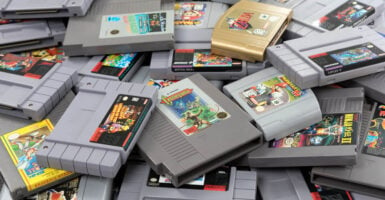
Blowing into game cartridges to make them work

Every kid knew the ritual of removing a Nintendo game that wouldn’t load, blowing into it forcefully, and trying again. It didn’t actually help and probably caused more problems, but the placebo effect was strong.
Games were physical objects that could fail, and there was no downloading a new copy. The frustration of a favorite game that stopped working was real heartbreak.
TV fuzz plus a sign that shows the channel’s done for now
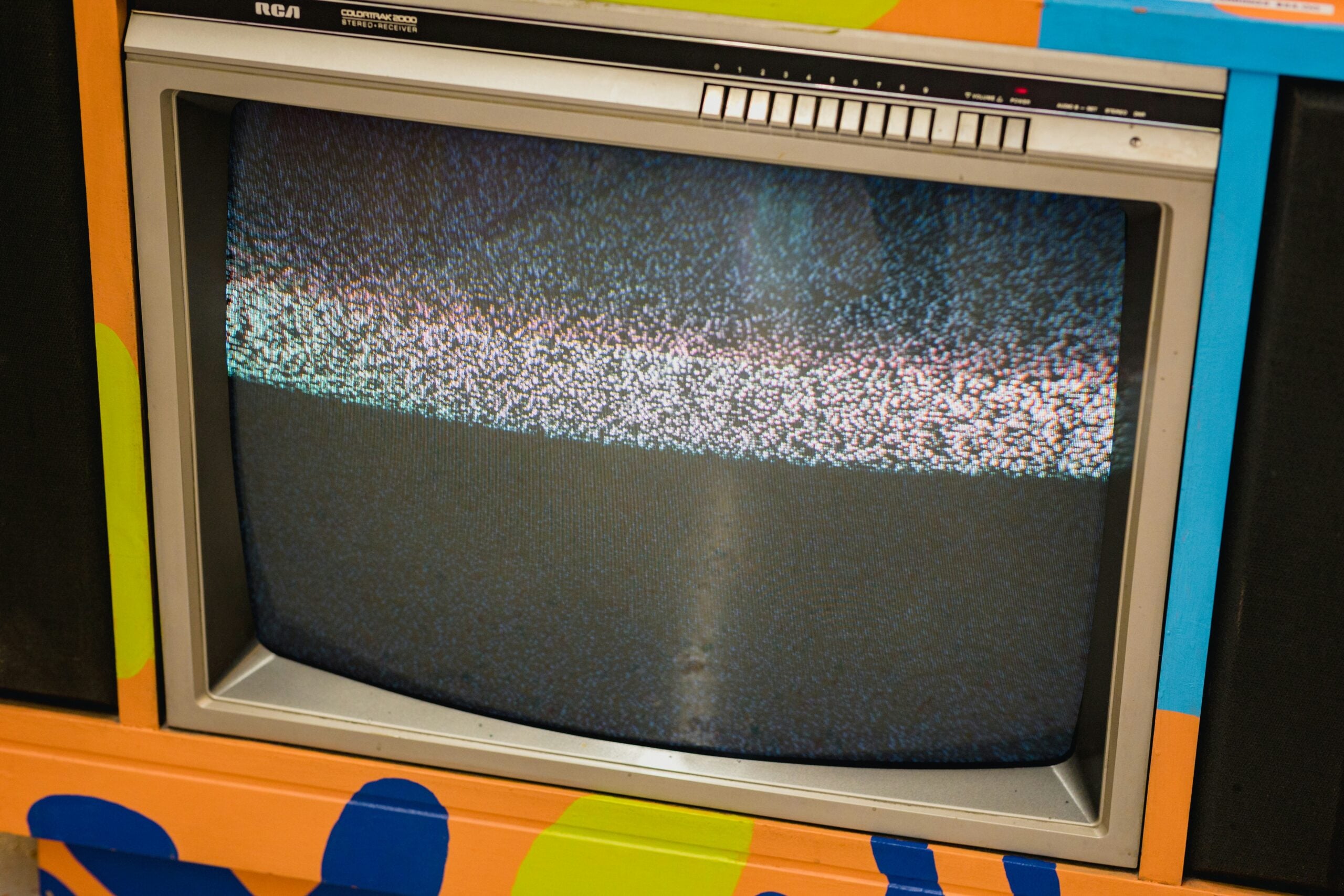
Back then, channels would shut down past midnight, blaring the national anthem right before flipping into fuzzy static. Folks up late used to see that jittery mess of gray dots on screen – loud, crackling sound included.
Tuning the antenna for better clarity? A regular headache; more often than not, signals stayed weak or vanished. Broadcasts seemed restricted, managed tightly, nothing like the nonstop streams we’ve got now.
Waking up to switch channels by hand
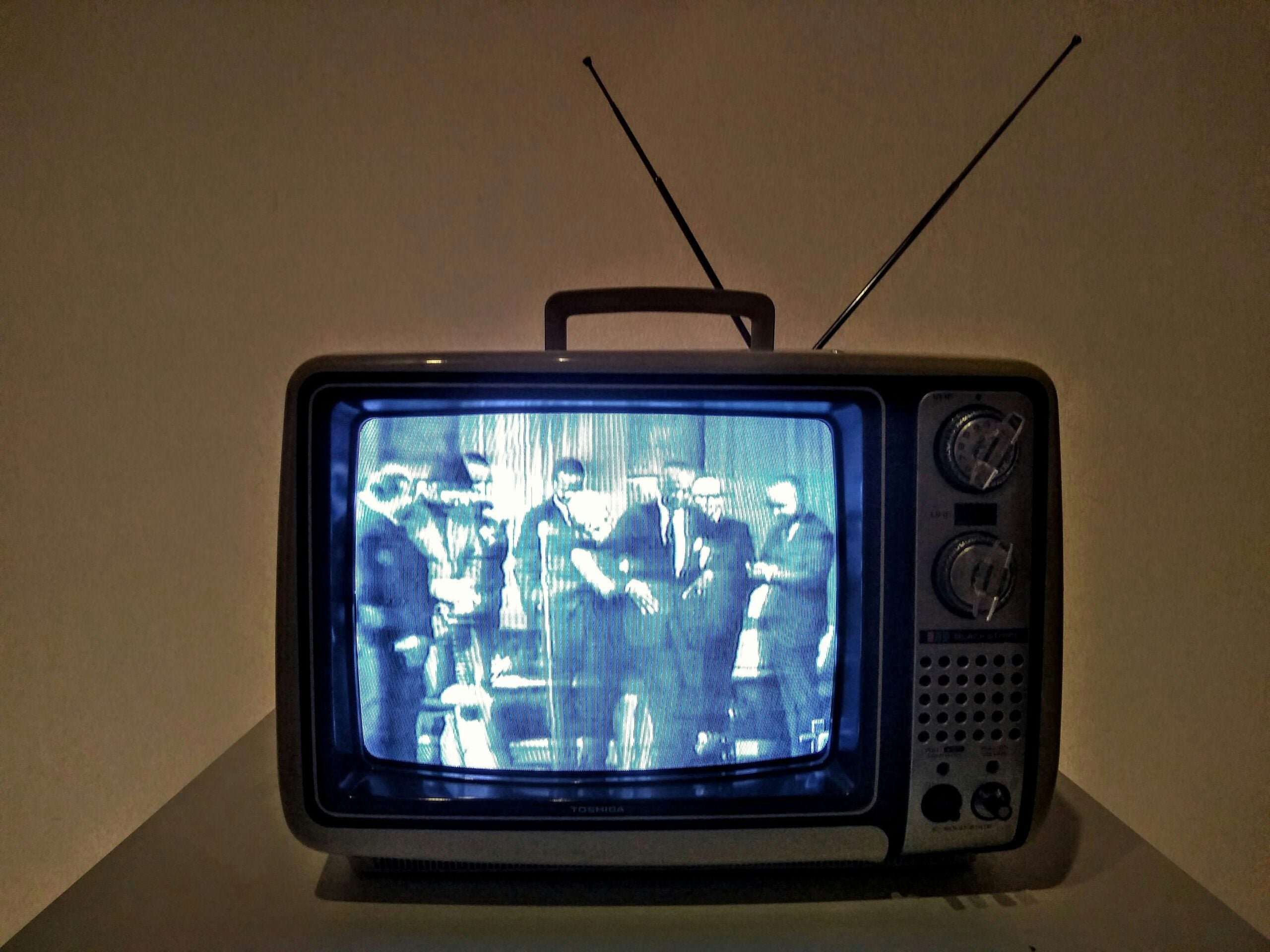
Fiddling with knobs on the set was normal – no remotes back then, just getting up. The kid always got stuck doing it, like a live-in helper for the screen.
Not many stations either, maybe a couple dozen at most, so scrolling past didn’t take long. Once you picked something, you kinda had to stick with it since switching meant moving again.
Blockbuster Friday nights

Hitting the video shop on Fridays became a habit for plenty of households. Fresh titles filled shelves with endless duplicates, yet crowd favorites vanished fast – so you grabbed something else last minute.
Strolling row after row, checking case descriptions, arguing over picks – it all added up, like it mattered somehow. Nobody liked late charges, but folks coughed up the cash regardless.
That whole scene – the way places were set up, chatting with workers who knew good films – is gone now, swapped out for apps that guess your taste and shows ready at one click.
What we gave up just to make things easier

Those forgotten moments had one thing in common – they took time, thought, or a real talk with someone. The hassle made days feel slower, pulling folks into parts of life that zip by today unnoticed.
Tools fixed hassles and smoothed rough edges – sure, that’s helpful – but along the way, they wiped out the flavor those limits once added to everyday routines. Kids growing up now will move through life using fresh touchstones, crafting tales from their own era, memories that’ll eventually sound odd or old-fashioned too.
More from Go2Tutors!

- The Romanov Crown Jewels and Their Tragic Fate
- 13 Historical Mysteries That Science Still Can’t Solve
- Famous Hoaxes That Fooled the World for Years
- 15 Child Stars with Tragic Adult Lives
- 16 Famous Jewelry Pieces in History
Like Go2Tutors’s content? Follow us on MSN.