Fascinating Facts About Lab-Grown Diamonds
There’s something almost poetic about the idea that one of the most sought-after gemstones on earth can now be grown in a controlled environment in a matter of weeks. Lab-grown diamonds have gone from scientific curiosity to serious competitors in the jewelry market, and yet most people still don’t know much about how they’re made, what they actually are, or why any of it matters.
Here’s what’s worth knowing.
They’re Real Diamonds — Not Fakes
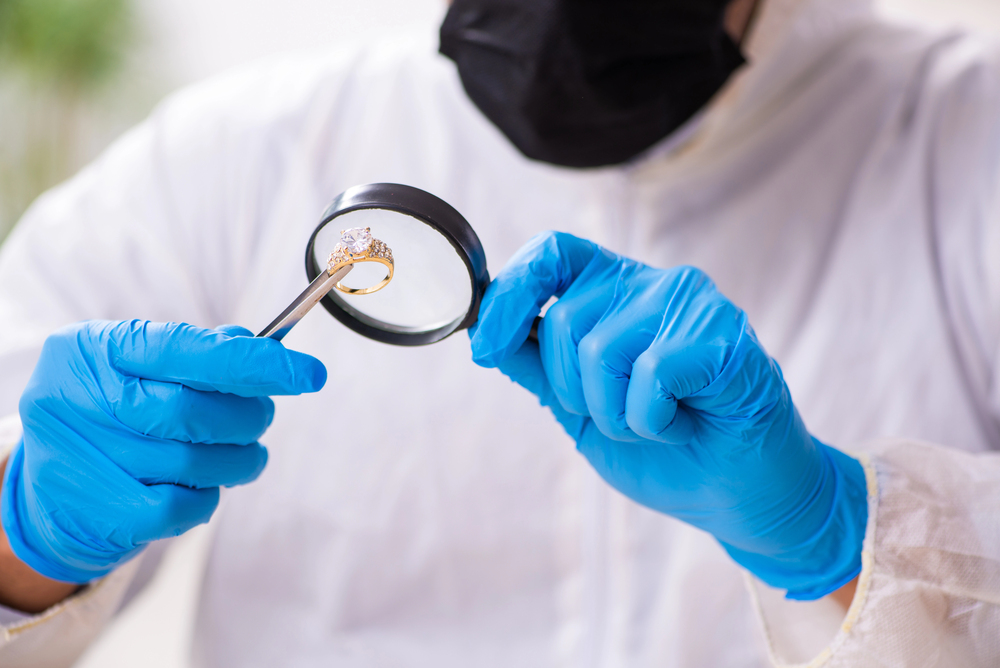
The biggest misconception people carry about lab-grown diamonds is that they’re some kind of imitation. They’re not.
Lab-grown diamonds have the same chemical composition, crystal structure, and physical properties as diamonds mined from the ground. Both are pure carbon arranged in a cubic crystal lattice.
A gemologist can’t tell them apart with the unaided eye, and even standard diamond-testing equipment registers them as real. The only difference is where they came from.
Two Methods, Same Result
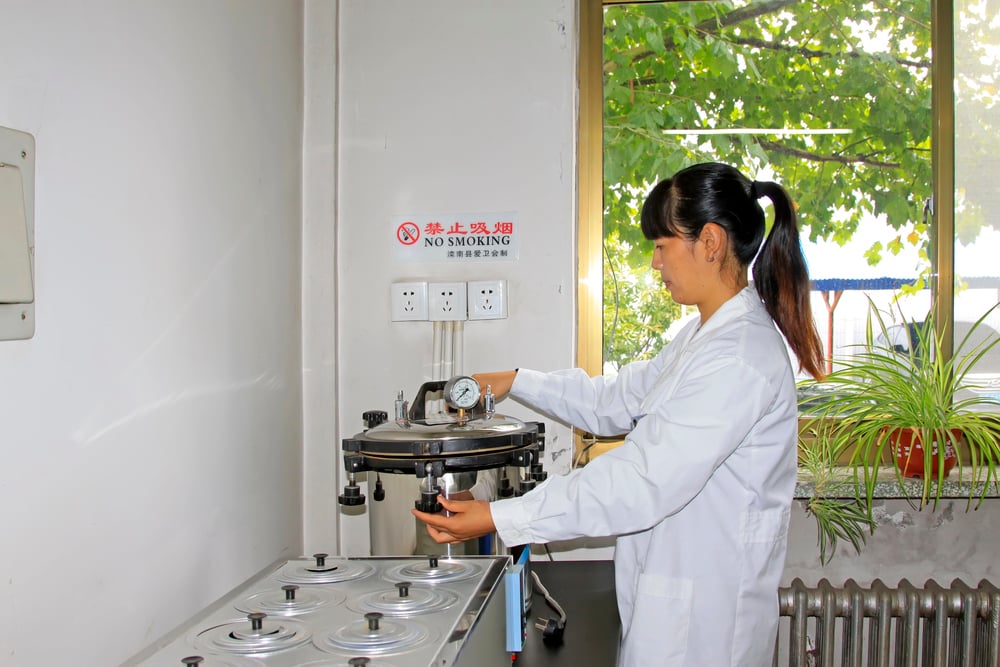
There are two main ways to grow a diamond in a lab. The first is called High Pressure, High Temperature (HPHT).
It mimics the conditions deep inside the earth — extreme pressure and heat — to force carbon atoms into the diamond structure. The second method is Chemical Vapor Deposition (CVD), where a thin slice of diamond acts as a seed and carbon-rich gases are pumped into a chamber.
The carbon attaches layer by layer until a full diamond forms. Both methods produce genuine diamonds, though the process and resulting characteristics differ slightly.
The Science Goes Back Further Than You’d Think

People often assume lab-grown diamonds are a recent invention, but the first successful attempt dates to the 1950s. General Electric scientists grew the first diamonds in a lab in 1954.
Those early stones were tiny and industrial-grade — useful for cutting tools and grinding equipment, but not jewelry. It took several more decades before the technology advanced enough to produce gem-quality diamonds at a scale that made commercial sense.
They Take Weeks, Not Millions of Years

A natural diamond forms over billions of years under the earth’s mantle. A lab-grown diamond takes between two and four weeks using CVD, or slightly less with HPHT.
The speed is possible because the conditions are precisely controlled. There’s no waiting for geological luck — just careful engineering of temperature, pressure, and carbon concentration.
They’re Physically Harder to Distinguish Than People Expect
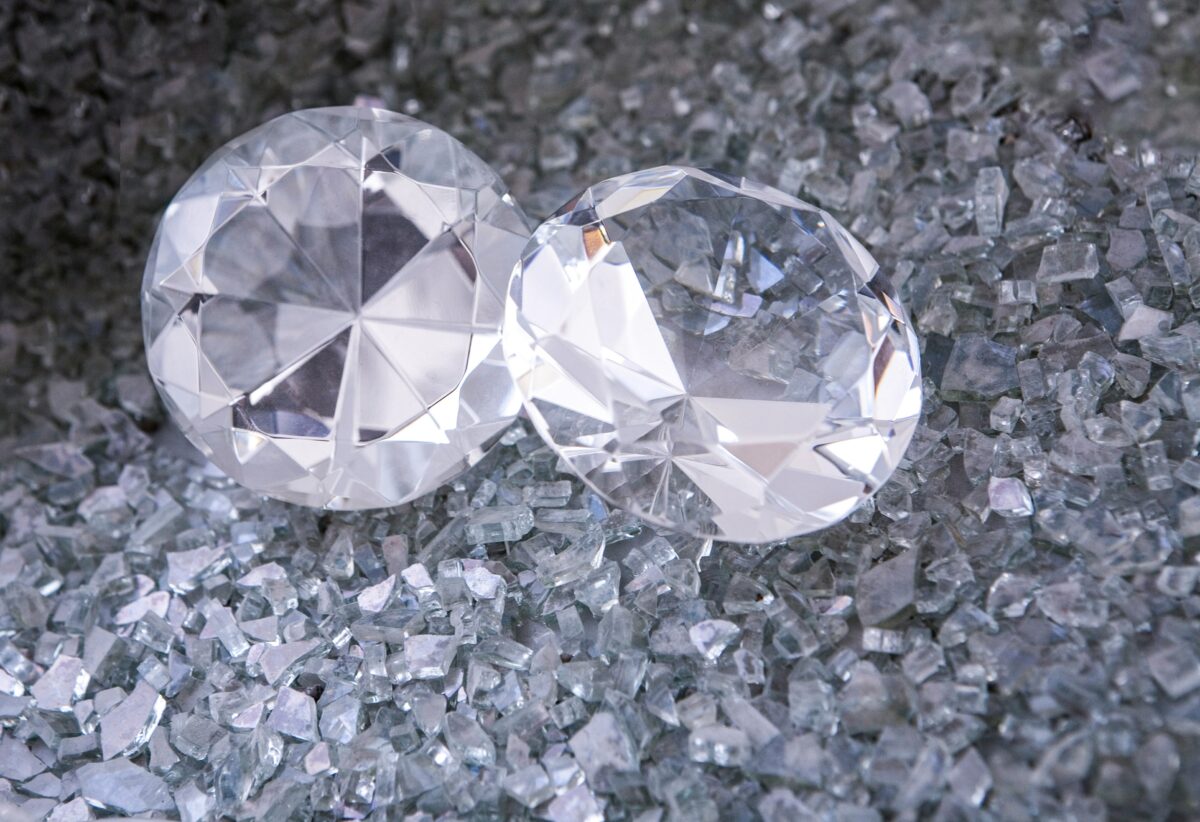
Even trained gemologists working with standard tools can struggle to separate lab-grown diamonds from natural ones. Specialized equipment — typically spectroscopy machines — can detect trace elements or growth patterns that hint at the origin, but these machines aren’t available in every jewelry store.
Some labs have developed microscopic inscriptions on the girdle of lab-grown stones to help with identification, but even that requires magnification to spot.
The Price Gap Is Significant

Lab-grown diamonds typically sell for 50 to 80 percent less than natural diamonds of comparable quality. That gap has been widening as production has scaled up and technology has improved.
For buyers who want a larger stone or a higher color and clarity grade without spending a fortune, the math often works out strongly in favor of lab-grown. The savings can be substantial enough to change the entire decision about what size or quality to pursue.
They Come in Every Color
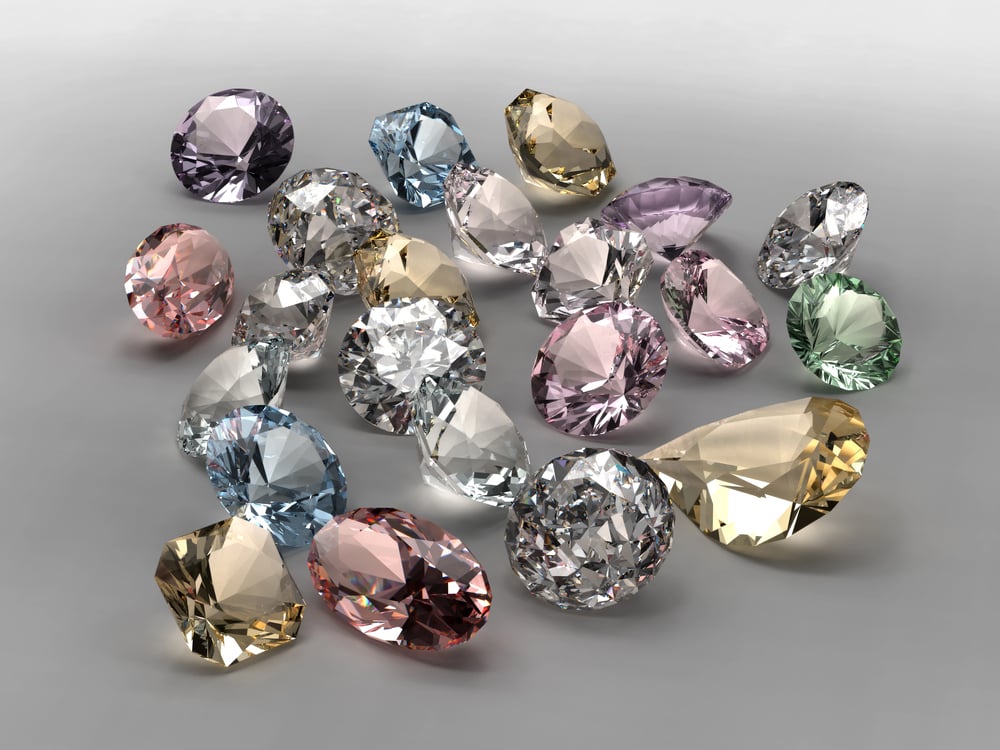
Diamonds exist in a range of colors — white, yellow, pink, blue, green, and more. Lab-grown versions can be produced in all of these.
Some colors are actually easier to create in a lab than to find in nature. Blue diamonds, for example, are extraordinarily rare as mined stones and command staggering prices. In a lab setting, introducing boron during the CVD process reliably produces blue stones, making the color far more accessible.
Industrial Use Came Long Before Jewelry
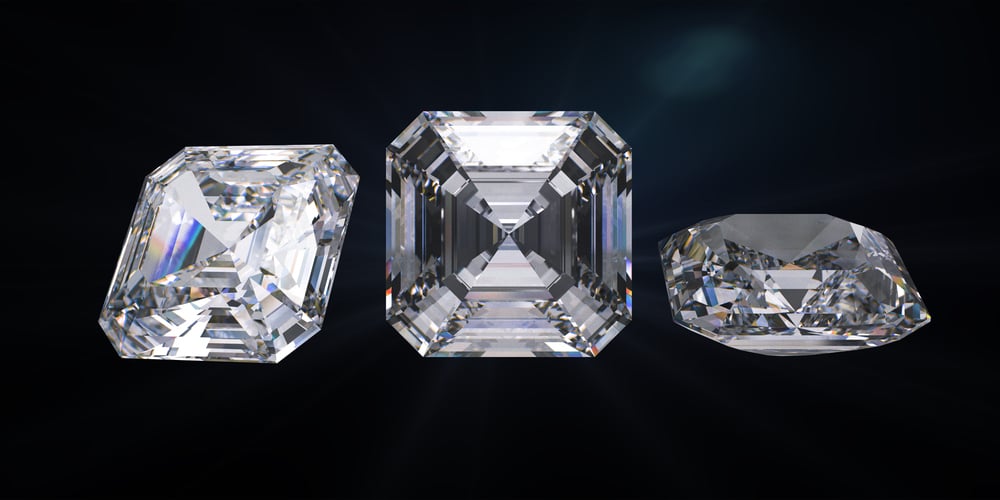
Long before anyone was wearing lab-grown diamonds, manufacturers were using them. Synthetic diamonds have been essential in cutting, grinding, drilling, and polishing industries for decades.
Diamond’s hardness — it sits at 10 on the Mohs scale, the highest possible — makes it ideal for working with other hard materials. Semiconductor production, medical equipment, and high-performance optics all rely on synthetic diamond components that most people never see.
The Environmental Picture Is Complicated
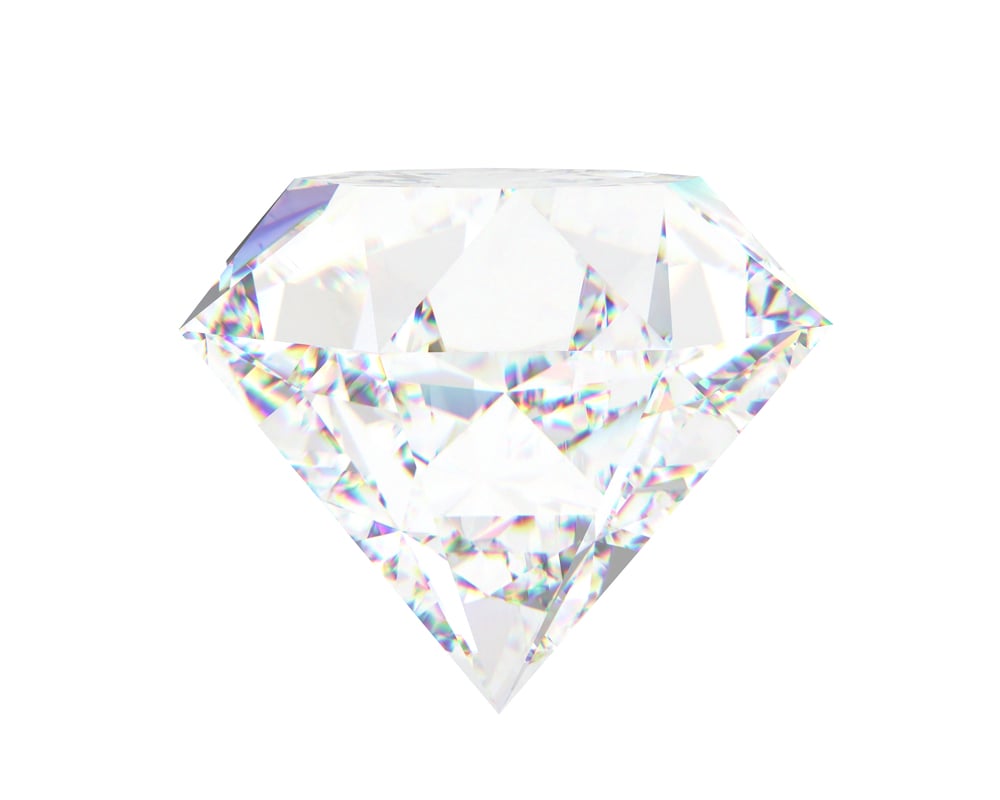
Lab-grown diamonds are often marketed as the more ethical or environmentally friendly option, and there’s some truth to that — they avoid the land disruption and community displacement that can come with mining. But they’re not without an environmental footprint. Growing diamonds in a lab requires enormous amounts of energy, and the impact depends heavily on whether that energy comes from renewable sources or fossil fuels.
Some producers have committed to renewable energy, while others haven’t. The “green” label applies unevenly across the industry.
They Can Be Certified Just Like Mined Diamonds

A trusted lab-made diamond gets graded just like one pulled from the earth. The Gemological Institute of America, along with the International Gemological Institute, provides official reports for these created gems, judging each by the familiar 4Cs – cut, color, clarity, and carat size.
When someone buys a verified lab-created stone, they receive proof of its quality, much like what comes with a natural gem that’s been checked.
Producers Mix Diamond Dust From Renowned Gems

A few businesses do something different – making diamonds from carbon pulled out of notable sources. From space rocks, one firm pulled carbon to form gems.
Another turns remains like hair or ashes into keepsake stones after someone has passed. During growth, the original carbon becomes part of the crystal structure, tying the gem directly to where it began.
Not many buy these, yet they show how adaptable synthetic diamond production can be.
The Resale Market Keeps Changing

Here’s something useful to understand: lab-created diamonds usually lose more value over time compared to mined ones – even though earth-mined gems aren’t as easy to resell as people often think. When manufacturing ramps up, costs go down, making earlier lab-made pieces seem pricier by comparison.
If you might trade up or cash out someday, that shift can make a difference. But if your goal is simply owning a nice gem without overspending and keeping it long-term, then depreciation isn’t much of a concern.
Same Atoms Same Structure
This idea bears restating since it often gets missed: atom by atom, a diamond made in a lab matches one pulled from the earth. Identical stuff, down to the last detail.
What sets them apart comes down to where they come from and how people see them, nothing more. Science has no opinion on which source holds greater worth; that judgment lives in the eye of the person buying.
Each gem is pure carbon shaped into a form both tough and stunning, whether crafted by planet or machine.
Carbon’s Long Journey Made Shorter

Something lingers here, if you pay attention. Not by chance but through pressure, carbon lines up into shapes of wild resilience and quiet grace.
Ages passed while the planet labored – deep shifts hidden beneath stone and time. A stretch of days inside a steady room now does what once took eons.
This isn’t some watered-down take. Just another part unfolding differently.
More from Go2Tutors!

- 16 Historical Figures Who Were Nothing Like You Think
- 12 Things Sold in the 80s That Are Now Illegal
- 15 VHS Tapes That Could Be Worth Thousands
- 17 Historical “What Ifs” That Would Have Changed Everything
- 18 TV Shows That Vanished Without a Finale
Like Go2Tutors’s content? Follow us on MSN.