18 Historical Moments You’ve Never Seen in Color
There’s something unsettling about seeing history only in black and white. Those grainy photographs and newsreels create a kind of emotional distance — as if the past happened in a different world entirely, populated by people who somehow lived without the full spectrum of human experience.
But history wasn’t actually colorless. The sky was still blue when the Titanic sank. Blood was still red at Gettysburg. People wore bright dresses and colorful ties to events that would define the world.
Modern colorization technology has begun to bridge that gap, transforming iconic moments from distant historical artifacts into something immediate and startling. When you see these familiar scenes in color for the first time, they stop being history and start being Tuesday afternoon in someone’s real life.
The Construction of the Statue of Liberty
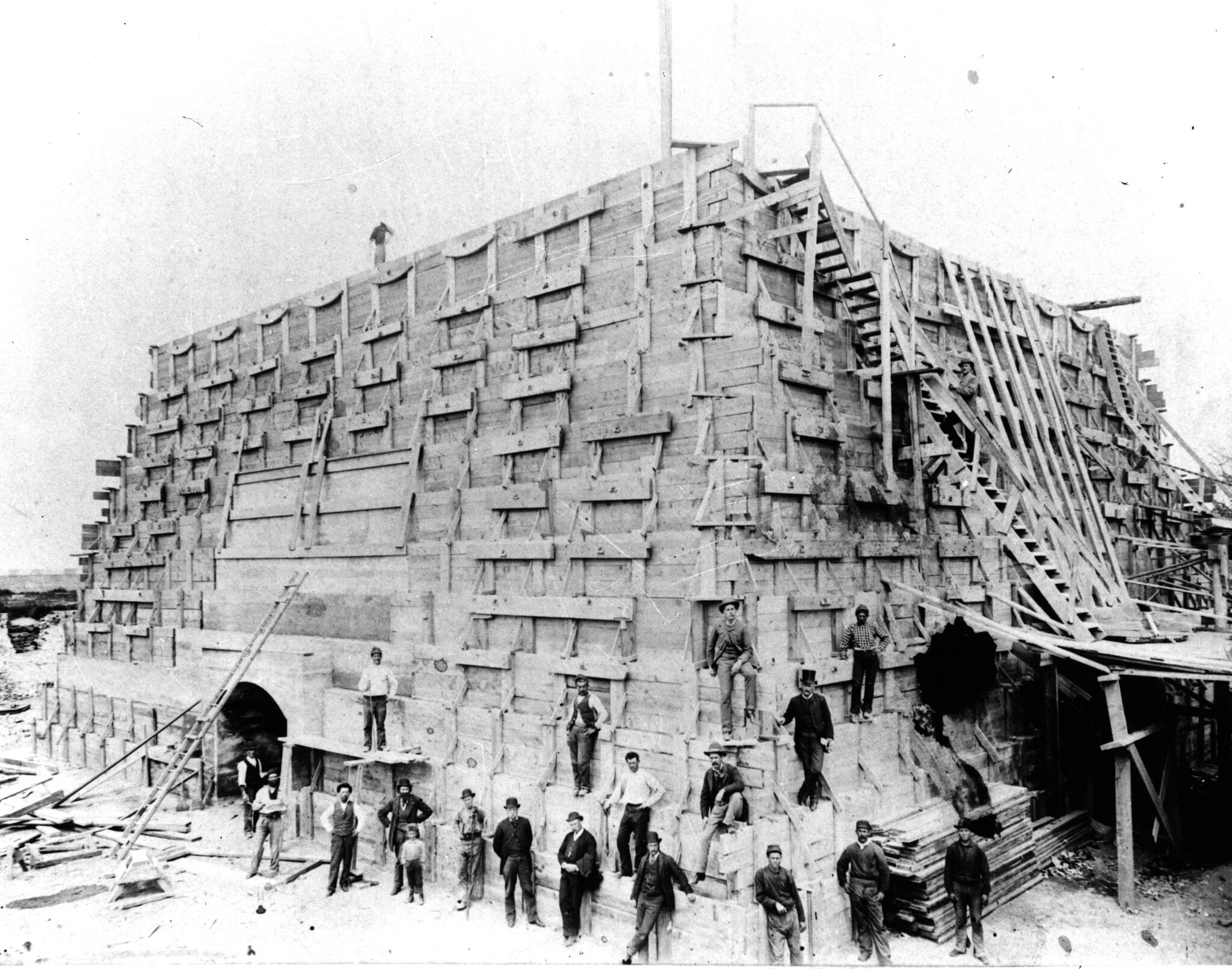
Lady Liberty didn’t arrive in New York Harbor fully assembled. She came in pieces, shipped from France in 214 crates, and had to be put together like the world’s most meaningful jigsaw puzzle.
The colorized photographs of her construction reveal something the black and white versions never could — just how bright and new that copper looked before a century of weather turned it green.
The Last Photo of the Titanic
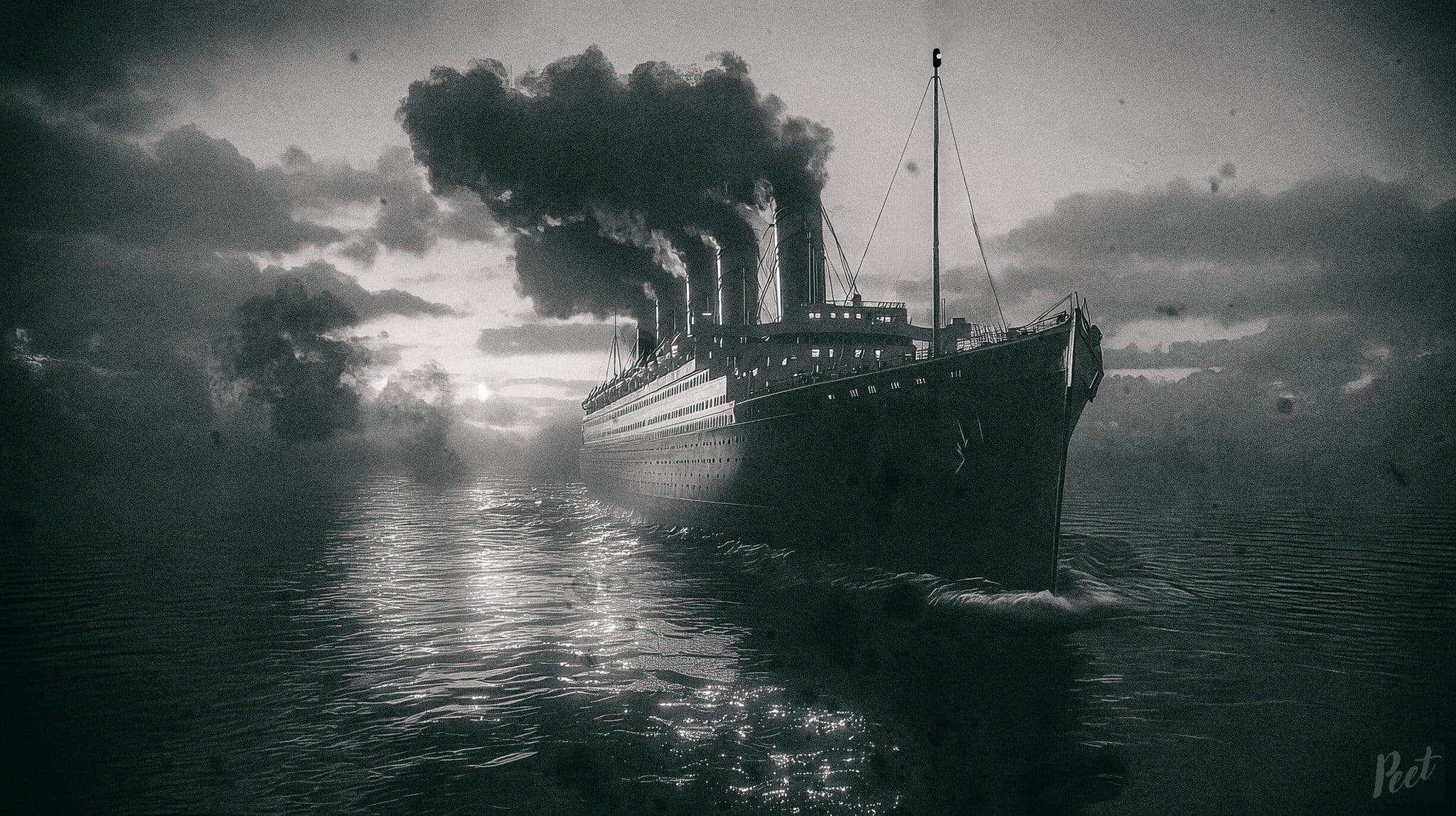
The final photograph of the Titanic shows her leaving Queenstown, Ireland on April 11, 1912. In color, you can see the ship exactly as her passengers did — gleaming white superstructure, black hull, four massive yellow funnels cutting against a gray sky.
Three days later, she was gone.
Einstein at Princeton
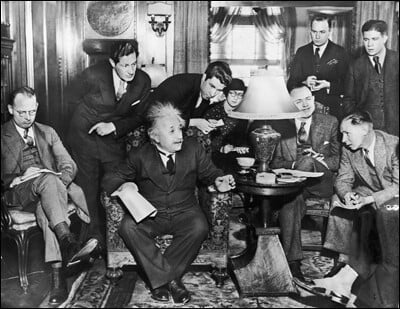
Most people picture Albert Einstein as a figure from black and white newsreels, wild-haired and serious in his later years. But the colorized photos from his time at Princeton show something more human — the particular shade of his unruly gray hair (which was more brown than you’d expect), his preference for earth-tone sweaters, the way afternoon light caught his face when he smiled.
And he smiled more than the history books suggest, which is something you notice when the warmth in those images comes through in full color.
The domestic details matter here: Einstein drinking coffee from an ordinary ceramic mug, Einstein in a cardigan that’s clearly seen better days, Einstein looking like someone’s slightly disheveled grandfather rather than the mythical figure he’s become.
So much of genius, it turns out, happens in completely unremarkable rooms on perfectly ordinary afternoons — and the color photographs don’t let you forget that this was someone’s actual Tuesday, not just a moment preserved for posterity.
The 1906 San Francisco Earthquake
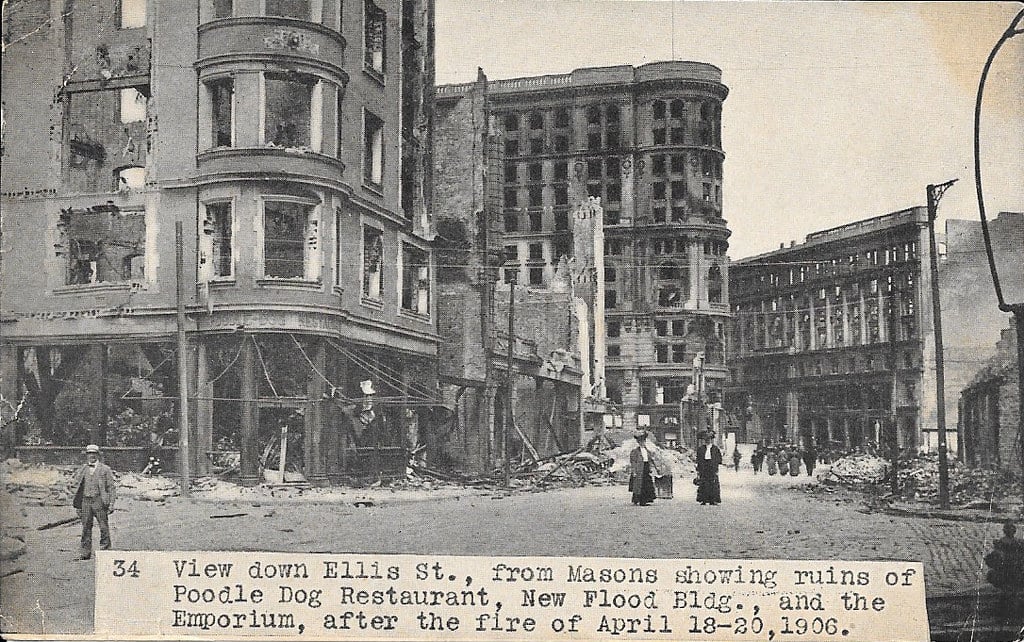
The aftermath of the 1906 San Francisco earthquake becomes viscerally different in color. You can see the orange flames that consumed the city for three days after the initial quake.
The smoke isn’t just gray — it’s brown and black and yellow, billowing against a sky that’s still impossibly blue despite the destruction below.
Young Winston Churchill
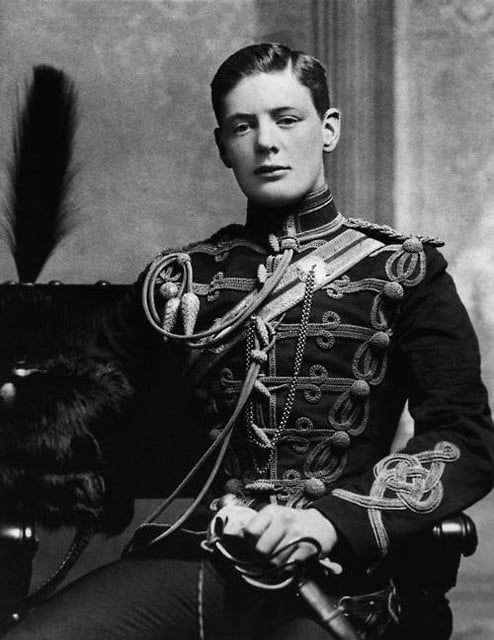
Color brings an unexpected intimacy to familiar faces. Young Winston Churchill — not the wartime leader you know, but Churchill in his thirties — had reddish hair and surprisingly bright blue eyes.
The military uniforms weren’t just formal garments in old photographs; they were specific shades of red and gold and navy blue that meant something to the people wearing them.
The Hindenburg Disaster
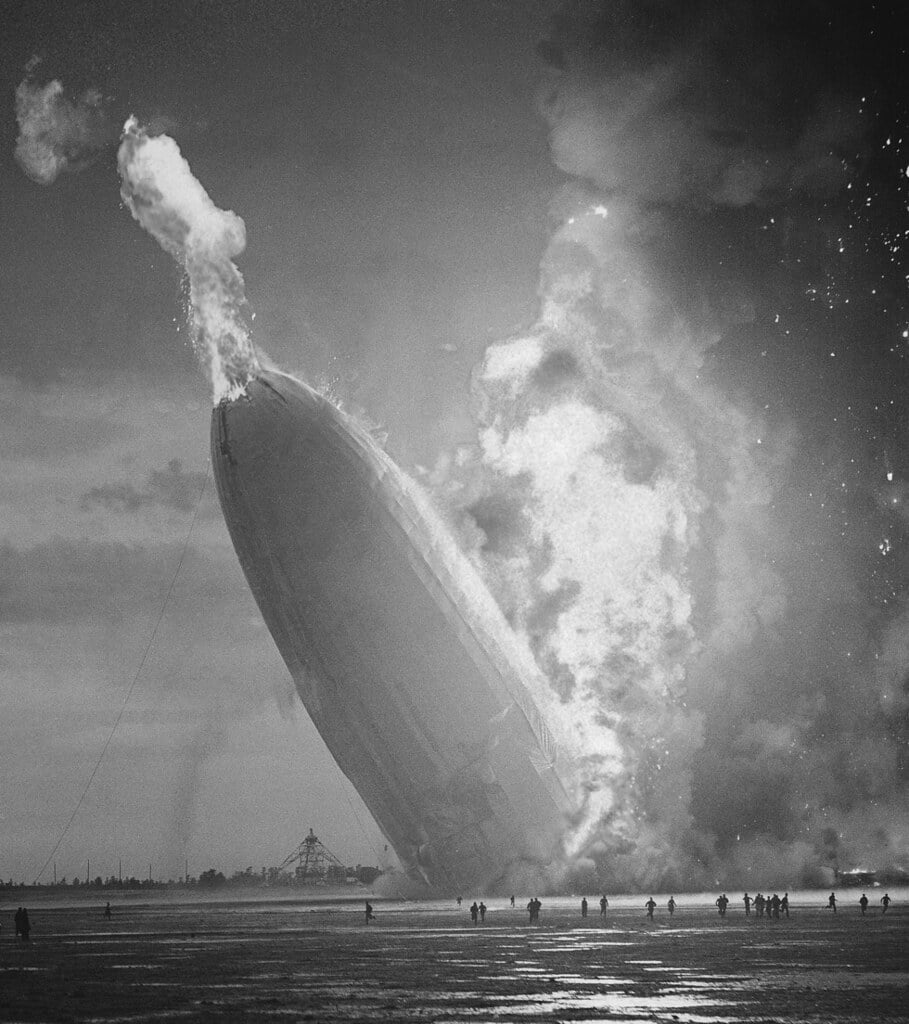
The Hindenburg disaster deserves its place among history’s most documented tragedies — the radio broadcast, the newspaper headlines, the grainy black and white footage of the airship’s final moments. But seeing the flames in color changes everything about how the disaster feels.
Color doesn’t just add visual information; it adds emotional weight. The orange fire against the gray sky becomes more than historical documentation — it becomes immediate and terrible in a way that makes you understand why people still talked about it decades later with that particular look in their eyes.
Some moments in history were always meant to be seen in full spectrum, and this is one of them.
The Wright Brothers’ First Flight
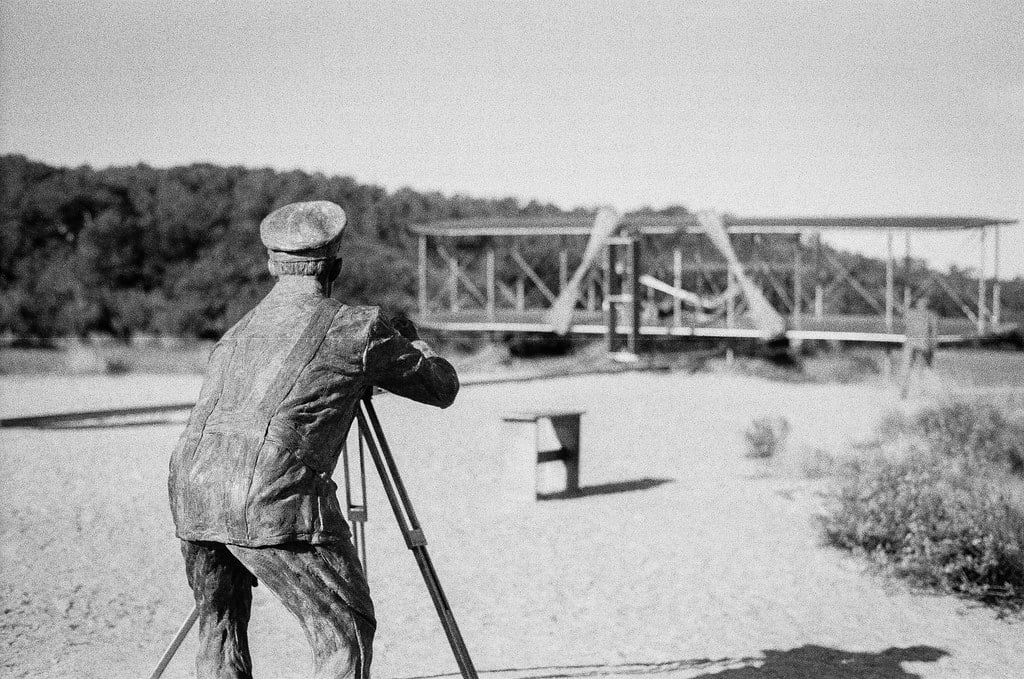
That twelve-second flight at Kitty Hawk gets reduced to a single famous photograph in most history books — the Wright Flyer lifting off the sand with Orville at the controls and Wilbur running alongside. In color, you notice details that the black and white version obscures: the pale sand, the gray sky, the specific shade of brown on the wooden frame of their flying machine.
Franklin D. Roosevelt’s Inauguration
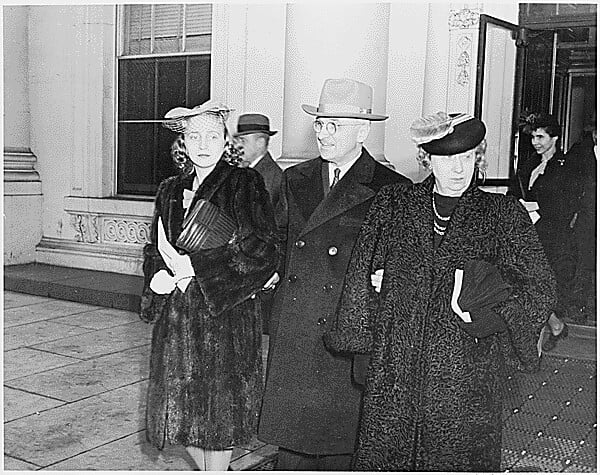
FDR’s first inauguration took place on a cold March day in 1933, with the country deep in the Depression. The colorized photographs show the crowd bundled in heavy coats — not just the dark, formal shapes you see in black and white, but actual people wearing brown wool and navy blue scarves and burgundy hats, their breath visible in the cold air.
The Crystal Palace
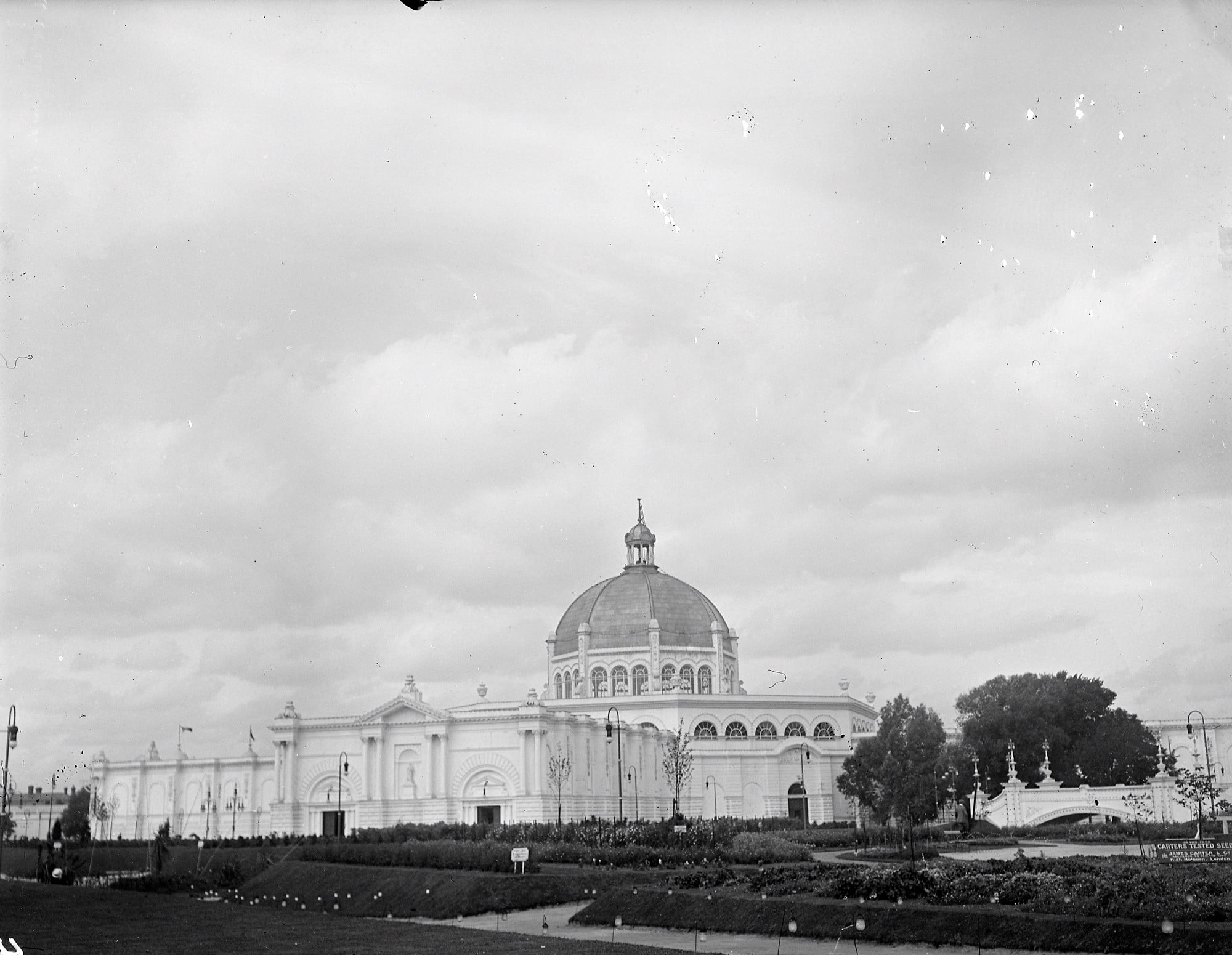
London’s Crystal Palace — that impossible structure of iron and glass built for the Great Exhibition of 1851 — becomes something else entirely when you see it in color. The building was always meant to showcase possibility, to demonstrate that the future could be bright and airy and filled with light.
Black and white photographs make it look industrial and serious, but the colorized versions reveal what visitors actually saw: sunlight streaming through enormous panes of glass, creating patterns of gold and blue and green on the floors inside (and somehow managing to make Victorian England look optimistic, which is saying something).
The Assassination of Archduke Franz Ferdinand
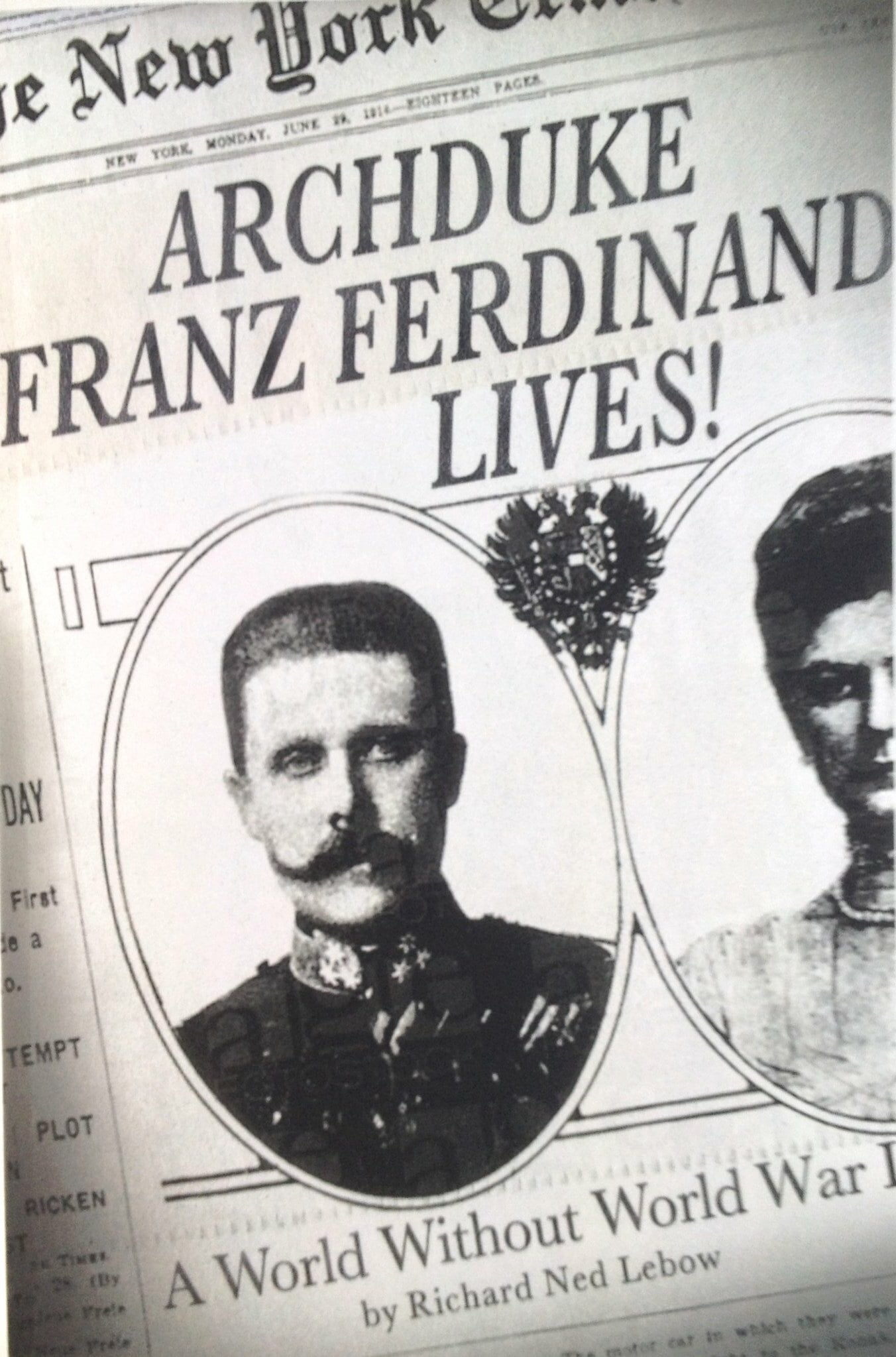
The colorized photographs from Sarajevo on June 28, 1914 — taken just hours before Archduke Franz Ferdinand was shot — show a surprisingly festive scene. Bright flags, colorful banners welcoming the royal couple, people in their Sunday best lining the streets.
The day that started World War I looked, for most of its duration, like a celebration.
The Great Chicago Fire
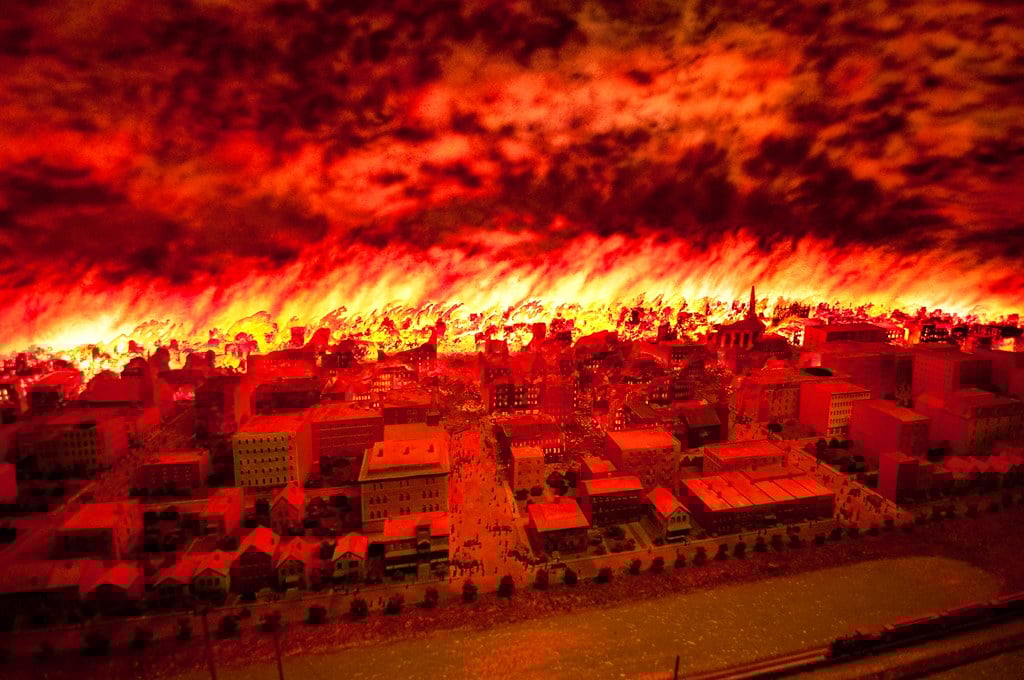
The aftermath of the Great Chicago Fire in 1871 reveals itself differently in color. The ruins weren’t just gray ash and black timber — there were patches of red brick that survived, green trees that somehow escaped the flames, blue sky visible through the skeleton frames of buildings that used to block it out.
Lincoln’s Second Inauguration
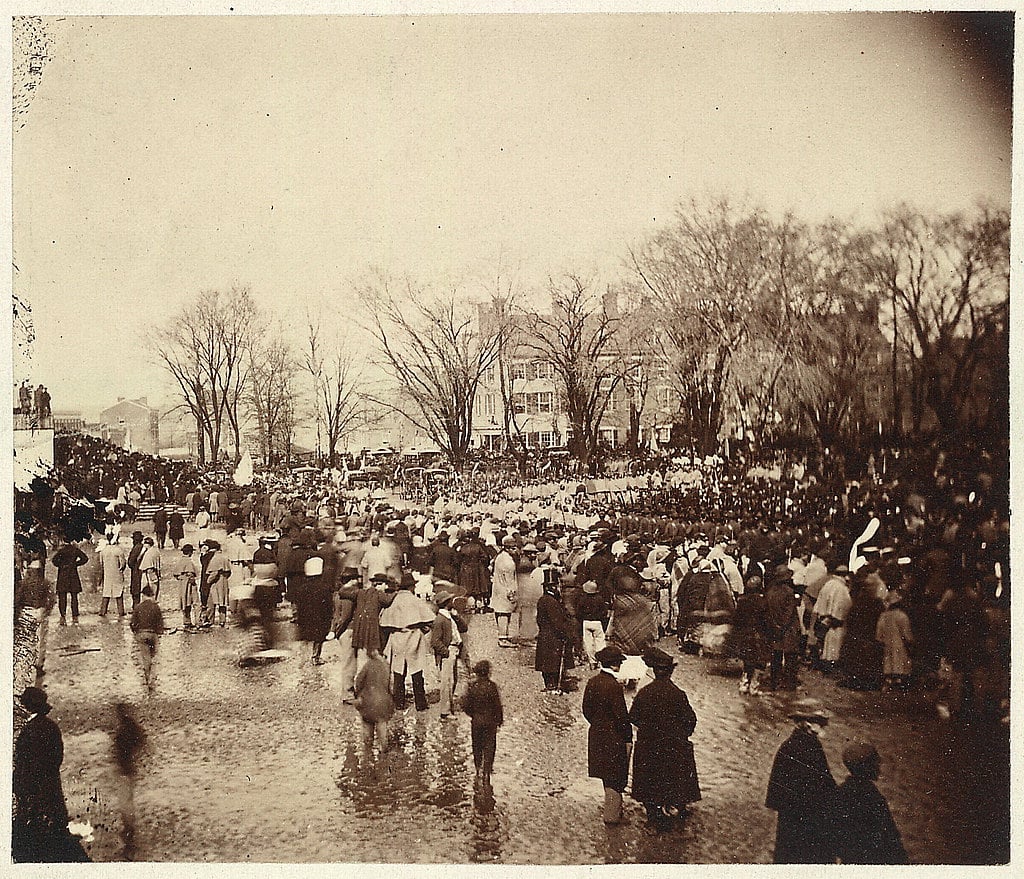
Abraham Lincoln’s second inauguration on March 4, 1865 — just weeks before his assassination — shows a crowd of people who look surprisingly modern in color. Their clothes weren’t just the formal black shapes you see in period photographs; they were wearing actual colors, browns and blues and grays, the same palette people still choose today.
The mud on the Capitol grounds wasn’t just dark splotches in a black and white world. It was brown mud, the kind you’d recognize from any rainy day.
Lincoln himself, gaunt from four years of war, looks more human somehow when you can see the actual color of his skin, his eyes, his famous stovepipe hat.
The 1893 World’s Fair
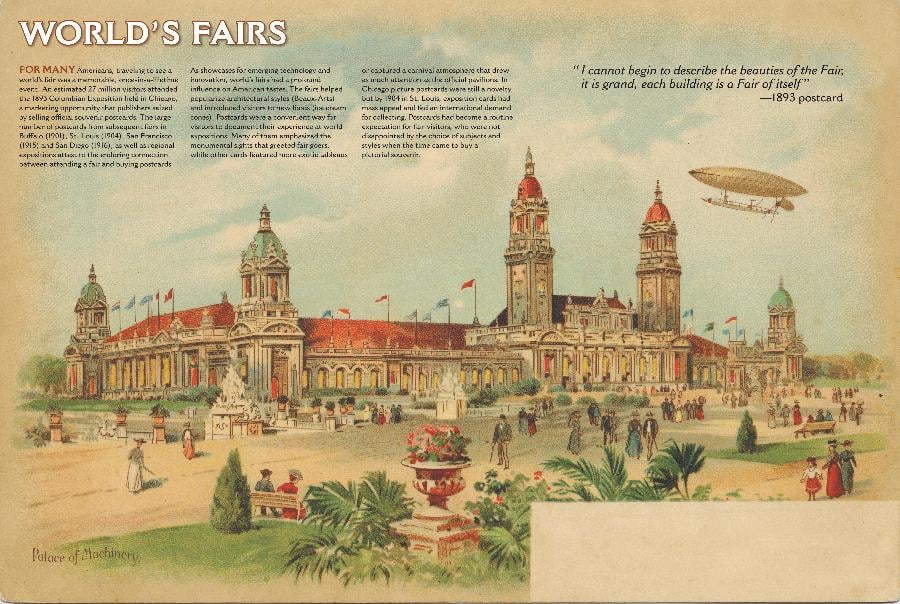
The 1893 World’s Columbian Exposition in Chicago was designed to dazzle, and the colorized photographs finally show why it worked. The “White City” wasn’t just white — it was cream and ivory and pale gold, reflecting in lagoons that were actually blue.
Visitors wore bright dresses and colorful suits that pop against the neoclassical architecture.
The Galveston Hurricane
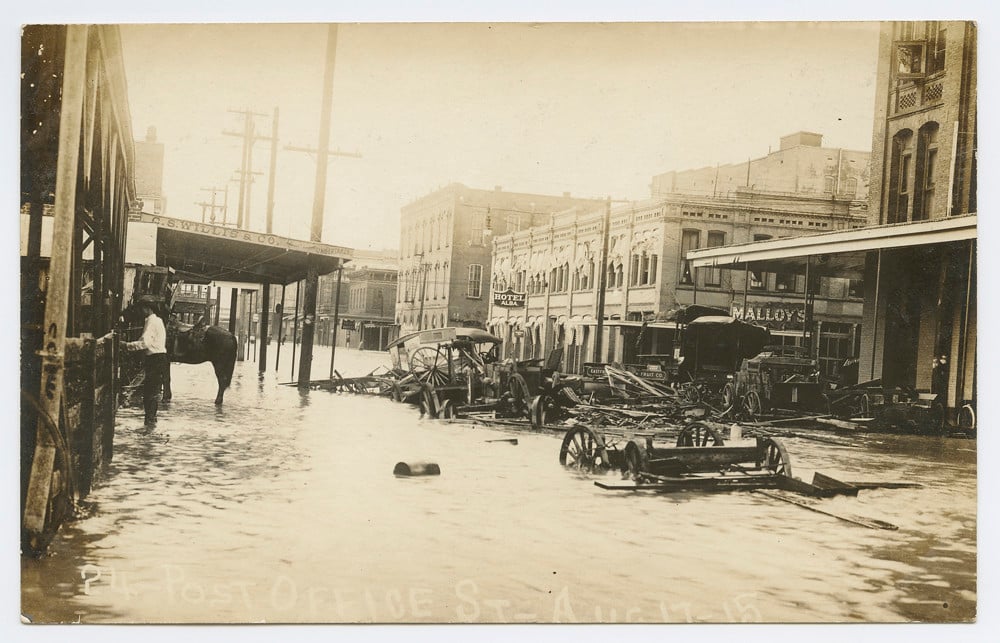
The 1900 Galveston Hurricane remains the deadliest natural disaster in United States history. The colorized aftermath photos show destruction that’s more immediate and personal when you can see the actual colors — the brown water still standing in the streets, the red brick of buildings that partially survived, the blue sky that returned after the storm passed.
Theodore Roosevelt’s Rough Riders
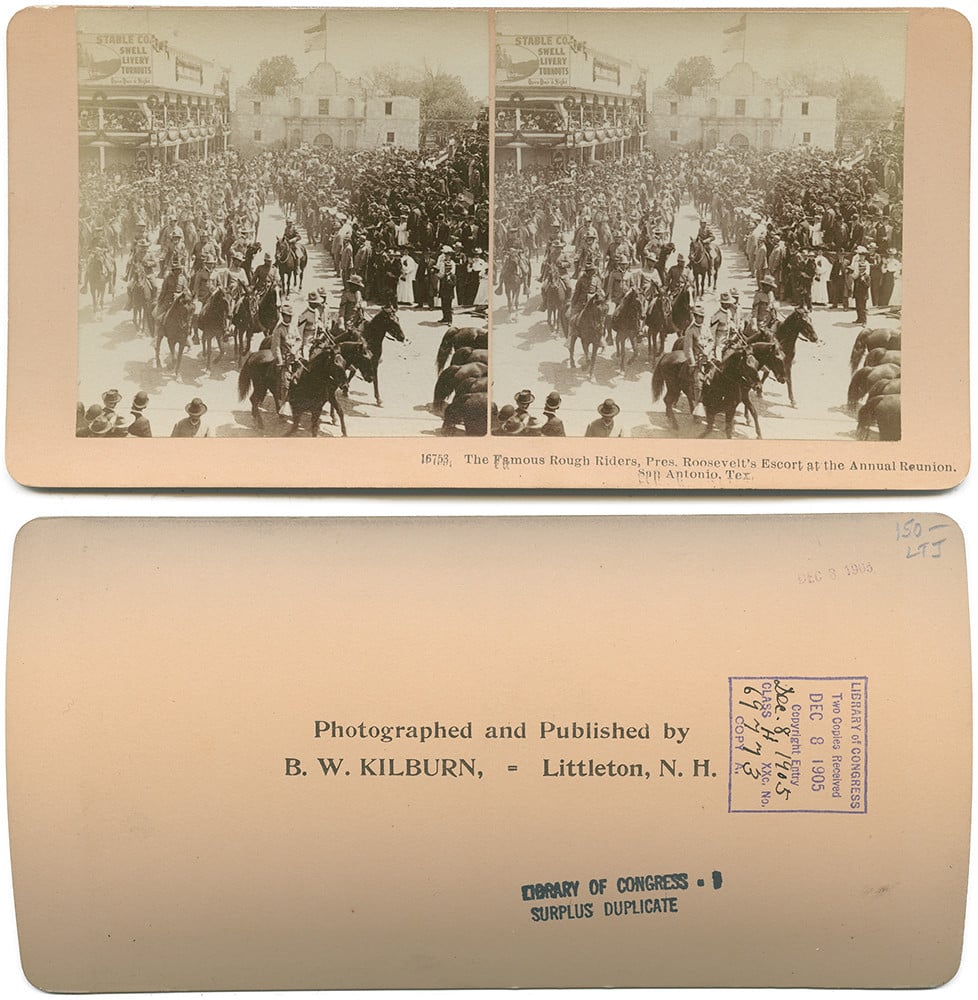
TR and his Rough Riders in Cuba during the Spanish-American War become real people instead of historical figures when you see them in color. Their uniforms were khaki — actual khaki, not just light gray.
The landscape around them was green and brown and dusty yellow, the colors of a real place where real people fought a real war in the summer of 1898.
The 1911 Triangle Shirtwaist Factory Fire
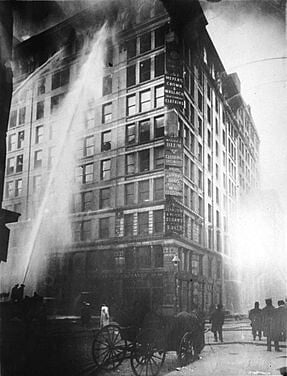
The Triangle Shirtwaist Factory Fire in New York City killed 146 garment workers, mostly young women. The colorized photographs of the aftermath show the red brick building against a blue sky, the brown wooden window frames where people jumped to escape the flames.
The fire trucks weren’t just dark shapes in old photographs — they were red, the same color fire trucks still are today.
The 1904 St. Louis Olympics
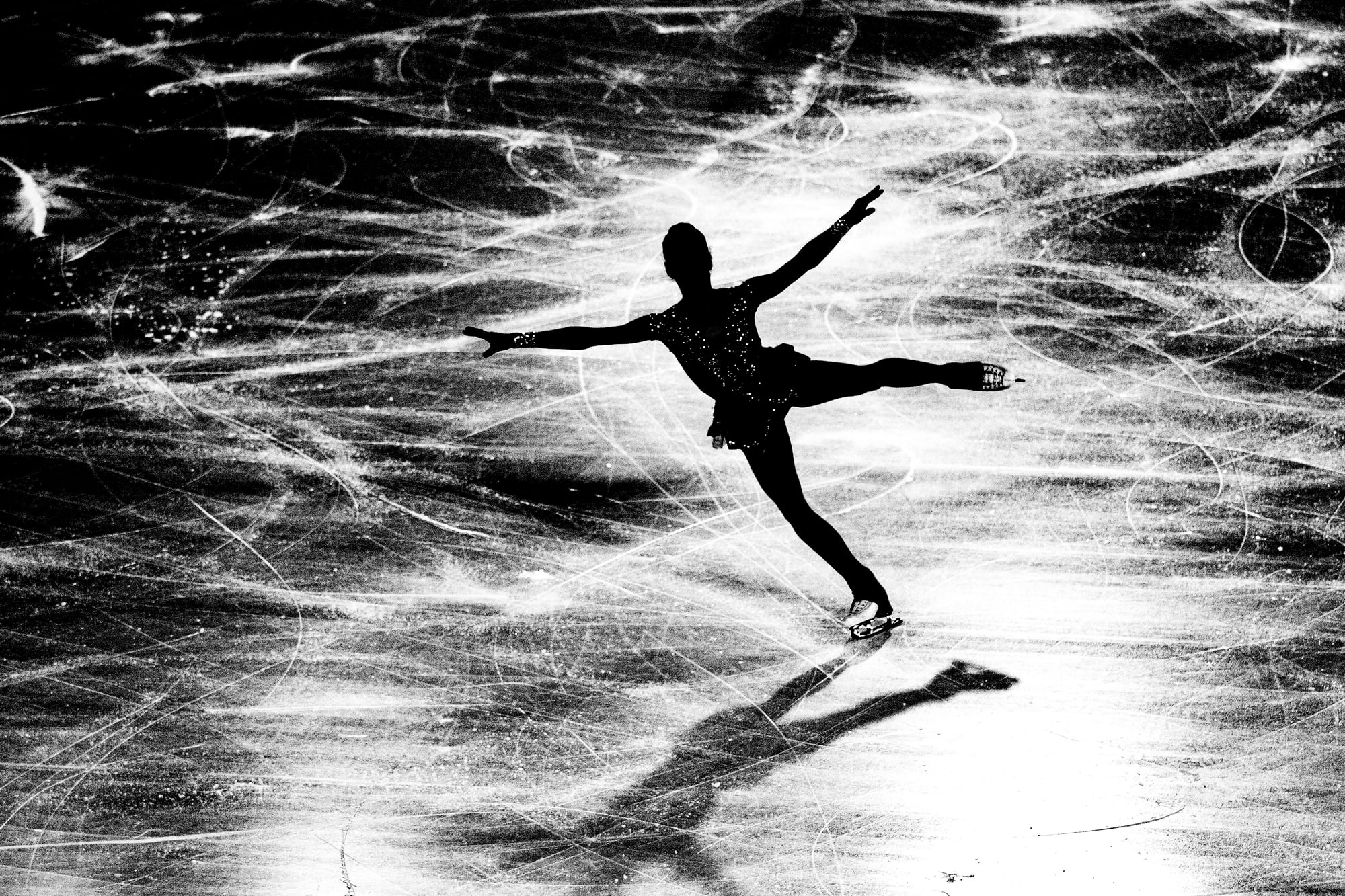
The 1904 Summer Olympics in St. Louis were unlike any Olympics before or since — a sprawling, chaotic affair that lasted nearly five months. The colorized photographs show athletes in actual colored uniforms competing on grass that was actually green under skies that were actually blue.
The marathon runners weren’t just grainy figures in old newsreels; they were real people running in the heat of a St. Louis summer, wearing white singlets and shorts that you can now see were sometimes not entirely white by the time they finished.
When History Becomes Personal
Color photography didn’t become widely accessible until the 1930s, which means most of the defining moments of the early 20th century exist only in black and white. But those moments didn’t happen in black and white.
They happened on days when the sky was blue and the grass was green and people wore clothes in colors they chose for reasons that mattered to them.
Seeing these moments in color doesn’t just change how they look — it changes how they feel. History stops being something that happened to other people in some distant, sepia-toned past.
It starts being something that happened to people like you, on days that looked like the days you know, in a world that was more familiar than you realized.
More from Go2Tutors!

- The Romanov Crown Jewels and Their Tragic Fate
- 13 Historical Mysteries That Science Still Can’t Solve
- Famous Hoaxes That Fooled the World for Years
- 15 Child Stars with Tragic Adult Lives
- 16 Famous Jewelry Pieces in History
Like Go2Tutors’s content? Follow us on MSN.