Secrets Behind the Invention of Famous Desserts
Every time you bite into a chocolate chip cookie or watch flames dance over a dish of Cherries Jubilee, you’re tasting a piece of culinary history. These beloved desserts didn’t just appear out of nowhere.
Many were created by accident, named after celebrities, or born from desperate kitchen moments that turned into sweet victories. The stories behind them are often more interesting than the recipes themselves.
Here is a list of secrets behind the invention of famous desserts.
Chocolate Chip Cookies Were No Accident
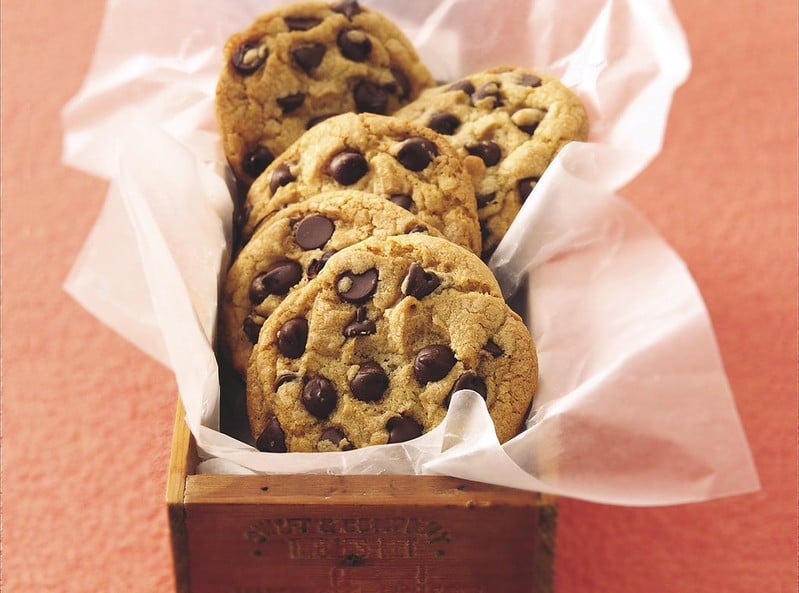
Ruth Wakefield owned the Toll House Inn in Massachusetts during the 1930s and deliberately created the chocolate chip cookie by chopping up a Nestlé chocolate bar and adding it to her cookie dough. The myth that she accidentally invented them while expecting the chocolate to melt completely has been debunked by food historians who point out that Wakefield had a degree in household arts and was known as a perfectionist.
She sold the recipe to Nestlé for just one dollar plus a lifetime supply of chocolate, and the recipe still appears on every package of Nestlé chocolate chips today.
Brownies Started as a Portable Dessert
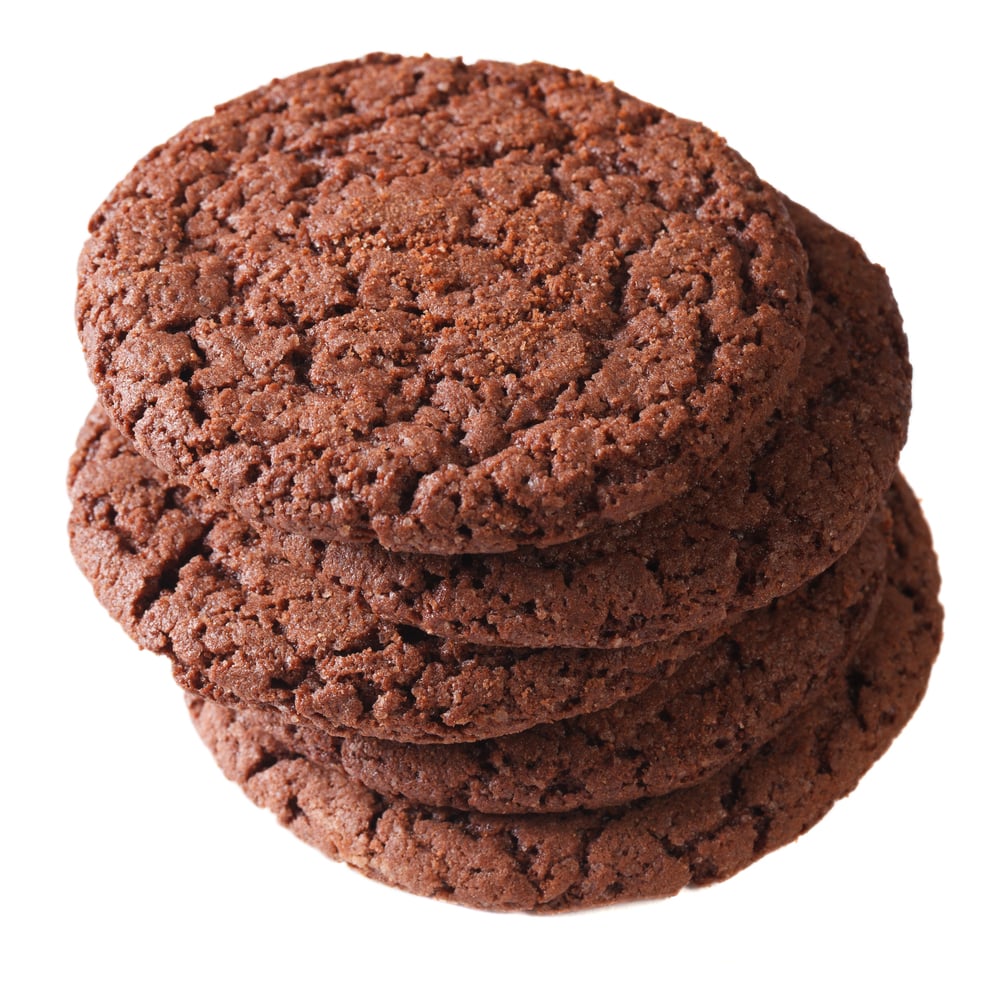
The wife of the Palmer House Hotel owner in Chicago requested that brownies be created as a special dessert that could be easily carried in lunch boxes for the World Columbian Exposition in 1893. The first published recipe for brownies appeared in the 1896 Boston Cooking School Cookbook, though those were molasses cakes rather than the chocolate treats we know today.
Despite various myths about forgotten baking powder or missing flour, the real story is far more practical.
Tiramisu Happened Because of Dropped Mascarpone

Tiramisu was only invented in the 1970s when Ado Campeol, owner of Le Beccherie restaurant in northeastern Italy, accidentally dropped mascarpone cheese into beaten eggs and sugar while making vanilla ice cream. He and his wife then layered the mixture with espresso-soaked ladyfingers, creating what would become one of Italy’s most famous desserts.
The name roughly translates to ‘pick me up’ in Italian, referencing the coffee content that gives it that energy boost.
Croissants Aren’t French At All
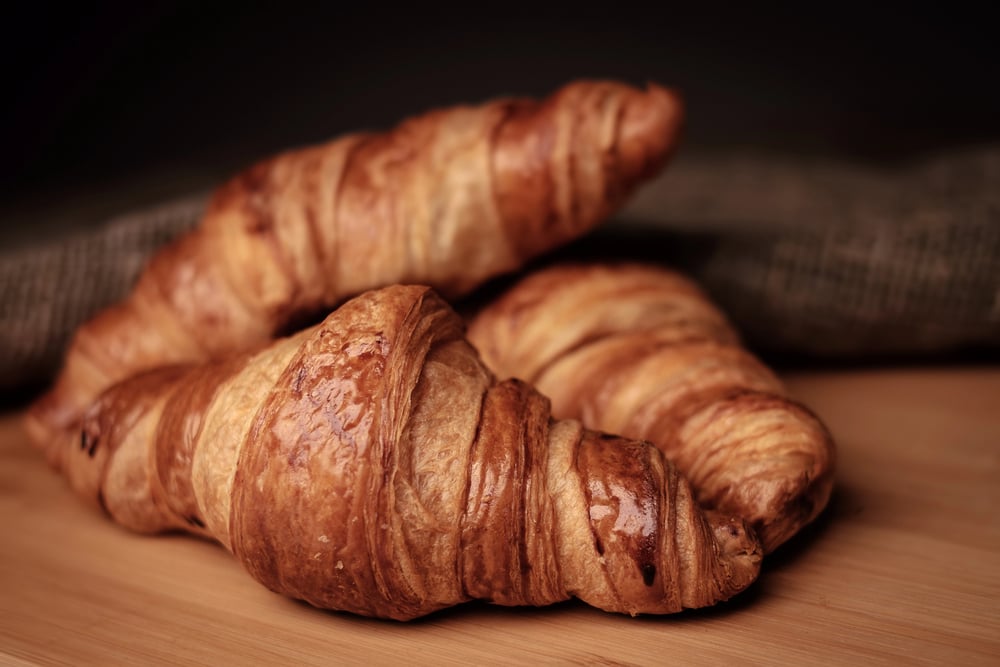
The croissant originated in Vienna as the kipferl and was brought to France by Austrian baker August Zang, who opened a Viennese bakery in Paris around 1837. The popular story that Marie Antoinette introduced croissants to France in 1770 has been largely dismissed by historians, who note that the pastry only became popular in France during the 19th century.
French bakers transformed the denser Austrian kipferl into the light, flaky croissant we know today by incorporating puff pastry techniques.
Cheesecake Dates Back Thousands of Years

The ancient Greeks were making cheesecake as far back as the first century AD, but the version we enjoy today came after the invention of cream cheese in 1872. Arnold Reuben, a Jewish German immigrant who owned a restaurant in Manhattan, created the first New York-style cheesecake in the 1920s.
Soon other Jewish bakers in the neighborhood started copying his creation, and the dense, creamy New York cheesecake became an American icon.
Pavlova’s Origins Are Still Fought Over
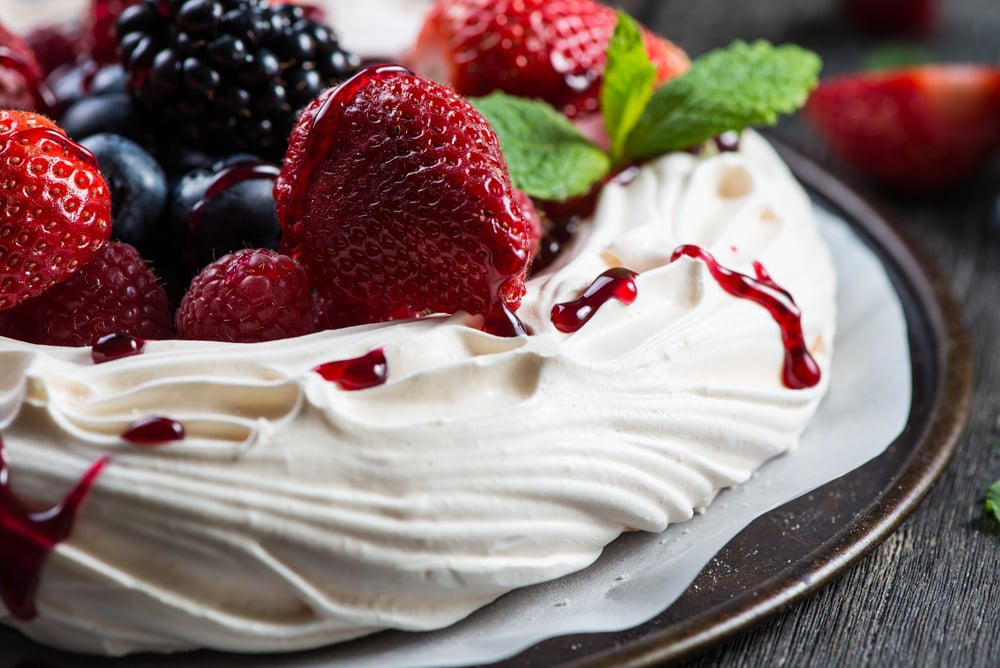
The pavlova was named after Russian ballerina Anna Pavlova, who visited Australia and New Zealand in the 1920s, with both countries claiming to have invented the dessert in her honor. However, similar meringue-based desserts existed in Austria and Germany long before 1926, including the Spanische Windtorte which featured intricate piping and colorful layers of fruit and cream.
The modern pavlova with its crispy exterior and marshmallowy center remains a source of national pride for both Australia and New Zealand.
Ice Cream Cones Were Born From Desperation

At the 1904 St. Louis World’s Fair, ice cream vendor Arnold Fornachou ran out of dishes to serve his ice cream. Ernest Hamwi, who was selling waffle-like pastries called zalabia at a neighboring booth, rolled up one of his waffles into a cone shape to help his fellow vendor.
The edible cone was an instant hit, solving the problem of broken or stolen glass dishes that plagued ice cream vendors.
An 11-Year-Old Invented the Popsicle
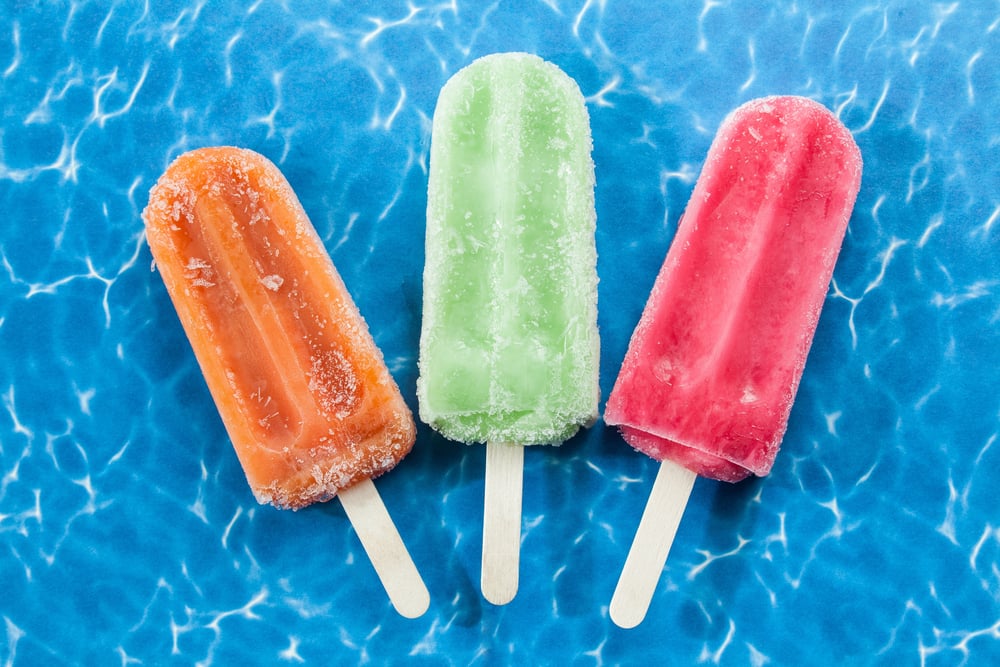
Frank Epperson left a cup of soda with a stirring stick outside on a cold night in San Francisco in 1905 when he was just 11 years old. By morning, the drink had frozen to the stick, and Epperson initially called his invention the ‘Epsicle’ before his children insisted on calling it ‘Pop’s sicle.’
He patented the frozen treat in 1923, and the first Popsicles sold for just five cents in seven flavors, with cherry remaining the most popular to this day.
Bananas Foster Was Named After a Friend
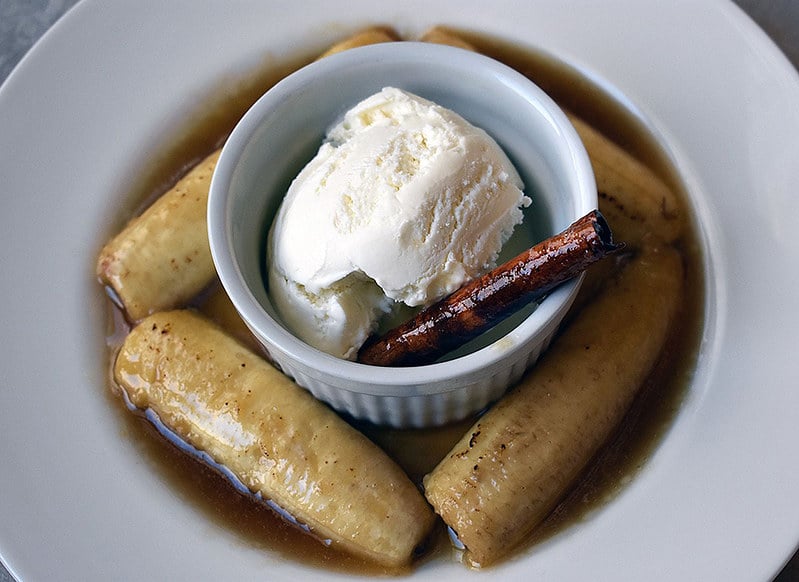
Owen Brennan, owner of Brennan’s restaurant in New Orleans, challenged his chef Paul Blangé to create a new dessert featuring bananas in 1951. The dish was named for a family friend, and the flambéed banana dessert quickly became a New Orleans favorite.
New Orleans was a major port city for bananas imported from Central and South America at the time, making them plentiful and cheap.
Cherries Jubilee Honored a Queen

Auguste Escoffier, one of the greatest chefs in history, created Cherries Jubilee for Queen Victoria’s Diamond Jubilee celebration in 1897. The original recipe featured fresh cherries, sugar, and brandy that was set on fire before the eyes of delighted diners, creating a spectacular show.
The ice cream wasn’t added to the dish until later, when it became a darling dessert of 1950s America.
German Chocolate Cake Has Nothing to Do With Germany
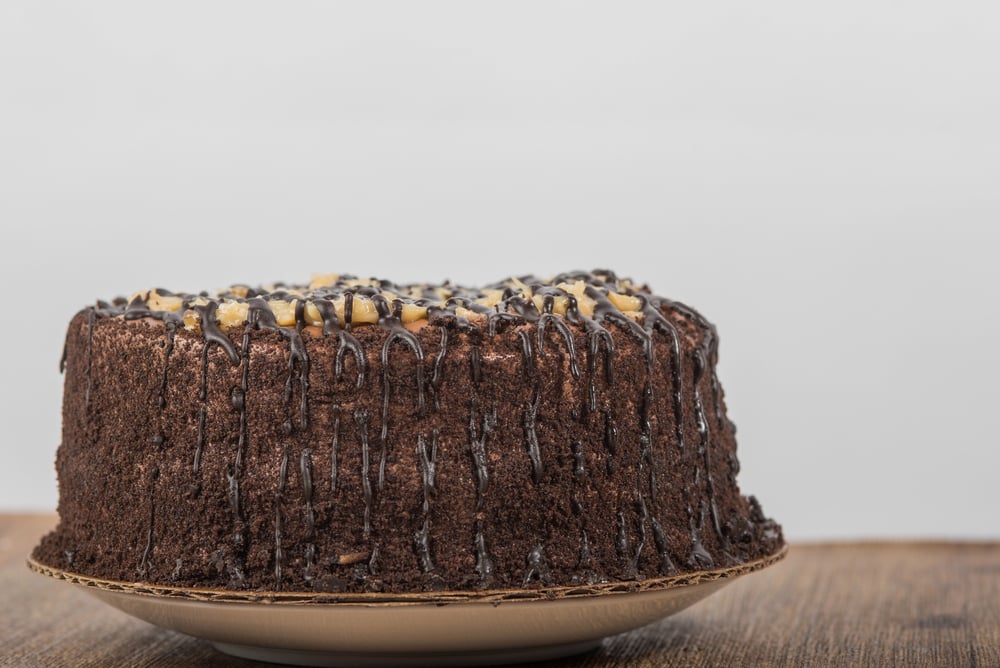
The cake was named after Samuel German, an English-American baker who developed a formulation of sweet baking chocolate for Baker’s Chocolate Company in 1852. The first published recipe appeared in a Dallas newspaper in 1956, submitted by a homemaker named Daisy Pearce.
When the recipe became popular, German’s Chocolate sales shot up 73 percent in one year, and the possessive form was eventually dropped, creating the false impression of German origins.
Red Velvet Cake Started as Chemistry

Bakers in the 1800s discovered that mixing cocoa powder with acidic ingredients like buttermilk or vinegar triggered a chemical reaction that brought out red hues in the cocoa. Before modern food coloring was introduced in 1938, beets were also used to achieve the desired red tone.
The cake became famous as a dessert at New York City’s Waldorf-Astoria hotel in the 1920s, though it’s also considered a Southern recipe.
Peach Melba Celebrated an Opera Star
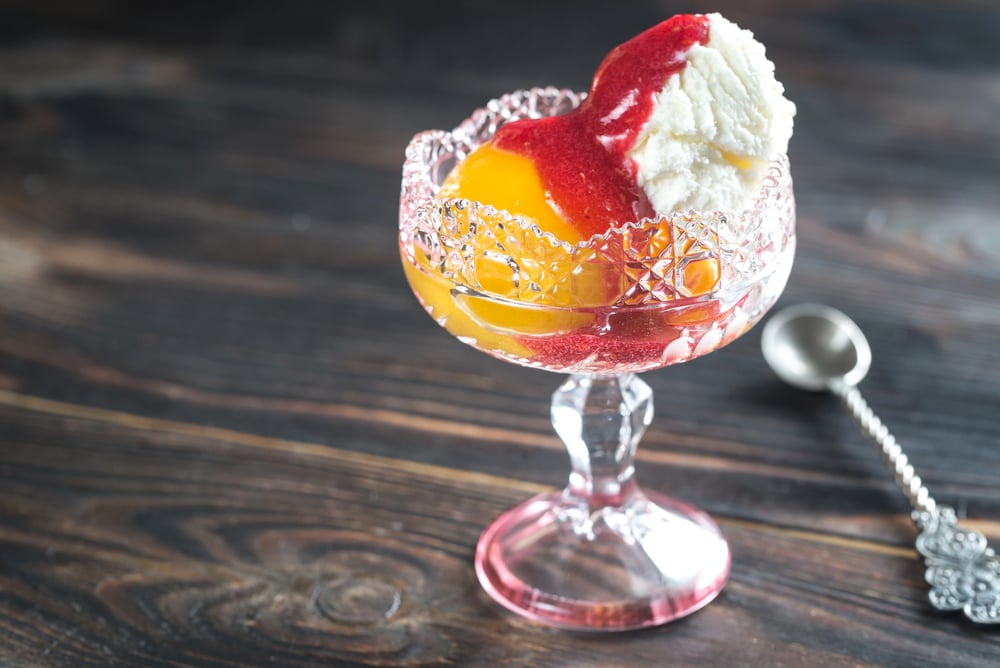
Auguste Escoffier created Peach Melba for Australian opera singer Nellie Melba in 1893, demonstrating his habit of naming dishes after celebrities. Escoffier was renowned for his creative concoctions and served royalty from Denmark, Austria, England, Brazil, and Russia at his restaurants across Europe.
The dessert features poached peaches with vanilla ice cream and raspberry sauce.
Baked Alaska Combined Hot and Cold
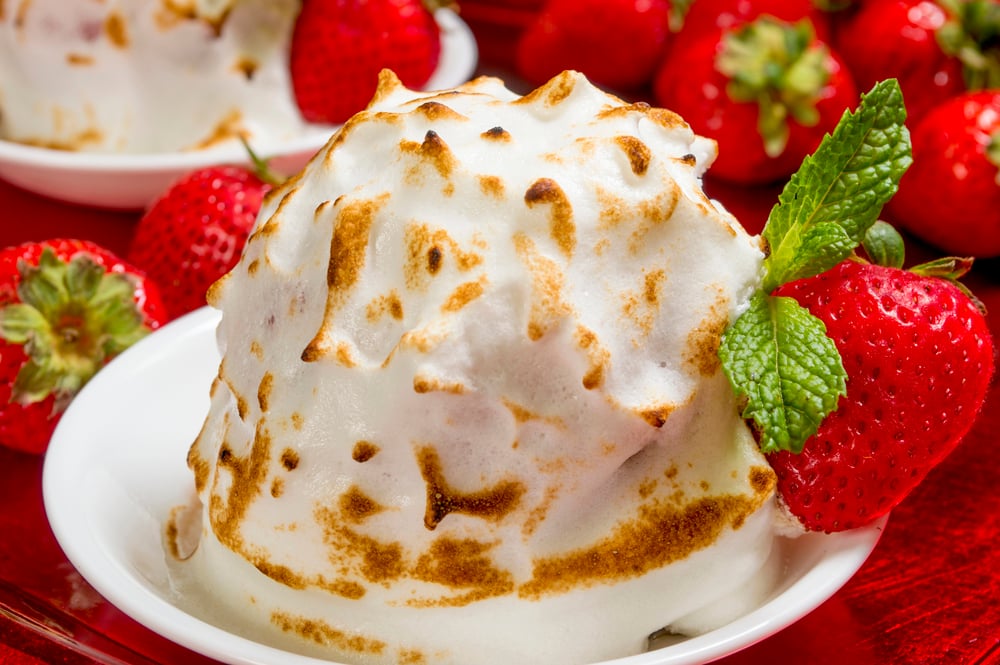
The precursor to Baked Alaska was invented in France in the 1830s as the omelette Norwegge, which combined cake, ice cream, and meringue that was then grilled before serving. The name is thought to come from Parisian pastry chef Charles Ranhofer who worked in New York City and dubbed his version Alaska-Florida due to the dramatic contrast between hot and cold.
Modern blowtorches have made the preparation far less challenging than the original method.
Macarons Became French Through Perfection

Macarons originated in Italy and were brought to France by Catherine de’ Medici in the 16th century. However, it was the French who perfected the macaron, particularly in the early 20th century when Parisian pâtisserie Ladurée began selling the sandwich-style macarons filled with buttercream, ganache, or jam that we know today.
The delicate almond meringue cookies have become a symbol of French sophistication around the world.
Sweet Endings From Unexpected Beginnings

These desserts prove that culinary genius doesn’t always follow a recipe. Whether born from accidents, royal celebrations, or simple problem-solving at a busy fair, each sweet treat carries a story that connects us to cooks and bakers who came before.
The next time you enjoy one of these classics, you’ll know the fascinating history baked into every bite.
More from Go2Tutors!

- The Romanov Crown Jewels and Their Tragic Fate
- 13 Historical Mysteries That Science Still Can’t Solve
- Famous Hoaxes That Fooled the World for Years
- 15 Child Stars with Tragic Adult Lives
- 16 Famous Jewelry Pieces in History
Like Go2Tutors’s content? Follow us on MSN.