17 Viral Internet Challenges That Originated Before Social Media
Long before TikTok trends and Instagram challenges dominated our screens, people were already participating in viral phenomena that spread through word of mouth, television, or early internet forums. These pre-social media challenges demonstrate how our collective desire to participate in shared experiences has deep roots in human culture. The methods of transmission may have changed, but our enthusiasm for challenges remains remarkably consistent across generations.
Here is a list of 17 viral challenges that gained popularity before the rise of modern social media platforms:
Phone Booth Stuffing

College students in the 1950s competed to see how many people could squeeze into a standard telephone booth. The craze began in South Africa before spreading to the United Kingdom and eventually taking American campuses by storm.
Photos of these human sardine cans appeared in newspapers nationwide, with the unofficial record reaching 25 people in a single booth.
Goldfish Swallowing

This peculiar challenge emerged on college campuses in the 1920s when a Harvard freshman swallowed a live goldfish on a dare. The stunt caught on rapidly, with students across the country attempting to break records for the most goldfish consumed.
Campus newspapers tracked these feats until animal rights concerns and health warnings eventually dampened enthusiasm for the challenge.
Like Go2Tutors’s content? Follow us on MSN.
Flagpole Sitting

In the 1920s, people competed to sit atop flagpoles for extended periods as a test of endurance and balance. The record was set by Alvin ‘Shipwreck’ Kelly, who remained on a flagpole for 49 days in Atlantic City.
This bizarre trend fascinated Americans during the Roaring Twenties and became a symbol of the era’s perceived frivolity and excess.
Streaking

Running naked through public places peaked as a phenomenon in the 1970s, with college campuses serving as the primary venue. The challenge spread through television coverage and newspaper reports of mass streaking events.
The 1974 Academy Awards broadcast featured a famous streaking incident that brought the trend to its cultural peak before public interest gradually declined.
Dance Marathons

Couples competed in days-long or even weeks-long dance endurance competitions during the Great Depression. With only brief rest intervals, participants would move constantly before frequently passing out from weariness.
Large crowds and media attention were generated by these events, and the monetary rewards served as inspiration during hard times.
Like Go2Tutors’s content? Follow us on MSN.
Planking

Before Facebook made it truly viral, planking began in the early 2000s when people would lie face down in unusual public locations. The challenge involved maintaining a rigid, plank-like pose with arms at the sides while someone photographed the scene.
Early planking spread through message boards and email chains before social platforms amplified it years later.
Pogs
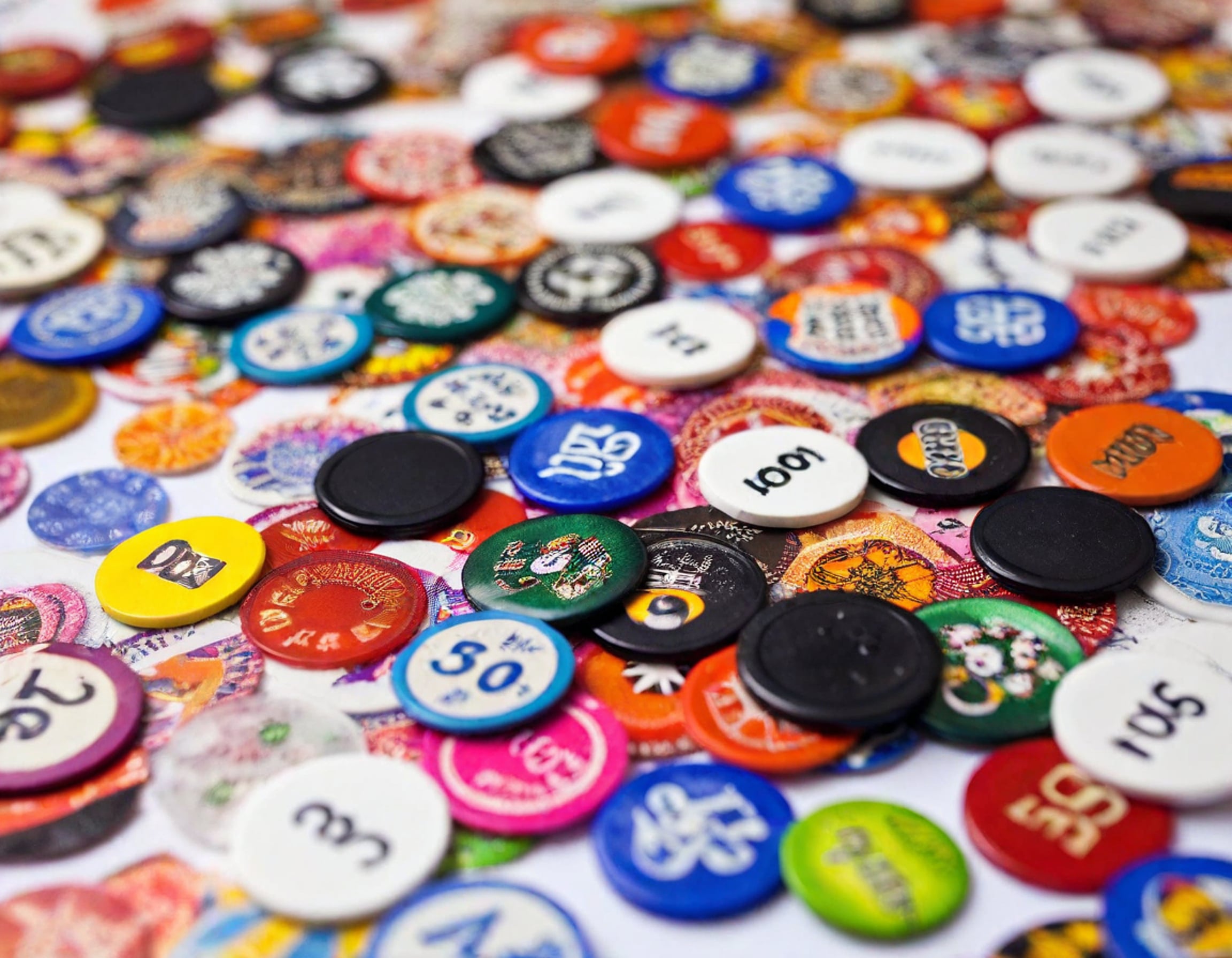
This playground phenomenon of the 1990s involved collecting cardboard discs and competing to win others’ collections through a game of skill. Children would slam a heavy ‘slammer’ onto stacks of pogs, keeping any that flipped over.
The competitive collecting aspect created a viral challenge element that spread through schools nationwide before adults became concerned about its gambling-like qualities.
Pet Rocks

In 1975, advertising executive Gary Dahl launched ordinary rocks in custom cardboard boxes as ‘pets’ that required no feeding, walking, or cleaning. The absurdist joke product became a massive fad with people competing to create the most elaborate habitat for their rock or teaching it the best ‘tricks.’
The challenge spread through traditional media coverage and word of mouth.
Like Go2Tutors’s content? Follow us on MSN.
Chain Letters

These analog predecessors to modern chain messages contained warnings of bad luck unless the recipient forwarded copies to multiple friends. Early internet email chains operated on the same principle before social platforms existed.
The psychological pressure and fear of consequences created a viral spreading mechanism that persisted for decades across multiple communication technologies.
Hula Hooping

The plastic hula hoop became a global sensation in the late 1950s as individuals fought to maintain the hoop spinning for the longest period or execute the most spectacular stunts.
As the challenge spread across communities and playgrounds around America and worldwide, an estimated 25 million hoops were sold within four months of their debut.
Rubik’s Cube

The colorful puzzle became a global obsession in the early 1980s, with speed-solving competitions emerging organically. Early ‘cubers’ shared techniques through newsletters and at in-person tournaments long before YouTube tutorials existed.
The challenge of solving the cube faster than friends created a competitive viral element that transcended conventional marketing channels.
Like Go2Tutors’s content? Follow us on MSN.
Swallowing Cinnamon

The cinnamon challenge began in the early 2000s on message boards and early video-sharing sites before mainstream social media. Participants attempted to swallow a spoonful of ground cinnamon without drinking water, invariably resulting in coughing fits and distress.
The spectacle of the reaction drove its viral spread through early internet communities and eventually onto YouTube.
Car Surfing
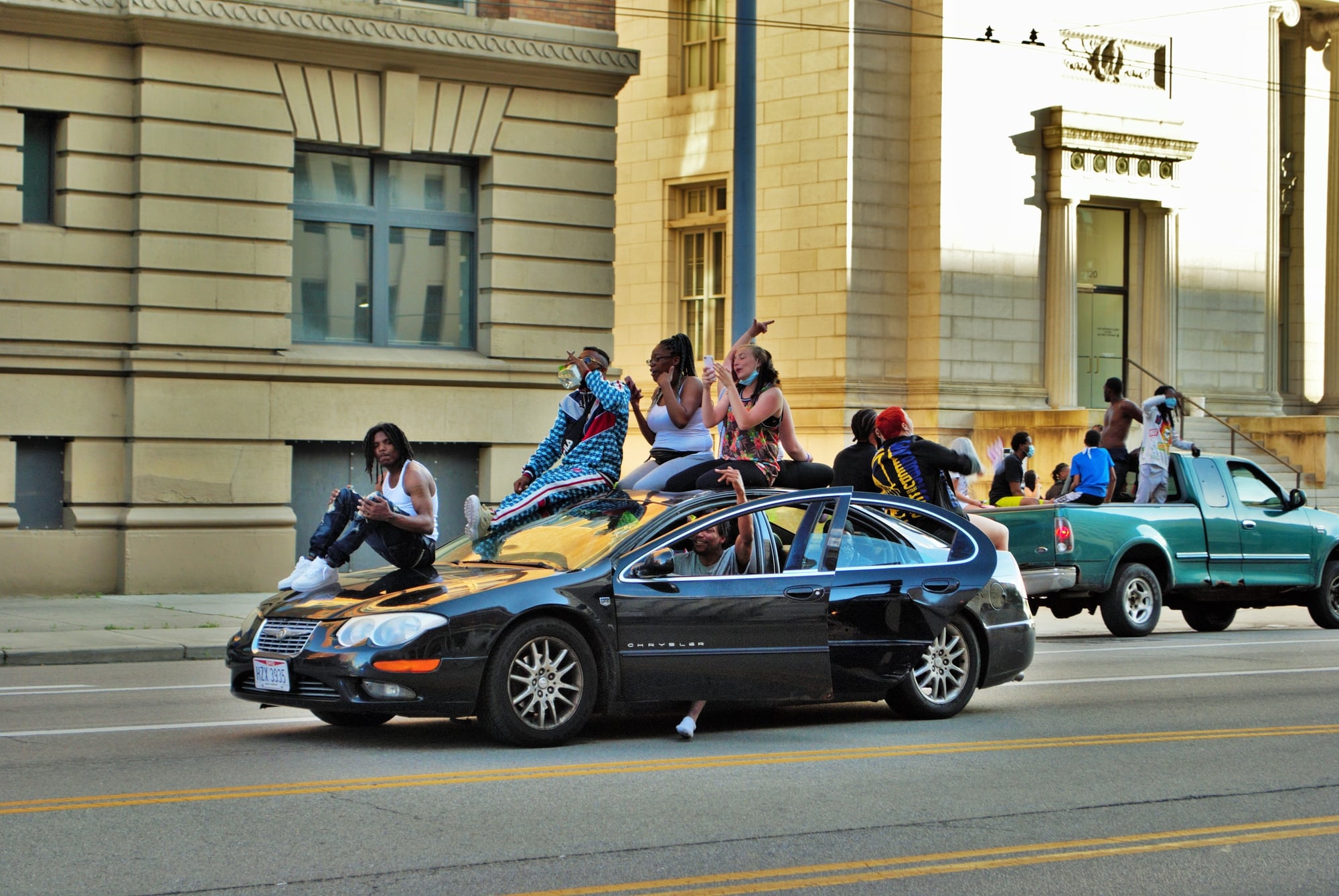
This dangerous activity involved riding on the exterior of moving vehicles and gained popularity through word of mouth and local news coverage in the 1980s and 1990s. Young people would stand on car roofs or cling to bumpers while friends drove at varying speeds.
The challenge spread largely through personal networks and occasional media coverage of resulting accidents.
Ice Water Dousing

Years before the ALS Ice Bucket Challenge formalized the concept, collegiate athletes were dumping coolers of ice water on coaches after significant victories. This celebration tradition began in the 1980s NFL and spread to other sports through television coverage, creating a ritualized challenge that anticipated the structured ice bucket challenges that would later dominate social media.
Like Go2Tutors’s content? Follow us on MSN.
Beetlejuice Summoning

Throughout the 1990s, children at sleepovers would stand before bathroom mirrors in darkened rooms, saying ‘Beetlejuice’ three times to summon the character from Tim Burton’s film. The challenge spread through playground conversations and sleepover parties.
The ritual’s spooky appeal created perfect conditions for viral transmission among schoolchildren despite pre-dating digital sharing platforms.
Flash Mobs
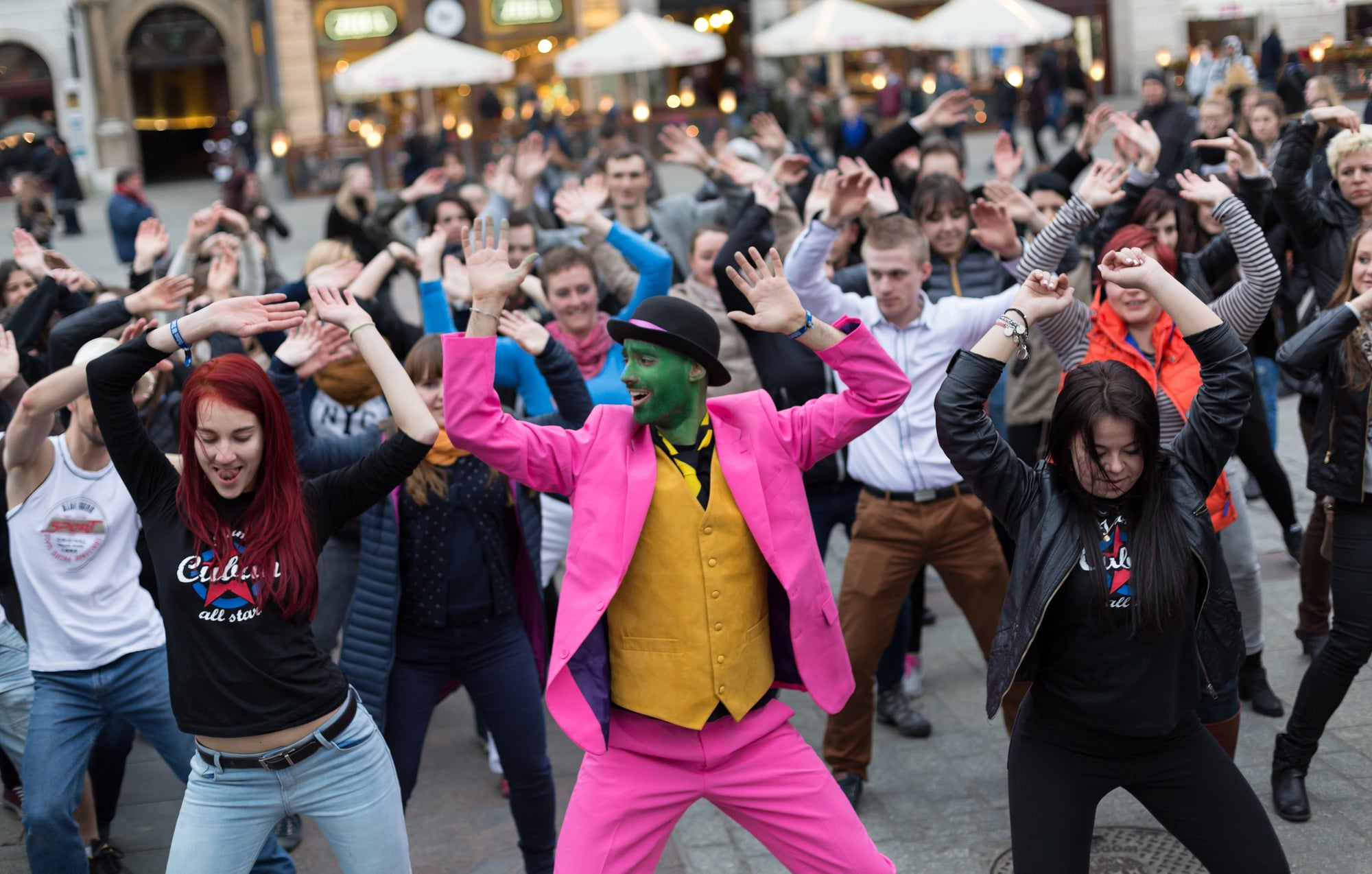
These coordinated group performances in public spaces began in 2003 when participants received instructions via email and text messages. Early flash mobs involved hundreds of people simultaneously performing unusual actions like freezing in place or applauding nothing in crowded locations.
The surprise element and media coverage helped the phenomenon spread globally before social media platforms existed to amplify it.
Pyramid Schemes

These financial challenges disguised as ‘business opportunities’ spread through word of mouth and classified advertisements since the early 20th century. Participants were challenged to recruit others into the scheme with promises of easy money.
The personal testimonials of early participants created powerful social proof that drove viral adoption despite their fundamentally unsustainable nature.
Like Go2Tutors’s content? Follow us on MSN.
The Enduring Appeal of Collective Participation

These pre-social media challenges reveal how deeply ingrained our desire for shared experiences truly is. Each generation finds its way to create and spread viral phenomena, whether through newspaper headlines, television coverage, or playground whispers.
While modern platforms have accelerated the pace and reach of viral challenges, they’ve simply built upon a human tendency that has existed for decades. The challenges may change, but our enthusiasm for participating in collective experiences remains a constant thread connecting generations of trendsetters and followers alike.
More from Go2Tutors!

- 18 Unexpectedly Valuable Collectibles You Might Have Lying Around
- 20 Little-Known Historical Battles That Had Huge Consequences
- 20 Historical Artifacts That Scientists Can’t Explain
- 15 Inventions That Were Immediately Banned After Being Created
- 20 Actors Who Were Almost Cast in Iconic Roles
Like Go2Tutors’s content? Follow us on MSN.