17 Ways Life Was Different in the 1950s
The 1950s feel like a completely different world when you really think about it. This was a decade when families had one car, kids played outside until dark, and nobody worried about checking their phone because phones were stuck to the kitchen wall. Life moved at a slower pace, and everyday routines that seemed normal back then would probably shock people today.
From how people shopped to how they spent their evenings, the fifties had their own rhythm that’s hard to imagine now. Here’s a list of 17 ways life was totally different in the 1950s.
One Income Supported Entire Families

Most households ran on dad’s paycheck alone, and that was actually enough to buy a house, raise kids, and maybe even take a vacation. Mom typically stayed home to manage the household and children — not because she couldn’t work, but because one salary could actually cover everything.
This setup meant families could afford middle-class lifestyles without both parents working multiple jobs.
Milk Got Delivered to Your Doorstep

The milkman showed up every few days, leaving fresh bottles on your porch and picking up the empties. People didn’t have to worry about running out of milk because it just appeared like magic.
This system worked so well that families rarely thought about grocery shopping for basic staples.
Kids Roamed the Neighborhood Freely

Children disappeared after breakfast and didn’t come home until dinner, and parents weren’t constantly worried about where they were. Kids built forts, rode bikes for miles, and explored their neighborhoods without adult supervision.
The concept of ‘stranger danger’ wasn’t really a thing yet, so childhood had a lot more freedom and independence.
Television Was a Family Event
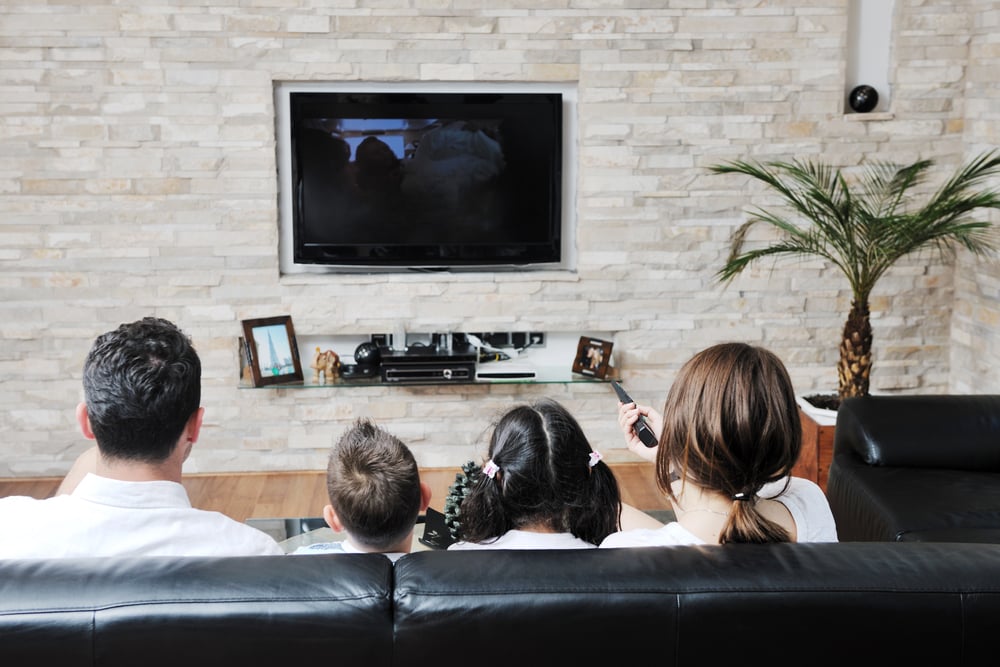
Families gathered around one TV set to watch programs together since there was no such thing as everyone having their own screen. Popular shows brought the whole household together for shared entertainment.
Most families had maybe three or four channels to choose from, so everyone had to agree on what to watch.
Doctors Made House Calls

When someone got sick, the doctor actually came to your house with his little black bag full of medical supplies. Families didn’t have to drag sick kids to waiting rooms or worry about catching something else at the doctor’s office.
This personal service made medical care feel more intimate and convenient.
Shopping Happened Downtown

People dressed up to go shopping in the city center, where department stores offered personal service and quality merchandise. Shopping was more of a special occasion than a casual errand — families planned trips downtown and made a day of it.
Strip malls and big-box stores hadn’t taken over yet, so downtown areas were still thriving business districts.
Gas Station Attendants Did Everything

Full-service gas stations meant you never had to get out of your car or touch a pump. Attendants filled your tank, checked your oil, cleaned your windshield, and even checked your tire pressure.
This level of service was standard, not some luxury upgrade.
Sunday Blue Laws Closed Most Businesses

Sundays were genuinely days of rest because most stores, restaurants, and businesses were legally required to stay closed. Families spent Sundays at church, visiting relatives, or enjoying quiet time at home.
This created a slower, more predictable rhythm to the week that’s completely gone now.
Credit Cards Didn’t Exist Yet

People paid cash for everything or used layaway plans to buy expensive items over time. The concept of instant credit and buying things you couldn’t afford right away wasn’t part of daily life.
This meant people had to save up for purchases and think more carefully about spending money.
Air Travel Was Fancy and Rare

Flying somewhere was a special occasion that required dressing up in your best clothes. Airlines served real meals on actual plates and provided service that felt more like a luxury hotel than modern air travel.
Most people had never been on an airplane and might never fly in their entire lives.
Phones Were Shared by the Whole Family

Every household had one phone number, and everyone took turns using it. Private conversations were hard to come by, and teenagers had to negotiate phone time with their siblings.
Long-distance calls cost serious money, so people kept them short and only called far-away relatives on special occasions.
Racial Segregation Was Legal

‘Separate but equal’ was still the law in many parts of the country, meaning Black and white Americans couldn’t use the same schools, restaurants, or public facilities. This systematic discrimination was enforced by law and social custom, creating a completely different social reality.
The civil rights movement was just beginning to challenge these deeply entrenched practices.
Women Had Limited Career Options

Most women worked as teachers, nurses, or secretaries if they worked outside the home at all. Professional careers in law, medicine, or business were extremely rare for women.
Society expected women to prioritize marriage and motherhood over personal ambitions, which limited their economic independence.
Cars Were Built Like Tanks

Automobiles were made from heavy steel and designed to last for decades rather than a few years. Cars didn’t have seat belts, airbags, or most of the safety features we consider essential today.
People actually fixed their cars instead of replacing them, and mechanics could work on engines without computer diagnostic equipment.
Entertainment Was Simpler

Families made their own fun with board games, radio programs, and outdoor activities since there weren’t many entertainment options. Drive-in movies were popular date destinations, and dancing was a common social activity.
People had to be more creative about having fun because passive entertainment wasn’t available on demand.
Food Came from Local Sources

Most groceries were produced relatively close to where people lived, and seasonal eating was just normal life. Frozen foods were a new technology, and most meals were made from scratch using fresh ingredients.
Eating strawberries in December or tropical fruits year-round wasn’t really possible for most families.
Privacy Actually Existed

People could disappear for hours or days without anyone knowing exactly where they were or what they were doing. There were no surveillance cameras, GPS tracking, or social media to document every moment.
This level of privacy seems almost impossible to achieve in today’s connected world.
When Simple Meant Something
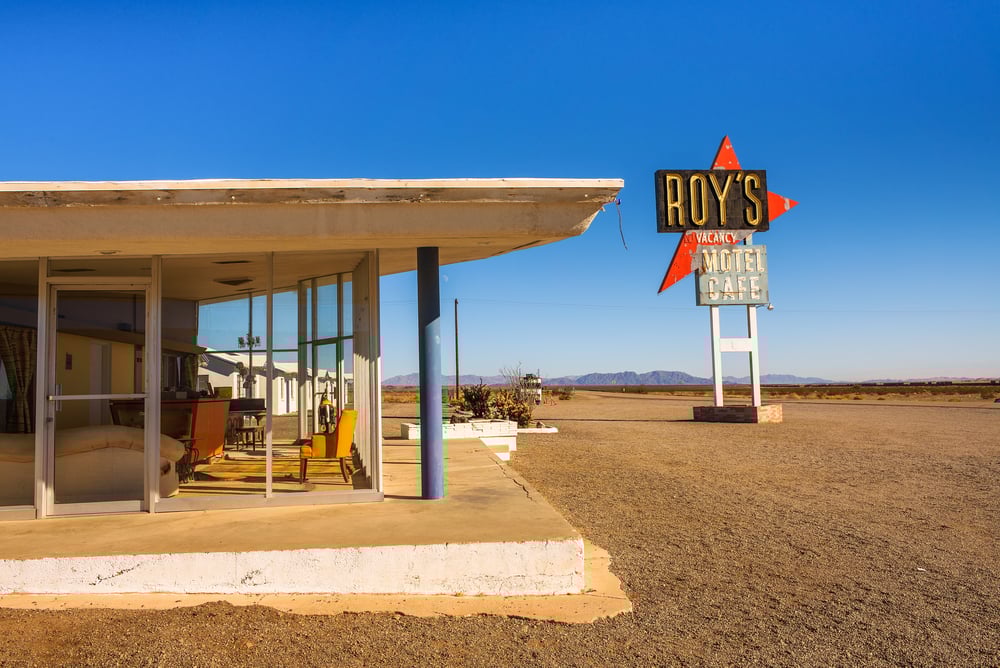
The 1950s represented a time when life operated on a smaller, more predictable scale that many people today find appealing. Families stayed in the same neighborhoods for generations, and social expectations were clearer even if they weren’t always fair.
While that decade certainly had serious problems — especially regarding civil rights and women’s equality — it also offered a sense of community and stability that’s harder to find now. Looking back at the fifties reminds us how dramatically technology and social change have transformed everyday life in just a few decades.
More from Go2Tutors!

- The Romanov Crown Jewels and Their Tragic Fate
- 13 Historical Mysteries That Science Still Can’t Solve
- Famous Hoaxes That Fooled the World for Years
- 15 Child Stars with Tragic Adult Lives
- 16 Famous Jewelry Pieces in History
Like Go2Tutors’s content? Follow us on MSN.